Comparing the Top Small Breeds
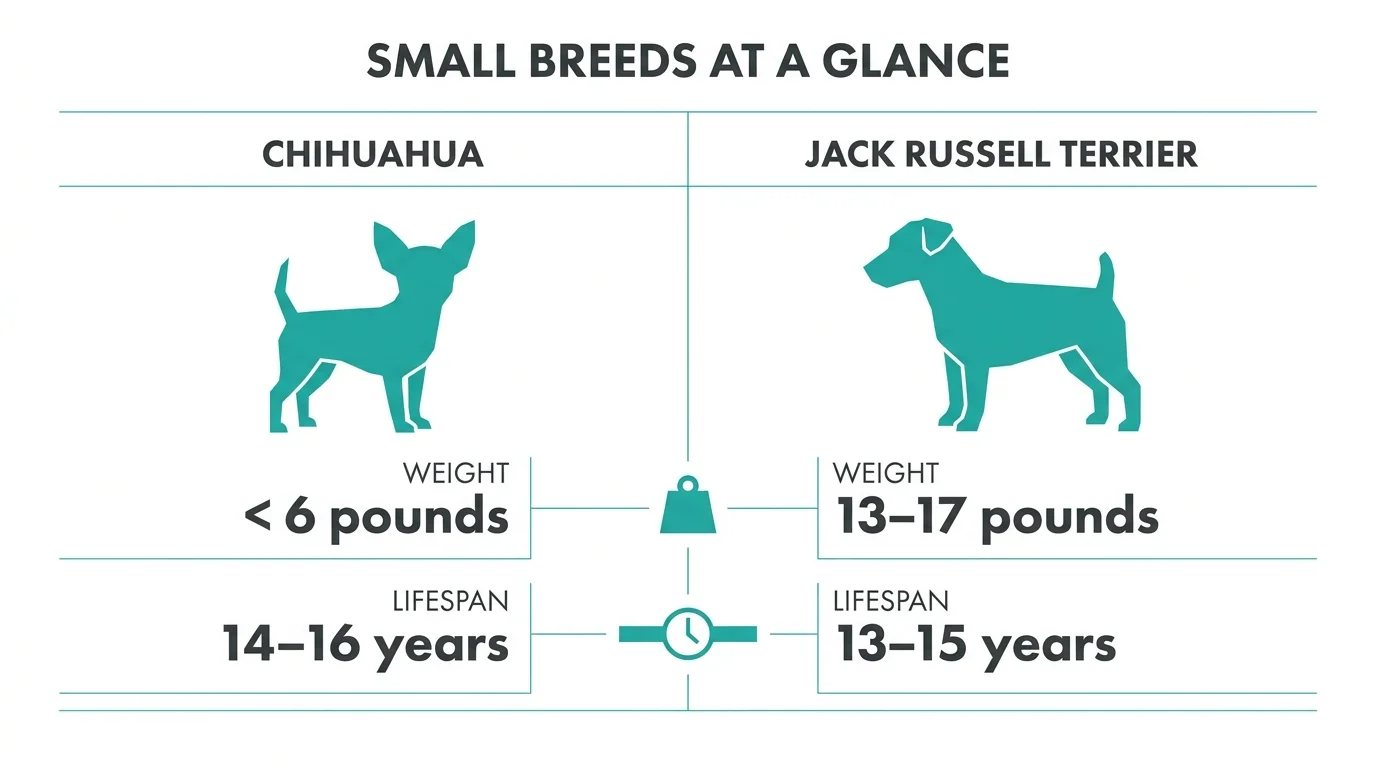
Use this table to quickly compare the vital statistics and signature traits of these ten dynamic breeds. Remember that weights and lifespans are averages; individual dogs will vary based on genetics, daily diet, and overall lifestyle.
| Dog Breed | Average Weight | Average Lifespan | Signature Personality Trait |
|---|---|---|---|
| Chihuahua | Under 6 lbs | 14–16 years | Saucy and fiercely loyal |
| Jack Russell Terrier | 13–17 lbs | 13–15 years | Relentlessly energetic |
| Pomeranian | 3–7 lbs | 12–16 years | Bold and commanding |
| Schipperke | 10–16 lbs | 12–16 years | Curious and protective |
| Miniature Schnauzer | 11–20 lbs | 12–15 years | Fearless and vocal |
| Dachshund | 11–32 lbs | 12–16 years | Clever and stubborn |
| Affenpinscher | 7–10 lbs | 12–15 years | Comical and brave |
| French Bulldog | Under 28 lbs | 10–12 years | Adaptable and clownish |
| Yorkshire Terrier | Around 7 lbs | 11–15 years | Feisty and affectionate |
| Shih Tzu | 9–16 lbs | 10–18 years | Outgoing and gentle |
Things to Watch Out For
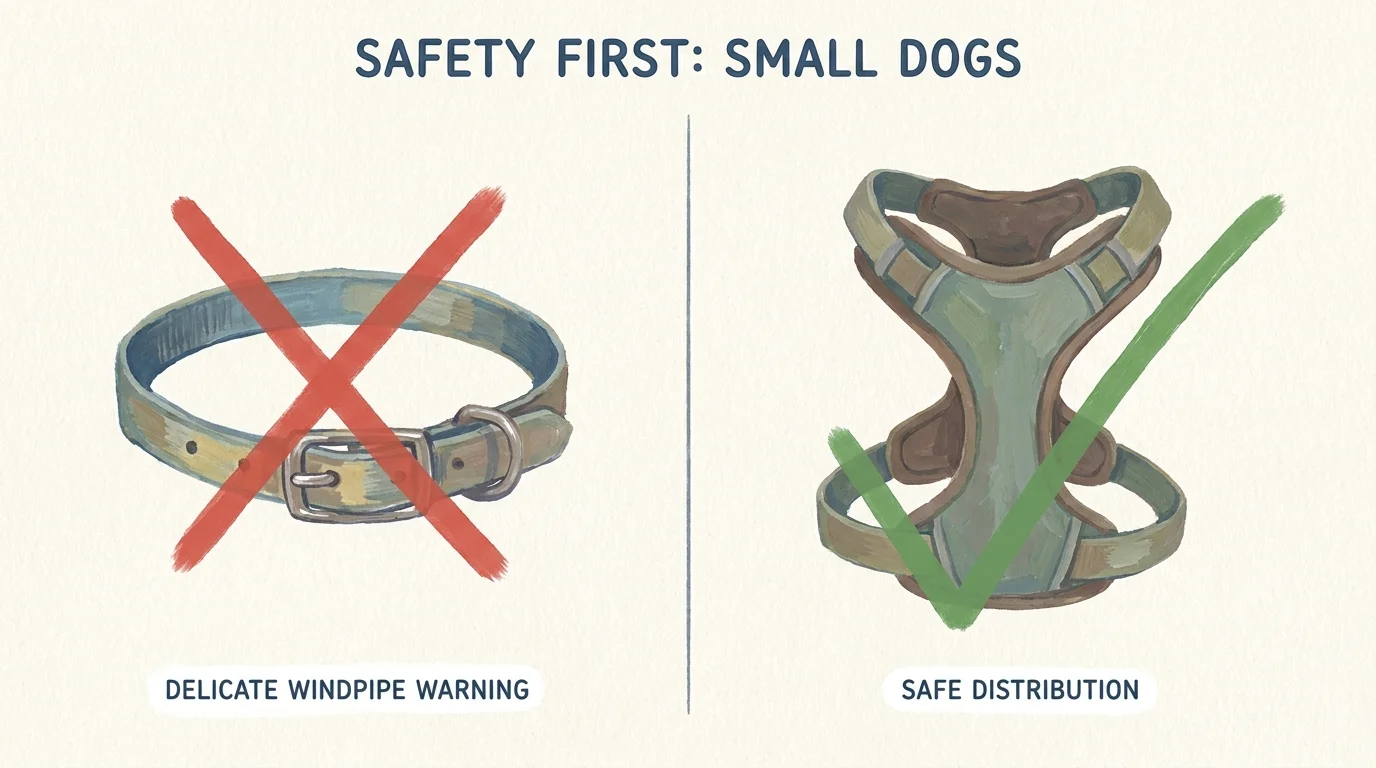
Owning a small dog with a massive personality comes with unique daily challenges. Their bold attitudes can sometimes mask their physical vulnerabilities, and improper training can lead to severe behavioral issues. Keep these specific scenarios in mind:
- Small Dog Syndrome: When owners allow tiny dogs to jump, nip, or growl because it looks “cute” or harmless, the dog learns that aggressive behavior is acceptable. You must enforce the exact same behavioral boundaries for a Chihuahua as you would for a German Shepherd.
- Physical Fragility in Crowds: A fearless Jack Russell Terrier or Affenpinscher will not hesitate to walk underfoot or openly challenge a larger dog. You need to remain hyper-vigilant in dog parks and crowded urban areas to prevent accidental crushing injuries or altercations they cannot physically win.
- Dental Disease Risks: Small breeds have tiny mouths, which leads to severely overcrowded teeth and accelerated plaque buildup. You must establish a daily toothbrushing routine and schedule regular professional veterinary cleanings to prevent severe periodontal disease and tooth loss.
- Weight Gain and Joint Stress: Carrying even one extra pound puts massive strain on the joints of a small dog, especially long-backed breeds like the Dachshund. You have to measure their food portions strictly and avoid giving in to their begging eyes.
When DIY Isn’t Enough
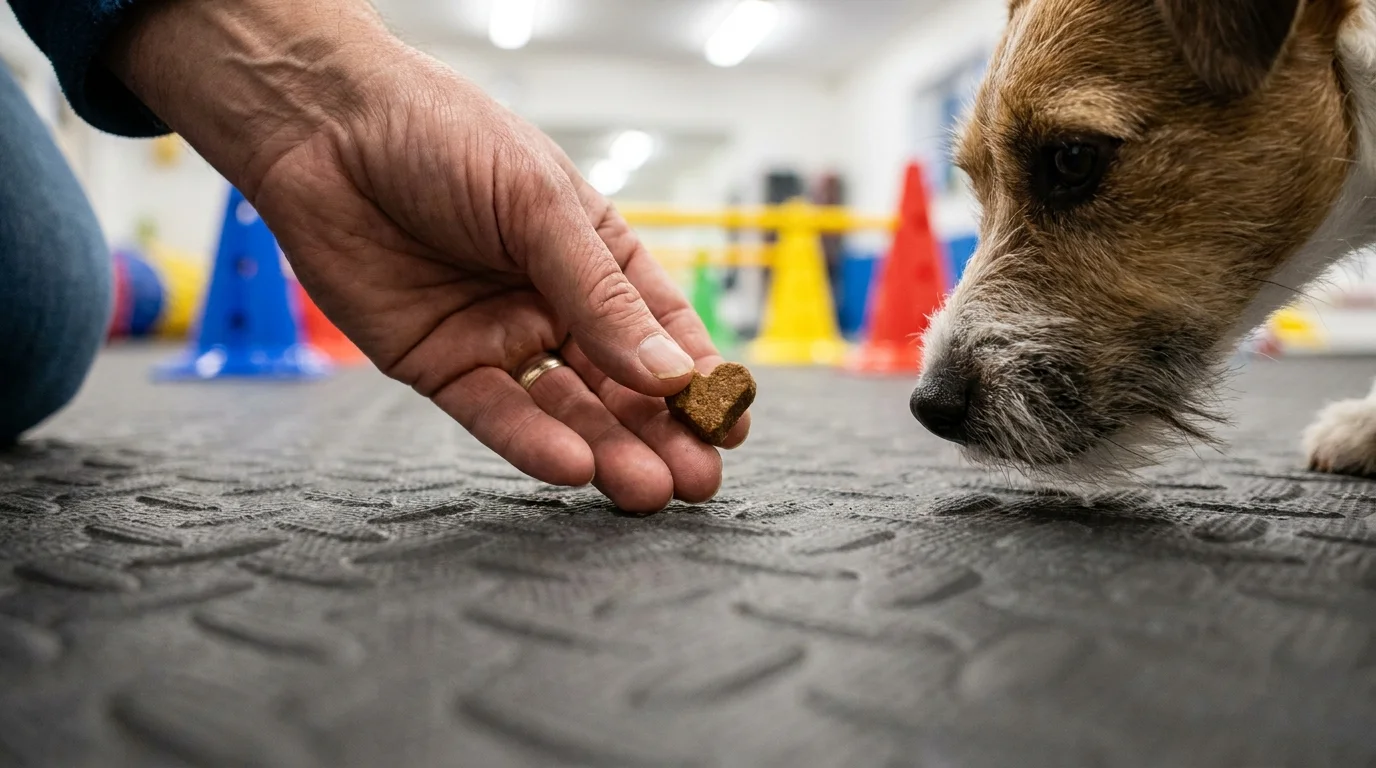
While general obedience training and routine care work perfectly for most dogs, certain behavioral and medical issues require immediate professional intervention. Do not hesitate to call an expert in these specific situations:
- Managing Severe Resource Guarding: If your small dog aggressively defends their food bowl, toys, or even your lap by snapping, a certified animal behaviorist can help you implement safe counter-conditioning techniques before the dog bites someone.
- Addressing Sudden Behavioral Changes: If your normally outgoing Pomeranian or Shih Tzu suddenly becomes withdrawn or snaps when touched, they are likely in hidden physical pain. A veterinarian needs to evaluate them for structural issues like luxating patellas, dental abscesses, or spinal injuries.
- Navigating Orthopedic Emergencies: Breeds like the Dachshund and French Bulldog are highly prone to severe spinal and joint issues. If your dog suddenly loses mobility in their hind legs, you need an immediate consultation with a veterinary neurologist, as conditions like IVDD require rapid surgical intervention to prevent permanent paralysis.
- Securing Specialized Pet Insurance: Treating chronic conditions like heart murmurs in Chihuahuas or breathing issues in French Bulldogs costs thousands of dollars over a lifetime. You should consult with an independent insurance agent who understands pet policies to find coverage that explicitly includes breed-specific hereditary conditions without hidden exclusions.
Frequently Asked Questions
What is the best small dog breed for an apartment?
If you live in an apartment, you should look for a breed with low barking tendencies and moderate exercise requirements. The French Bulldog and Shih Tzu are excellent choices because they are highly adaptable, relatively quiet, and perfectly happy with daily indoor play and short neighborhood walks. Conversely, you should avoid vocal, high-energy breeds like the Jack Russell Terrier or Schipperke unless you maintain a highly active outdoor lifestyle to tire them out.
Are small dogs naturally more aggressive than large dogs?
Small dogs are not genetically predisposed to be more aggressive, but they often develop fear-based aggression because the human world is large, loud, and physically intimidating. Furthermore, humans routinely tolerate growling and nipping from tiny dogs—a phenomenon known as “small dog syndrome”—whereas the same behavior in a large dog would be immediately corrected. Proper socialization from a young age and consistent obedience training are exactly as crucial for a five-pound Yorkshire Terrier as they are for a Mastiff.
How long do small dog breeds live compared to large dogs?
Small dog breeds consistently outlive large dog breeds. While giant breeds like Great Danes may only live seven to ten years, small dogs like Chihuahuas, Pomeranians, and Dachshunds routinely live 14 to 16 years, and sometimes even longer. Research from veterinary institutions shows that large dogs age at an accelerated cellular rate, whereas small dogs grow up quickly but age much more slowly during their adult years.
Small dogs prove that you do not need a giant footprint to make a massive impact on a household. By respecting their heritage, establishing clear boundaries, and protecting their physical health, you set the stage for over a decade of unforgettable companionship. This article provides general information only. Every reader’s situation is different—what works for others may not be the right fit for you. For personalized guidance on health, legal, or financial matters, consult a qualified professional.
Last updated: May 2026. Rules, prices, and details change—verify current information with official sources before acting on it.