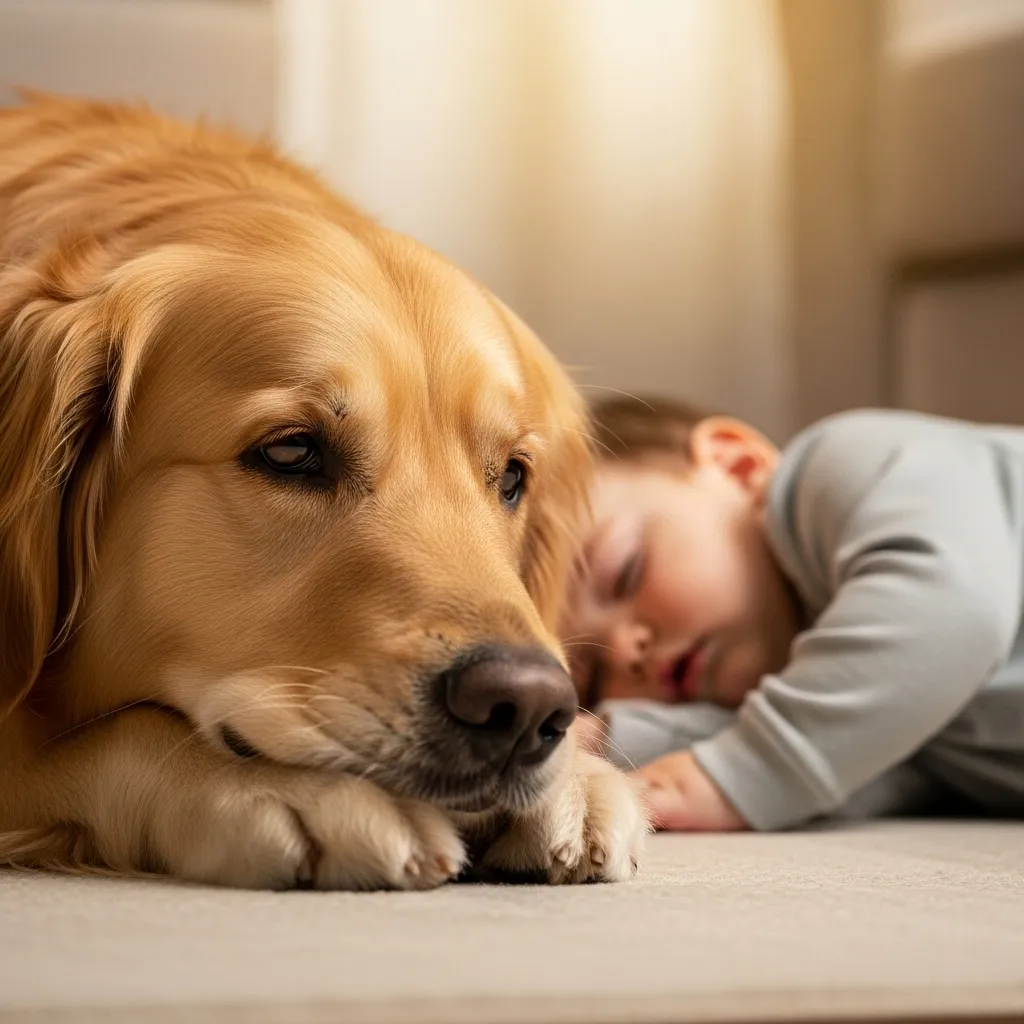
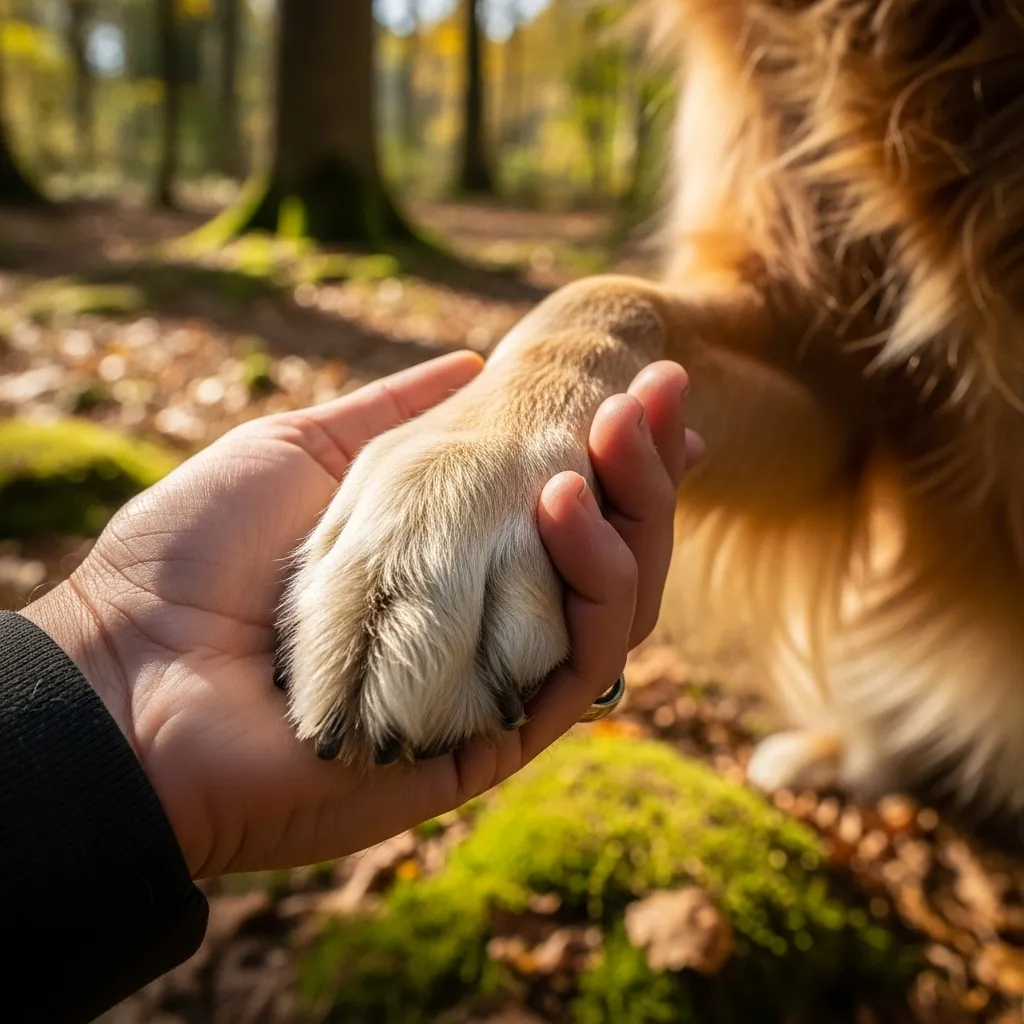
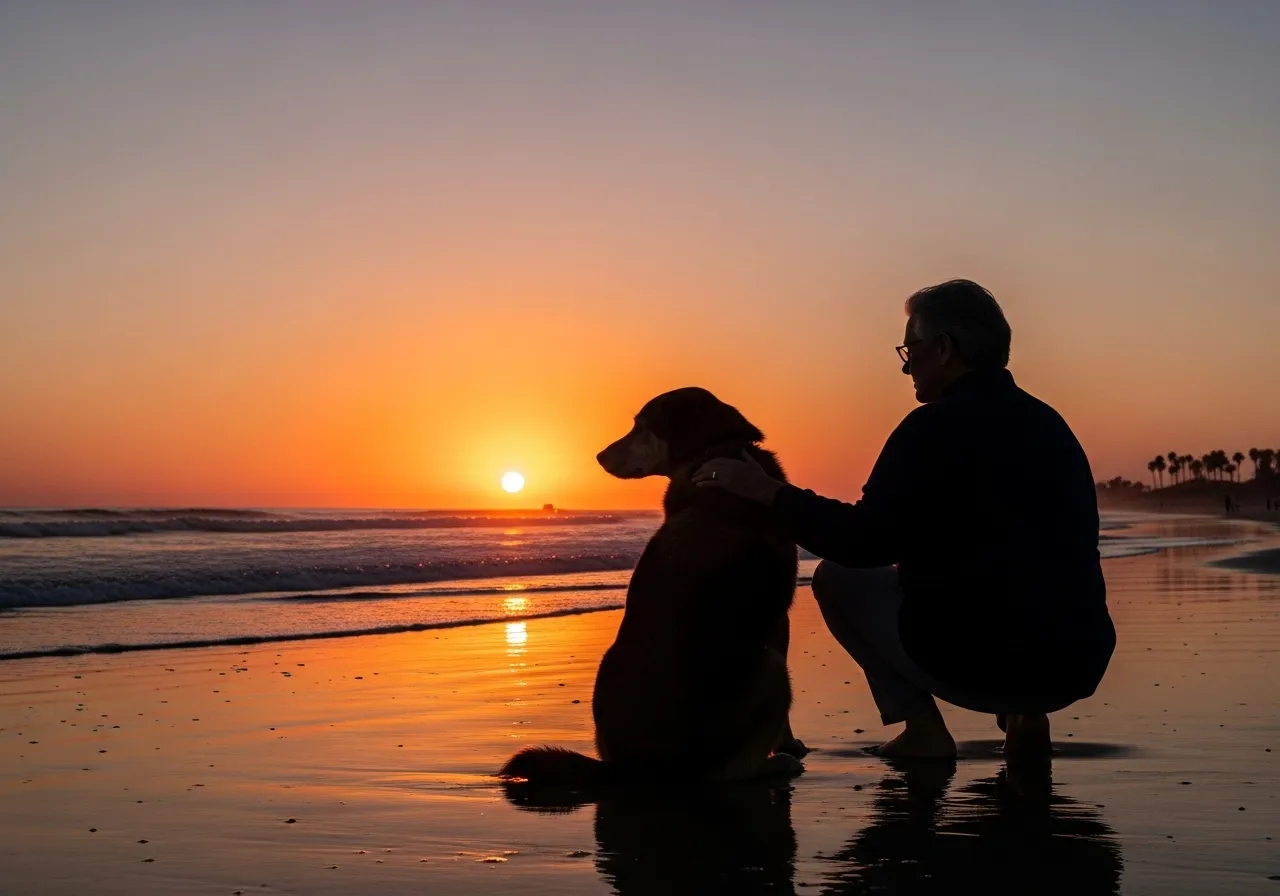
Scientists used to think humans were the only creatures capable of feeling complex emotions like grief, optimism, or resentment. Modern research proves that many animals experience deep feelings that closely mirror your own. From rats that share chocolate with their trapped friends to crows that hold grudges against specific people for years, the animal kingdom is full of rich emotional lives. Understanding how animals process the world changes how you view wildlife and deepens the bond you share with your own pets. Learning about animal intelligence and empathy helps you provide better care and interact more respectfully with the natural world. Here are eight animals proven to experience surprisingly human-like emotions.
1. Elephants Experience Profound Grief
Few animals demonstrate mourning quite like elephants. While many species leave their weak or deceased behind, elephants form tight-knit matriarchal societies where the loss of a family member brings the herd to a standstill. Researchers have documented elephants burying dead calves, guarding carcasses from predators, and gently stroking the bones of their ancestors with their trunks.
Wildlife biologists observed one of the most striking examples of this behavior in Kenya. When a matriarch named Eleanor collapsed from illness, a female from another family named Grace immediately rushed to her side. Grace attempted to lift Eleanor back onto her feet and became highly agitated when she failed. After Eleanor passed away, elephants from five different families visited her body over the course of a week, standing vigil and touching her remains. This behavior reveals a deep conceptual understanding of death and a powerful capacity for shared grief that transcends immediate family lines.
2. Crows Hold Long-Term Grudges
If you have ever felt like a bird was giving you a dirty look, you might not be imagining it. Crows possess remarkable cognitive abilities, including a sophisticated memory for individual human faces. They do not just remember who you are; they remember exactly how you treated them.
To test this, wildlife biologist Dr. John Marzluff and his team at the University of Washington conducted a now-famous experiment. Researchers wore a specific “caveman” mask while safely trapping and banding wild crows. Years later, anyone who walked across the campus wearing that same mask was immediately recognized, aggressively scolded, and dive-bombed by the local flock. Amazingly, the resentment spread to other crows that had never even been trapped. The birds communicated the threat to their peers and offspring, proving that crows experience lasting resentment and pass their grudges down through generations.
3. Dogs Feel Genuine Love Through Oxytocin
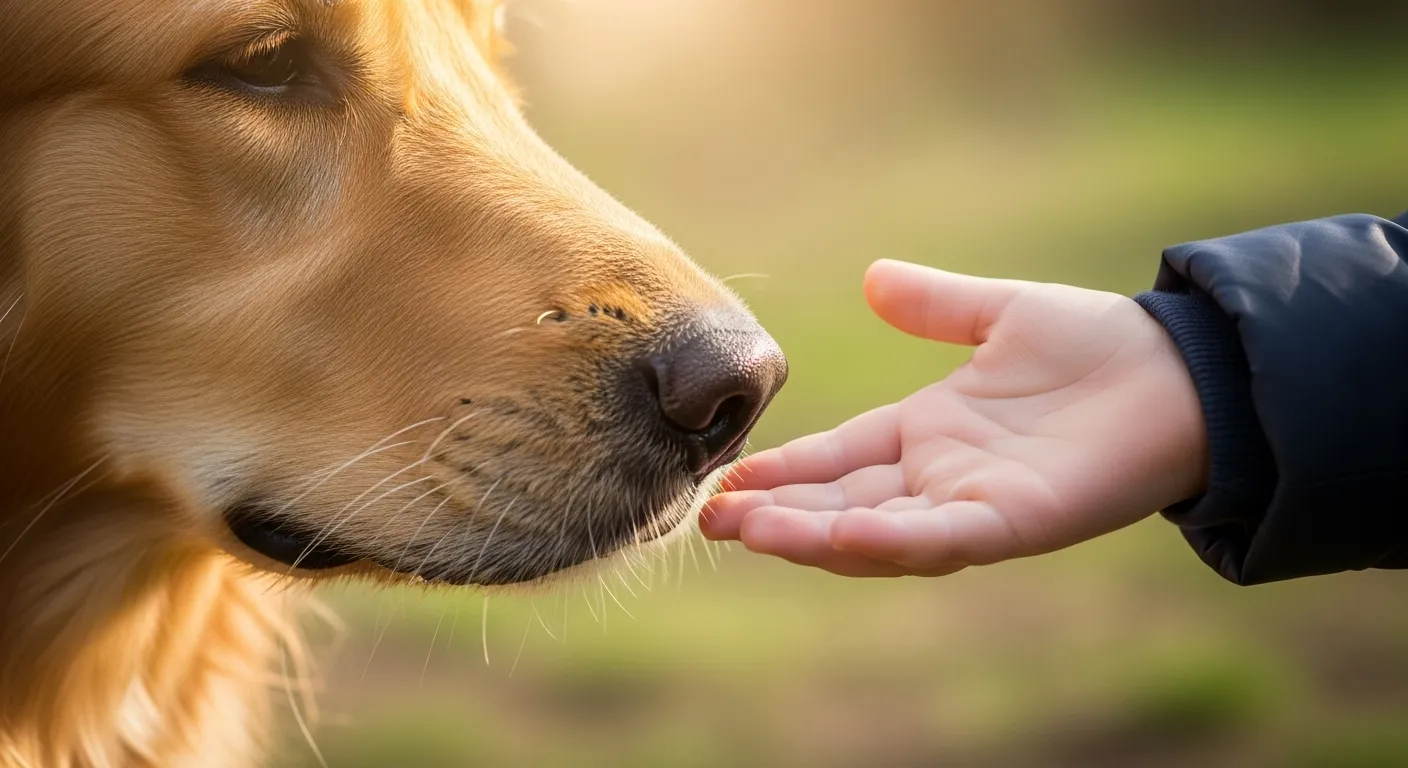
Dog owners have always known their pets love them, but science now backs up that feeling with hard chemical evidence. The bond between you and your dog is driven by oxytocin, a neurochemical frequently referred to as the “love hormone.” In humans, oxytocin facilitates the deep bond between a mother and her newborn infant.
Researchers at Azabu University in Japan discovered that dogs have hijacked this exact chemical pathway. When you and your dog lock eyes, both of your brains experience a mutual spike in oxytocin. This creates a self-perpetuating loop: the more you look at your dog, the more affection you both feel, which encourages more gazing and physical touch. This cross-species emotional contagion explains why coming home to your dog instantly lowers your stress levels, and why your dog feels a profound, biological attachment to you.
4. Rats Show Deep Empathy for Their Peers
Rats often suffer from a poor public reputation, but they are actually highly sensitive, cooperative creatures capable of remarkable empathy. Mammals are biologically driven to alleviate the distress of others, and rats consistently prove that they care about the well-being of their peers.
In a landmark study, neurobiologist Dr. Peggy Mason and her team at the University of Chicago placed pairs of rats into arenas. One rat roamed free, while the other was confined in a clear, restrictive tube. The free rat would tirelessly work to figure out how to open the door and release its companion. Even more surprisingly, the researchers added a second tube filled with chocolate chips. Rather than eating all the treats and ignoring their friend, the free rats opened both tubes and shared the chocolate.
“It said to us that essentially helping their cagemate is on a par with chocolate. He could hog the entire chocolate stash if he wanted to, and he does not. We were shocked.”
This behavior proves that rats experience a biological urge to help others in distress, prioritizing social harmony and empathy over personal gain.
5. Pigs Experience Optimism and Pessimism
Your environment directly impacts your mood; a sunny, spacious room makes you feel better than a dark, cramped space. Pigs process their surroundings the exact same way. They are highly intelligent animals capable of complex emotions, and their daily living conditions dictate whether they view the world with optimism or pessimism.
Dr. Catherine Douglas at Newcastle University demonstrated this by teaching pigs to associate a specific musical note with a sweet treat, and a different clicking noise with an annoying rustling plastic bag. She then placed half the pigs in a luxurious, enriched environment with deep straw and toys, and the other half in a barren, cramped pen. When the researchers played a brand-new, ambiguous noise, the pigs in the enriched environment eagerly approached, optimistically expecting a treat. The pigs in the barren environment hung back, pessimistically assuming the noise meant something bad was going to happen. Just like humans, a pig’s emotional baseline colors their judgment of the unknown.
6. Chimpanzees Value Fairness and Reconciliation
Chimpanzees and humans share a massive portion of their DNA, so it makes sense that our closest living relatives share our emotional landscape. Primatologist Frans de Waal spent decades observing apes, proving that they possess a keen sense of fairness and a strong desire to repair broken relationships.
When chimpanzees get into a physical altercation, they do not just walk away holding a grudge forever. They engage in distinct reconciliation behaviors. Former opponents will reach out an open hand, approach each other, and embrace or kiss to restore peace within the group. Furthermore, chimpanzees and capuchin monkeys both exhibit “first-order fairness.” If two monkeys perform the exact same task, but one is rewarded with a high-value grape while the other receives a bland slice of cucumber, the shortchanged monkey will protest loudly and throw the cucumber back at the researcher. They recognize unequal treatment and feel the sting of injustice.
7. Dolphins Feel Deep Social Pain and Joy
Dolphins boast some of the largest, most complex brains in the animal kingdom. Their brains contain von Economo neurons—also known as spindle neurons. In humans, these specialized cells process complex social emotions, empathy, and intuition. Because dolphins possess these neurons in abundance, their capacity for joy and suffering is immense.
You can see their capacity for joy when they surf boat wakes, play with seaweed, and squeal in anticipation of a reward. Conversely, their capacity for grief is devastating. Marine biologists routinely observe mother bottlenose dolphins and orcas carrying their deceased calves on their backs or in their mouths for days or even weeks. They refuse to let the bodies sink, expending massive amounts of physical energy to keep their young at the surface. This behavior showcases an emotional depth and a mourning process that rivals our own.
8. Octopuses Feel Frustration and Curiosity
For a long time, invertebrates were largely excluded from conversations about animal emotions. That changed dramatically as scientists spent more time studying cephalopods. Octopuses are incredibly curious problem-solvers that actively engage with their environments. They recognize individual human faces, solve complex puzzles, and clearly express frustration when things do not go their way.
A massive review of over 300 scientific studies by the London School of Economics concluded that octopuses and their relatives experience joy, pain, distress, and frustration. In laboratory settings, if an octopus or cuttlefish feels ignored or is kept waiting for a meal, they will sometimes intentionally squirt water at the researchers in annoyance. Their undeniable capacity for subjective feelings recently led the UK government to officially recognize cephalopods as sentient beings under the 2022 Animal Welfare Act, a major milestone in how we view the inner lives of marine animals.
A Closer Look at Animal Emotions
To summarize how these distinct species process their feelings, here is a quick breakdown of the primary emotions studied and the evidence backing them up:
| Animal | Primary Emotion Studied | Scientific Evidence & Observation |
|---|---|---|
| Elephant | Grief | Holding vigils, touching the bones of deceased herd members, and physically attempting to help dying friends. |
| Crow | Resentment | Memorizing specific human faces associated with threats and actively scolding them years later. |
| Dog | Love / Affection | Experiencing mutual oxytocin (love hormone) spikes when locking eyes with their human owners. |
| Rat | Empathy | Working to free trapped cage-mates and choosing to share high-value food rather than eating it alone. |
| Pig | Optimism / Pessimism | Judging ambiguous situations based on their mood; enriched pigs expect good outcomes, barren-housed pigs expect bad ones. |
| Chimpanzee | Fairness / Forgiveness | Protesting unequal pay (food rewards) and actively hugging or kissing former rivals to restore social harmony. |
| Dolphin | Deep Social Pain | Possessing spindle neurons linked to empathy; mothers carrying deceased calves for weeks to prevent them from sinking. |
| Octopus | Frustration / Curiosity | Solving complex puzzles, recognizing specific caretakers, and squirting water at humans when annoyed. |
What This Means for You
Recognizing that animals experience a wide spectrum of emotions fundamentally changes how you should approach pet ownership and wildlife observation. When you understand that your dog literally bonds with you on a chemical level, prioritizing daily eye contact and affection becomes a vital part of their health routine. If you know that highly intelligent animals like pigs and rats feel optimism and empathy, you quickly realize that keeping them in small, unstimulating cages is detrimental to their psychological well-being.
Providing an enriching environment is just as important as providing proper nutrition. Rotate your pet’s toys, introduce puzzle feeders to stimulate their minds, and respect their need for social interaction. When observing wildlife, keep your distance, knowing that herd animals and birds maintain complex social structures that can be easily disrupted by human interference. Treating animals with the respect their emotional intelligence deserves leads to healthier pets and a more compassionate world.
What Can Go Wrong When Interpreting Animal Emotions
While animals certainly feel deep emotions, humans frequently make mistakes when trying to interpret them. Here are a few common pitfalls to avoid:
- Over-anthropomorphizing natural behaviors: It is tempting to assume your dog is acting “guilty” when you find a chewed-up shoe. In reality, dogs do not feel moral guilt over property damage; they are simply displaying submissive body language because they read your angry tone and want to appease you.
- Ignoring physical pain: If an animal suddenly acts aggressive, withdrawn, or depressed, you might assume they are holding a grudge or grieving. Frequently, sudden behavioral changes are actually the first signs of an underlying medical issue or physical pain.
- Adopting intelligent pets without preparation: Because pigs, parrots, and octopuses possess complex emotional needs, they require massive amounts of space, stimulation, and social interaction. Bringing them into a standard home environment without extensive preparation often leads to severe depression and destructive behaviors.
Where Outside Advice Pays Off
Understanding that animals have rich emotional lives might prompt you to seek professional help when your own pets struggle. Do not hesitate to bring in an expert when you notice prolonged emotional distress.
- Consulting an animal behaviorist: If your dog or cat develops sudden anxiety, obsessive behaviors, or aggression, a certified behaviorist can help you decode their emotional state. They use evidence-based positive reinforcement to help your pet feel safe again.
- Visiting an exotic animal vet: Birds, reptiles, and small mammals hide their emotional and physical distress exceptionally well as a survival mechanism. A specialized exotic vet can distinguish between a behavioral quirk and a serious health issue.
- Working with an agricultural extension office: If you keep highly intelligent livestock like pigs or goats, local agricultural experts can evaluate your enclosure. They will ensure your setup provides the mental enrichment and social structures these animals require to thrive.
Every animal you encounter—whether it is the crow on your fence, the dog on your couch, or the elephant in a documentary—experiences a vibrant inner life. Acknowledging their capacity for joy, grief, and empathy not only makes you a better pet owner, but it also connects you more deeply to the natural world. The information here is meant for educational purposes. Specific circumstances—including health conditions, finances, location, and goals—may require different approaches. When in doubt, consult a licensed professional or check official sources directly.
Last updated: May 2026. Rules, prices, and details change—verify current information with official sources before acting on it.