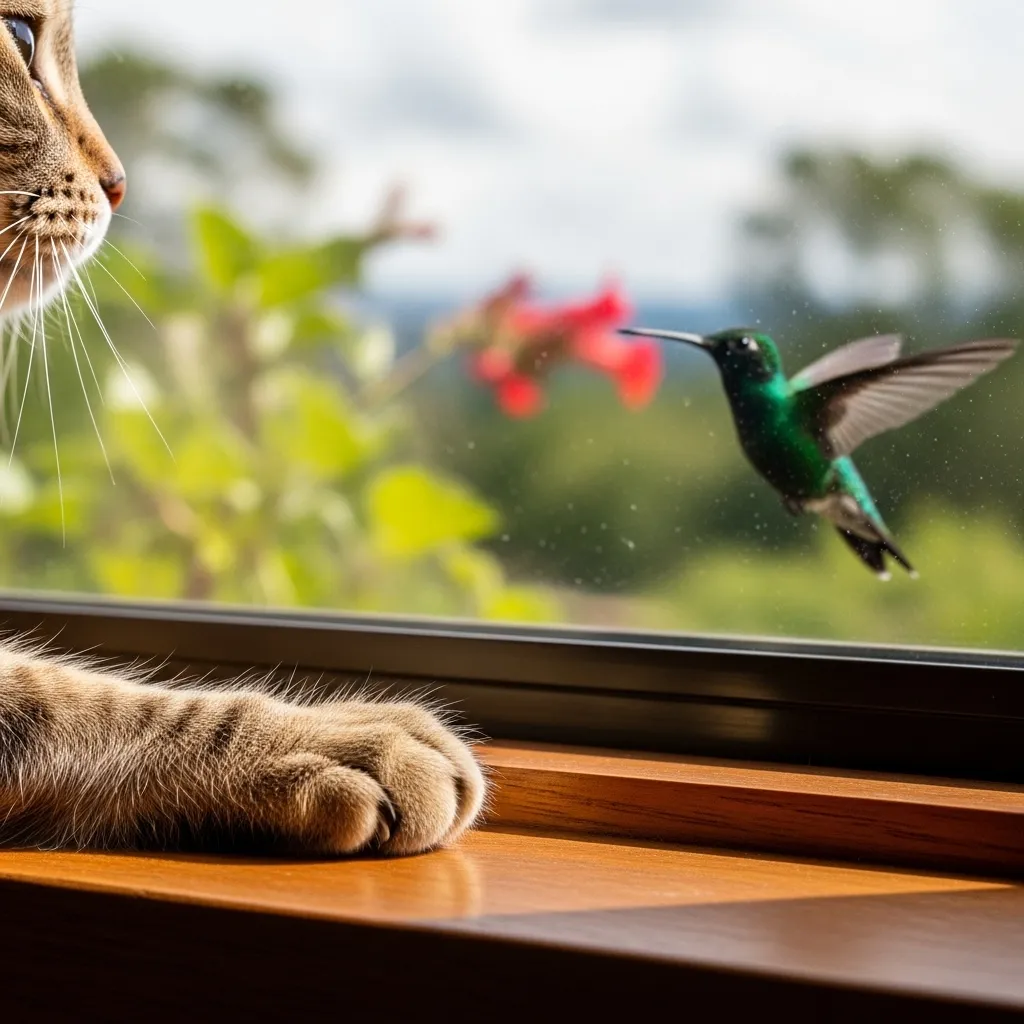
Finding the right pet when you live alone after 60 comes down to matching an animal’s daily needs with your current energy level, budget, and living space. A well-chosen companion provides a comforting rhythm to your day, reduces blood pressure, and staves off isolation without requiring exhausting physical exertion. If you live solo, you want a creature that brings joy into your home rather than adding stress or overwhelming financial burdens. From affectionate older rescue cats to vibrant terrarium dwellers, several animals make fantastic low-maintenance pets for older adults. By focusing on species that require straightforward diets, limited grooming, and manageable veterinary care, you gain all the benefits of companionship.
Why Companion Animals Matter More Than Ever
Entering your sixties and living independently offers a wonderful degree of freedom, but it can also lead to quiet houses and unbroken routines. Bringing an animal into your life does more than just fill the silence; it creates a powerful, measurable biological response in your body. According to research from UC Davis Health, older adults who own pets experience a significant reduction in stress and loneliness, while seeing an increase in their overall quality of life.
The simple act of petting a cat or dog lowers your heart rate and reduces the production of cortisol, a primary stress hormone. Beyond the chemical changes in your brain, caring for another living creature forces you to maintain a daily schedule. A solo senior pet requires feeding, cleaning, and interaction at specific times, grounding you in a healthy, reliable routine. When you evaluate easy pets, live-alone seniors often discover that the psychological anchor an animal provides is just as valuable as their physical presence.
“For many older adults living alone, the presence of a pet transforms a quiet house back into a lively home. It shifts the daily focus outward, providing a reliable routine and a profound sense of purpose that directly combats the physical impacts of isolation.”
8 Low Maintenance Pets for Elderly Adults Living Alone
The ideal companion pet seniors choose should fit naturally into their existing lifestyle. Here are eight exceptional options that offer abundant joy without demanding exhausting upkeep.
1. Short-Haired Adult Rescue Cats
While kittens are adorable, they require constant supervision and boundless energy. Adult rescue cats—especially those over the age of five—are often the perfect fit for a quiet household. Their personalities are already fully formed, meaning shelter staff can match you with a cat that prefers napping on the sofa rather than climbing your curtains.
Short-haired cats are meticulous groomers, requiring only occasional brushing to keep their coats healthy and reduce shedding. Because they use a litter box, you do not need to worry about early morning walks in the freezing rain. According to PetMD, indoor cats frequently live 13 to 17 years, with some comfortably reaching their early twenties. From a financial perspective, the American Society for the Prevention of Cruelty to Animals (ASPCA) estimates the annual cost of caring for a cat sits around $1,149.
2. Small Companion Dog Breeds
If you desire a more interactive relationship and enjoy daily walks, a small companion dog might be the best pet 60+ alone scenarios demand. Breeds like the Cavalier King Charles Spaniel, Shih Tzu, and Bichon Frise were bred specifically for companionship. They thrive on human interaction and are perfectly content spending the evening resting in your lap.
Small dogs are physically manageable; they generally weigh under 20 pounds, which makes them easy to lift into a car or carrier. Furthermore, a smaller dog reduces the risk of being pulled over and falling during a walk. While they do require outdoor access for bathroom breaks and daily moderate exercise, their stamina aligns nicely with a leisurely neighborhood stroll. Be prepared for slightly higher expenses, as the ASPCA estimates annual dog care at approximately $1,391.
3. Leopard Geckos
For those who want a fascinating pet without any noise, shedding fur, or allergy triggers, leopard geckos are a spectacular choice. These small reptiles are remarkably docile, tolerate gentle handling, and feature beautiful, spotted patterns.
Geckos live entirely within a terrarium, which means they do not roam your house or damage furniture. Their primary care involves maintaining a proper temperature gradient in their tank and feeding them live insects—such as crickets or mealworms—a few times a week. With good husbandry, leopard geckos are robust and can live 10 to 20 years, making them a long-term, low-impact companion.
4. Guinea Pigs
Guinea pigs bridge the gap between traditional furry companions and small caged pets. They are incredibly gentle, rarely bite, and are known for their expressive vocalizations. When happy, they perform a little hopping motion affectionately known as “popcorning.”
Unlike hamsters, guinea pigs are diurnal, meaning they are awake during the day and sleep at night, syncing perfectly with your schedule. They require a spacious, flat-bottomed enclosure and a diet consisting primarily of high-quality Timothy hay, specialized pellets, and fresh vegetables rich in Vitamin C. Because they are highly social animals, it is often recommended to adopt a bonded pair so they can keep each other company.
5. Betta Fish
An aquarium brings a slice of tranquil nature directly into your living room. Betta fish are visually stunning, featuring vibrant colors and flowing fins. Watching fish glide through the water has a proven calming effect, lowering blood pressure and anxiety.
While a common myth suggests bettas can live in tiny bowls, they actually thrive in a heated, gently filtered aquarium of at least five gallons. Once the tank is established and biologically cycled, maintenance involves straightforward weekly water changes and daily feeding. They do not require any physical handling, making them ideal if you face mobility challenges.
6. Canaries
If you appreciate the cheerful sound of birdsong but want to avoid the intense, demanding nature of a parrot, a canary is a wonderful alternative. Male canaries are renowned for their beautiful, melodic singing, bringing auditory life to a quiet home.
Canaries are hands-off pets; they do not need—and generally do not want—to be held or cuddled. They are content to stay within a spacious flight cage, observing the room and eating a simple diet of high-quality seeds, pellets, and fresh greens. A healthy indoor canary can live 10 to 15 years, offering over a decade of low-maintenance companionship.
7. Holland Lop Rabbits
Rabbits are surprisingly affectionate and interactive house pets. The Holland Lop, recognizable by its floppy ears and compact size, is a popular breed known for its sweet disposition. Much like cats, rabbits can be easily trained to use a litter box, allowing them to safely hop around a designated, rabbit-proofed area of your home.
Their diet is straightforward, consisting of 80 percent grass hay, supplemented with leafy greens and a small portion of rabbit pellets. Rabbits are quiet and clean, but they do require safe chew toys to keep their continuously growing teeth worn down. An indoor rabbit typically lives 8 to 12 years.
8. Hamsters
When evaluating low maintenance pets, elderly adults who consider themselves “night owls” might enjoy a hamster. Hamsters are strictly nocturnal, meaning they sleep away the daylight hours and become highly active in the evening.
They have a tiny footprint in your home, requiring only a secure, well-ventilated enclosure with deep bedding for burrowing and a solid-surface running wheel. Syrian hamsters are solitary and must be housed alone, eliminating the need to adopt multiples. With a lifespan of roughly 2 to 3 years, they represent a much shorter commitment than a cat or dog, which is appealing if you are unsure about taking on a decade-long responsibility.
Comparing Pet Care Costs and Commitments
Understanding the financial and time investments required for different animals is crucial for making a responsible decision. The table below outlines general estimates based on current veterinary and consumer data.
| Pet Type | Estimated Annual Cost | Expected Lifespan | Daily Time Commitment |
|---|---|---|---|
| Adult Rescue Cat | $1,100 — $1,200 | 13 — 17 years | Low (Feeding, litter box, affection) |
| Small Dog | $1,300 — $1,500 | 12 — 15 years | Moderate (Walking, feeding, grooming) |
| Guinea Pig (Pair) | $500 — $700 | 5 — 8 years | Moderate (Cage cleaning, fresh food prep) |
| Leopard Gecko | $200 — $300 | 10 — 20 years | Low (Feeding insects, tank misting) |
| Canary | $150 — $250 | 10 — 15 years | Low (Cage cleaning, feeding) |
| Betta Fish | $100 — $150 | 2 — 5 years | Low (Feeding, weekly water change) |
Common Mistakes to Avoid
Bringing an animal home is a joyous occasion, but it requires realistic foresight. Protect yourself and your future companion by sidestepping these frequent pitfalls:
- Adopting a large, high-energy dog: Even if you are currently very active, a strong dog weighing over 50 pounds presents a significant fall risk if they lunge at a squirrel during a walk. Their food and medication costs are also substantially higher.
- Underestimating veterinary inflation: Routine veterinary care costs have risen significantly over the past five years. An annual checkup with bloodwork and vaccines that previously cost $300 can now reach $700 to $1,000 in certain regions. Always maintain an emergency fund or consider pet insurance.
- Getting a long-lived bird without a plan: While canaries have manageable lifespans, large parrots like Macaws or African Greys can live 60 to 80 years. They frequently outlive their owners and end up displaced. Avoid exotic birds unless you have a rock-solid succession plan.
- Skipping the pet-proofing phase: Even small animals like rabbits or kittens can chew through exposed electrical cords or ingest dropped medications. View your floor plan from the animal’s perspective before bringing them home.
Getting Expert Input
Because choosing a pet impacts your daily schedule, household budget, and physical environment, it pays to seek out professional perspectives:
- Consult a local veterinarian: Before adopting, schedule a brief consultation with a vet to discuss the typical health issues of the breed or species you are considering. They can provide realistic estimates for local medical costs.
- Speak with your property manager: If you rent an apartment or live in a managed community, review your lease carefully. Many buildings have strict weight limits, breed restrictions, or require non-refundable pet deposits.
- Discuss estate planning: Talk to a legal or financial professional about setting up a simple pet trust or designated caretaker agreement. Ensuring your pet is cared for if you experience a medical emergency provides immense peace of mind.
Frequently Asked Questions
What is the most low-maintenance pet for an older adult living alone?
For absolute lowest maintenance, a Betta fish or a Leopard gecko ranks at the top. They do not require daily physical handling, they stay contained in their habitats, and their ongoing food costs are minimal. If you prefer a mammal, an adult, short-haired rescue cat is the easiest companion.
Does Medicare cover pet therapy or service animals?
Original Medicare (Parts A and B) does not cover the costs of service animals, emotional support pets, or general pet care. However, a select number of specific Medicare Advantage (Part C) plans have begun offering limited wellness allowances that can sometimes be applied toward pet care. You must verify this directly with your plan provider.
Are there financial assistance programs for senior pet owners?
Yes. Many local humane societies run community pet food pantries. Additionally, some Meals on Wheels chapters have partnered with animal charities to deliver pet food alongside human meals, ensuring seniors do not have to share their own food with their pets.
Moving Forward
Choosing to share your life with an animal is one of the most rewarding decisions you can make in your sixties and beyond. The secret to success lies in honesty—evaluate your physical mobility, your monthly budget, and your desire for quiet versus activity. Whether you find comfort in the soft purr of a senior cat or the gentle swimming of a vibrant fish, the right companion will transform your house into a warmer, more vibrant home.
This article provides general information only. Every reader’s situation is different—what works for others may not be the right fit for you. For personalized guidance on health, legal, or financial matters, consult a qualified professional.
Last updated: May 2026. Rules, prices, and details change—verify current information with official sources before acting on it.