When to Get Professional Help
Building trust takes time and patience, but certain behavioral responses clearly indicate that a dog needs more structured support than basic daily care can provide. Consider reaching out to a certified professional dog trainer or a veterinary behaviorist if you encounter the following scenarios:
- Severe resource guarding: If your dog aggressively protects their food bowls, high-value toys, or sleeping areas by growling, snapping, or lunging when you approach, this is a serious behavioral issue. It requires professional counter-conditioning to resolve safely without risking a serious bite.
- Intense fear or reactivity: If your dog is perpetually anxious, cowers at everyday household noises, or reacts aggressively to mild stimuli on daily walks, they may need advanced desensitization protocols. A professional can help them navigate the world without living in a constant state of fear.
- Sudden behavioral changes: If a previously trusting and relaxed dog suddenly becomes withdrawn, highly defensive, or reactive when handled, schedule a comprehensive veterinary exam immediately. Organizations like the American Veterinary Medical Association note that sudden behavioral changes are often the very first indicator of underlying medical issues or unmanaged physical pain.
Frequently Asked Questions
Can a traumatized rescue dog learn to trust again?
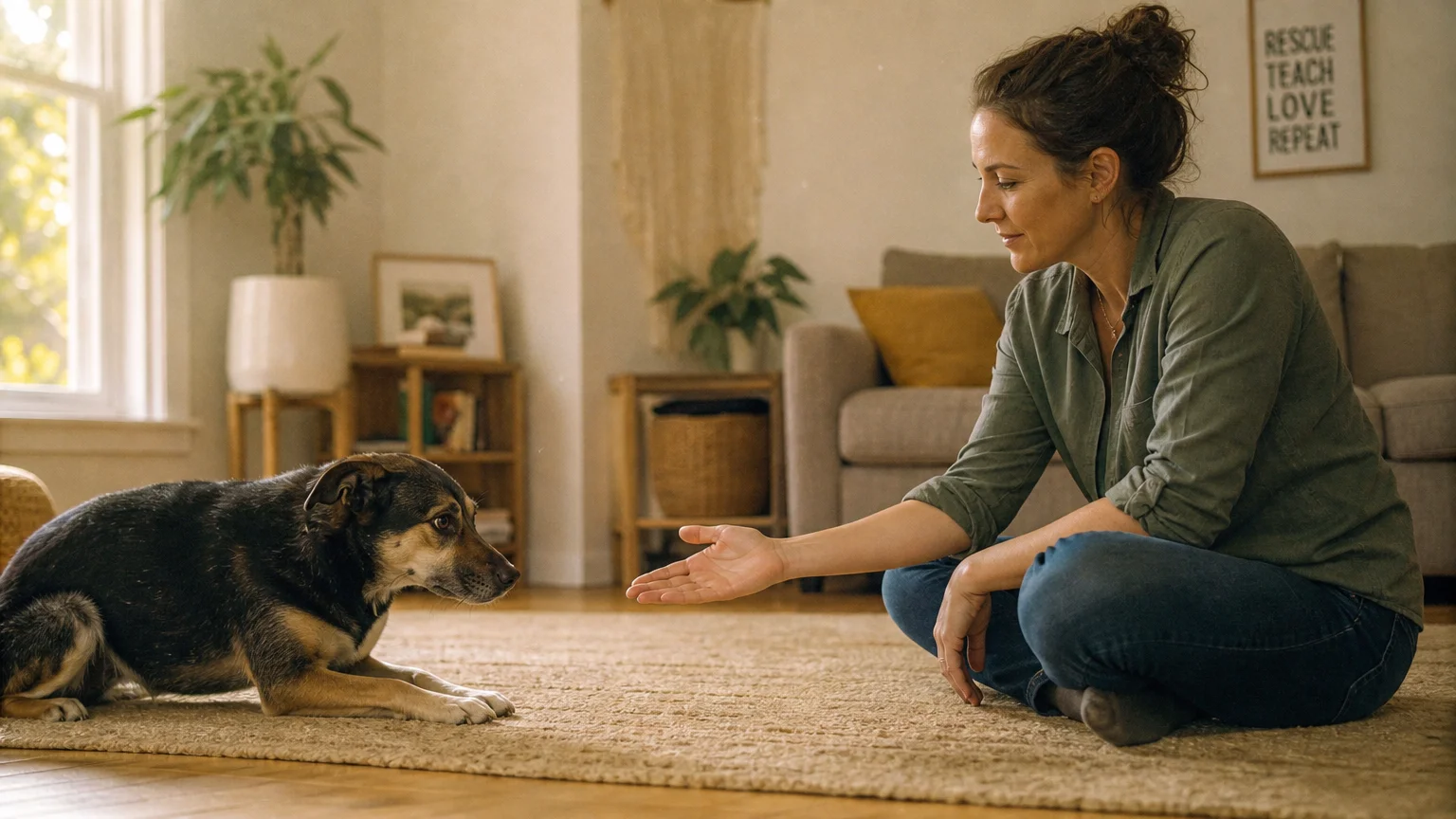
Yes. Dogs are remarkably resilient and adaptable creatures. While a dog with a traumatic past may always carry certain behavioral triggers, consistent, patient, and positive reinforcement training can help them build a remarkably strong, trusting bond with a new owner. It simply requires more time, predictable structure, and a deep understanding of their specific personal boundaries.
Why does my dog seem to trust my partner more than me?
Dogs often form entirely different types of bonds with different household members based on daily interactions. If your partner is the primary source of food, morning walks, and engaging training sessions, the dog may naturally view them as the primary provider and central safe haven. You can actively strengthen your own bond by taking over feeding times, enforcing consistent rules, and engaging in regular, structured play.
Does hand-feeding a dog build trust?
Hand-feeding can be an excellent way to build foundational trust, especially with young puppies or newly adopted rescue dogs. It directly teaches the dog that you are the sole provider of valuable resources and creates powerful positive associations with your physical presence and hands. However, it should be done calmly and never forced if the dog is displaying signs of high stress or aggressive food guarding.
Recognizing the subtle, everyday ways your dog communicates their trust allows you to fully appreciate the depth of your bond. Every soft gaze, stolen sock, and quiet moment resting heavily by your feet is a biological testament to the secure, loving environment you have created. Continue reinforcing that connection through patience, clear communication, and consistent positive experiences.
The information here is meant for educational purposes. Specific circumstances—including health conditions, finances, location, and goals—may require different approaches. When in doubt, consult a licensed professional or check official sources directly.
Last updated: June 2026. Rules, prices, and details change—verify current information with official sources before acting on it.