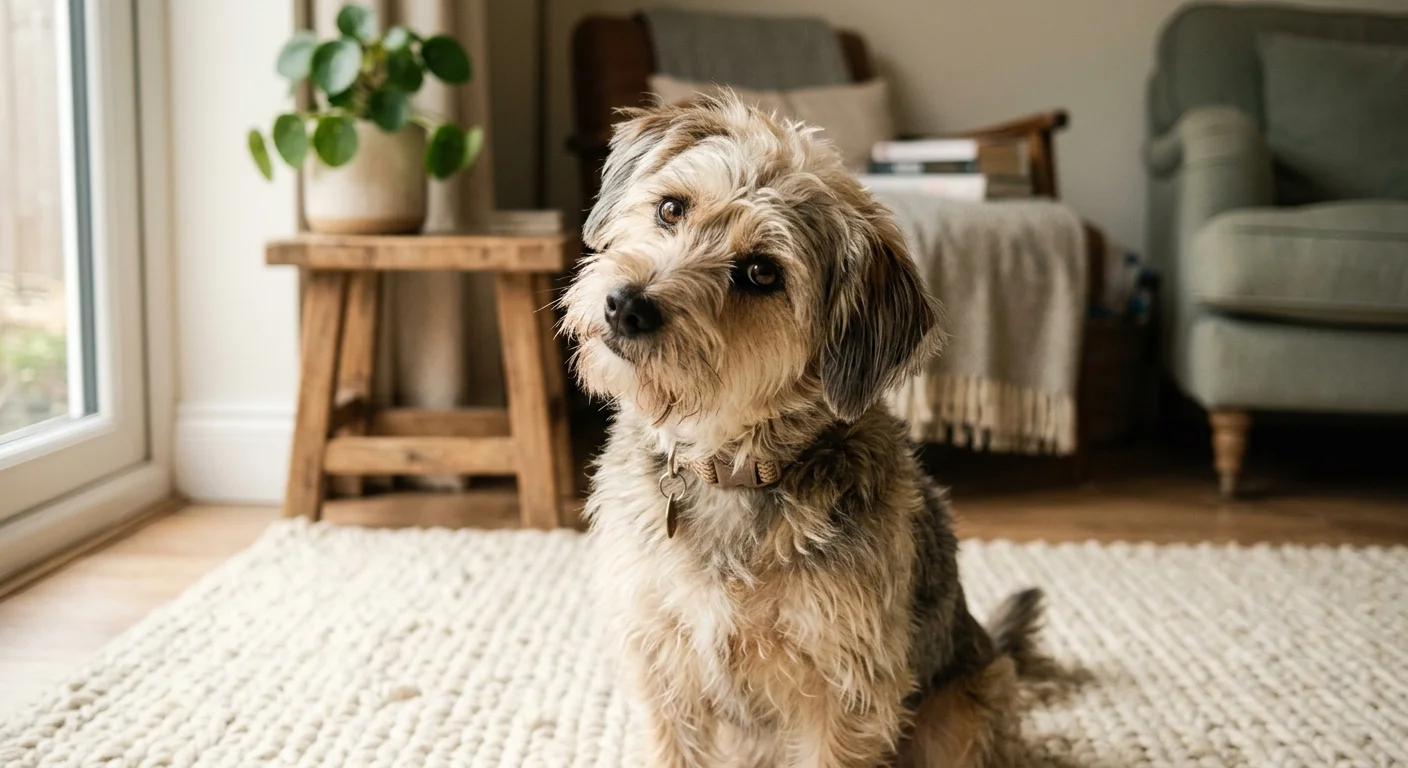
Dogs cannot sweat through their skin like humans do, relying primarily on panting to lower their body temperature when the weather warms up. When this natural cooling mechanism fails, your dog’s internal temperature can spike dangerously fast, leading to a life-threatening emergency known as heatstroke. Recognizing the early warning signs of dog overheating allows you to intervene before irreversible organ damage occurs. Summer pet care demands constant vigilance, especially during intense play sessions, long car rides, or afternoon walks. By learning to identify the subtle behavioral shifts and physical symptoms of thermal stress, you can take immediate action to cool your companion down, protect their health, and ensure your outdoor adventures remain safe all season long.
The Biology of Canine Heat Regulation
To understand why dog overheating happens so quickly, you must first understand how canine bodies manage thermal stress. Humans are covered in sweat glands; as sweat evaporates from our skin, it rapidly cools our blood. Dogs, however, only possess a small number of sweat glands located on their paw pads. These glands are entirely insufficient for cooling the dog’s entire body mass.
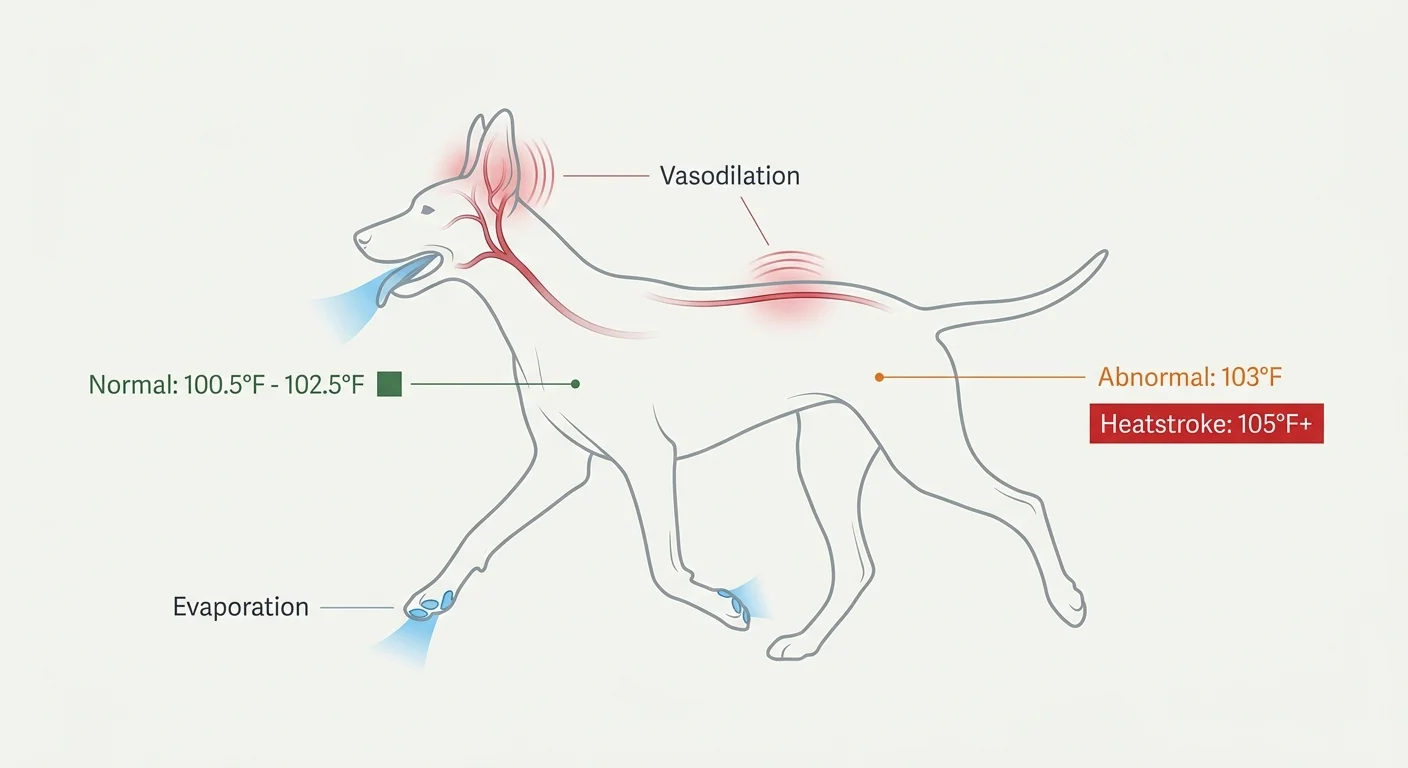
Instead, your dog relies on two primary mechanisms to beat the heat: vasodilation and evaporation. Vasodilation occurs when the blood vessels near the surface of the skin expand, bringing hot blood away from the internal organs and closer to the cooler air outside the body. Evaporation occurs through panting. As a dog takes rapid, shallow breaths, air passes over the moist tissues of their tongue, mouth, and upper respiratory tract. The moisture evaporates, pulling heat away from the body.
A healthy dog maintains a normal body temperature between 100.5°F and 102.5°F. Hyperthermia, or abnormal overheating, begins when their internal temperature crosses the 103°F threshold. According to the American Veterinary Medical Association (AVMA), if a dog’s core temperature reaches 105°F or higher, they enter active heatstroke. At this stage, the body’s cells begin to break down, leading to rapid multi-organ failure, brain swelling, and blood clotting disorders.
When the ambient air temperature matches or exceeds a dog’s normal body temperature, panting loses its effectiveness entirely. In high humidity, the moisture on their tongue cannot evaporate into the already saturated air, leaving the dog with virtually no natural mechanism to cool down.
9 Signs of Overheating in Dogs
Because your dog cannot use words to communicate discomfort, you must become an expert at reading their body language. Dog overheating progresses along a spectrum from mild heat stress to severe, life-threatening heatstroke. Watch closely for these nine undeniable signs of trouble.
1. Excessive, Frantic Panting
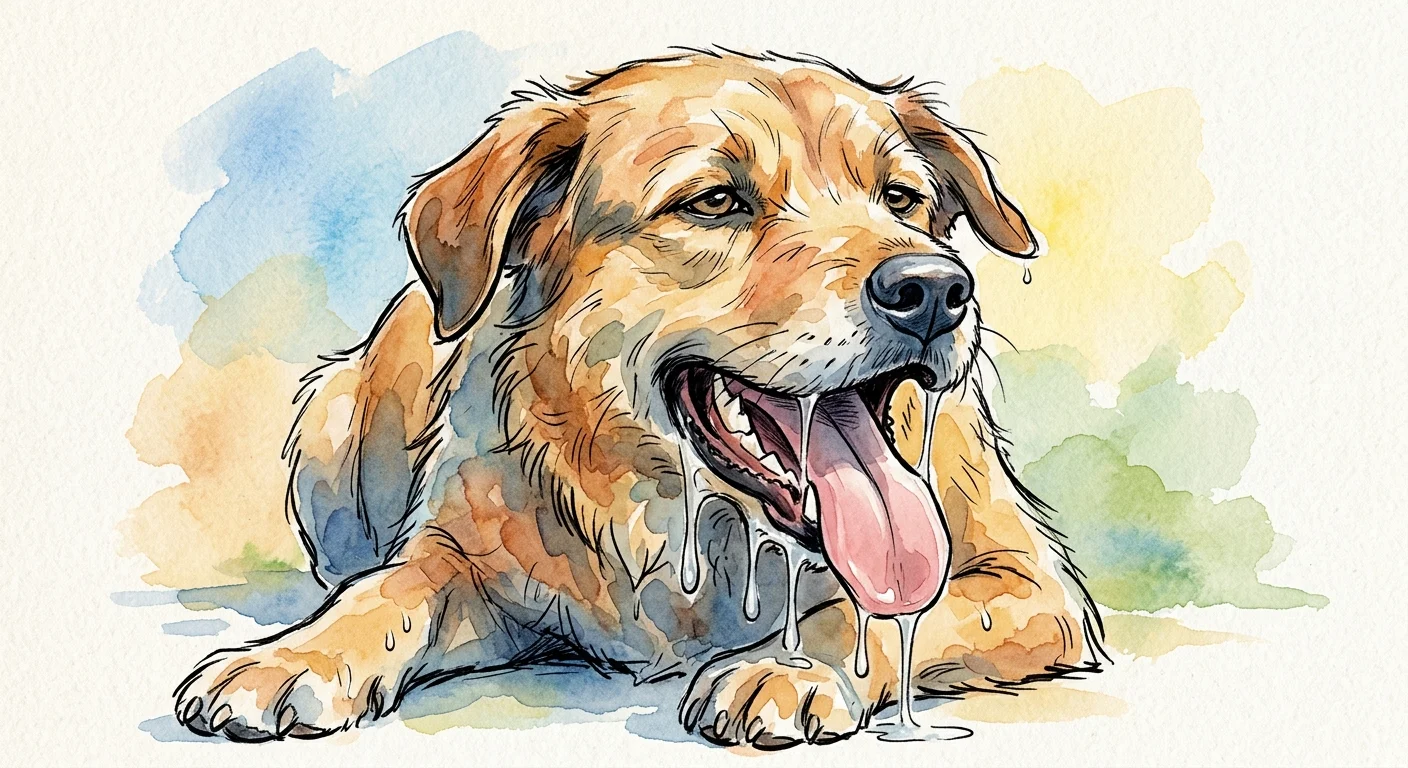
Panting is your dog’s standard operating procedure for cooling down, but there is a clear difference between normal exertion panting and frantic heat stress. A dog experiencing heat exhaustion will pant heavily, rapidly, and continuously. Their mouth will be open as wide as possible, and the tongue will flatten out and extend fully in a desperate attempt to maximize surface area for evaporation. If the panting sounds excessively raspy or does not slow down when the dog rests in the shade, they are overheating.
2. Hypersalivation and Thick Drool
As a dog pants frantically, they expel a significant amount of moisture from their mouth. To compensate, their salivary glands work overtime, leading to hypersalivation. However, because the dog is rapidly losing hydration, the saliva quickly changes in consistency. Instead of normal, watery spit, the drool becomes thick, sticky, and rope-like. You may notice heavy strands of saliva hanging from their jowls or clinging to their front legs.
3. Bright Red or Pale Gums
Your dog’s gums serve as a visible window into their cardiovascular health. Normal canine gums are a healthy bubblegum pink. When a dog overheats, vasodilation forces massive amounts of blood to the surface capillaries in an attempt to shed heat. This turns the gums and the inside of the lips a dark, angry brick red. If the heatstroke progresses into circulatory shock, the gums will suddenly turn pale, gray, or bluish-purple, indicating a severe lack of oxygen and an immediate fight for survival.
4. Rapid Heart Rate
As the body struggles to expel heat, the heart has to work much harder to pump blood to the skin’s surface. If you place your hand flat against your dog’s chest, just behind their front left elbow, you can feel their heartbeat. An abnormally fast, pounding heart rate—known as tachycardia—even when the dog is resting, is a major red flag for thermal stress.
5. Lethargy and Unwillingness to Move
Dogs are incredibly loyal and often push themselves past their physical limits just to keep up with you on a hike or a run. If your normally energetic dog suddenly lags behind, stops walking, or drops to the grass and refuses to get up, do not force them forward. This sudden lethargy is an involuntary survival mechanism. Their muscles are starved of oxygen and their core is too hot to safely generate more kinetic energy.
6. Disorientation or Stumbling
The brain is exquisitely sensitive to heat. As the core temperature climbs toward 105°F, brain cells suffer from thermal injury and swelling. This manifests outwardly as severe neurological impairment. An overheating dog may look confused, stare blankly into space with glassy eyes, or stumble as if they are intoxicated. Ataxia—a loss of coordination in the hind legs—is a late-stage warning sign.
7. Vomiting and Diarrhea
During extreme heat stress, the dog’s body operates in triage mode. It intentionally shunts blood away from non-essential organs, including the gastrointestinal tract, to send more blood to the skin. This lack of blood flow causes ischemic damage to the gut lining, making it highly permeable. As a result, the dog may experience sudden, explosive bouts of vomiting and diarrhea. The stool is frequently coated with bright red blood, indicating severe internal distress.
8. Hot Ears and Paws
Because dogs release heat through their extremities, their ears and paws act as natural radiators. While it is normal for these areas to feel warm after exercise, an overheating dog will have ears, paws, and a hairless underbelly that feel alarmingly hot to the bare touch. If the skin feels like it is radiating unnatural heat, the internal temperature is dangerously high.
9. Collapse or Seizures
If the early signs of overheating are missed, the dog will ultimately collapse. At this critical stage, the central nervous system begins to shut down. The dog may experience violent muscle tremors, slip into a coma, or suffer full-body seizures. Once a dog collapses from heatstroke, immediate, aggressive veterinary intervention is the only chance of survival.
High-Risk Breeds and Vulnerable Dogs
While any dog can succumb to heatstroke if left in a hot car or pushed too hard on a summer day, certain physiological traits make some dogs dramatically more susceptible. Knowing your dog’s baseline risk level allows you to adjust your summer pet care routines accordingly.
| Category | Common Breeds / Profiles | Why They Are Vulnerable |
|---|---|---|
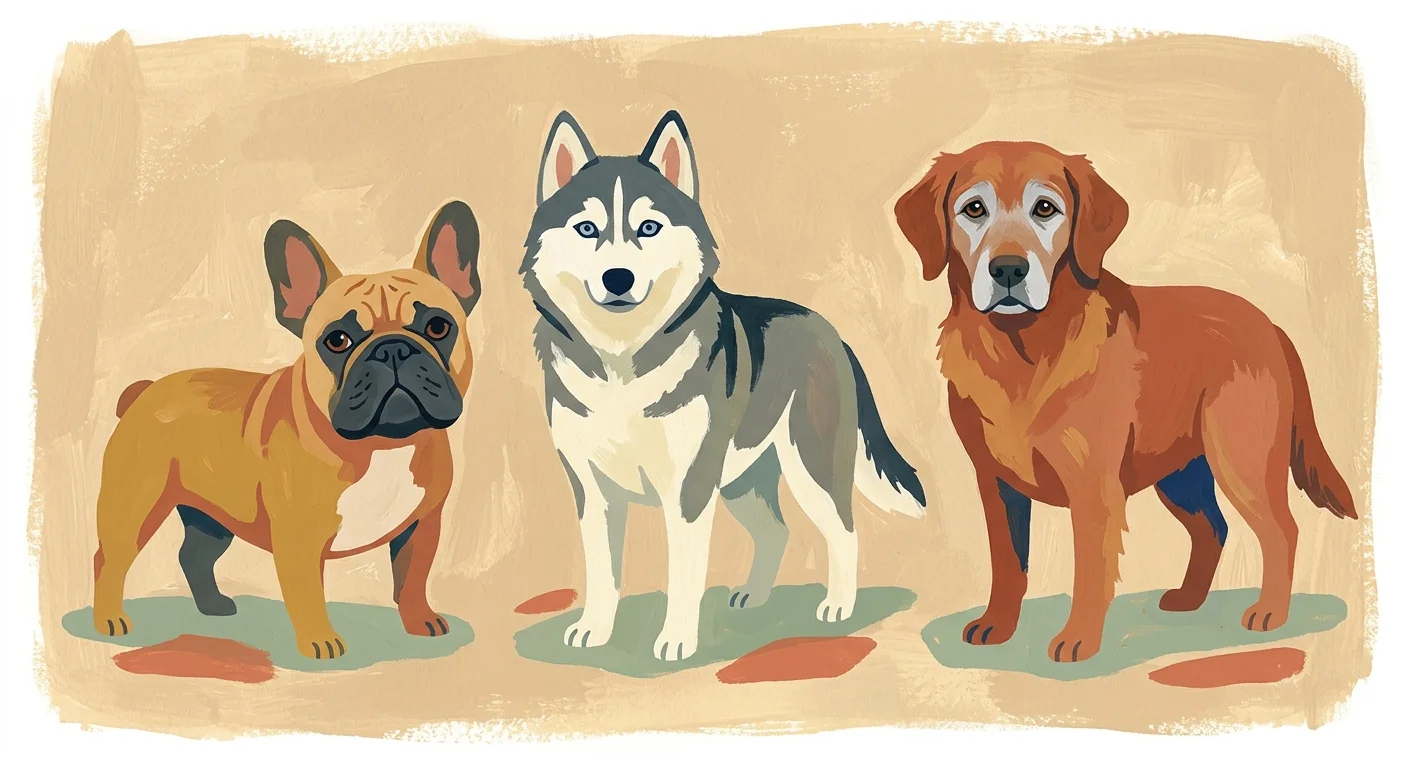
| Brachycephalic (Flat-Faced) | Pugs, Bulldogs, French Bulldogs, Boxers, Shih Tzus | These breeds suffer from shortened nasal passages, elongated soft palates, and narrow tracheas. This anatomy creates immense airway resistance, making their panting highly inefficient. The American Kennel Club (AKC) notes that flat-faced breeds can overheat even in mild 70°F weather if they overexert themselves. |
| Double-Coated & Dark Fur | Huskies, Malamutes, Newfoundlands, Black Labs | Thick undercoats are designed for sub-zero survival. While the coat provides some insulation against the sun, dense fur traps body heat. Furthermore, black or dark brown fur absorbs significantly more solar radiation than light-colored fur. |
| Senior Dogs & Puppies | All breeds | Puppies have underdeveloped thermoregulatory systems, while senior dogs often suffer from weakened hearts, deteriorating lung function, or arthritis that makes it harder for them to seek shade. |
| Overweight Dogs | All breeds | Adipose tissue (fat) is a highly effective insulator. An overweight dog essentially wears a permanent, thick winter coat over their internal organs, trapping core heat while requiring extra exertion just to walk. |
Immediate Steps to Cool an Overheated Dog
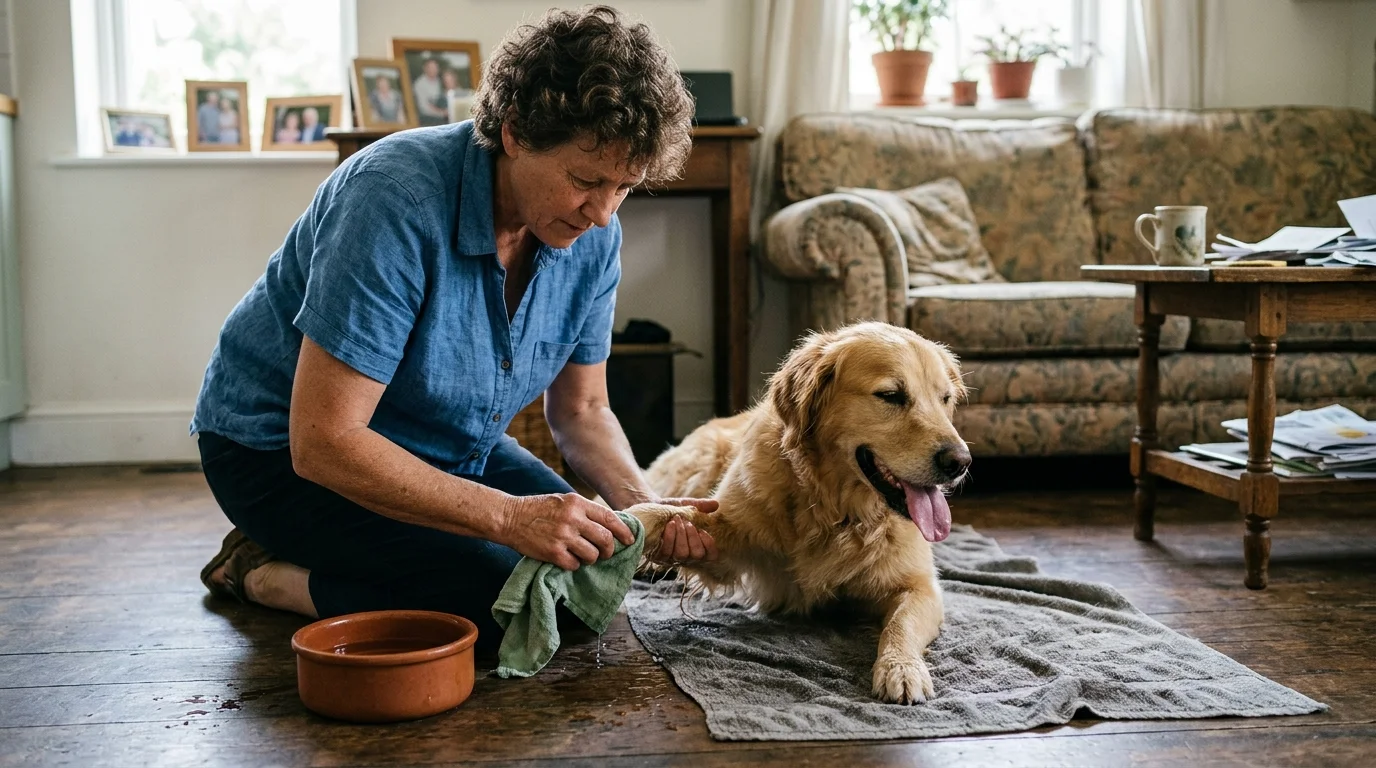
If you observe signs of overheating, you must act decisively. Your goal is to safely and steadily lower their body temperature while arranging for emergency transport to a veterinarian. Follow these exact steps:
- Remove them from the heat immediately: Get your dog out of the sun and into an air-conditioned building or a deeply shaded area with good airflow.
- Apply cool water to specific areas: Do not use freezing water. Use cool or tepid water to thoroughly wet the dog’s belly, armpits, groin, paws, and the back of their neck. These areas have superficial blood vessels that will help distribute the cooling effect throughout the body.
- Maximize airflow: Position a fan directly in front of the dog. Convection is critical; blowing air over the wet fur creates rapid evaporative cooling, mimicking the effect of sweating.
- Offer small amounts of water: Provide a bowl of fresh, cool water. Allow them to take small sips, but do not force water into their mouth or allow them to gulp massively, as this can cause choking or trigger vomiting.
- Transport to the vet: Cool the car down by blasting the air conditioning before putting the dog inside. Drive safely but immediately to the nearest veterinary emergency room.
Worth Keeping in Mind: Common Summer Cooling Mistakes
Well-meaning pet owners often make split-second decisions during a panic that actually worsen a dog’s heatstroke. Keep these specific pitfalls in mind to avoid doing more harm than good:
- The Ice Water Shock: Never plunge an overheated dog into a tub of ice water or apply ice packs directly to their skin. Freezing temperatures trigger extreme vasoconstriction, causing the surface blood vessels to slam shut. This traps the superheated blood deep in the body’s core, accelerating organ failure.
- The Sauna Effect: It seems logical to drape a soaking wet towel over your dog’s back. However, as the towel absorbs the dog’s body heat, it quickly warms up. Because the heavy fabric blocks airflow, it creates an insulating sauna effect, trapping the heat against the skin. If you use wet towels, place them under the dog to lie on, not over them.
- Shaving a Double Coat: Shaving a Husky, Golden Retriever, or German Shepherd down to the skin does not keep them cool. A dog’s topcoat acts as a crucial barrier against direct UV rays, preventing severe sunburns and protecting against environmental heat. Instead of shaving, brush them thoroughly to remove the loose undercoat.
When to Get Professional Help
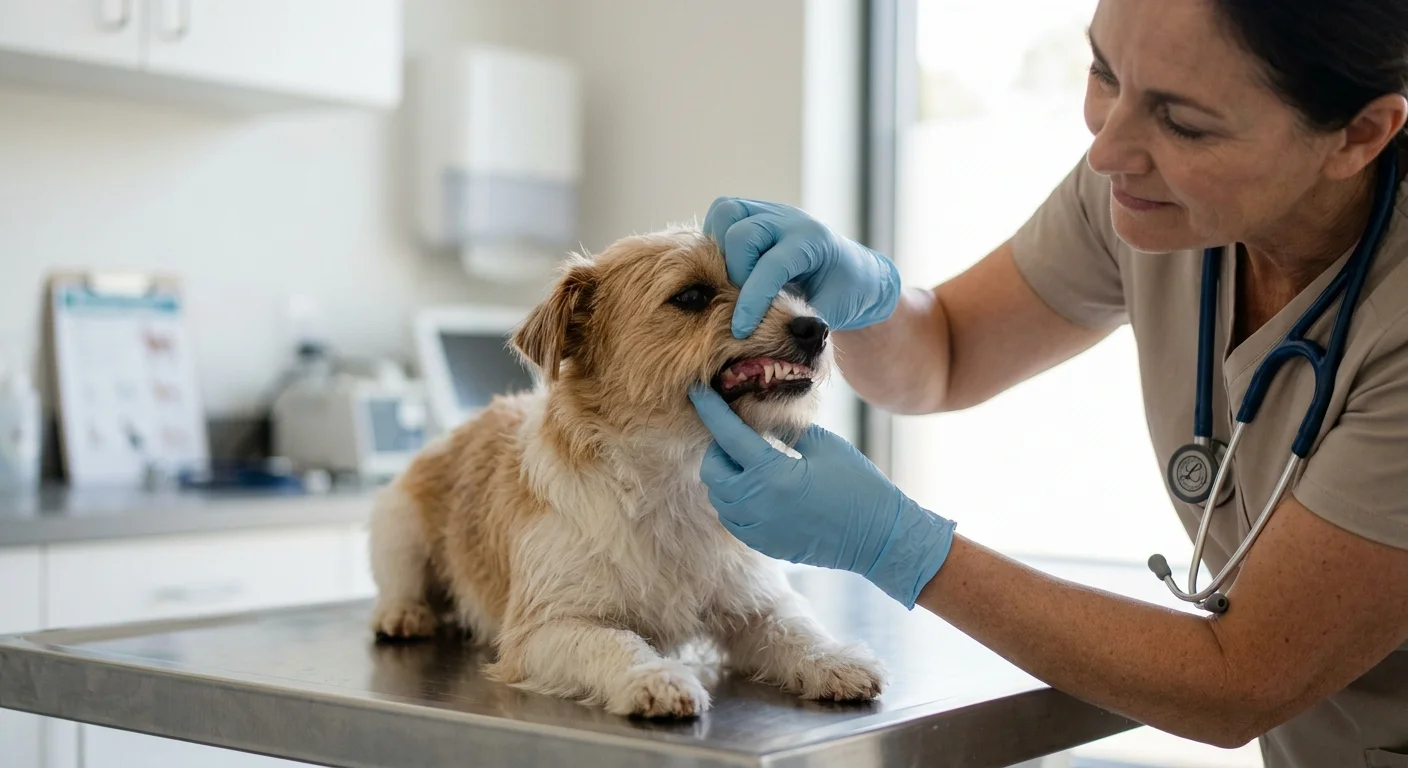
Heatstroke is always a veterinary emergency. If your dog exhibits advanced signs of overheating—such as severe disorientation, bloody diarrhea, or collapse—you must seek professional help immediately, bypassing any extended at-home cooling attempts.
Crucially, you must still visit the vet even if your initial cooling efforts appear successful. A dog may seem to recover and walk around normally after being cooled down, but the internal damage from hyperthermia often operates on a delayed timeline. Acute kidney injury, liver failure, and dangerous blood clotting abnormalities can develop 24 to 48 hours after the initial heat event. A veterinarian will run bloodwork, check clotting times, and provide intravenous fluids to flush out toxins and protect the organs from delayed failure.
Frequently Asked Questions
How long does it take for a dog to overheat?
The timeline depends entirely on the environment. In a parked car with the windows cracked on an 85°F day, the interior temperature can breach 110°F in just ten minutes, causing fatal heatstroke in under 15 minutes. Even on a moderately warm day, a high-energy dog chasing a tennis ball without breaks can overheat in less than half an hour.
Can dogs get heatstroke in the shade?
Yes. While direct sunlight increases the risk, high ambient temperatures combined with high humidity are the real culprits. If the air temperature is over 90°F and the humidity is high, a dog resting entirely in the shade can still suffer heat stress because their panting cannot effectively evaporate moisture into the humid air.
How can I safely exercise my dog in the summer?
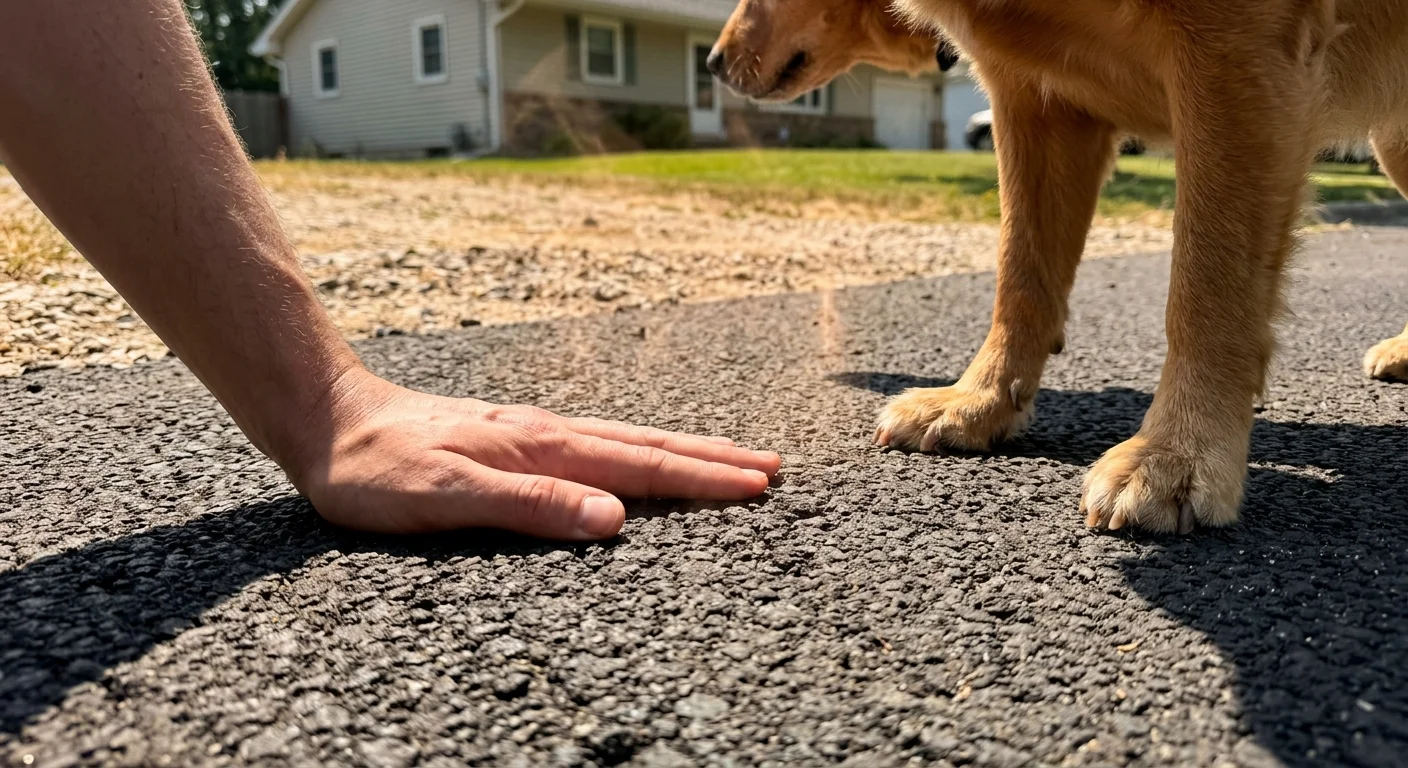
Shift your outdoor routines to the coolest parts of the day. Walk your dog before 8:00 AM or after 8:00 PM when the sun is low. Swap intense fetch sessions for low-impact mental stimulation, puzzle toys, or indoor scent games. Always check the pavement with the back of your hand; if it is too hot to hold your hand against the asphalt for seven seconds, it will burn your dog’s paws.
Keeping Your Dog Safe All Summer
Dog safety during the summer ultimately comes down to proactive management. Do not wait for your dog to show signs of exhaustion before offering a break. Dictate the pace of your walks, carry abundant fresh water wherever you go, and never underestimate the brutal speed of rising temperatures inside a vehicle. Your dog relies entirely on your judgment to navigate the heat safely.
The information here is meant for educational purposes. Specific circumstances—including health conditions, finances, location, and goals—may require different approaches. When in doubt, consult a licensed professional or check official sources directly.
Last updated: July 2026. Rules, prices, and details change—verify current information with official sources before acting on it.