When to Get Professional Help
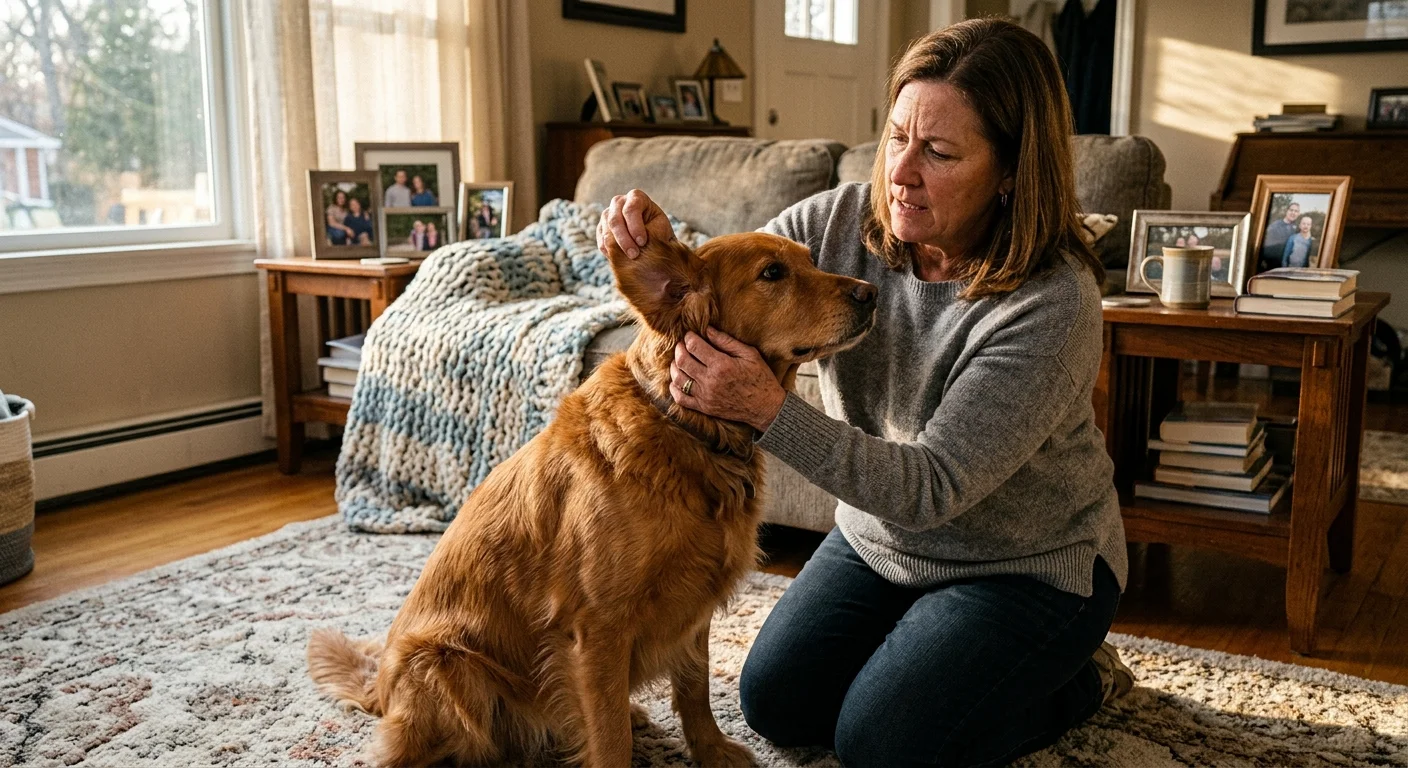
An occasional head tilt during a conversation or play session is normal and healthy. However, a persistent head tilt that does not resolve is a medical red flag that requires immediate veterinary attention. A continuous tilt often points to vestibular disease, a severe disturbance in the body’s balance system.
The vestibular system is responsible for maintaining spatial orientation and coordination. It consists of central components located within the brain and peripheral components housed deep inside the inner and middle ear. According to VCA Animal Hospitals, symptoms of vestibular disease appear suddenly and include a constant head tilt, a severe loss of balance, walking in tight circles, falling over, and profound disorientation.
One of the most telling signs of a vestibular issue is nystagmus, which is characterized by irregular, rapid, and uncontrollable jerking eye movements. Dogs experiencing these symptoms will often lean heavily or physically collapse in the direction that their head is tilted. You might also notice strabismus, where the eyes rest in an unusual, unaligned position.
The underlying causes of a medical head tilt vary widely. The disruption could stem from a severe middle or inner ear infection, a ruptured eardrum, physical trauma, a brain tumor, or an underactive thyroid gland (hypothyroidism). In many older dogs, the condition is diagnosed as idiopathic vestibular syndrome. Idiopathic cases are defined by a sudden onset of dramatic clinical signs that typically improve rapidly on their own with supportive care.
Because a persistent head tilt can indicate anything from a treatable ear infection to a neurological emergency, you should never wait to seek an expert diagnosis. Your veterinarian will likely need to perform a thorough ear exam using an otoscope, run blood tests, and potentially order an MRI to determine the correct course of treatment.
Frequently Asked Questions
Do all dogs tilt their heads when you talk to them?
No, not all dogs tilt their heads. The frequency of the behavior depends heavily on the dog’s breed, their muzzle length, their individual cognitive processing style, and how much the behavior has been reinforced by the owner. If your dog never tilts their head, it is perfectly normal and not a sign of poor intelligence.
Should I encourage my dog to tilt their head?
Yes, if you enjoy the behavior, there is no harm in encouraging it. You can reinforce the action by offering praise, smiling, or providing a small treat when they do it. It is a safe, natural behavior that fosters positive engagement between you and your pet.
Can a sudden head tilt indicate a stroke in dogs?
While pet owners commonly mistake the sudden onset of a head tilt and balance loss for a stroke, true vascular strokes are quite rare in dogs. These dramatic symptoms are far more likely to be caused by vestibular disease or a deep inner ear infection. However, because the symptoms overlap with serious neurological conditions, immediate veterinary care is essential.
Why does my dog only tilt their head to one specific side?
Many dogs show a lateral preference, choosing to favor one ear or eye over the other when investigating stimuli. This is completely normal. However, if your dog’s head is physically locked to one side and they cannot straighten it, this indicates reduced muscle tone and a potential medical issue requiring an exam.
Whether they are parsing your vocabulary, looking past their own nose to see your smile, or trying to pinpoint a funny sound, your dog’s head tilt is a testament to their dedication to you. Enjoy these moments of connection, keep rewarding their attention, and rest easy knowing that your dog is actively working to understand your world.
This article provides general information only. Every reader’s situation is different—what works for others may not be the right fit for you. For personalized guidance on health, legal, or financial matters, consult a qualified professional.
Last updated: July 2026. Rules, prices, and details change—verify current information with official sources before acting on it.