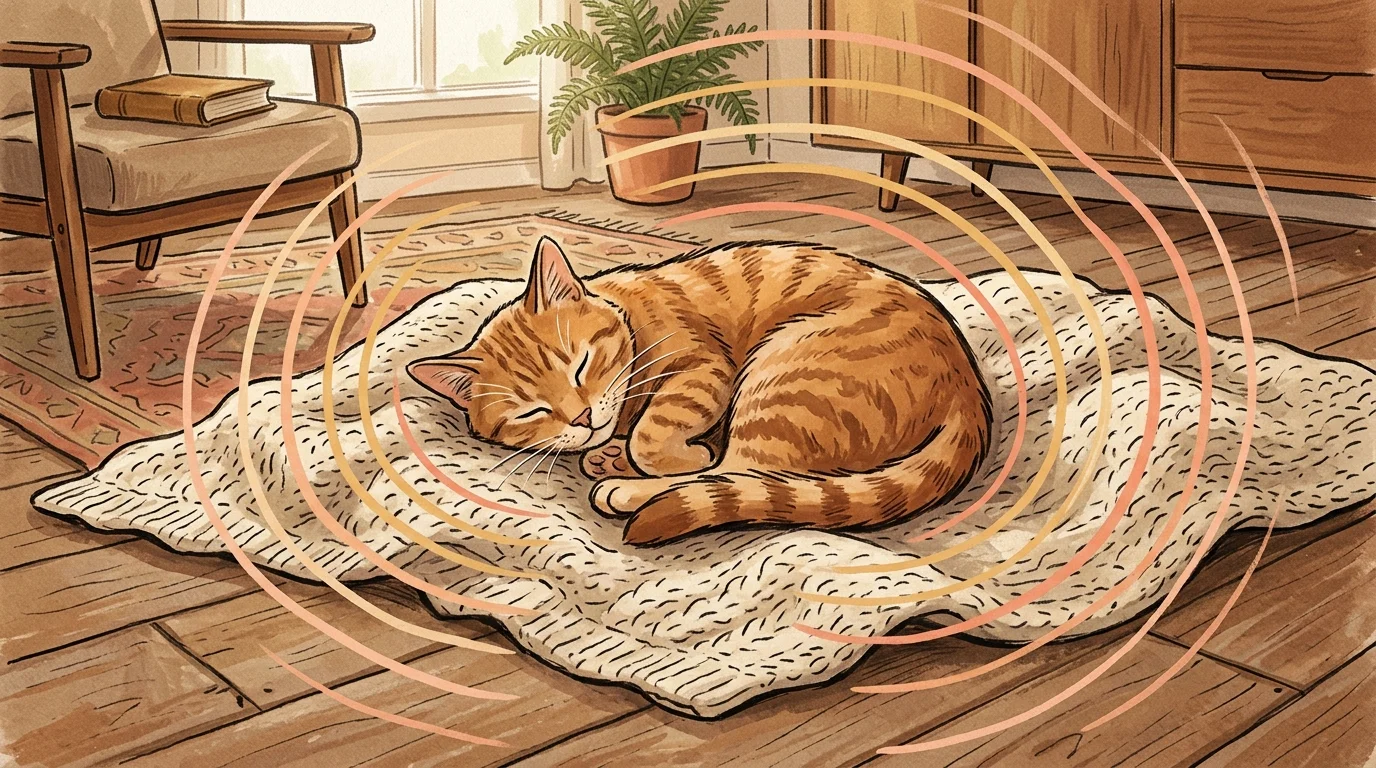
When summer temperatures climb, certain cat breeds face a higher risk of heat exhaustion and heatstroke. If you live with a flat-faced breed, a heavily coated feline, or a hairless cat, you must take extra precautions. Cats cannot sweat efficiently, relying instead on panting and resting in cool areas. Breeds with shortened airways, like Persians and Exotic Shorthairs, physically struggle to pant effectively, which traps dangerous heat inside their bodies. Meanwhile, thick-coated giants like Maine Coons carry intense winter insulation into the summer, and hairless Sphynx cats risk severe sunburns without fur to protect their skin. Knowing your cat’s specific physiological vulnerabilities allows you to modify their environment and prevent life-threatening overheating when the heat index spikes.
The Biology of Feline Overheating
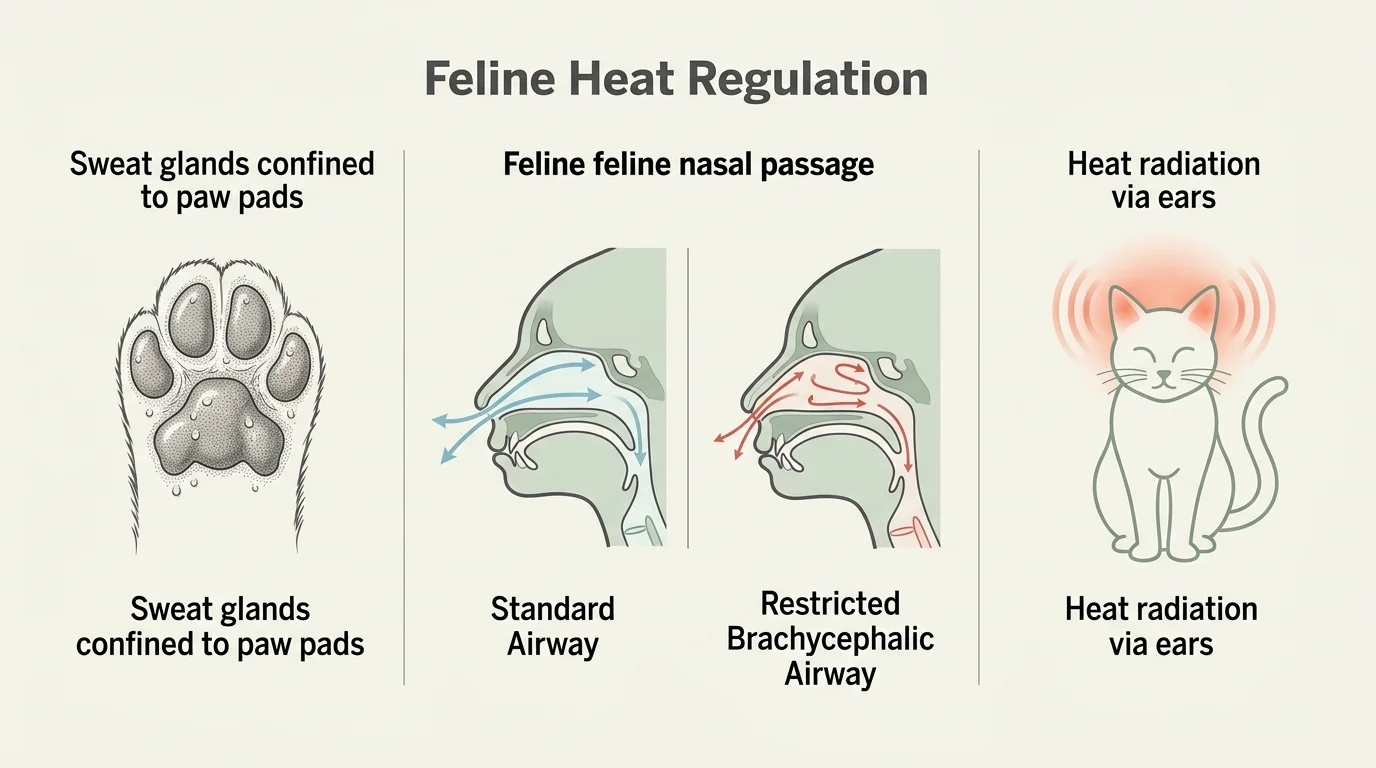
When humans get hot, we sweat across our entire body, and the resulting evaporation cools our skin. Cats do not have this luxury; their sweat glands are confined almost entirely to their paw pads. To regulate their internal temperature, they rely on resting in shaded areas, grooming themselves so their saliva evaporates off their fur, and radiating excess body heat through their ears.
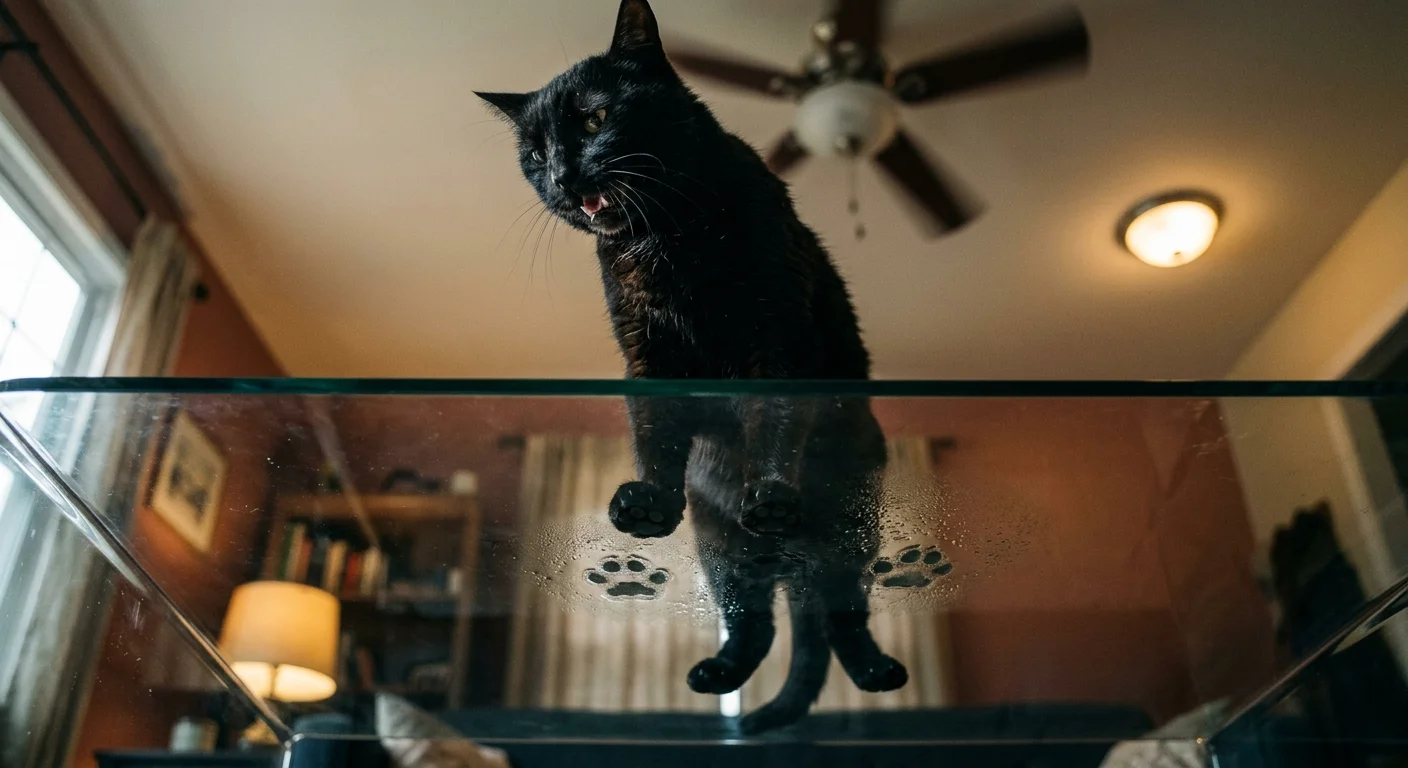
If those passive methods fail, a cat will begin to pant. However, while a panting dog is a completely normal summer sight, a panting cat is usually experiencing severe distress.
While a panting dog is just trying to cool down after a walk, a panting cat has exhausted their natural cooling methods. If your feline friend is open-mouth breathing, they are in danger of overheating and require immediate intervention.
For specific breeds, physiological traits act as a barrier to these natural cooling methods. Brachycephalic (flat-faced) cats have drastically shortened nasal passages. Because they cannot draw in air efficiently, they physically struggle to cool themselves through respiration. On the other end of the spectrum, heavily coated cats carry a dense layer of fur that traps body heat if the undercoat isn’t properly groomed. Hairless breeds lack the protective insulation of fur entirely, leaving their skin exposed to the sun’s direct ultraviolet rays.
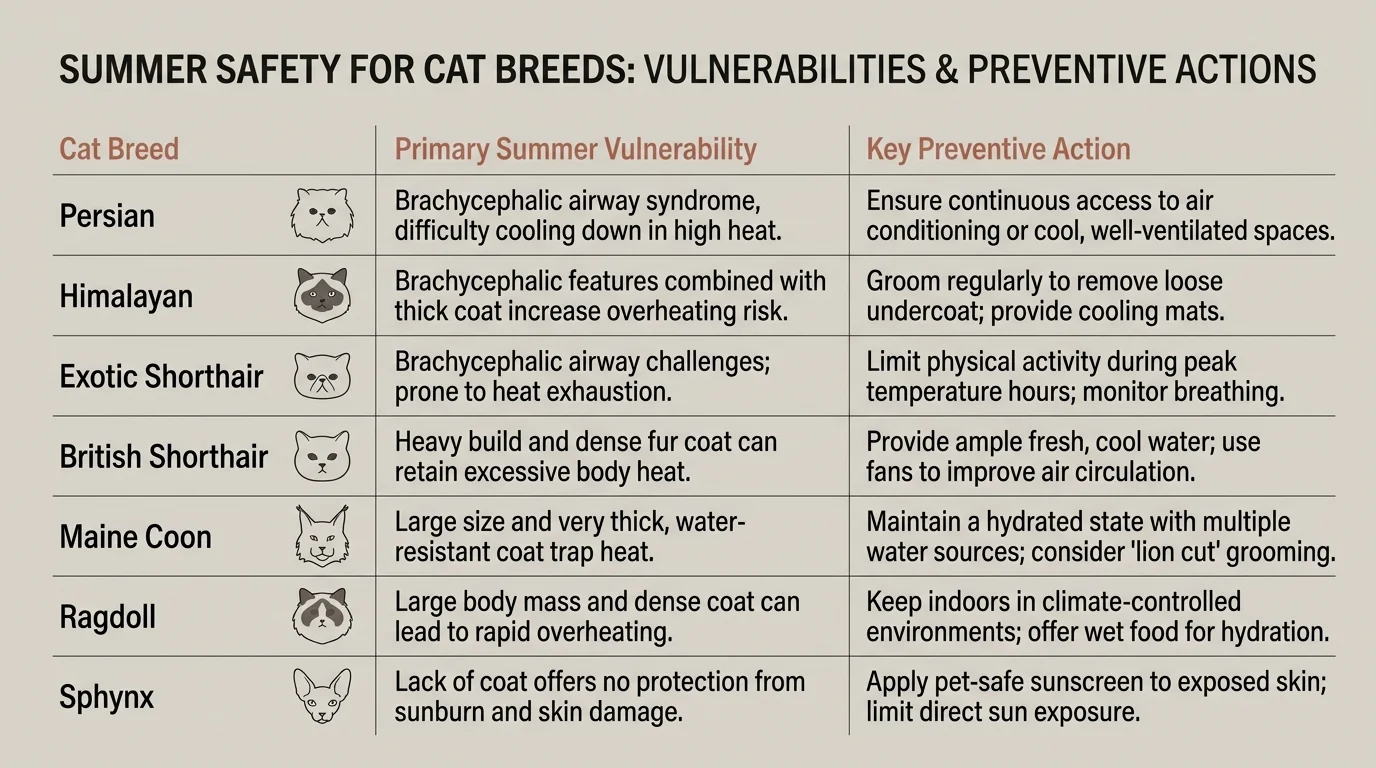
Feline Heat Risk Factors at a Glance
| Cat Breed | Primary Summer Vulnerability | Key Preventive Action |
|---|---|---|
| Persian | Brachycephalic airway; dense long coat | Strict indoor air conditioning; daily brushing |
| Himalayan | Brachycephalic airway; thick fur | Provide cool tile resting surfaces; thin undercoat |
| Exotic Shorthair | Severe brachycephalic airway | Limit physical exertion; delay play to evening hours |
| British Shorthair | Dense double coat; shortened muzzle | Aggressive spring deshedding; high-flow ventilation |
| Maine Coon | Heavy, water-resistant winter coat | Provide cooling mats; avoid shaving the coat |
| Ragdoll | Voluminous semi-long coat | Block direct afternoon sun indoors; monitor resting spots |
| Sphynx | Lack of fur insulation and UV protection | Apply pet-safe SPF; apply UV window film |
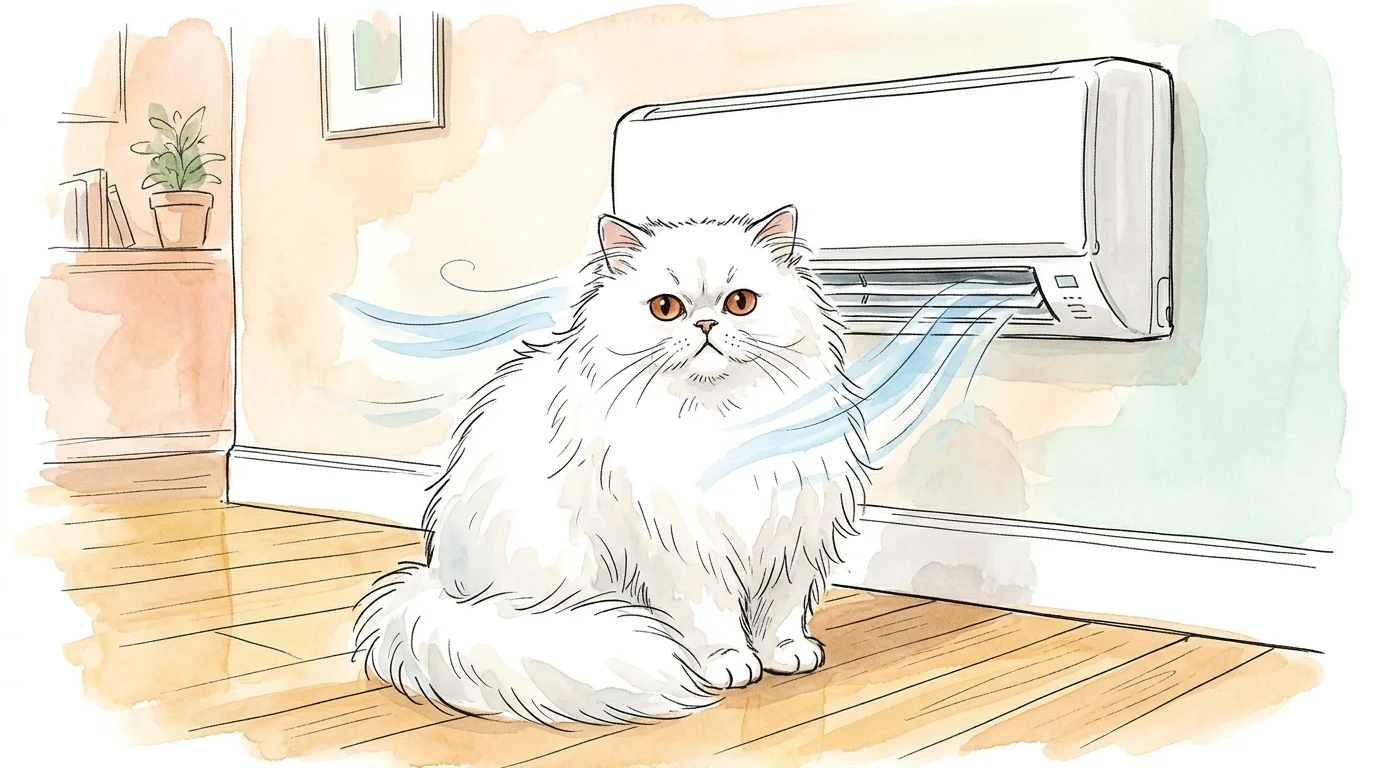
1. Persian
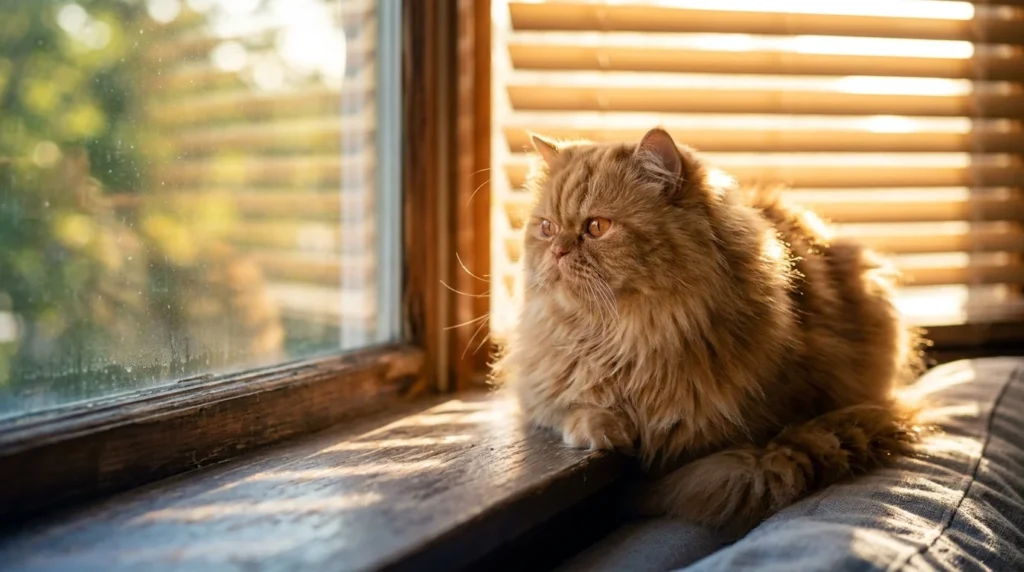
The Persian is arguably the most vulnerable cat breed when temperatures rise. Their signature flat face is the result of brachycephalic airway syndrome, meaning their nasal bones are physically shorter than those of standard cats. This anatomical quirk restricts airflow. When a Persian gets warm, they simply cannot move enough air through their respiratory tract to cool down effectively.
To compound the issue, Persians boast a notoriously thick, long coat. This dense fur traps heat directly against their skin. If you share your home with a Persian, air conditioning is practically mandatory during the summer. Keep them strictly indoors during peak heat hours, and establish a daily brushing routine to remove dead undercoat hair. Wiping their face with a cool, damp cloth can also provide localized relief without causing them the stress of a full bath.
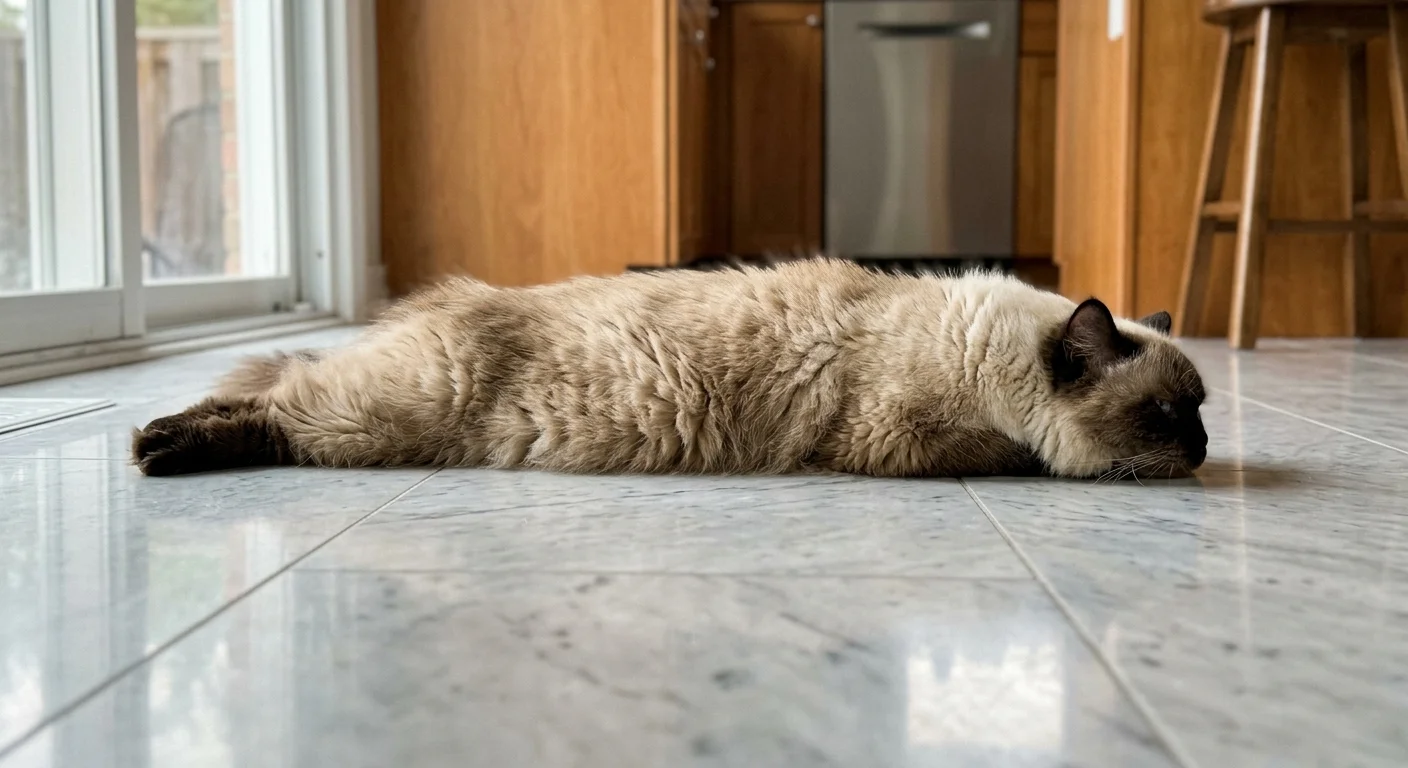
2. Himalayan
Created by crossing the Persian with the Siamese, the Himalayan inherited the striking color points of the Siamese and the physical structure of the Persian. Unfortunately, this means they also inherited the Persian’s extreme susceptibility to heatstroke.
Himalayans carry a heavy, long coat and feature the same flattened face that restricts respiratory cooling. They are prone to rapid overheating even on mildly warm days if they are trapped in a stuffy room or a sunny conservatory. To keep a Himalayan comfortable, ensure they have access to cool tile floors—such as in a bathroom or kitchen—and consider using a circulating pet water fountain. The flowing water stays cooler than standing water in a bowl, which encourages them to drink and stay hydrated.
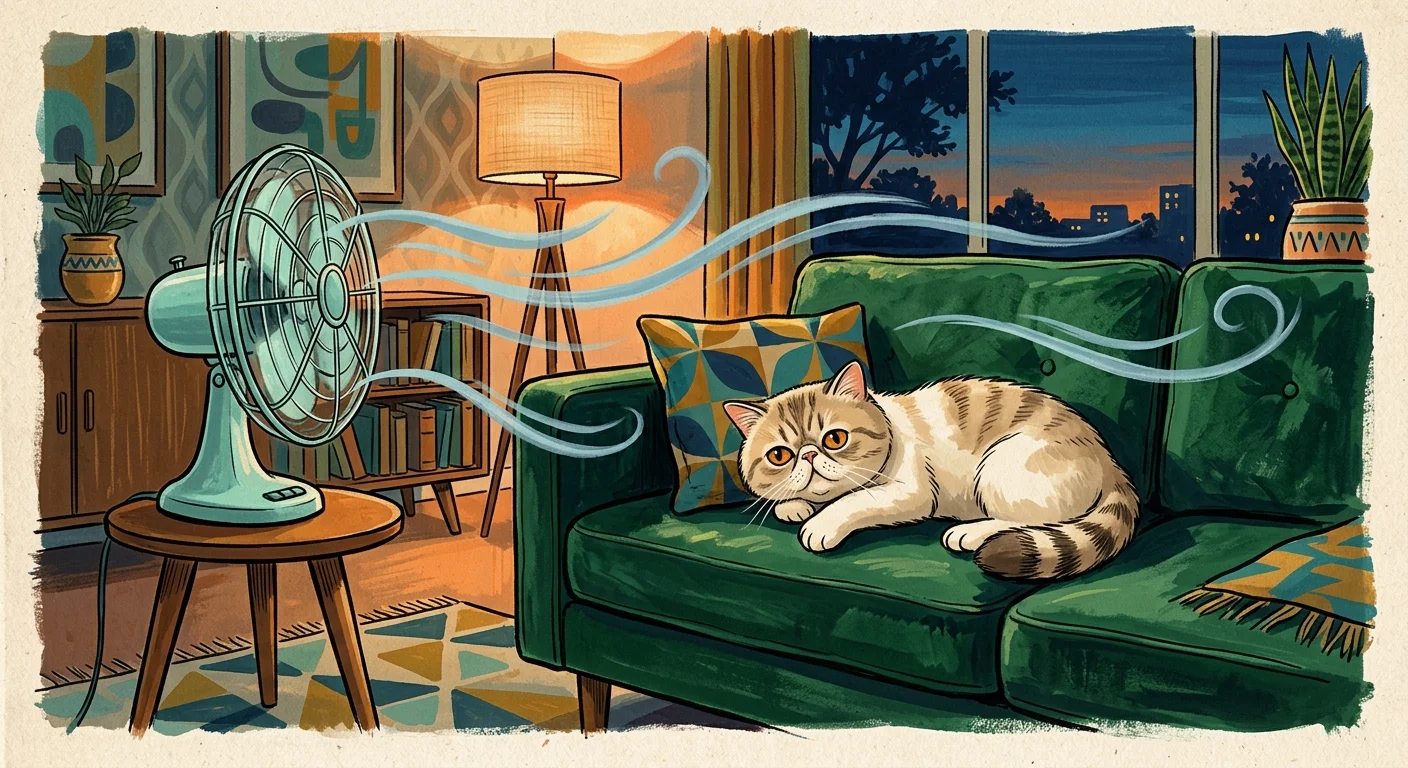
3. Exotic Shorthair
If you want the laid-back personality of a Persian without the extreme grooming requirements, breeders often point to the Exotic Shorthair. While their shorter coat makes them slightly easier to maintain, it does not exempt them from summer danger.
The Exotic Shorthair possesses the exact same brachycephalic facial structure as the Persian. This means their primary weakness in hot weather is respiratory. They will overheat rapidly with any physical exertion on a hot day. You must limit playtime during the summer months. Encourage them to rest during the afternoon, and save any interactive wand-toy sessions or strenuous climbing for the cooler evening hours.
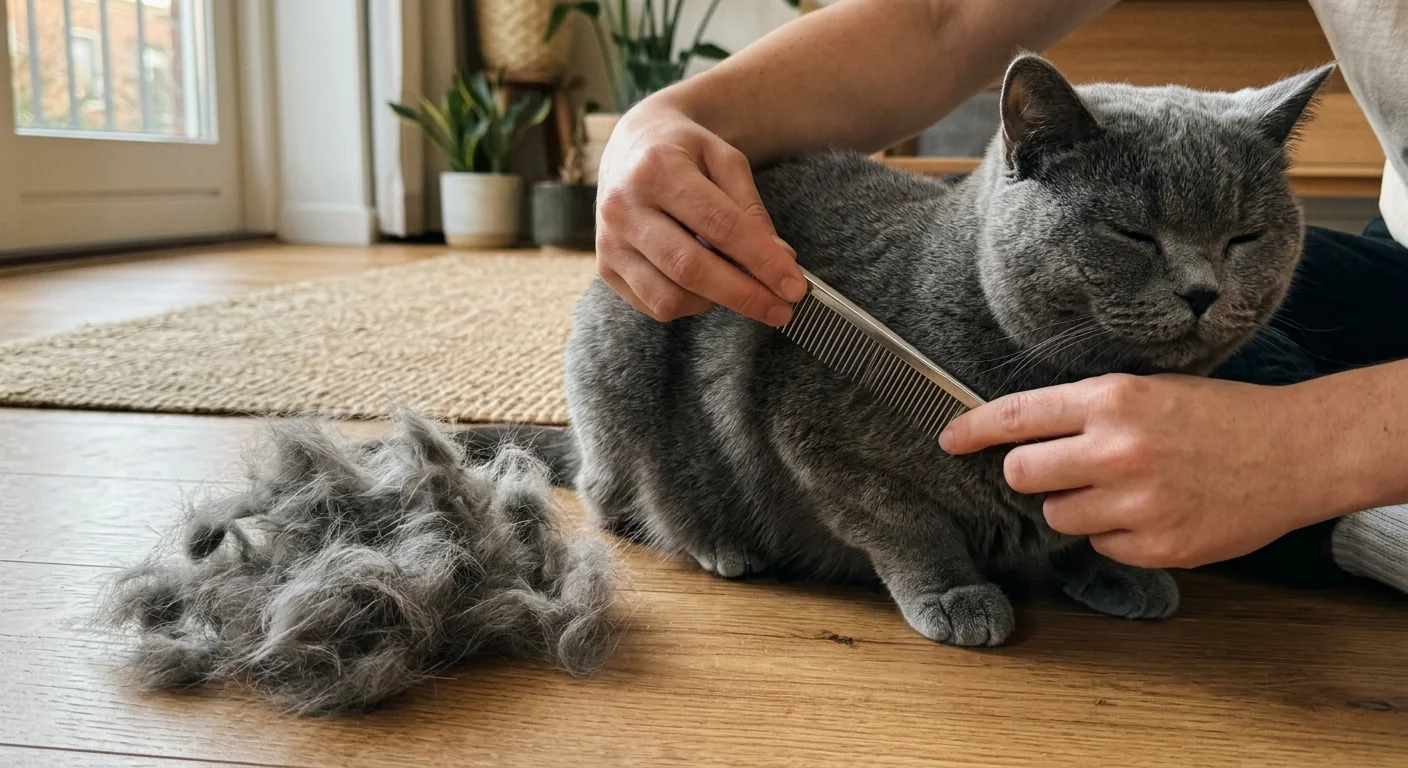
4. British Shorthair
The British Shorthair is famous for its plush, teddy-bear appearance. That thick, dense double coat is fantastic for enduring cold, damp winters, but it becomes a severe liability when the summer heat arrives.
Additionally, many British Shorthairs have slightly shortened muzzles. While not as extreme as a Persian, this trait still reduces their respiratory efficiency. To help your British Shorthair cope, focus on aggressive grooming in the spring and early summer. Using a deshedding tool to thin out their dense undercoat allows air to reach their skin, providing natural ventilation. Providing a small, pet-safe fan near their favorite resting spot can also help move warm air away from their thick coat.
5. Maine Coon
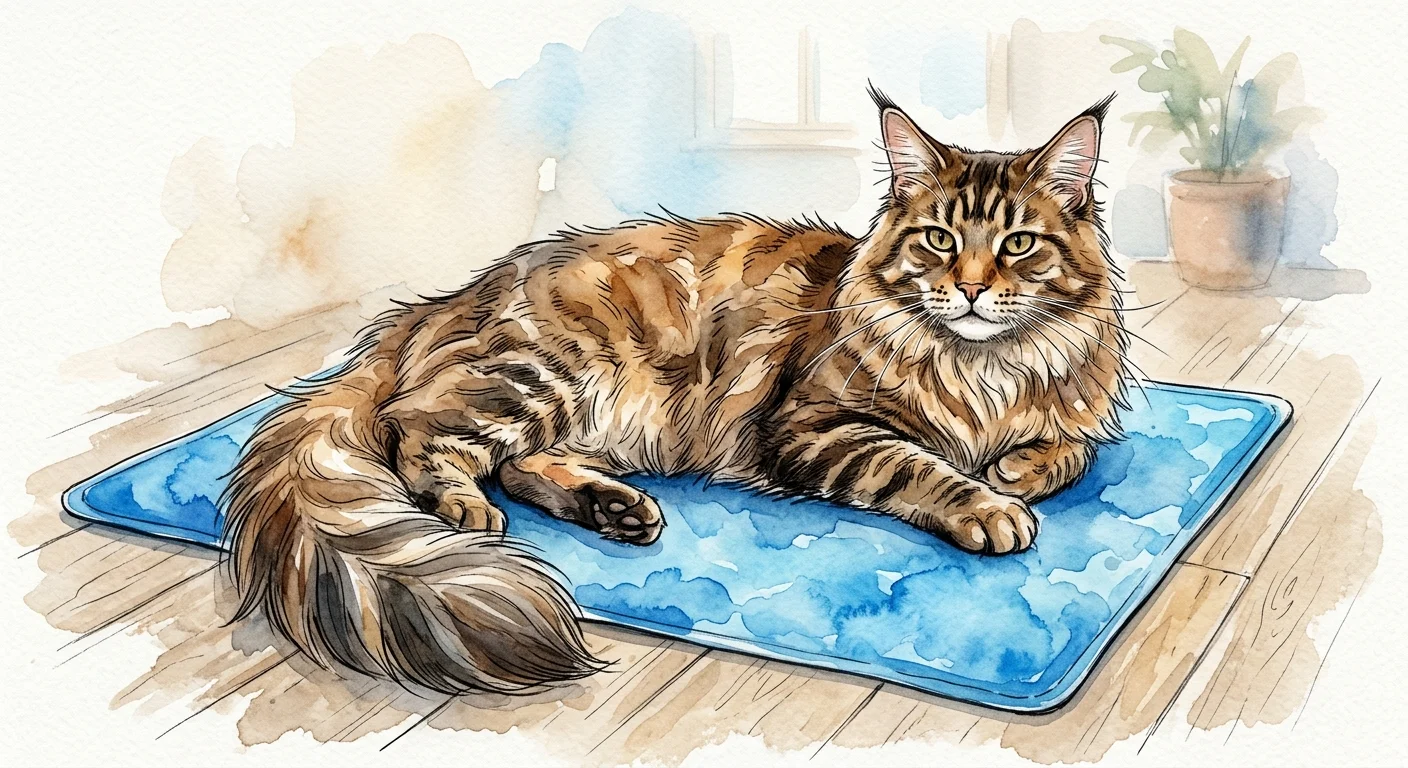
Maine Coons are the giants of the feline world, originally bred to survive the harsh, freezing winters of the American Northeast. They feature a heavy, water-resistant topcoat and a dense undercoat. During a heatwave, this massive amount of fur acts like a heavy winter parka.
Despite their thick fur, veterinary experts at PetMD strongly advise against shaving double-coated cats like the Maine Coon. Shaving removes their natural defense against sunburn and disrupts the coat’s built-in ability to regulate temperature. Instead, offer them cooling mats, ensure they have plenty of shaded areas, and brush them thoroughly a few times a week to pull out loose fur.
6. Ragdoll
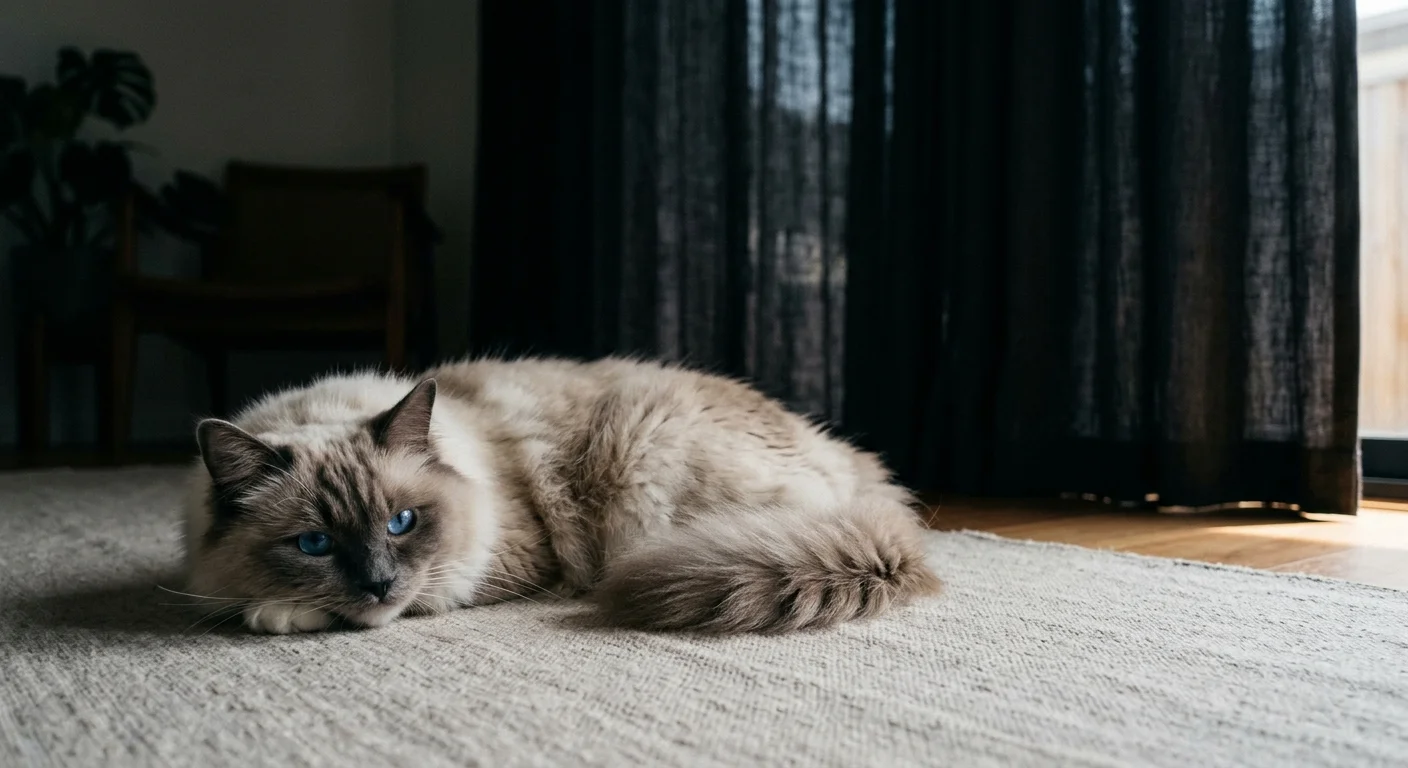
Ragdolls are large, docile cats with stunning, semi-long silk coats. While they lack the dense, woolly undercoat of a Maine Coon or Persian, their sheer volume of fur still holds onto body heat and impedes natural cooling.
Because Ragdolls are famously placid and love to sleep, they might not actively seek out cooler spots if they happen to fall asleep in a sunbeam that gets progressively hotter. You need to monitor their resting locations. Close curtains or blinds in south-facing rooms during the afternoon to prevent the indoor temperature from spiking, and ensure your Ragdoll always has an unobstructed escape route to a cooler, well-ventilated room.
7. Sphynx
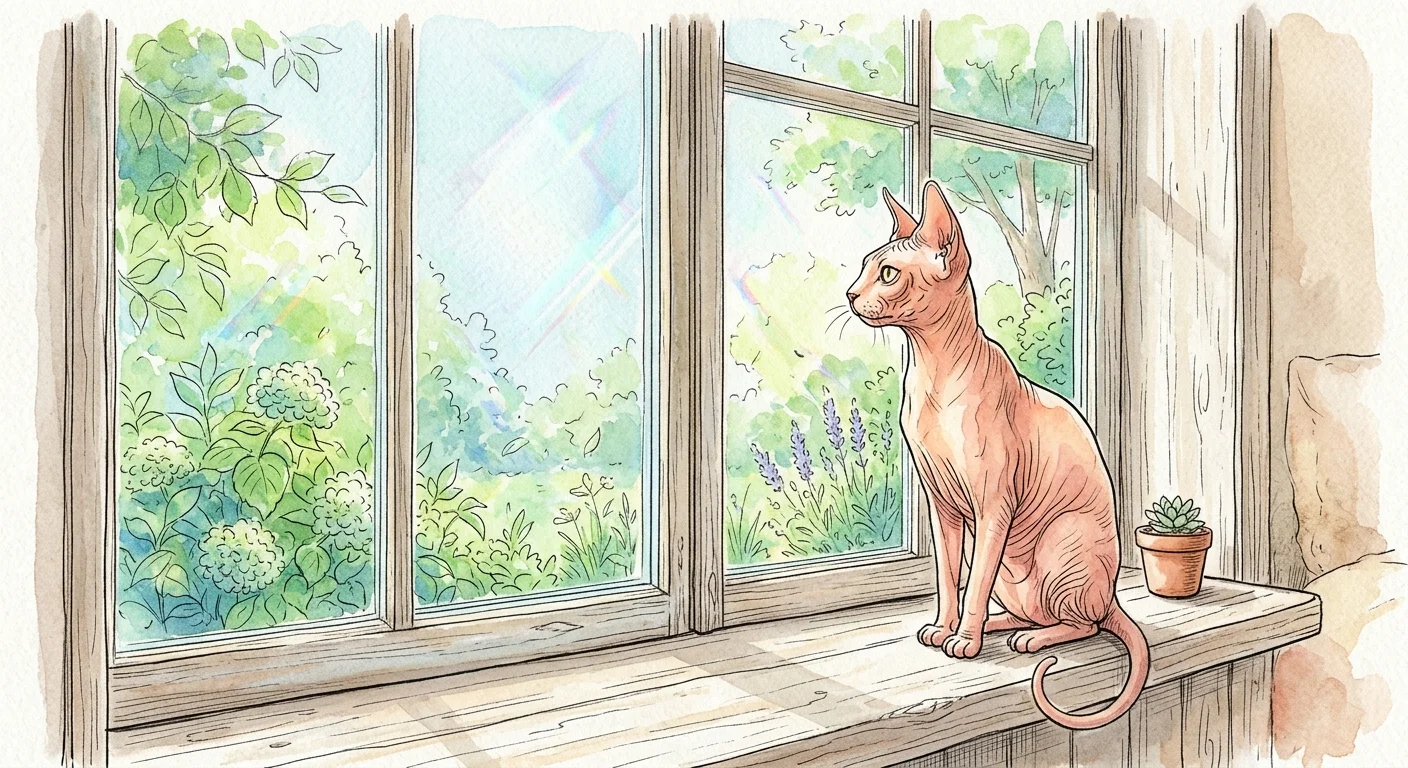
It seems counterintuitive that a hairless cat would struggle in the summer, but the Sphynx faces a highly unique set of hazards. Fur does more than just keep a cat warm; it insulates them against extreme ambient heat and acts as a physical barrier against ultraviolet radiation.
Without a coat, the Sphynx is highly prone to severe sunburn, scientifically known as solar dermatitis. If they spend too much time lounging in a sunny window or out on a patio, their bare skin will quickly burn, peel, and blister. Furthermore, because their bodies have to work overtime to maintain a constant internal temperature, sudden exposure to high ambient heat can lead to heat exhaustion. If your Sphynx likes to sit by a window, consider applying a UV-blocking window film or using a vet-approved, pet-safe sunscreen to protect their delicate skin.
How to Identify Heatstroke in Cats
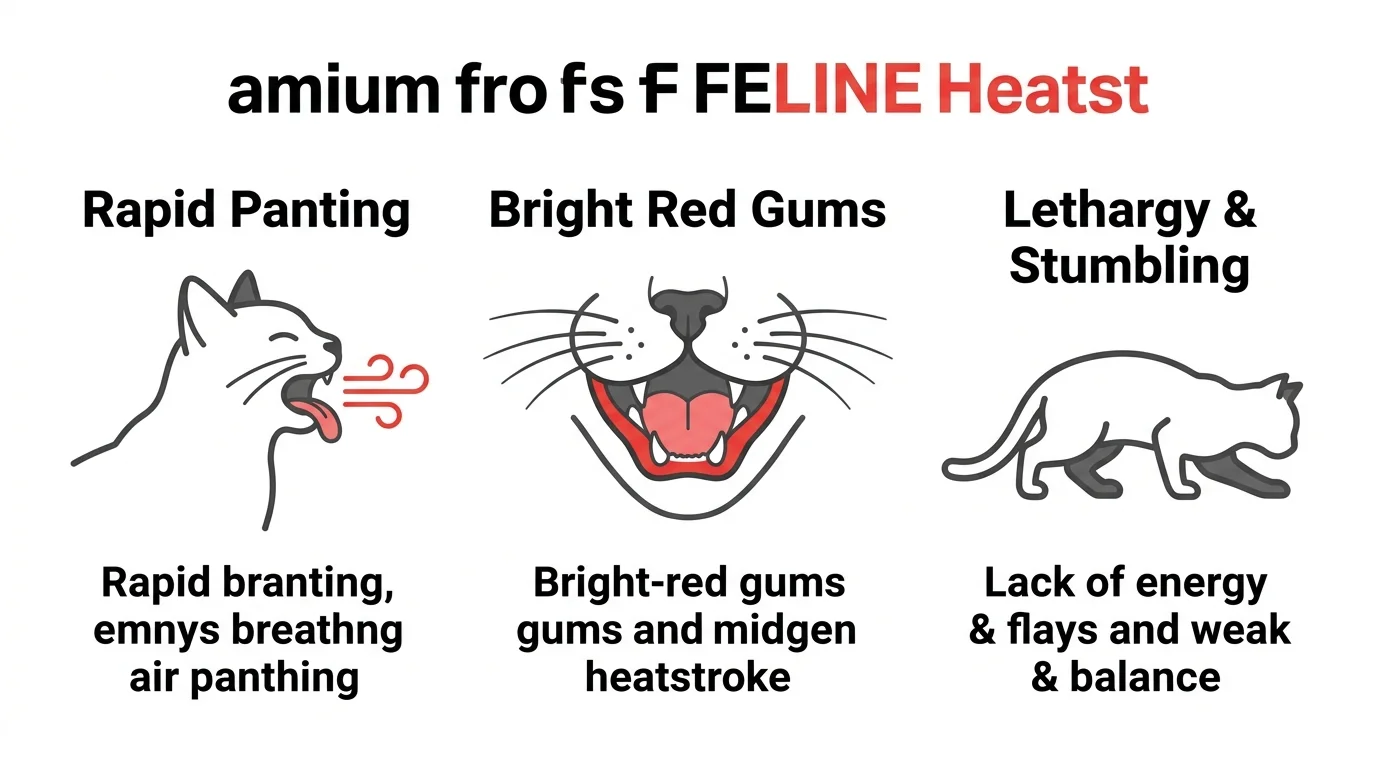
The PDSA notes that a cat’s normal body temperature ranges between 100.5°F and 102.5°F. Once it climbs above 104°F, they are in a state of heatstroke, which can lead to organ failure. Knowing the early warning signs can save your cat’s life. Watch for:
- Excessive panting: Open-mouth breathing is always a warning sign in cats.
- Heavy drooling: Thick, ropy saliva hanging from the mouth.
- Lethargy and weakness: An inability to stand up or a staggering, “drunken” walk.
- Bright red gums: Gums or a tongue that appear dark or bright red rather than a healthy pink.
- Vomiting or diarrhea: Gastrointestinal distress often accompanies a dangerously high core temperature.
What Can Go Wrong
Even with the best intentions, summer pet care can easily go sideways. Here are a few specific pitfalls to avoid when trying to keep your vulnerable cat cool:
- Trapping in enclosed spaces: The most common cause of feline heatstroke in the UK and US is a cat getting accidentally locked in a greenhouse, conservatory, shed, or garage. These spaces become deadly ovens in a matter of minutes. Always double-check before closing doors.
- Inducing shock with ice water: If your cat is overheating, it is incredibly tempting to plunge them into an ice bath or cover them with freezing wet towels. Doing so causes their peripheral blood vessels to constrict rapidly. This traps the extreme heat inside their core organs and can send their body into fatal shock. Always use cool, tepid water instead.
- Accidental sunscreen poisoning: If you own a light-colored or hairless cat, you might think to rub your own sunscreen on their ears. Human sunscreens often contain zinc oxide or salicylates, which are highly toxic to felines when ingested during grooming. Only use formulas specifically prescribed or approved by a veterinarian.
Where Outside Advice Pays Off
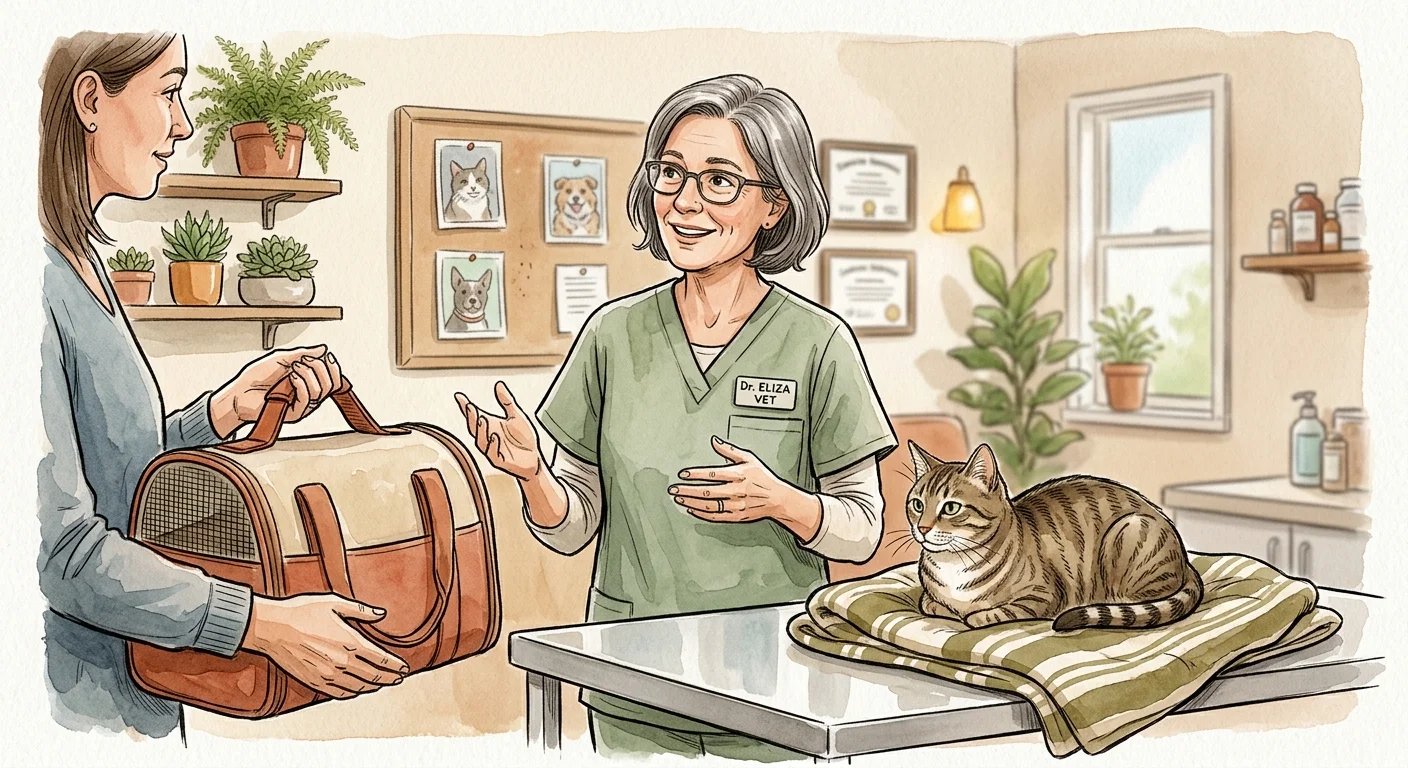
While preventative care is something you manage at home, certain symptoms require an immediate professional intervention. The American Animal Hospital Association (AAHA) considers heatstroke a life-threatening medical emergency. Seek veterinary care immediately if you encounter these scenarios:
- The panting won’t stop: If you have moved your cat to an air-conditioned room and offered them cool water, but they are still open-mouth breathing or drooling heavily after 10 minutes, their internal temperature is still rising. They need veterinary cooling techniques immediately.
- Neurological decline: If your cat seems disoriented, is stumbling, or begins to seize, their brain and organs are actively suffering from heat damage. Do not wait to see if they improve; they need emergency intravenous fluids.
- Suspicious scabs on the skin: If your white cat or Sphynx develops persistent redness, crusting, or bleeding scabs on the tips of their ears or nose, schedule a vet appointment. This is often the first sign of squamous cell carcinoma, a type of skin cancer caused by sun damage. Early removal offers the best prognosis.
Frequently Asked Questions
Should I shave my long-haired cat for the summer?
No, you should generally avoid shaving long-haired and double-coated cats. Their fur provides vital insulation that protects them from both cold weather and extreme heat. Shaving them removes this regulatory barrier and exposes their skin to painful sunburns. Instead, focus on regular brushing to remove the dead undercoat.
Do cats sweat when they are hot?
Cats do sweat, but not like humans. They only have functional sweat glands on their paw pads (and a few on their nose). You might notice damp paw prints on a hard floor on a hot day. However, this small surface area is not enough to cool their entire body, which is why environment management is so important.
Is it normal for my cat to pant after playing?
Unlike dogs, it is highly unusual for a cat to pant. If your cat pants after a short play session, it could mean they are severely overheated, stressed, or suffering from an underlying respiratory or heart condition. Stop the play session immediately, allow them to rest in a cool place, and consult your vet if it happens frequently.
Keep Your Feline Cool and Comfortable
Summer should be a time of relaxed window-watching and lazy afternoon naps for your cat, not a struggle for survival. By recognizing the specific biological limitations of breeds like the Persian, the Maine Coon, and the Sphynx, you can proactively alter their environment before the real heat sets in. Keep the air conditioning running, brush out those thick coats, and always provide plenty of fresh, circulating water.
The information here is meant for educational purposes. Specific circumstances—including health conditions, finances, location, and goals—may require different approaches. When in doubt, consult a licensed professional or check official sources directly.
Last updated: July 2026. Rules, prices, and details change—verify current information with official sources before acting on it.