A dog’s reputation often precedes it, but popular culture and neighborhood rumors frequently get canine temperaments completely wrong. If you want to understand canine behavior or choose a family pet, looking past outdated stereotypes is essential. Some of the most intimidating guard dogs are actually sensitive couch potatoes, while the tiniest lap dogs often demand strict boundaries to feel secure. Evaluating a breed requires looking at its historical purpose and modern behavioral data rather than relying on movie tropes. We are breaking down seven of the most misunderstood dog breeds, what they were actually bred to do, and what you can expect if you bring one of these fascinating dogs into your home.
The Pit Bull (American Pit Bull Terrier)
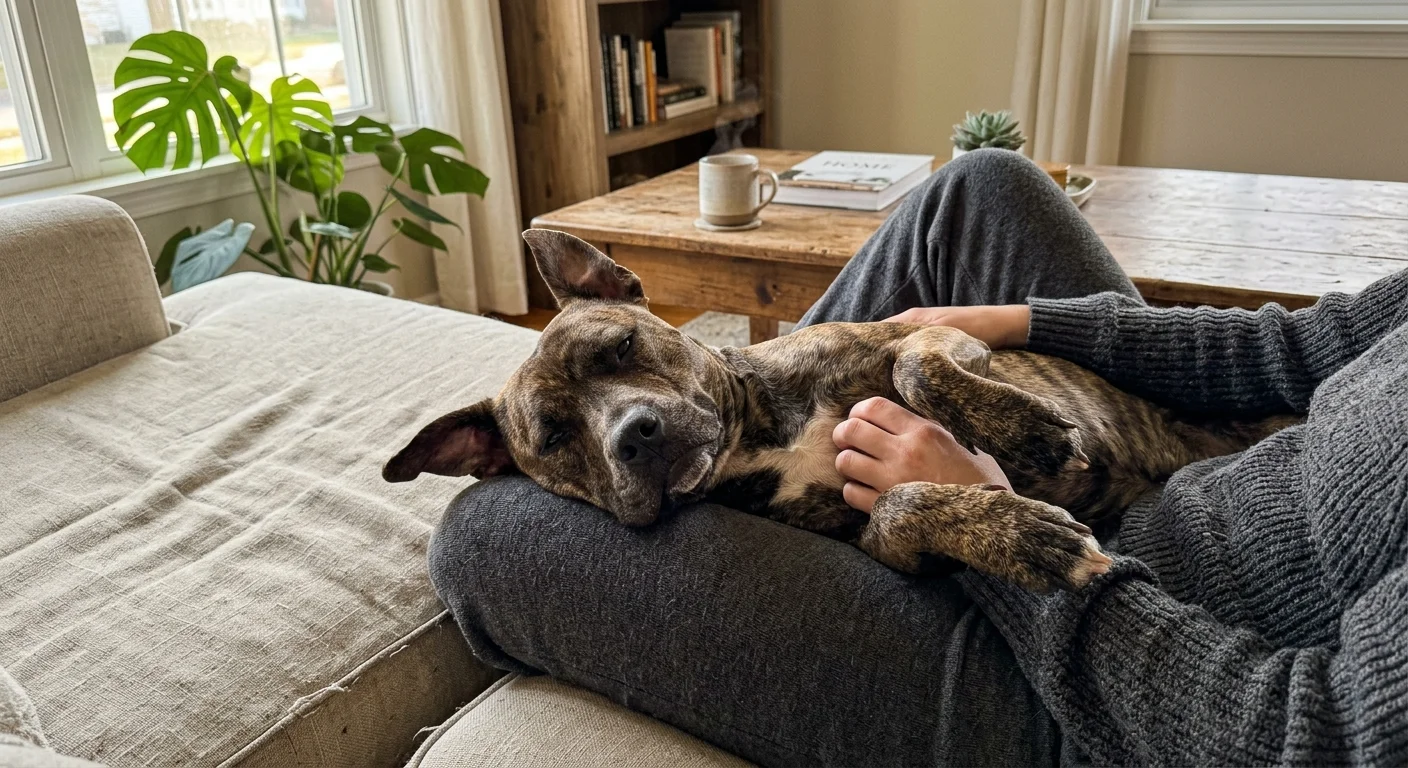
Often used as an umbrella term rather than referring to a single recognized breed, the “pit bull” label usually encompasses the American Pit Bull Terrier, the American Staffordshire Terrier, and the Staffordshire Bull Terrier. The most pervasive myth surrounding these dogs is that they are inherently aggressive or dangerous toward humans. However, modern behavioral data tells a completely different story.
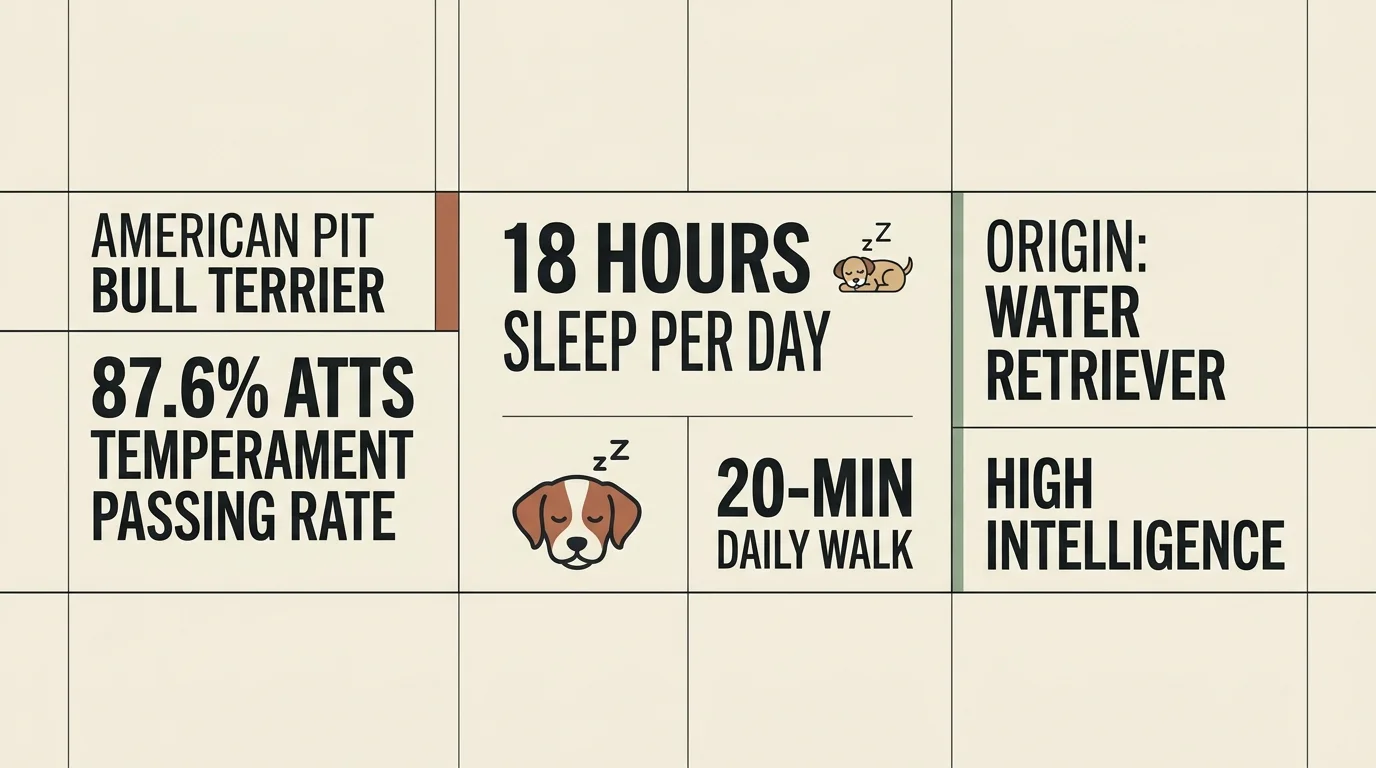
According to the American Temperament Test Society, the American Pit Bull Terrier achieves an impressive passing rate of 87.6 percent. This score evaluates stability, shyness, aggressiveness, and friendliness, placing them higher than many universally beloved family breeds, including the Golden Retriever and the Beagle. The American Veterinary Medical Association also explicitly opposes breed-specific legislation, noting that a dog’s environment, socialization, and individual genetics are far better predictors of behavior than its breed label.
In a loving home environment, these dogs are notoriously eager to please. They are highly energetic, deeply affectionate, and fiercely devoted to their families. If you adopt a pit bull-type dog, you should expect a highly athletic companion that requires daily cardiovascular exercise and robust chew toys to stay mentally stimulated. Because they bond so intensely with their humans, they respond beautifully to positive reinforcement training but can become anxious if left alone for long hours without a routine.
The Greyhound
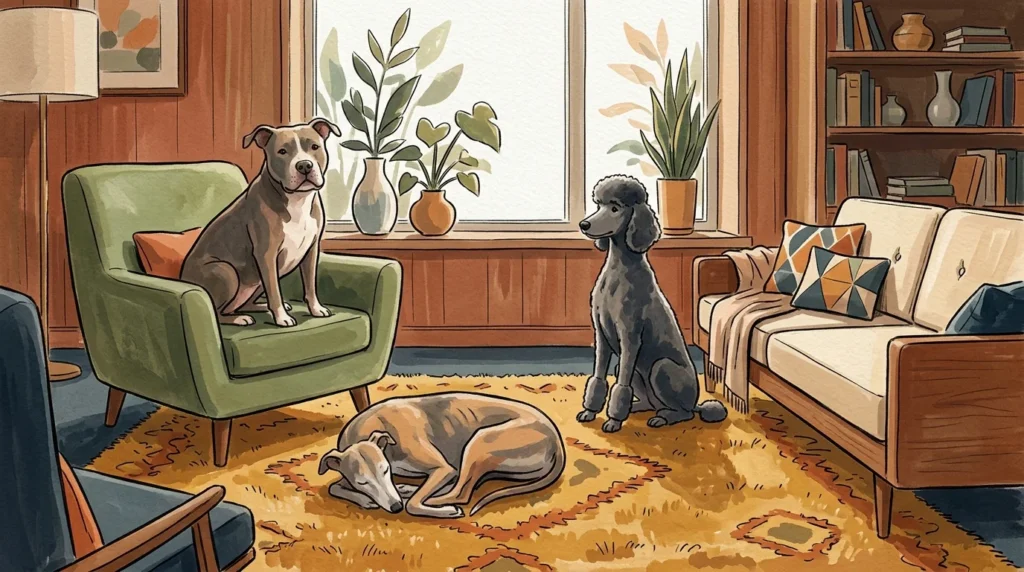
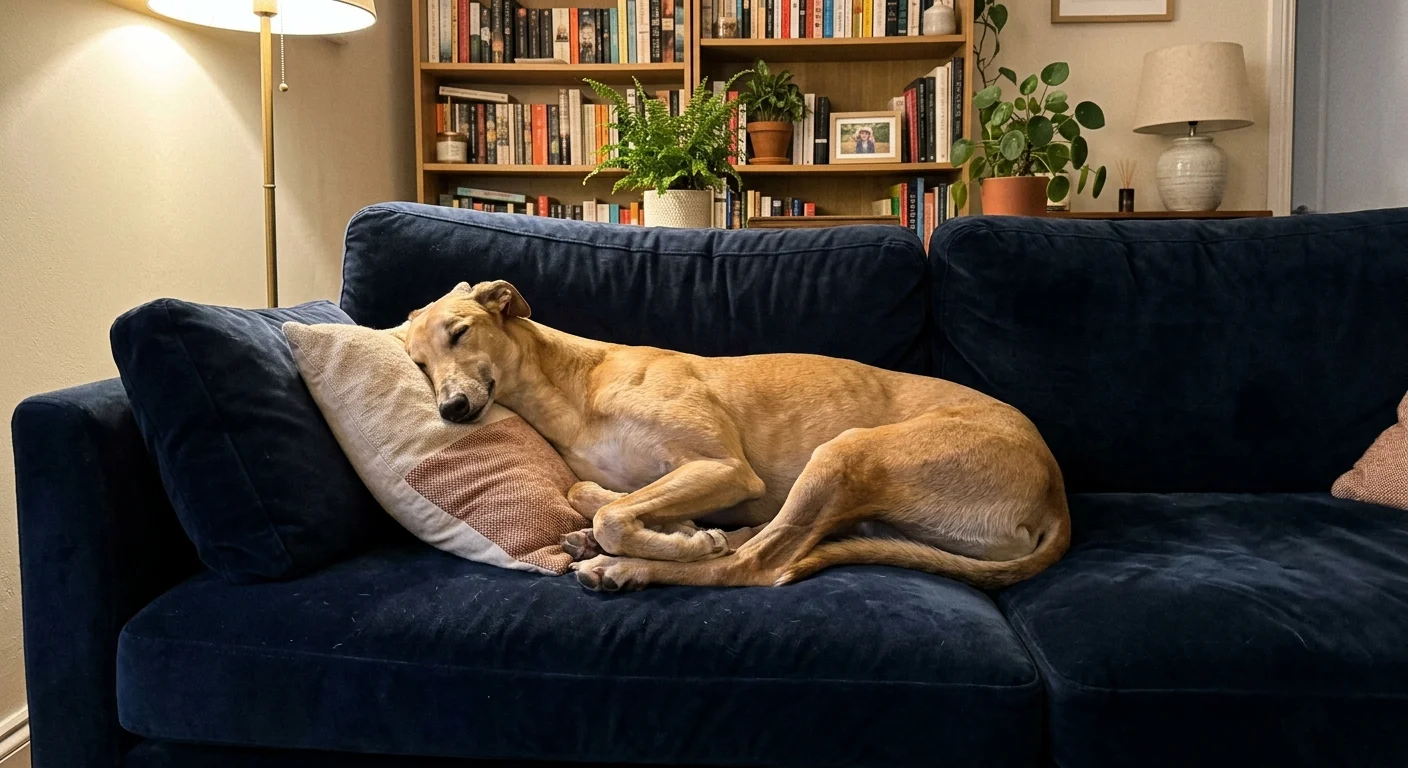
When you picture a Greyhound, you likely imagine a sleek, elite athlete bursting with boundless energy. Because their unique physiology allows them to reach speeds of up to 45 miles per hour on the racetrack, many people assume they require hours of vigorous, exhausting exercise every single day. The reality is quite the opposite; Greyhound enthusiasts and rescue organizations affectionately refer to them as the world’s fastest couch potatoes.
Bred specifically for short, explosive sprints rather than long-distance endurance, a Greyhound expends its energy in brief bursts. A standard Greyhound is usually entirely satisfied with a daily 20-minute walk followed by a lengthy nap on the softest furniture available. In fact, many Greyhounds comfortably sleep up to 18 hours a day. Their quiet, gentle nature and remarkably low indoor energy levels make them excellent candidates for apartment living.
If you bring a Greyhound into your home, you must manage their high prey drive. While they are lazy indoors, they cannot be trusted off-leash in an unenclosed area. If they spot a squirrel or a rabbit, their instinct takes over, and they will bolt faster than you can react. Always exercise them in a securely fenced area or keep them leashed during neighborhood strolls.
The Standard Poodle
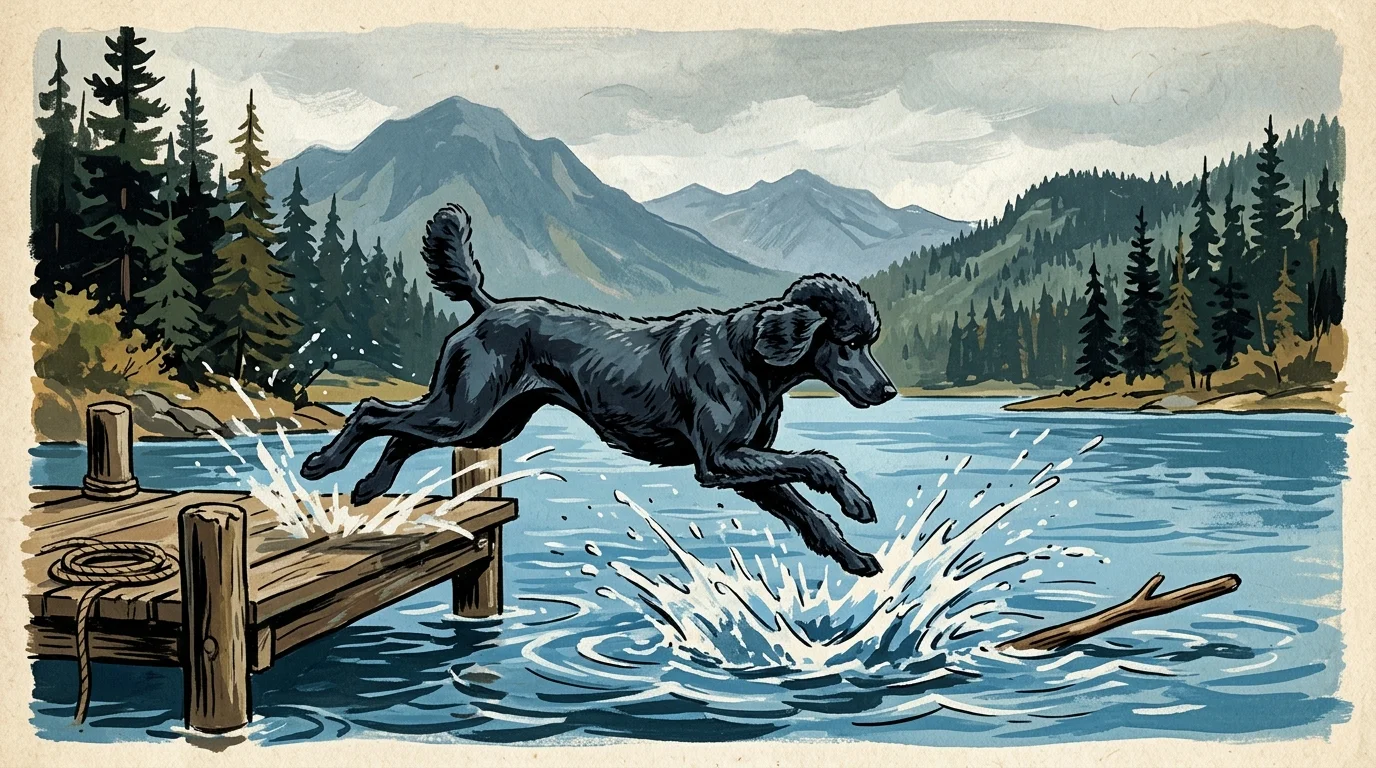
Thanks to elaborate continental show trims and a prominent place in French aristocratic history, the Standard Poodle is widely viewed as a delicate, frou-frou accessory. This pampered reputation completely ignores the breed’s rugged, athletic roots. The Poodle actually originated in Germany as a hardworking, highly capable water retriever.
Its very name derives from the German word pudelin, which translates to splashing in the water. According to the American Kennel Club, even their iconic haircut originally served a strictly functional purpose. Hunters shaved the dog’s hindquarters to reduce drag while swimming, leaving thick puffs of hair around the joints and vital organs to protect the dog from freezing water temperatures.
Today, Standard Poodles remain highly intelligent, robust dogs that excel in agility courses, obedience trials, and field hunting tests. If you choose a Poodle, you are not getting a delicate lap dog. You are bringing home a brilliant, high-energy working breed that demands mental stimulation. Puzzle toys, trick training, and vigorous daily exercise are mandatory to keep them from becoming bored and destructive. Their coat is hypoallergenic, but it requires diligent daily brushing or professional grooming every few weeks to prevent painful matting.
The Chihuahua
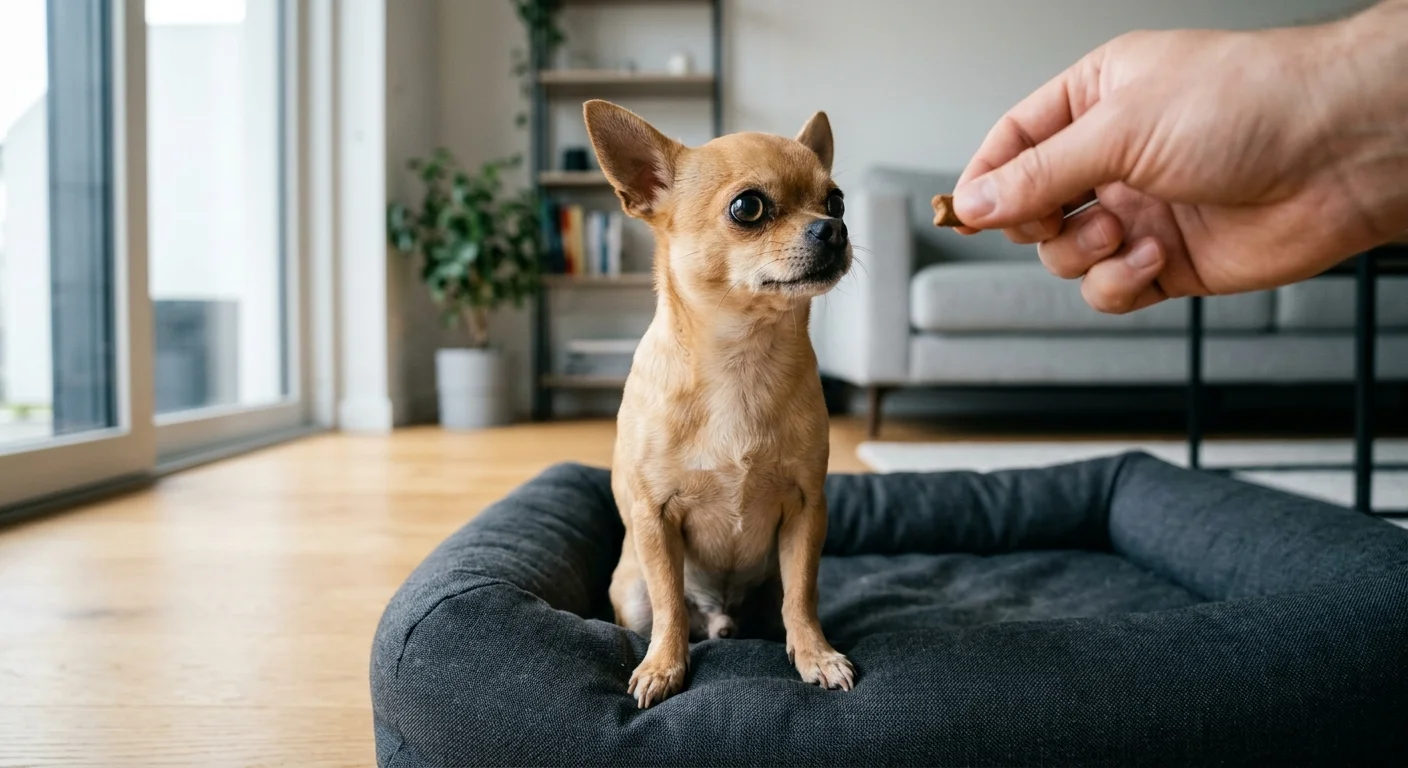
If you search for Chihuahua videos online, you will find endless compilations of tiny dogs growling, snapping, and lunging at people. This media portrayal has earned them an unfair reputation as inherently mean, aggressive ankle-biters. In reality, a Chihuahua’s perceived aggression is almost exclusively rooted in deep-seated fear.
A Chihuahua’s aggression is rarely a display of dominance; it is a desperate plea for space from a tiny animal trying to survive in a world scaled for giants.
Imagine navigating a world where everything—including the people you live with—is twenty times your size. Because they weigh only a few pounds, owners frequently skip vital socialization steps. Instead of letting the dog confidently investigate scary objects or interact with other dogs, owners scoop them up and carry them. This inadvertently validates the dog’s fear and removes its agency. Over time, the dog learns that lunging and snapping are the only effective ways to create a safe distance from terrifying threats.
When you respect a Chihuahua’s physical boundaries and train them with the exact same structure you would apply to a Mastiff, they transform. Well-socialized Chihuahuas are incredibly affectionate, confident, and delightfully quirky companions. Always let them walk on their own four paws, and advocate for their personal space when strangers try to reach over and pet them without warning.
The Rottweiler
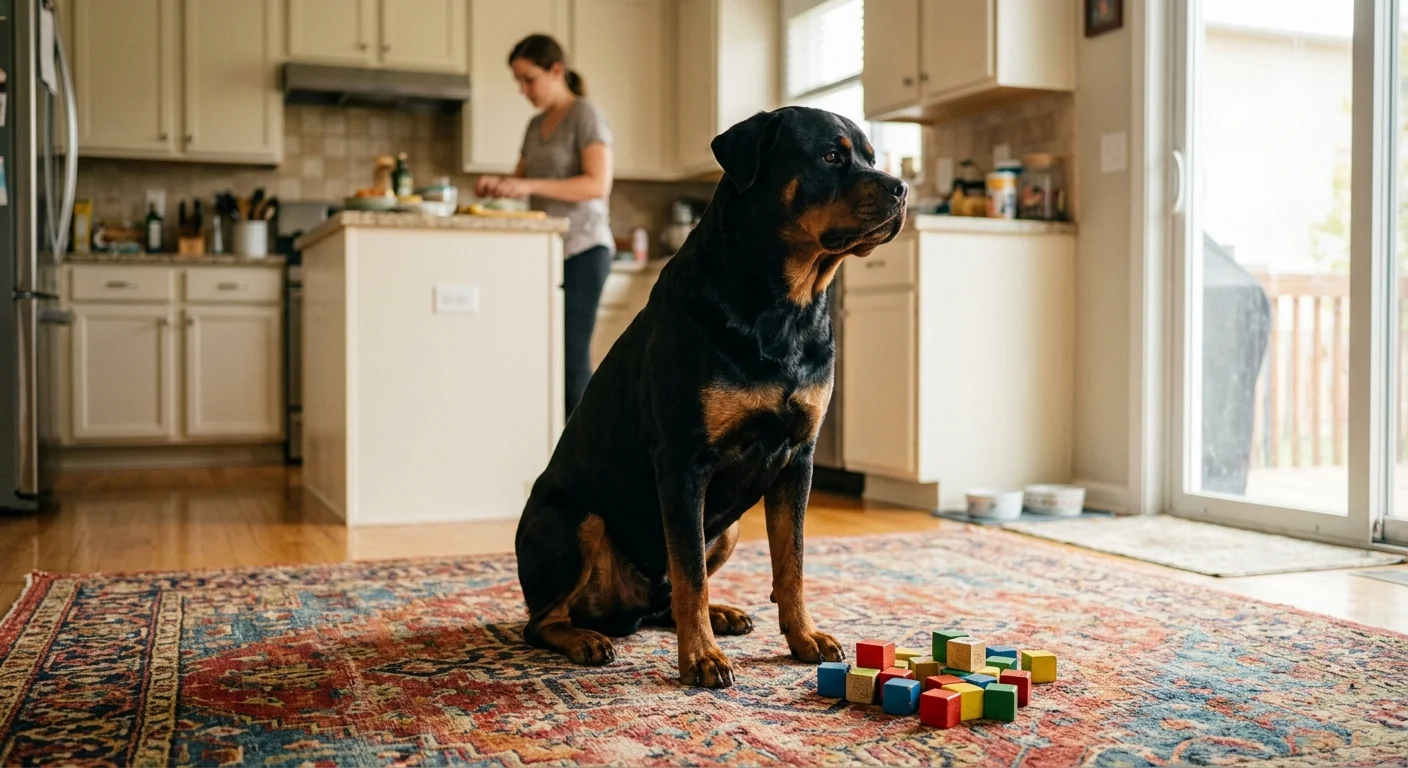
With their massive blocky heads, dark coloring, and muscular frames, Rottweilers are frequently typecast in movies as vicious, unthinking guard dogs. While they are undeniably powerful and naturally protective of their territory, their history reveals a highly versatile working dog with a surprisingly goofy, affectionate side.
The ancestors of the modern Rottweiler marched with Roman legions over the Alps, tirelessly herding livestock to feed the advancing soldiers. Later, in the German town of Rottweil, they worked as butcher’s dogs, pulling heavy carts of meat to market and guarding the day’s earnings tied around their necks. Because they were bred for herding and drafting, Rottweilers possess a strong work ethic and thrive on having a job to do.
One common misunderstanding is the “Rottie rumble”—a low, grumbling vocalization the breed makes when they are happy or receiving affection. To an untrained ear, this sounds exactly like a dangerous growl, leading people to back away in fear from a dog that is simply purring like a giant cat. Rottweilers require early, extensive socialization so their natural protective instincts do not turn into a liability, but with good training, they are calm, confident dogs that often believe they are lap-sized.
The Doberman Pinscher
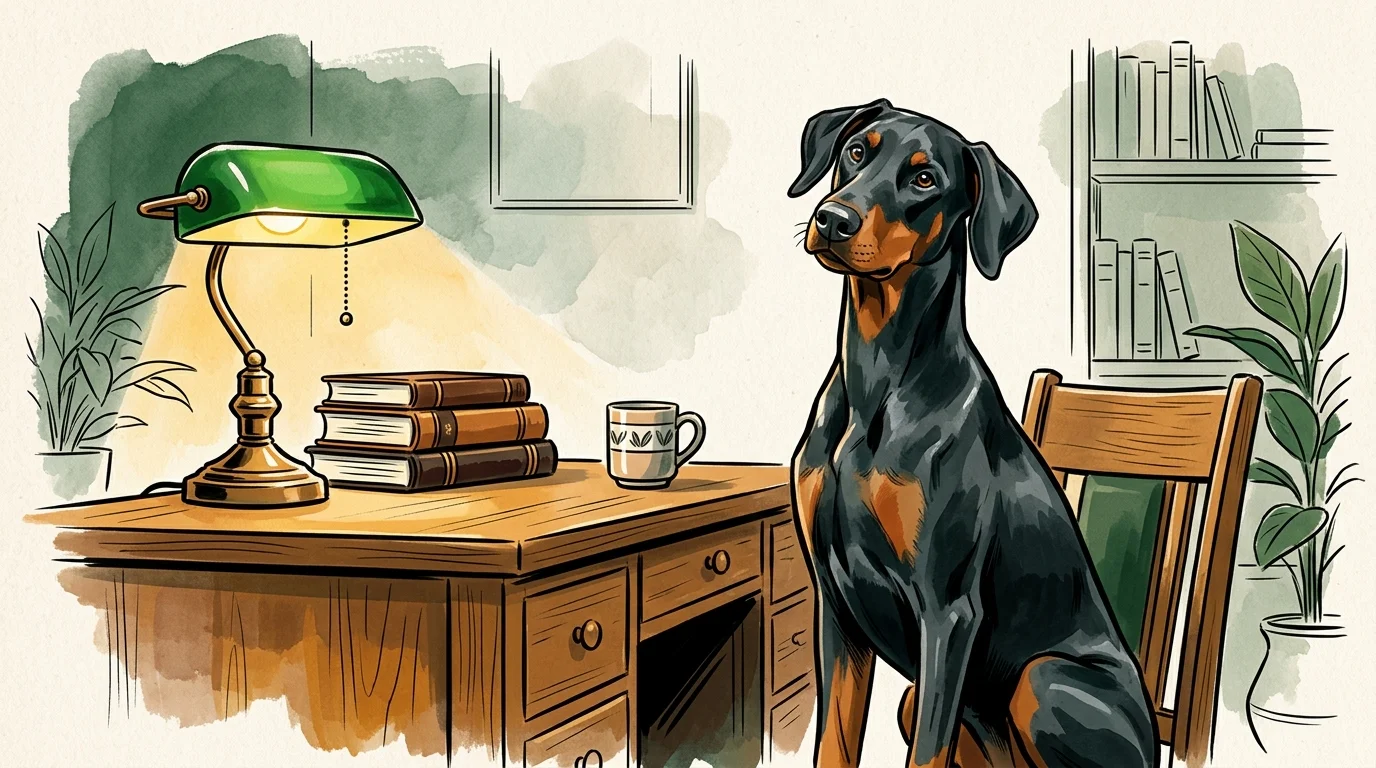
The Doberman Pinscher is another striking breed victimized by Hollywood, often depicted as a snarling, unpredictable attack machine guarding a villain’s compound. Understanding the breed’s actual origin story perfectly explains its intense, focused loyalty.
In the late 19th century, a German tax collector named Karl Friedrich Louis Dobermann needed a reliable, intimidating companion to protect him as he carried cash through dangerous neighborhoods. He strategically bred a dog that was athletic, highly intelligent, and fiercely loyal to a single handler. He did not want an unpredictable monster; he wanted a focused bodyguard that would listen to his every command.
Today, breed enthusiasts commonly refer to Dobermans as “Velcro dogs” because they insist on being physically pressed against their owners at all times. They are emotionally sensitive and highly attuned to their owner’s tone of voice. Harsh training methods easily break their spirit; they respond best to firm, consistent, and gentle leadership. If you bring a Doberman into your life, expect a dog that wants to follow you into the bathroom, lean heavily against your legs, and participate in every family activity.
The English Mastiff
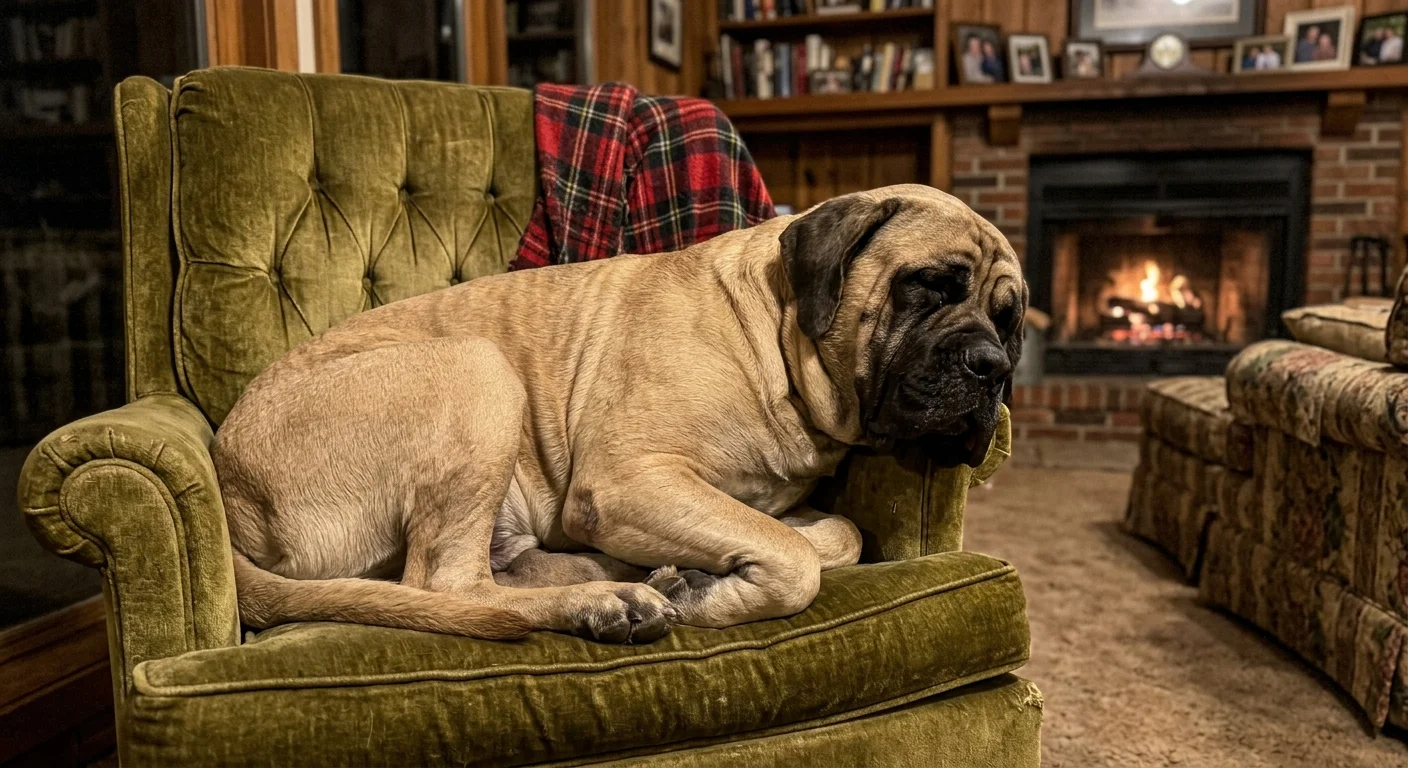
Given that a male English Mastiff can comfortably weigh over 200 pounds, it is easy to see why someone might be terrified of encountering one. Their sheer size and heavy brow are imposing enough to deter almost any intruder from stepping onto your property. Yet, the Mastiff is historically one of the most docile, patient, and good-natured breeds in the entire canine kingdom.
Historically used as estate guardians in ancient Britain, modern Mastiffs are famous for their quiet dignity and affability. They prefer gentle interactions and are notoriously lazy indoors. While they will instinctively step between their owner and a perceived threat, they rarely show unwarranted aggression. They rely entirely on their massive presence to keep danger at bay.
The biggest challenge of owning a Mastiff is not managing aggression, but rather managing their colossal upkeep. They require highly specific giant-breed nutrition to protect their rapidly growing joints, and veterinary care is significantly more expensive due to their size. Furthermore, you must be prepared for a steady stream of drool on your walls, floors, and favorite trousers.
Comparing Breed Traits at a Glance
To help you better understand the reality behind these distinct breeds, here is a breakdown of their true historical purposes, energy levels, and the main misconceptions you should ignore.
| Breed | Historical Purpose | Indoor Energy Level | Key Misconception |
|---|---|---|---|
| Pit Bull (Type) | Farm work, family companionship | Moderate to High | Inherently aggressive |
| Greyhound | Sprint racing, hare coursing | Low (requires soft surfaces) | Requires constant, exhausting exercise |
| Standard Poodle | Cold water retrieving | High | Delicate, fragile show dog |
| Chihuahua | Companionship | Moderate | Naturally mean and dominant |
| Rottweiler | Herding, cart pulling | Moderate | Vicious attack dog |
| Doberman Pinscher | Personal protection | Moderate to High | Unpredictable and dangerous |
| English Mastiff | Estate guarding | Low | Dangerous, unmanageable giant |
What Can Go Wrong
Ignoring a dog’s true genetic history in favor of popular stereotypes can lead to frustrating behavioral issues in your home. Here are a few specific pitfalls to avoid when bringing a misunderstood breed into your family:
- Assuming small dogs do not need training: Allowing a Chihuahua to jump, nip, or aggressively guard toys just because they are small creates a highly anxious, reactive dog. They need the same behavioral boundaries as a Great Dane.
- Under-exercising working dogs: Buying a Standard Poodle purely for its hypoallergenic coat while ignoring its need for vigorous exercise will result in a bored dog that shreds your furniture.
- Over-exercising sprinters: Forcing a Greyhound to jog five miles with you on pavement can cause severe joint damage and heat exhaustion. They are sprinters, not marathon runners.
- Using harsh corrections on guard breeds: Trying to dominate a sensitive breed like a Doberman or a Rottweiler with yelling or physical corrections usually breaks their trust and creates fear-based reactivity.
Where Outside Advice Pays Off
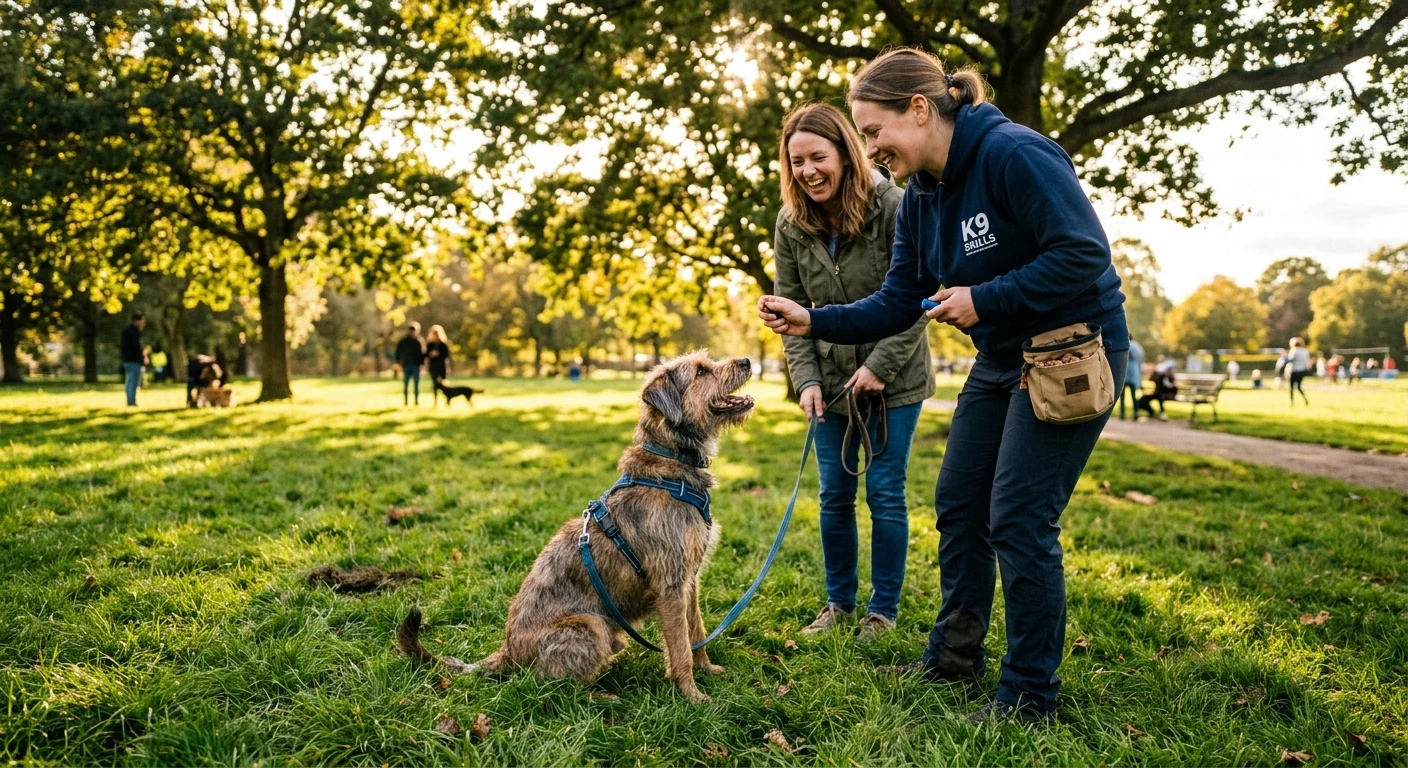
Even when you understand a breed’s true nature, individual dogs carry their own unique histories and traumas. You should consult a certified canine behaviorist or a specialized veterinarian if you encounter any of the following scenarios:
- Resource guarding: If your dog growls or snaps when you approach their food bowl or favorite resting spot, professional guidance helps you safely desensitize the behavior without escalating the conflict.
- Severe fear reactivity: If your dog lunges at every stranger or dog they see on a walk, a professional can help you implement counter-conditioning strategies to change how your dog feels about triggers.
- Sudden behavioral changes: If your normally sweet Chihuahua suddenly starts snapping when picked up, consult your veterinarian immediately. Sudden aggression is frequently linked to hidden pain, such as severe dental disease.
- Adopting an adult dog with an unknown past: Rescue dogs sometimes come with ingrained habits. A professional trainer can evaluate the dog in your home and provide a customized management plan to set you both up for success.
Frequently Asked Questions
Are there inherently dangerous dog breeds?
No major veterinary or behavioral organization supports the idea that any specific breed is inherently dangerous. The American Veterinary Medical Association stresses that aggression is a complex behavior driven by individual genetics, health, training, and socialization, rather than simply breed lineage.
Why do small dogs seem more aggressive than large dogs?
Small dogs often exhibit fear-based reactivity because the world is physically intimidating to them. Additionally, owners frequently tolerate growling or snapping from a six-pound dog that they would immediately correct in a sixty-pound dog, which inadvertently reinforces the bad behavior.
What is the most affectionate large dog breed?
While many large breeds are affectionate, the Doberman Pinscher and the English Mastiff are legendary for their physical clinginess. Dobermans are famous for pressing their bodies against their owners, and Mastiffs love nothing more than trying to climb into their owner’s lap.
Do Poodles really need that specific haircut?
Unless your Poodle is swimming in freezing water or competing in conformation shows, they do not need the traditional continental clip. Most pet owners opt for a “puppy cut” or a “sporting clip,” which keeps the hair at an even, short length across the entire body for much easier maintenance.
Taking the time to research the history and original purpose of a dog breed allows you to provide an environment where they can truly thrive. By looking past neighborhood gossip and movie stereotypes, you open yourself up to finding an incredible companion that perfectly matches your lifestyle.
The information here is meant for educational purposes. Specific circumstances—including health conditions, finances, location, and goals—may require different approaches. When in doubt, consult a licensed professional or check official sources directly.