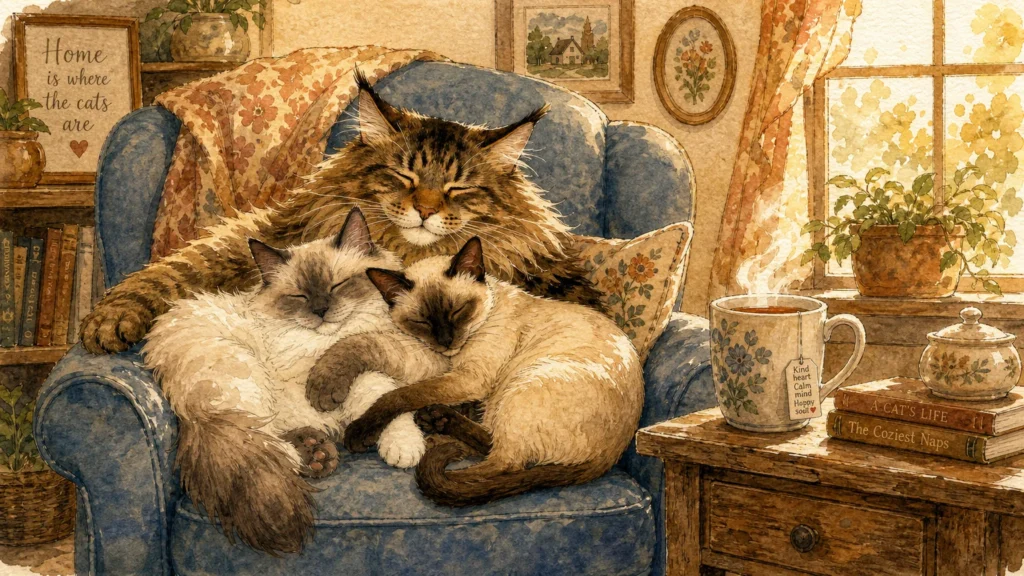
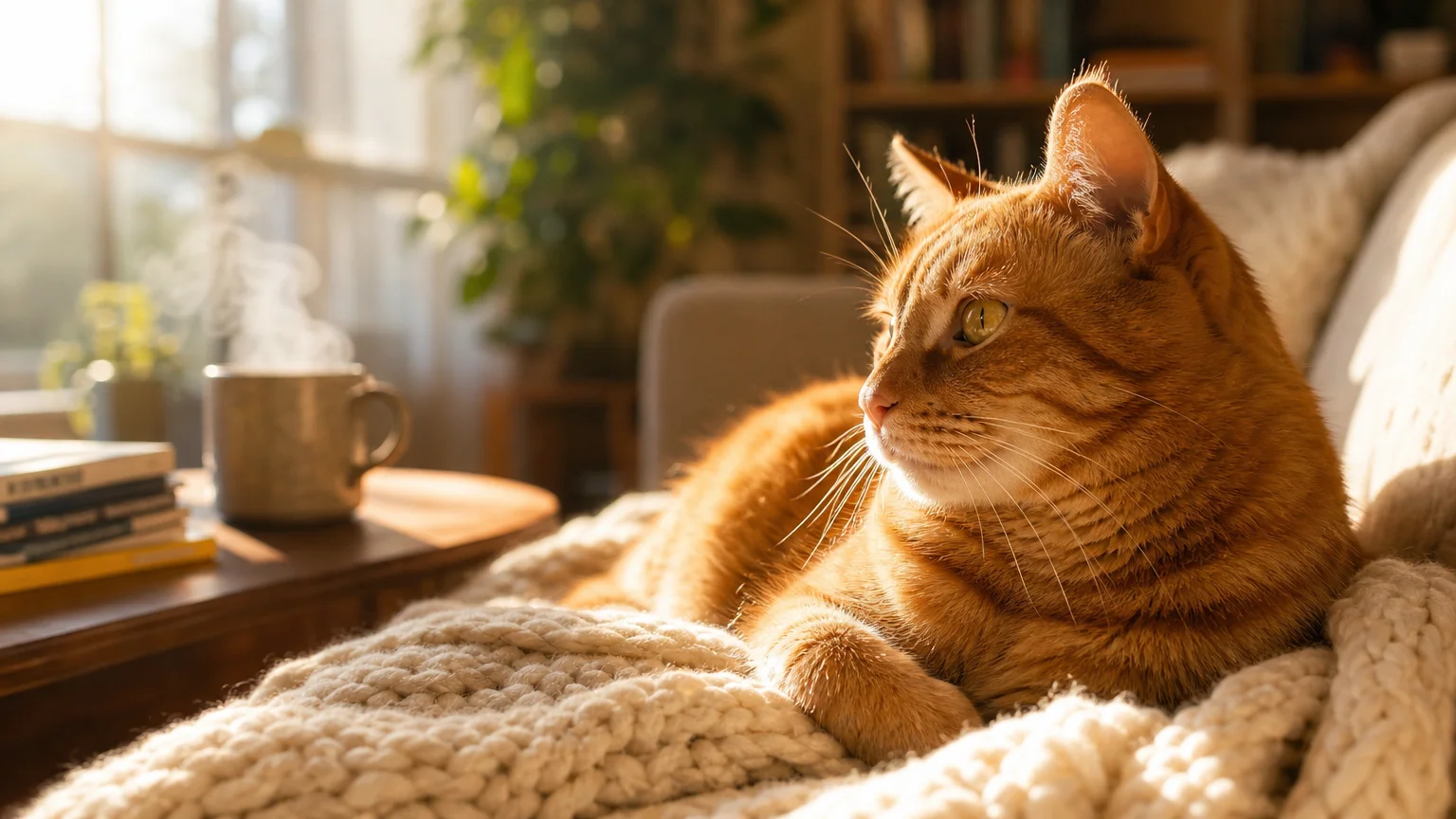
Choosing a feline companion often comes down to finding that perfect balance of independence and affection, but if your ideal evening involves a purring weight settled on your lap, certain affectionate cat breeds stand out from the crowd. Feline genetics and breeding history play a massive role in shaping a cat’s personality, meaning some family cats are hardwired to seek out physical closeness. While every cat possesses a unique personality shaped by early socialization, selecting from the best cat breeds known for their loving nature significantly increases your chances of bringing home a true cuddle bug. Whether you prefer a fluffy gentle giant or a sleek, warmth-seeking companion, these cuddly cats thrive on human interaction and physical contact.
1. Ragdoll: The Ultimate Lap Cat
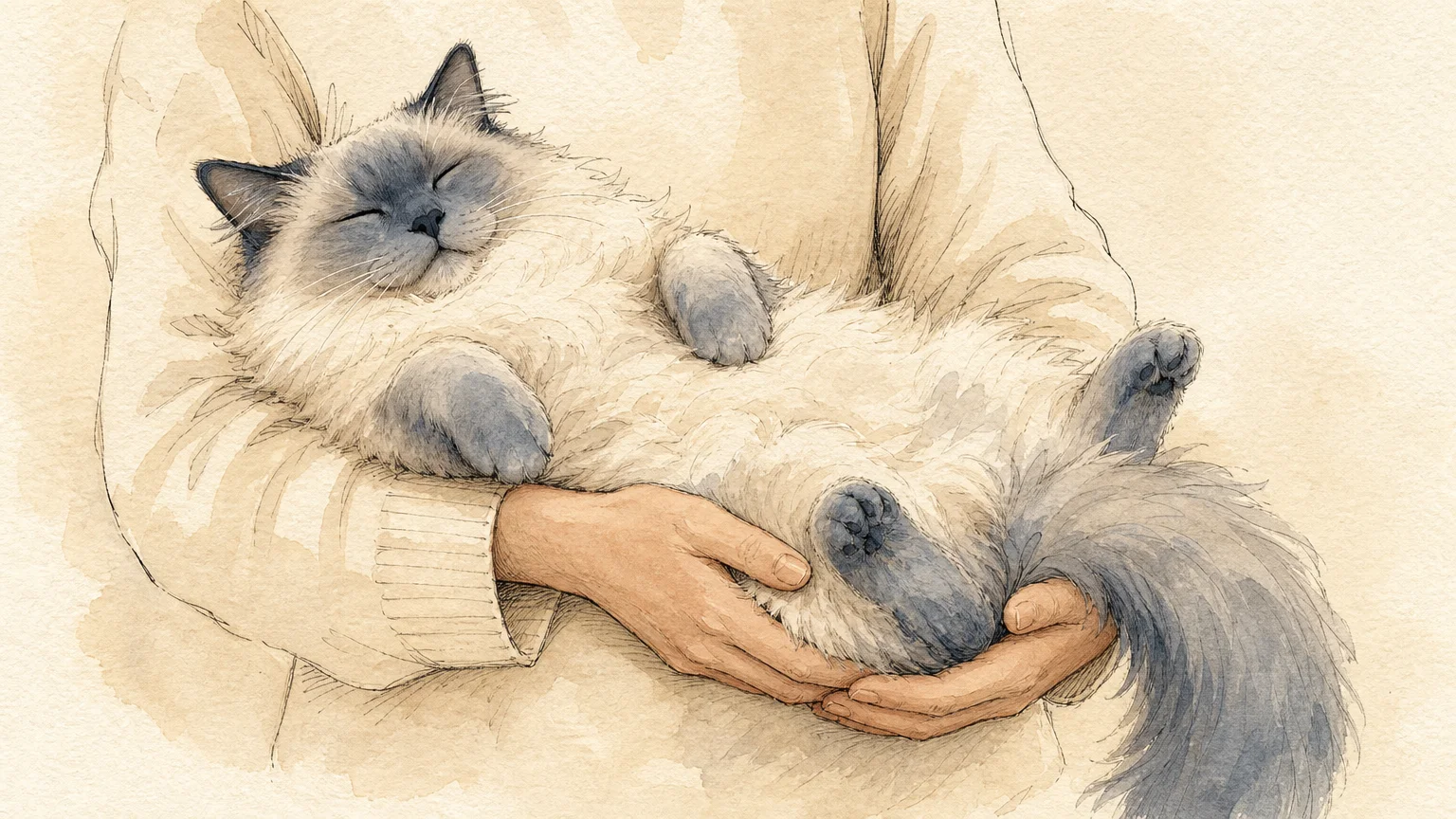
If there is one breed practically synonymous with physical affection, it is the Ragdoll. These large, striking cats earned their descriptive name from their endearing tendency to go completely limp when you pick them up. Bred specifically for a docile and sweet temperament, Ragdolls are notorious for following their favorite humans from room to room. They do not typically demand intense, high-energy play sessions; instead, they prefer to sprawl luxuriously across your lap or drape themselves over your arms while you sit on the couch. Because they are so trusting, relaxed, and tolerant of being handled, they make excellent family cats. According to VCA Animal Hospitals, their overly trusting nature means they lack strong defensive instincts, making it essential to keep them indoors to protect them from outdoor hazards. Their semi-long coat is incredibly soft, akin to rabbit fur, and brushing them often becomes an extended cuddling session that they thoroughly enjoy.
2. Sphynx: The Warmth-Seeking “Velcro” Cat
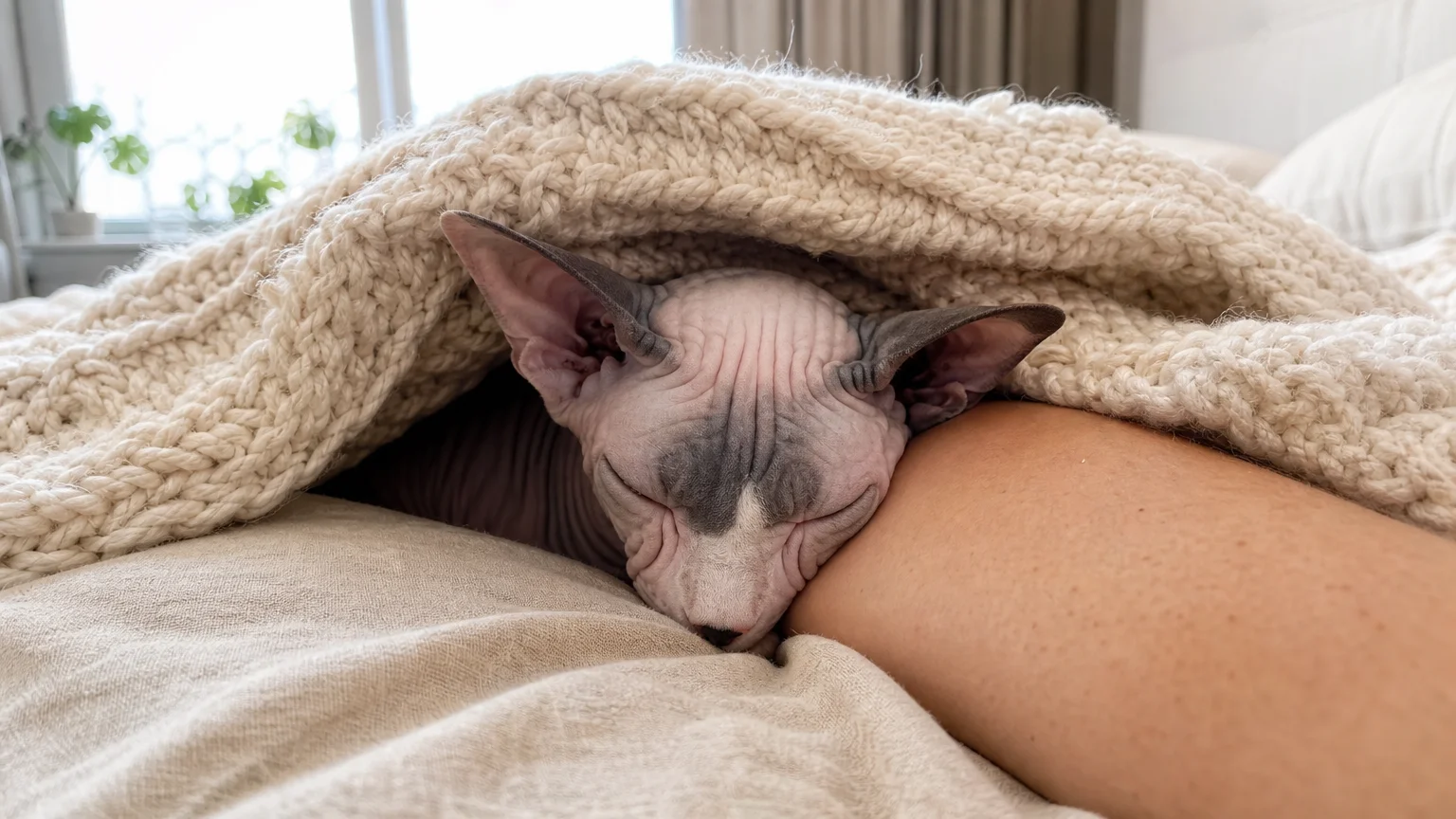
Often referred to as the ultimate “Velcro cat,” the Sphynx takes clinginess to a completely different level. Their lack of a thick fur coat means they constantly seek out external heat sources to stay comfortable, and your body temperature makes you the perfect feline radiator. A Sphynx will happily burrow under your blankets at night, sit perched on your shoulders while you work at your desk, and curl up directly against your bare skin whenever possible. Beyond their practical need for physical warmth, Sphynx cats are naturally highly social, intelligent, and outgoing animals. They thrive on physical touch and active engagement, refusing to be ignored. If you want a pet that will actively seek out your attention and insert itself into every aspect of your daily routine, the Sphynx is one of the most intensely cuddly cats you can bring into your home.
3. Maine Coon: The Gentle Giant
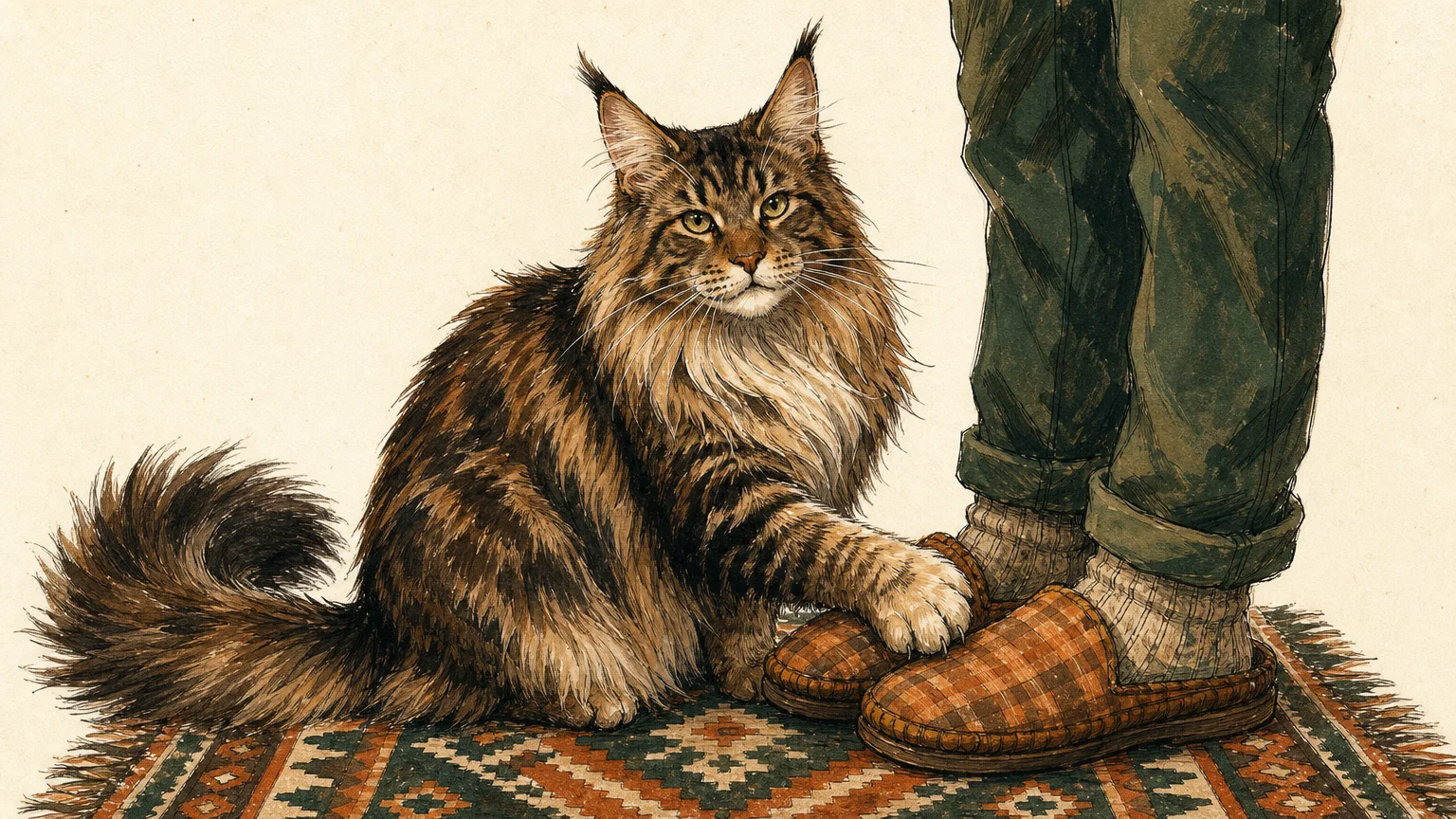
The Maine Coon holds the title for the largest domesticated cat breed, but do not let their massive, rugged appearance fool you—these heavy felines are gentle giants at heart. While they might not always squish their substantial bulk onto a small lap, they are deeply affectionate and insist on being physically close to you. They often choose to sleep right at the foot of your bed, rest their heavy paws gently on your legs, or sit directly next to you on the sofa like a loyal guard dog. Maine Coons are also famously dog-like in their unwavering loyalty; they will run to greet you at the door and use a vocabulary of unique trills, chirps, and coos to get your attention when they want a good chin scratch. Their thick, water-resistant coats require regular grooming, providing a great opportunity for bonding.
4. Siamese: The Vocal Shadow
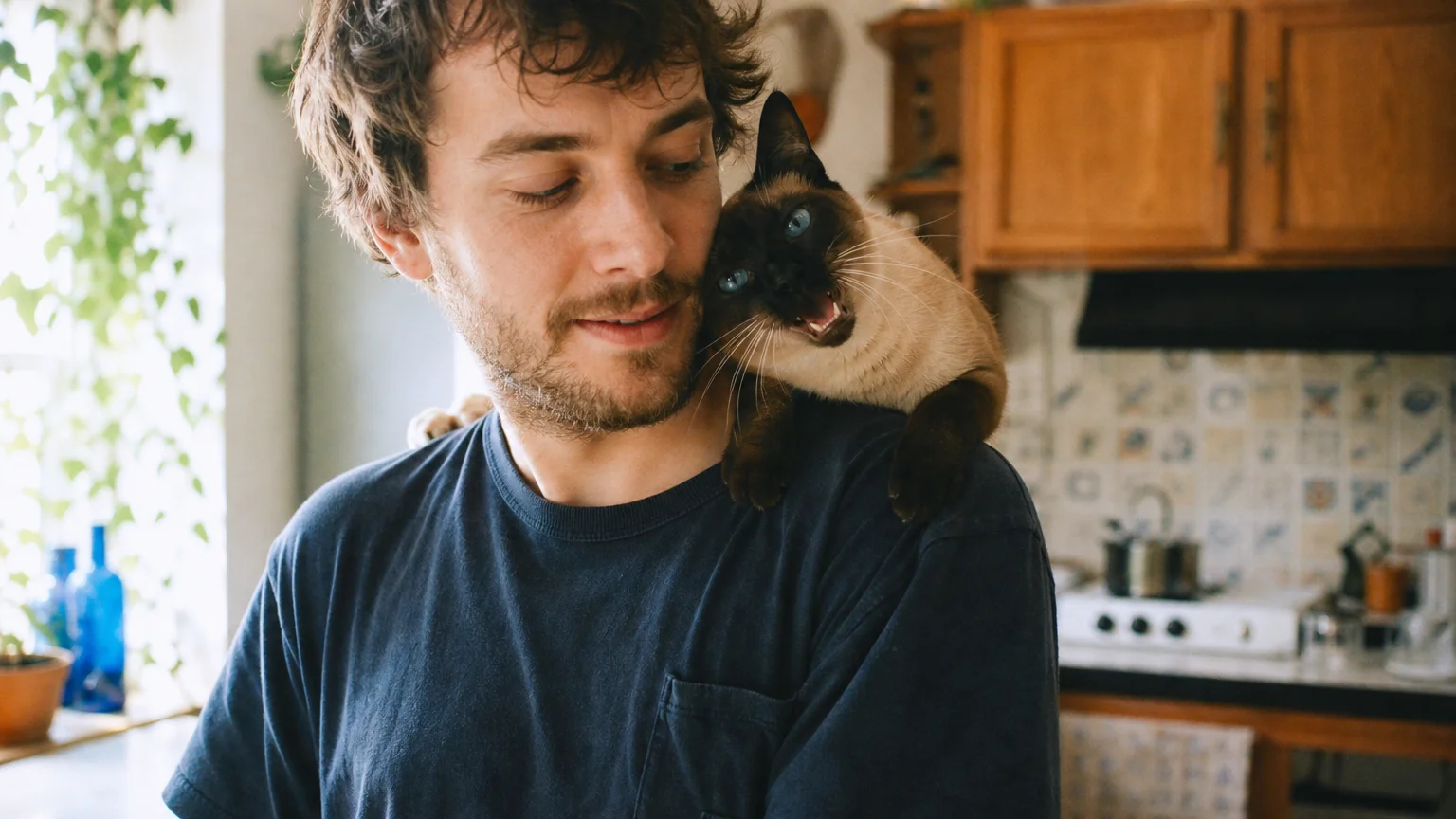
Siamese cats do not just want to cuddle; they want to be actively involved in absolutely everything you do. Known for their striking blue eyes, sleek bodies, and loud, distinctive voices, Siamese cats form profound, deeply emotional bonds with their owners. They will tell you exactly when they want attention, and they expect you to deliver it immediately. A Siamese cat will happily curl up on your lap for hours, but they also want to sit on your laptop keyboard, ride around on your shoulders, and loudly supervise your cooking in the kitchen. They are highly intelligent and require a lot of mental stimulation, meaning their affection often comes paired with a demand for interaction. If you desire a deeply interactive, highly vocal, and fiercely loyal companion, the Siamese delivers an unmatched level of devotion.
* Let’s make it more engaging:
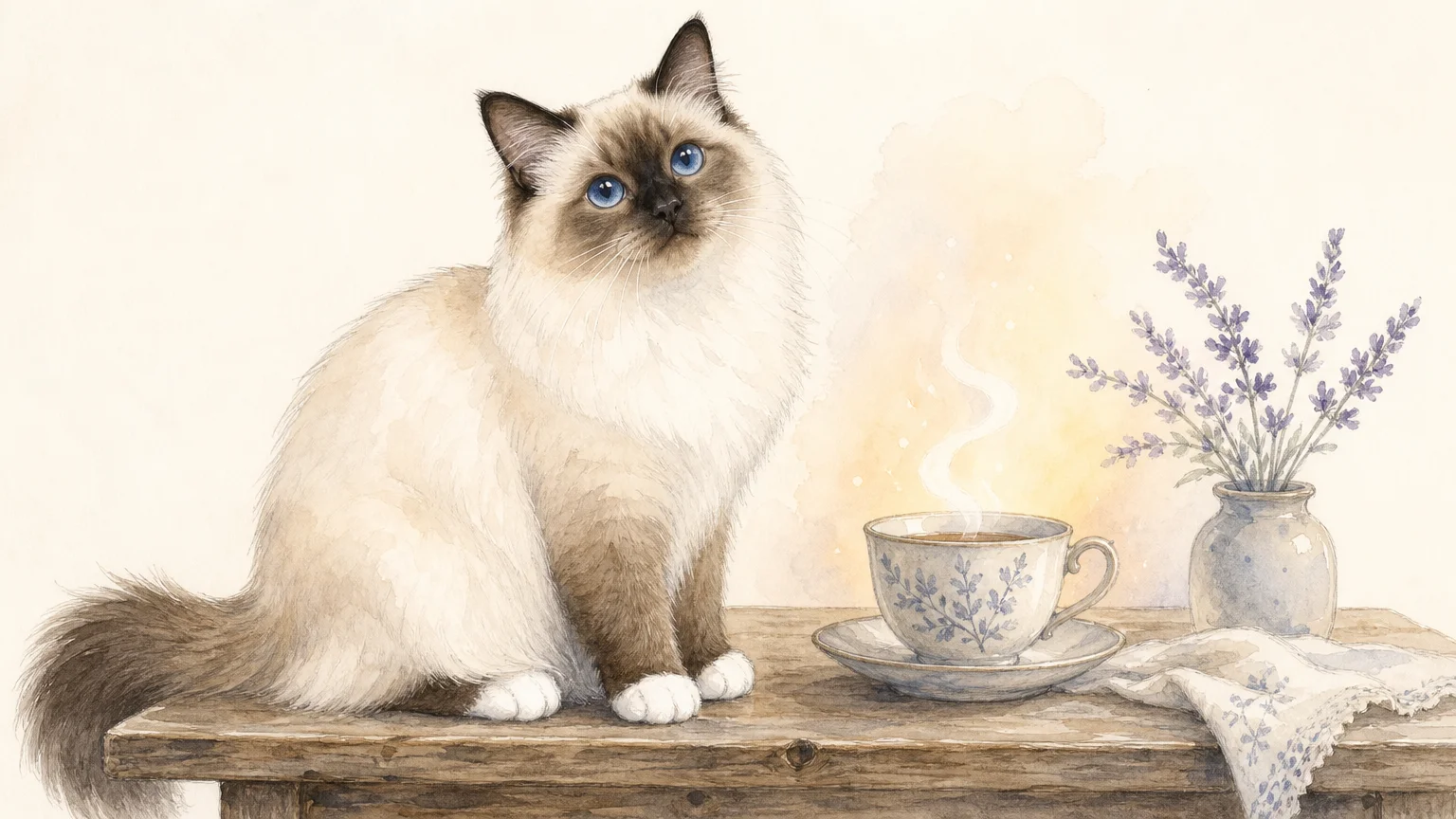
* “This sweet Birman cat with striking blue eyes makes a cozy companion beside a warm cu
5. Birman: The Sweet-Tempered Companion
Legend has it that the Birman was once the sacred companion of temple priests in northern Burma, and it is easy to see why they were revered. These beautiful cats, distinguished by their striking blue eyes and pristine white paws—often referred to as “gloves”—are legendary for their exceptionally sweet and even-tempered nature. The Birman is an incredibly affectionate cat breed that loves being part of a household, seeking out your company in a quiet, gentle manner. Unlike the demanding Siamese, the Birman is more polite in their requests for attention, preferring a soft tap of a paw or a quiet purr over a loud meow. They are famously patient and adaptable, making them fantastic family cats that typically get along beautifully with children and other pets. A Birman wants nothing more than to be near you, ideally draped elegantly across your legs.
6. Bombay: The Lap-Loving Panther
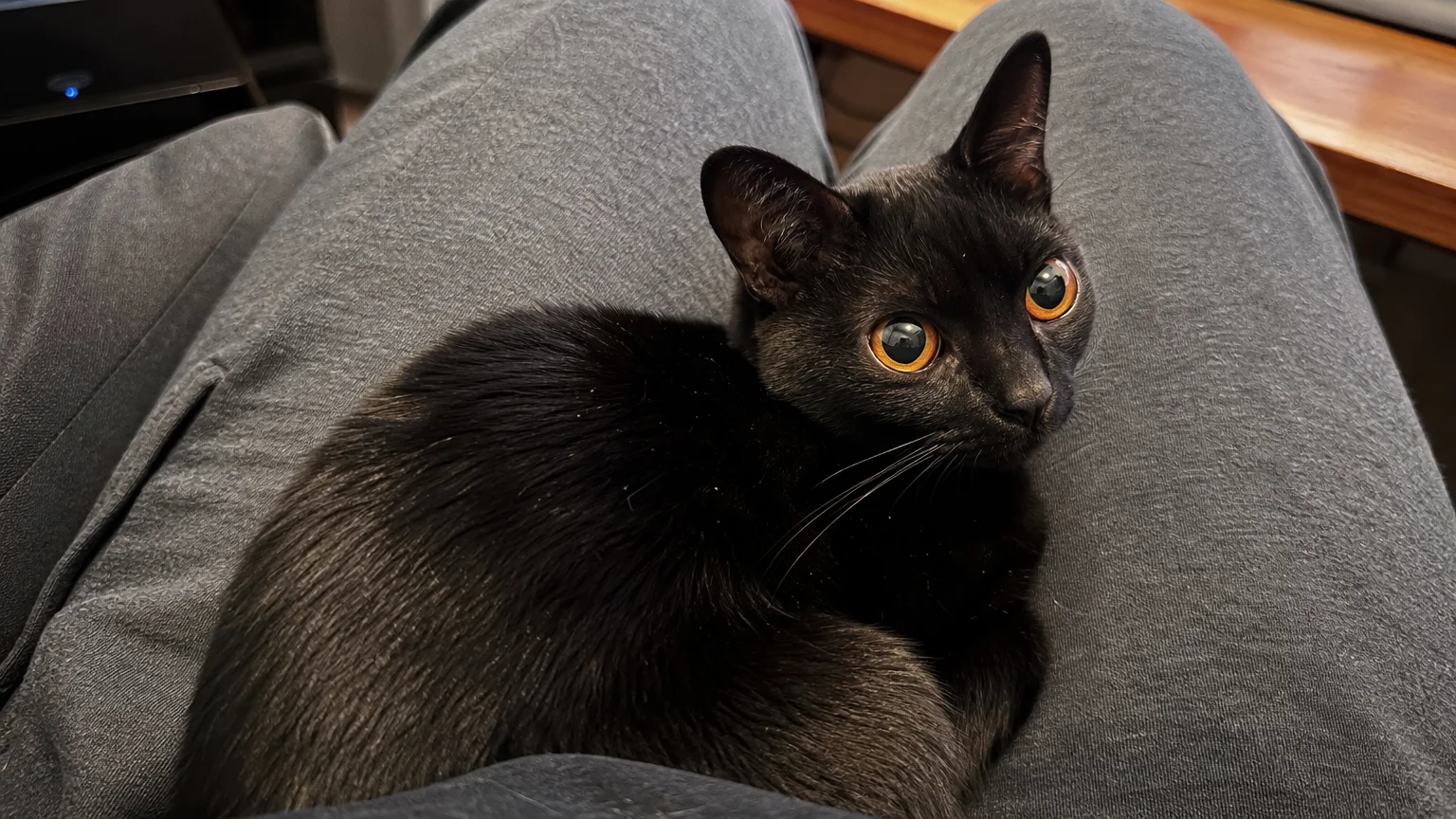
Bred in the 1950s to resemble a miniature wild black panther, the Bombay looks fierce but behaves like an absolute lovebug. These sleek, muscular cats with copper-colored eyes are notorious attention seekers. The Bombay is heavily people-oriented and hates being left alone for long periods. They are known for their habit of immediately seeking out the warmest lap in the room the moment someone sits down. Highly adaptable and social, they often greet visitors at the door rather than hiding under the bed. Because they bond so strongly with their human families, they will happily be carried around the house like a baby. If you want a striking, athletic-looking cat with the personality of a needy, devoted puppy, the Bombay is an exceptional choice.
7. Persian: The Placid Snuggler
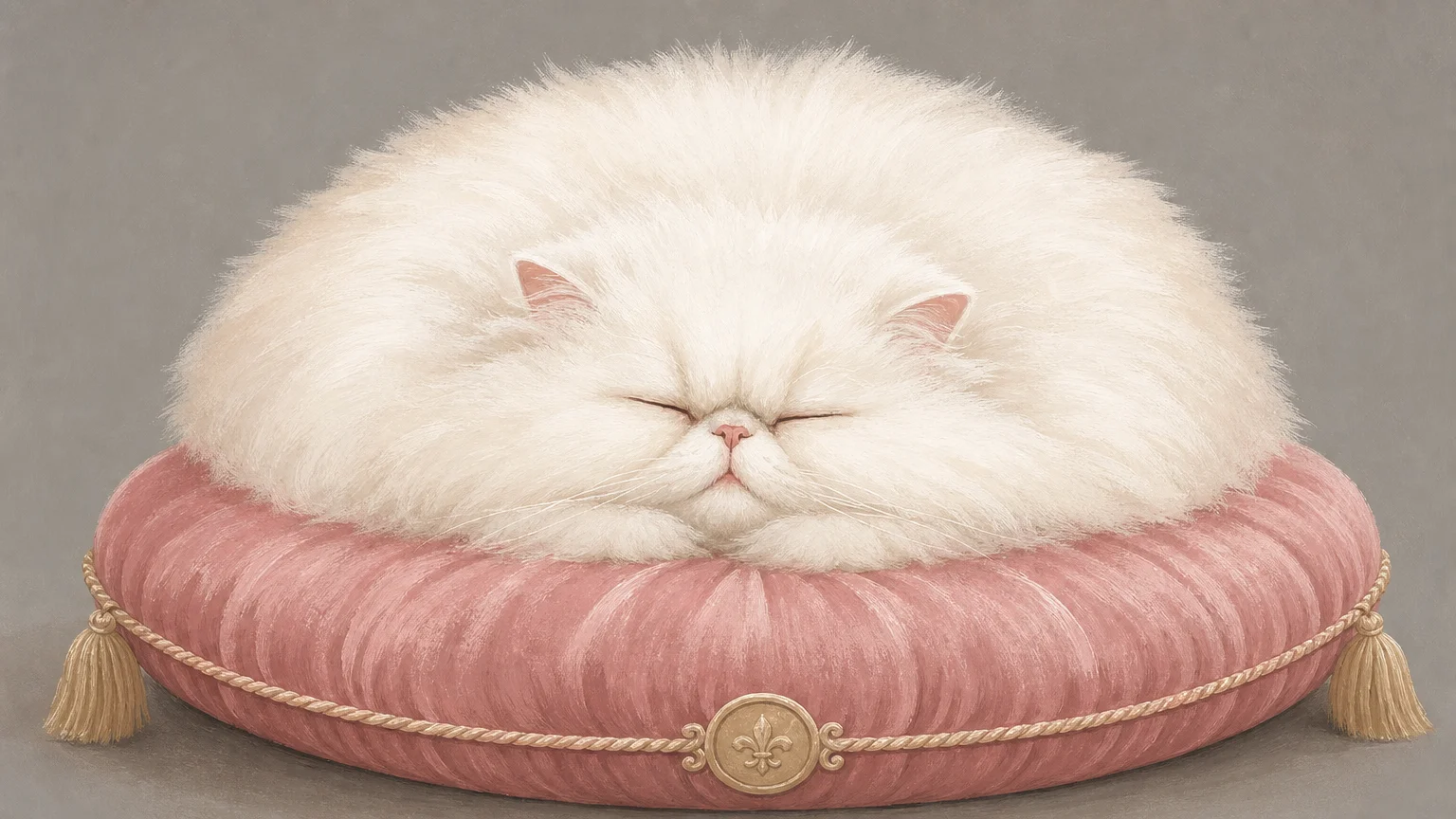
If your idea of the perfect pet is a quiet, decorative companion that doubles as a purring pillow, the Persian is unmatched. Persians are the quintessential lap cats, characterized by their round faces, pushed-in noses, and luxurious, flowing coats. They have notoriously low energy levels and prefer a placid, predictable environment where they can lounge peacefully. A Persian will gladly spend the entire afternoon sleeping on your lap, purring softly while you pet them. They are not known for jumping on high shelves or demanding athletic play; their favorite activity is simply existing comfortably in your presence. However, their incredible cuddliness comes with a major maintenance requirement: their long, thick fur requires daily grooming to prevent painful mats and tangles. Fortunately, because they love physical attention, most Persians genuinely enjoy the daily brushing ritual.
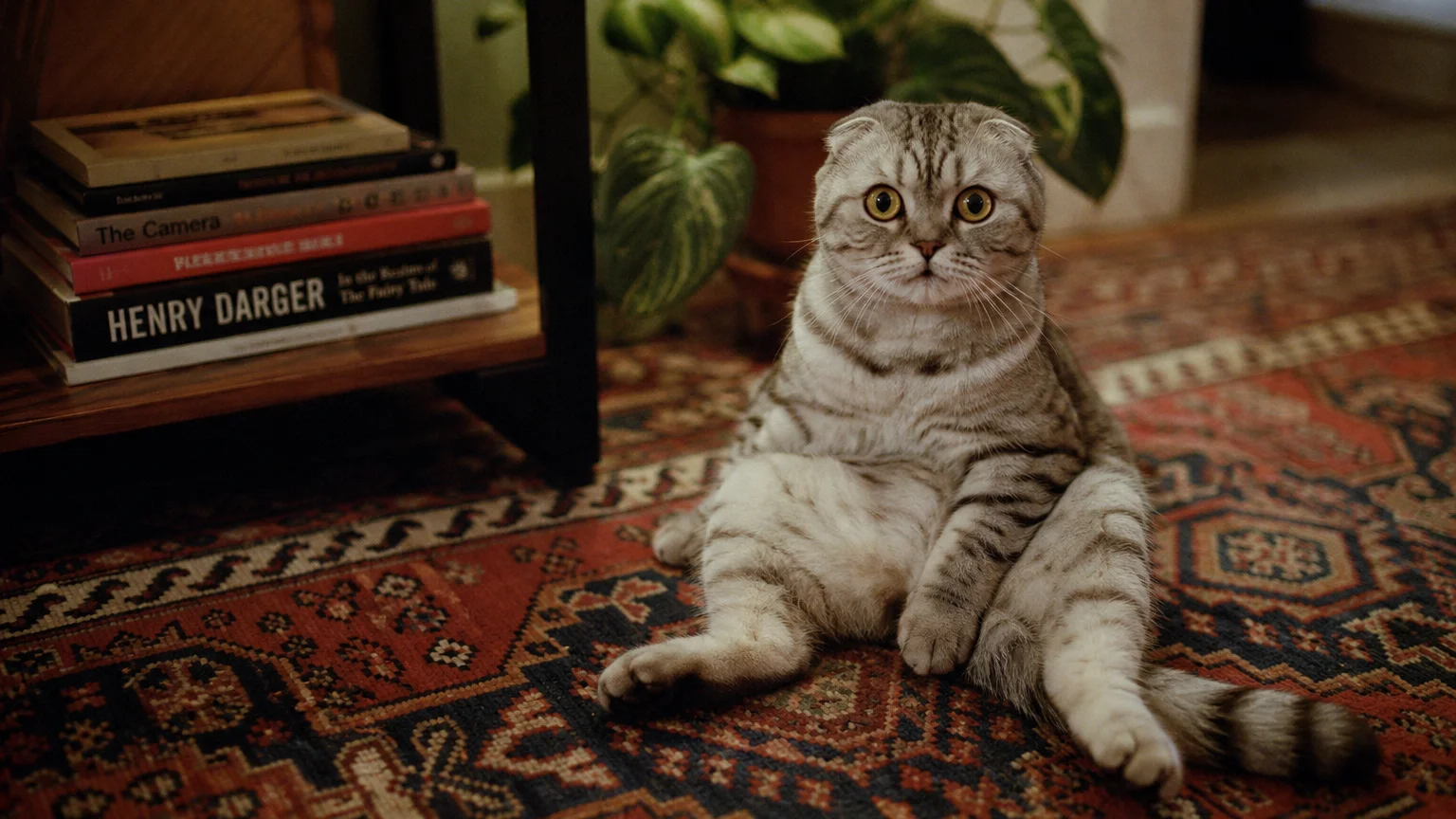
8. Scottish Fold: The Owl-Faced Affectionate
Instantly recognizable by their unique folded ears—which give them an owl-like appearance—the Scottish Fold is as sweet as it is distinctive. These cats are known for their incredibly easygoing and affectionate personalities. They become deeply attached to their primary caregivers and love nothing more than being involved in household activities. One of the most endearing traits of the Scottish Fold is their tendency to sit in bizarre, human-like positions, often flopping onto their backs or sitting up like a prairie dog just to keep an eye on you. They are highly adaptable and handle noisy, busy households with remarkable calm. While they enjoy a good play session, they will always end the day curled up tightly against your side, purring loudly and seeking affection.
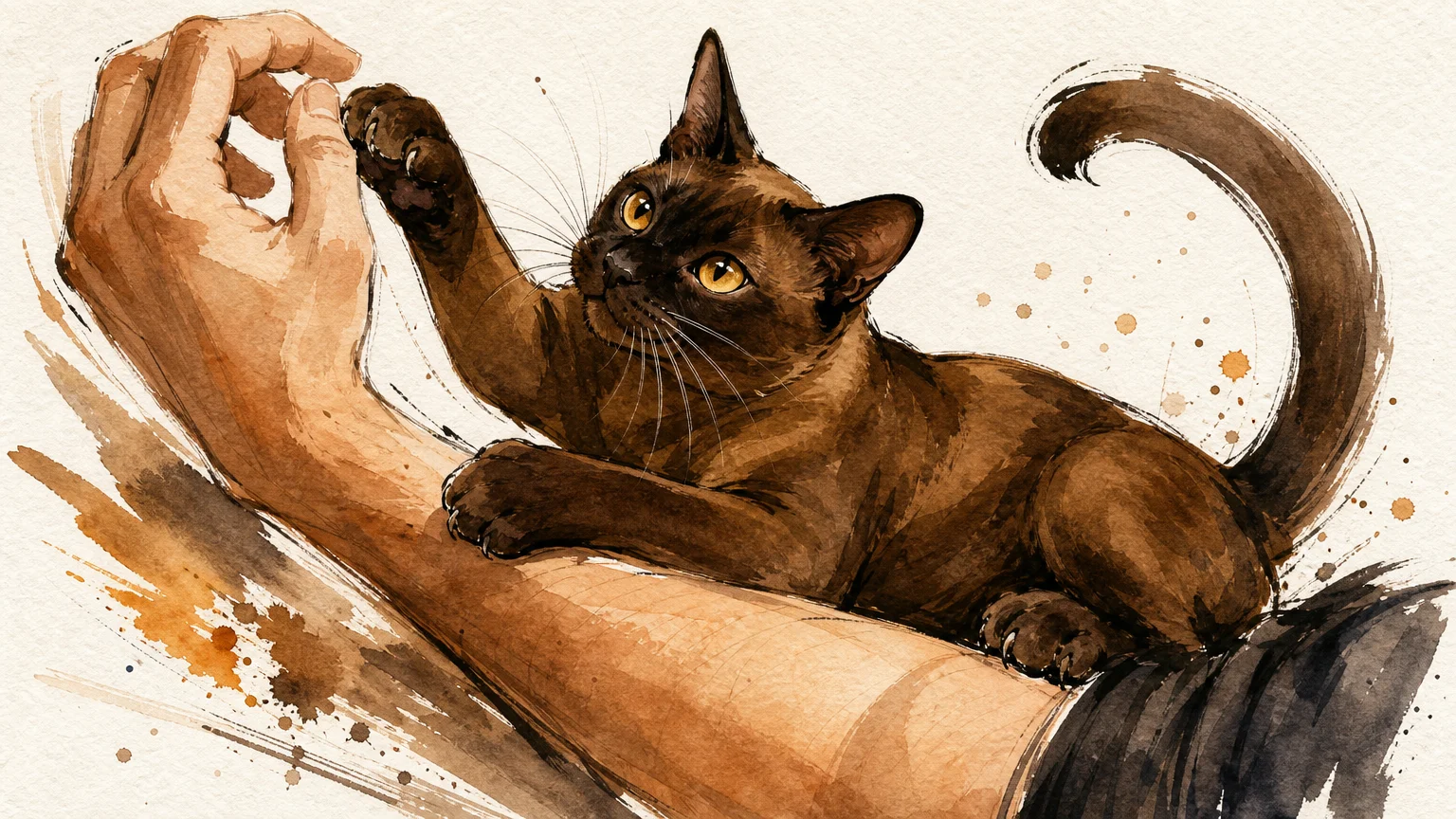
9. Burmese: The Playful Clinger
The Burmese is a compact, muscular cat with a personality that is overwhelmingly friendly and demanding of attention. According to breed enthusiasts and the Cat Fanciers’ Association (CFA), Burmese cats possess an almost dog-like devotion to their humans and actively crave physical contact. They do not just sit near you; they want to be on you, draped around your neck, or burrowed under the blankets next to you. Burmese cats are highly intelligent and playful, often learning to play fetch and responding to their names. Because they form such intense attachments, they do not do well in isolation. If you work long hours, a Burmese will become lonely and stressed. They are the perfect breed for someone who works from home or a family that can provide near-constant companionship.
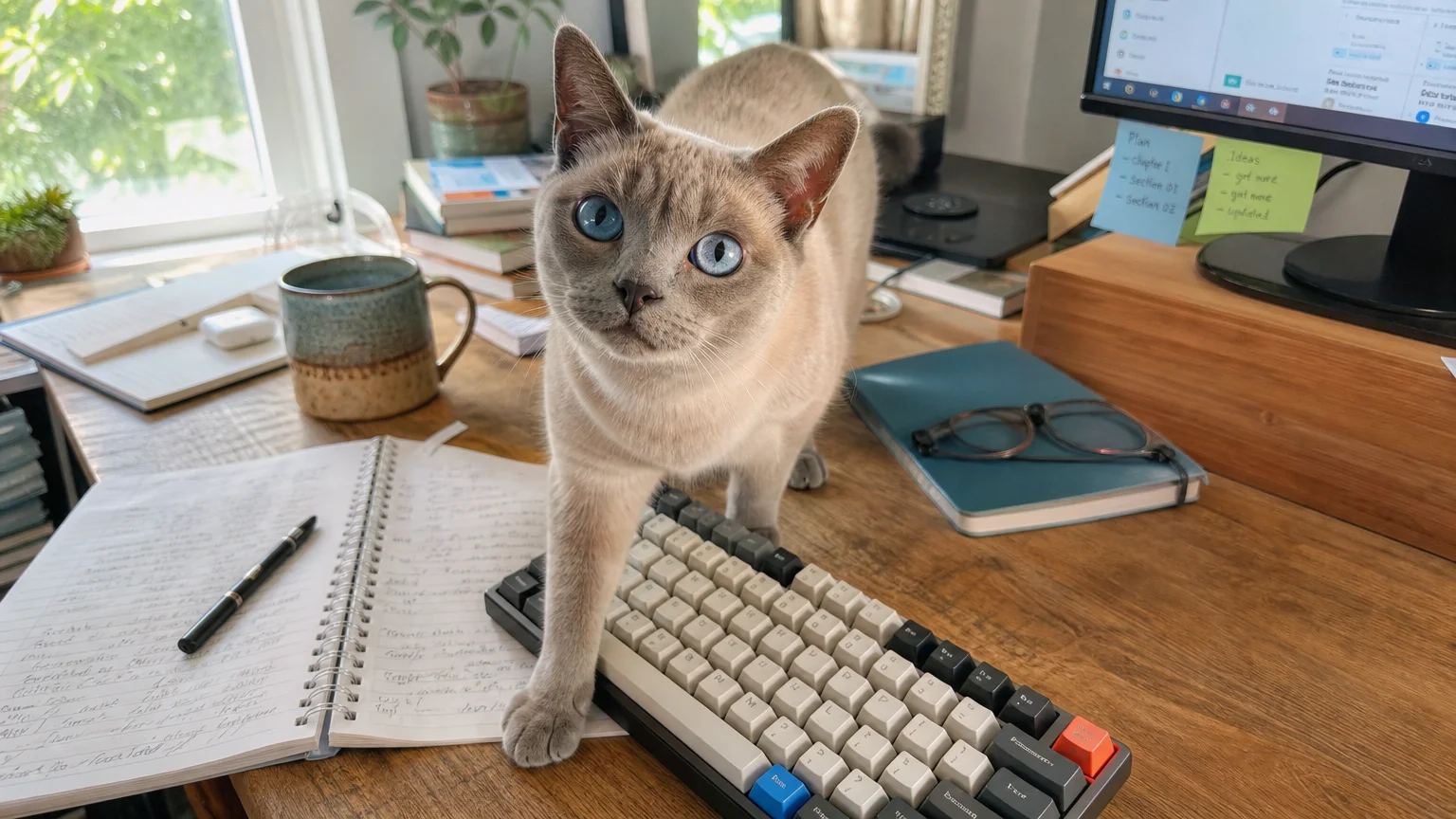
10. Tonkinese: The Best of Both Worlds
Created by crossing the vocal Siamese with the playful Burmese, the Tonkinese inherits the absolute best traits of both parent breeds. They are exceptionally warm, engaging, and loving companions. Tonkinese cats are slightly less vocal than the Siamese but significantly more active than the Burmese, striking a perfect balance of playful energy and lap-loving affection. They firmly believe that humans exist solely to entertain and pet them. A Tonkinese will invent games to play with you, follow you around the house, and forcefully insert themselves into your lap the moment you sit down. They are incredibly social and typically welcome guests with enthusiastic purrs and head-butts. If you want a cat that is both a hilarious entertainer and an unapologetic snuggle bug, the Tonkinese is an ideal match.
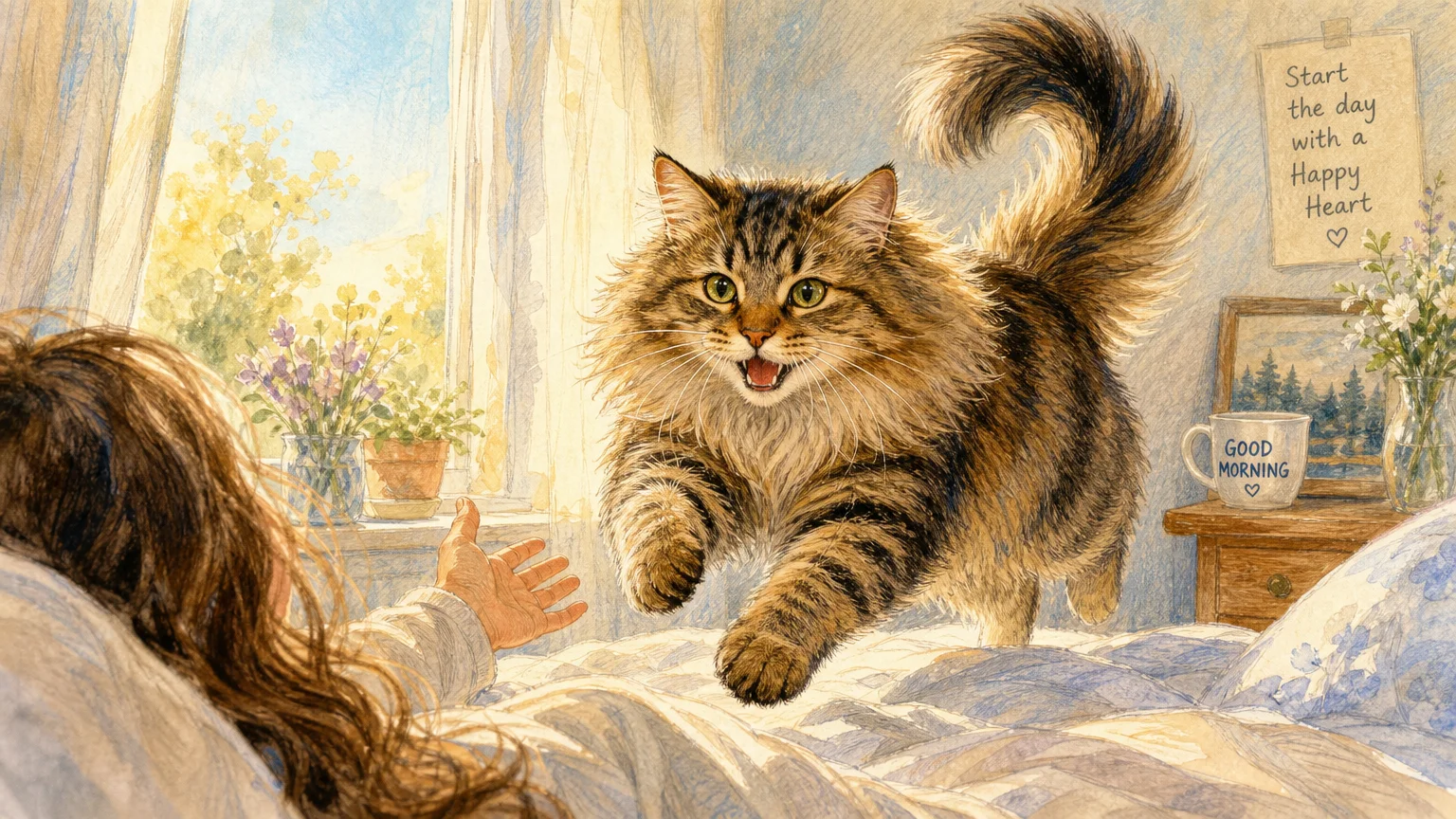
11. Siberian: The Fluffy Extrovert
Hailing from the freezing climates of Russia, the Siberian cat is a large, rugged breed built to survive harsh conditions, but indoors, they are absolute softies. Siberians are incredibly outgoing, extroverted, and fearless. They love following their owners from room to room and are intensely curious about everything you do. Despite their thick, triple-layered coats, they are highly affectionate and love to snuggle, often using their fluffy tails to wrap around your arms or legs. Siberians are also known for being highly intuitive; many owners report that their Siberian will specifically seek them out for a cuddle when they are feeling sick or sad. As an added bonus, some people with mild cat allergies find they can tolerate the Siberian, making them a popular choice for families seeking a fluffy, cuddly companion.
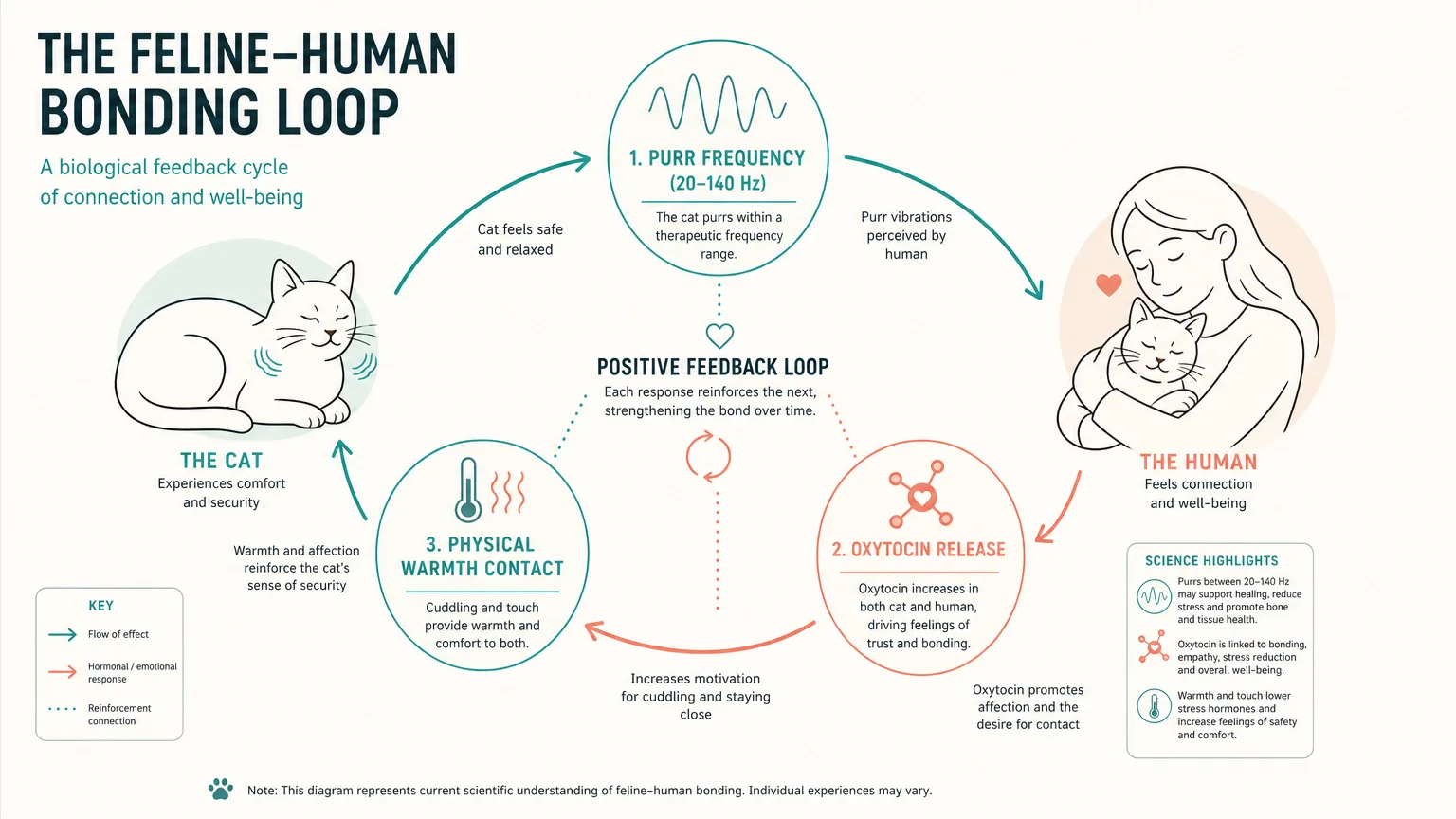
The Science of Feline Affection
You might wonder why some cats are naturally aloof while others refuse to leave your side. Feline affection results from a complex combination of genetics and early life experiences. Certain breeds have been selectively bred over generations to prefer human companionship, amplifying genes associated with sociability and lowered fear responses. However, genetics only provide the foundation.
According to the American Veterinary Medical Association (AVMA), early positive experiences during the kitten socialization period—typically occurring in the first few months of life—play a major role in developing a cat’s sociability. Kittens that receive gentle, consistent human handling, encounter various sounds, and interact with different people during this critical window are far more likely to grow into trusting, affectionate adult cats. Conversely, a genetically friendly breed that misses out on early socialization may still develop fearful or withdrawn behaviors. Your cat’s cuddliness is essentially a blend of their breed’s historical blueprint and the love they received as a kitten.
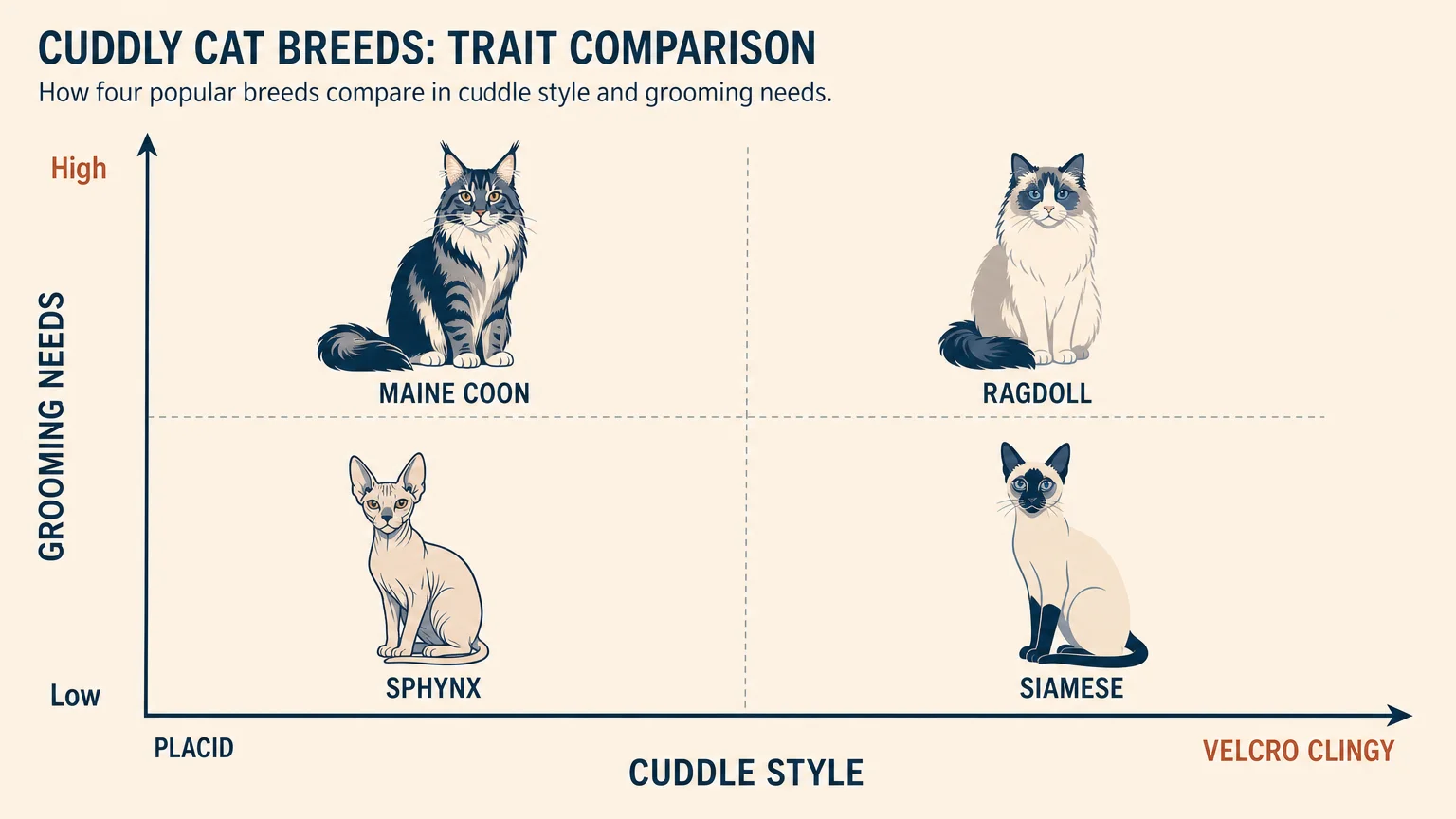
Comparing Cuddly Cats
Not all cuddlers show affection the exact same way, and their maintenance levels vary wildly. Here is a quick look at how a few of these affectionate cat breeds compare in terms of grooming needs and interaction styles.
| Breed | Grooming Need | Energy Level | Cuddle Style |
|---|---|---|---|
| Ragdoll | High | Low | Goes limp; heavy lap sleeper |
| Sphynx | Medium (Bathing) | High | Skin-to-skin contact; warmth seeker |
| Maine Coon | High | Medium | Gentle giant; sits right beside you |
| Siamese | Low | High | Vocal shadow; shoulder rider |
| Persian | Very High | Low | Placid snuggler; constant lap cat |
| Burmese | Low | High | Demanding clinger; blanket burrower |

What Can Go Wrong: The Complexities of a Clingy Cat
While a lap-loving feline sounds ideal on paper, high-affection breeds come with specific lifestyle challenges. You need to be prepared for the realities of owning a highly bonded animal.
- Severe separation anxiety: Highly bonded breeds like the Siamese, Burmese, and Sphynx often suffer when left alone for extended periods. Sudden changes in routine can trigger anxious behaviors, leading to destructive scratching, inappropriate elimination outside the litter box, or excessive vocalization when you leave the house.
- The daily tripping hazard: “Velcro cats” literally stay underfoot. Breeds that shadow your every movement will frequently weave between your legs while you carry groceries or cook in the kitchen, significantly increasing the risk of household accidents for both you and the cat.
- Grooming exhaustion: The fluffiest cuddlers—specifically Persians, Ragdolls, and Siberians—require rigorous, sometimes daily brushing. Their relentless desire to sit on your lap means their long fur will inevitably end up permanently woven into your clothing and furniture.
- Overstepping physical boundaries: Some affectionate cats do not understand personal space. They may attempt to sleep directly on your face, walk across your laptop during important video calls, or insist on being carried when you need your hands free.
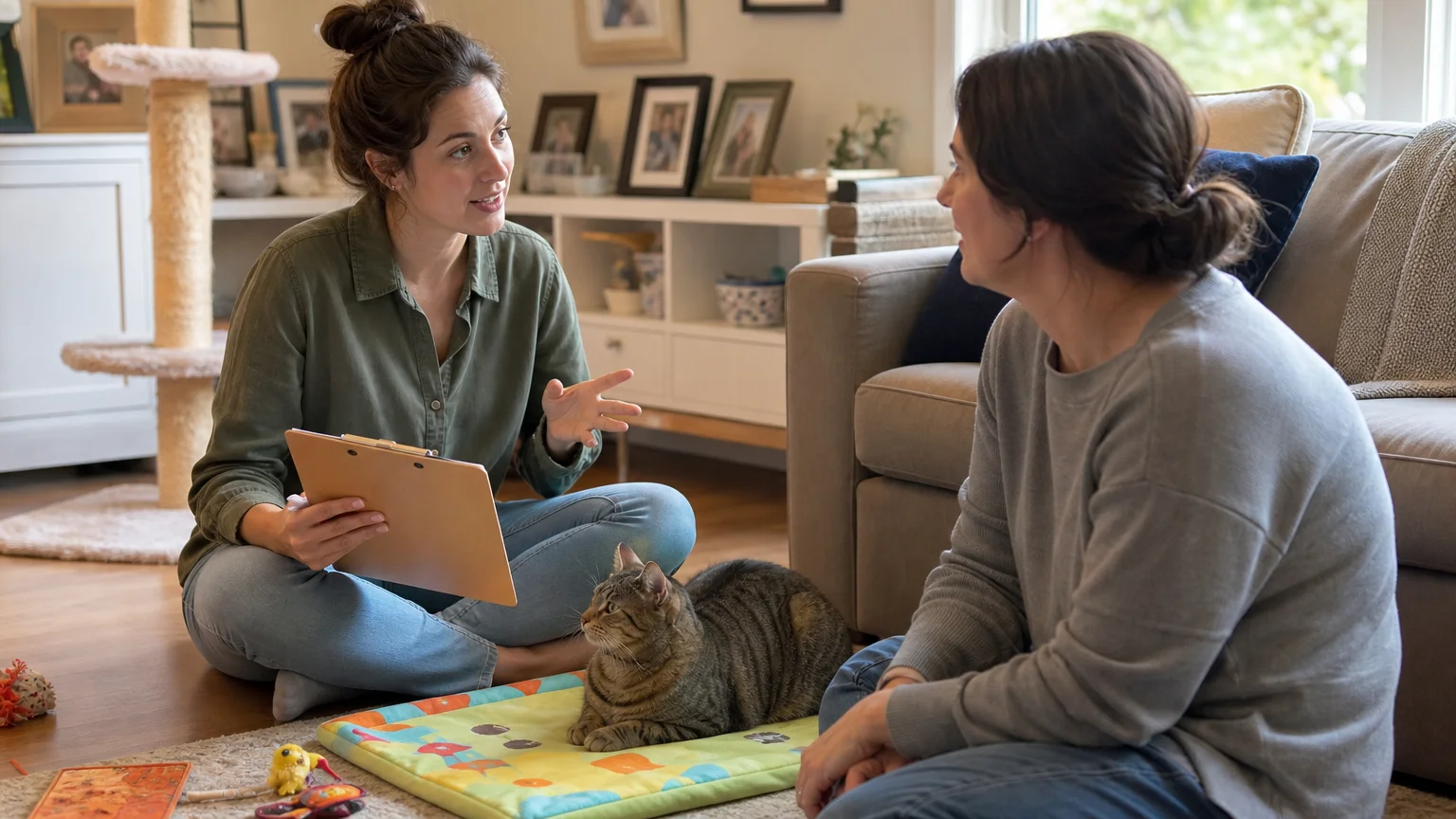
Where Outside Advice Pays Off
If your cat’s affection levels change suddenly, or if their clinginess crosses the line into problematic territory, consulting a professional saves you a tremendous amount of stress.
- Your local veterinarian: A sudden, uncharacteristic spike in clinginess or loud vocalization in an adult or senior cat often signals an underlying medical issue, such as hyperthyroidism, vision loss, or cognitive decline. Always rule out physical health problems before assuming it is just a behavioral quirk.
- Certified feline behaviorists: If your cat becomes highly destructive, stops eating, or self-mutilates when you leave for work, a certified behaviorist can help you design a systematic desensitization plan to safely manage their separation anxiety.
- Shelter adoption counselors: When adopting an older or mixed-breed cat, shelter staff spend countless hours observing individual personalities. Their hands-on insights are often far more accurate than guessing a cat’s affection level based purely on their physical appearance or assumed breed mix.
Frequently Asked Questions
Are male or female cats more affectionate?
While individual personality matters far more than gender, many owners and breeders report that male cats tend to be slightly more easygoing and physically affectionate with multiple people. Female cats often bond fiercely with one specific person but maintain a bit more independence overall. Spaying or neutering your cat also significantly reduces hormonal behaviors, making both sexes more focused on human companionship.
Can you train an independent cat to become a cuddler?
You cannot force an independent cat to become a lap cat, but you can build a foundation of trust. Using positive reinforcement—such as offering high-value treats when they choose to sit near you—encourages them to associate your proximity with good things. Let them initiate the contact, and never hold them against their will, which only breeds resentment.
Why does my cat cuddle and then suddenly bite me?
This common behavior is referred to as petting-induced overstimulation. Every cat has a specific sensory threshold for physical touch. When they become overstimulated, they may nip to tell you they need an immediate break. Watch closely for physical warning signs like a twitching tail, flattened ears, or dilated pupils, and stop petting them before the bite occurs.
Bringing a cuddly cat into your home guarantees you a permanent shadow, a loyal confidant, and a personal lap-warmer. Whether you choose a highly vocal, chatty Siamese or a placid, quiet Persian, understanding their specific emotional and physical needs ensures your relationship remains strong. Investing time in early socialization and respecting their unique boundaries will reward you with years of purrs and affection. This is general informational content based on widely accepted guidance. Individual results vary. Verify current details—rules, prices, eligibility, regulations—with official sources before making important decisions.
Last updated: June 2026. This is general informational content based on widely accepted guidance. Individual results vary. Verify current details—rules, prices, eligibility, regulations—with official sources before making important decisions.