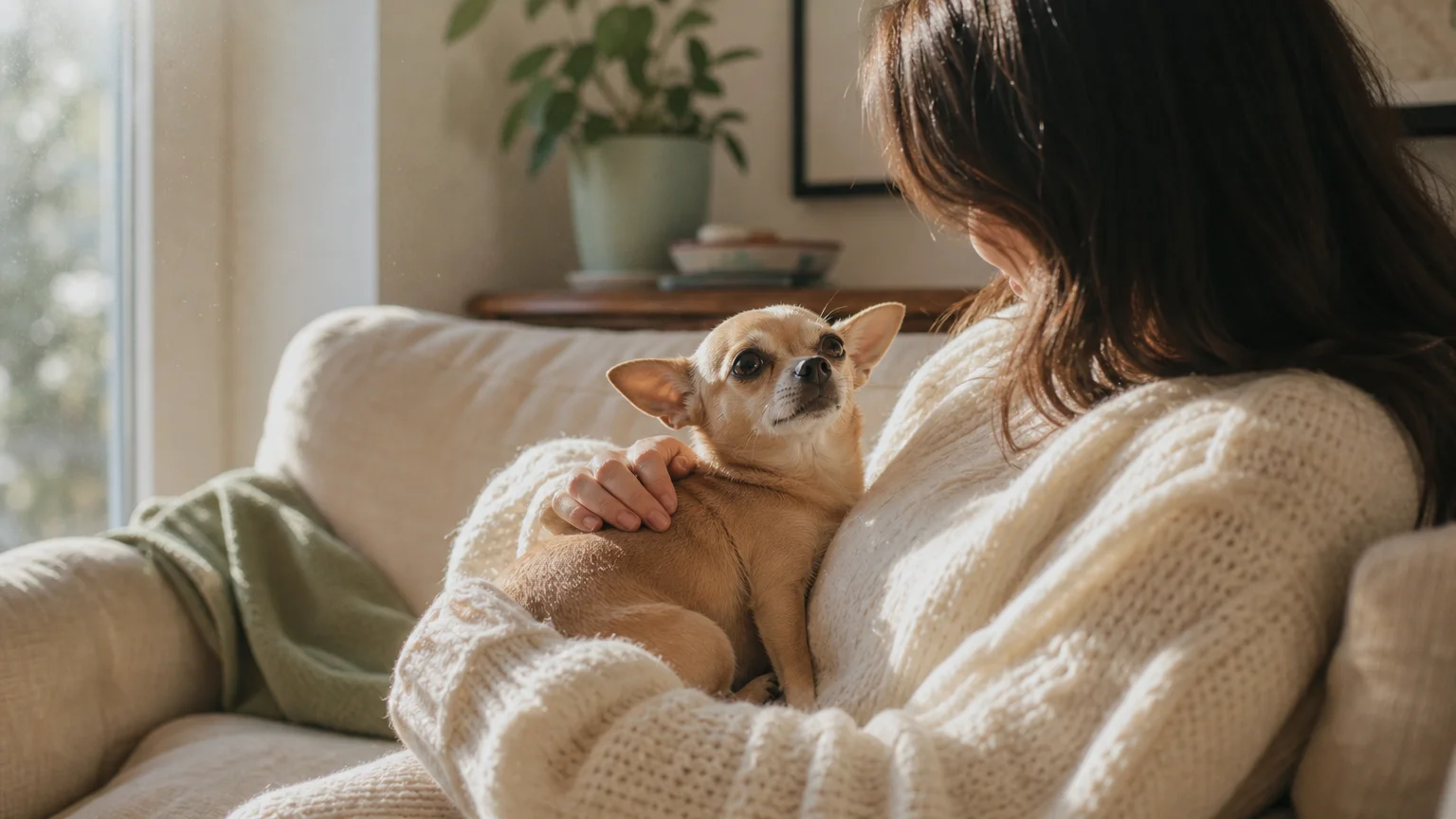
Dogs communicate constantly without uttering a single word. From the way they position their ears to their preferred sleeping posture, your dog broadcasts clear signals about their confidence, affection, and overall temperament. While we often write off a sudden burst of energy as simple playfulness, or a long stare as a plea for dinner, canine behavior is rooted in thousands of years of shared evolution. Understanding these distinct quirks helps you better meet their physical needs and strengthen your bond. By paying close attention to these ten specific behaviors, you can uncover whether your dog leans toward extraversion, caution, or deep-seated loyalty—and learn exactly what they are trying to tell you.
The Core Traits of Canine Personality
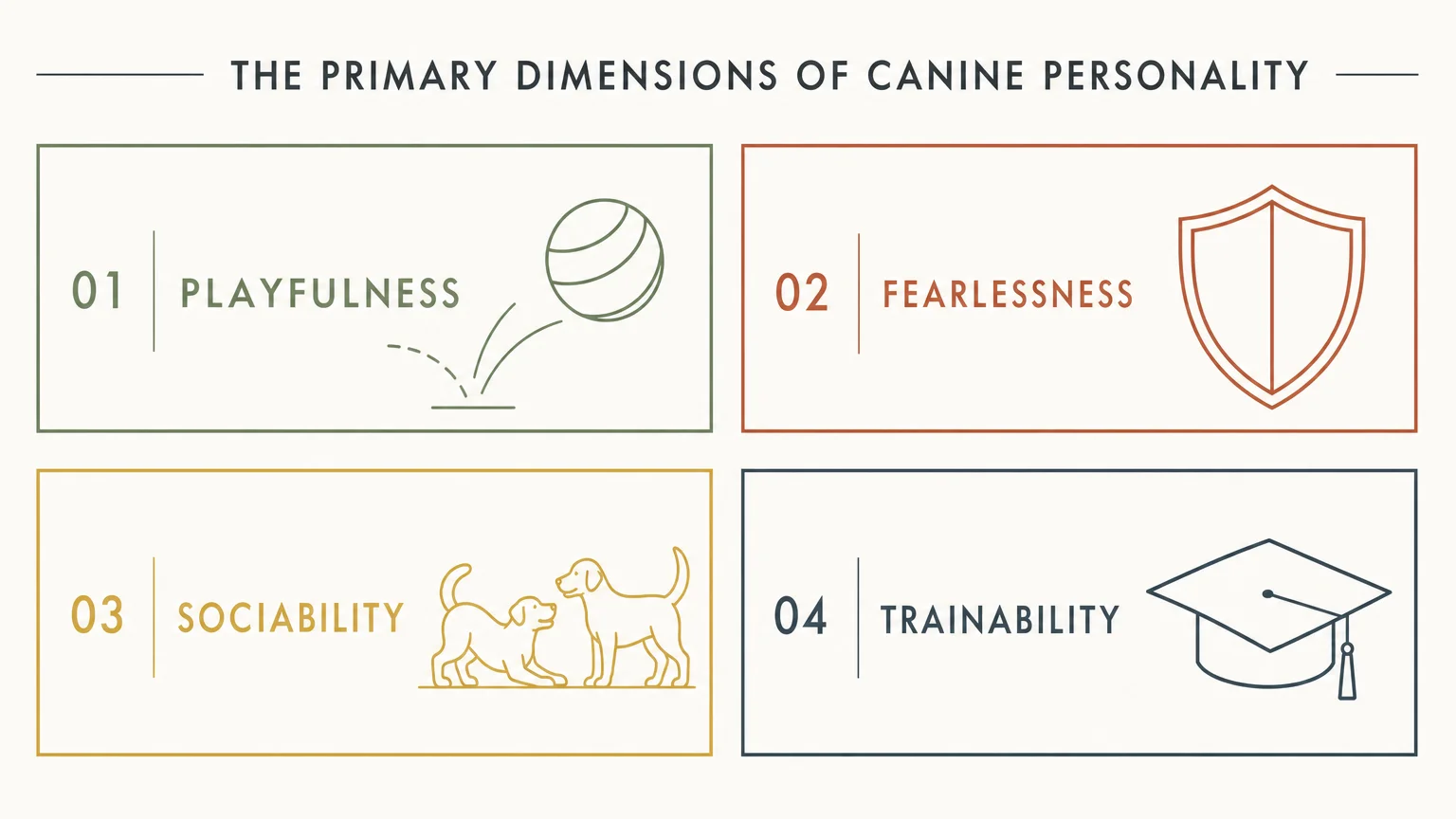
Research shows that a dog’s personality is evaluated much like our own. Animal behaviorists measure dogs across several primary dimensions—such as playfulness, fearlessness, sociability, and trainability. Where a dog naturally falls on these spectrums dictates how they interact with their environment and handle stress. Recognizing these underlying traits allows you to stop viewing confusing habits simply as “bad behavior” and start seeing them as vital communication.
1. The Full-Body Lean
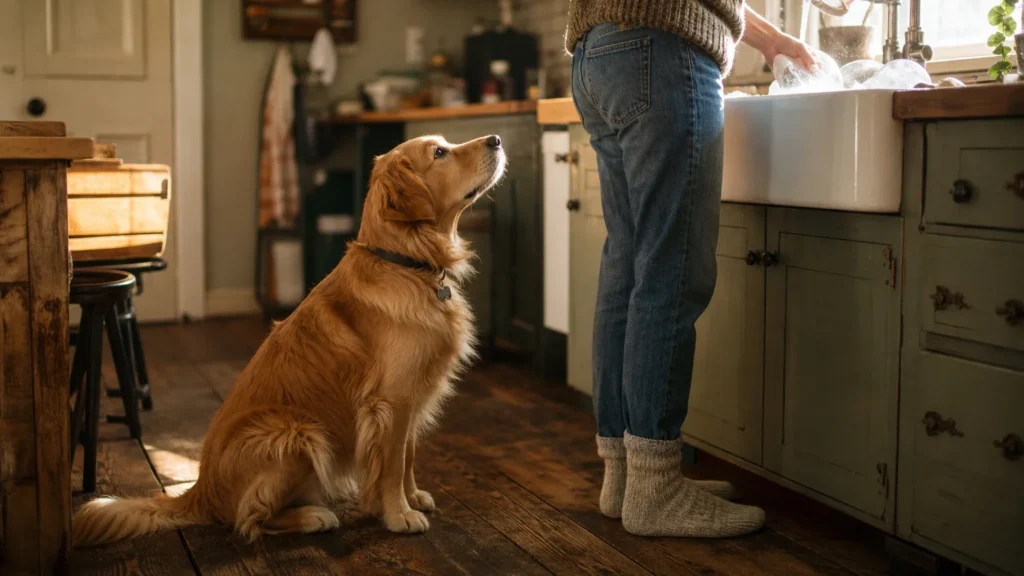
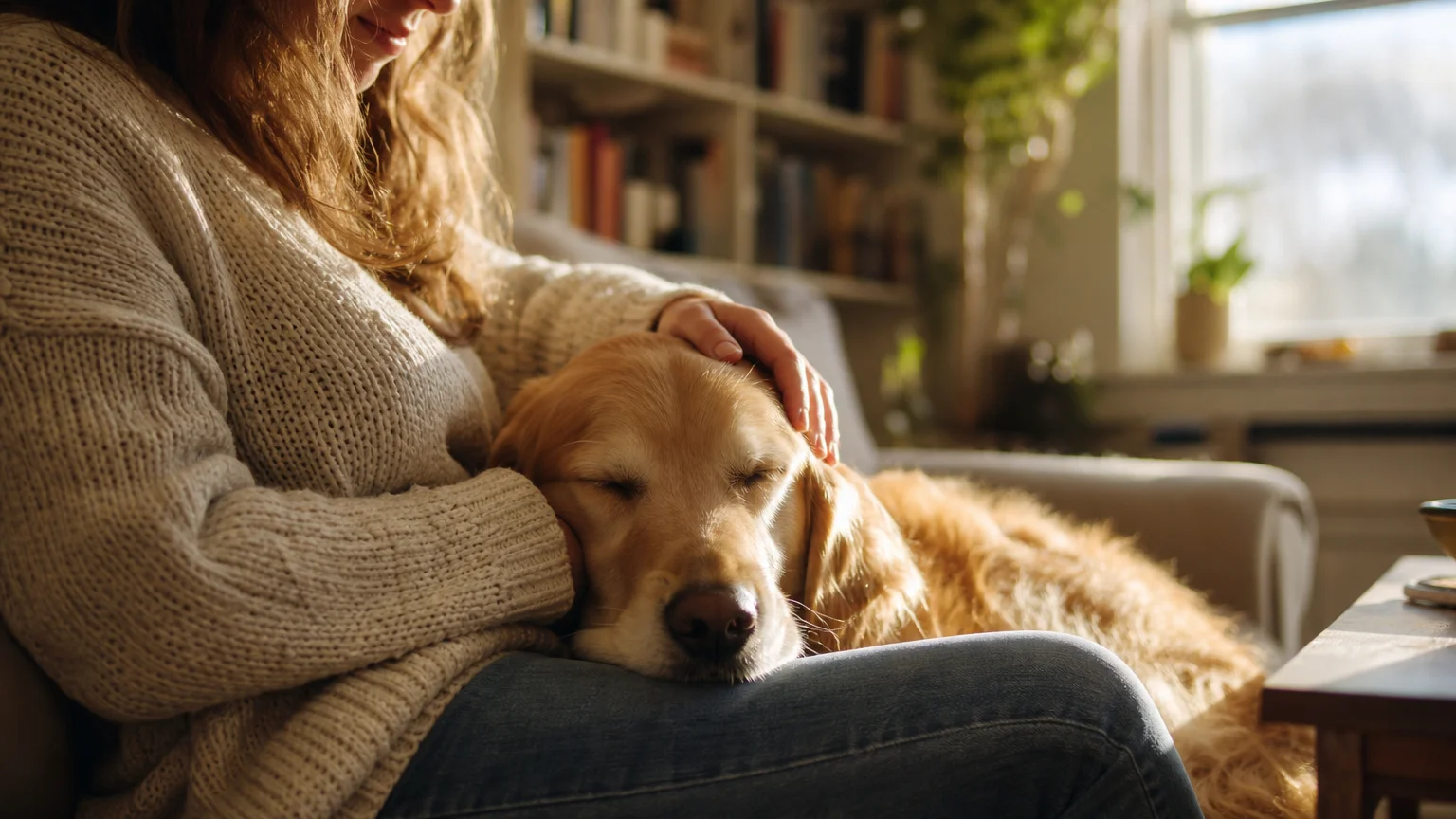
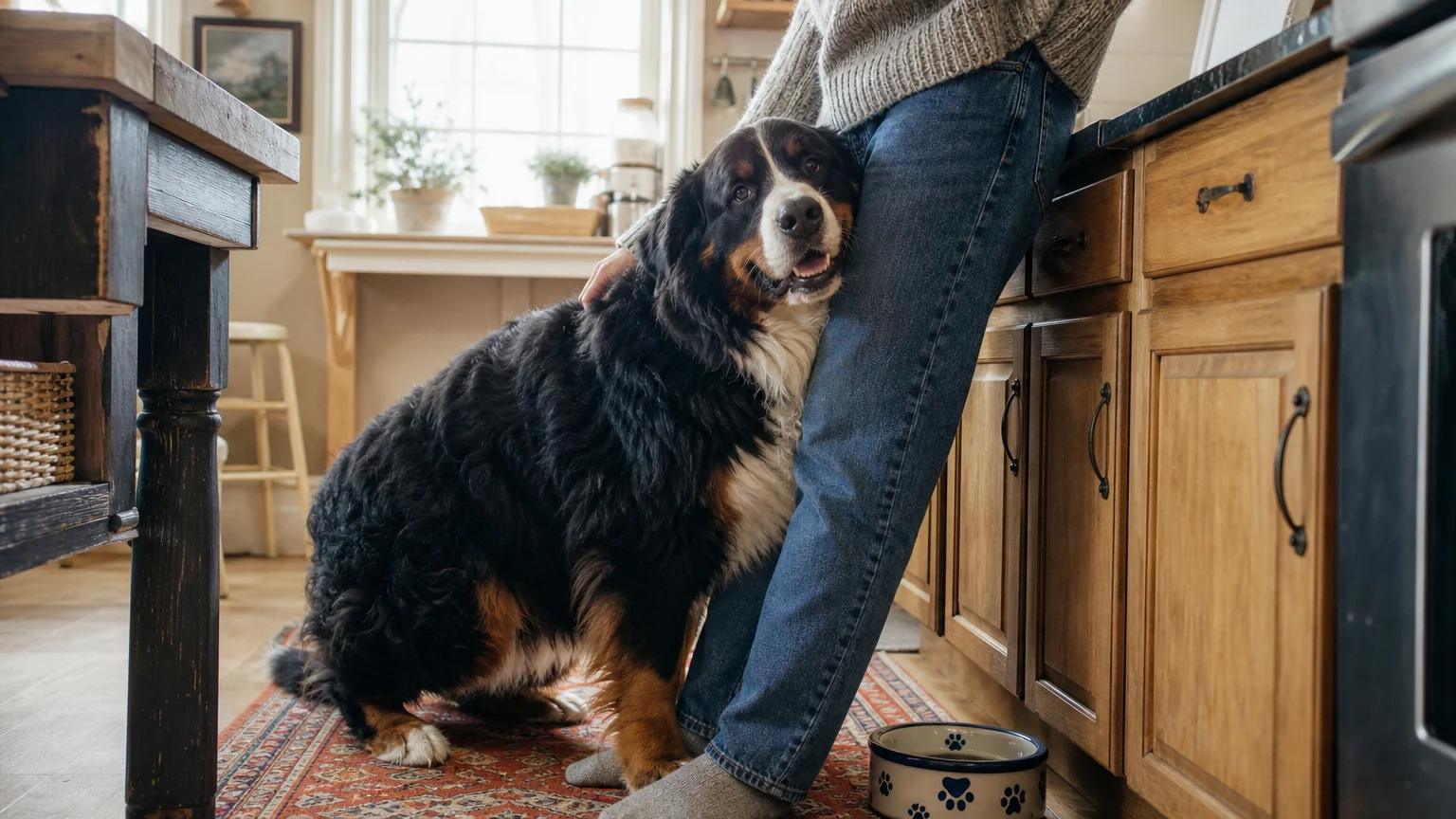
You are standing in the kitchen preparing dinner, and your dog quietly walks over and presses their entire body weight against your shins. If you step away, they shuffle closer and lean again. While some owners interpret this as a dog demanding a treat, the full-body lean is actually a profound sign of trust and affection.
Because dogs are pack animals, physical touch provides deep psychological security. By leaning against you, they are seeking physical reassurance in their environment. From a personality standpoint, dogs that lean heavily tend to be deeply affectionate and slightly emotionally dependent. They crave touch and view you as their primary safe space. If your dog leans on you regularly, they likely possess a highly sociable, loyal personality that thrives on inclusion.
2. Eye Contact and the “Soft Gaze”
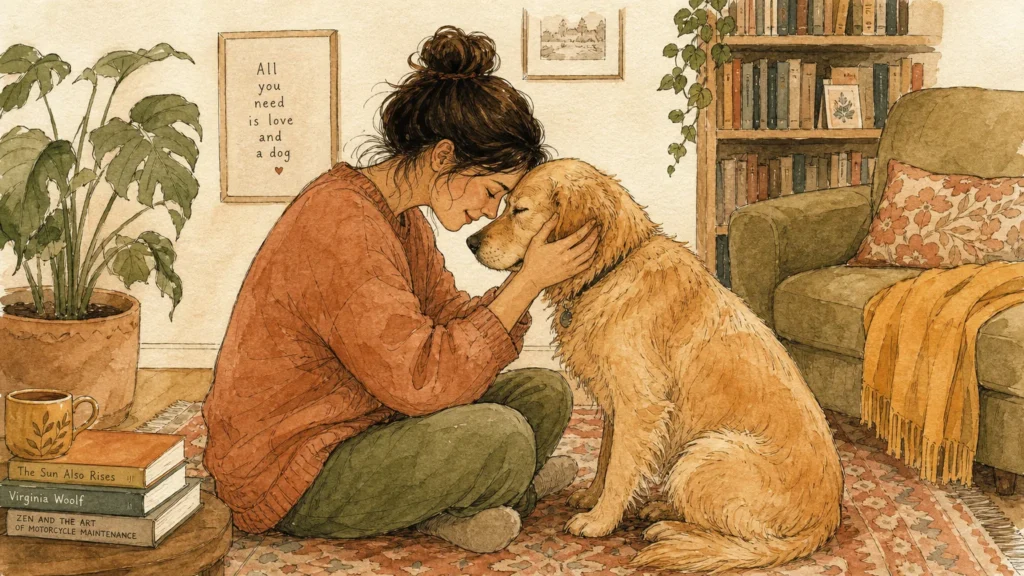
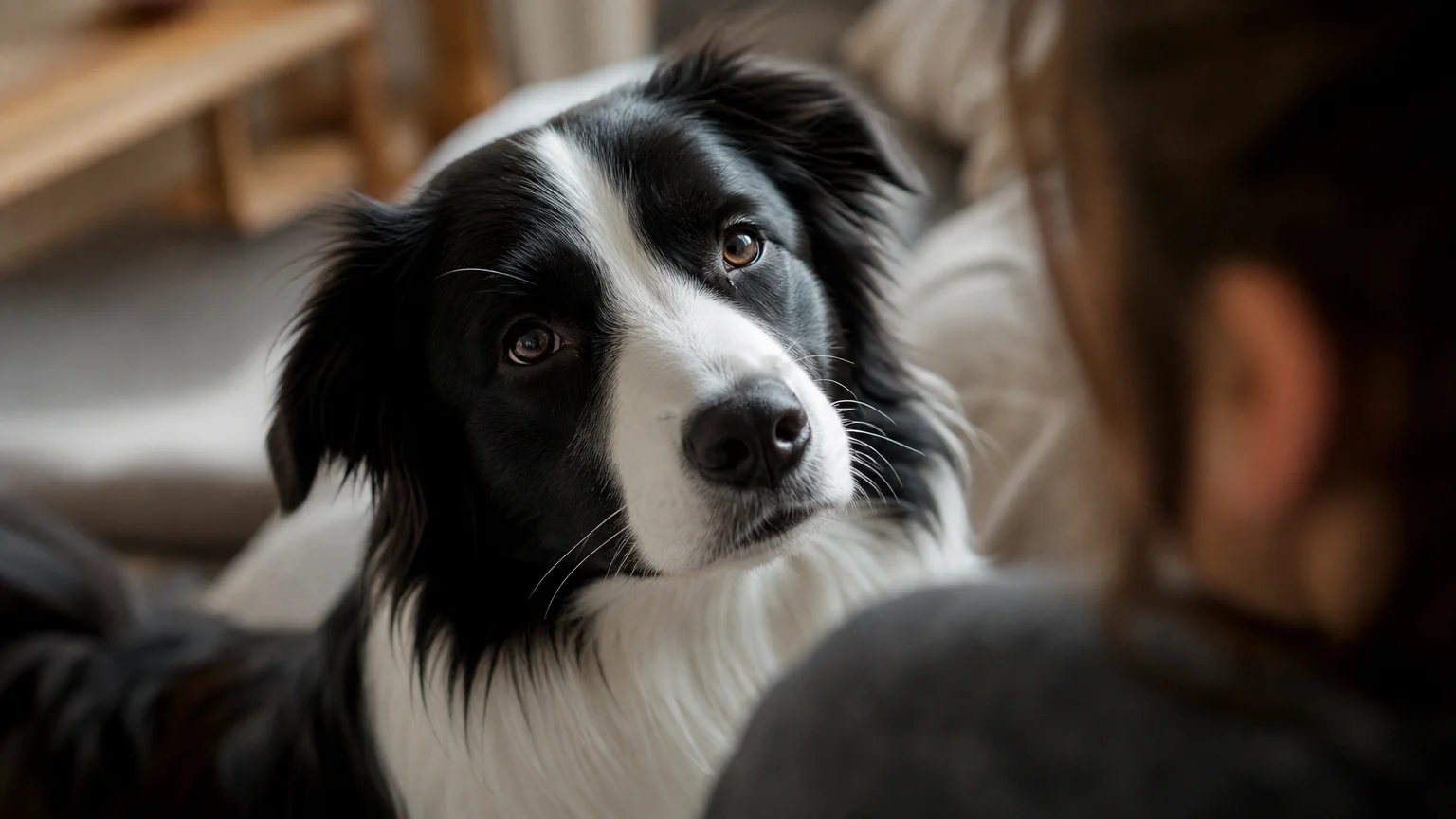
Not all eye contact is created equal in the canine world. When your dog stares into your eyes with relaxed facial muscles and soft blinking, they are actively strengthening your bond. According to research published in the journal Science by Takefumi Kikusui and colleagues, mutual gazing between dogs and humans increases oxytocin concentrations in both species—mirroring the hormonal feedback loop seen between human mothers and infants.
Dogs capable of sustained, soft eye contact are usually confident, trusting, and deeply bonded with their owners. Conversely, dogs that consistently avert their gaze might lean toward submissiveness or natural anxiety, avoiding eye contact to diffuse perceived tension. It is also important to note that a hard, unblinking stare with a stiff body is a warning sign of resource guarding or aggression, completely distinct from the affectionate soft gaze.
3. Preferred Sleeping Positions
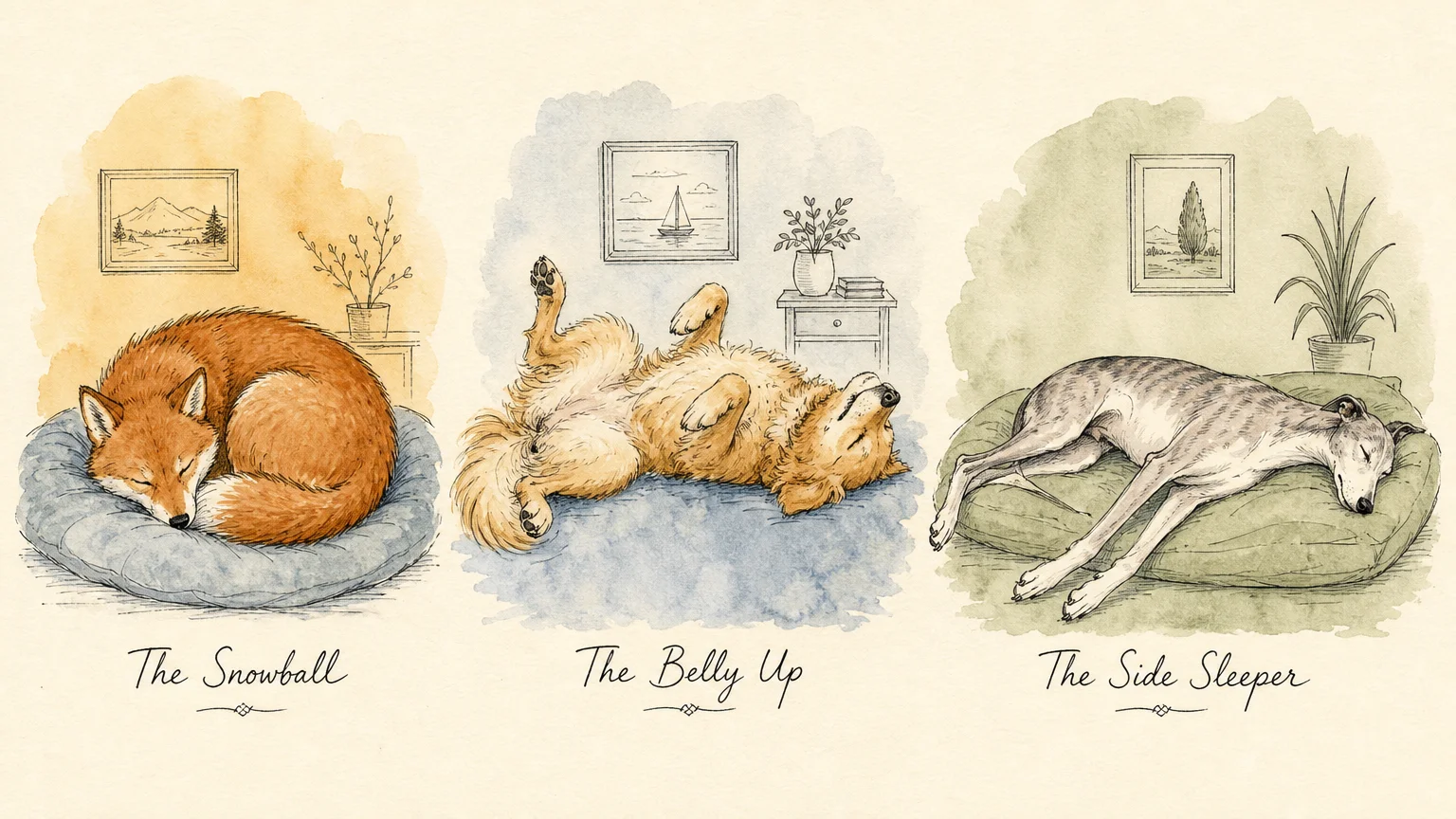
How your dog chooses to power down for the night reveals volumes about their internal sense of safety. The “snowball” or “fox” position—where a dog curls into a tight ball with their nose tucked under their tail—conserves body heat and protects their vital organs. Dogs that sleep this way frequently might be more cautious, introverted, or possess a strong instinctual survival drive.
On the opposite end of the spectrum is the “belly up” sleeper. Exposing the abdomen requires complete vulnerability. Dogs sleeping on their backs in the middle of a busy living room are extremely secure and confident in their environment. They have a relaxed, easygoing temperament and feel zero threat from their surroundings. Meanwhile, dogs that sleep on their sides with their legs stretched out are generally relaxed and content, showcasing a well-balanced, adaptable personality.
4. The Play Bow
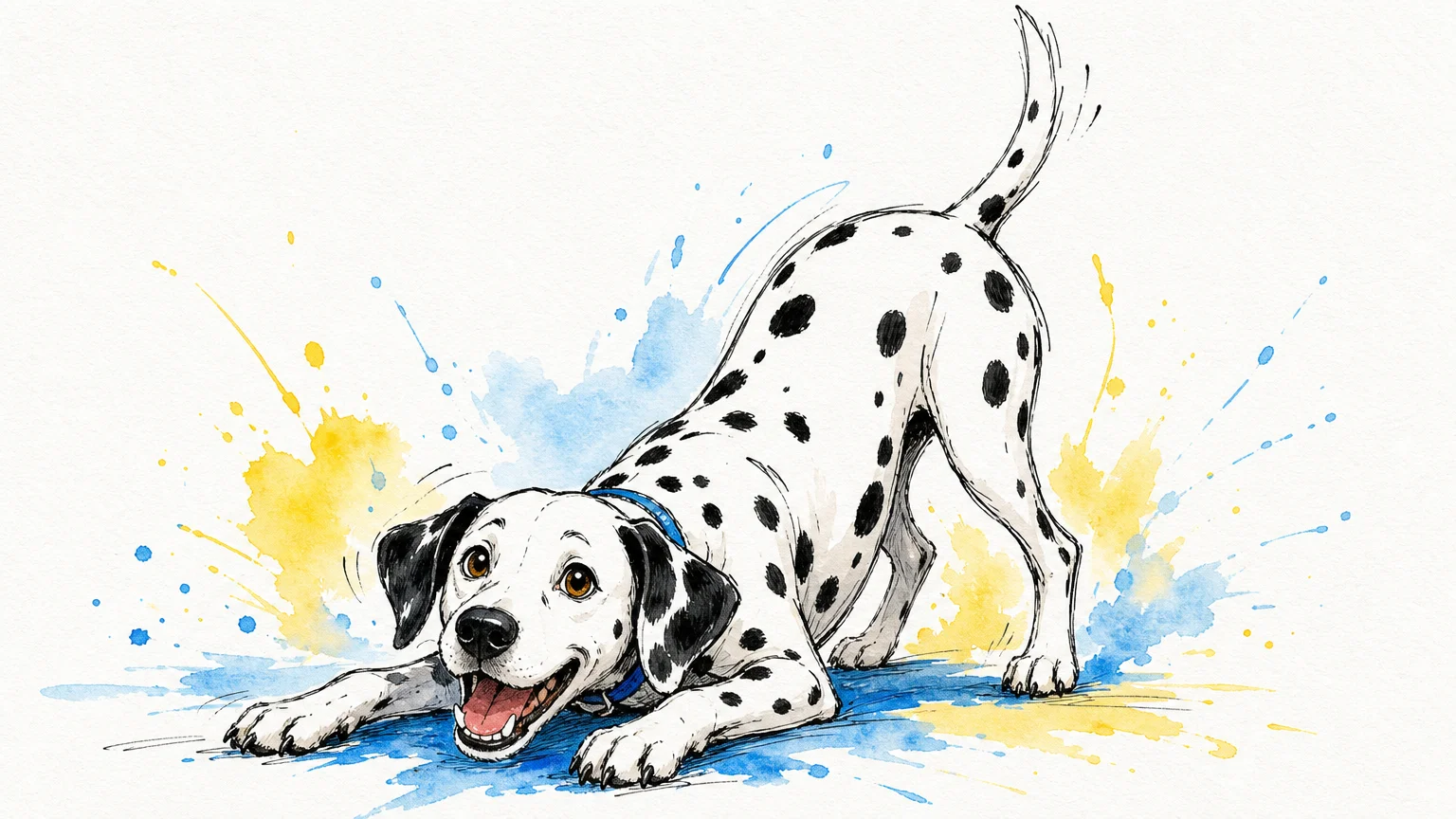
The play bow is one of the most universal canine metacommunication signals: front elbows flat on the ground, hindquarters in the air, and an alert, happy expression. It translates directly to “I come in peace, and everything I do next is just a game.” Dogs use this posture to diffuse tension before engaging in roughhousing.
Personality-wise, dogs that frequently initiate play bows are typically extroverted and possess high social intelligence. They know how to read the room and actively seek to make other dogs (and humans) feel at ease. An adult dog that still play-bows often has retained a joyful, puppy-like exuberance and values cooperative play over dominance.
5. Bringing You Toys Unprompted
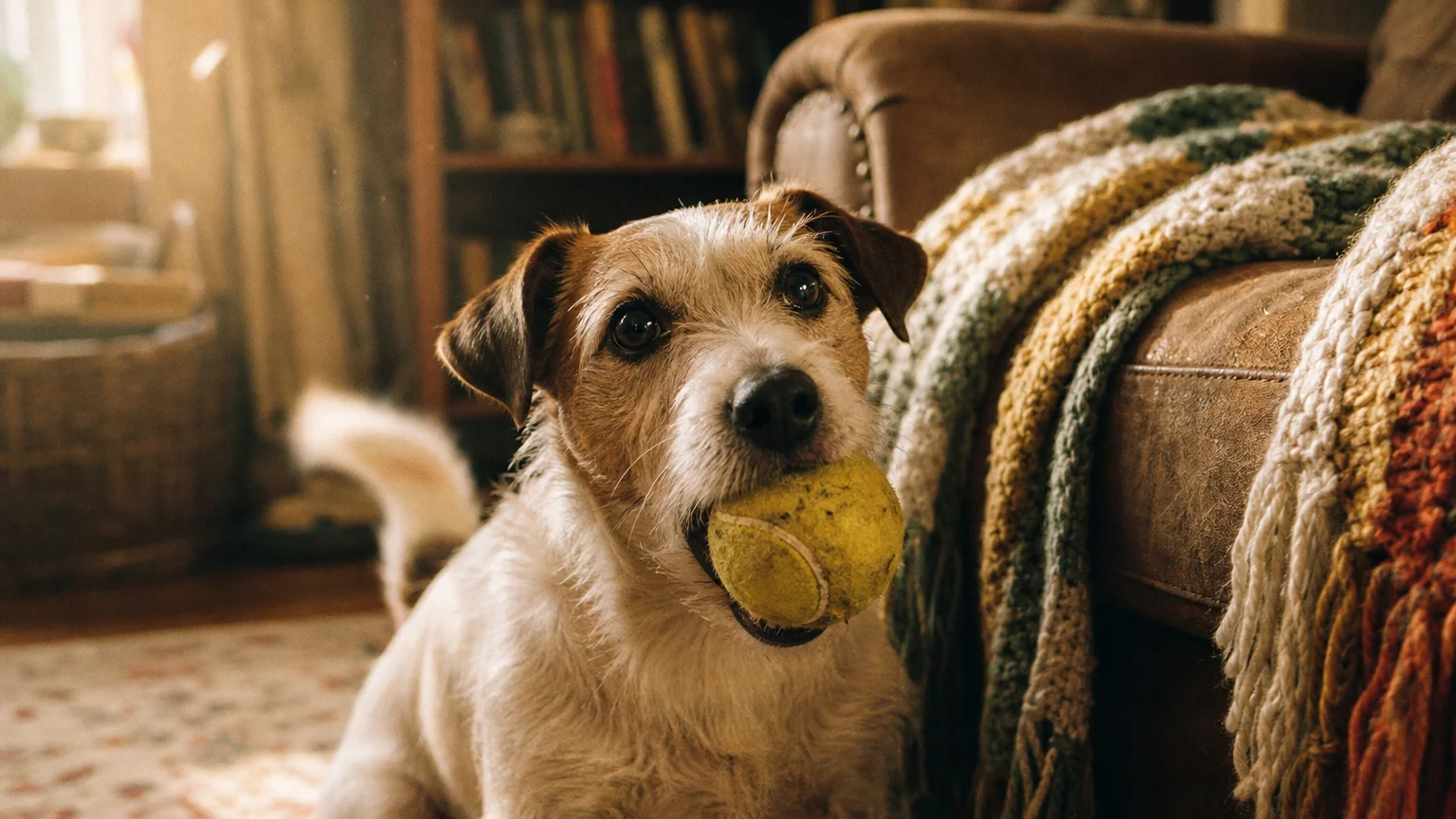
When your dog drops a slobbery, squeaky toy in your lap while you are watching television, it is easy to assume they just want to play fetch. While that is sometimes true, bringing you an object unprompted is frequently a sign of resource sharing—they are offering you their most prized possession as a sign of respect and pack cohesion.
Dogs that carry toys or household objects around are often eager-to-please with a strong natural retrieving instinct. They are task-oriented and thrive on positive reinforcement. However, if they bring you the toy but refuse to let it go, groaning or pulling away when you reach for it, they may be exhibiting playful possessiveness. These dogs enjoy testing boundaries and likely view tug-of-war as a collaborative challenge rather than a simple game of fetch.
6. Following You From Room to Room (“Velcro Dogs”)
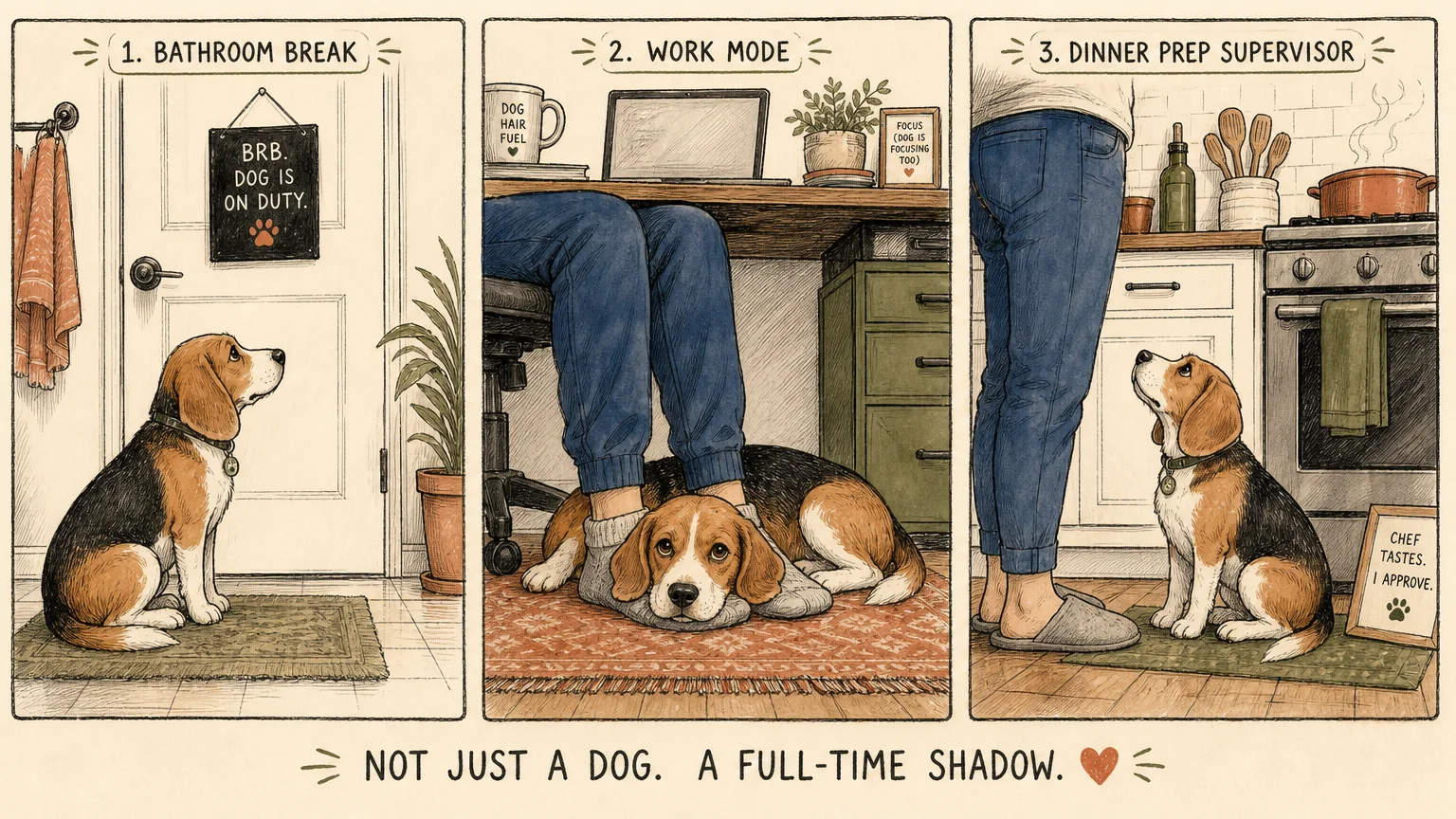
If you cannot walk from the couch to the bathroom without your dog getting up from a deep sleep to follow you, you live with a “velcro dog.” This behavior stems from pack cohesion, but the underlying motivation depends entirely on the dog’s baseline confidence.
If your dog follows you and immediately settles down calmly nearby, they simply enjoy your company and feel an instinctual duty to monitor the pack. These dogs are fiercely loyal and deeply devoted. However, if they follow you while panting, pacing, or whining when a door is closed between you, their personality leans heavily toward the anxious side. These dependent dogs may lack the confidence to self-soothe and rely entirely on your presence for emotional regulation.
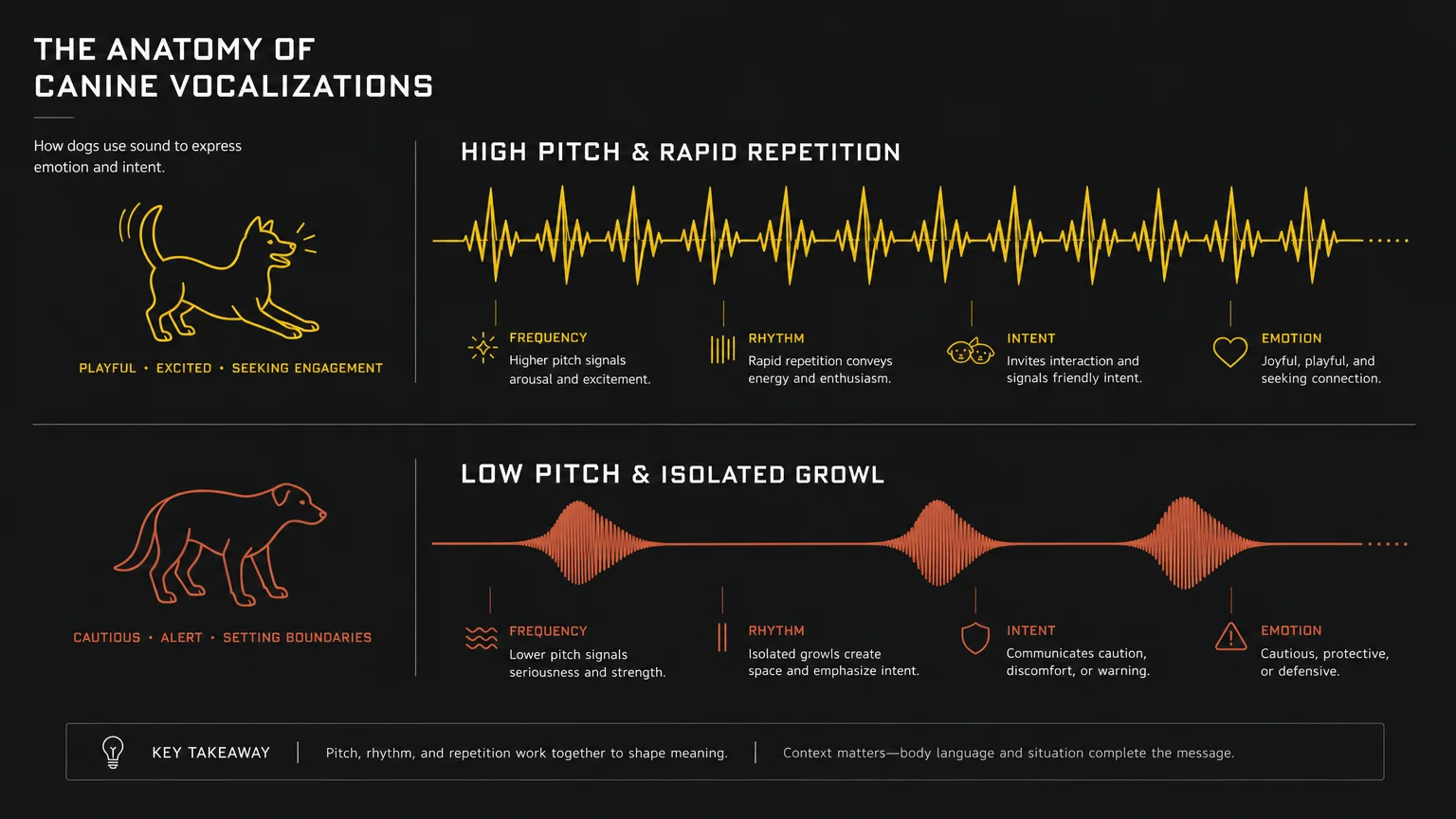
7. Barking Pitch and Frequency
Vocal communication ranges from deep, booming woofs to high-pitched yips, sighs, and grumbles. How often your dog “speaks” reveals their communication style and threshold for excitement. Highly vocal dogs—such as Huskies or Beagles—are highly expressive and demand inclusion. They wear their emotions on their sleeves and cannot contain their excitement or frustration.
Dogs that only bark when the doorbell rings are pragmatic and protective; they view barking as an essential alert system rather than a conversational tool. Interestingly, dogs that frequently grumble, sigh, or softly “boof” under their breath are communicating contentment or mild annoyance, showcasing a nuanced, sensitive personality that closely mimics human conversational cadence.
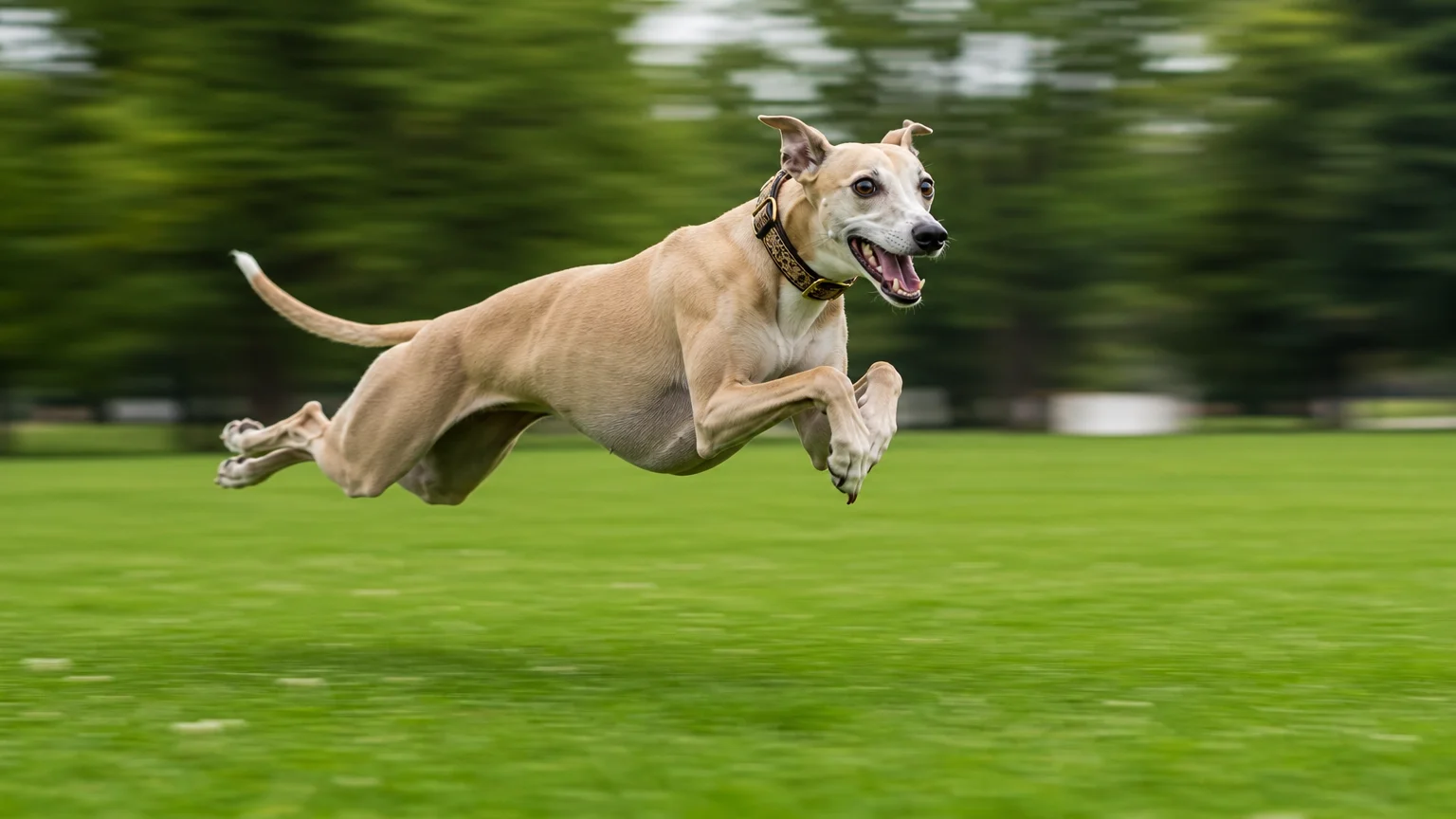
8. Frenetic Random Activity Periods (FRAPs)
You have likely witnessed your dog suddenly drop their front half, acquire a wild glint in their eye, and proceed to sprint frantically around the living room. Universally known as the “zoomies,” veterinarians formally refer to this behavior as Frenetic Random Activity Periods (FRAPs). These sudden explosions of movement are a natural release of pent-up energy or tension.
Dogs frequently experience FRAPs after a stressful event—such as a bath or a tense encounter with another dog—as a way to shake off the adrenaline and reset their nervous system. Frequent zoomies indicate a high-energy, enthusiastic personality with a strong zest for life. Sick, depressed, or chronically anxious animals rarely expend their energy in such a carefree manner. If your dog gets the zoomies daily, it indicates a playful, upbeat temperament, but it may also serve as a gentle reminder that they require more structured physical exercise.
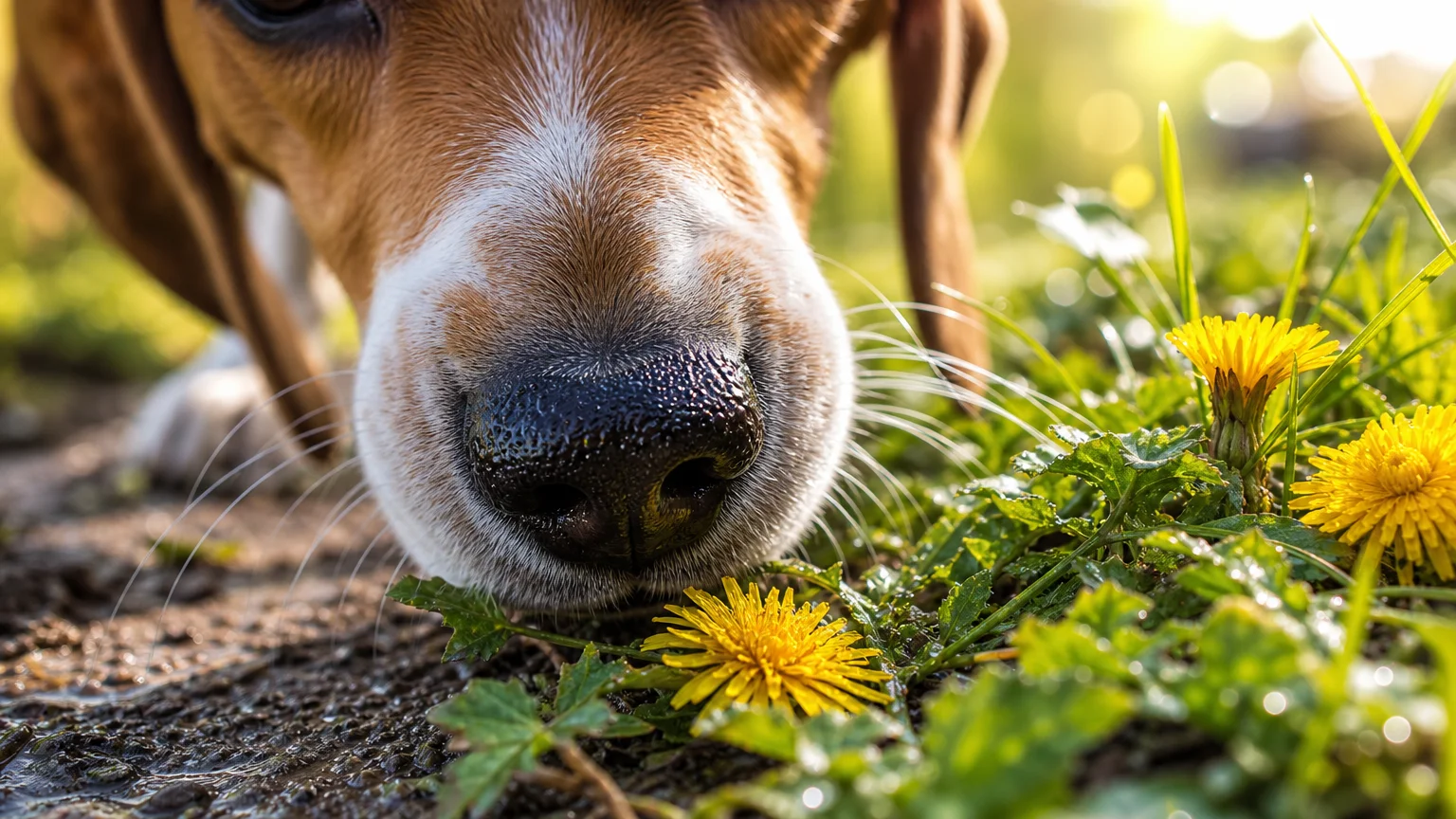
9. Sniffing Obsession During Walks
When taking your dog for a walk, you might find yourself frustrated by their constant need to stop every three feet to deeply inhale a random patch of grass. However, sniffing is the primary way dogs process and understand the world around them. By analyzing a fire hydrant or a tree trunk, they are reading the neighborhood news—gathering vital information about who has walked by, their age, and their emotional state.
A dog that prioritizes sniffing over power-walking is intellectual, curious, and deeply engaged with their environment. They lean toward the analytical side of the canine personality spectrum. For some dogs, however, obsessive sniffing serves as a displacement behavior. If a dog feels overwhelmed in a new environment, they may drop their head and sniff the ground intently as a self-soothing mechanism, effectively ignoring the stressful stimuli. Encouraging these “sniffaris” supports their cognitive health and satisfies their natural inquisitiveness.
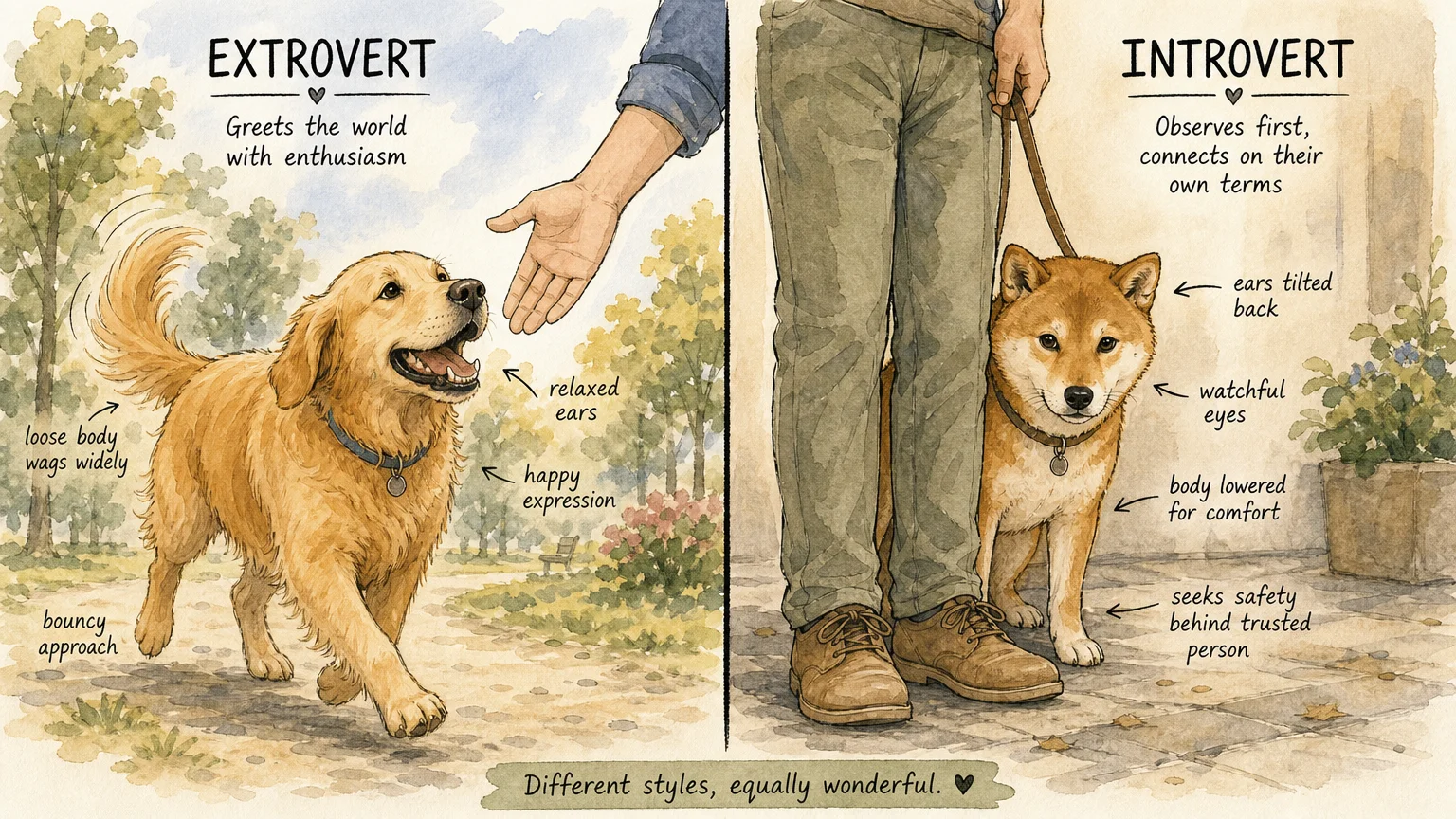
10. Greeting Strangers: The Approach
How your dog reacts when a new person enters your home provides an immediate window into their baseline sociability. The bold, extroverted dog approaches strangers with a loose, wiggly body and a sweeping, mid-level tail wag. They make soft eye contact, readily accept physical affection, and view every new human as a potential friend. These dogs possess a naturally optimistic personality and adapt easily to changing environments.
On the other end of the spectrum is the cautious, introverted dog. They might hang back, approach with a stiff posture, bark defensively, or hide entirely behind your legs. These dogs are not necessarily unfriendly; they simply require more time to assess safety and build trust. Their personality is naturally observant and reserved. Pushing a cautious dog into forced interactions often backfires. Honoring their introverted nature allows you to advocate for their space, asking strangers to ignore the dog until the dog decides they are ready to initiate contact.
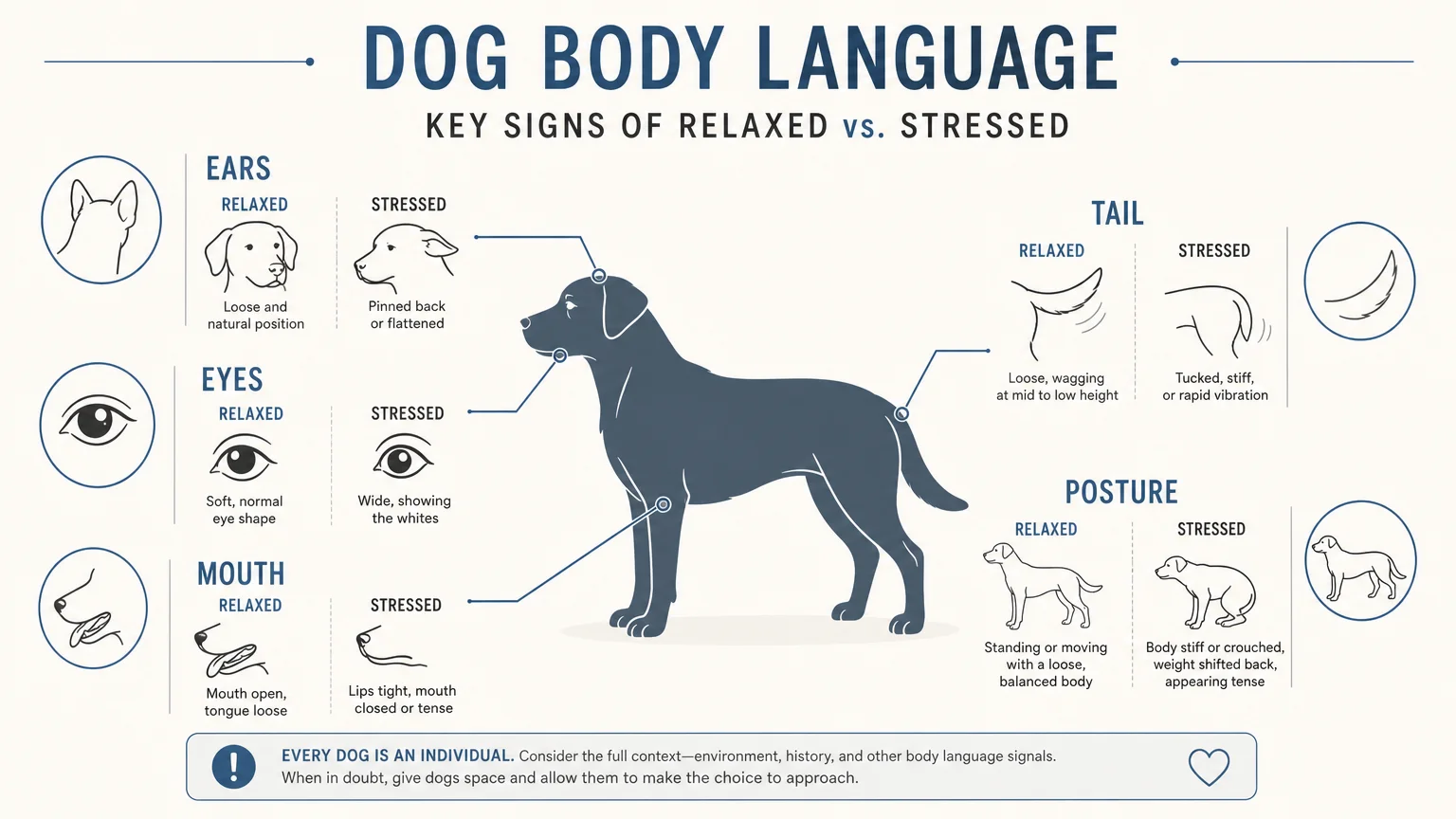
Interpreting Dog Body Language
While your dog’s distinct personality traits shape their general disposition, their momentary body language provides the context. Learning to read these physical cues helps you respond accurately to their emotional state.
| Physical Cue | Common Interpretation | Personality & Emotional Indicator |
|---|---|---|
| Relaxed, open mouth with a lolling tongue | Contentment | Indicates a secure, easygoing temperament in that moment. The dog feels no threat. |
| Yawning (when not tired) or lip licking | Anxiety / Stress | Shows a sensitive personality trying to self-soothe in an overwhelming or confusing environment. |
| Weight shifted forward, ears pinned forward | High Arousal / Alertness | Signals a confident, assertive dog focusing intensely on a target (prey, a toy, or a perceived threat). |
| Tucked tail and lowered head | Fear / Submission | Reveals a cautious or overwhelmed dog attempting to make themselves look as small and non-threatening as possible. |
| Shaking off (when completely dry) | Resetting / Relief | A physical mechanism used to shed tension after a stressful or highly stimulating encounter. |
Common Mistakes to Avoid
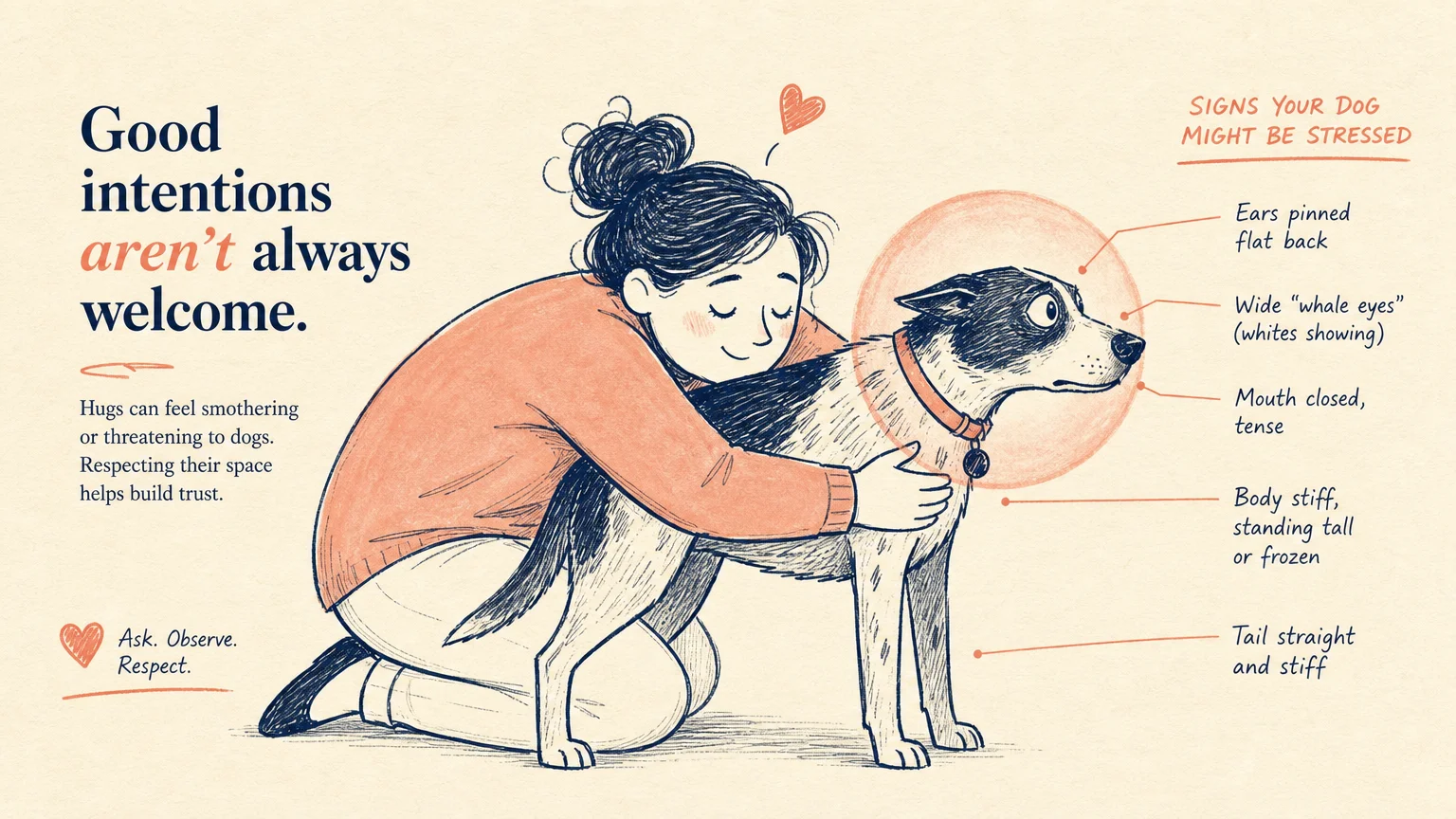
When decoding canine behavior, it is incredibly easy to overlay human emotions onto animal instincts. Misinterpreting these signals can lead to frustration for both you and your pet. Keep these common pitfalls in mind as you learn to read your dog:
Assuming a wagging tail always means happiness
The Centers for Disease Control and Prevention (CDC) tracks millions of dog bites annually, noting that many occur because humans misinterpret a dog’s warning signals as an invitation to play. While a sweeping, full-body wag does indicate joy, a stiff, high-frequency wag—often vibrating tightly at the base—signals high arousal, overstimulation, or impending aggression. Always evaluate the rest of the dog’s body language before assuming they are feeling friendly.
Anthropomorphizing guilt
You come home to find the trash can overturned, and your dog is cowering with their ears pinned back and whale eye (showing the whites of their eyes). It looks exactly like guilt. However, research has proven that dogs do not possess the moral framework to feel human guilt.
A dog’s “guilty look” is not an admission of wrongdoing; it is an appeasement behavior designed to de-escalate human anger and protect themselves from a perceived threat.
They are reacting to your tone of voice and posture, not expressing remorse for their actions hours prior.
Punishing fear-based behaviors
If a socially anxious dog growls when someone reaches for them, their growl is a crucial warning system—they are saying, “I am terrified, please back away.” If you punish the growl, you remove their ability to communicate fear safely. This often results in a dog that bites without warning. Instead of punishing the communication, address the underlying fear by removing the dog from the stressful situation.
Getting Expert Input
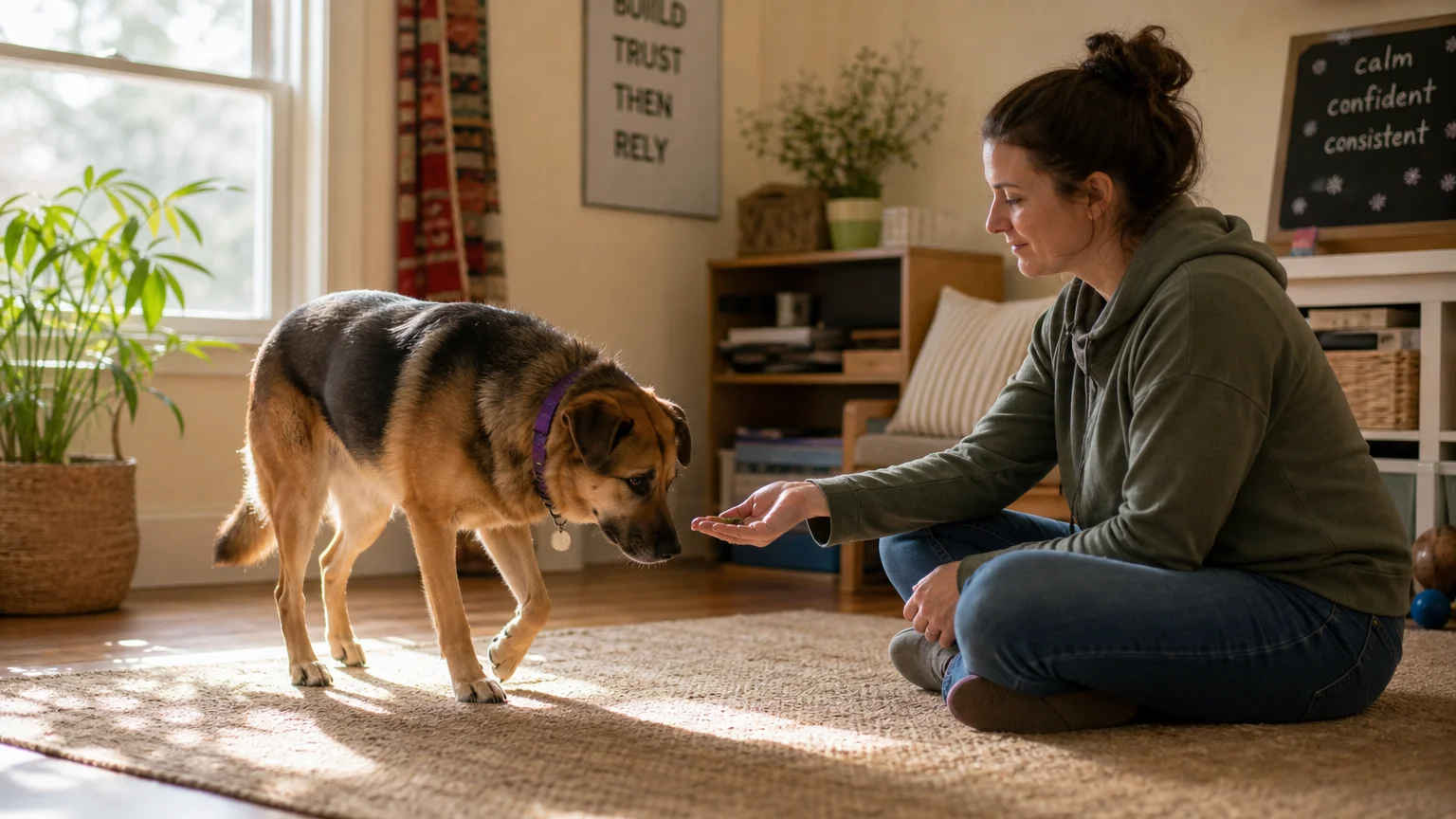
While learning about your dog’s unique quirks is a fun and bonding experience, some behaviors escalate beyond simple personality traits into dangerous or unmanageable territory. In these cases, personalized guidance from a professional is required. Consider reaching out for expert help in the following scenarios:
- Sudden, uncharacteristic aggression or lethargy: If your typically sociable dog suddenly begins snapping at you, or your energetic dog refuses to leave their bed, consult your primary veterinarian immediately. Sudden behavioral shifts are almost always rooted in hidden pain, illness, or neurological issues.
- Destructive separation anxiety: It is normal for a loyal dog to miss you, but if their anxiety leads to destroying door frames, self-harm, or incessant howling that results in noise complaints, they need structured intervention.
- Severe resource guarding: If your dog aggressively guards their food bowl, a stolen tissue, or a specific family member, the behavior will likely worsen without intervention, posing a bite risk to guests and children.
When standard training methods fail, do not hesitate to seek out advanced help. The American College of Veterinary Behaviorists recommends partnering with a board-certified veterinary behaviorist. These specialists possess the medical and psychological training necessary to treat complex behavioral disorders, often utilizing a combination of behavior modification protocols and, when necessary, prescription medication to improve your dog’s quality of life.
Supporting Your Dog’s Unique Personality
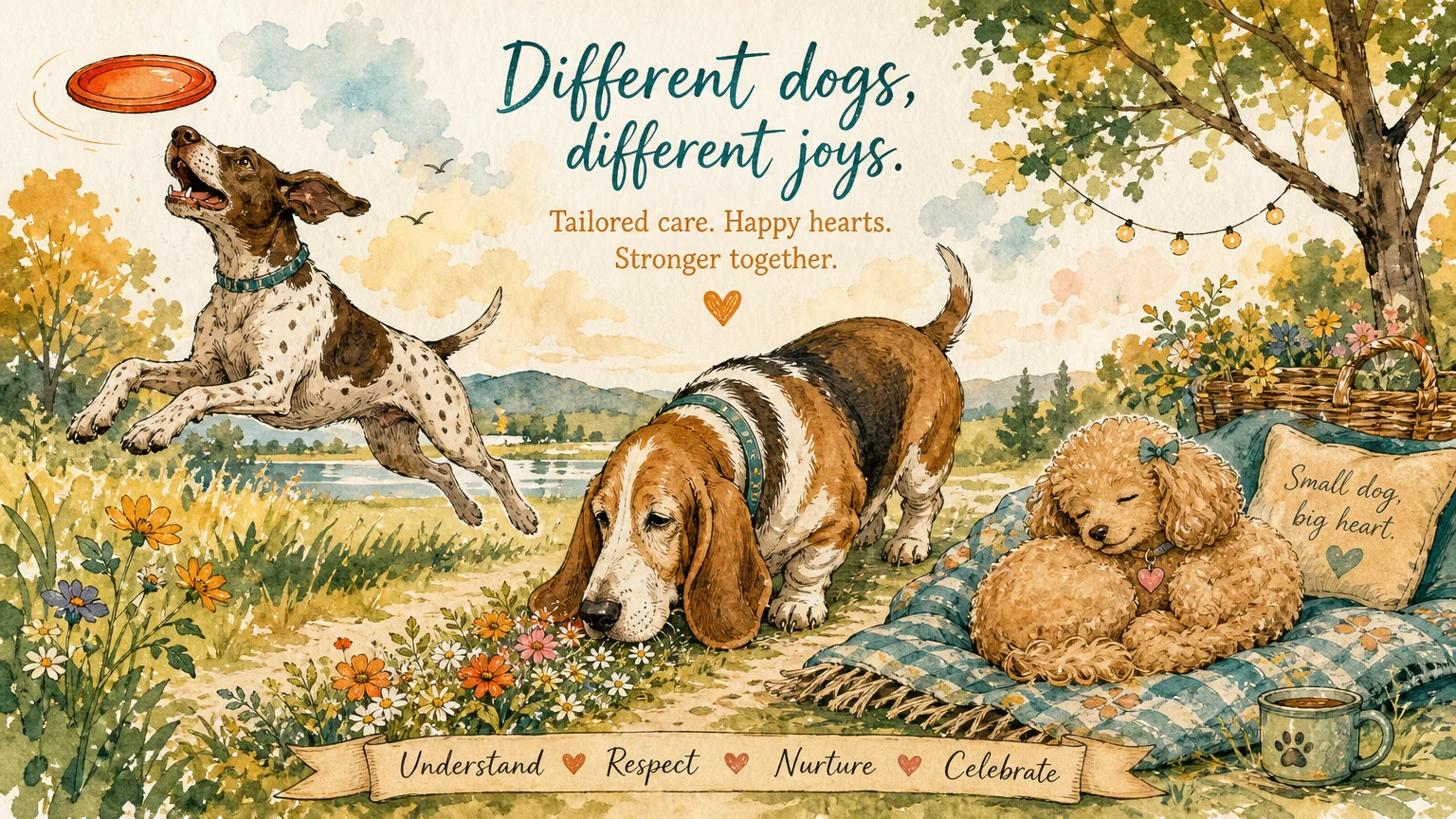
Your dog’s personality is a complex tapestry woven from their breed genetics, their early socialization, and the environment you provide for them every day. By paying close attention to how they lean on you, how they sleep, and how they navigate the world on their daily walks, you move away from simple obedience and toward genuine understanding.
There is no “perfect” dog personality. Whether you share your home with a goofy, extroverted attention-seeker or a quiet, observant introvert, meeting them where they are is the ultimate act of love. Embrace their quirks, respect their boundaries, and let their unique behaviors guide you in providing the most fulfilling life possible. The information here is meant for educational purposes. Specific circumstances—including health conditions, finances, location, and goals—may require different approaches. When in doubt, consult a licensed professional or check official sources directly.
Last updated: June 2026. Rules, prices, and details change—verify current information with official sources before acting on it.