If your dog watches your every bite as if they haven’t eaten in weeks, you might own one of the most food-motivated breeds in the canine world. Research shows that certain hounds and sporting dogs, like Labrador Retrievers and Beagles, are biologically wired to obsess over food, making them much more likely to beg for table scraps. While those puppy-dog eyes feel like a guilt trip, excessive begging is often driven by genetics rather than poor manners. Understanding your dog’s instincts is the first step toward managing their weight and curbing their persistence. Here are the ten breeds notorious for their endless appetites, the fascinating science behind their hunger, and veterinary-backed strategies to finally break the begging habit.
Why It Matters Now
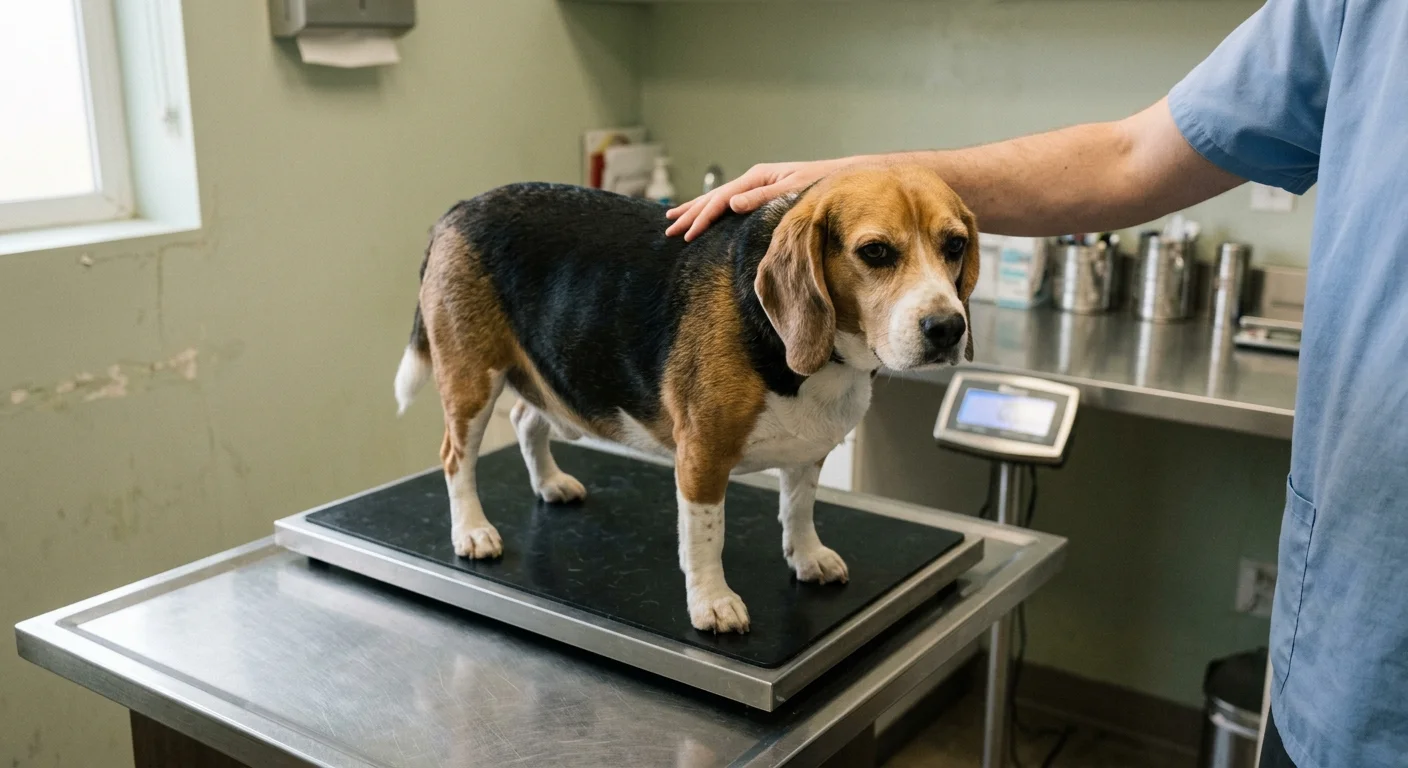
According to the American Kennel Club, more than half of all dogs are currently classified as overweight or obese. Canine obesity has reached epidemic proportions, and understanding food motivation is a critical first line of defense. A few extra pounds on a small frame can drastically reduce a dog’s lifespan and increase their risk for osteoarthritis, diabetes, and heart disease. While slipping an occasional piece of cheese under the table seems harmless, those extra calories accumulate rapidly. By recognizing whether your dog’s begging stems from a biological drive rather than genuine hunger, you empower yourself to make healthier lifestyle choices that extend your pet’s life and improve their daily comfort.
The Science Behind the Stare: Why Some Dogs Never Feel Full
Before you blame yourself for your dog’s total lack of table manners, it helps to understand the biology at play. For decades, owners assumed their dogs were simply greedy or attempting to establish dominance during mealtimes. We now know that canine appetite is heavily influenced by genetics and breed history.
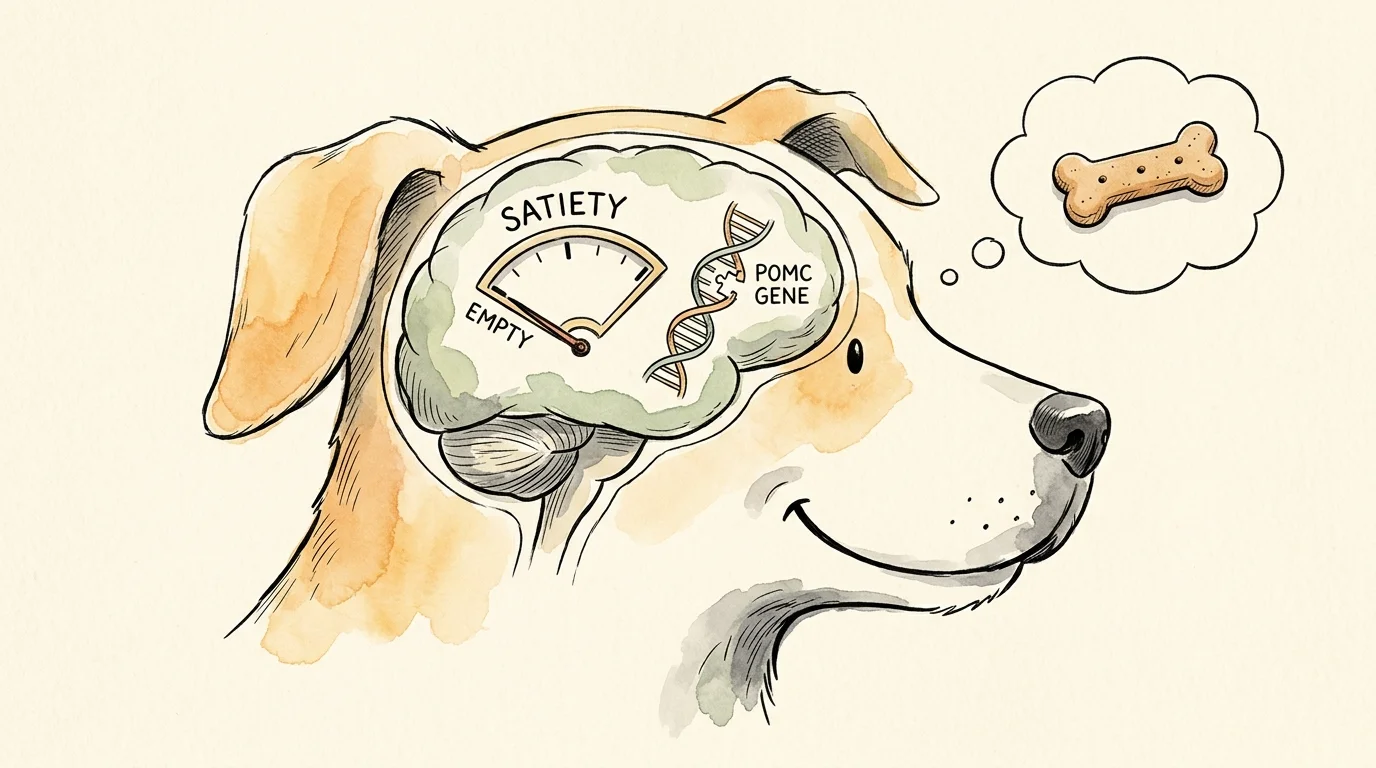
A landmark 2016 study published in the journal Cell Metabolism by researchers at Cambridge University discovered a mutation in the POMC gene—a gene responsible for regulating appetite and signaling the brain when the stomach is full. They found that roughly a quarter of all Labrador Retrievers carry this genetic deletion. For these dogs, the satiety signal never arrives; they genuinely feel hungry all the time. While this intense food drive makes them highly trainable for search-and-rescue or service work, it also makes them relentless beggars in the family kitchen.
“Food seeking, also known as foraging, provides physical exercise and cognitive stimulation… hunger is a primary motivator for most animals.” — VCA Animal Hospitals
This genetic predisposition isn’t limited solely to Labradors. Researchers studying the Dog Aging Project have found that sporting and hound breeds naturally exhibit higher food motivation scores than other dogs. They were bred to hunt, track, and retrieve over long distances—activities that require massive amounts of energy. Even though modern household pets spend more time lounging on the sofa than sprinting through fields, their biological urge to consume available calories remains intact.

10 Dog Breeds Most Likely to Beg for Food Scraps
If you find yourself constantly monitored by a four-legged food inspector during dinner, there is a strong chance your companion belongs to one of these ten famously food-obsessed breeds.
1. Labrador Retriever
As the poster child for food motivation, the Labrador Retriever tops every list when it comes to begging. Thanks to the POMC gene mutation mentioned earlier, many Labs are physically incapable of feeling full. They will happily eat their own dinner, scour the floor for crumbs, and then rest their chin on your knee while you eat yours. Because they are highly prone to obesity, managing a Lab’s diet requires strict portion control and an iron will from their owners.
2. Beagle
Bred as scent hounds, Beagles experience the world nose-first. Their olfactory receptors are vastly superior to ours, meaning your kitchen isn’t just a room to them—it is a broadcasting station of irresistible aromas. If you open a bag of chips three rooms away, a Beagle will know. Their tracking instincts translate into persistent begging, and they will serenade you with whines and bays until they get a taste.
3. Pug
Pugs possess a massive appetite trapped inside a small, low-energy body. Originally bred as companions for Chinese royalty, they have perfected the art of looking profoundly neglected whenever human food is present. Because Pugs have lower metabolic rates and struggle with intense exercise due to their flat faces, giving in to their begging is particularly dangerous. Even a few table scraps can lead to severe weight gain.
4. Golden Retriever
Like their Labrador cousins, Golden Retrievers are sporting dogs with a strong oral fixation. They love holding things in their mouths, and they love eating even more. Goldens are highly attuned to human emotions and will use their expressive, soft eyes to guilt you into sharing. They are opportunistic scavengers who view every family meal as a communal event they deserve to be part of.
5. Dachshund
Do not let their small stature fool you; Dachshunds were bred to hunt badgers, requiring intense energy and drive. Today, they apply that same relentless determination to acquiring food scraps. Unfortunately, carrying extra weight is catastrophic for a Dachshund’s elongated spine, heavily increasing their risk of Intervertebral Disc Disease (IVDD). Ignoring their begging is a strict medical necessity.
6. Basset Hound
Basset Hounds may look incredibly lazy, but their sense of smell is second only to the Bloodhound. They will track a dropped meatball across the house with startling speed. Bassets are masters of using their droopy eyes and mournful expressions to convince owners that they are starving. Given their heavy bone structure and slow metabolism, extra snacks quickly lead to joint stress.
7. Cocker Spaniel
Cocker Spaniels are beautiful, sweet-natured sporting dogs that frequently appear on veterinary obesity watchlists. They form intense bonds with their owners and want to be involved in whatever you are doing—especially if you are eating. They are notoriously easy to accidentally overfeed because they respond so joyfully to food rewards.
8. French Bulldog
French Bulldogs are deeply stubborn and surprisingly voracious. They often become fixated on the kitchen, monitoring the refrigerator door and hovering around the dinner table. Because “Frenchies” have low exercise tolerance, they burn very few calories during a typical day. Owners must be vigilant to keep them trim, despite their persistent snorting and begging for treats.
9. Cavalier King Charles Spaniel
Bred exclusively to be lap dogs, Cavaliers are experts at studying human behavior. They learn your routines, your weaknesses, and exactly when you are most likely to drop a piece of chicken. They don’t typically demand food aggressively; instead, they sit quietly with wide, soulful eyes that make you feel terribly selfish for not sharing.
10. English Springer Spaniel
Historically used to flush and retrieve game all day in the field, the English Springer Spaniel requires a massive caloric intake when working. Modern Springers have retained that high-performance appetite even if their daily exercise consists of a walk around the block. They are known for counter-surfing and persistent table-side negotiations.
Comparing Food Motivation by Breed Group
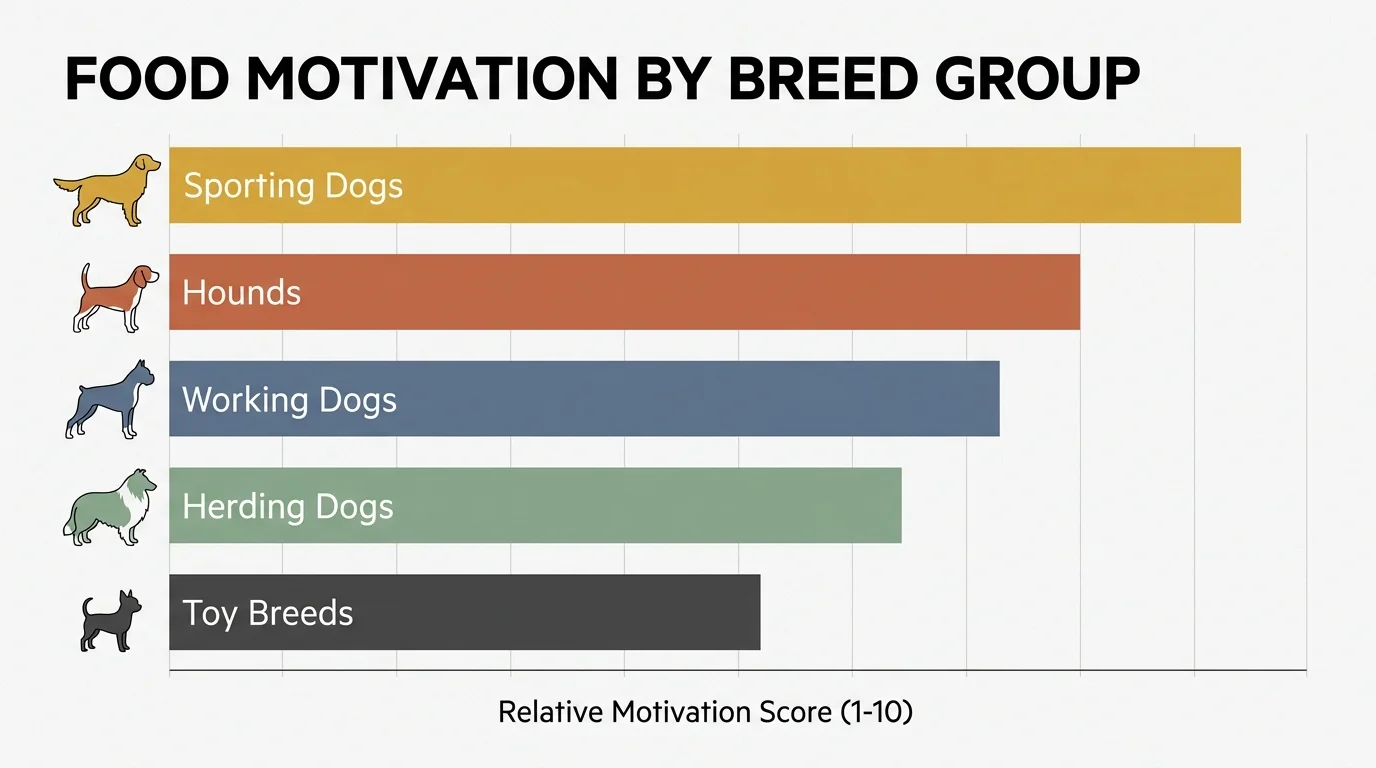
Not all dogs view food with the same level of intensity. Veterinary researchers analyzing thousands of canine profiles have identified distinct patterns based on historical breed purposes. If you own a sporting or hound breed, you are fighting centuries of genetics.
| Breed Group | Food Motivation Risk | Common Examples | Reason for High Drive |
|---|---|---|---|
| Sporting Dogs | Highest (+10% above average) | Labrador, Golden Retriever, Spaniels | Historically required massive energy for all-day retrieving; highly reward-driven. |
| Hounds | High (+5.3% above average) | Beagle, Basset Hound, Dachshund | Driven by powerful olfactory senses to relentlessly track scents and scavenge. |
| Mixed Breeds | Baseline / Average | Mutts, Rescues | Motivation varies wildly depending on genetic lineage. |
| Non-Sporting | Lowest (-4.1% below average) | Poodle, Dalmatian, Bulldog | Less historically reliant on independent scavenging or high-stamina field work. |

Common Mistakes to Avoid
Managing a food-motivated dog requires absolute consistency. Even well-meaning owners often reinforce the exact behaviors they want to stop. If you are struggling to keep your dog away from the table, ensure you aren’t making these common missteps:
- The “Just This Once” Trap: Expert veterinary guidance from VCA Animal Hospitals warns against a “variable reinforcement schedule.” If you ignore your dog’s begging 99 times but give in on the 100th try, you have effectively taught them that persistence eventually pays off. This makes the begging behavior stronger and longer-lasting.
- Confusing Affection with Hunger: Dogs seek social interaction. When they approach you during a meal, they are often looking for connection. Owners mistakenly interpret this as hunger and offer food, teaching the dog that the dining room is a place to get snacks rather than simple companionship.
- Leaving Food Bowls Out All Day: Free-feeding prevents you from tracking exactly how much your dog consumes. For highly motivated breeds, free-feeding is a fast track to obesity because they will eat until the bowl is empty, regardless of how many calories they actually need.
- Overusing High-Calorie Human Food: Sharing a piece of cheese might seem small to you, but for a 20-pound dog, it represents a massive portion of their daily caloric needs. Human food is typically rich in fats and sodium that canine digestive systems struggle to process.
Getting Expert Input
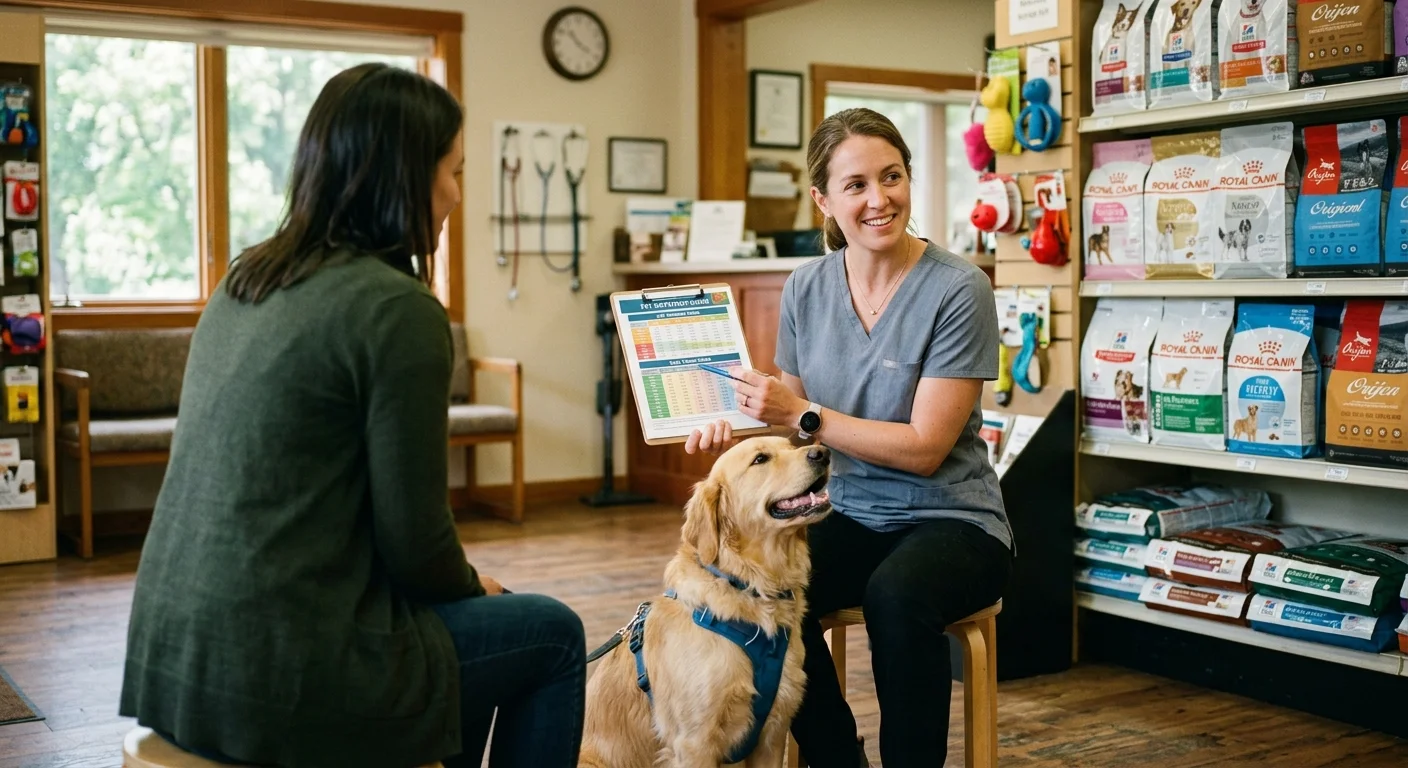
While most begging is a behavioral or genetic quirk, sudden shifts in appetite warrant professional attention. Before you implement a strict diet or training regimen, it is crucial to rule out underlying medical issues.
- Investigating Sudden Hunger: If your previously well-mannered dog suddenly becomes obsessed with food, scavenging through trash, or begging aggressively, schedule a vet visit. Conditions like Cushing’s disease, diabetes, or hyperthyroidism can cause an insatiable appetite.
- Performing the Body Condition Check: Unsure if your dog’s begging has led to weight gain? Run your hands lightly over their ribcage. You should be able to feel their ribs easily without pressing firmly, and they should have a visible tuck at the waist. If you cannot feel their ribs under a layer of fat, it is time for a professional consultation.
- Prescription Weight Management: If your dog needs to lose weight, do not simply cut their standard food portions in half—this can lead to malnutrition. Veterinarians can prescribe therapeutic diets that are low in energy density but high in fiber, allowing your dog to eat a satisfying volume of food without consuming excess calories.
How to Redirect a Food-Motivated Dog
You cannot change your dog’s genetics, but you can change their routines. Breaking the begging habit requires removing the opportunity to practice the behavior while providing an alternative, incompatible action.
- Teach the “Place” Command: Train your dog to go to a specific bed or mat located outside of the immediate dining area. Require them to stay on their “place” while the family eats. Reward them with a piece of their own kibble when they comply, gradually increasing the time they must stay before being released.
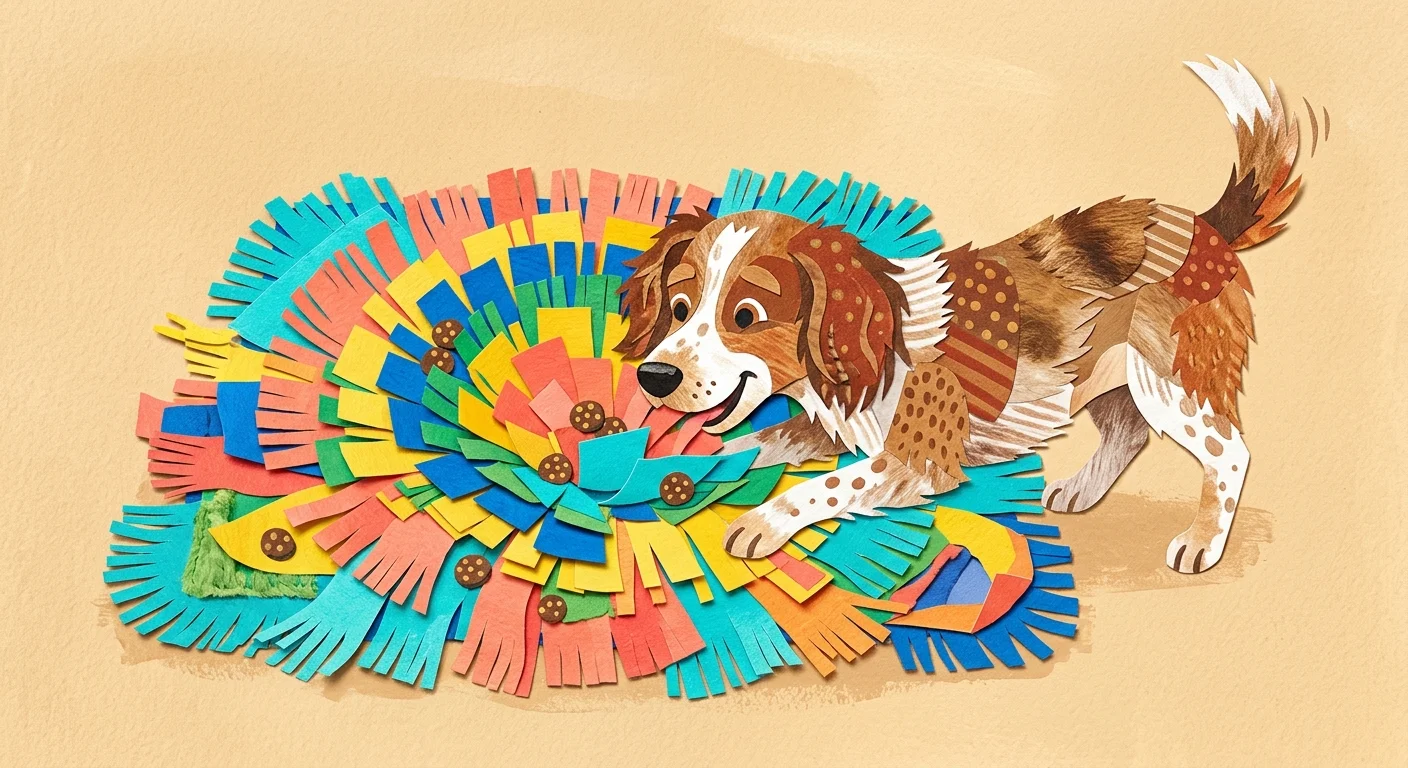
- Use Puzzle Feeders and Slow Bowls: Food-motivated dogs tend to inhale their meals in seconds, leaving them feeling unsatisfied. Serve their regular meals in a slow-feeder bowl, a snuffle mat, or a stuffed KONG toy. This forces them to work for their food, burning mental energy and satisfying their foraging instincts.
- Schedule Meals During Your Dinner: Time your dog’s evening meal to coincide with yours. If they are busy eating their own dinner in the kitchen, they cannot be under the table begging for yours.
- Swap Scraps for Safe Vegetables: If you absolutely must share, ensure that treats make up no more than 10% of your dog’s daily calories. Use dog-safe, low-calorie vegetables like plain green beans, baby carrots, or cucumber slices. Offer these snacks away from the dining table to prevent associating your meals with their treats.
Frequently Asked Questions
Why does my dog beg even right after eating a full meal?
Many dogs are opportunistic scavengers; their brains are wired to consume available food just in case their next meal is delayed. Furthermore, breeds with the POMC gene mutation simply do not register the sensation of a full stomach. They are begging out of instinct and habit, not out of true starvation.
Can I ignore my dog’s begging to make it stop?
Yes, ignoring the behavior is a highly effective strategy, but you must be prepared for an “extinction burst.” When you first start ignoring a dog that is used to getting scraps, they will likely beg harder, bark louder, or paw at you more aggressively before giving up. You must remain completely consistent and not give in during this frustrating phase.
What human foods are actually safe to share with my dog?
If you want to treat your dog, stick to single-ingredient, low-calorie options. Plain cooked chicken breast, steamed green beans, raw carrots, apple slices (without seeds), and plain pumpkin puree are excellent choices. Always avoid foods toxic to dogs, including grapes, raisins, onions, garlic, chocolate, and anything containing the artificial sweetener xylitol.
A Better Way to Treat Your Dog
Living with a highly food-motivated breed requires patience, consistency, and a willingness to say no to those pleading eyes. Remember that your dog doesn’t need a bite of your steak to feel loved. You can build a much stronger, healthier bond by swapping table scraps for a game of fetch, an extra walk, or a dedicated training session using their daily kibble.
Last updated: May 2026. The information here is meant for educational purposes. Specific circumstances—including health conditions, finances, location, and goals—may require different approaches. When in doubt, consult a licensed professional or check official sources directly.