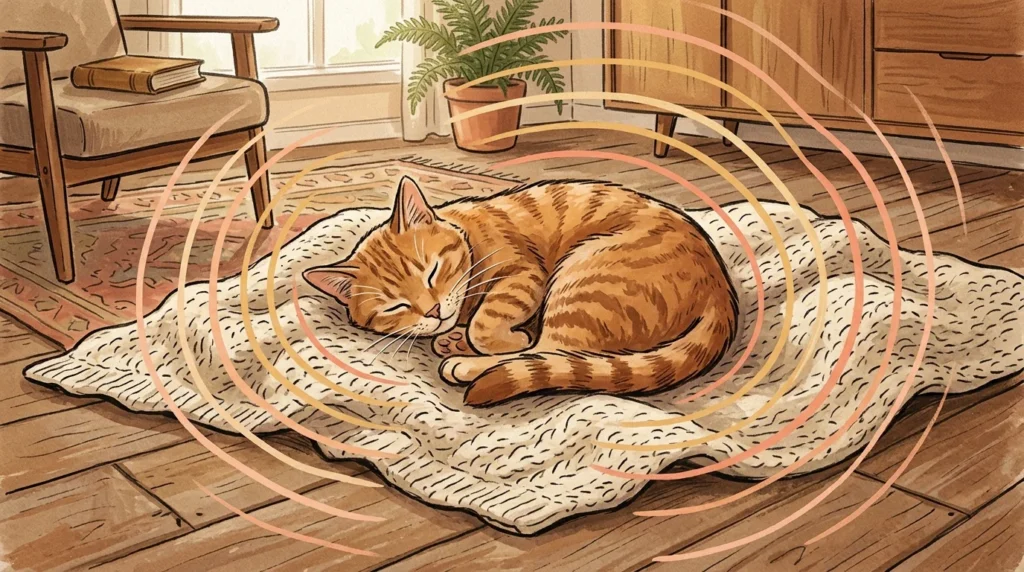
A cat’s purr is not just a sign of a happy pet; it is a built-in biological healing mechanism operating between 25 and 150 hertz. Scientific studies show that these specific low-frequency vibrations can stimulate bone regeneration, reduce inflammation, and repair damaged tissue. By vibrating at the exact acoustic frequencies used in human medical therapies for bone density and muscle repair, cats likely evolved this low-energy rumble to heal themselves while they sleep. If you have ever wondered why felines purr when injured or stressed, the answer lies in their body’s incredible ability to self-medicate. Understanding this evolutionary marvel explains your cat’s legendary resilience while hinting at surprising physiological benefits for the humans holding them.
The Physiology of a Feline Marvel
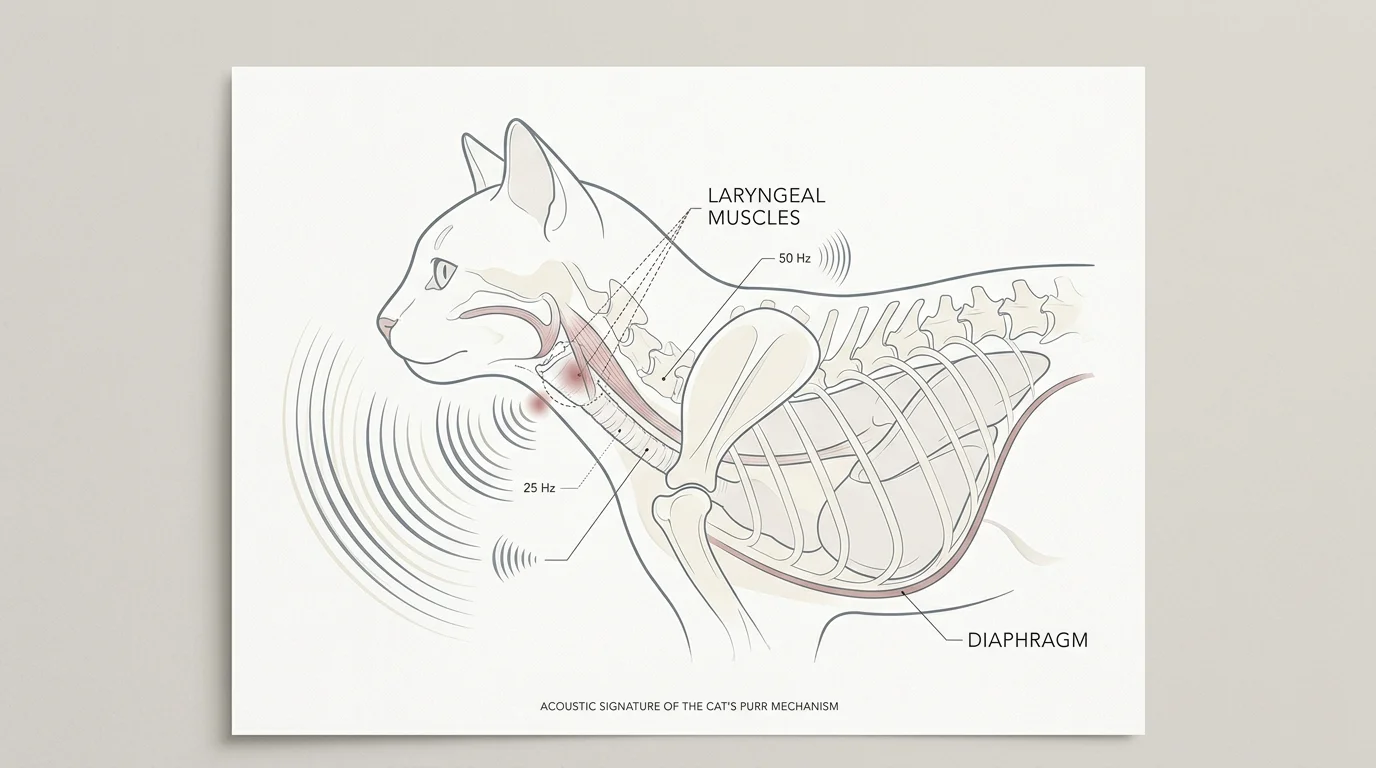
To understand the healing power of a purr, you first have to look at how a cat produces this unique sound. Unlike a dog’s bark or a bird’s chirp, a cat’s purr is a continuous cycle of sound. Felines create this low rumble by rapidly contracting and relaxing the laryngeal muscles in their throat, coordinated perfectly with the movement of their diaphragm. This vibration occurs during both inhalation and exhalation, creating a steady, rhythmic frequency that resonates through their entire body.
Researchers studying felid acoustics have found that domestic cats produce strong, dominant frequencies exactly at 25 hertz and 50 hertz, with harmonic frequencies extending up to 150 hertz. This specific acoustic range is highly significant in the world of physics and medicine. When a cat purrs, it is not merely vocalizing; it is turning its entire body into a sophisticated vibrational therapy machine.
Producing this continuous vibration requires a caloric output. In evolutionary biology, animals do not expend precious energy—especially when sick, injured, or facing starvation—unless the behavior offers a distinct survival advantage. Because cats purr when they are frightened, giving birth, or recovering from serious trauma, scientists deduced that the purr must serve a protective, restorative function.

Why People Are Talking About This
The conversation around feline purring has shifted dramatically over the past decade, moving from veterinary curiosity to serious biomedical interest. Bioengineers and physiologists are increasingly turning to biomimicry—the practice of studying nature to solve human problems—to improve medical treatments. When acoustic researchers mapped the exact frequencies of a cat’s purr, they noticed a striking parallel with whole-body vibration therapy used in human sports medicine and rehabilitation.
Today, physical therapists utilize mechanical vibration plates to help athletes recover from soft tissue injuries and to assist older adults in maintaining bone density. The fact that a domestic housecat naturally generates these exact therapeutic frequencies while curled up on a living room sofa has sparked widespread fascination. Animal lovers and scientists alike are discussing how this evolutionary adaptation might explain why cats rarely suffer from the bone and joint diseases that frequently afflict large breed dogs.
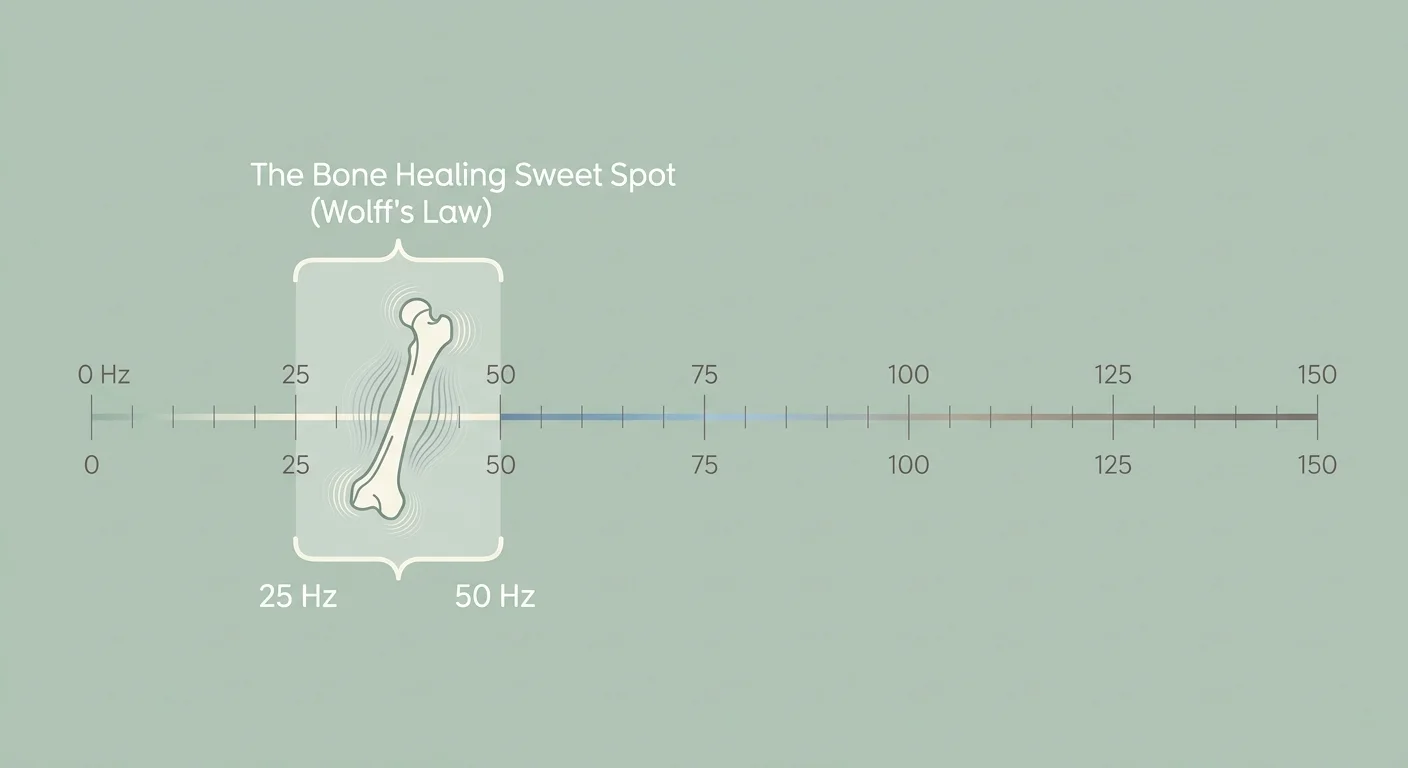
The Bone Healing Sweet Spot: 25 to 50 Hertz
Bones are not static pillars of calcium; they are living, dynamic tissues that constantly break down and rebuild themselves. This remodeling process relies on specialized cells called osteoblasts, which form new bone tissue, and osteoclasts, which dissolve old tissue. According to Wolff’s Law, bone adapts to the physical stress placed upon it. When you exercise or bear weight, your bones respond by becoming denser and stronger.
However, cats are ambush predators. They spend up to 16 hours a day sleeping to conserve energy for explosive, high-speed bursts of hunting. With such a sedentary lifestyle, feline bones should theoretically become brittle and weak due to a lack of constant physical strain. The purr provides the solution.
By producing a continuous, low-frequency hum at 25 to 50 hertz, a cat artificially mimics the mechanical stress of physical activity. These micro-vibrations ripple through the feline skeleton, stimulating the osteoblasts to deposit new bone material. This internal mechanism helps domestic cats maintain phenomenal bone density, heal fractures at an accelerated rate, and avoid the severe osteoporosis seen in other sedentary mammals.
Because cats have adapted to conserve energy via long periods of rest and sleep, it is possible that purring is a low-energy mechanism that stimulates muscles and bones without using a lot of energy. — Dr. Leslie A. Lyons, Feline Geneticist
The human medical community utilizes this exact principle. According to a 2022 meta-analysis indexed by the National Institutes of Health, whole-body vibration therapy significantly improves bone mineral density in postmenopausal women (PubMed). By applying mechanical oscillations to the human body at frequencies mirroring a cat’s purr, doctors can trigger the same bone-fortifying response.
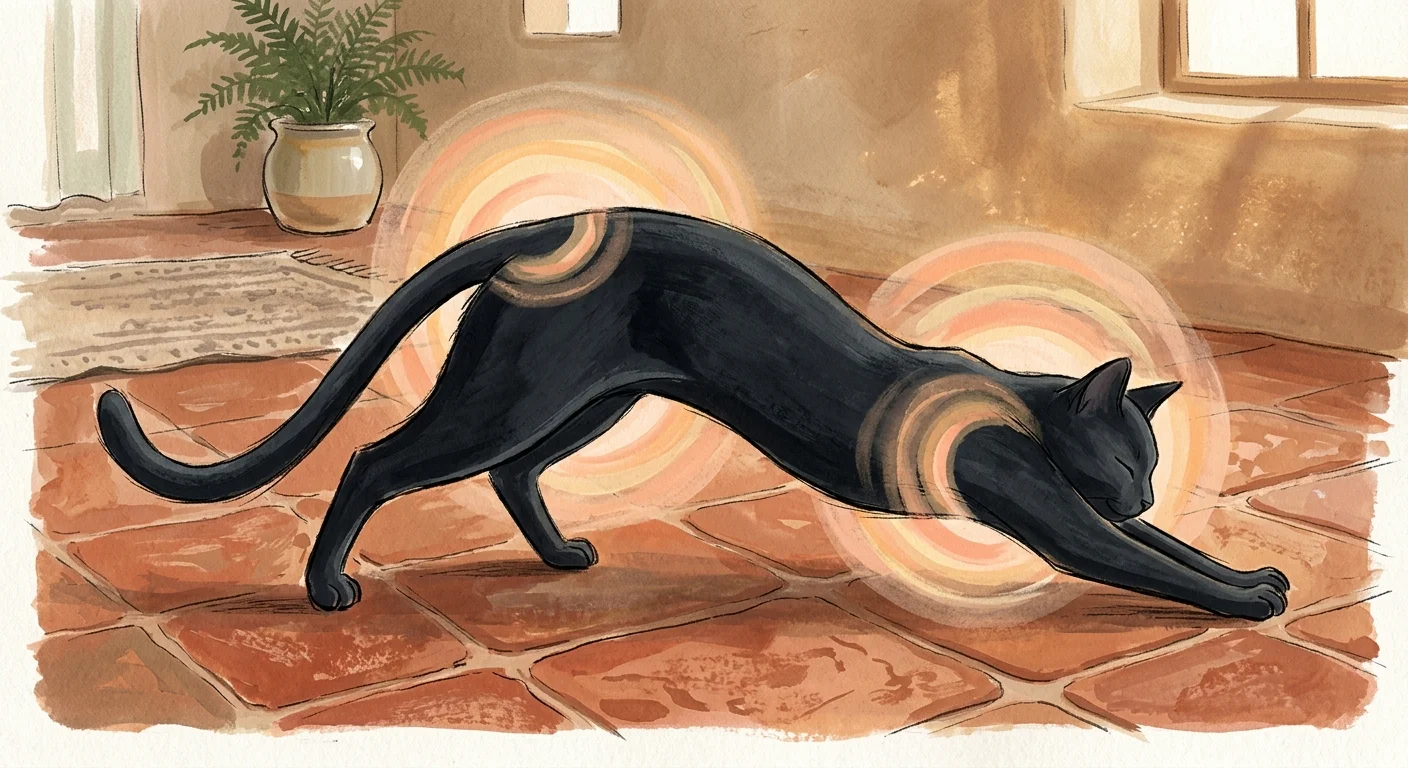
Soft Tissue Repair and Joint Flexibility
The benefits of low-frequency vibrations do not stop at the skeleton. The harmonic frequencies of a purr, which reach up to 150 hertz, play a crucial role in healing soft tissues like muscles, tendons, and ligaments.
When a muscle is strained or a ligament is torn, the body responds with inflammation. While acute inflammation is a normal part of the immune response, prolonged swelling restricts blood flow and delays healing. Vibrational frequencies between 100 and 150 hertz act as a localized mechanical massage. These microscopic movements promote vasodilation, widening the blood vessels to increase the flow of oxygen and nutrients to damaged tissues while flushing out metabolic waste products.
Furthermore, these vibrations help align the collagen fibers as they rebuild torn tendons. Proper alignment prevents the formation of stiff scar tissue, ensuring that a recovering cat maintains its legendary flexibility. Additional research on vibrational therapy in human rehabilitation shows its efficacy in relaxing thickened connective tissue and reducing painful muscle spasms (PMC).
Stress Reduction and the Role of Endorphins
Physical trauma is only half of the healing equation; the other half is neurological. When an animal experiences severe stress or injury, the brain floods the body with cortisol. While cortisol provides an immediate burst of survival energy, chronically high levels suppress the immune system and drastically slow down cellular repair.
Purring acts as a powerful self-soothing mechanism that short-circuits the feline stress response. The rhythmic vibrations stimulate the cat’s nervous system to release endorphins, which are the body’s natural pain relievers. These endorphins bind to the opioid receptors in the brain, dulling the perception of pain and inducing a state of deep relaxation.
This is why you will often see a cat purring continuously in the examination room at the veterinary clinic. They are not expressing joy about getting a vaccine; they are actively working to calm their autonomic nervous system, lower their heart rate, and bring their stress hormones back to a manageable baseline.
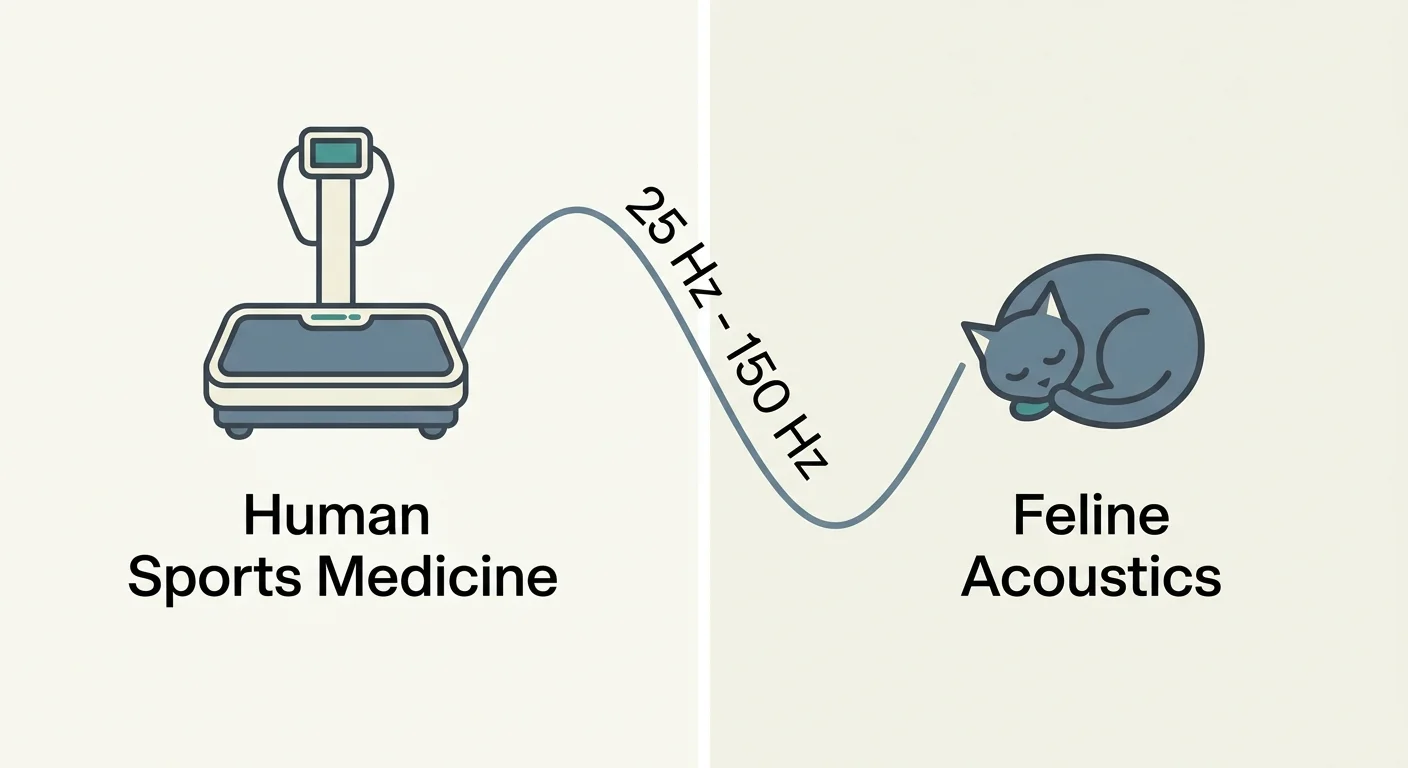
Comparing Feline Frequencies to Human Therapeutics
The overlap between the natural frequency of a cat’s purr and the engineered frequencies of human medical devices is remarkably precise. Below is a comparison detailing how specific hertz ranges are utilized by both felines and human physical therapists to achieve similar physiological outcomes.
| Frequency Range | Feline Biological Application | Human Medical Application (Vibrational Therapy) | Primary Physiological Benefit |
|---|---|---|---|
| 20 — 50 Hertz | Fundamental purr frequency used during rest to maintain skeletal integrity. | Whole-body vibration plates used for osteoporosis management and sports rehab. | Stimulates osteoblasts; improves bone mineral density and fracture healing. |
| 50 — 100 Hertz | Harmonic purr frequencies used for muscle maintenance while sedentary. | Targeted localized vibration for athletic recovery and physical therapy. | Reduces muscle spasms; increases local blood flow; flushes lactic acid. |
| 100 — 150 Hertz | Upper harmonic frequencies observed during acute distress or injury. | High-frequency acoustic therapy for soft tissue injuries and joint pain. | Decreases inflammation; promotes tendon repair; provides topical pain relief. |
Can Your Cat’s Purr Actually Heal You?
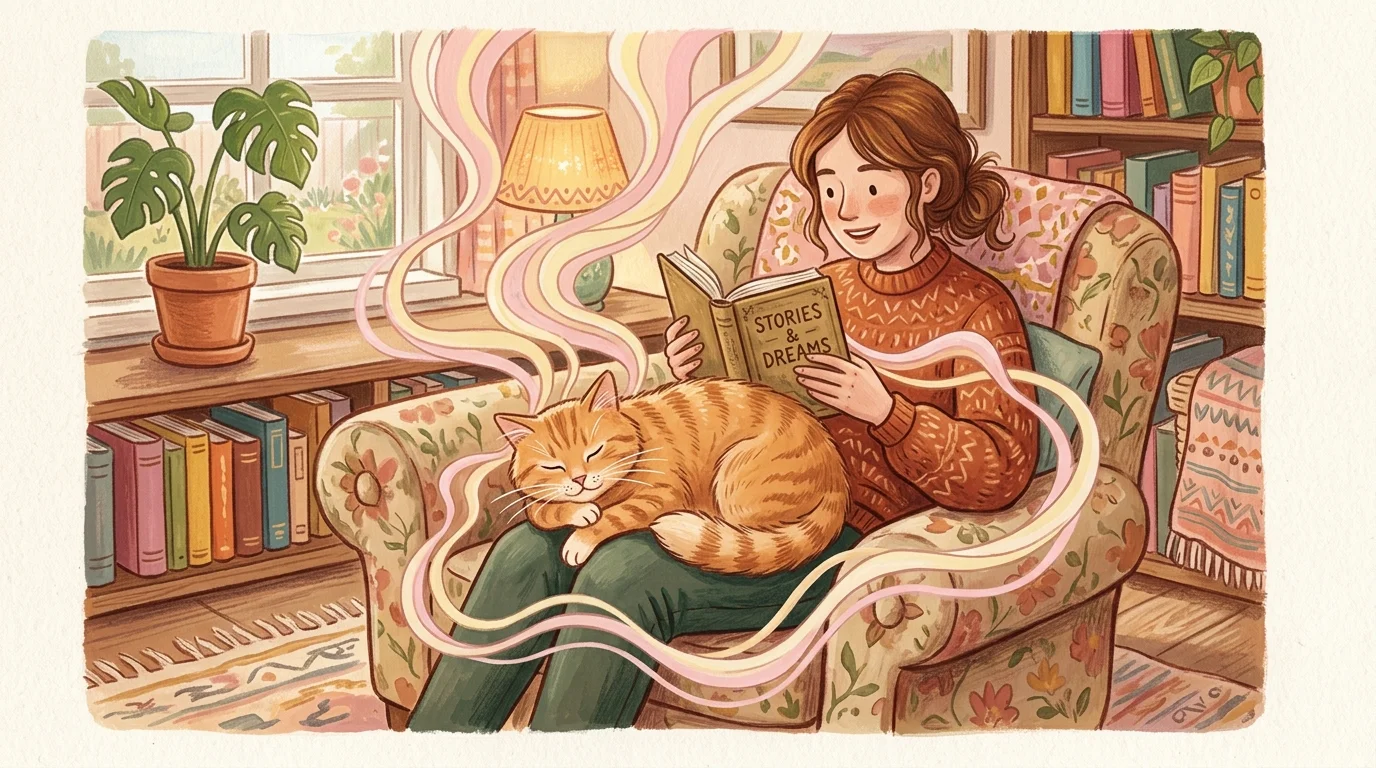
Because feline purrs operate within clinically proven therapeutic ranges, many pet owners naturally wonder if holding a purring cat can heal their own broken bones or torn ligaments. While the concept is appealing, it is important to ground these expectations in physics.
The vibrational output of a ten-pound domestic cat is relatively weak. When a cat sits on your lap, the physical vibrations rarely penetrate deep enough into your musculoskeletal system to actively knit human bone back together or mend a torn rotator cuff. Human vibration therapy requires engineered platforms capable of delivering consistent, high-amplitude mechanical force to achieve structural bone growth.
However, the proximity of a purring cat does offer highly measurable physiological benefits for your cardiovascular and nervous systems. The low-frequency sound of the purr, combined with the tactile sensation of petting a soft animal, triggers the release of oxytocin in the human brain. Oxytocin, often called the “bonding hormone,” directly counteracts cortisol.
As your cortisol levels drop, your blood vessels dilate, leading to a natural decrease in blood pressure and a slower resting heart rate. Studies consistently show that cat owners have a significantly lower risk of dying from cardiovascular disease and stroke compared to people who do not own pets. While your cat may not be actively performing orthopedic surgery on your knee, their purr acts as a powerful, non-pharmacological tool for stress management and cardiovascular protection.

Things to Watch Out For
Understanding that purring is a biological tool rather than just a smile changes how you should interpret your cat’s behavior. Misreading a purr can lead to delayed medical care. Here are a few specific scenarios to watch out for:
- The Pain Purr: If your cat is purring while hiding under the bed, exhibiting a hunched posture, or refusing to eat, they are likely in severe pain. Do not assume the purr means they are comfortable; they are actively trying to self-medicate a trauma or illness.
- The Stress Purr: Cats often purr when introduced to a new environment, a new pet, or during a car ride. This is a coping mechanism. Pushing a stressed cat past its boundaries just because it is purring can lead to sudden aggression or profound anxiety.
- Masking Illness: Because cats use purring to recover and soothe themselves, they are masters of hiding chronic conditions like kidney disease, arthritis, or dental infections. A sudden increase in the frequency or duration of your cat’s purring, especially if they are isolating themselves, requires immediate attention.
- Pseudoscience Claims: Be wary of online products or sound therapies claiming to cure severe human ailments simply by playing audio tracks of cat purrs. While listening to a purr is deeply relaxing, audio alone does not transfer the mechanical vibrations necessary for bone or tissue regeneration.
When DIY Isn’t Enough
While the body’s natural ability to heal through vibration is fascinating, it has strict limitations for both felines and humans. Knowing when to step in with professional medical care is critical for long-term health.
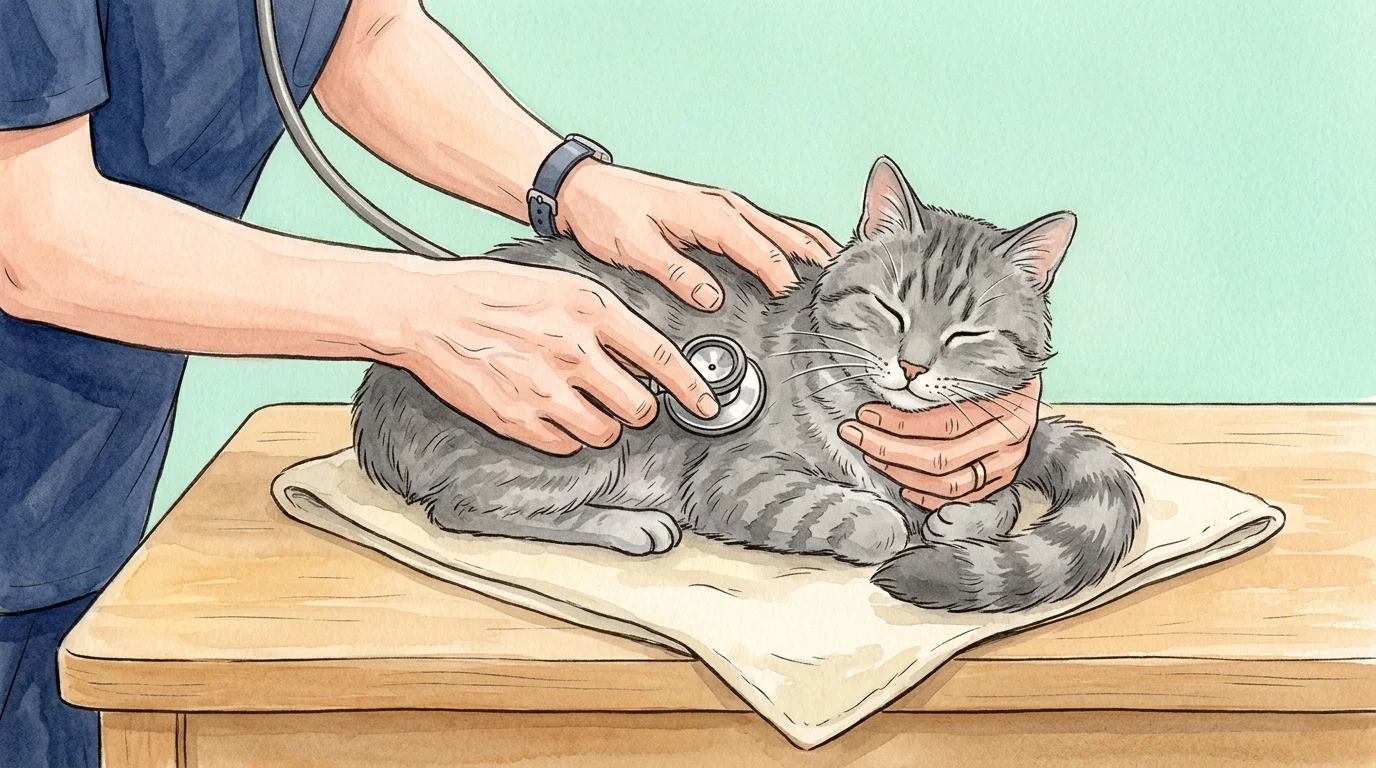
- For Your Cat: If your feline friend sustains a visible injury, begins limping, or stops using the litter box, their internal purr mechanism is not enough to fix the problem. They need professional veterinary diagnostics, which may include X-rays, anti-inflammatory medications, or antibiotics. Never leave a cat to “sleep it off” if they exhibit signs of acute physical distress.
- For Human Bone Health: If you have been diagnosed with osteopenia or osteoporosis, sitting with your cat is not a replacement for a doctor-prescribed treatment plan. You should consult a licensed rheumatologist or physical therapist about weight-bearing exercises, dietary interventions, and FDA-approved medical vibration devices. Other studies validate that targeted low-magnitude vibration acts as a highly specific non-pharmacological intervention, requiring exact clinical protocols (PMC).
- For Human Mental Health: While the emotional support of a purring cat can genuinely alleviate symptoms of mild anxiety or a bad day, it is not a substitute for clinical psychological care. If you are experiencing chronic depression or severe anxiety, reach out to a licensed therapist or psychiatrist for comprehensive support.
Frequently Asked Questions
Do big cats purr to heal themselves?
The ability to purr continuously on both the inhale and exhale is restricted to smaller felines, including domestic cats, bobcats, cheetahs, and pumas. Big cats that roar—like lions, tigers, and leopards—cannot purr due to differences in the anatomy of their hyoid bone. However, the smaller wild cats that do purr utilize the exact same low-frequency ranges for self-repair and bone maintenance.
Can playing an audio recording of a cat purring help me sleep?
Yes, acoustic purr recordings can be an excellent sleep aid. The steady, low-frequency hum acts as a form of brown noise, which helps mask disruptive background sounds and signals the brain to transition into the parasympathetic (rest and digest) nervous system state.
Why does my cat purr when I pet them if they aren’t injured?
Purring is a multi-purpose tool. Just as humans can use deep breathing to calm down during a panic attack or to relax while watching a movie, cats use purring across a spectrum of emotions. When they are safe, warm, and receiving affection, they purr to express contentment and to deepen the social bond with you.
Is a cat’s purr the same frequency as a human baby’s cry?
Not exactly, but cats have developed a specific variation called a “solicitation purr.” When a cat wants food, they embed a high-pitched vocalization within their low-frequency purr. This specific meow-purr combination hits a frequency similar to a human infant’s cry, tapping directly into human nurturing instincts and making it nearly impossible for you to ignore their empty food bowl.
Closing Thoughts
The next time your cat curls up on your chest and begins to rumble like a tiny motor, you can appreciate the complex biological engineering at work. Their purr is a masterpiece of evolutionary survival, providing them with internal physical therapy that keeps their bones dense, their joints flexible, and their minds calm. While they might be using that frequency to self-repair after a long day of napping, the residual stress relief they pass on to you is one of the greatest benefits of sharing your home with a feline.
Embrace the comfort of your cat’s unique vibrations, use the relaxation they offer to your advantage, and remember to always pay close attention to the context of their purring. A well-understood cat is a healthy, happy cat.
The information here is meant for educational purposes. Specific circumstances—including health conditions, finances, location, and goals—may require different approaches. When in doubt, consult a licensed professional or check official sources directly.
Last updated: May 2026. Rules, prices, and details change—verify current information with official sources before acting on it.