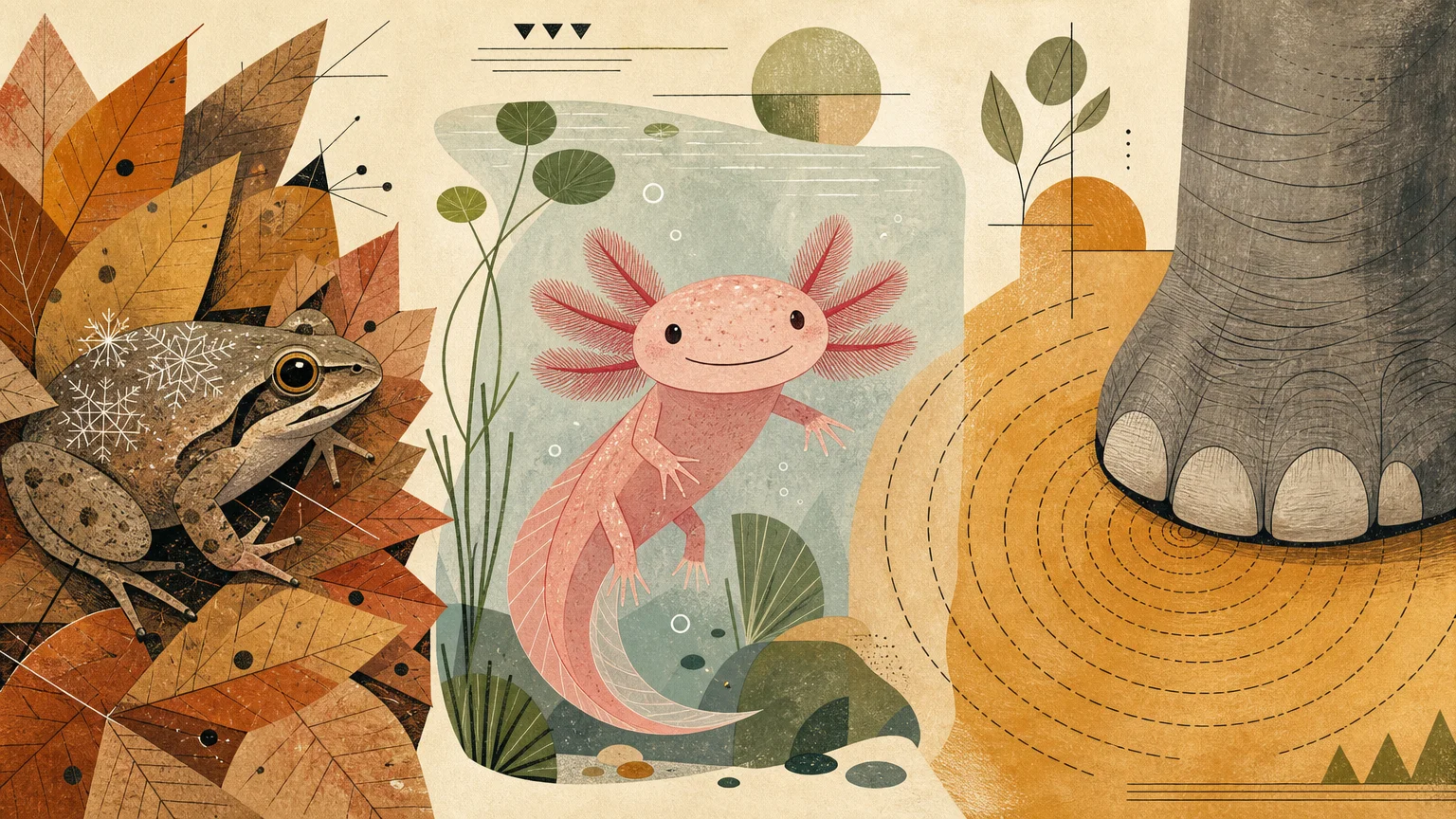
The ocean and freshwater ecosystems hold some of the most specialized wildlife on Earth, featuring biological adaptations that sound more like science fiction than natural history. While standard survival tools involve sharp teeth or basic camouflage, a select group of aquatic animals has evolved specialized abilities to dominate their environments. From crustaceans that weaponize bubbles to strike with the speed of a bullet, to freshwater fish that generate hundreds of volts of electricity, these marine and river dwellers operate on an entirely different level. By examining how these creatures hunt, defend themselves, and even cheat the aging process, you can gain a deeper understanding of evolutionary biology and the complex ecosystems that support such remarkable aquatic life.
1. Mantis Shrimp: The Supersonic Puncher
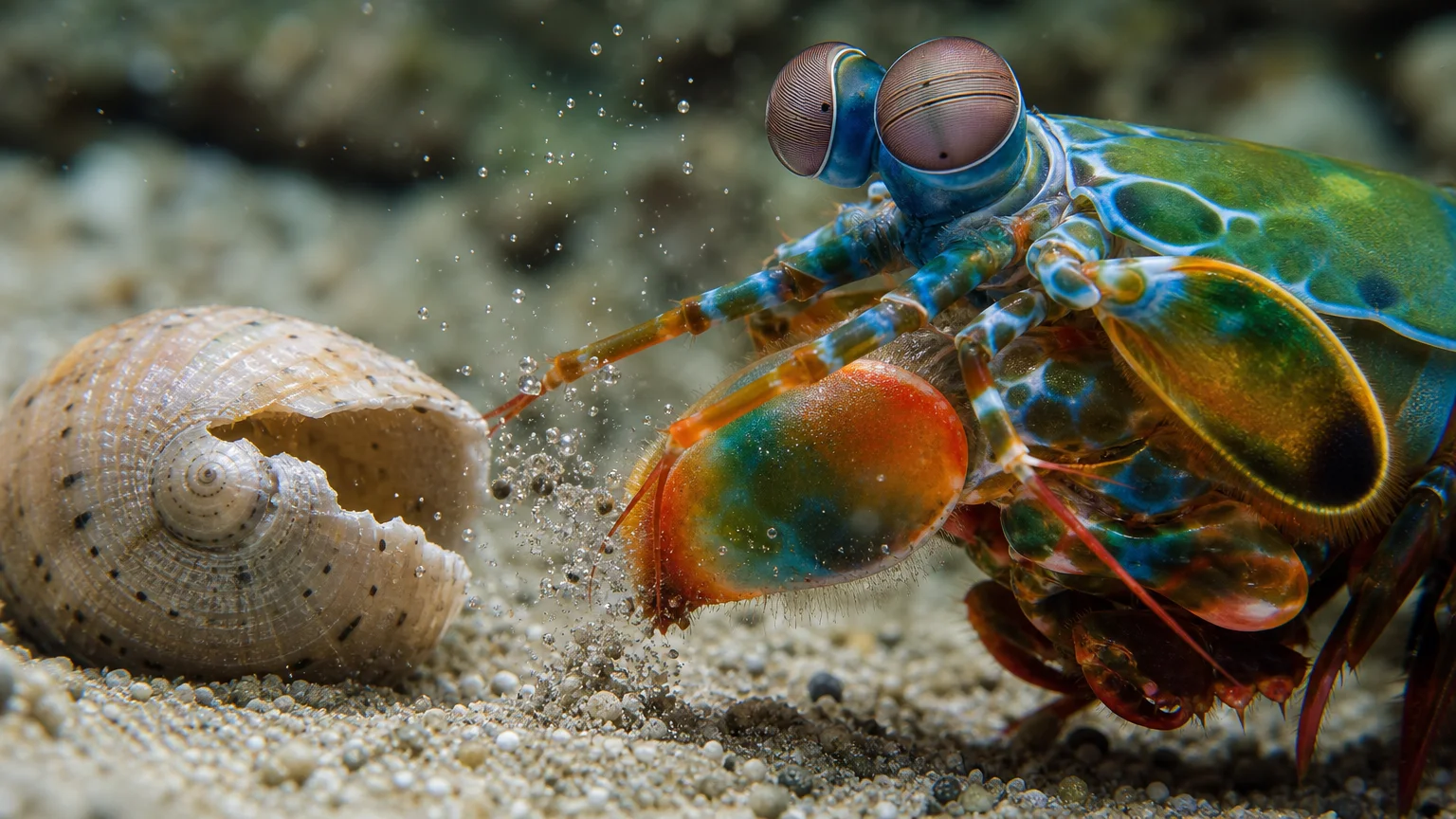
When you think of a powerful strike, a small, colorful crustacean likely does not come to mind. Yet the mantis shrimp possesses one of the fastest and most devastating attacks in the animal kingdom. Found in shallow, tropical marine habitats, this creature uses specialized, club-like appendages to smash open the hard shells of snails, crabs, and clams.
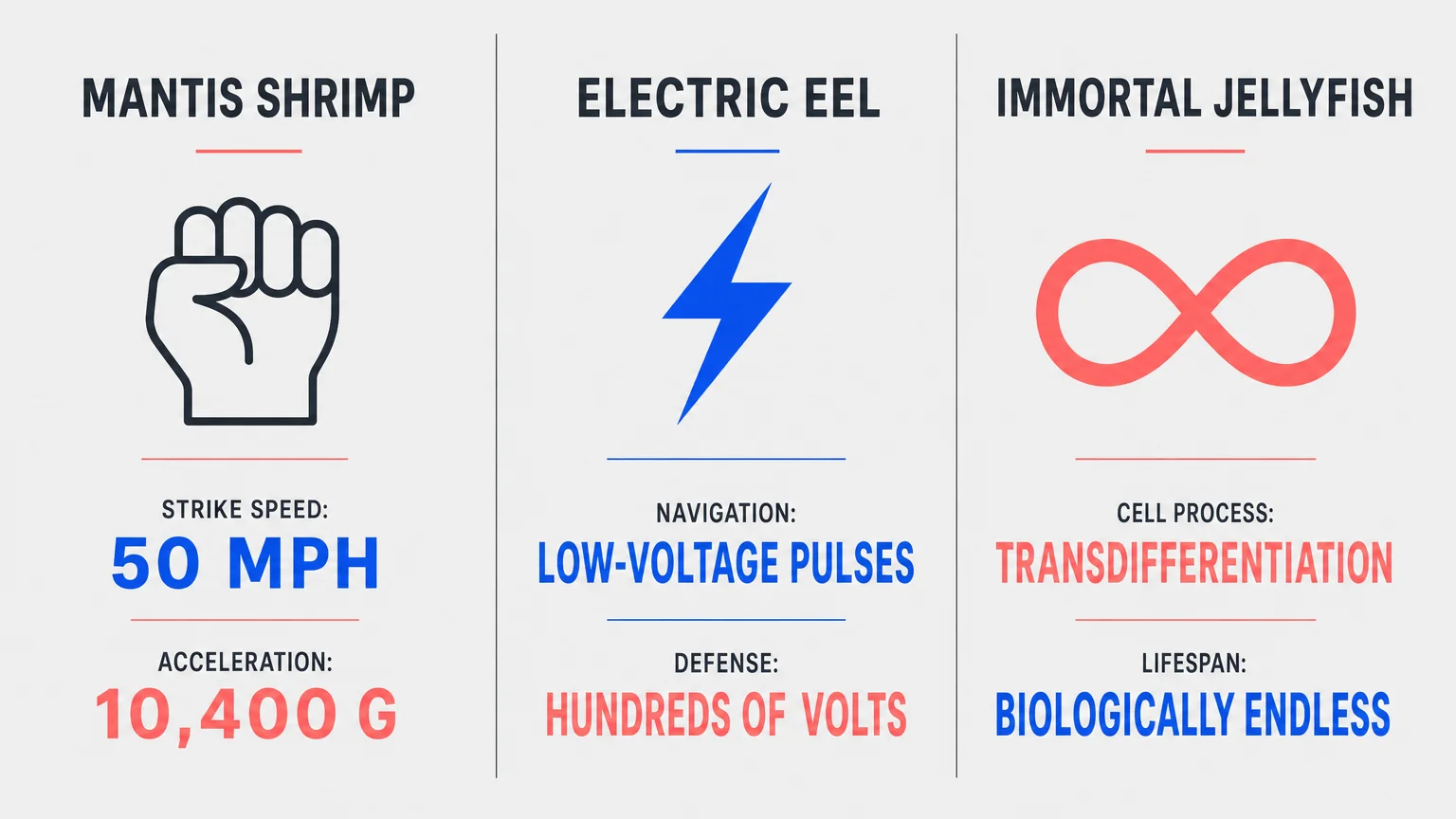
The speed of this strike defies expectations. The mantis shrimp swings its club at roughly 50 miles per hour, accelerating at an astonishing 10,400 Gs. This movement is so rapid that it actually boils the water surrounding the club, creating a phenomenon known as a cavitation bubble. When this vapor bubble collapses a fraction of a millisecond later, it implodes with immense force. The implosion releases a flash of light, extreme heat, and a shockwave powerful enough to stun or kill prey even if the initial physical punch misses the target.
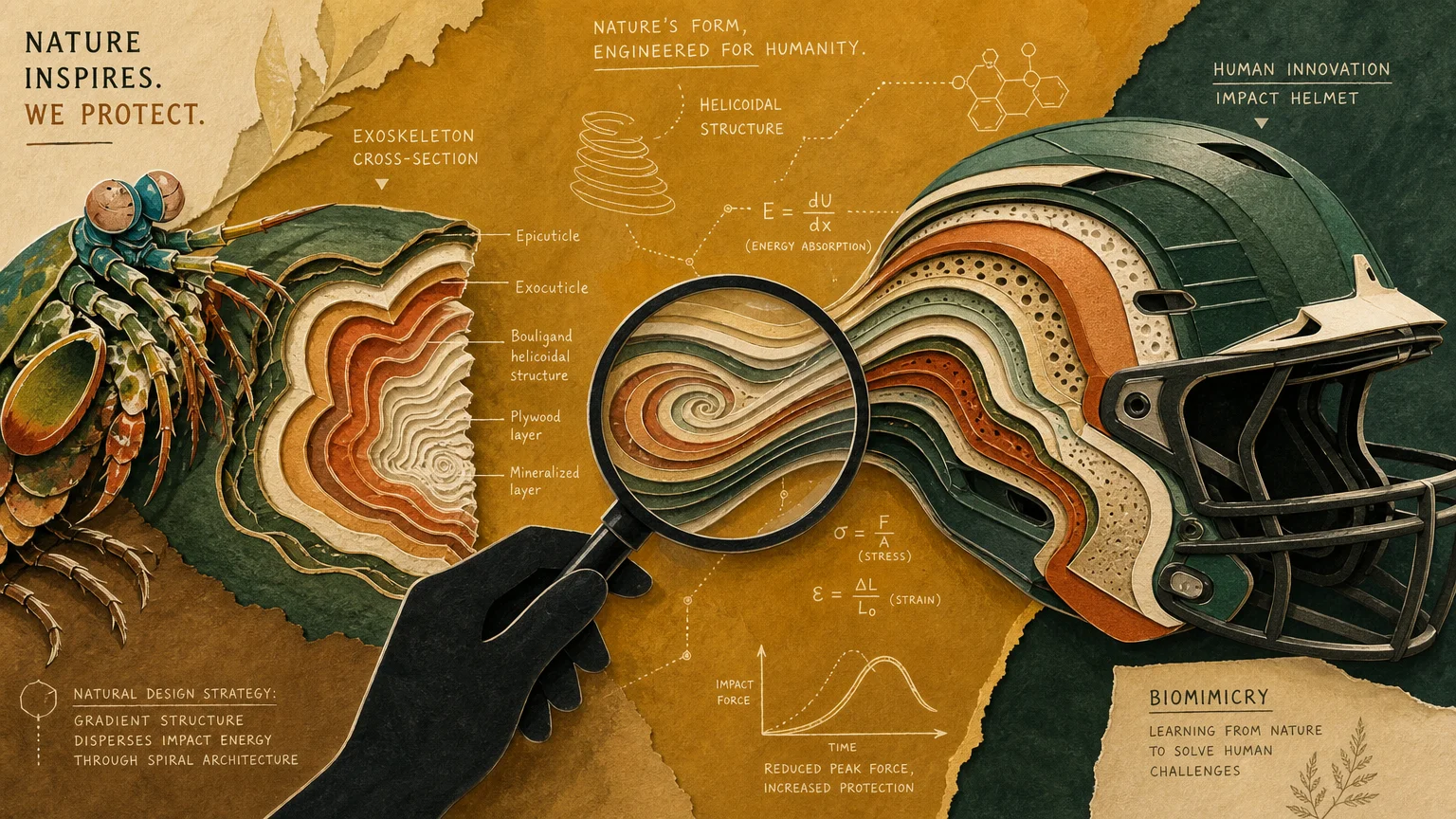
Researchers at Duke University’s Patek Lab have extensively studied this mechanic, discovering that the mantis shrimp survives these extreme forces thanks to a specialized shock-absorbing structure in its exoskeleton. This phononic shield filters out high-frequency stress waves, preventing the creature from shattering its own limbs during a strike.
2. Immortal Jellyfish: Reversing the Aging Process
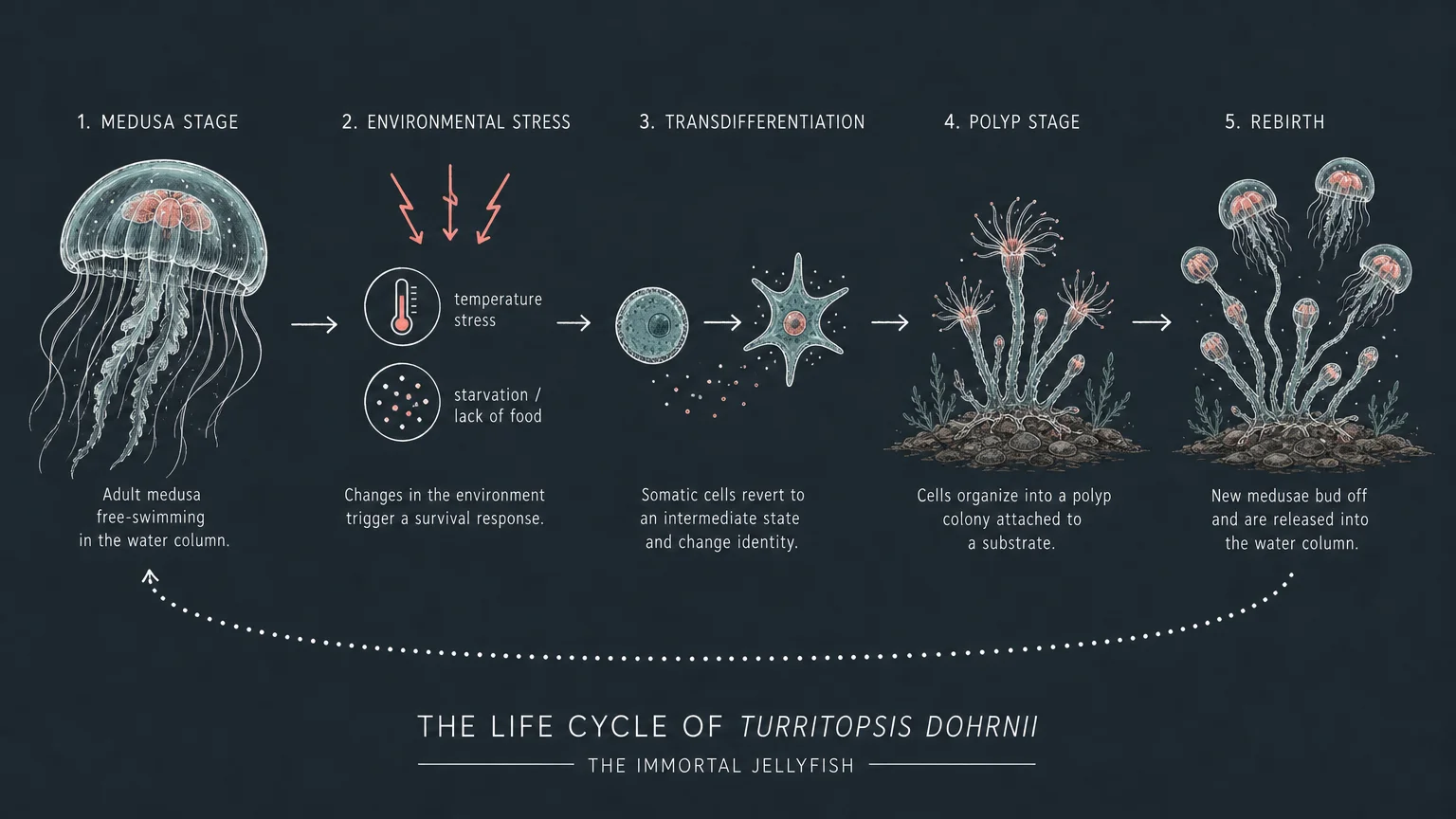
Most animals follow a strict biological timeline: birth, maturity, aging, and death. The immortal jellyfish, known scientifically as Turritopsis dohrnii, treats that timeline as merely a suggestion. Discovered in the Mediterranean Sea and now found in oceans worldwide, this tiny, bell-shaped creature possesses the unprecedented ability to reverse its aging process.
When an adult immortal jellyfish experiences physical damage, starvation, or severe environmental stress, it essentially hits a biological reset button. The jellyfish absorbs its own tentacles and settles onto the ocean floor as a blob of tissue. From there, it transforms back into its juvenile polyp stage. This process relies on a rare cellular mechanism called transdifferentiation, where a specialized adult cell transforms directly into an entirely different type of cell.
According to research published in the Proceedings of the National Academy of Sciences, the jellyfish alters its genetic expression to rebuild its body from scratch. The new polyp colony eventually buds off dozens of genetically identical medusae, allowing the organism to bypass natural death. While predators and disease still pose practical threats in the wild, the biological potential for endless life makes this jellyfish a major subject in longevity research.
3. Electric Eel: A Living Battery
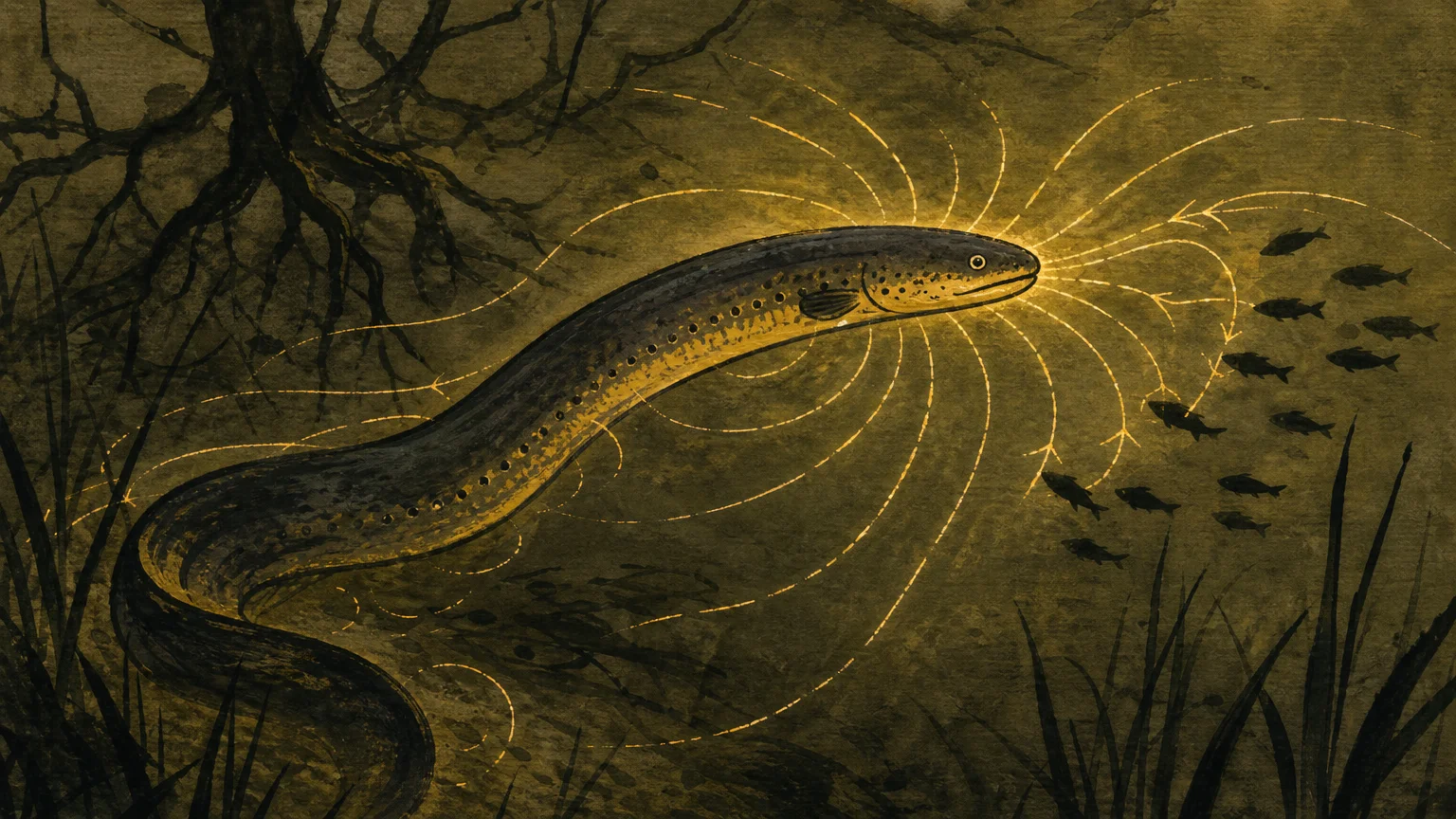
Despite its name, the electric eel is actually a type of knifefish native to the muddy rivers of the Amazon Basin. Navigating in murky, low-visibility water requires specialized adaptations, and this fish uses low-voltage electrical pulses to scan its surroundings like radar. However, its true remarkable ability lies in its high-voltage offensive and defensive capabilities.
Until recently, scientists believed there was only one species of electric eel. A 2019 study highlighted by the Smithsonian revealed the existence of three distinct species, including Electrophorus voltai. This newly discovered species holds the record as the strongest bioelectric generator on the planet, capable of discharging up to 860 volts.
The eel generates this electricity using specialized organs that make up roughly 80 percent of its body. These organs contain thousands of disc-shaped cells called electrocytes, which stack together much like the components of a battery. When the eel detects a threat or spots a meal, its nervous system triggers these cells simultaneously. The resulting shock easily paralyzes fish and can deter large predators in an instant.
4. Axolotl: The Master of Regeneration
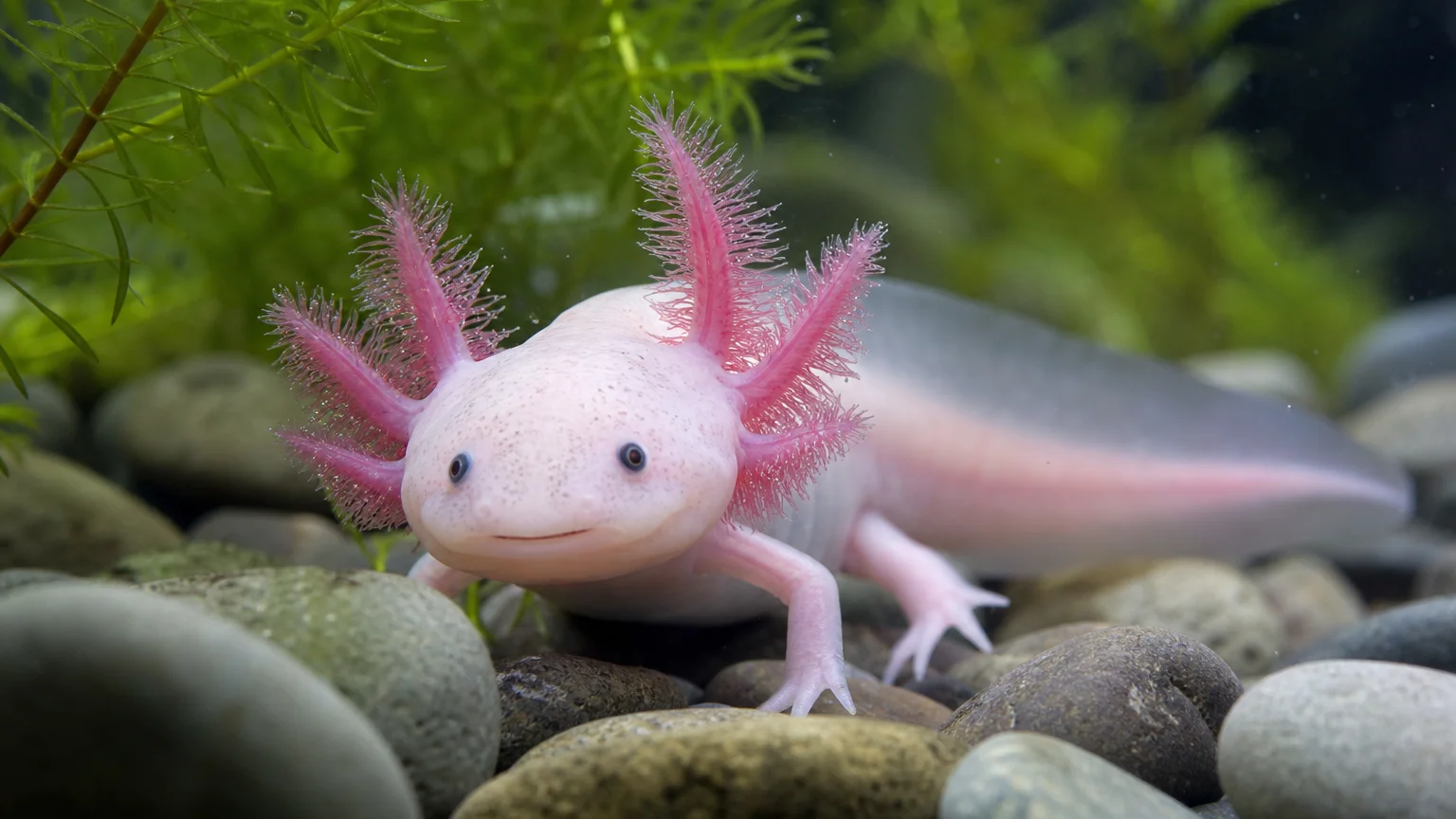
The axolotl is an aquatic salamander native to the ancient lake complex of Xochimilco, near Mexico City. Unlike other amphibians that undergo metamorphosis to walk on land, the axolotl is neotenic—it retains its feathery external gills and aquatic lifestyle into adulthood. While its permanent smile makes it a popular pet, its unparalleled ability to regenerate sets it apart in the scientific community.
Many animals can regrow a lost tail or heal minor wounds, but the axolotl takes tissue repair to an extreme. If it loses a limb, it does not form scar tissue. Instead, cells at the site of the injury revert to a stem-cell-like state, forming a mass called a blastema. Over the course of a few weeks, the blastema rebuilds the missing limb flawlessly, reconstructing bone, muscle, nerves, and skin.
This regenerative superpower extends far beyond limbs. An axolotl can perfectly repair a crushed spinal cord, regrow severed portions of its brain, and regenerate up to half of its heart tissue without any loss of function. By studying the specific genetic markers that trigger this healing process, medical researchers hope to unlock new treatments for human tissue repair and organ recovery.
5. Mimic Octopus: The Ultimate Shapeshifter
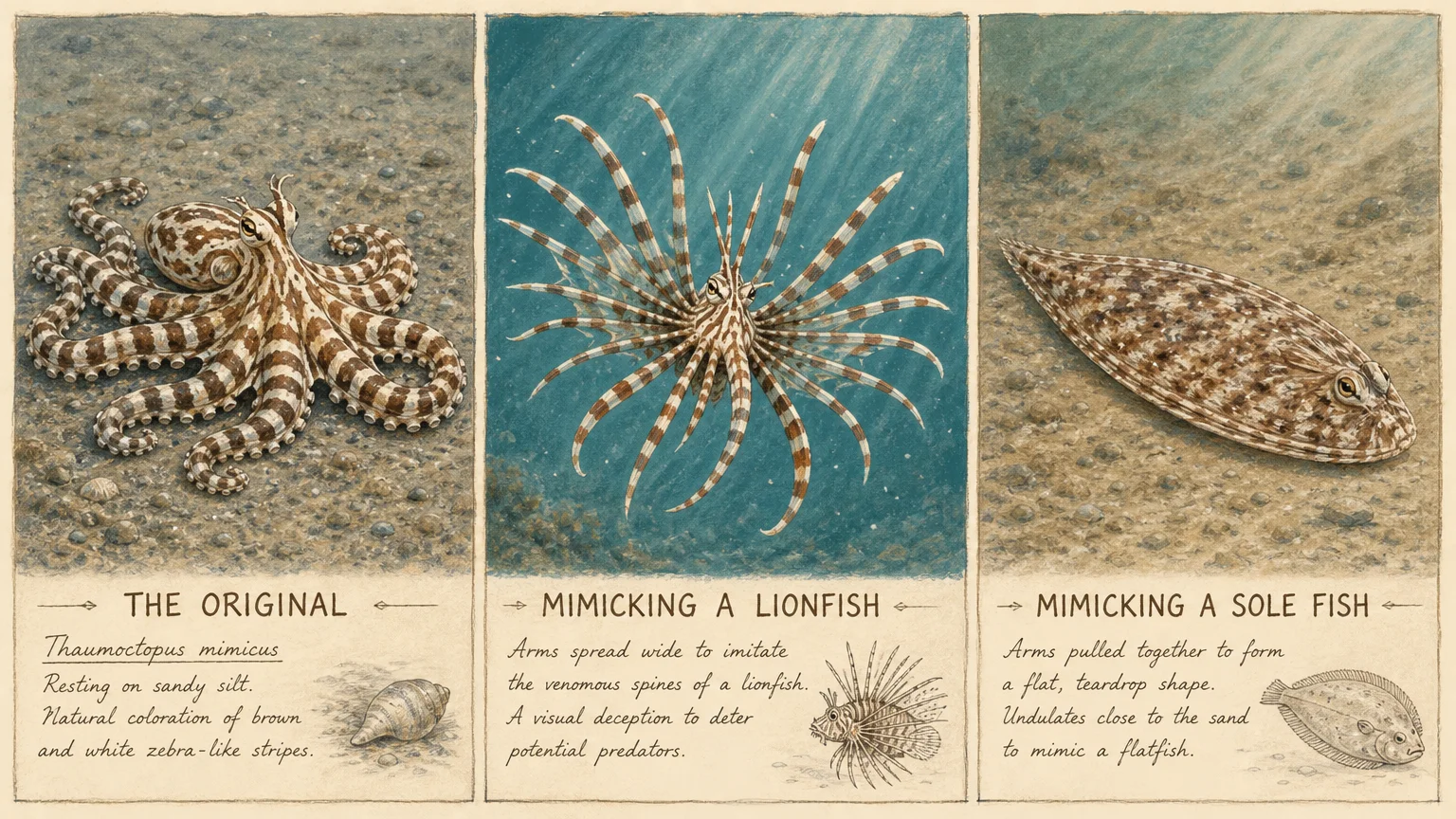
Most cephalopods rely on camouflage to avoid predators, blending into coral reefs or sandy ocean floors. The mimic octopus, Thaumoctopus mimicus, takes an entirely different approach. Discovered in 1998 off the coast of Indonesia, this estuary-dwelling octopus actively impersonates highly toxic marine animals to safely navigate open waters.
Dynamic mimicry requires more than just changing color; it requires complex behavioral acting. When the octopus spots a threat, it assesses the situation and instantly morphs into an animal that the specific predator naturally fears. Its repertoire includes at least 15 different toxic species.
- Banded Sea Snake: The octopus buries six of its arms in the sand, leaving two arms trailing outward. It changes its skin to feature stark black and white bands, undulating its arms to mimic the swimming pattern of a venomous snake.
- Lionfish: By hovering mid-water, spreading its arms wide, and letting them trail like venomous spines, the octopus perfectly captures the silhouette of a dangerous lionfish.
- Flatfish: When traveling across the ocean floor, the octopus pulls its arms tightly together, flattens its body, and undulates smoothly over the sand, resembling a poisonous sole.
6. Archerfish: The Ballistic Marksman
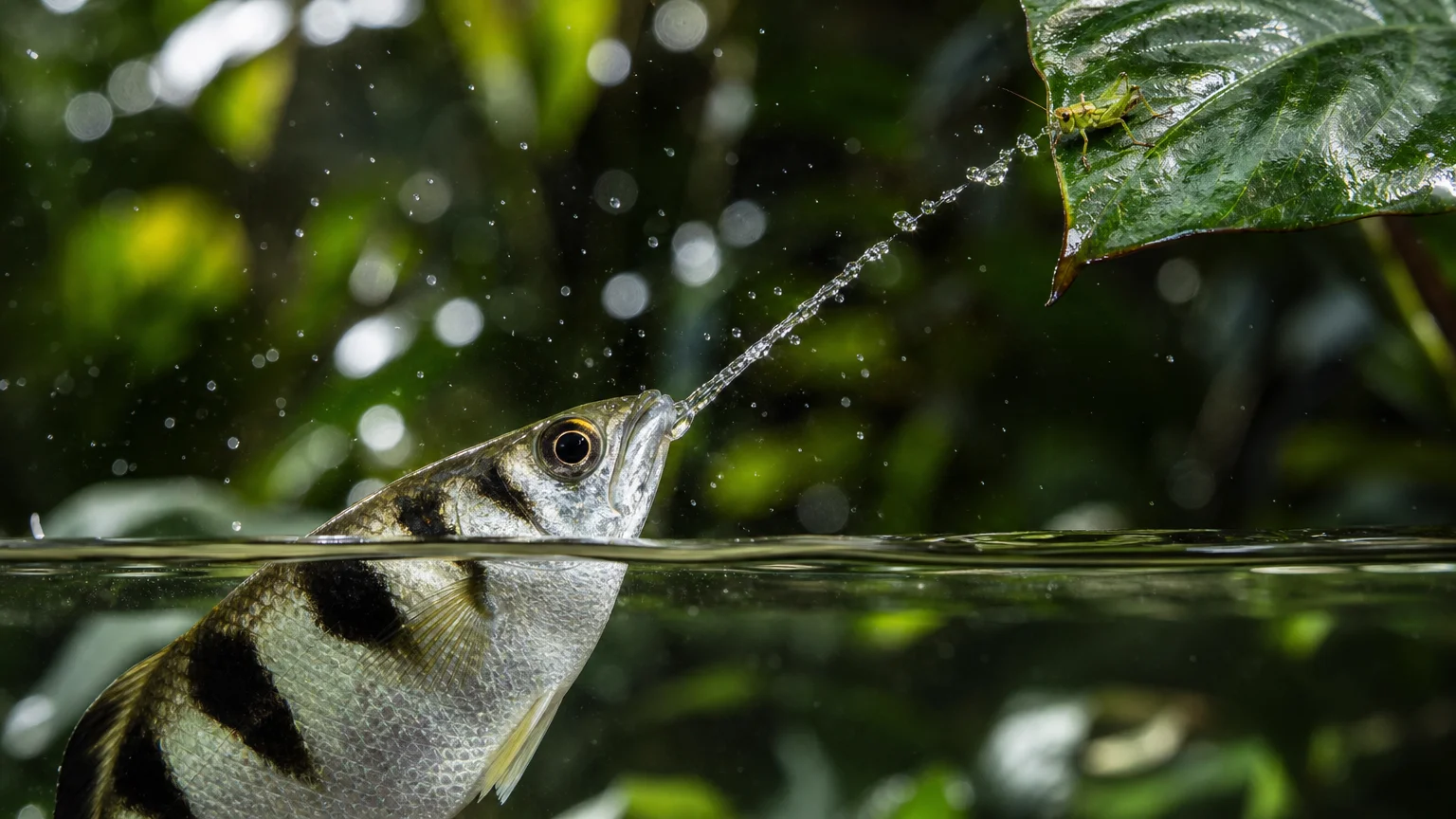
Hunting above the waterline poses a significant challenge for a fish. The archerfish solves this problem by turning its mouth into a high-precision water gun. Found in the mangrove swamps and estuaries of Southeast Asia and Northern Australia, this fish patrols the surface looking for insects resting on overhanging leaves and branches.
When it spots a target, the archerfish presses its tongue against a specialized groove in the roof of its mouth. By sharply compressing its gill covers, it fires a highly targeted jet of water up to ten feet into the air. The sheer force of the jet knocks the insect into the water, where the fish quickly consumes it.
The truly remarkable aspect of this ability involves advanced physics and motor adaptation. When looking through water into the air, light bends—a phenomenon known as refraction. This optical illusion makes the insect appear to be in a different location than it actually is. The archerfish naturally calculates the angle of refraction and adjusts its aim. Furthermore, it modulates the speed of the water jet as it fires, ensuring the back of the water stream catches up to the front just before impact, creating a single, devastating impact globule.
7. Cuttlefish: The Optical Illusionist
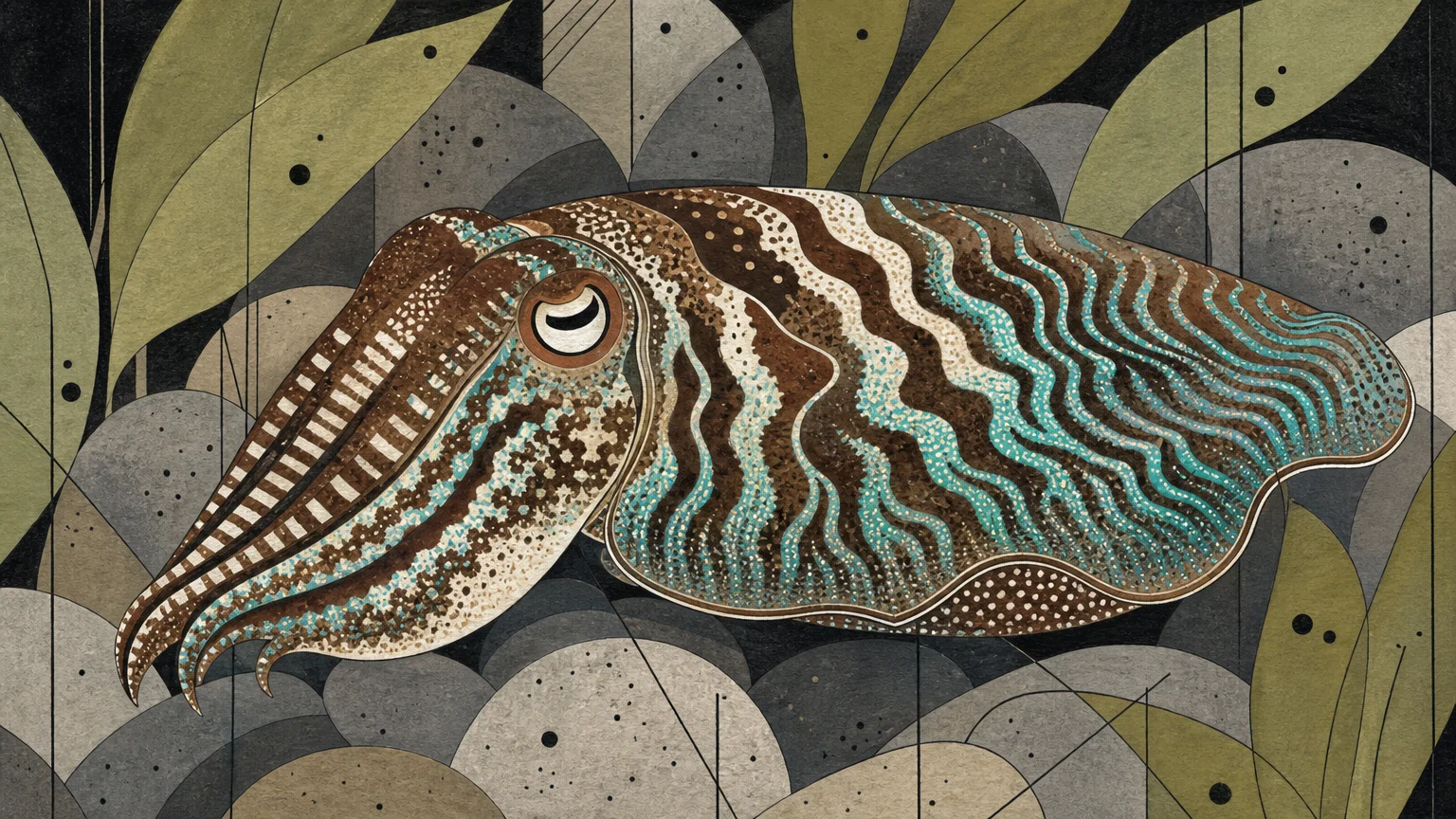
Cuttlefish share a lineage with octopuses and squid, and they are arguably the most advanced shape-shifters in the ocean. Lacking a hard exterior shell, cuttlefish rely on an incredibly sophisticated skin structure to survive in shallow coastal waters.
Their skin contains up to ten million specialized pigment cells called chromatophores. These sacs of pigment are attached to tiny muscles controlled directly by the brain. When the cuttlefish wants to disappear against a background of kelp or gravel, it expands and contracts these cells in milliseconds. Beneath the chromatophores sit iridophores, which reflect light to create iridescent greens and blues, and leucophores, which provide a white background layer to enhance the contrast.
Beyond color, cuttlefish can alter their physical texture. They push fluid into muscular structures called papillae, causing their smooth skin to suddenly sprout spikes and ridges that perfectly mimic the texture of coral or seaweed. Interestingly, cuttlefish are entirely colorblind. They rely on distinctive W-shaped pupils that allow them to perceive the polarization of light, giving them an advanced, high-contrast view of the ocean that humans cannot see without specialized equipment.
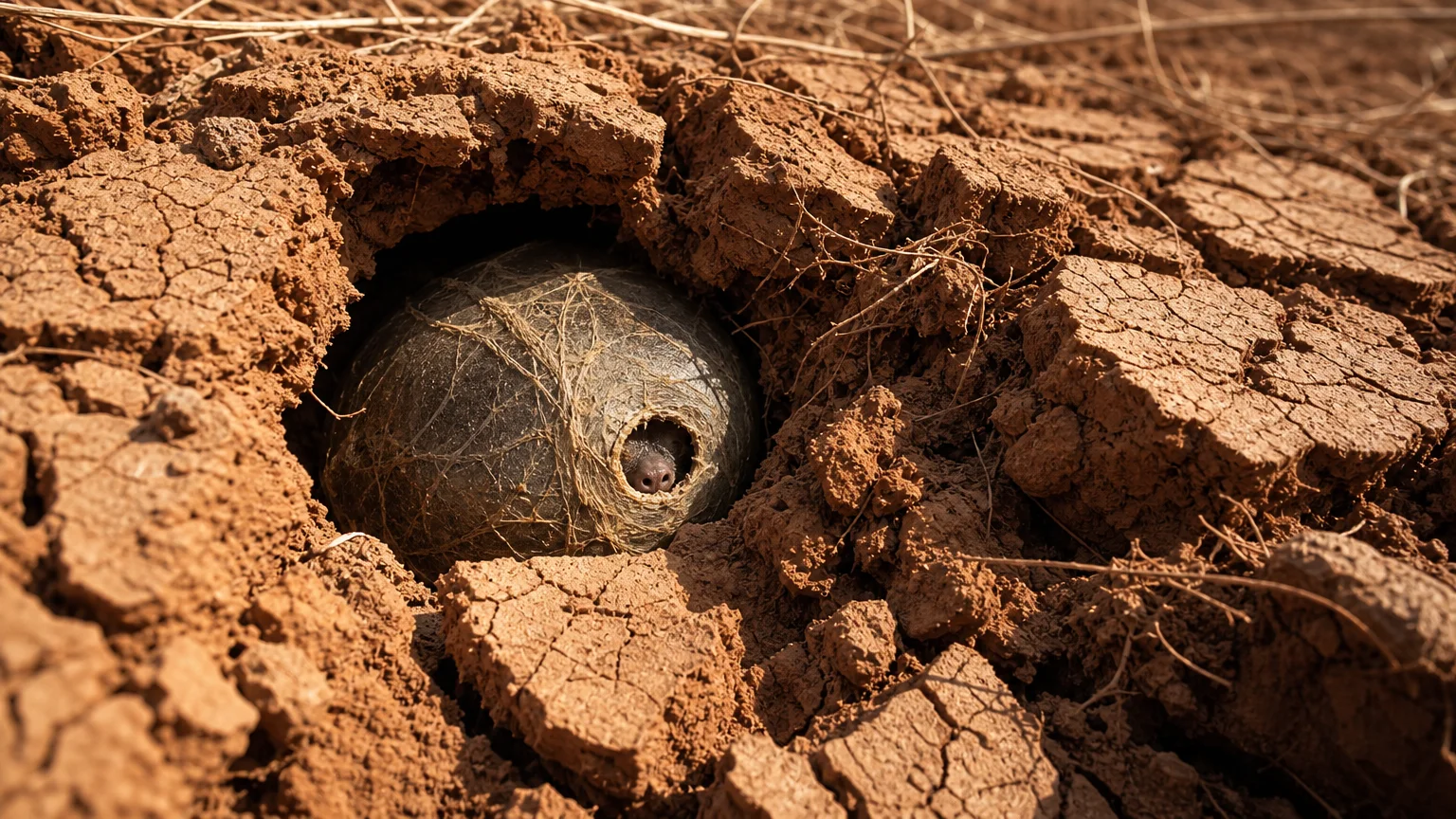
8. West African Lungfish: Surviving Years Without Water
Water is the fundamental requirement for aquatic life, but the West African lungfish has evolved a workaround for when the water simply disappears. Living in freshwater swamps and floodplains that regularly dry up during severe dry seasons, this fish uses a survival strategy known as aestivation to outlast the drought.
As the water levels recede and the mud begins to bake in the sun, the lungfish burrows deep into the sediment. Once entrenched, it secretes a specialized mucus over its entire body. As the mud dries, this mucus hardens into a papery cocoon that traps moisture against the fish’s skin, leaving only a tiny breathing tube exposed to the air.
Inside this protective casing, the lungfish drops its metabolic rate to just a fraction of its normal resting state. It digests its own muscle tissue for sustenance, entering a state of suspended animation. The lungfish can survive in this dried, encased state for up to three to five years, waiting patiently for the rains to return and dissolve its muddy prison.
Comparing Aquatic Super-Abilities
To better understand how these remarkable adaptations fit into the natural world, here is a quick overview of each animal, where it lives, and the specific metric that defines its ability.
| Animal | Primary Habitat | Remarkable Ability | Key Metric |
|---|---|---|---|
| Mantis Shrimp | Shallow tropical reefs | Supersonic punch | Strikes at 50 mph |
| Immortal Jellyfish | Oceans worldwide | Transdifferentiation | Reverts life cycle repeatedly |
| Electric Eel | Amazon Basin rivers | Electrogenesis | Discharges up to 860 volts |
| Axolotl | Lake Xochimilco, Mexico | Advanced regeneration | Regrows spinal cord and heart |
| Mimic Octopus | Indo-Pacific estuaries | Dynamic mimicry | Impersonates 15+ species |
| Archerfish | Mangroves and estuaries | Ballistic water spitting | Adjusts for light refraction |
| Cuttlefish | Shallow coastal waters | Instant camouflage | Manipulates millions of skin cells |
| West African Lungfish | Freshwater swamps | Suspended animation | Survives 3–5 years without water |
Context: Why Studying Extreme Adaptation Matters
Observing the remarkable traits of aquatic life offers much more than a collection of impressive trivia facts. Understanding how these animals navigate extreme environments directly influences modern science and engineering through a practice called biomimicry. When researchers encounter a complex human problem, they often look to the ocean for pre-existing solutions.
For example, the structural integrity of the mantis shrimp’s club is actively informing the development of lighter, stronger body armor and impact-resistant vehicle panels. The visual system of the cuttlefish provides blueprints for advanced drone cameras and polarization sensors. Meanwhile, mapping the genome of the axolotl and the immortal jellyfish provides critical insights into cellular aging, tissue regeneration, and wound healing. By protecting these species and their habitats, you are also protecting a living library of evolutionary innovation.
Things to Watch Out For When Encountering Marine Wildlife
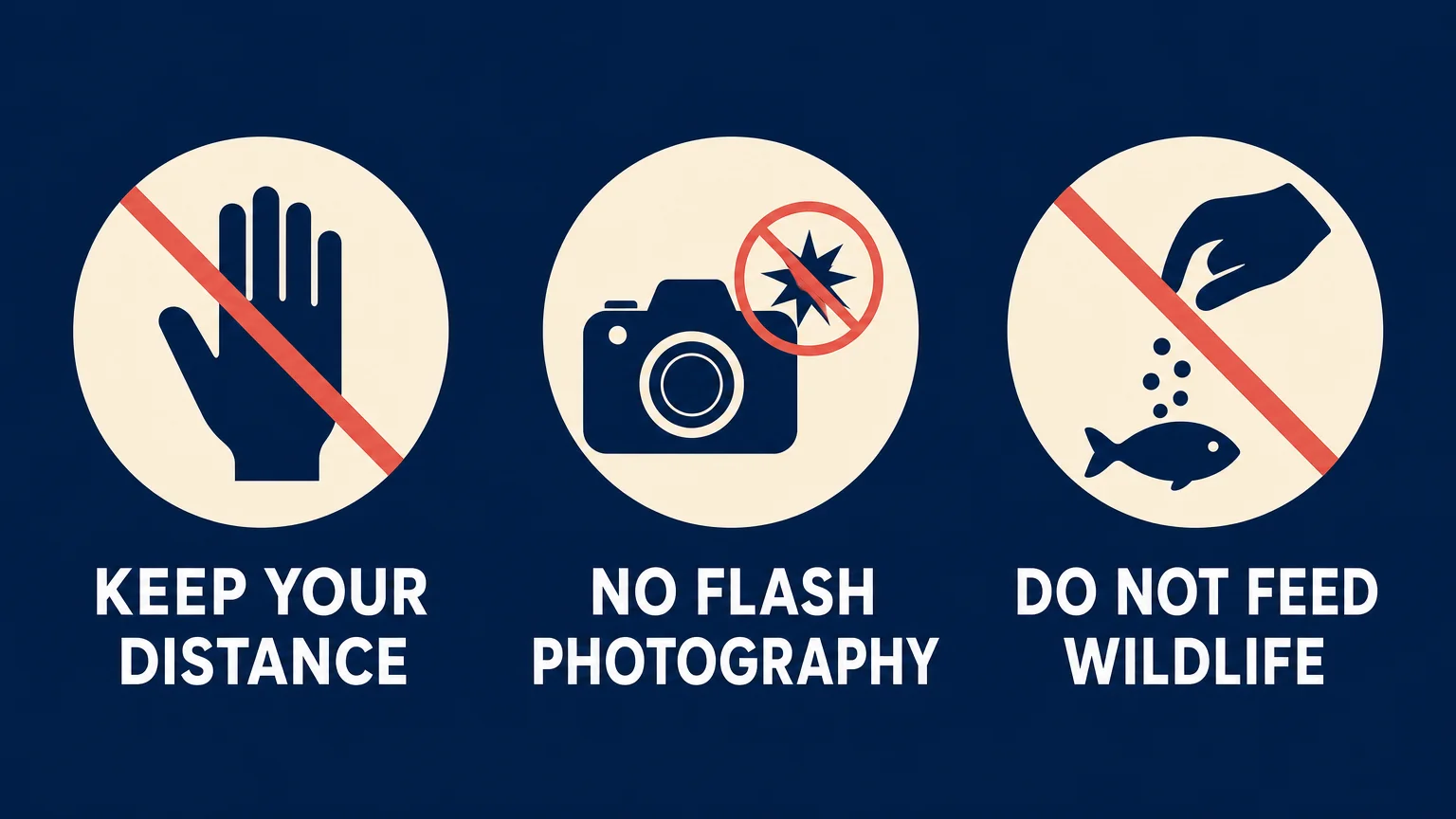
If you enjoy snorkeling, diving, or exploring tide pools, you may eventually cross paths with animals that possess highly specialized defenses. To keep yourself and the wildlife safe, keep these specific scenarios in mind:
- Handling Tide Pool Creatures: Delicate marine animals, including small octopuses and crustaceans, are highly sensitive to the oils, sunscreens, and lotions on human skin. Touching them can damage their protective slime coats and expose them to infection. Always observe without touching.
- Misidentifying Toxic Species: Many animals use bright colors and bold patterns as a warning. If you see a brightly striped fish, a vivid octopus, or an unusually patterned sea slug, maintain a respectful distance. You do not want to test an animal’s venomous defense mechanisms firsthand.
- Forcing Behavioral Displays: It can be tempting to wave a hand near a camouflaged cuttlefish to watch it change color, or to disturb a sleeping fish. However, forcing an animal into a defensive posture induces extreme stress and wastes the vital energy it needs to hunt and survive. Let the wildlife act on its own terms.
Frequently Asked Questions
Are mantis shrimp dangerous to humans?
While they are relatively small, mantis shrimp can deliver a painful strike if handled improperly. Fishermen often refer to them as “thumb splitters” because their powerful punch can easily break the skin or fracture small bones in human fingers. They should never be handled without thick protective gear.
Can the immortal jellyfish actually live forever?
Biologically, Turritopsis dohrnii possesses the cellular mechanism to reset its life cycle indefinitely. However, immortality at a cellular level does not grant invincibility. In the wild, they are highly vulnerable to predators, disease, and environmental hazards, meaning very few actually survive indefinitely.
Why are axolotls endangered if they can regenerate?
An axolotl’s incredible regenerative abilities cannot protect it from habitat loss, severe water pollution, and the introduction of predatory invasive species. Their natural habitat in the canals of Xochimilco has drastically shrunk, making them critically endangered in the wild, even though they thrive in laboratory and captive environments.
Studying the specialized traits of aquatic animals transforms the way you view the natural world. Whether an organism relies on a high-speed strike, flawless mimicry, or the ability to rebuild its own heart, these evolutionary marvels demonstrate just how adaptable life can be. Taking the time to learn about these creatures builds a deeper respect for the fragile ecosystems they call home.
This article provides general information only. Every reader’s situation is different—what works for others may not be the right fit for you. For personalized guidance on health, legal, or financial matters, consult a qualified professional.
Last updated: June 2026. Rules, prices, and details change—verify current information with official sources before acting on it.