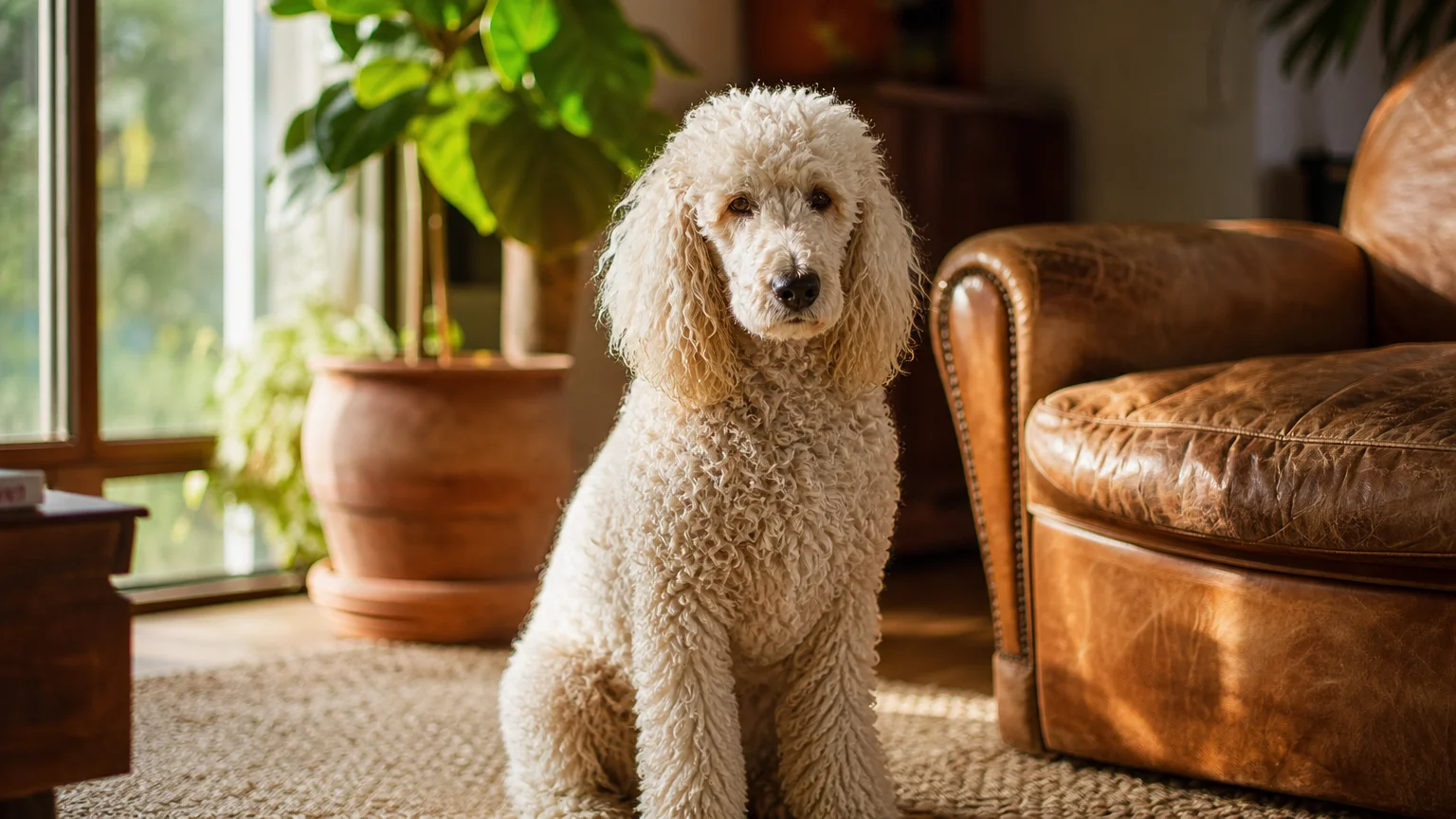
Selecting a naturally curly-coated dog means welcoming a brilliant, low-shedding companion into your home—and committing to a strict grooming schedule. While tightly coiled coats trap dander rather than scattering it across your furniture, making these breeds a frequent choice for allergy sufferers, you still need to be prepared for the realities of coat maintenance.
The canine world features a diverse lineup of curly haired dog breeds ranging from hardworking retrievers to cheerful lap dogs, all linked by shared genetics. Beyond the famous Poodle, many popular dog breeds sport these beautiful ringlets. Understanding the distinct temperaments, energy levels, and daily needs of these cute dog breeds helps you find the right match for your family.
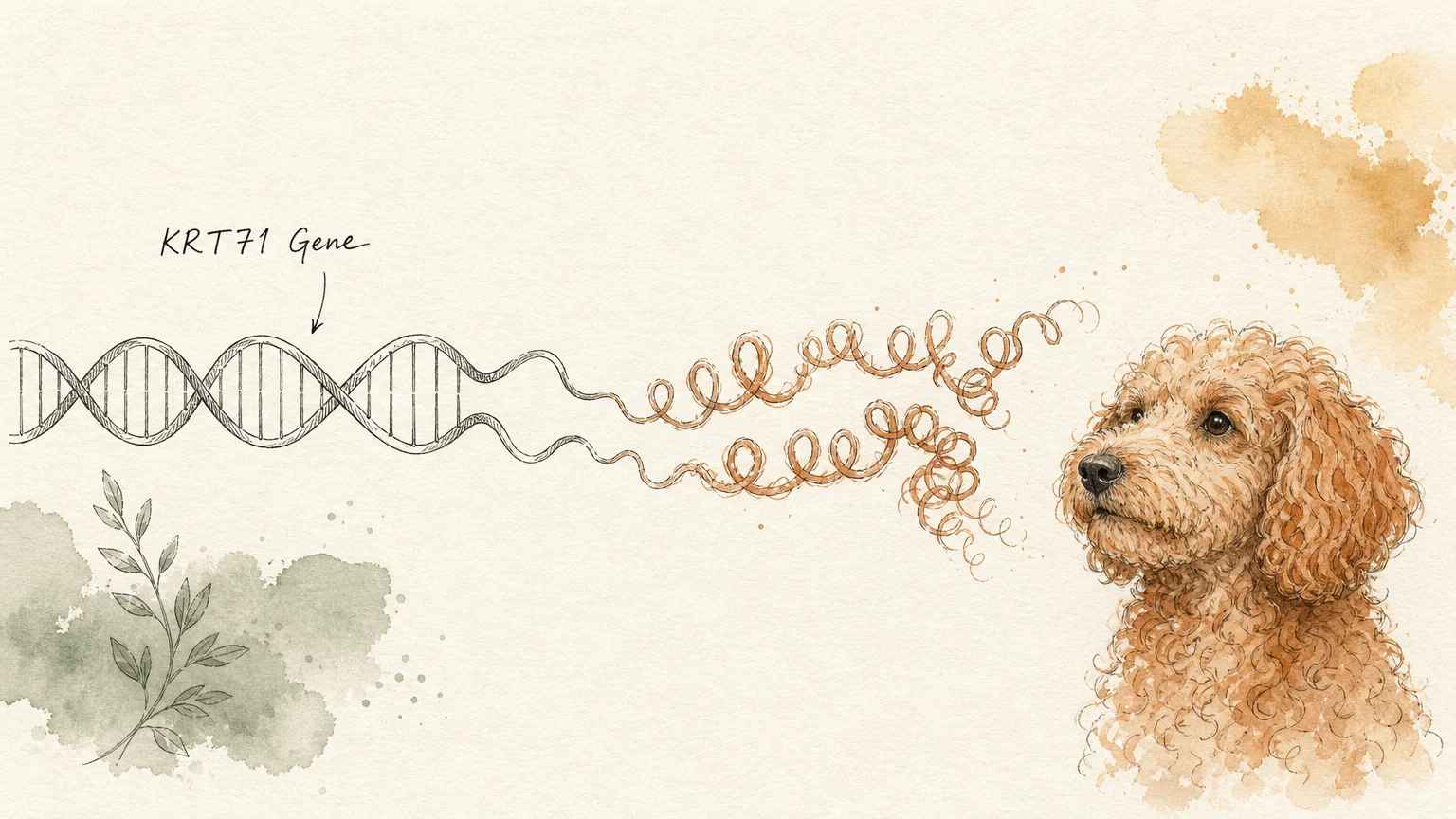
The Genetics Behind the Curls
You might wonder why a Poodle and a water retriever share such similar coat textures despite having vastly different body types and historical purposes. Based on research published by the National Institutes of Health, the distinct curly coat seen in many modern dogs stems directly from a specific mutation in the KRT71 gene. This genetic variant alters the structural development of the hair follicle, causing the hair shaft to grow in a tightly coiled pattern rather than a straight line.
Because this trait is dominant, dogs only need to inherit the curly gene from one parent to exhibit a wavy or curly coat. This explains why crosses between straight-haired and curly-haired dogs often produce litters with unpredictable coat textures. However, in purebred lines where the KRT71 variant is fixed, you can dependably predict the density and shape of the curls.