While you probably see Golden Retrievers and French Bulldogs daily, some of the world’s most historically significant dog breeds are quietly slipping away. From British hounds that tracked game for royalty to rugged American sled dogs, several canine lineages face the very real threat of extinction. Changing lifestyles, the decline of specialized working roles, and shifting pet trends have pushed these unique dogs to the brink. Today, breeds like the Otterhound and the Chinook have global populations smaller than those of wild Giant Pandas,. Preserving these animals means saving living pieces of our shared history. Before choosing your next family companion, look closely at the rarest breeds that desperately need dedicated owners to survive.
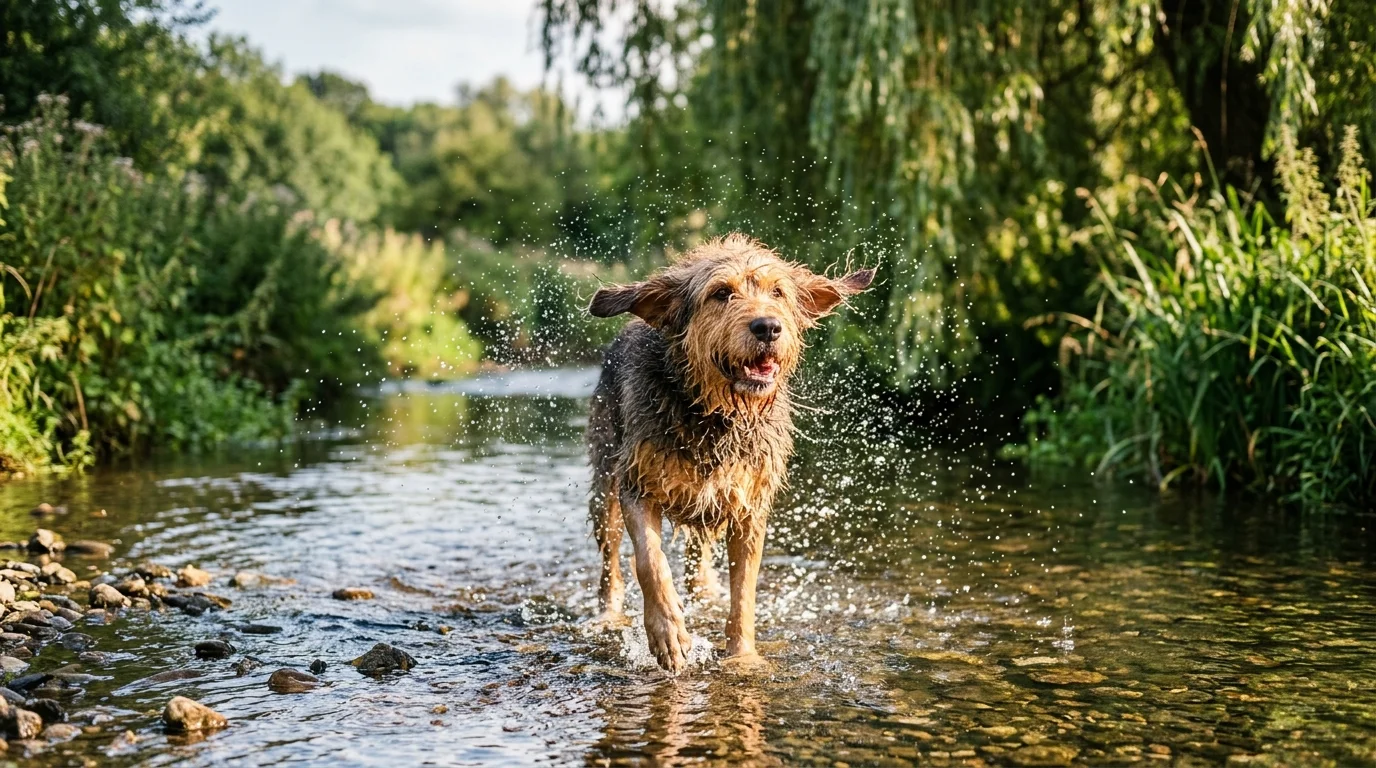
The Otterhound: Rarer Than the Giant Panda
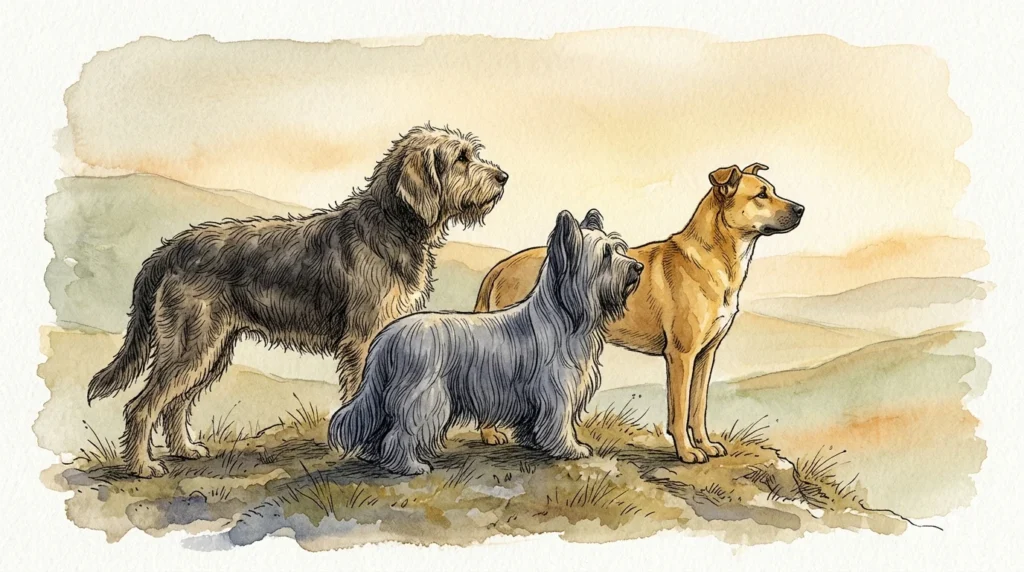
Originally bred in medieval England, the Otterhound was developed for a highly specific, grueling purpose: hunting otters in cold, winding rivers to protect local fish populations. To achieve this, the breed developed distinctive physical traits, including large webbed feet, a dense, shaggy waterproof coat, and an incredibly powerful sense of smell. They are large, boisterous dogs with a deep, melodious baying voice that can carry for miles.
When the United Kingdom officially banned otter hunting in 1978, the Otterhound lost its traditional job overnight. Without a working role, their numbers plummeted as hunters stopped breeding them. Today, there are fewer than 1,000 Otterhounds left in the entire world, making them rarer than the Giant Panda,. Despite their massive size and specialized instincts, they make exceptionally affectionate, joyful family companions who love splashing in any body of water they can find.
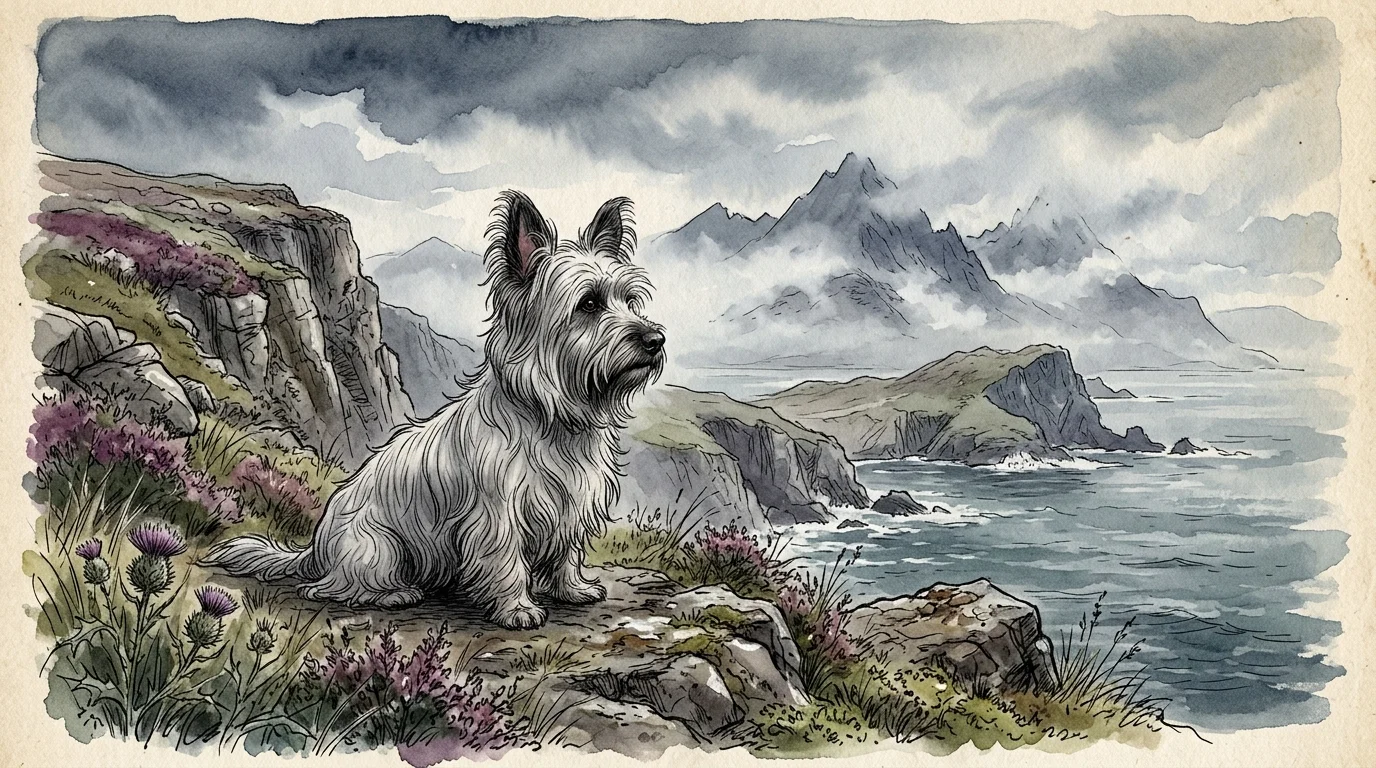
The Skye Terrier: A Fading Scottish Legend
Hailing from the rugged Isle of Skye in Scotland, the Skye Terrier once enjoyed intense popularity, especially after earning the favor of Queen Victoria in the 19th century. The breed is perhaps most famous for the legend of Greyfriars Bobby, a loyal terrier who reportedly guarded his owner’s grave in Edinburgh for 14 years. Known for their long, sweeping coats and distinctive prick ears, these dogs have a long, low build originally designed to dig pests out of rocky cairns.
Unfortunately, as modern dog owners shifted their preferences toward smaller, lower-maintenance toy breeds, the Skye Terrier was left behind. Their beautiful double coat requires significant, regular grooming, which deters many busy pet owners. Currently, they are considered one of the most vulnerable native breeds in the UK, with some years seeing incredibly low puppy registrations.
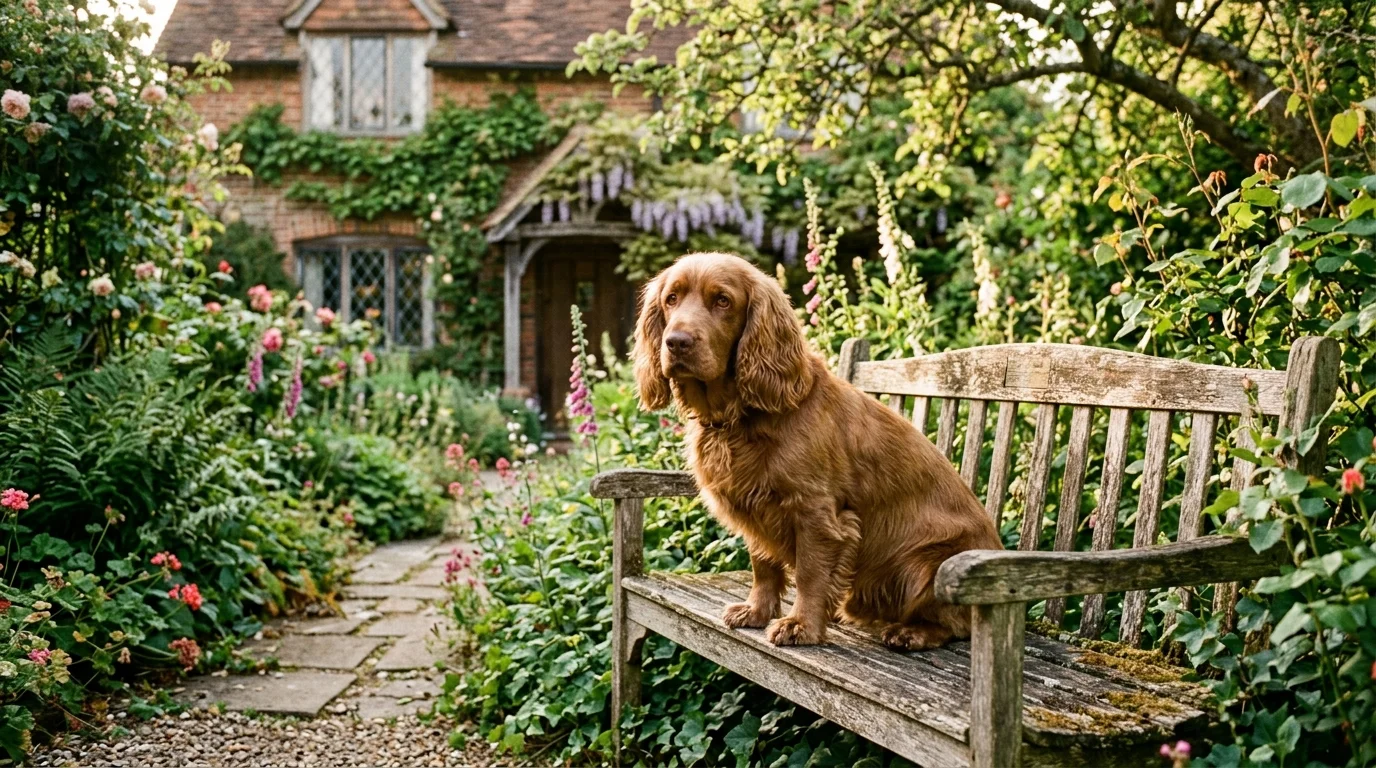
The Sussex Spaniel: A WWII Survivor Still Fighting
The Sussex Spaniel is a long, low-to-the-ground sporting dog instantly recognizable by its rich, golden-liver coat and sorrowful expression. They were developed in Sussex, England, to flush game through dense, heavy underbrush. Unlike most spaniels, the Sussex is known for barking—or “giving tongue”—while on the scent, allowing hunters to track their location through thick fields.
The breed almost disappeared entirely during World War II. During this time, strict food rationing made dog breeding nearly impossible. It is widely documented that an English breeder named Joy Freer single-handedly saved the breed from total extinction. She managed to keep a small pack of surviving dogs alive throughout the war, and today, all modern Sussex Spaniels descend from the handful of dogs she preserved. Despite this miraculous survival story, the Sussex remains extremely rare, rarely seeing more than a few dozen registrations a year.
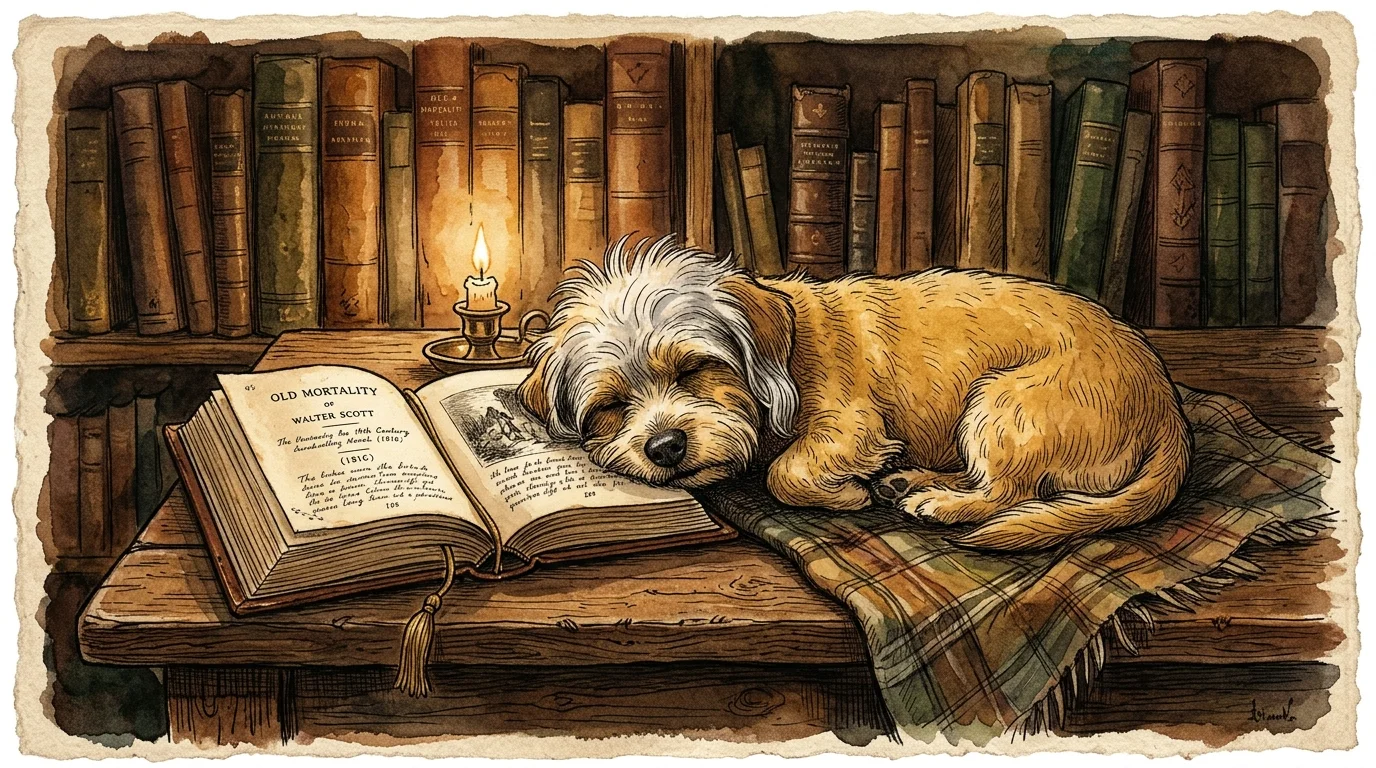
The Dandie Dinmont Terrier: The Literary Dog
It is not often that a dog breed gets its official name from a fictional character. The Dandie Dinmont Terrier was named after a jovial farmer in Sir Walter Scott’s 1814 novel, Guy Mannering. The farmer in the book kept a pack of specialized terriers colored in “mustard” and “pepper,” which remain the two official coat colors for the breed today.
Easily recognizable by the distinctive puff of hair on their head—affectionately called a “topknot”—and their long, weasel-like bodies, these small Scottish terriers are confident, intelligent, and highly dignified. Despite their charming appearance and affectionate nature, they have quietly slipped out of public awareness. The lack of visibility is their biggest threat; people simply do not know the Dandie Dinmont exists, causing them to languish at the bottom of endangered breed lists.
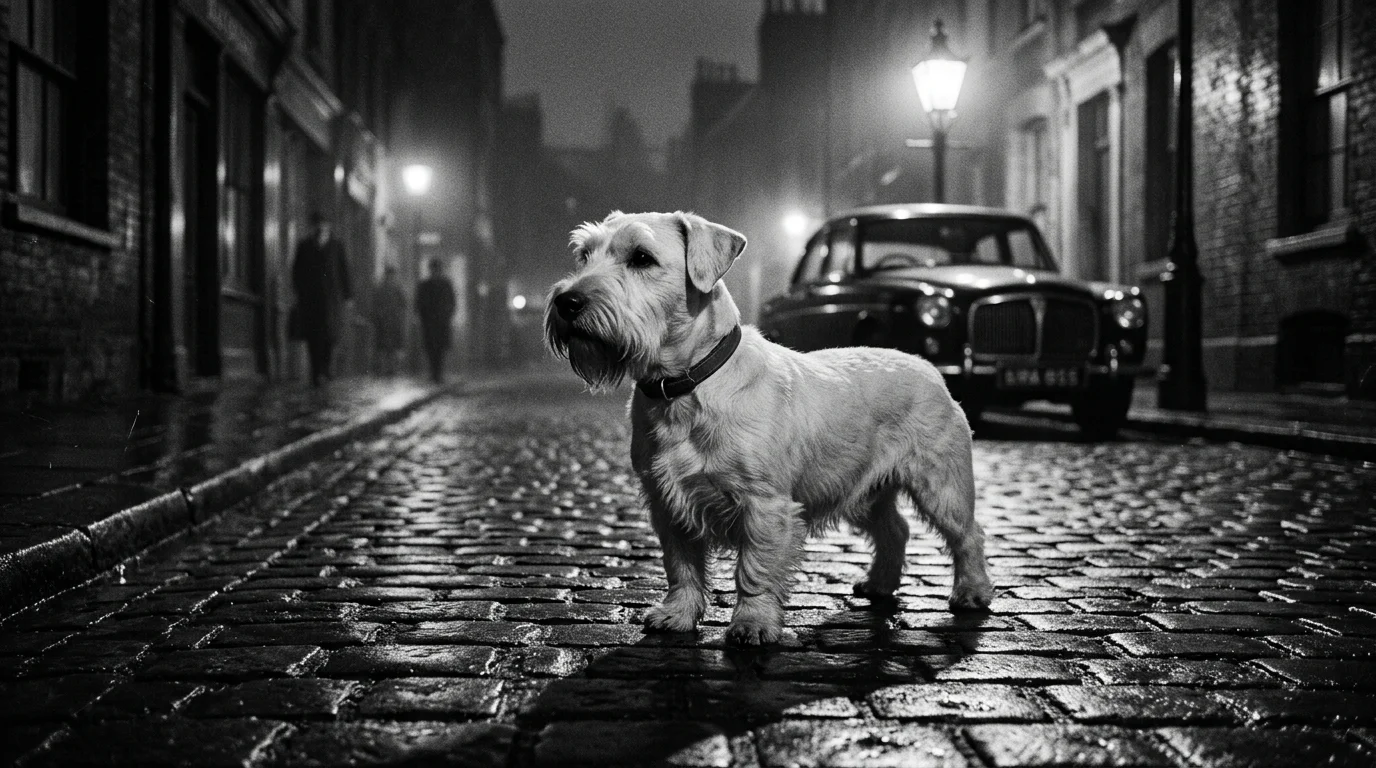
The Sealyham Terrier: Hitchcock’s Favorite Companion
Bred in Wales in the 19th century by Captain John Edwardes to hunt badgers, the Sealyham Terrier is a small but mighty dog. Eventually, they traded the muddy hunting fields for the glitz and glamour of Hollywood. By the mid-20th century, they were highly fashionable, serving as the chosen companions of celebrities like Elizabeth Taylor and the legendary film director Alfred Hitchcock.
In 1938, the UK Kennel Club registered over 1,000 Sealyham puppies, marking the peak of their popularity. However, pet fashion is notoriously fickle. By 2004, annual registrations had collapsed to around 60 dogs. This massive drop prompted public campaigns, including a front-cover feature by Country Life magazine pleading to save the breed,. Today, they are still fighting for survival, offering brave, comical personalities to the few owners willing to seek them out.
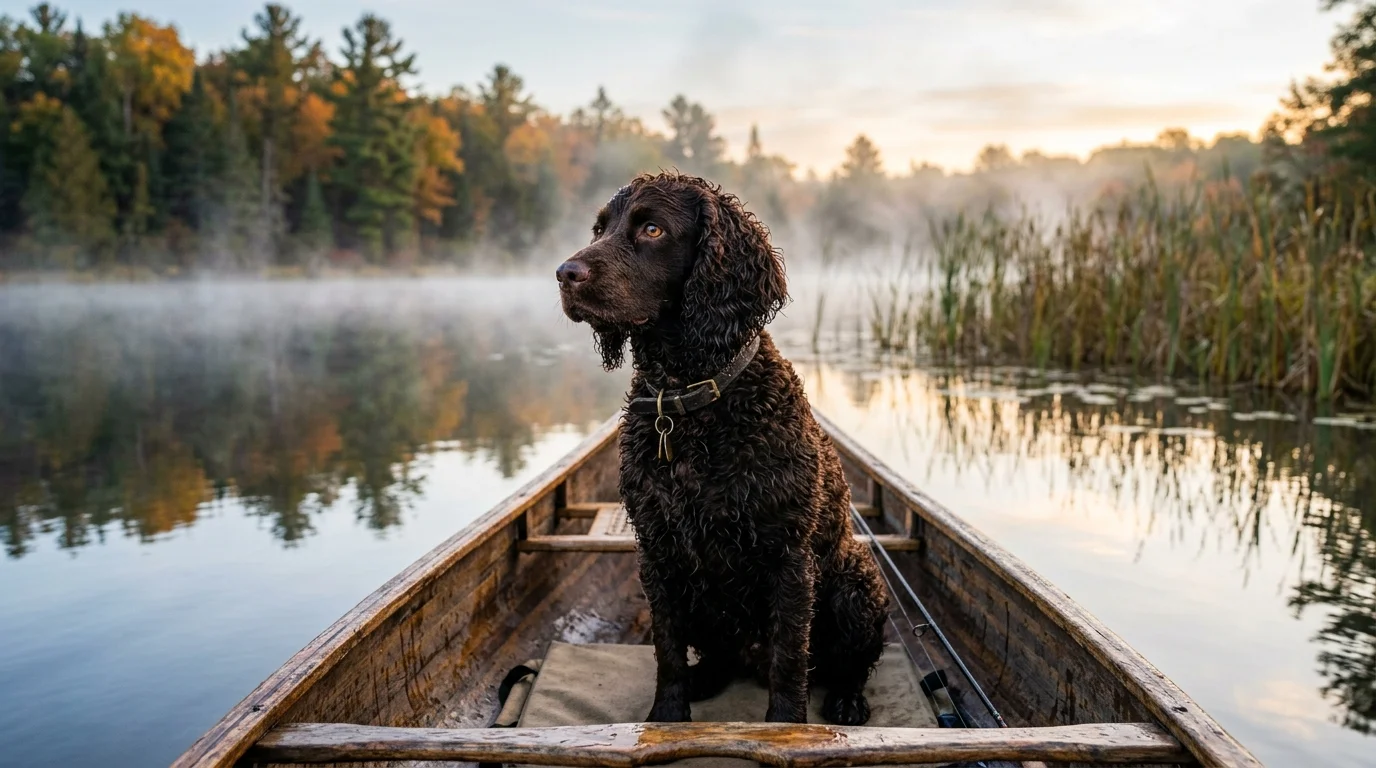
The American Water Spaniel: A Wisconsin Treasure
While many endangered breeds hail from the United Kingdom, the United States has its own vulnerable native dogs. The American Water Spaniel was developed in the 19th century in the Fox and Wolf River valleys of Wisconsin—where it proudly serves as the official state dog,.
According to the American Water Spaniel Club, they were bred to retrieve waterfowl from small punts, skiffs, and canoes, making them compact, muscular, and exceptionally strong swimmers. Their deeply marcelled (wavy) or curly brown coat protects them from the freezing waters of the Great Lakes region. Despite their extreme versatility and friendly temperament, they have never found widespread popularity outside the American Midwest. Today, it is estimated that only about 3,000 American Water Spaniels exist in total,.
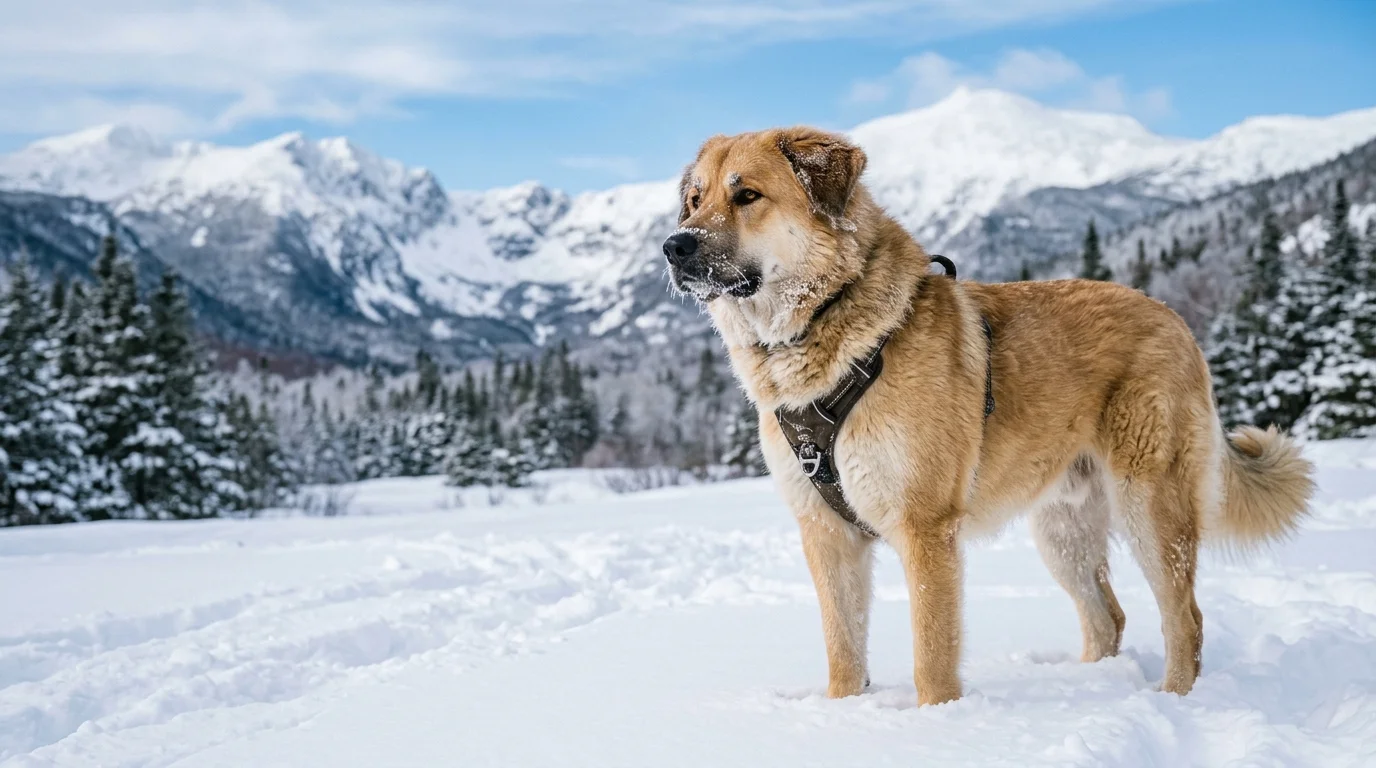
The Chinook: New Hampshire’s Resilient Sled Dog
Another incredibly rare American breed, the Chinook, was developed in the early 1900s by polar explorer Arthur Treadwell Walden in Wonalancet, New Hampshire,. Walden set out to create the ultimate sled dog, combining the immense pulling power of heavy freighting breeds with the speed and stamina of lighter racing dogs. The result was a tawny-colored, highly intelligent, and gentle dog that proved itself on grueling Antarctic expeditions,.
The breed’s population crashed drastically after Walden’s era. By 1981, only 11 dogs suitable for breeding remained in the entire world,. Through intense, highly coordinated conservation efforts by dedicated fanciers, the Chinook was pulled back from the absolute brink of extinction. Though they are now the state dog of New Hampshire, their global population remains precariously low, with around 100 puppies born annually,.
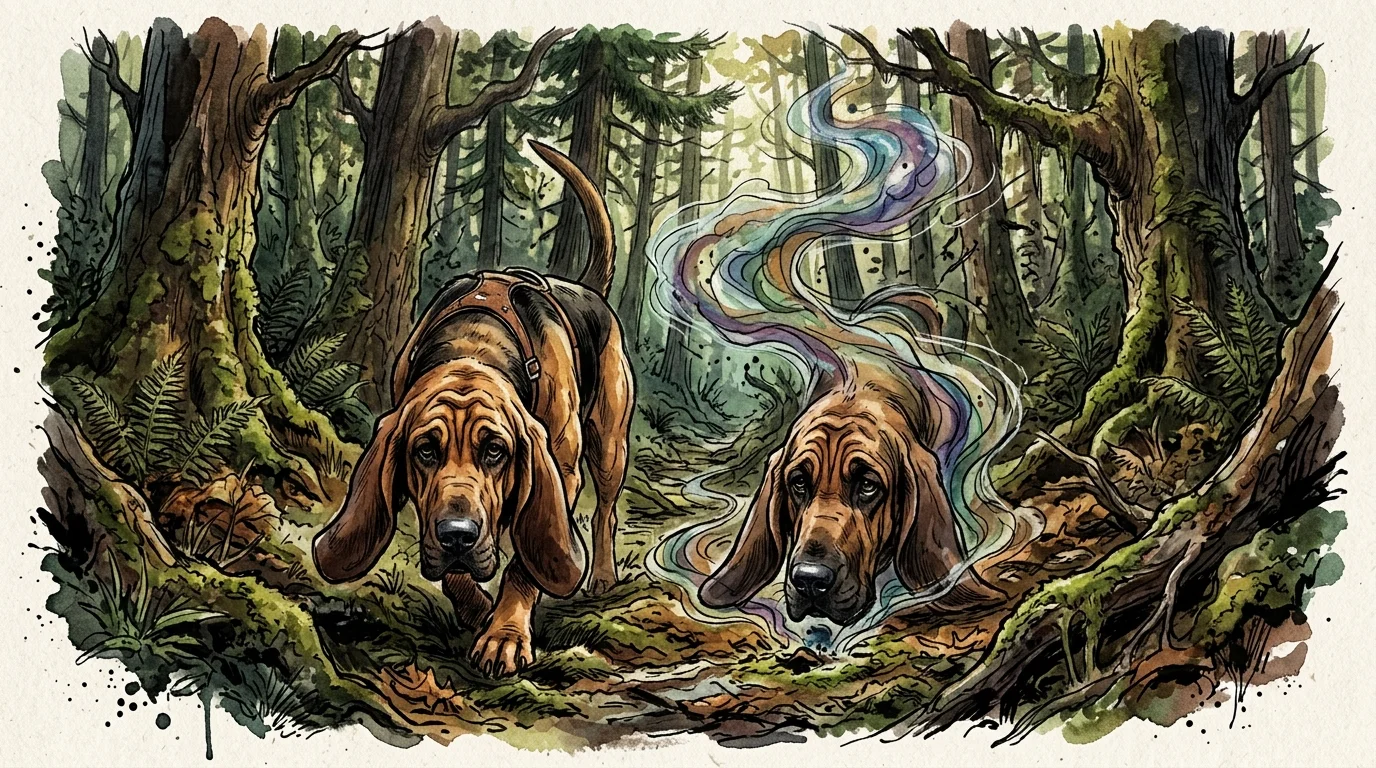
The Bloodhound: The World’s Greatest Tracker at Risk
You might be surprised to see the Bloodhound listed as an endangered breed. Famous for their deeply wrinkled faces, long sweeping ears, and unparalleled tracking abilities, Bloodhounds are frequently depicted in movies and successfully employed by police departments worldwide,. Their physical structure is entirely built to track scent; their long ears literally sweep microscopic scent particles from the ground up into their nose.
Yet, as a household companion, purebred Bloodhounds are experiencing alarming population declines. The UK Kennel Club has frequently placed them on or near the Vulnerable Native Breeds list due to strikingly low annual puppy registrations,. Their massive size, tendency to drool heavily, and incredibly strong tracking instincts make them challenging for casual pet owners. If a Bloodhound catches a scent, they will follow it endlessly, requiring secure fencing and dedicated handling, which limits the number of families able to properly house them.
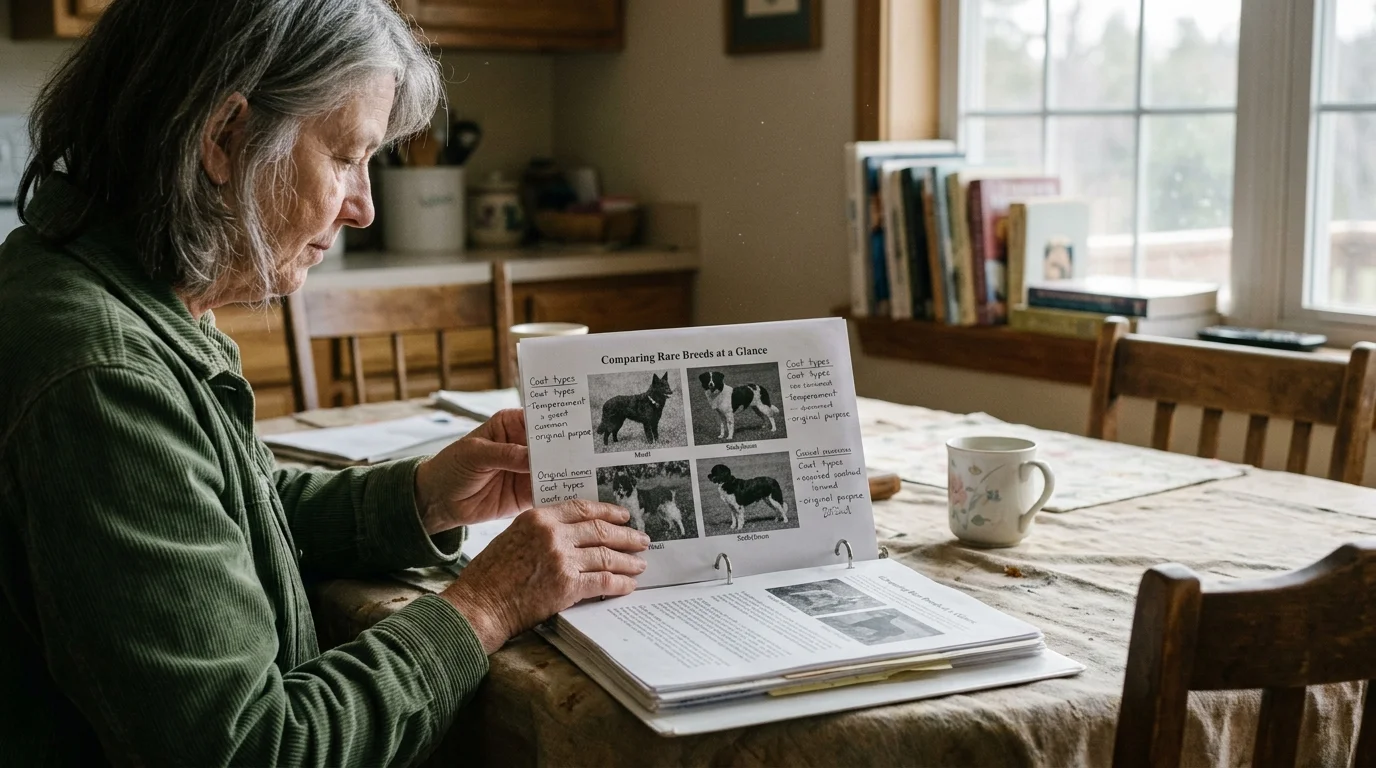
Comparing Rare Breeds at a Glance
When considering canine conservation, it helps to understand where these breeds originated and what specific factors originally put them at risk. Here is a quick look at the breeds fighting for survival.
| Dog Breed | Origin | Original Working Role | Conservation Challenge |
|---|---|---|---|
| Otterhound | United Kingdom | Water hunting | Complete loss of traditional working role after hunting bans |
| Skye Terrier | Scotland | Pest control | High-maintenance grooming requirements and changing trends |
| Sussex Spaniel | England | Flushing game | Severe population bottleneck during World War II |
| American Water Spaniel | United States | Waterfowl retrieval | Highly localized popularity limited mostly to the Midwest |
| Chinook | United States | Sled pulling | Population dwindled down to just 11 breeding dogs in 1981 |
| Dandie Dinmont Terrier | Scotland | Pest control | Lack of public visibility and awareness |
| Sealyham Terrier | Wales | Badger hunting | Massive drop in fashionability after the mid-20th century |
| Bloodhound | Europe | Tracking | Specialized instincts and massive size deter casual owners |

What This Means for You
According to the UK Kennel Club, choosing a vulnerable breed over a highly popular one plays a direct role in active canine conservation. When public demand for these rare dogs disappears, the incentive for responsible preservation breeders to continue their bloodlines vanishes right alongside it.
“Purebred dogs are the only living museum of mankind’s journey on Earth.” — Dr. Richard Meen, reflecting on the profound historical importance of vulnerable dog breeds.
Bringing a rare breed into your home means you step into the role of a steward. You are preserving a living, breathing legacy that was carefully developed over centuries to work alongside humans. Exploring the archives of the American Kennel Club reveals just how interwoven these dogs are with human survival and culture. However, dedicating yourself to a rare breed is not a decision to make on a whim.
What Can Go Wrong
Adopting an endangered dog breed requires significantly more research, preparation, and patience than bringing home a common pet. If you decide to pursue canine conservation, you must be thoroughly prepared for these potential hurdles:
- Extremely Long Waitlists: Because there are so few breeding dogs globally, you will likely wait months or even years for a healthy puppy to be born.
- Geographic Challenges: You may have to travel across the country—or even internationally—to meet a reputable preservation breeder. Ethical breeders rarely ship puppies via commercial cargo.
- Small Gene Pools: With severely limited numbers, inbreeding is a serious risk for rare breeds. You must vet breeders rigorously to ensure they perform comprehensive genetic and orthopedic health testing before mating their dogs.
- Specialized Instincts: Many of these dogs were bred for highly specific, physically demanding jobs. A Bloodhound will follow a scent blindly into traffic, and a Sussex Spaniel will bark loudly on the trail. You cannot train deeply ingrained, centuries-old instincts out of them.
Frequently Asked Questions
What exactly makes a dog breed “vulnerable”?
A breed is generally considered vulnerable when annual puppy registrations drop below a specific, critical threshold. For example, the UK Kennel Club defines a “Vulnerable Native Breed” as a breed of British or Irish origin that registers fewer than 300 puppies in a single year,. When numbers fall this low, the available genetic diversity shrinks dramatically, increasing the risk of the breed disappearing completely.
Can I adopt a rare breed from an animal shelter?
While checking local shelters is always a wonderful first step, finding a critically endangered purebred dog in a standard municipal rescue facility is highly unlikely. Instead, you should seek out breed-specific rescue organizations. These specialized groups occasionally rehome adult dogs that have retired from preservation breeding programs or were surrendered by owners who underestimated the dog’s unique care requirements.
Why are popular dog breeds taking over while others vanish?
Trends in dog ownership closely follow media exposure and rapid shifts in human lifestyles,. As more people move into urban apartments, the demand for small, low-exercise companions has skyrocketed. Breeds that were developed for intense outdoor work, require large fenced spaces, or demand daily high-maintenance grooming are easily left behind by modern pet owners.
Welcoming an endangered dog breed into your life is a deeply rewarding way to connect with canine history and actively support responsible preservation efforts. By choosing to champion one of these rare dogs, you help ensure their unique traits, working abilities, and historical stories continue for generations to come. The information here is meant for educational purposes. Specific circumstances—including health conditions, finances, location, and goals—may require different approaches. When in doubt, consult a licensed professional or check official sources directly.
Last updated: May 2026. Rules, prices, and details change—verify current information with official sources before acting on it.