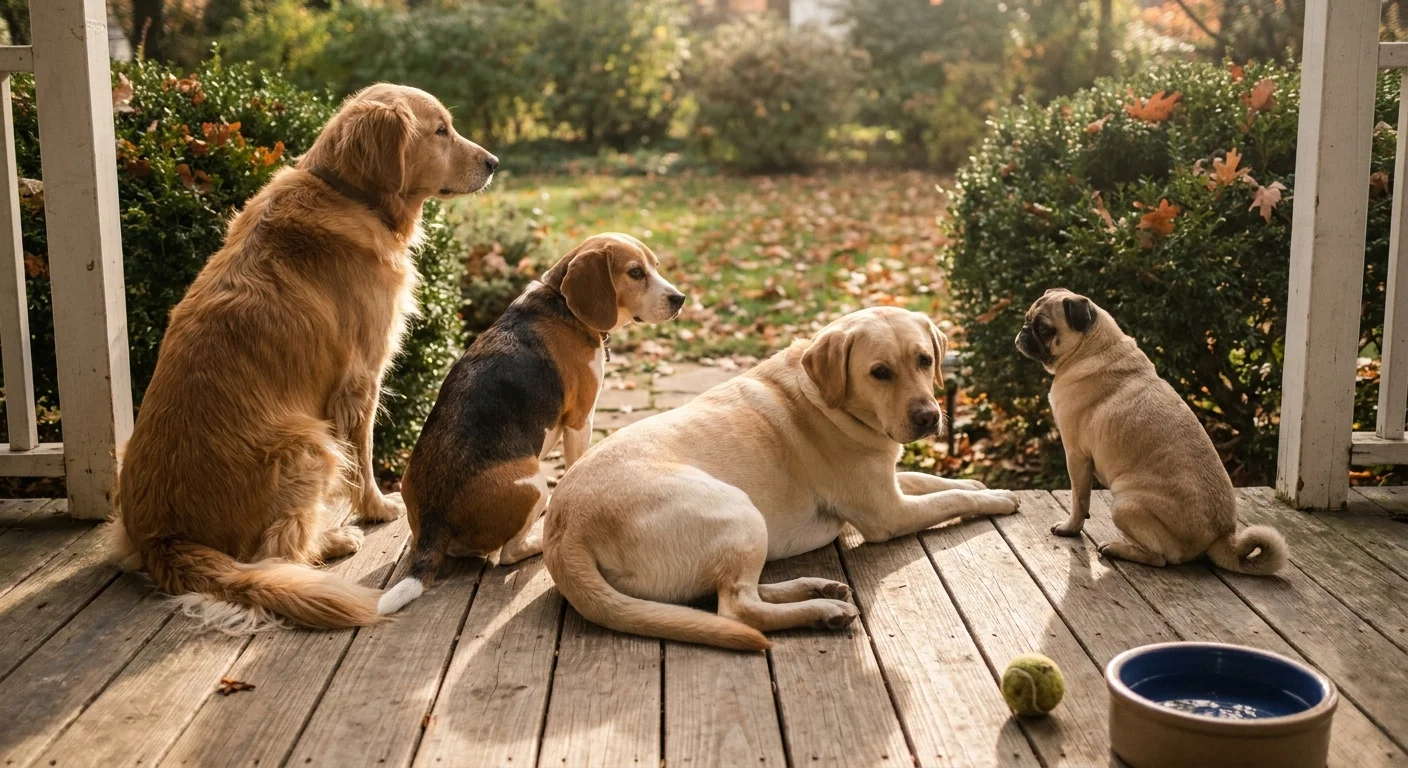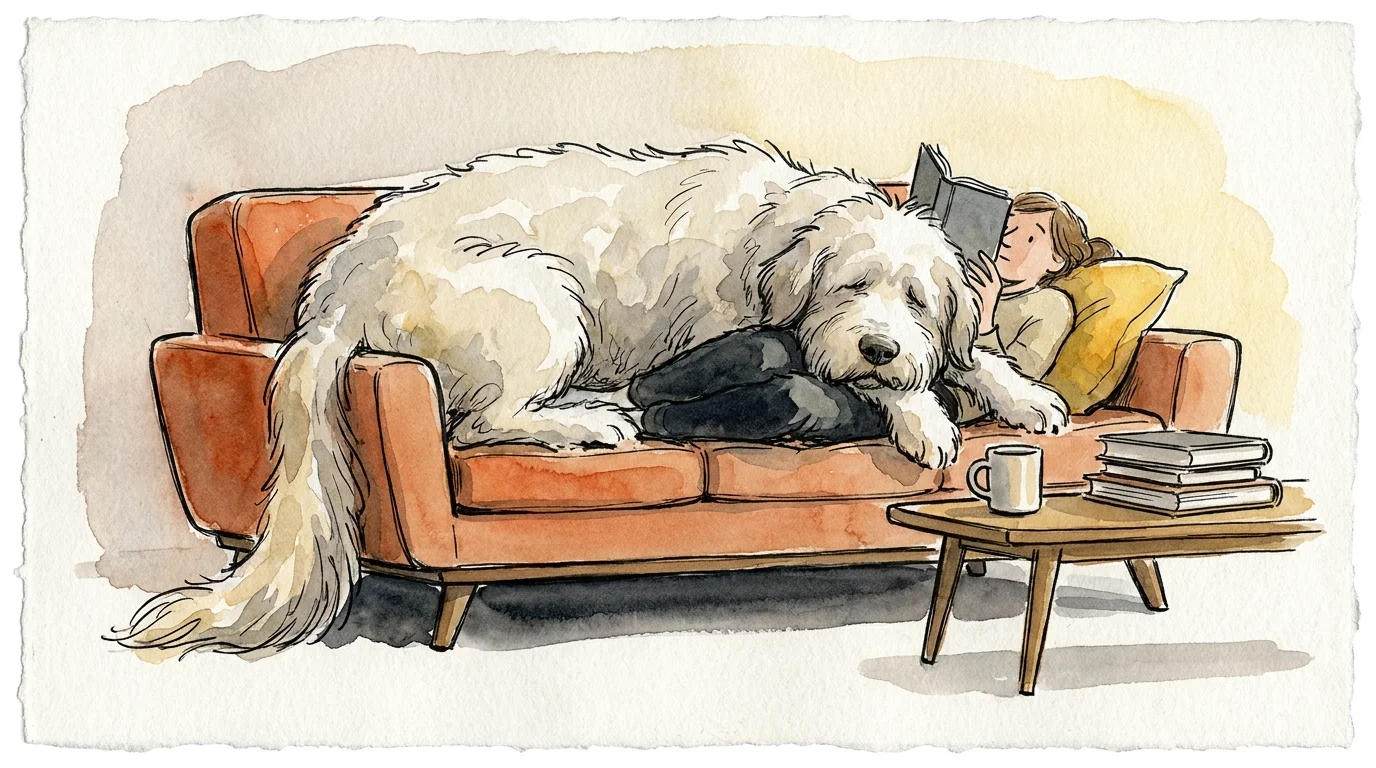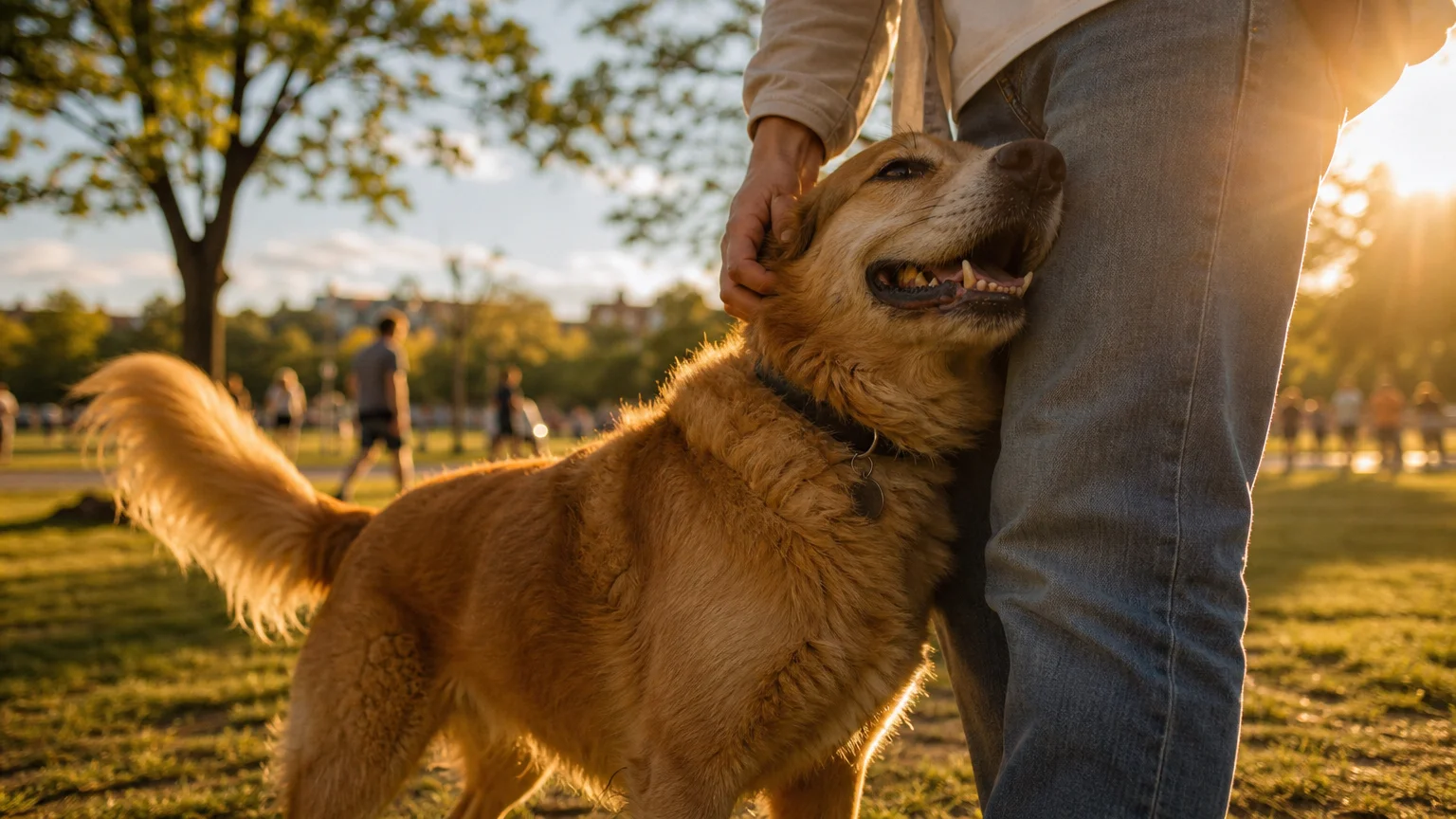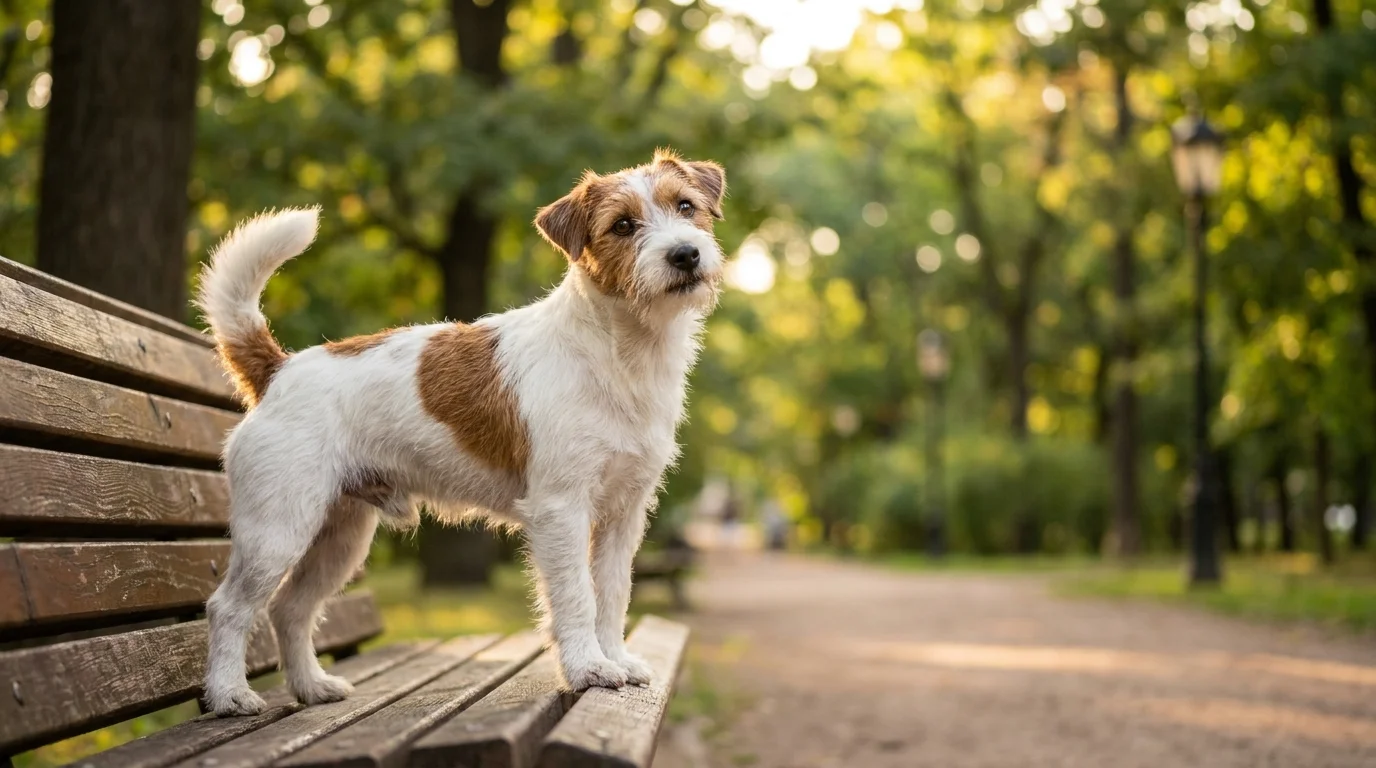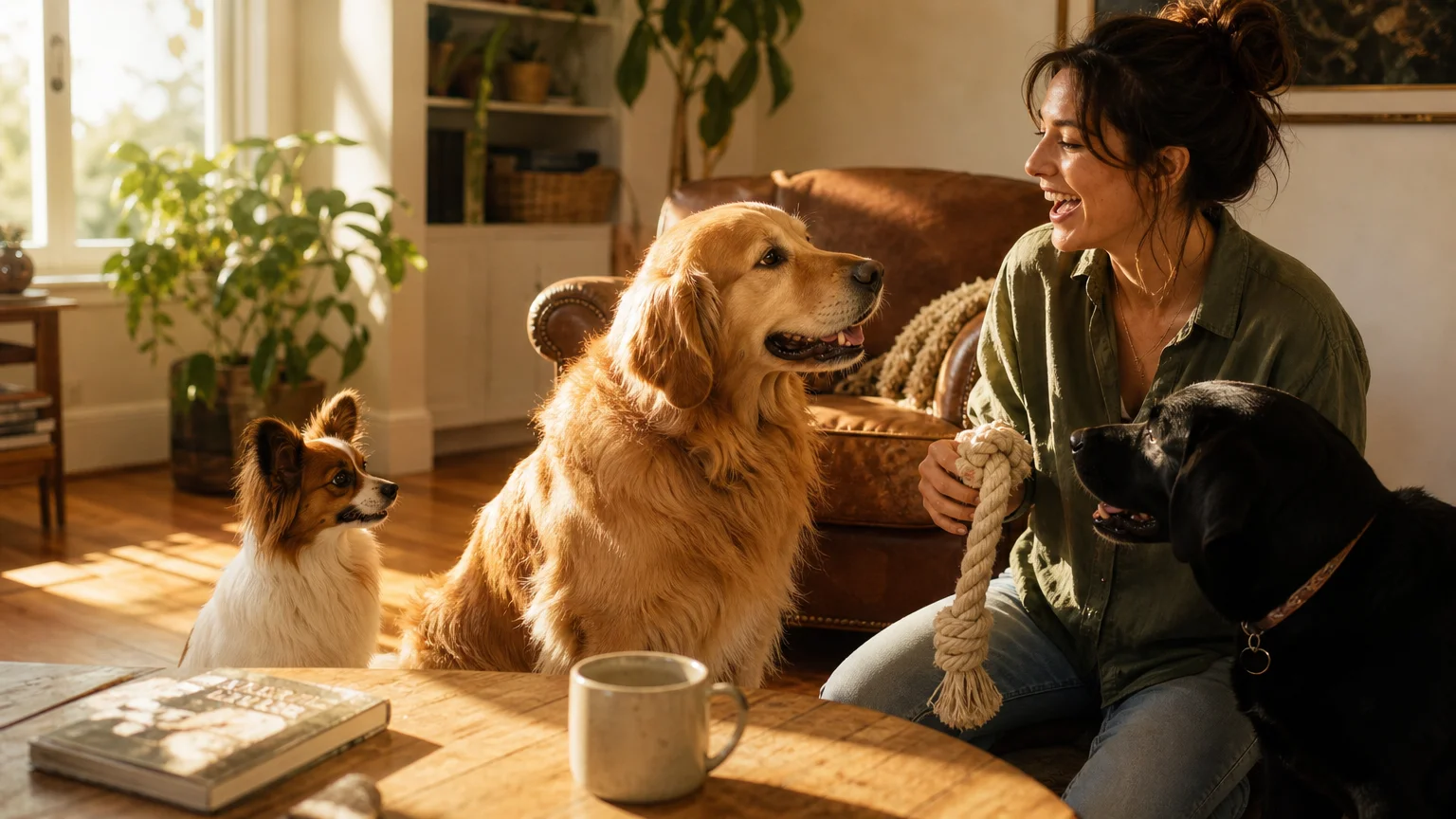
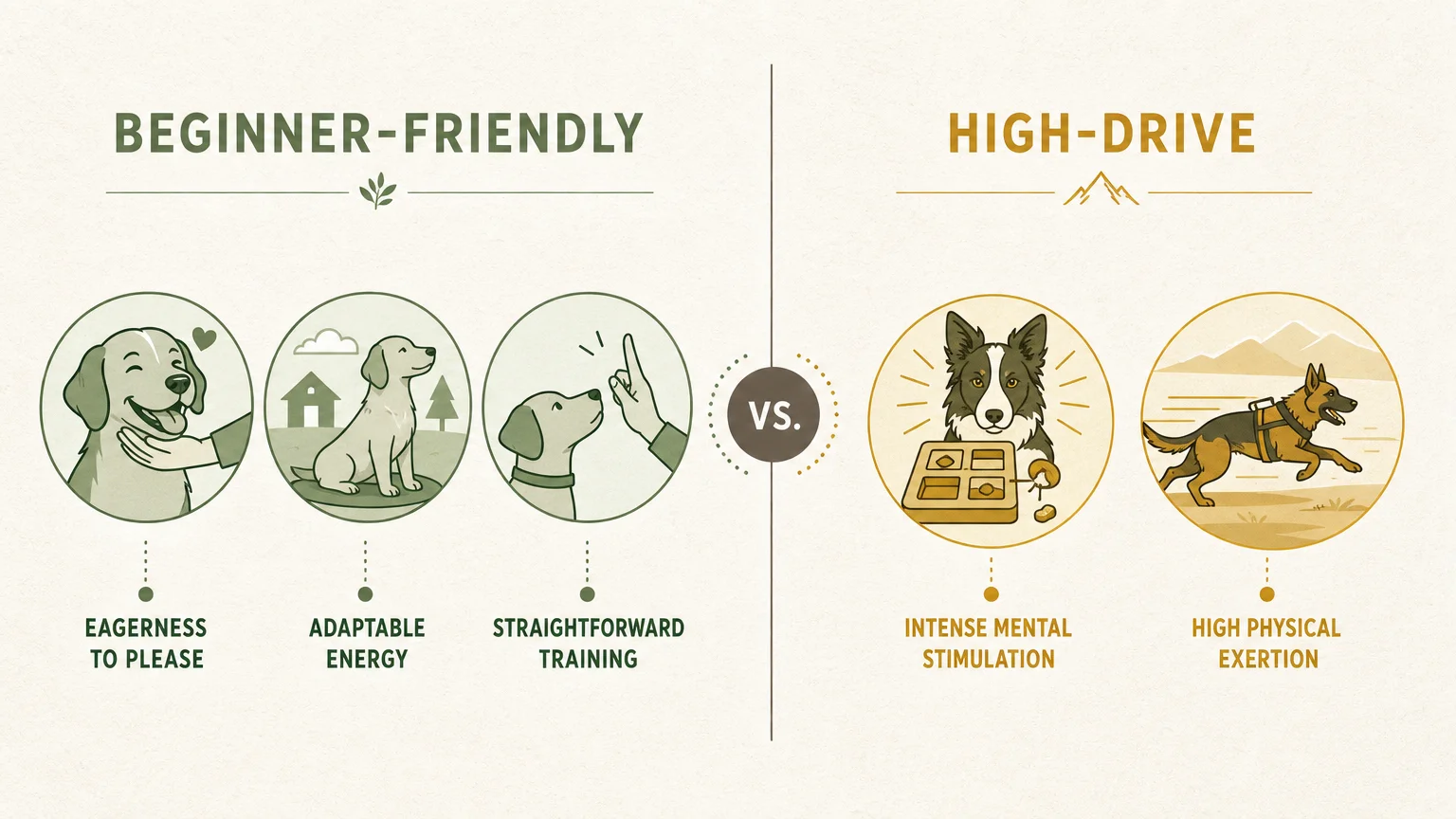
Bringing a dog home for the first time changes your life completely, immediately shifting your daily routine to accommodate a loyal new companion. The easiest dog breeds to own share common traits: an eagerness to please, adaptable energy levels, and straightforward training requirements. When you select a beginner-friendly dog breed, you bypass the intense behavioral challenges common in highly driven working dogs and instead start building a rewarding bond immediately. Whether you live in a sprawling suburban house or a compact city apartment, finding the right match ensures a smooth transition into pet parenthood. This guide highlights ten remarkable breeds perfectly suited for new owners ready to embrace the true joy of canine companionship.
Why Finding the Right Beginner Dog Matters
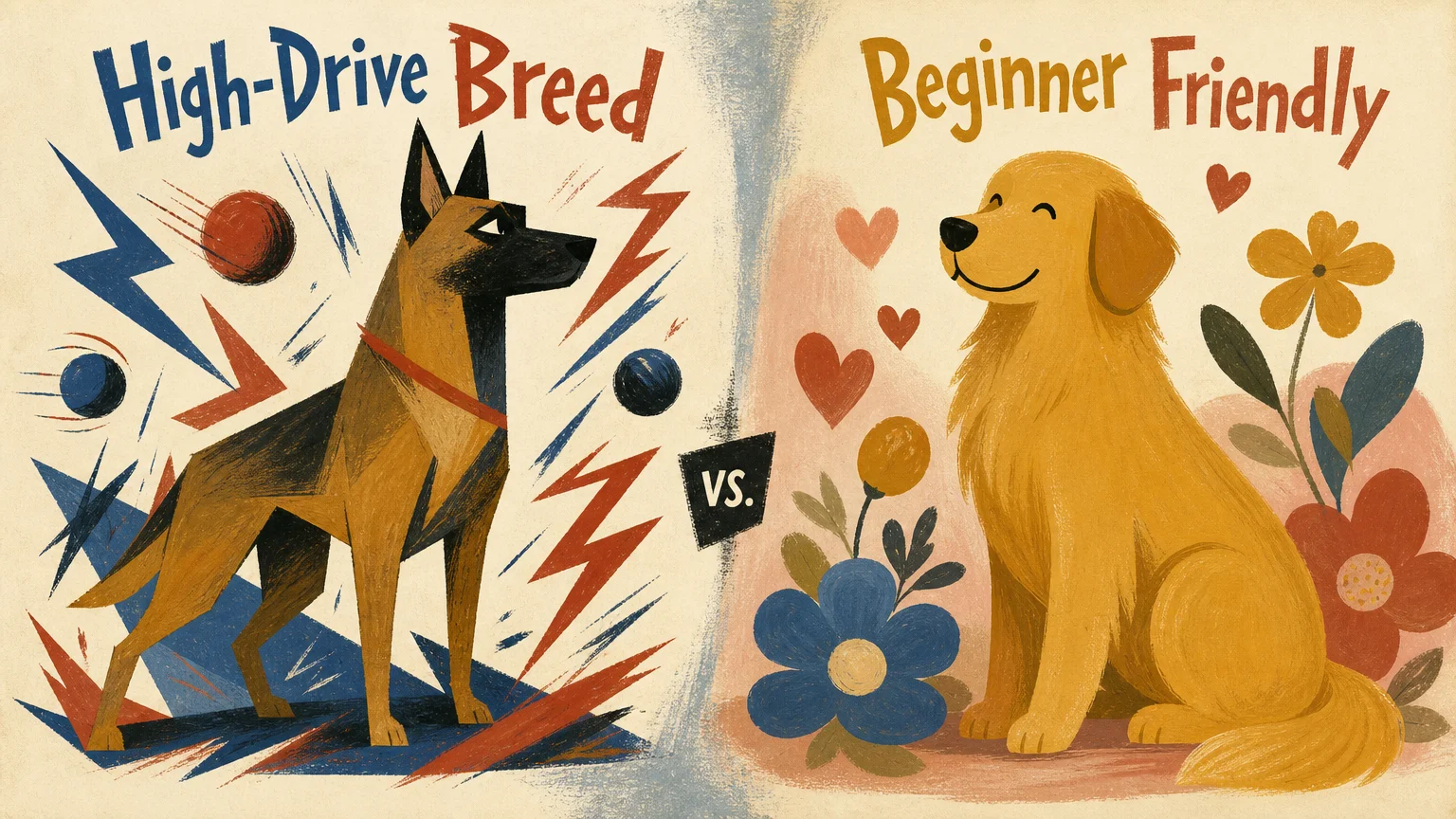
Dogs are selectively bred to perform specific jobs. A working line Belgian Malinois bred for police work possesses an entirely different neurological drive than a companion lap dog bred to sleep on silk pillows. Novice owners who adopt high-drive, complex working breeds often find themselves completely overwhelmed by the dog’s demand for physical exertion and mental stimulation.
Beginner-friendly dog breeds offer far more grace during the learning process. They forgive training inconsistencies, adapt more smoothly to your schedule, and genuinely want to cooperate. Choosing a dog that matches your experience level prevents frustration, minimizes the risk of rehoming, and ensures you both enjoy the journey of building a life together.
1. Golden Retriever: The Quintessential Family Dog
There is a distinct reason Golden Retrievers consistently top the charts for family popularity. These dogs possess a natural inclination to be helpful, friendly, and deeply bonded with their humans. Originating as sporting dogs meant to retrieve waterfowl, their mouths feature exceptional “softness,” meaning they naturally exercise gentle bite inhibition. This trait makes them remarkably patient and safe around children and other household pets.
Training a Golden Retriever feels like a team effort. Because they actively seek your approval, positive reinforcement techniques—using treats, praise, or play—yield fast, reliable results. However, their easygoing nature does not mean they are couch potatoes. Goldens require substantial daily exercise to keep their minds and bodies healthy; expect to commit to at least an hour of walking, swimming, or vigorous playtime every day.
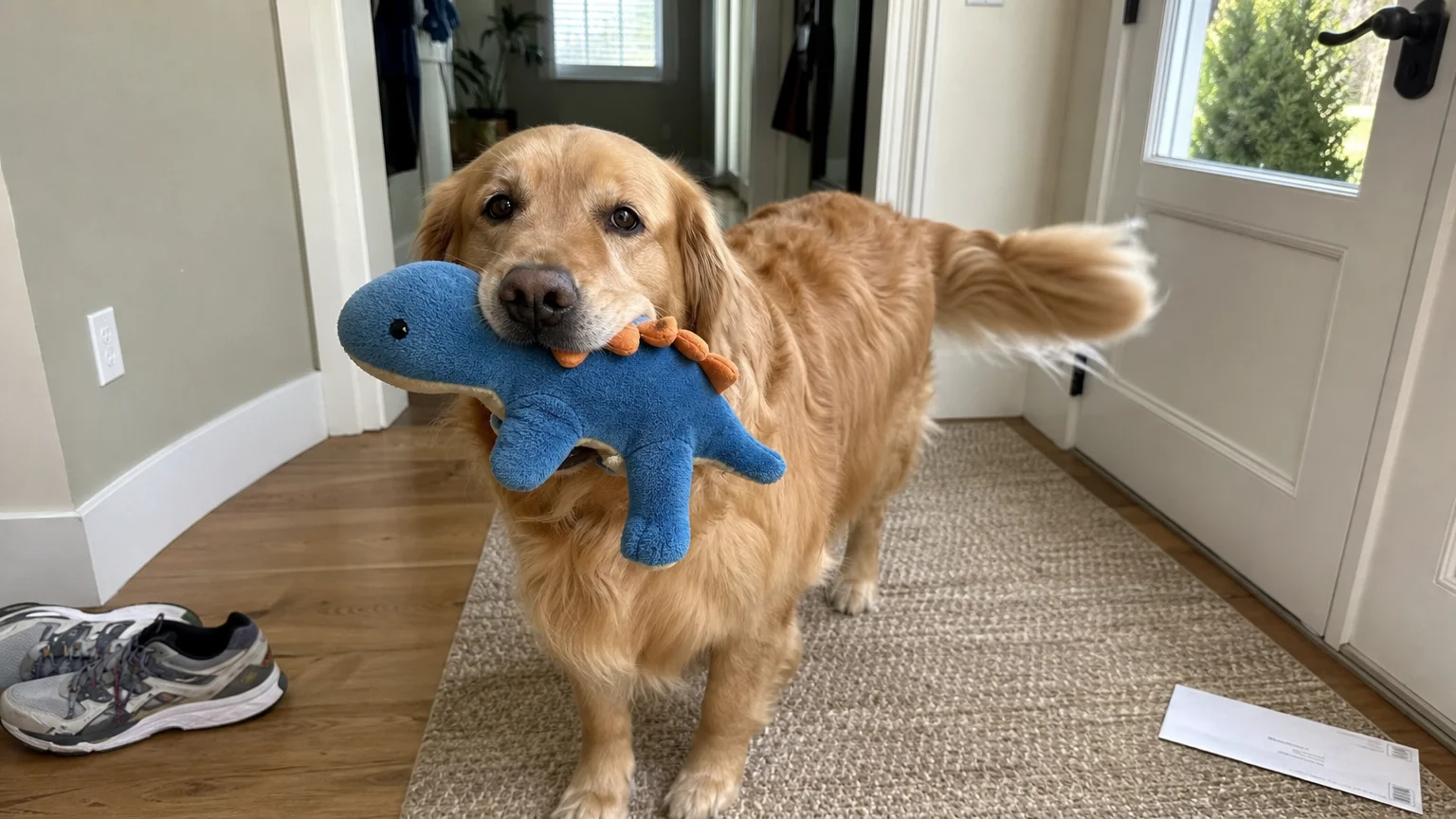
Practical Tip: Golden Retrievers often express joy by carrying objects in their mouths. If your dog tends to jump up when guests arrive, hand them a soft stuffed toy before opening the front door. Their retrieving instinct takes over, keeping their mouth busy and their four paws firmly on the floor.
2. Labrador Retriever: The Adaptable Companion
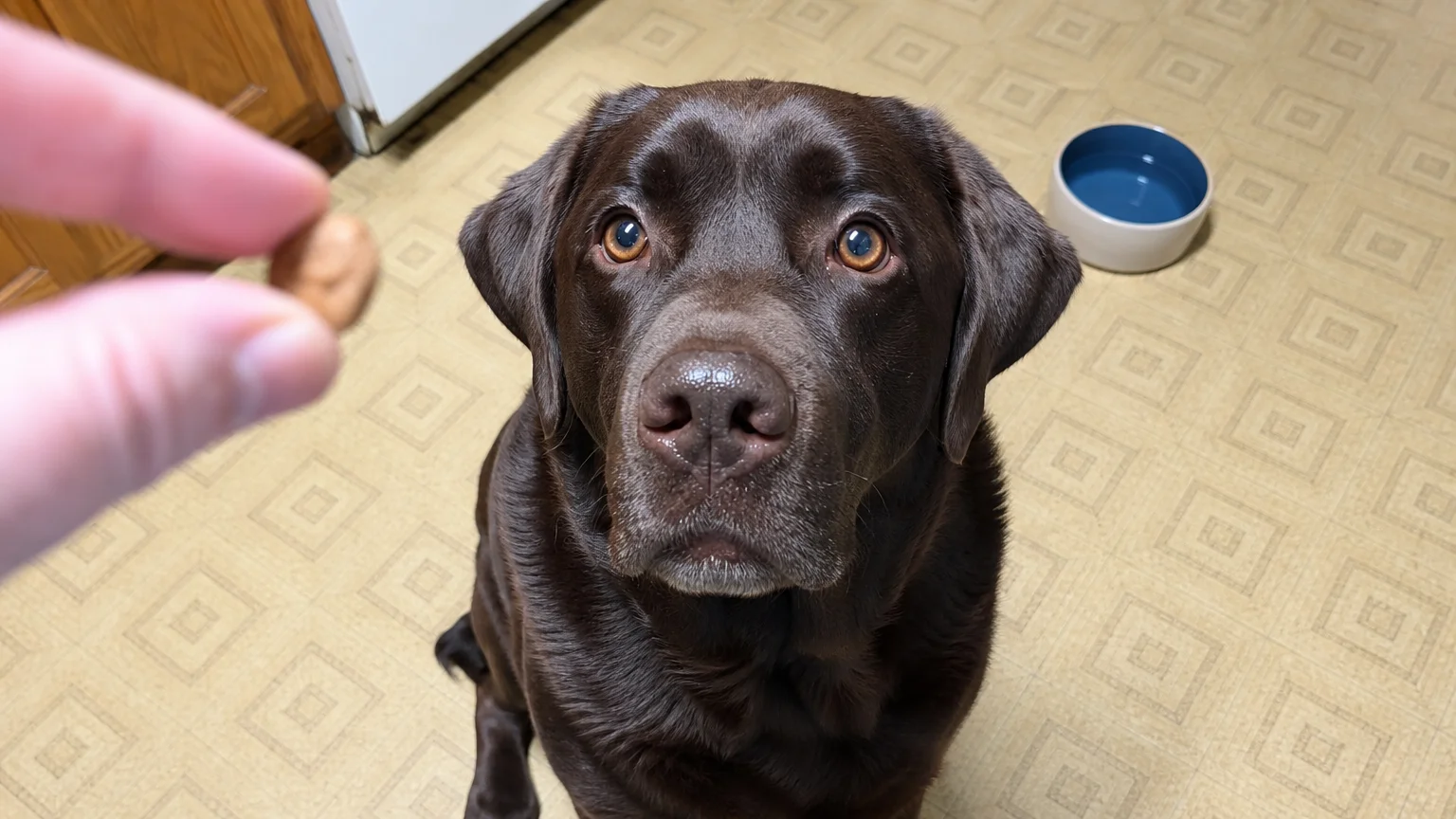
Labrador Retrievers bring an unmatched enthusiasm to everyday life. Similar to Goldens, Labs are sporting dogs, but they tend to pack slightly more robust energy and an unapologetically goofy sense of humor. They thrive in active households where they can participate in family excursions, hiking trips, and beach days.
What makes the Labrador one of the best dog breeds for first-time owners is their intense food motivation. A Lab will learn almost any command if a high-value treat sits at the end of the exercise. This eagerness makes basic obedience training highly accessible for novices. You do need to watch their diet carefully; that same food motivation makes Labs prone to canine obesity if you fail to measure their kibble portions accurately.
Practical Tip: Labs possess a dense, water-resistant double coat that sheds year-round. Invest in a high-quality deshedding rake and make a quick five-minute brushing session part of your daily routine to keep loose fur off your furniture.

3. Papillon: The Tiny Scholar
Small dogs sometimes carry a reputation for being stubborn or difficult to house-train, but the Papillon shatters those stereotypes. Named for their fringed, butterfly-like ears, these tiny dogs possess massive intellects. According to the American Kennel Club, the Papillon’s sporting-dog lineage makes the breed highly trainable and far more athletic than most other toy dogs.
Papillons excel at learning complex tricks and frequently dominate agility courses in their size category. They offer the perfect compromise for someone who lives in an apartment but still wants an active, engaging companion. Unlike many small breeds, they are not prone to excessive, nervous barking as long as you provide adequate mental stimulation through puzzle toys and short training sessions.
4. Bichon Frise: The Hypoallergenic Charmer
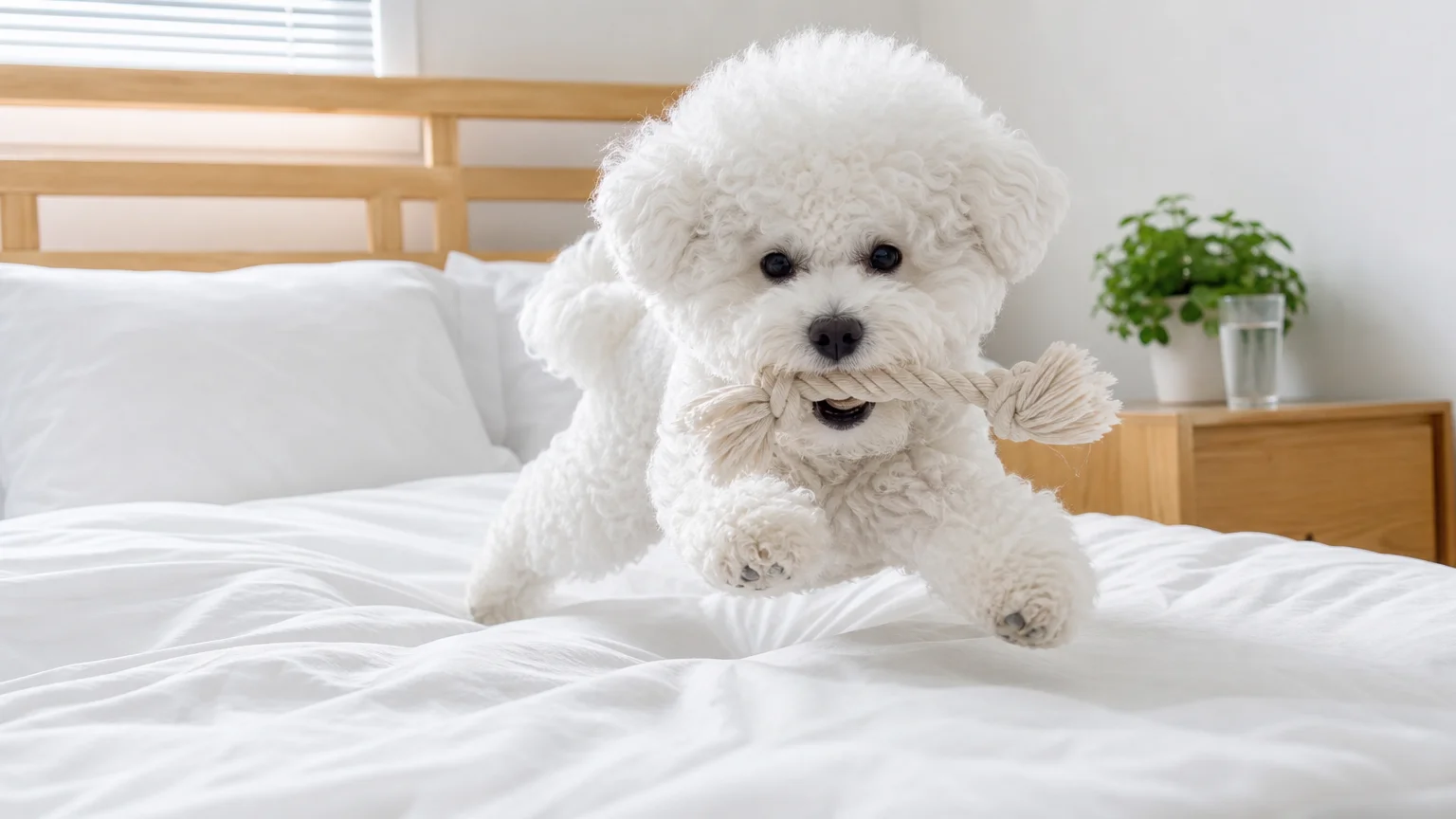
If you suffer from mild pet allergies or simply loathe vacuuming dog hair, the Bichon Frise deserves your attention. These cheerful, cloud-like dogs feature a curly coat that traps dander and sheds very little. They adapt beautifully to city living and thrive on human interaction.
Bichons act as natural entertainers. They love to perform, play, and follow you from room to room. Their exercise needs are relatively modest—a few brisk daily walks mixed with short bursts of indoor energy (affectionately known as the “Bichon Blitz”) usually satisfy them. The trade-off for their low-shedding coat is high grooming maintenance. You must brush them down to the skin daily to prevent painful mats and schedule a professional haircut every four to six weeks.
5. Cavalier King Charles Spaniel: The Affectionate Lap Dog
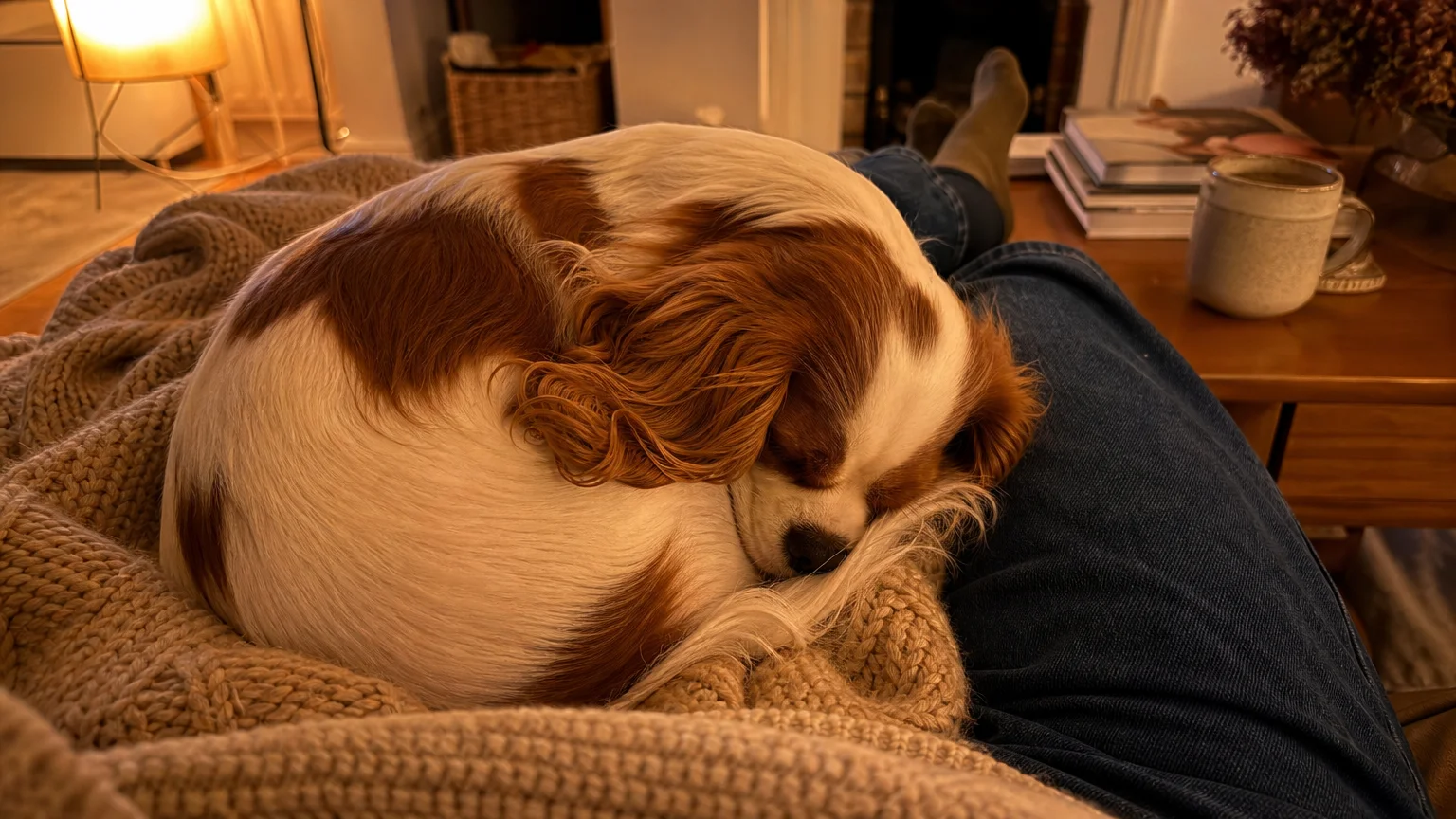
The Cavalier King Charles Spaniel acts as an emotional mirror for its owner. If you want to go for a moderately paced hike in the woods, your Cavalier will happily trot alongside you. If you want to spend the entire Sunday reading on the sofa, they will curl up on your lap and sleep. This unmatched adaptability makes them one of the easiest dog breeds to own.
Their gentle, affectionate nature means they respond poorly to harsh training methods; gentle guidance and praise work best. Cavaliers do carry a genetic predisposition to certain health issues, particularly mitral valve disease (a heart condition). Always secure a puppy from a reputable breeder who performs extensive cardiac health testing on their breeding dogs.
6. Bernese Mountain Dog: The Gentle Giant
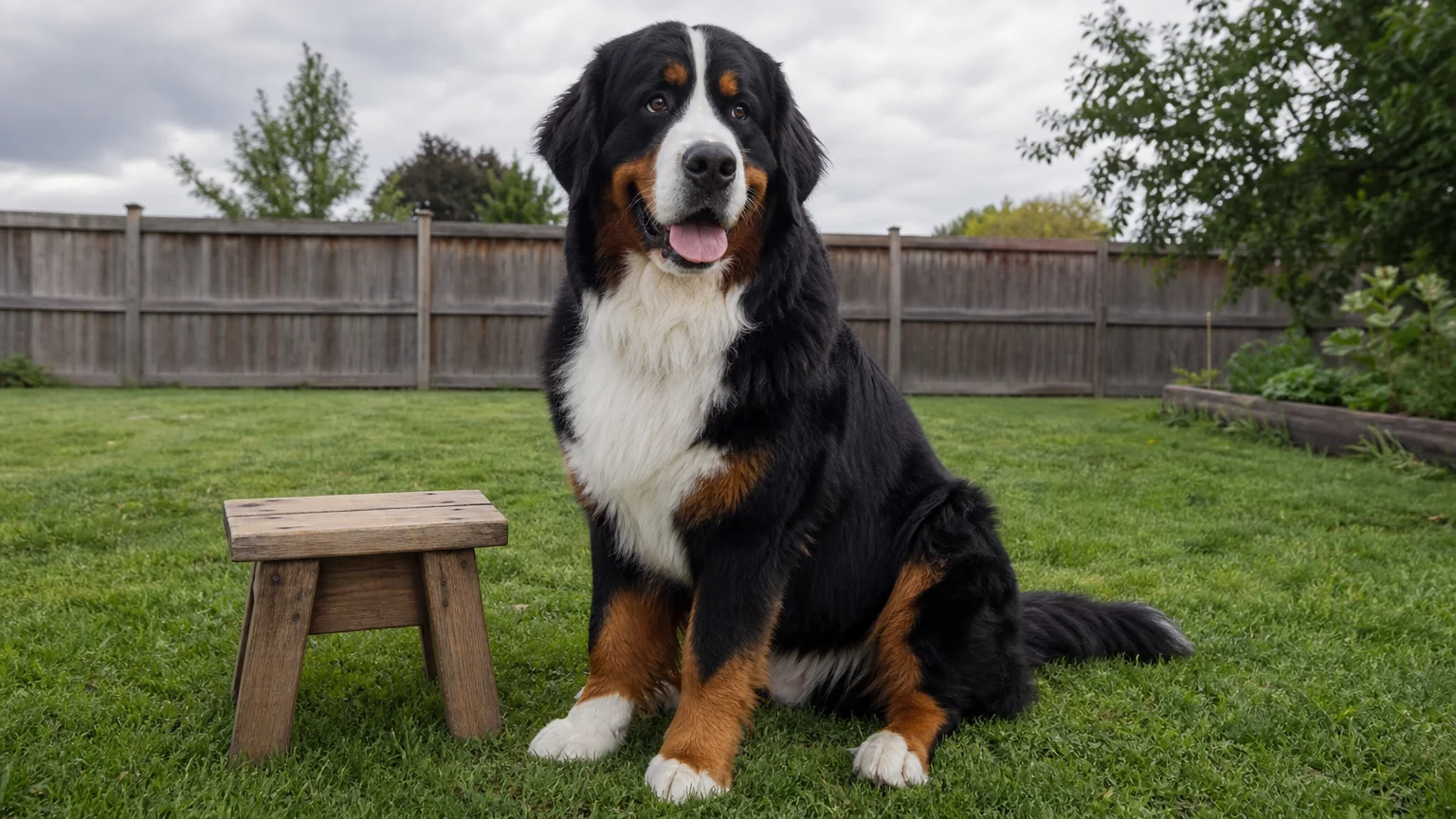
For aspiring pet parents who dream of a large, robust dog but feel intimidated by the high drive of herding breeds, the Bernese Mountain Dog presents a phenomenal option. Despite their imposing size, “Berners” are exceptionally sweet, patient, and devoted family members.
They mature slowly, often acting like oversized puppies for the first couple of years, but their innate desire to please makes foundational training straightforward. They thrive in colder climates and love nothing more than leaning their heavy bodies against your legs for affection. Because of their sheer size, you must prioritize leash training early on; a 100-pound dog pulling on a leash creates a serious hazard.
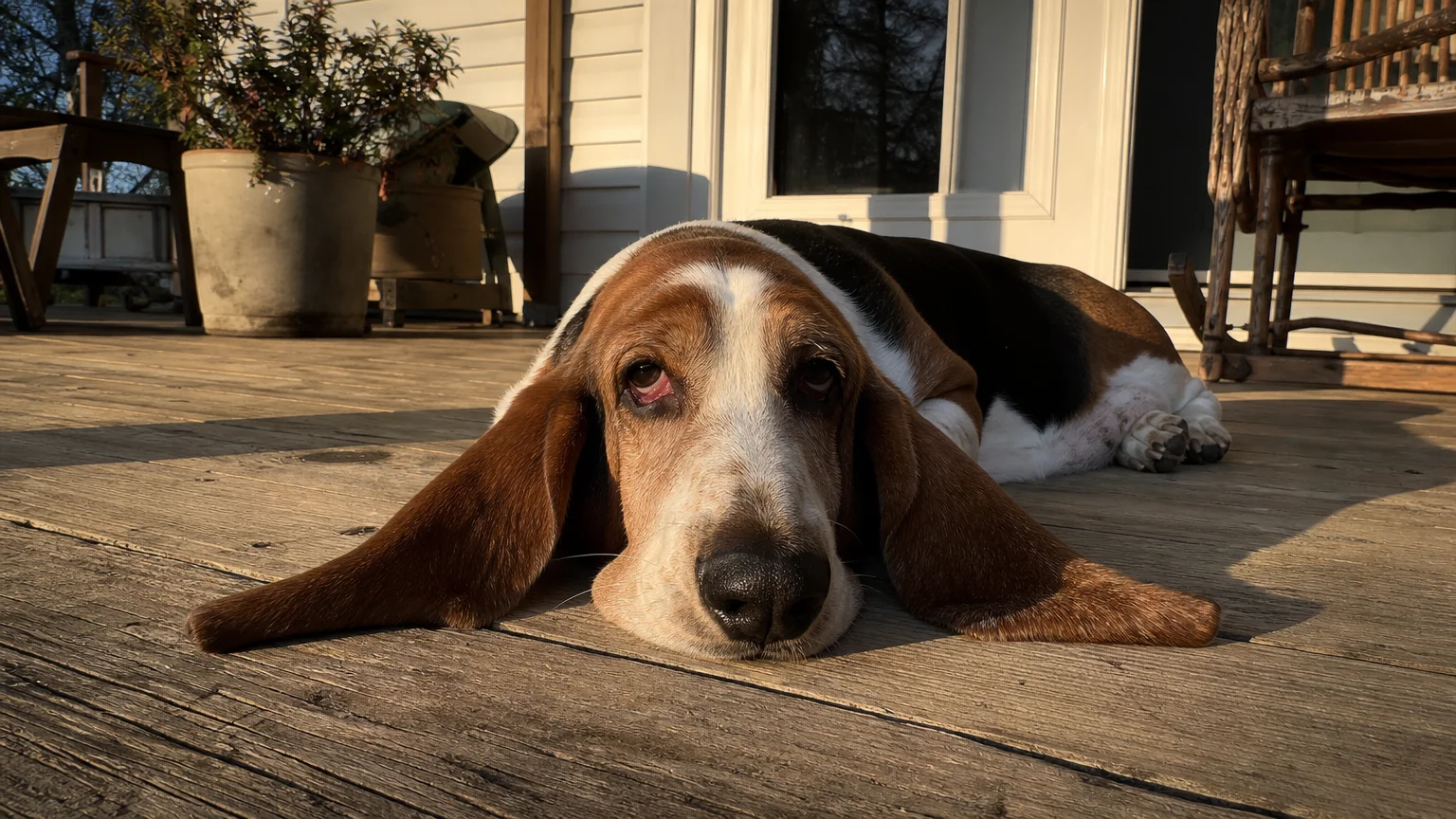
7. Basset Hound: The Laid-Back Observer
Instantly recognizable by their short legs, long bodies, and droopy ears, Basset Hounds offer a unique blend of comedic stubbornness and profound loyalty. They operate at their own distinct pace, making them excellent companions for laid-back households that prefer leisurely strolls over marathon running.
While they are incredibly friendly and tolerant, Basset Hounds are scent hounds first and foremost. If they catch an interesting smell, their ears turn off, and they will follow their nose relentlessly. For this reason, you should never walk a Basset off-leash in an unenclosed area. They require routine ear cleaning to prevent infections in those heavy folds, but otherwise, their daily demands remain quite manageable.
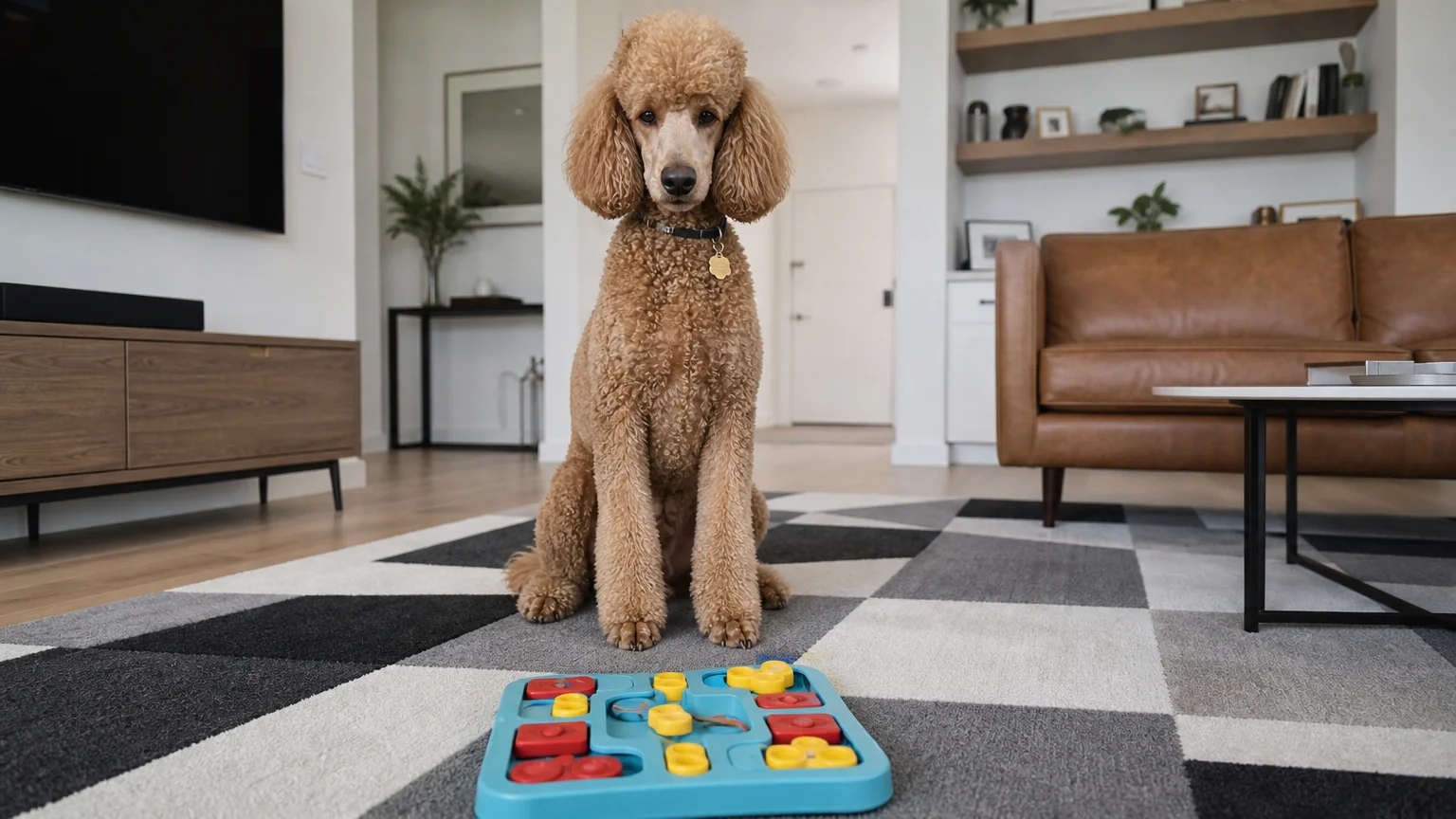
8. Poodle: The Brainy Aristocrat
Available in three sizes—Standard, Miniature, and Toy—the Poodle offers remarkable versatility. Do not let their fancy show-ring haircuts fool you; Poodles are rugged, highly intelligent, and athletic dogs. Originally bred as water retrievers, they learn obedience commands faster than almost any other breed on the planet.
Poodles boast a single-layer coat that sheds minimally, making them another strong candidate for allergy sufferers. Their high intelligence means they figure out household routines quickly, but it also means they get bored easily. You need to provide them with interactive games, trick training, and structured activities. A simple “puppy clip” requested at your local groomer keeps their coat manageable and stylish without the fuss of complex maintenance.
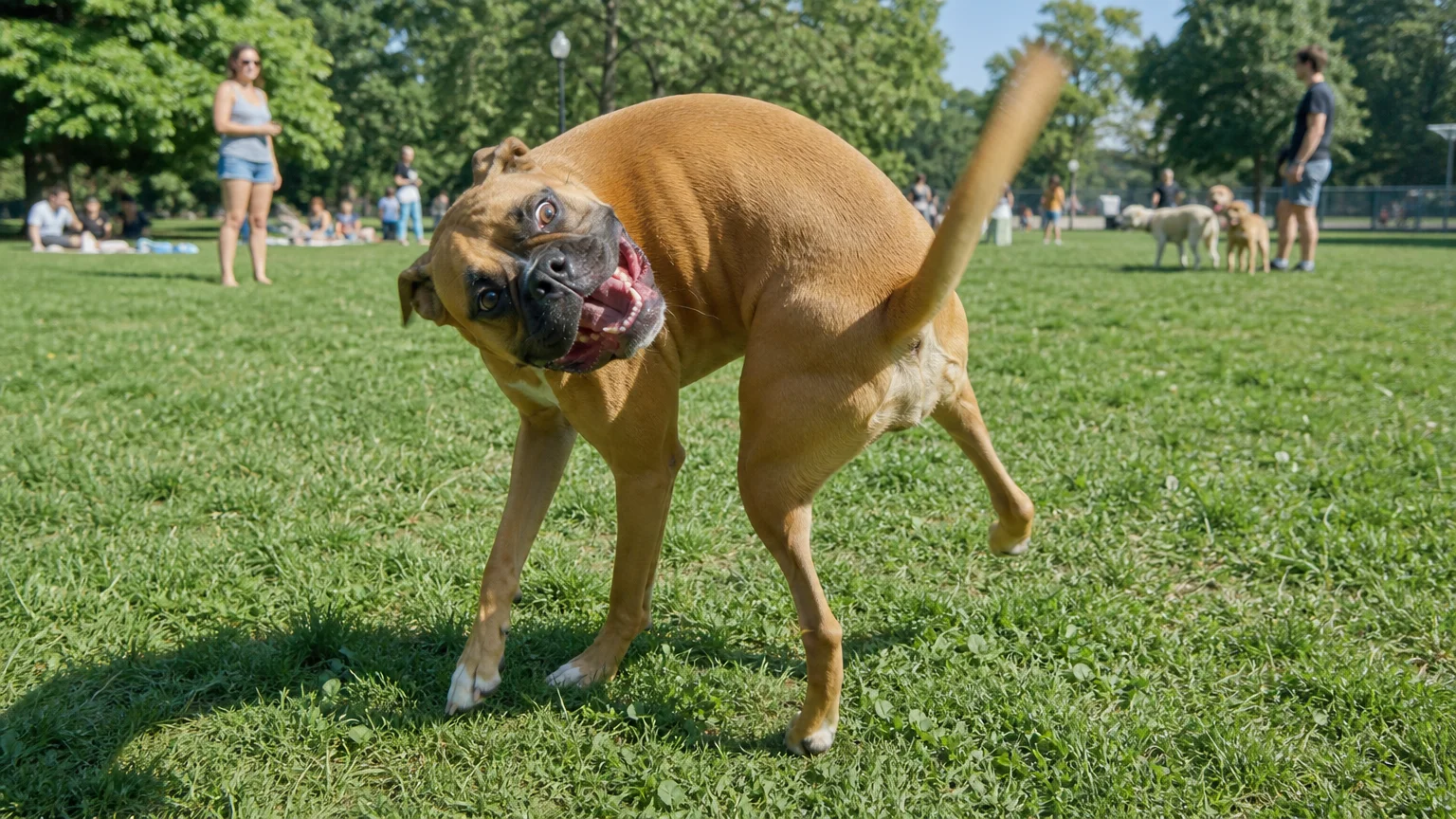
9. Boxer: The Playful Protector
Boxers bring a joyful, clownish energy to any household. They are incredibly expressive dogs—often using their front paws to play and communicate, which earned them their name. Boxers form deep, protective bonds with their families and exhibit remarkable patience with children, solidifying their status as a premier family-friendly dog breed.
They maintain a high energy level well into their senior years, so be prepared for a dog that loves to run, jump, and play fetch. Because they are a brachycephalic (flat-faced) breed, they struggle to pant effectively in high heat. You must exercise caution during hot summer months, keeping their physical activity limited to early mornings or late evenings.
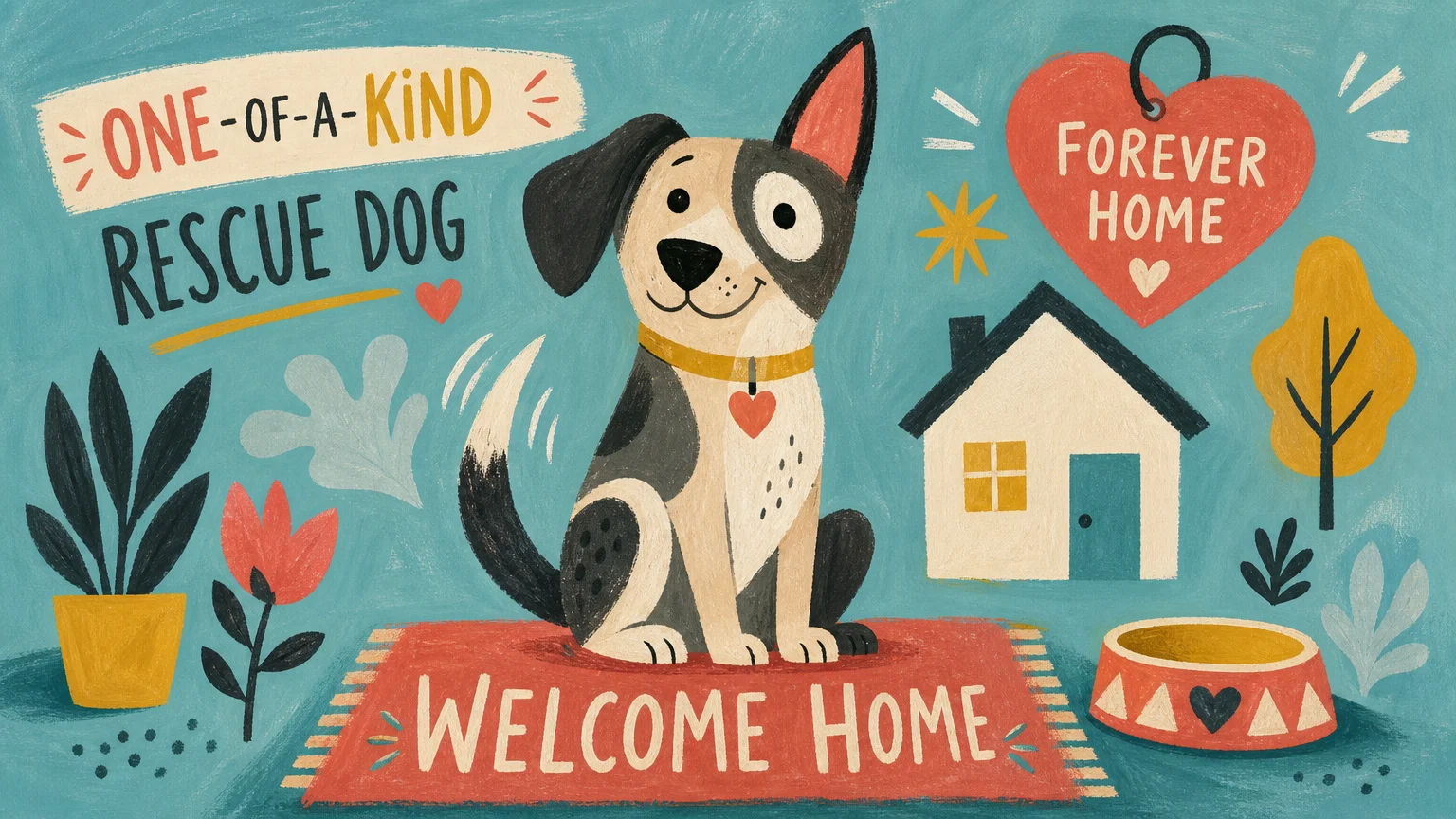
10. Mixed Breeds (Shelter Rescues): The Unique Best Friend
Do not overlook the local animal shelter when searching for your first dog. Mixed breeds often benefit from “hybrid vigor,” a broader genetic pool that can make them less susceptible to the hereditary diseases that plague purebreds.
For a first-time owner, adopting an adult mixed breed—between two and five years old—frequently provides the easiest path to pet ownership. Adult dogs usually have outgrown the destructive puppy chewing phase, possess basic house-training skills, and display a fully formed personality. Many rescues utilize foster networks, allowing you to speak directly with a foster parent about how the dog behaves in a real home environment before you make a commitment.
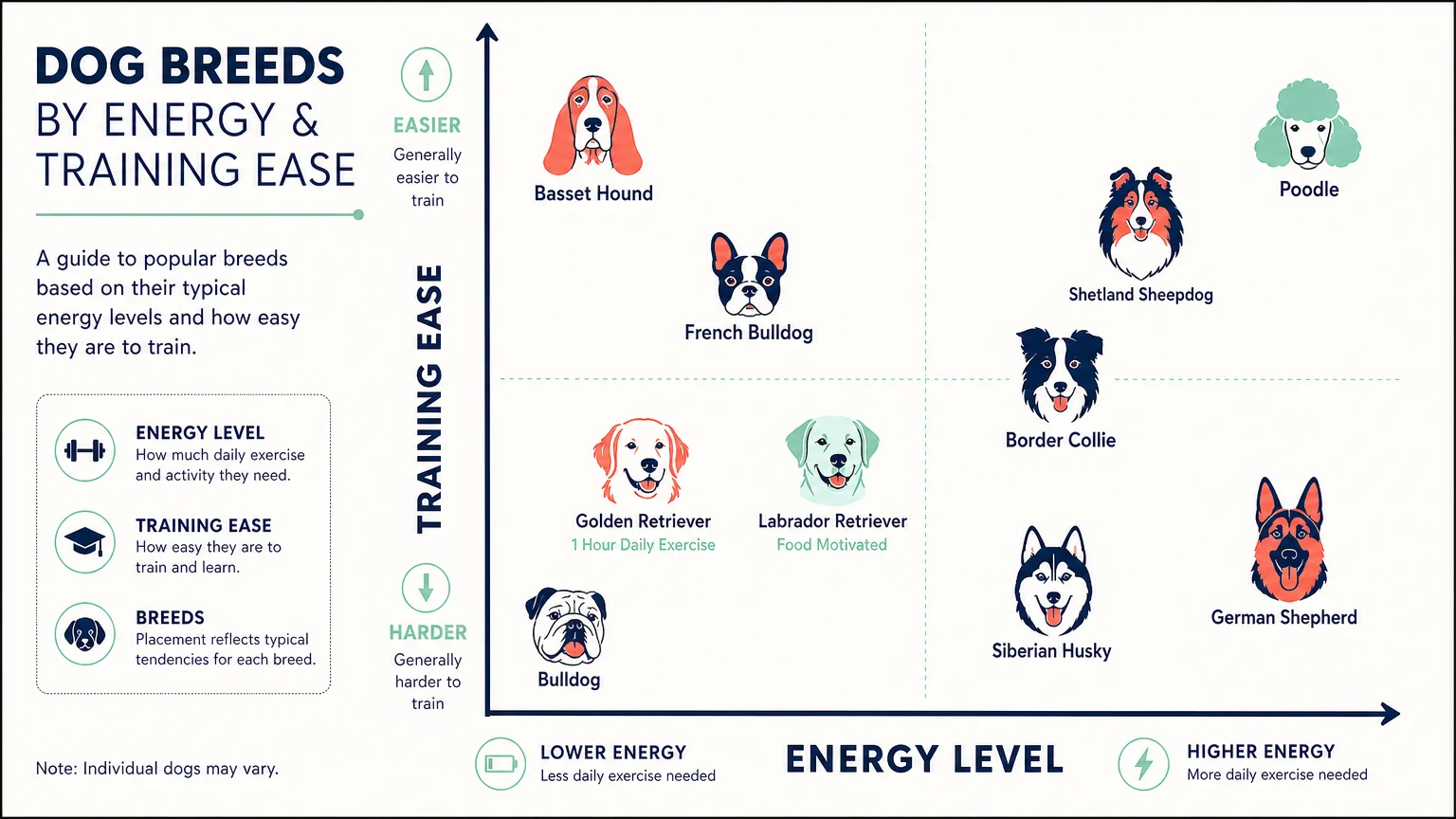
Comparing the Easiest Dog Breeds to Own
| Dog Breed | Average Size (lbs) | Energy Level | Grooming Demands |
|---|---|---|---|
| Golden Retriever | 55–75 | High | Moderate (Frequent brushing required) |
| Labrador Retriever | 55–80 | High | Moderate (Sheds heavily year-round) |
| Papillon | 5–10 | Moderate | Low (Easy-to-maintain silky coat) |
| Bichon Frise | 12–18 | Moderate | High (Requires professional haircuts) |
| Cavalier King Charles | 13–18 | Low to Moderate | Moderate (Regular brushing to prevent tangles) |
| Bernese Mountain Dog | 70–115 | Moderate | Moderate (Heavy shedding seasonally) |
| Basset Hound | 40–65 | Low | Low (Frequent ear cleaning needed) |
| Poodle (Standard) | 40–70 | High | High (Requires professional grooming) |
| Boxer | 50–80 | High | Low (Occasional brushing) |
| Mixed Breed (Adult) | Varies widely | Varies (Predictable if adult) | Varies depending on coat type |
Things to Watch Out For
Even with the most beginner-friendly dog breeds, pet parenthood comes with distinct challenges. Watch out for these common pitfalls that frequently catch first-time owners off guard.
- Underestimating Lifetime Financial Costs: The initial adoption or breeder fee is just a fraction of the expense. According to the American Kennel Club, the one-time costs of supplies and medical care for a new dog average around $2,100, while recurring annual costs for food, grooming, and routine vet care sit near $2,500.
- Choosing Looks Over Lifestyle Compatibility: Picking a dog strictly because you love how it looks often leads to disaster. If you live in a tiny apartment and work long hours, bringing home a high-energy sporting breed will result in behavioral issues, regardless of how friendly the breed profile claims they are.
- Ignoring the Critical Puppy Socialization Window: Puppies experience a vital socialization period that closes around 14 to 16 weeks of age. Exposing them to different sounds, surfaces, people, and other animals during this window prevents fear-based reactivity later in life. Do not keep your puppy isolated.
- Skipping Obedience Training During the “Honeymoon Phase”: When you first bring a dog home, they often act subdued while adjusting to the environment. Owners sometimes mistake this for perfect behavior and skip formal training. Once the dog builds confidence, poor habits surface. Start positive reinforcement training on day one.
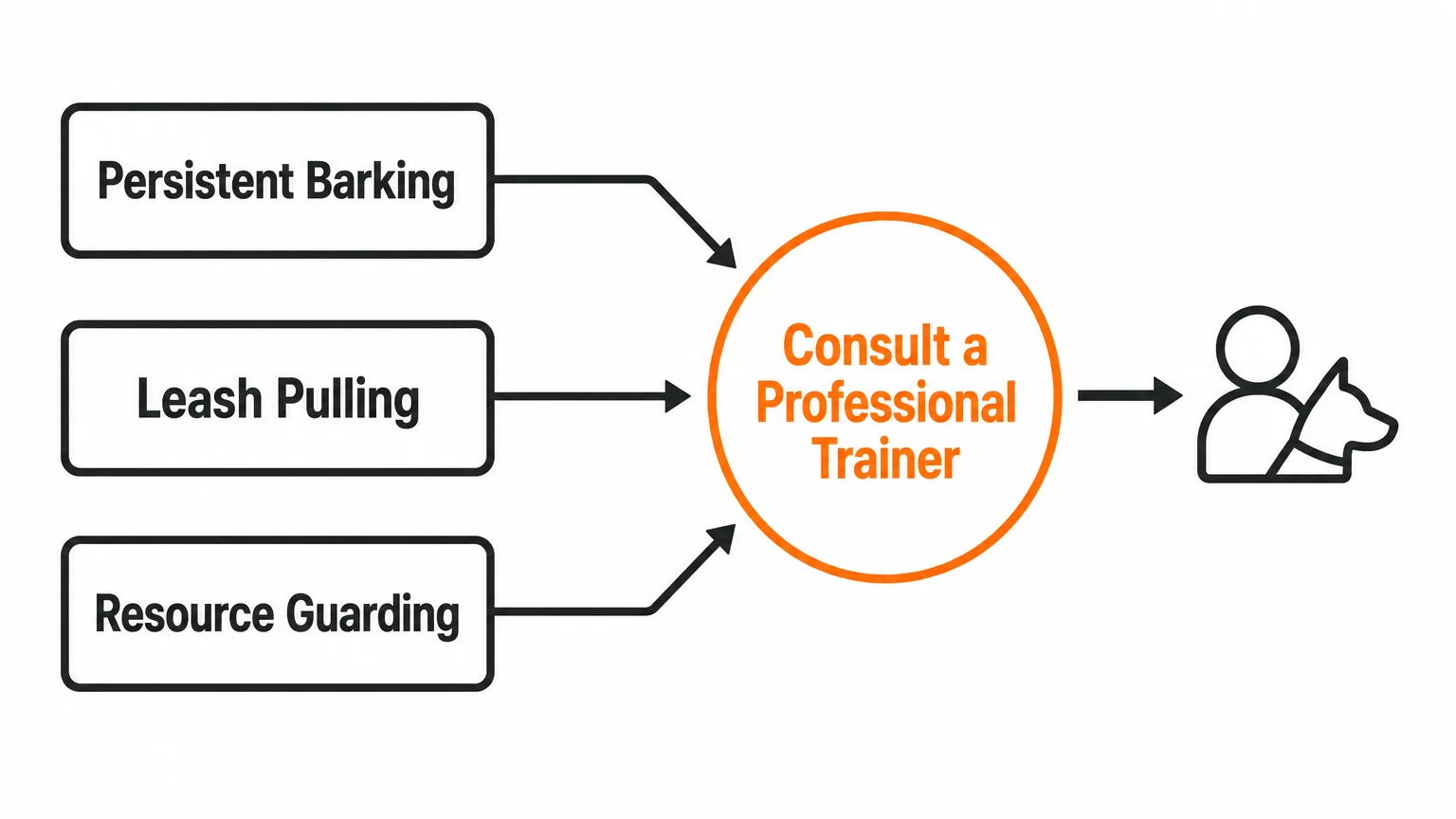
When DIY Isn’t Enough
There are moments in every dog owner’s journey where relying on internet tutorials simply will not cut it. Recognizing when to call in a professional protects both you and your pet.
- Escalating Destructive Behaviors: If your dog starts destroying furniture, doors, or their own crate when you leave the house, they likely suffer from separation anxiety. According to the ASPCA, destructive chewing often stems from deep-rooted anxiety or lack of mental stimulation. A certified canine behaviorist can help implement a desensitization protocol.
- Resource Guarding and Reactivity: If your dog growls, snaps, or stiffens when you approach their food bowl, favorite toy, or sleeping space, do not attempt to punish the behavior yourself. Heavy-handed corrections often escalate resource guarding into a dangerous bite. Hire a professional positive-reinforcement trainer immediately.
- Unexplained Shifts in Routine Health: Dogs mask pain incredibly well. If your normally energetic Labrador suddenly refuses breakfast, or your easygoing Cavalier begins snapping when you touch their back, bypass home remedies. Sudden behavioral shifts are frequently the first indicator of an underlying medical emergency requiring a veterinarian.
Frequently Asked Questions
What is the lowest maintenance dog for a first-time owner?
The Basset Hound and the Cavalier King Charles Spaniel are often considered some of the lowest maintenance options regarding daily exercise demands, though both still require regular basic health care and coat maintenance.
Are male or female dogs better for beginners?
Neither gender is definitively better for a beginner. Temperament, energy level, and breed characteristics play a much larger role in determining how easy a dog is to train and manage than gender does. A spayed or neutered dog will generally exhibit fewer hormonally driven behaviors, making them easier to handle.
Should a first-time owner get a puppy or an older dog?
Adult dogs (aged two to five) from a rescue or shelter often make the easiest pets for first-time owners. They typically feature established temperaments, possess basic house-training skills, and have completely outgrown the exhausting and destructive puppy chewing phase.
Bringing a dog into your home invites chaos, laughter, and an unparalleled depth of companionship. By selecting a breed that aligns with your lifestyle and energy level, you set yourself up for a lifetime of success. Focus on consistency, stock up on high-value treats, and embrace the inevitable learning curve.
This article provides general information only. Every reader’s situation is different—what works for others may not be the right fit for you. For personalized guidance on health, legal, or financial matters, consult a qualified professional.
Last updated: May 2026. Rules, prices, and details change—verify current information with official sources before acting on it.