For centuries, humans believed we were the only species capable of understanding death and experiencing profound grief. Modern wildlife biology paints a much different picture.
From the deep oceans to the African savanna, researchers have documented intense mourning behaviors across a wide spectrum of species. Animals stand vigil over fallen family members, carry deceased infants for weeks, and gather for complex funerals to process the loss.
Understanding how wildlife and domestic pets respond to death completely shifts our perspective on animal intelligence.
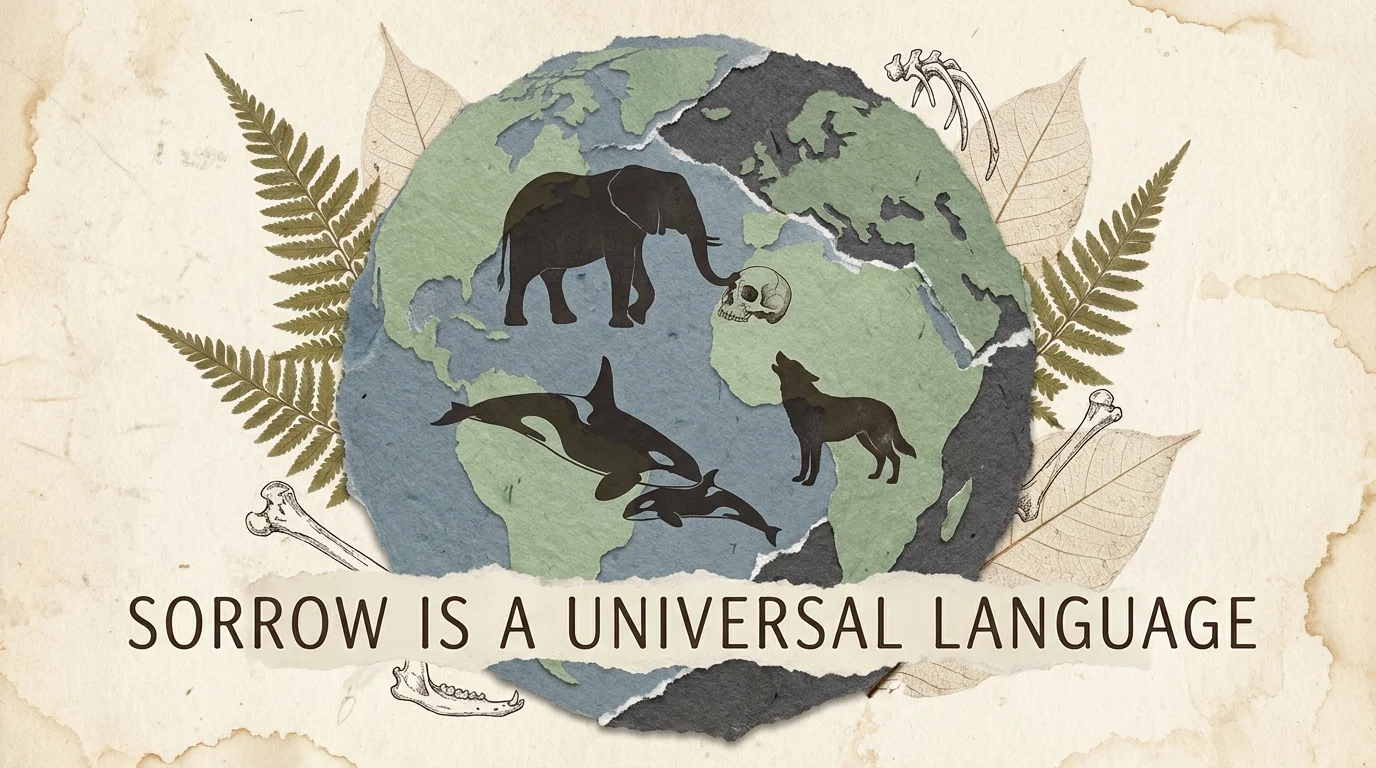
Watching a matriarch stroke the bones of her relative or seeing a grieving pet pace the hallway proves that sorrow is a universal language, connecting us far more deeply to the natural world.
01 Orcas (Killer Whales)
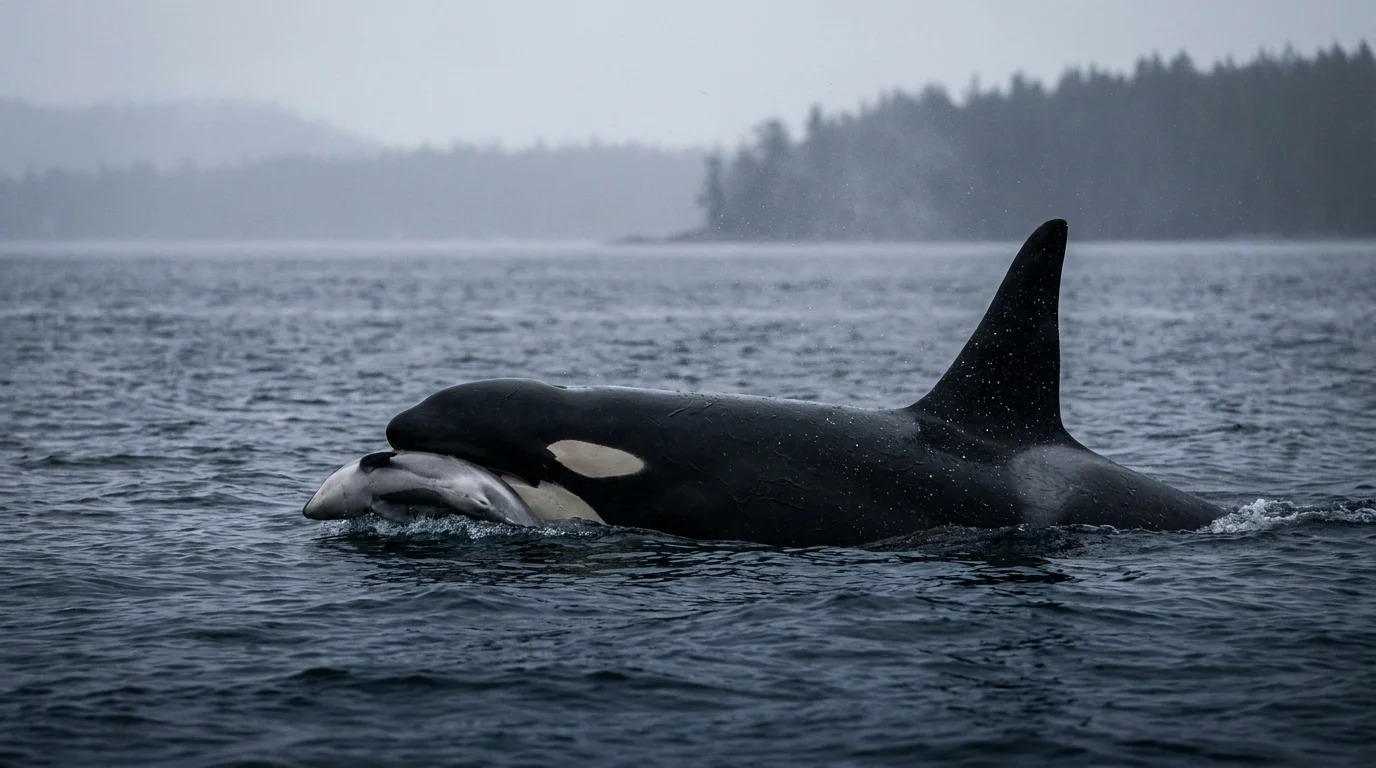
Few displays of animal grief have captured global attention quite like the story of a Southern Resident killer whale named Tahlequah. Known to researchers as J35, Tahlequah gave birth to a female calf in the summer of 2018 off the coast of the Pacific Northwest.
Tragically, the newborn died within thirty minutes.
Instead of letting the calf sink, Tahlequah balanced the body on her rostrum (snout) and carried her through the Salish Sea. She refused to let go, swimming more than 1,000 miles over the course of 17 days.
According to the Center for Whale Research, this grueling “tour of grief” visibly exhausted her. Other members of her pod were documented taking turns floating the calf so Tahlequah could briefly rest and breathe.
Because up to 70 percent of Southern Resident orca pregnancies end in miscarriage or early death—largely due to a lack of Chinook salmon—the loss is deeply felt throughout the highly social pod.
Tahlequah’s prolonged mourning period serves as a staggering testament to the emotional depth of cetaceans.
02 Chimpanzees
Primatologist Dr. Jane Goodall shattered the illusion of human emotional exclusivity during her groundbreaking observations at the Gombe Stream Research Center in Tanzania. Through her work, we learned that chimpanzees experience profound sorrow, complete with behavioral changes that mirror human depression.
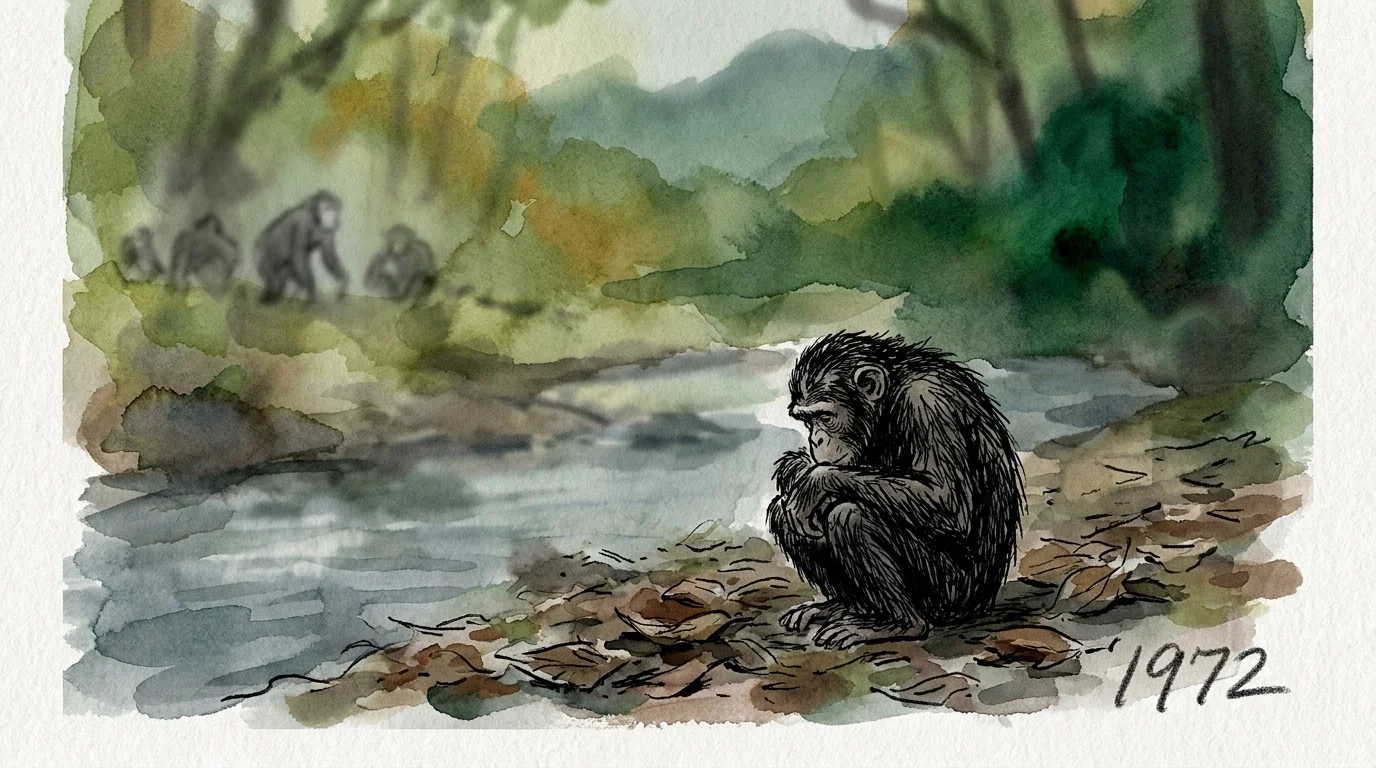
The most famous example involves an older matriarch named Flo and her son, Flint. Flint was unusually dependent on his mother, insisting on riding on her back and sleeping in her nest long past the typical weaning age.
When Flo died while crossing a stream in 1972, Flint fell into an intense depression. He stopped eating, grew visibly lethargic, and isolated himself from the rest of the troop.
He repeatedly returned to the exact spot where his mother had passed away. A few weeks later, weakened by starvation and a broken heart, Flint curled up near where his mother had lain and died.
These observations from the Jane Goodall Institute confirmed that chimpanzees build familial bonds so strong that severing them can be physically devastating to the survivors.
03 African Elephants
Elephants possess complex, multi-generational social structures and exceptional memories. Their reaction to death is uniquely ritualistic and extends far beyond their immediate family unit.
Researchers like Cynthia Moss and Iain Douglas-Hamilton have spent decades chronicling the empathetic nature of African elephants on the savanna.
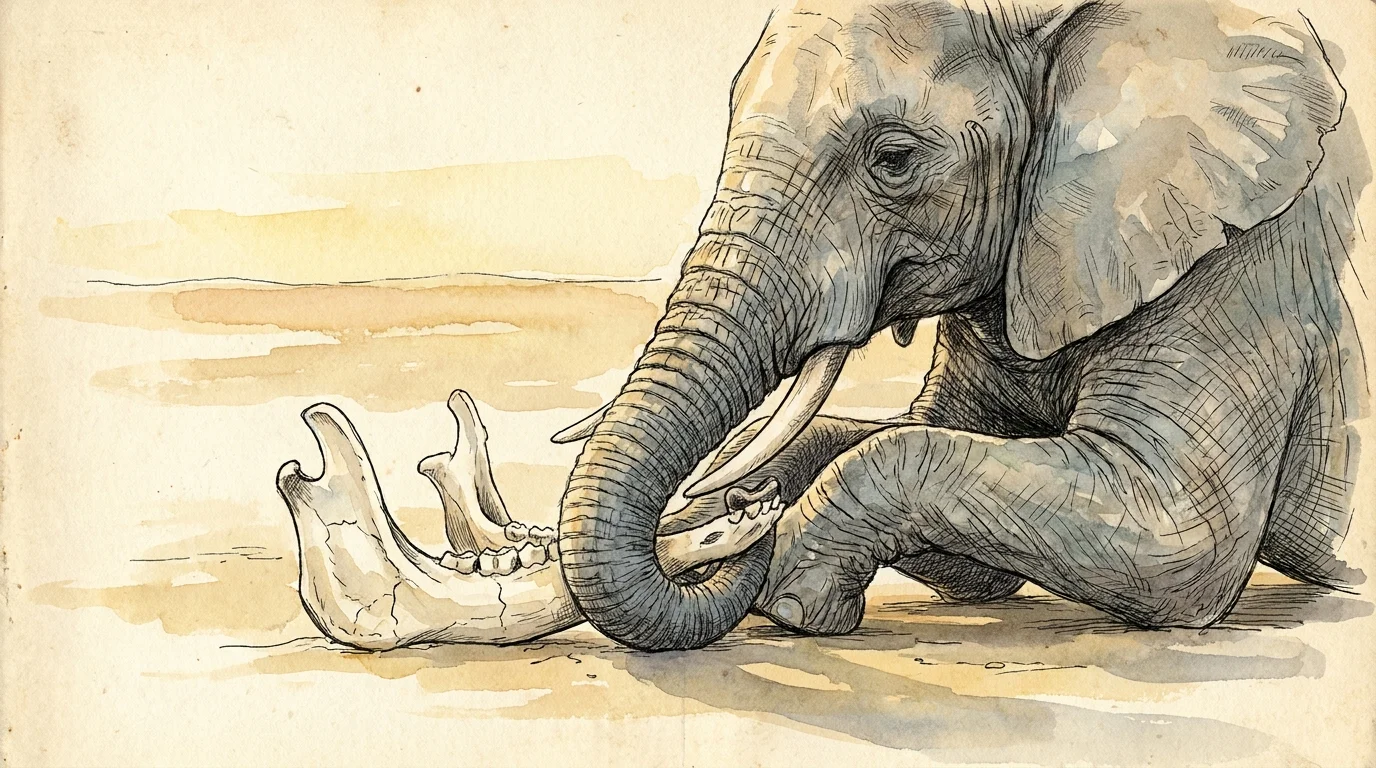
When an elephant dies, passing herds will frequently alter their travel routes to visit the carcass. They approach quietly, waving their trunks to catch the scent, and use their sensitive feet and trunks to stroke the bones—paying special attention to the jawbones and tusks.
Elephants have even been documented attempting to lift fallen, dying comrades with their tusks or pulling branches, dirt, and leaves over the bodies of the deceased to bury them.
In one moving account, Moss documented the death of a revered matriarch named Big Tuskless. After her passing, her family eventually returned to the research camp where her jawbone had been temporarily stored.
The entire family touched the bone, but her seven-year-old son, Butch, lingered long after the others had left, gently fondling his mother’s jaw with his trunk.
04 Collared Peccaries
While we expect immense grief from highly evolved apes and cetaceans, scientists are continuously surprised by the mourning behaviors of other mammals. Collared peccaries are small, pig-like mammals native to the Americas.
They rely on tightly knit herds for survival, foraging and sleeping together to fend off predators.
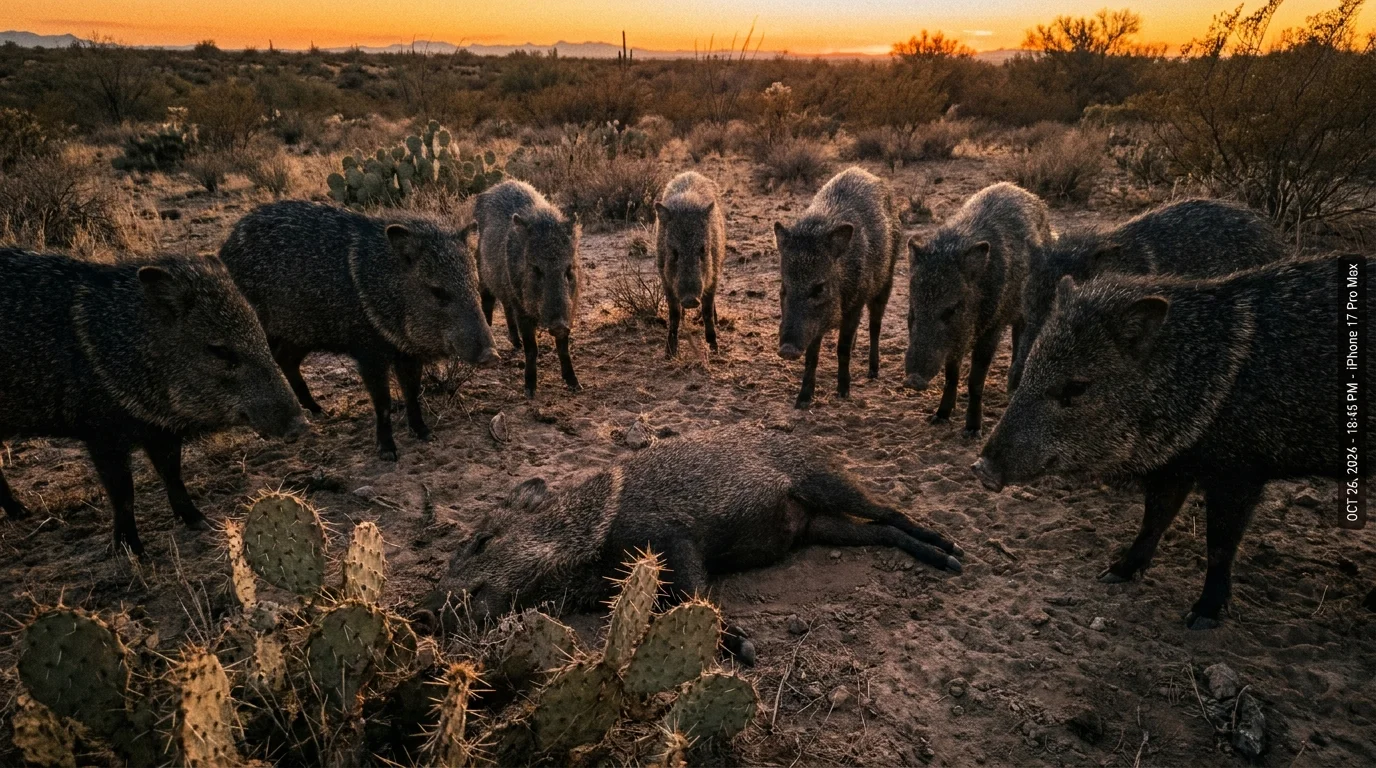
In 2017, researcher Mariana Altrichter analyzed camera trap footage in Arizona that captured a herd of peccaries reacting to the death of a female member. Over the span of 10 days, herd members continuously visited the body.
They slept closely alongside it, nuzzled it with their snouts, and actively defended the carcass from a pack of hungry coyotes. The peccaries only abandoned the vigil when the body was finally overwhelmed by scavengers.
This remarkable observation proved that deep emotional ties and the need to process loss exist in animals far beyond the usual textbook examples.
05 Giraffes
Traditionally, wildlife biologists viewed giraffes as socially aloof animals that formed loose, casual herds. Modern behavioral ecology proves otherwise.
We now know that female giraffes build strong, lasting bonds, frequently operating in cooperative networks to help watch over young calves.
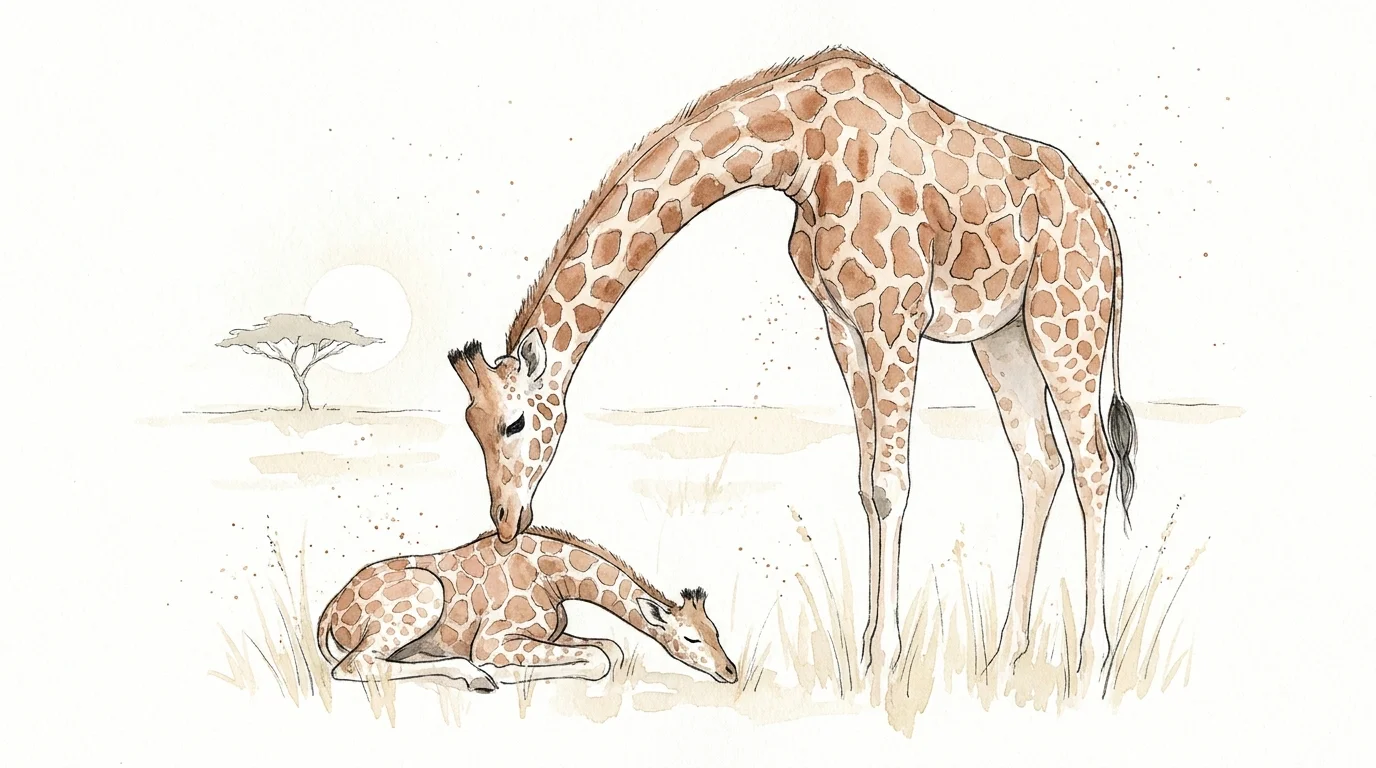
This social complexity is matched by their capacity to mourn. In 2010, zoologist Zoe Muller documented a Rothschild’s giraffe in Kenya standing over her dead calf.
For several days, the mother refused to eat or seek water—a significant sacrifice for an animal that must feed almost constantly to sustain its massive frame. She remained completely alert, guarding the body under an acacia tree.
Even when hyenas moved in and partially consumed the calf, the mother held her ground, displaying classic distress behaviors and an absolute refusal to abandon her offspring.

06 Bottlenose Dolphins
Like orcas, bottlenose dolphins share a deeply rooted maternal instinct and exist in tight-knit pods. Dolphin mothers nurse their young for years, creating an intense dependency and an unbreakable emotional bond.
When a calf dies prematurely, the mother often experiences a severe emotional shock.
In 2007, researcher Joan Gonzalvo of the Ionian Dolphin Project observed a female bottlenose dolphin mourning in the Gulf of Ambracia, Greece. For two full days, the mother carried her dead newborn, gently touching it with her pectoral fins and rostrum.
In a heartbreaking display, she continuously lifted the lifeless body above the surface of the water, seemingly making frantic, desperate attempts to help the baby breathe.
Researchers on the boat noted hearing distressed cries from the mother, showcasing an agonizing refusal to accept the reality of the loss.
07 Crows and Corvids
Birds in the corvid family—including crows, ravens, and magpies—are notoriously brilliant. They use tools, solve multi-step puzzles, and remember human faces.
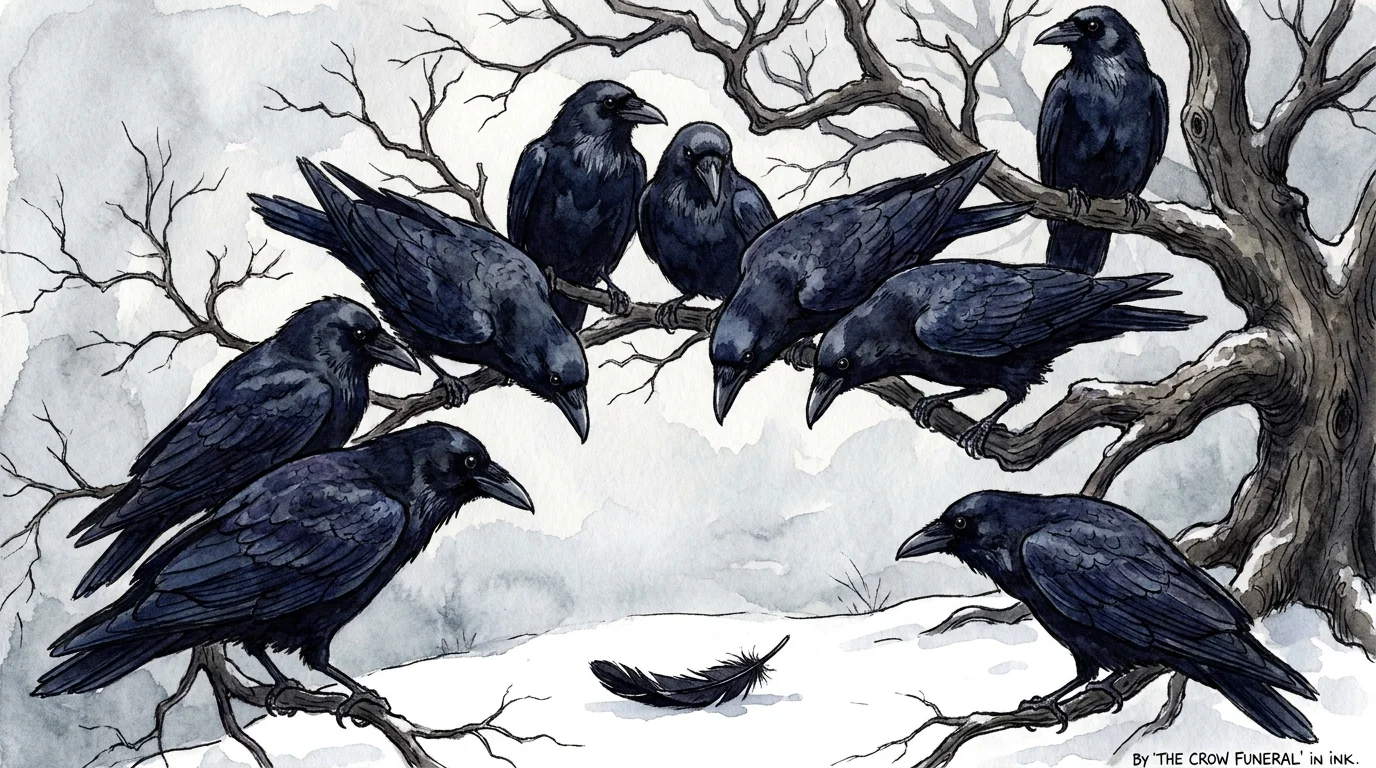
They also hold what researchers affectionately call “crow funerals.”
When a crow discovers a dead flock member, it issues a loud, specific alarm call that summons other crows in the area. Soon, dozens of birds gather in the trees above the body, squawking furiously before falling into a quiet, observant silence.
Dr. Kaeli Swift and Dr. John Marzluff at the University of Washington have studied these gatherings extensively.
While the behavior serves an evolutionary purpose—allowing the living crows to observe the scene, identify the threat, and learn which predators or humans to avoid—it is undeniably a highly structured, communal response to death.
Crows will actively avoid areas where a funeral took place for weeks, honoring the danger and the loss of their peer.

08 Domestic Dogs
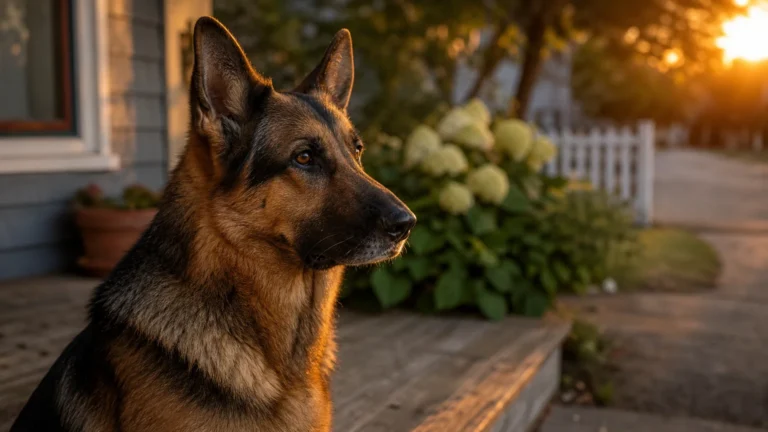
You do not have to travel to the African savanna or the deep ocean to witness animal grief; it happens right in our living rooms. Domestic dogs form extraordinarily powerful attachment bonds with their human owners and with other pets in the household.
When a companion dies, dogs frequently exhibit a specific set of mourning behaviors recognized by veterinary science. They may pace the house looking for the missing family member, sleep in the deceased companion’s favorite bed, or refuse to eat.
Lethargy, whining, and a sudden lack of interest in their favorite toys are standard indicators of canine grief. Because dogs thrive on routine and pack stability, the sudden absence of a pack member disrupts their entire world.
Providing patience, maintaining a strict daily routine, and offering quiet affection are the best ways you can guide a grieving pet through their sorrow.
What This Means for You
Recognizing that animals grieve fundamentally changes how we view wildlife conservation and our own pets.
If elephants and orcas experience deep emotional trauma when a family member dies, then poaching, habitat destruction, and captivity do far more than just reduce population numbers—they inflict profound psychological damage on the surviving animals.
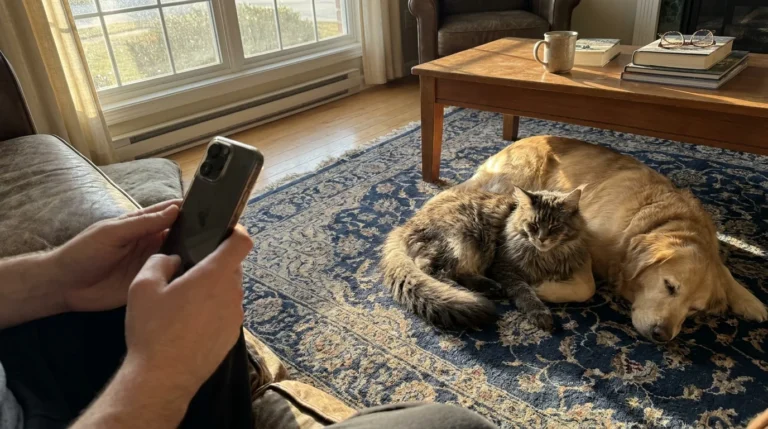
On a personal level, understanding animal grief helps you extend more grace to the pets in your own home.
If your dog or cat loses a companion, recognizing their behavioral changes as genuine mourning allows you to provide the comforting, patient care they need to recover.

What Can Go Wrong
When dealing with animal grief, particularly with domestic pets, human misunderstandings can accidentally make the situation worse. Watch out for these common pitfalls:
- Missing an underlying illness: It is easy to assume your cat or dog is lethargic simply because they are grieving. However, stress can compromise an animal’s immune system. If you write off all symptoms as sadness, you might miss a serious, treatable medical emergency.
- Projecting human resentment: Animals do not grieve exactly like humans. If your dog starts having accidents in the house after a companion dies, they are not acting out of spite or anger. They are simply anxious and confused. Punishing them will only amplify their stress.
- Forcing a new companion too soon: Many owners try to “fix” a surviving pet’s loneliness by immediately bringing home a new puppy or kitten. This sudden introduction of high energy can severely stress an older, grieving animal who just wants quiet stability.
- Disrupting the routine: In an attempt to give a grieving pet a fresh start, owners sometimes throw away the deceased pet’s bedding, change feeding times, or rearrange furniture. Animals rely on scent and routine for comfort; removing these familiar anchors can deepen their anxiety.

Where Outside Advice Pays Off
While most pets will naturally process their grief over time, certain situations require professional intervention to keep your animal safe and healthy.
- Prolonged fasting: If a grieving cat stops eating for more than 48 hours, they are at high risk for hepatic lipidosis (fatty liver disease), which can be fatal. Dogs also cannot safely fast for extended periods. A veterinarian can prescribe appetite stimulants or provide intravenous fluids.
- Destructive behavioral changes: If grief manifests as severe separation anxiety, aggression, or self-harm (such as licking paws until they bleed), it is time to consult an animal behaviorist. They can provide counter-conditioning strategies and recommend anxiety-reducing supplements.
- Complex end-of-life decisions: If you are scheduling a humane euthanasia for an older pet, ask your veterinarian whether the surviving pet should be present or allowed to sniff the body afterward. Some behaviorists recommend this so the surviving pet understands the companion has passed, rather than anxiously waiting for them to return.
Frequently Asked Questions
Do animals understand that death is permanent?
Scientific consensus is mixed on whether animals possess a philosophical understanding of mortality. However, species like elephants and primates display behaviors—such as returning to bones years later or avoiding the site of a death—that heavily imply they recognize the finality of the loss.
How long does animal grief last?
The timeline varies wildly depending on the species, the individual animal, and the depth of the bond. For a domestic dog, acute grief may last a few weeks, followed by months of subtle behavioral adjustments.
In wildlife, such as Tahlequah the orca, intense mourning can last for weeks, while elephants may show reverence for decades.
Can I help my pet mourn another pet?
Yes. Keep their daily routine as consistent as possible.
Feed them and walk them at the exact same times you normally would. Offer extra affection, but do not force them to interact if they choose to isolate themselves in a quiet room.
Time, stability, and patience are their best medicines.
As we continue to study the emotional lives of animals, the line separating human feelings from animal instincts grows blurrier.
Watching a loyal dog wait by the door or witnessing an elephant stand vigil on the savanna reminds us that love and loss are universally intertwined. Give the animals in your life the respect their rich emotional capacities deserve.
This article provides general information only. Every reader’s situation is different—what works for others may not be the right fit for you. For personalized guidance on health, legal, or financial matters, consult a qualified professional.
Last updated: May 2026. Rules, prices, and details change—verify current information with official sources before acting on it.