
The debate between feline fanatics and dog devotees is older than modern pet ownership, but veterinary professionals are tipping the scales in favor of cats. You do not have to choose sides to appreciate the practical advantages of bringing a purring companion into your home. From costing less annually to demanding far less of your schedule, cats offer an unparalleled blend of affection and independence. We analyzed insights from three practicing veterinarians—Dr. Thyagaraja Pethandlahalli, Dr. Karyn Kanowski, and Dr. Nabil Anis—to break down exactly why cats hold a distinct edge over dogs. Whether you live in a tiny apartment or simply want a companion who practically potty-trains themselves, a feline might be your perfect match.

Why People Are Talking About This
In recent years, the cultural narrative around pet ownership has shifted dramatically. Historically, dogs were viewed as the default family pet, deeply ingrained in the image of suburban life alongside a house with a fenced-in yard. However, modern housing markets have changed, remote work has altered daily schedules, and the rising cost of living has forced many adults to rethink their pet preferences.
As a result, cats are experiencing a major cultural renaissance. Drawn to their independent nature and the lower financial barrier to entry, younger generations are adopting cats at record rates. The internet has also played a massive role by debunking the old stereotype of the aloof, unfriendly cat and replacing it with undeniable proof that felines are deeply affectionate, complex companions. As veterinary science advances and we learn more about feline psychology, it is becoming increasingly clear that cats are not simply small dogs—they are a uniquely beneficial species that perfectly aligns with fast-paced, modern lifestyles.

1. Low-Maintenance Living: Less Demand on Your Schedule
Many working adults struggle to balance their careers with the intense demands of dog ownership. Dogs are highly social pack animals that thrive on constant interaction and require a rigid schedule for bathroom breaks and exercise. Cats, on the other hand, offer a much more flexible companionship model.
Dr. Thyagaraja Pethandlahalli, a practicing veterinarian, frequently highlights this exact difference when providing veterinarian advice to potential pet owners. He points out that cats are significantly quieter and far more self-directed than their canine counterparts. You will not find a cat barking frantically at the mail carrier or demanding a focused, high-energy walk at six in the morning during a freezing rainstorm.
While cats still require daily playtime, grooming, and deep affection, they spread their needs out differently over the course of the day. A cat is perfectly content to sleep for 12 to 16 hours and entertain themselves with a window view or a puzzle toy while you are at the office. This inherent self-reliance makes cat ownership an ideal choice for busy professionals who simply cannot commit to the intensive daily routine a dog requires.
2. Built-In Bathroom Habits: The Litter Box Advantage
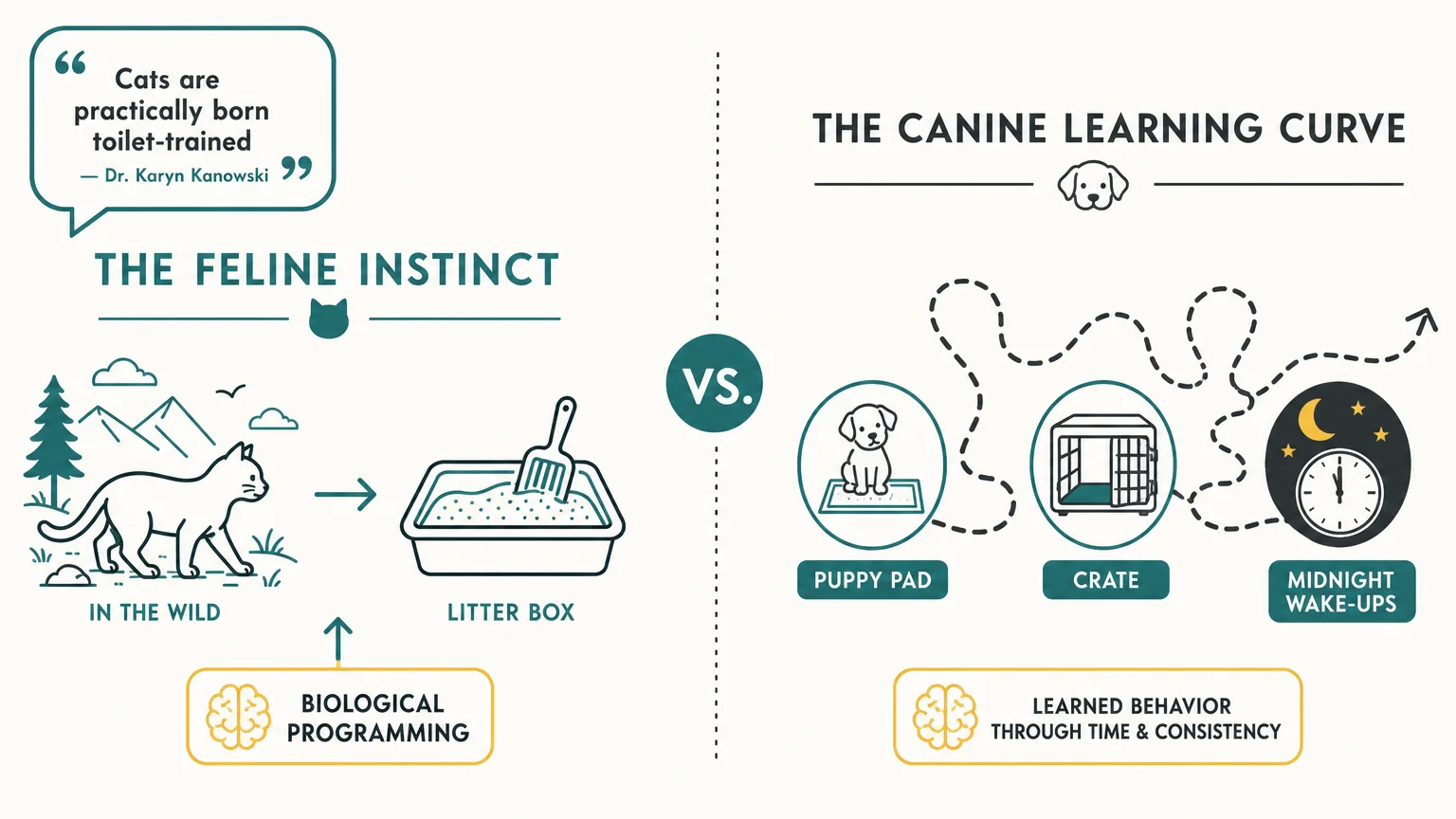
If you have ever potty-trained a puppy, you know it is an exhausting marathon of crate training, puppy pads, ruined rugs, and midnight trips to the backyard. Dogs must be explicitly taught where and when it is appropriate to relieve themselves, a process that requires months of consistent, patient reinforcement.
Veterinarian and zoologist Dr. Karyn Kanowski points to feline bathroom habits as a massive advantage in the cats vs dogs debate. Cats are practically born toilet-trained. In the wild, cats instinctively bury their waste to hide their scent from larger predators. Domestic cats retain this powerful biological instinct. When you bring a new kitten home, you usually just need to show them where the litter box is once or twice. Their natural programming takes over from there.
This biological advantage removes an immense layer of stress from your life. You do not need to rush home on your lunch break to let a cat out, nor do you need to hire a mid-day dog walker just to prevent accidents on your carpet. As long as you keep the litter box clean and accessible, your cat will manage their own bathroom schedule independently.

3. Superior Independence and Problem-Solving Intelligence
The intelligence debate between cat and dog lovers is notoriously fierce. Dogs are often praised for their trainability and eagerness to please; they can learn dozens of commands, perform complex tricks, and work alongside humans in various jobs. However, trainability is not the only measure of an animal’s intelligence.
Dr. Nabil Anis, a veterinary professional who has extensively observed the behavioral differences between the two species, notes a fascinating distinction in how cats and dogs approach problems. When a dog is presented with a complex puzzle toy that they cannot easily solve, they will typically stop trying and look to their human owner for help. Because they are pack animals, they rely on their perceived pack leader to step in and fix the situation.
Cats take a completely different approach. They are solitary hunters by nature, which means they do not expect a pack leader to solve their problems for them. If a cat encounters a difficult puzzle or an obstacle, they will persistently work at it using their own claws, teeth, and ingenuity until they figure it out. This independent problem-solving streak means cats are far less needy when it comes to mental stimulation. They are perfectly capable of navigating their environment without waiting for your permission or assistance.
4. The Financial Reality: Cats Keep More Money in Your Wallet
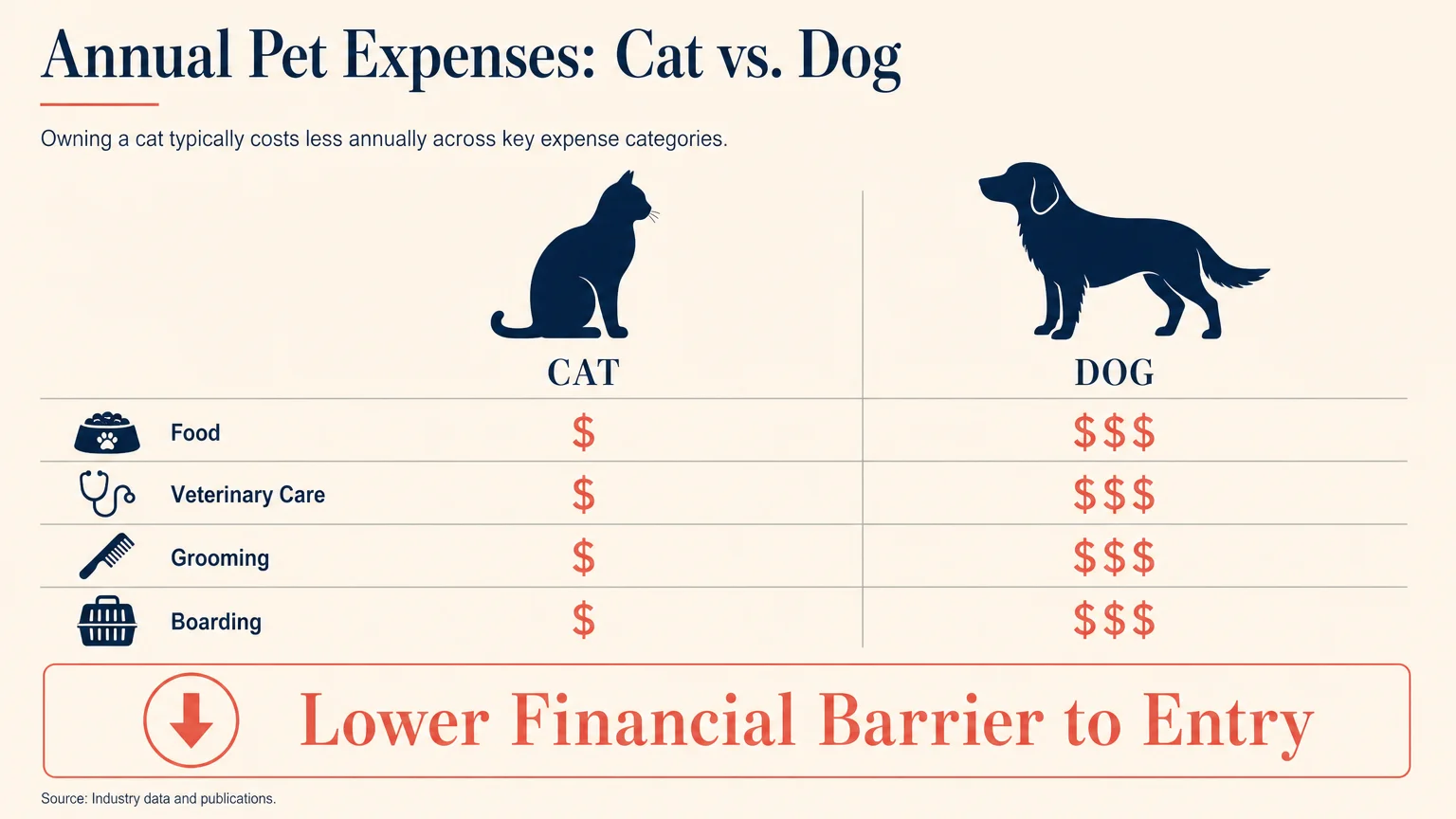
Owning any animal is a significant financial commitment, but the numbers clearly show that cats are the more budget-friendly option. From food to routine medical care, the expenses associated with feline ownership are consistently lower than those for a dog.
According to the ASPCA, the baseline annual cost of keeping a dog is roughly $1,391, while a cat averages $1,149. However, this is just the baseline. Because dogs vary so wildly in size, large breeds consume significantly more food and require larger, more expensive doses of preventative medications. Furthermore, dogs often require specialized chew toys, heavy-duty leashes, replacement beds, and professional grooming sessions that can easily push their annual cost past the $3,000 mark.
Here is a breakdown of average annual expenses for a medium-sized dog versus a standard indoor cat:
| Expense Category | Average Annual Cost (Dog) | Average Annual Cost (Cat) |
|---|---|---|
| Food & Treats | $360+ | $261 |
| Routine Medical & Vaccines | $225+ | $160 |
| Preventative Medication (Flea/Tick/Heartworm) | $185+ | $140 |
| Toys, Grooming & Miscellaneous | $115+ | $90 |
| Estimated Base Total | $1,391+ | $1,149 |
Cats also save you money on indirect costs. Since they use a litter box and comfortably entertain themselves, you rarely need to pay for dog walkers, doggy daycare, or expensive boarding facilities when you work long hours or take a short weekend trip.

5. Perfect Harmony for Apartment Dwellers
As urban living becomes the norm for more people, finding a pet that thrives in a smaller footprint is crucial. Dogs, especially medium to large breeds, need horizontal space to run and play. Keeping an active dog in a high-rise apartment requires a massive commitment to daily outdoor exercise at local parks to prevent destructive boredom.
Cats view space differently; they live in a vertical world. A 600-square-foot apartment might seem entirely too small to a dog, but to a cat, it is a multi-level playground if you add a tall scratching post, a few floating wall shelves, and access to the top of the refrigerator.
Furthermore, cats are generally much quieter. While they may experience the occasional case of the midnight zoomies, they do not bark at passing sirens, howl when left alone, or stomp heavily enough to trigger noise complaints from the downstairs neighbors. This spatial efficiency and quiet demeanor make them the ultimate companion for dense housing environments.

6. Health and Wellness Benefits for Your Brain
The physical and mental health benefits of pet ownership are well-documented, but cats offer a unique brand of therapeutic support. While dogs keep you active by forcing you to walk them, cats excel at lowering your baseline stress levels through physical contact and sound.
According to the Centers for Disease Control and Prevention (CDC), research shows that cats can significantly improve moods, boost overall morale, and provide profound emotional support. Their calming presence is largely tied to how they interact with humans physically.
The simple act of petting a cat releases oxytocin—often called the bonding hormone—in your brain while simultaneously lowering cortisol, your primary stress hormone. Even more fascinating is the feline purr. Domestic cats purr at a frequency between 25 and 140 Hertz. In human medicine, these exact sound frequencies have been shown to improve bone density, repair tendons, and ease breathing. While your cat is just expressing contentment, they are actively acting as a biological sound therapy machine right on your lap.
Things to Watch Out For
While cats may be easier to manage than dogs in many ways, feline ownership still comes with its own unique set of challenges that require proactive management.
- Dental Disease Hiding in Plain Sight: Cats are masters at hiding pain, an evolutionary trait designed to protect them from larger predators. Because of this, severe dental issues—such as tooth resorption or severe gingivitis—often go unnoticed until the cat stops eating entirely. Regular dental checkups are non-negotiable.
- The Accumulating Cost of High-Quality Litter: While cats eat less than dogs, they require a constant supply of cat litter. Premium clumping, dust-free, or eco-friendly litters can easily add $20 to $40 to your monthly grocery bill, an ongoing expense that dog owners do not have.
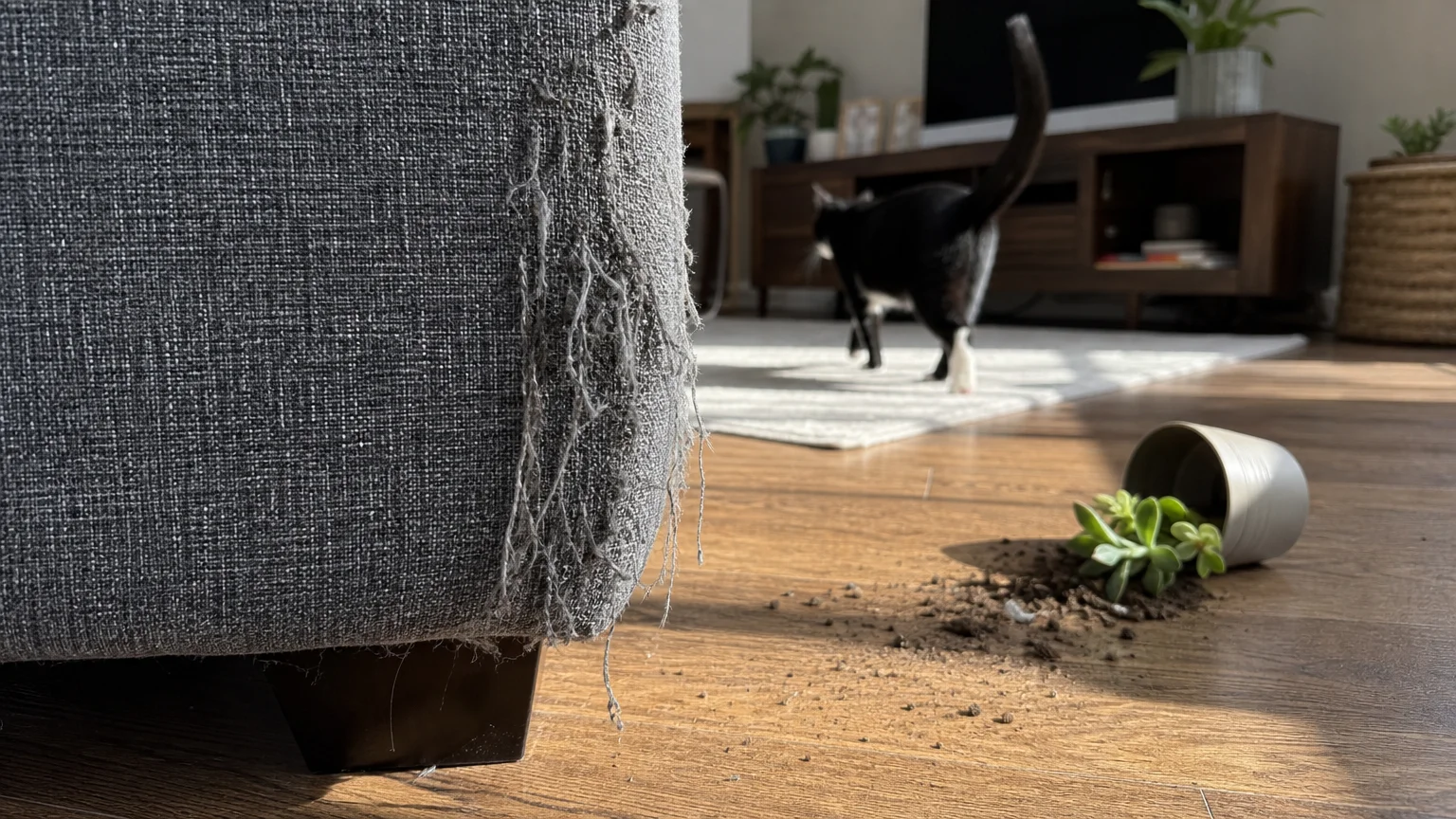
- Destructive Scratching: Cats need to shed the dead outer layers of their claws, mark their territory, and stretch their bodies. If you do not provide tall, sturdy, and texturally appropriate scratching posts, your sofa, carpets, or door frames will inevitably become their target.
- Boredom-Induced Behavioral Issues: Because cats are low-maintenance, owners sometimes assume they need zero engagement. A bored, under-stimulated indoor cat may develop anxiety, over-groom themselves to the point of baldness, or become uncharacteristically aggressive.
When DIY Isn’t Enough
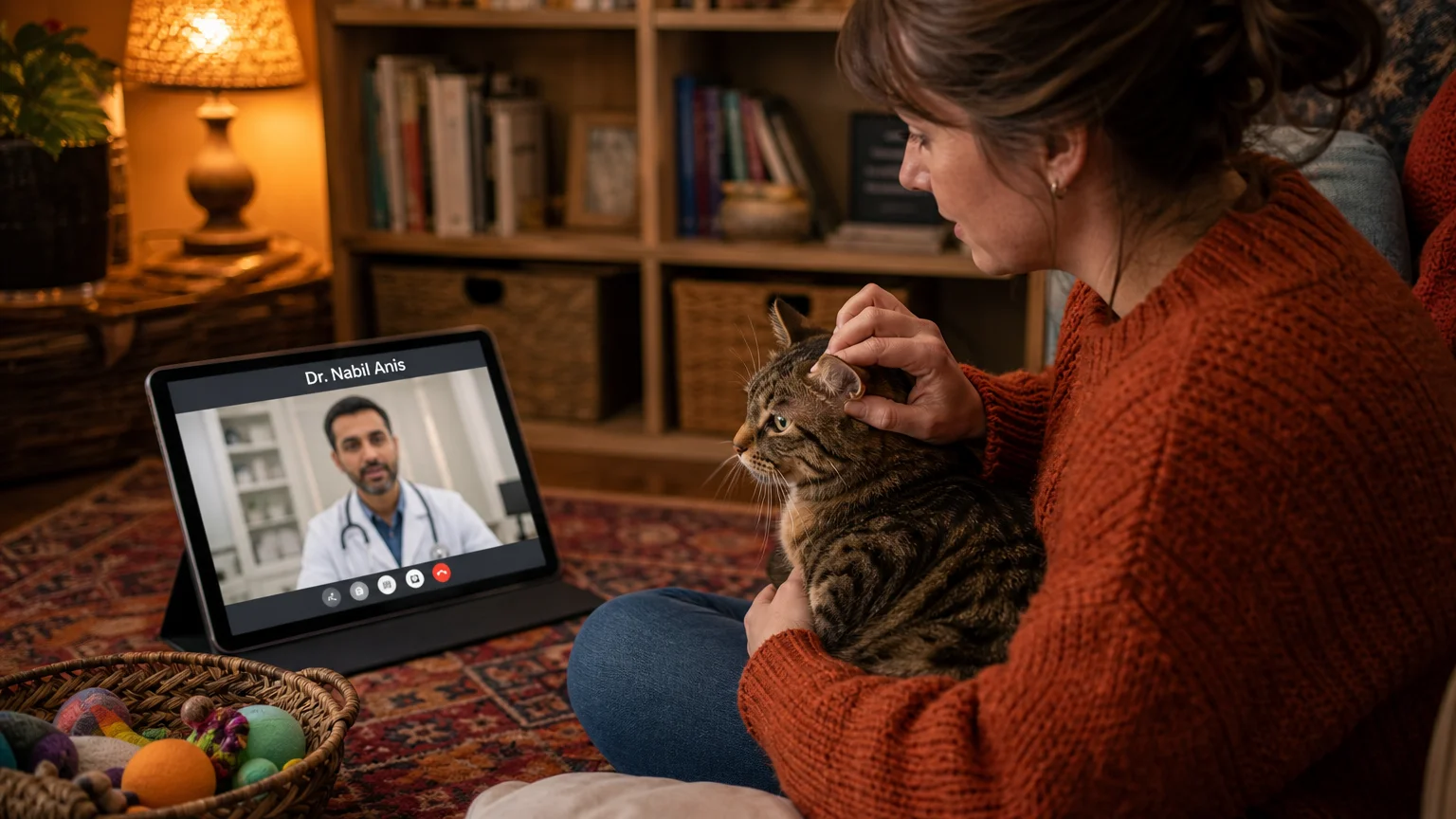
Cats are generally self-sufficient, but certain behaviors or symptoms mean you should stop trying to manage the situation at home and immediately consult a veterinarian. The American Veterinary Medical Association consistently warns that because cats hide illness so well, any noticeable change in routine is cause for concern.
- Sudden Litter Box Avoidance: If your previously well-trained cat starts urinating outside the box, they are not acting out of spite. This is often the primary symptom of a urinary tract infection (UTI), bladder crystals, or feline interstitial cystitis. In male cats, urinary blockages can become fatal within 24 hours.
- Unexplained Hiding or Reclusiveness: If your normally affectionate cat suddenly spends all day hiding under the bed or in the back of a closet and refuses to come out, it is a glaring red flag that they are experiencing severe pain or illness.
- Rapid Weight Loss Despite a Good Appetite: If your cat is eating constantly but dropping weight, it is time for a professional blood panel. This is a classic indicator of hyperthyroidism or feline diabetes, both of which require prescription medication and ongoing veterinary management.
Frequently Asked Questions
- Do cats actually love their owners as much as dogs do?
Yes, they simply show it differently. While dogs are outwardly demonstrative with tail wagging and jumping, cats show affection more subtly. Slow blinking, head-butting (bunting), purring, and choosing to sleep in the same room as you are all profound signs of feline love and trust. - Are cats truly completely independent?
No. While they are more self-reliant than dogs, cats still crave social interaction, daily playtime, and affection. An ignored cat will become stressed and depressed. They rely on you entirely for a clean environment, fresh water, and a nutritious diet. - Which pet is better for a first-time owner living in an apartment?
A cat is almost always the better choice for a first-time owner in an apartment. Their spatial efficiency, built-in litter box habits, and lack of noise make them perfectly suited for close-quarters living without the added stress of outdoor potty training.
Ready to Welcome a Cat into Your Home?
Choosing between a cat and a dog ultimately comes down to an honest assessment of your daily habits, your budget, and the kind of companionship you crave. If you are looking for an energetic running partner who will force you out of the house every morning, a dog is unmatched. But if you want a quiet, self-reliant companion who offers deep affection on their own terms, the undeniable cat benefits make them the clear winner. Taking the time to understand feline behavior ensures that when you finally bring a cat home, you are building a lifelong relationship based on mutual respect and genuine companionship.
This is general informational content based on widely accepted guidance. Individual results vary. Verify current details—rules, prices, eligibility, regulations—with official sources before making important decisions.
Last updated: June 2026. Rules, prices, and details change—verify current information with official sources before acting on it.