Beyond the Stereotypes: Understanding Feline and Canine Nature
To understand the pets we see in our homes today, we have to look back thousands of years. The fundamental differences between cats and dogs are not arbitrary; they are rooted in their evolutionary history and how they came to share their lives with humans. These ancient instincts still shape their modern behaviors, from how they play to how they show affection.
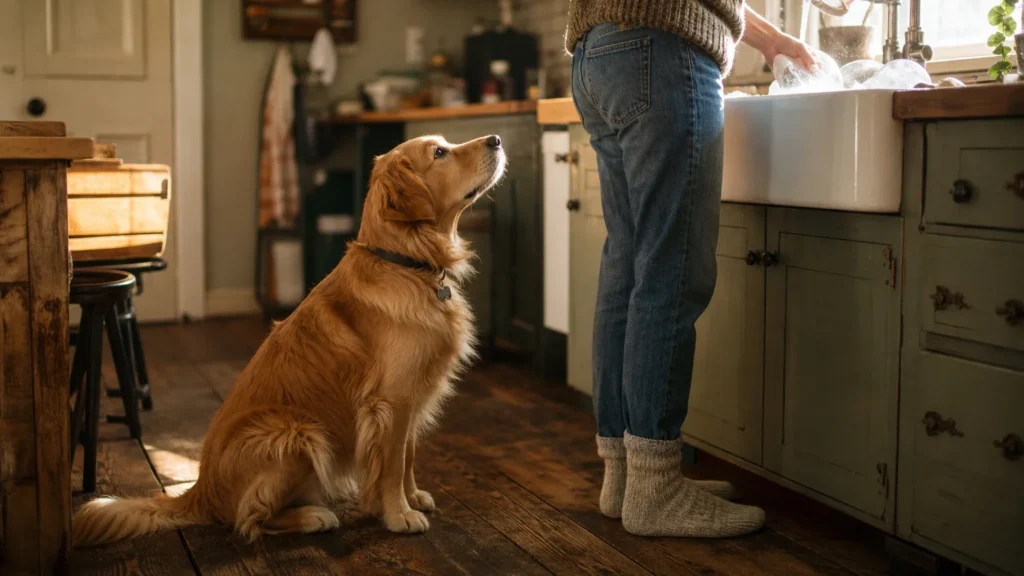
Dogs, descended from pack-hunting wolves, are social animals to their core. Their ancestors thrived by cooperating to hunt, raise young, and defend territory. This deep-seated instinct for social structure is why many dogs are so eager to please their human families. They often look to us for guidance, thrive on shared activities, and can become distressed when left alone for too long. This condition, known as separation anxiety, is a state of genuine panic a dog feels when its primary caregiver leaves. A dog’s desire for group harmony is the foundation of its celebrated loyalty and trainability.
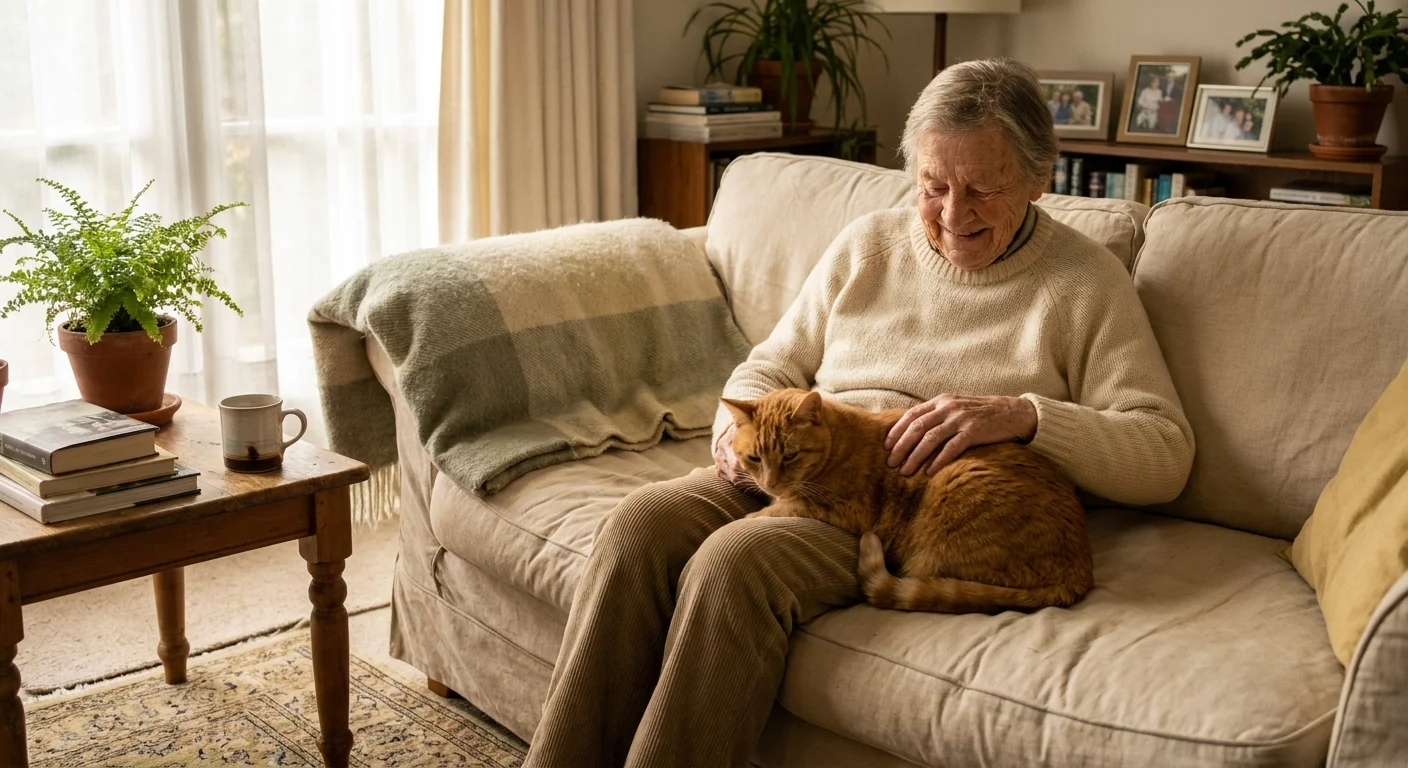
Cats, on the other hand, evolved from the African wildcat, a solitary and stealthy hunter. Their ancestors didn’t need a pack to take down their small prey. They relied on independence, patience, and cunning. This history explains why the modern housecat is often perceived as more aloof or self-sufficient. They are not unsocial, but their social structure is more fluid. They form strong bonds, but often on their own terms. A cat rubbing against your leg isn’t just a sweet gesture; it’s a scent-marking behavior, claiming you as part of its territory and inner circle. Their independence is not a rejection of you, but an expression of their inherent nature.
Individuality Trumps All
While these evolutionary blueprints are a helpful starting point, it is crucial to remember the most important rule of pet ownership: every animal is an individual. Breed generalizations can offer clues about energy levels or grooming needs, but an animal’s personality is shaped just as much by its unique genetics, early socialization, and life experiences.
You may meet a boisterous, attention-seeking Siamese cat who loves to greet visitors at the door, or a timid, quiet Labrador Retriever who prefers to observe the world from the comfort of its dog bed. Rescue animals, in particular, come with their own histories that influence their behavior. A dog from a hoarding situation may need more time to trust, while a cat who has only known a loving home may be incredibly outgoing. The key for prospective owners is to look beyond the breed label or the “cat” vs. “dog” binary and get to know the specific animal in front of you. Organizations like the ASPCA provide great resources on understanding animal behavior and the importance of meeting individual pets before making a decision.