The Golden Years: Considering Senior-Friendly Companionship
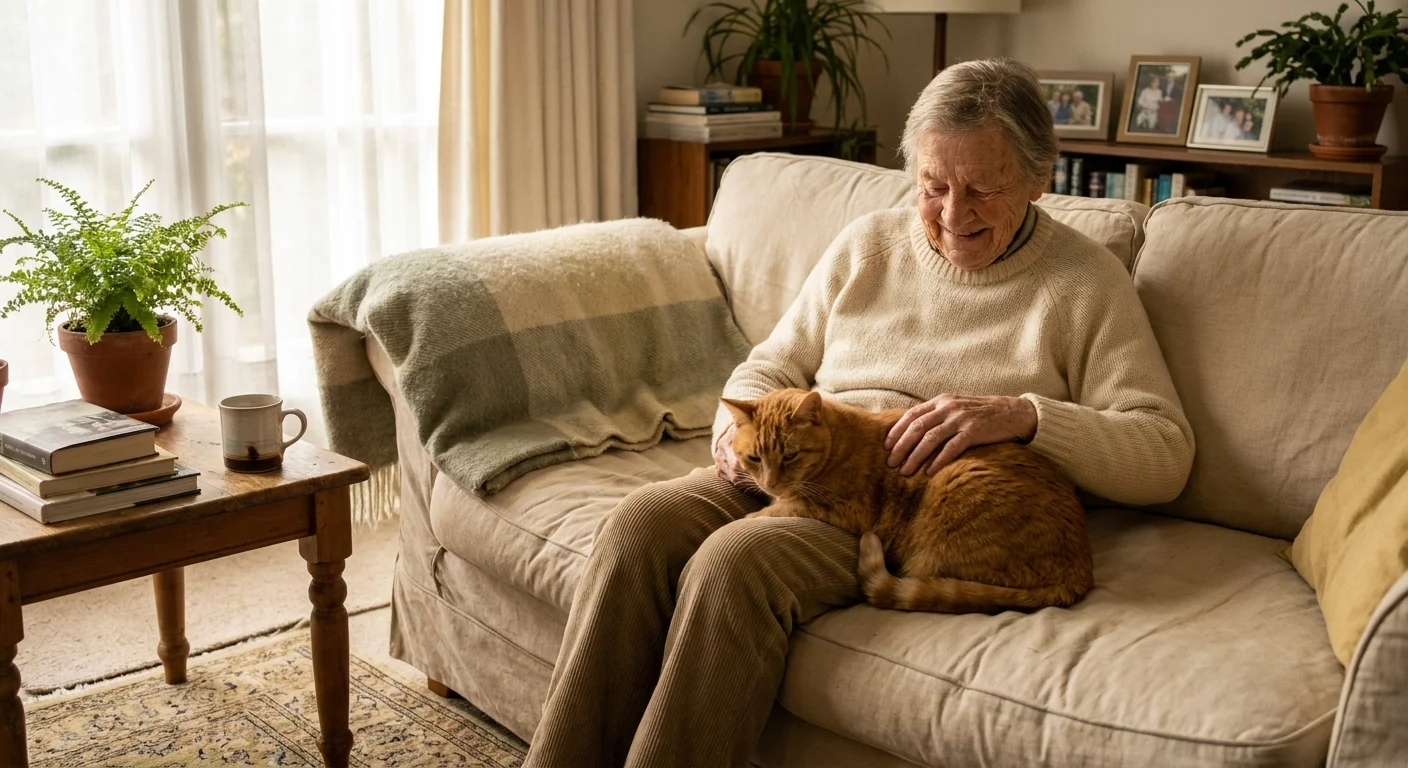
For many mature adults, especially those who are retired or have a more settled lifestyle, a pet can provide incredible companionship, purpose, and joy. This stage of life offers a wonderful opportunity to provide a loving home, but it’s wise to match the pet’s needs to your own physical abilities and energy levels.
This is where adopting a senior pet can be a truly perfect match. Senior dogs and cats (typically considered age 7 and older) are often overlooked in shelters, but they have so much to offer. Their personalities are already fully formed, so you know exactly what you’re getting. Most are already house-trained and have outgrown the destructive puppy or kitten phase. While they still enjoy activity, their energy needs are often much more manageable.
Matching Energy and Care Needs
When considering a pet in your senior years, be realistic about physical demands. A strong, boisterous young Labrador Retriever that pulls on the leash might pose a fall risk. A large dog like a Bernese Mountain Dog might be difficult to lift into a car for vet visits. Instead, a smaller, calmer adult dog or a senior dog of any size could be an ideal walking partner.
Grooming is another important factor. A long-haired Persian cat or a Poodle mix requires extensive, regular grooming that can be physically demanding or expensive. A short-haired cat or dog, on the other hand, requires minimal brushing.
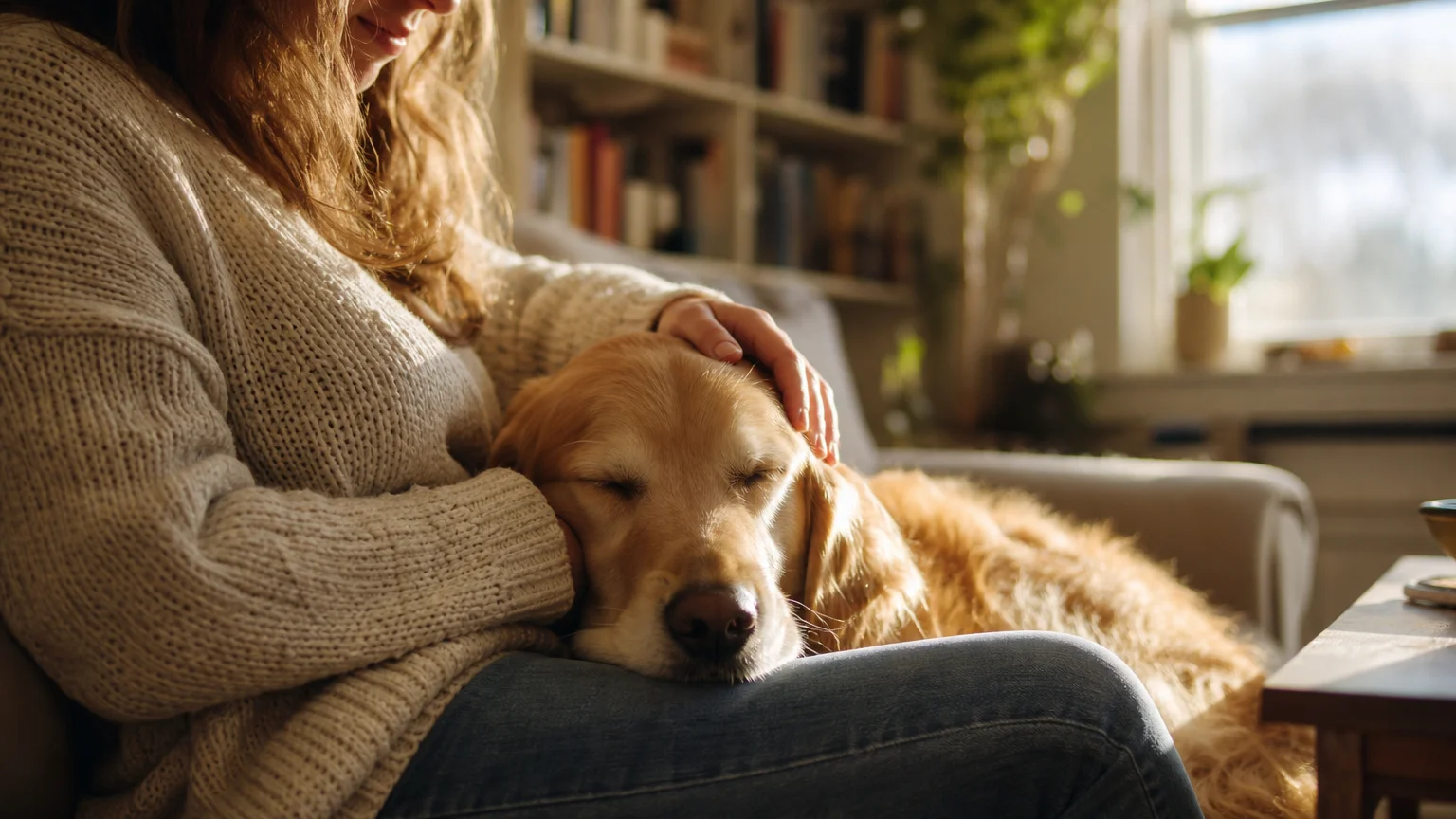
Low-impact enrichment is perfect for senior pets and senior owners alike. Instead of strenuous hikes, consider gentle strolls around the neighborhood. Food puzzles, snuffle mats, and calm training games are fantastic ways to engage a pet’s mind without requiring intense physical activity from either of you. The simple act of petting a cat or dog has been shown to lower blood pressure and reduce stress, making them excellent companions for a peaceful lifestyle.
Finally, consider your long-term plans. It’s important to have a plan in place for your pet’s care should you become unable to care for them yourself. This is a responsible and loving step that ensures their future well-being.