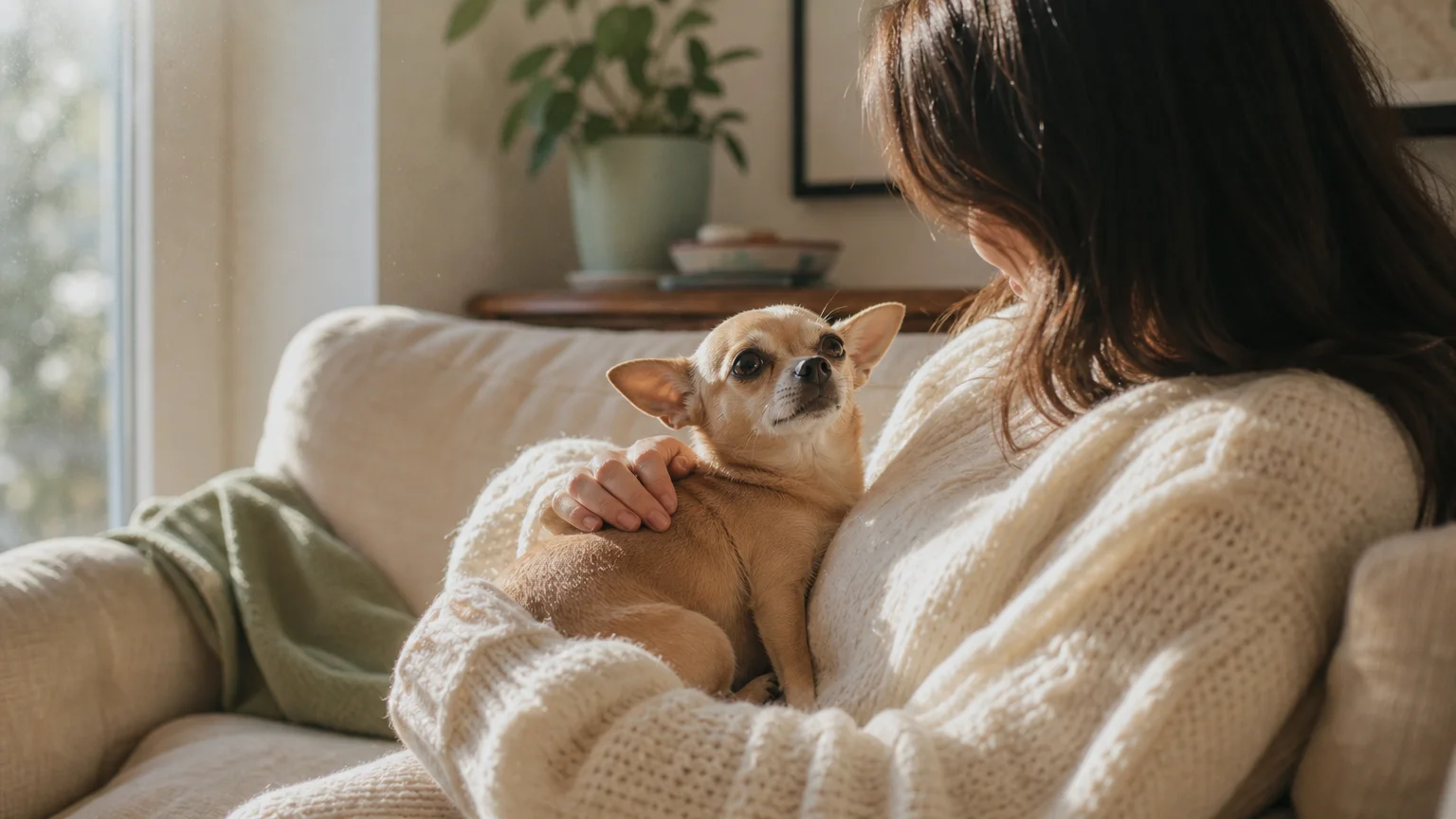
Genetics play a surprisingly massive role in whether your dog develops anxiety, and certain popular breeds are heavily predisposed to chronic stress. While any dog can become fearful, working dogs bred for high alertness and companion dogs bred for constant attachment frequently face a higher risk of clinical separation anxiety, noise phobias, and hypervigilance. If you own a high-drive herder or an intensely bonded lap dog, understanding their innate vulnerabilities allows you to intervene before mild nervousness turns into destructive behavior. Recognizing that your dog’s pacing, excessive barking, or clinginess stems from their breed history rather than bad behavior fundamentally changes how you support them. Below are 15 dog breeds highly prone to canine anxiety.
The Bigger Picture: Canine Anxiety by the Numbers
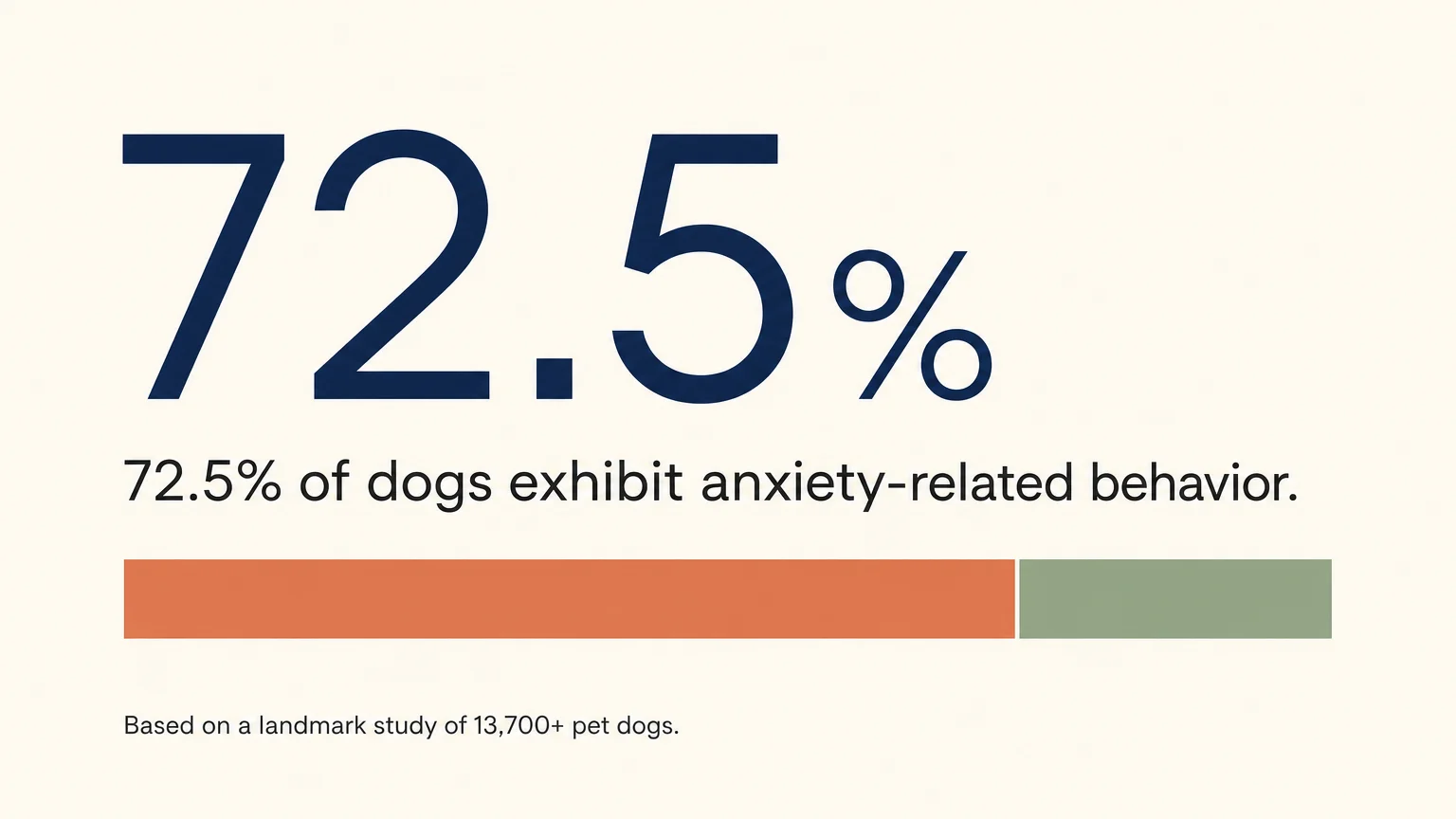
If you have ever felt overwhelmed by your dog’s nervous pacing or frantic barking, you are dealing with a widespread, scientifically documented issue. Canine anxiety is not a rare quirk; it is a behavioral reality for the majority of modern pets. A landmark 2020 study published in Scientific Reports analyzed over 13,700 pet dogs and found that a staggering 72.5% exhibited at least one anxiety-related behavior. Noise sensitivity alone affected nearly a third of all dogs surveyed.
These numbers make sense when we look at canine evolution. Anxiety and fear are adaptive mechanisms that originally evolved to keep dogs safe from predators and environmental threats. However, when we take dogs hardwired for constant outdoor vigilance and place them in quiet, low-stimulation suburban homes, those survival instincts often misfire. A dog bred to scan the horizon for wolves may start viewing the mail carrier as a daily existential threat.
15 Dog Breeds Highly Prone to Anxiety
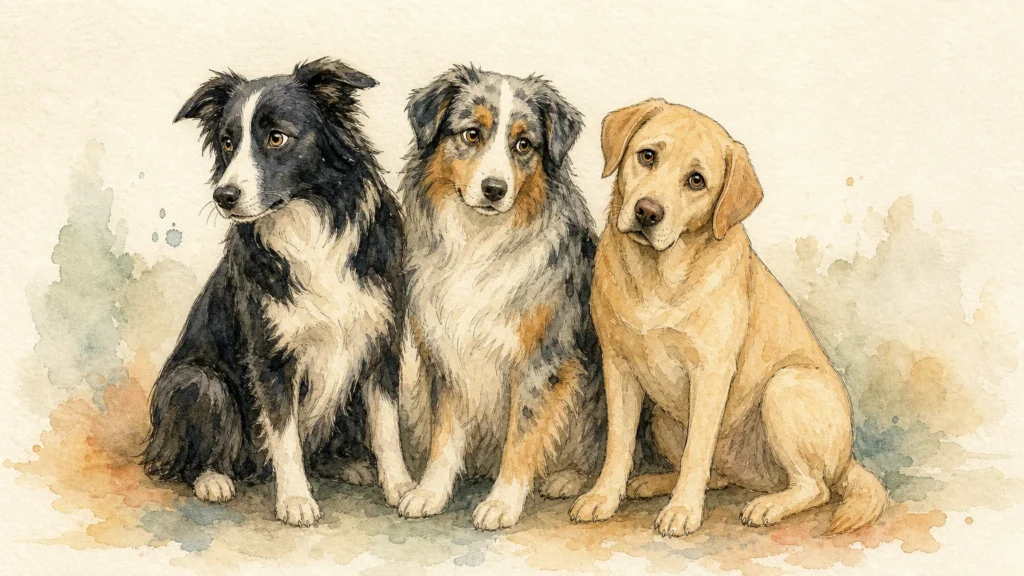
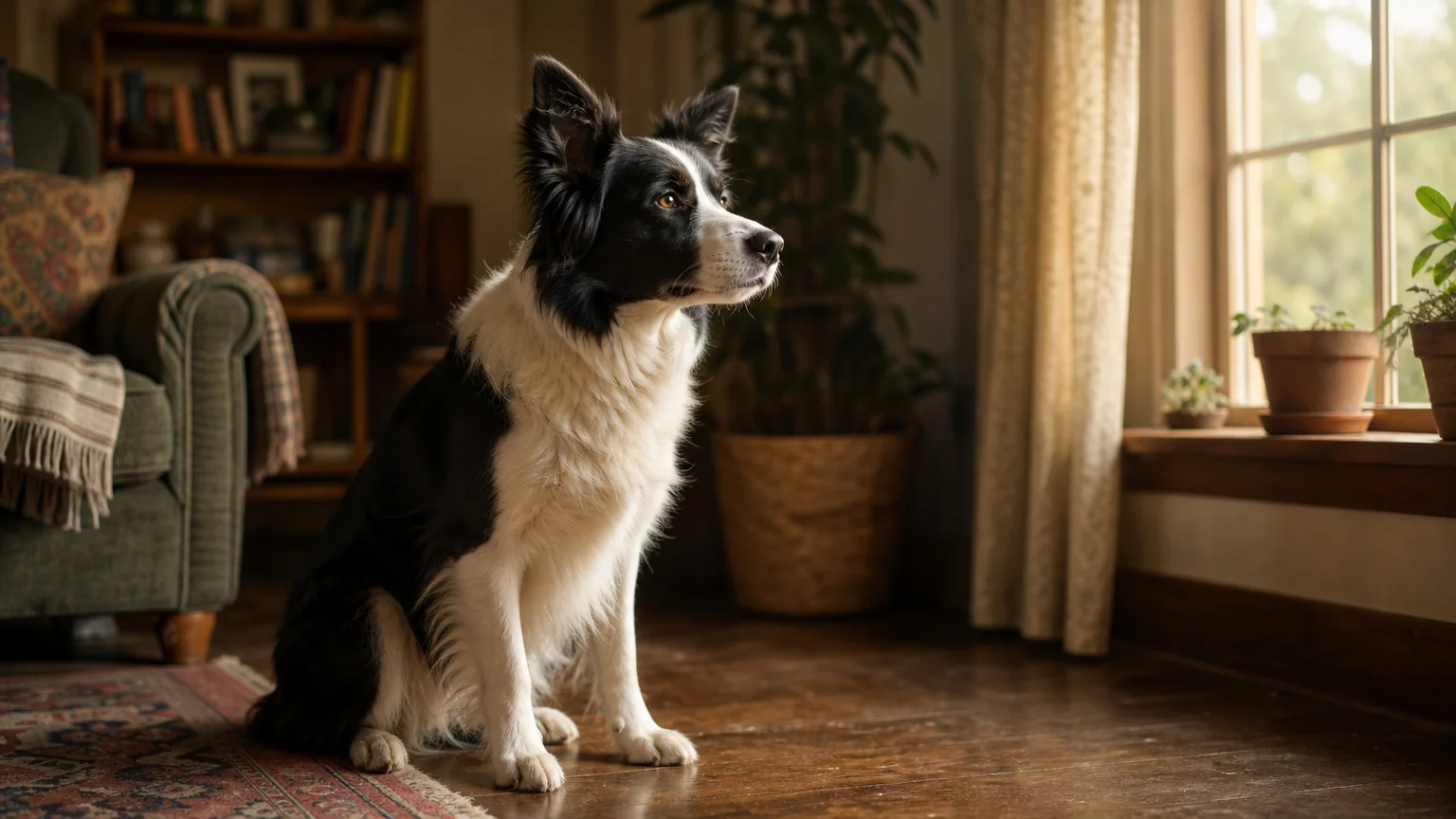
1. Border Collie
The Border Collie is a masterpiece of selective breeding, designed to problem-solve and run across rough terrain for days at a time. Because of this intense genetic drive, they are extraordinarily sensitive to their environment. When a Border Collie lacks a “job,” their immense physical and mental energy turns inward, manifesting as obsessive-compulsive behaviors, pacing, and excessive barking.
A bored Border Collie is an anxious Border Collie. To support this breed, you need to provide more than just a neighborhood walk. Structured agility training, advanced trick learning, and complex puzzle toys give their restless minds a task to focus on, draining the mental energy that fuels their anxiety.
2. Australian Shepherd
Like the Border Collie, the Australian Shepherd is a high-energy herder that forms intense, unbreakable bonds with their handlers. Aussies want to be wherever you are, closely monitoring your movements. Unfortunately, this devotion makes them highly susceptible to separation anxiety.
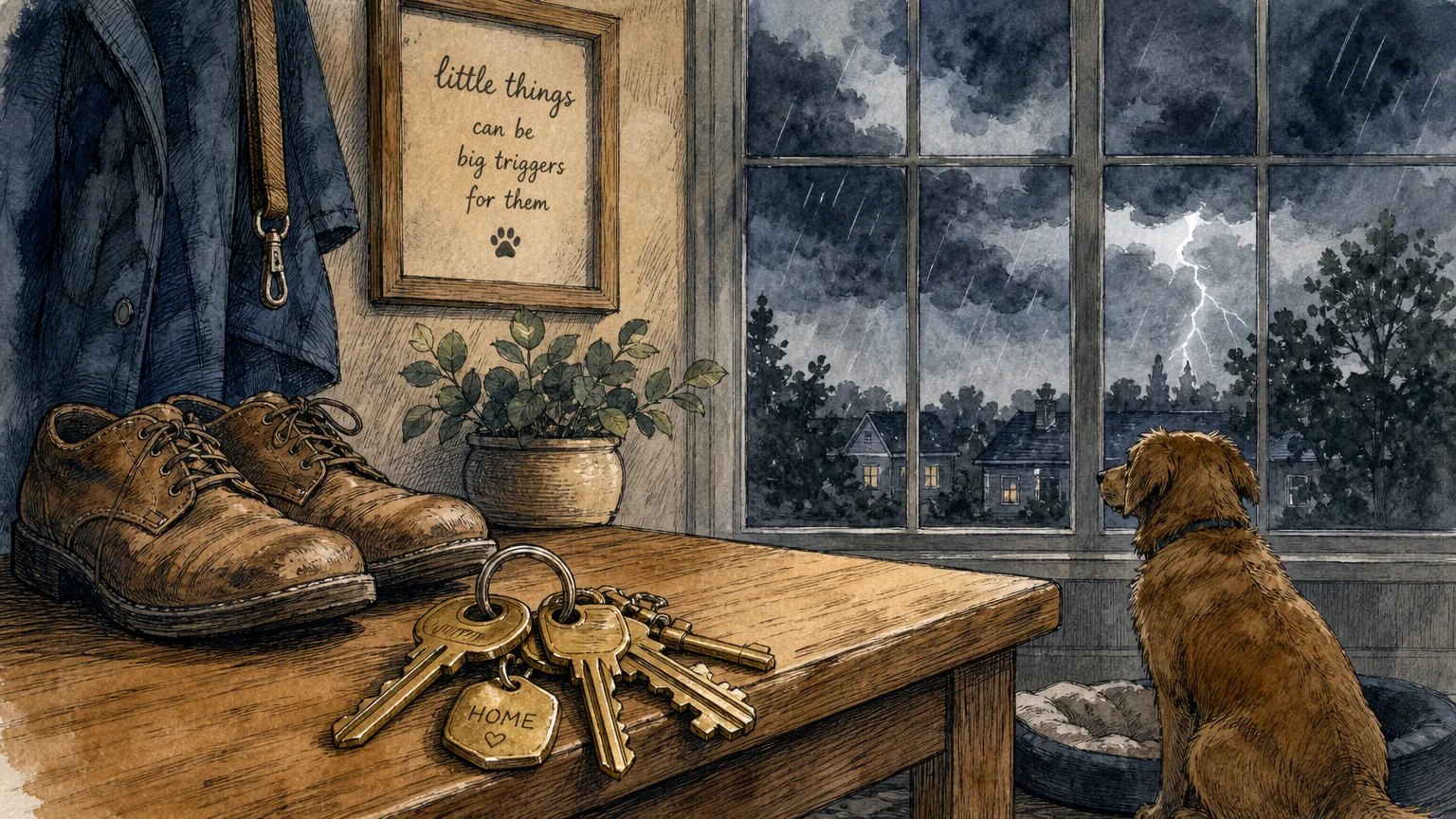
When an Aussie is left alone, they often panic. You might come home to chewed doorframes or receive complaints from neighbors about non-stop vocalization. Teaching an Australian Shepherd to tolerate your absence requires gradual desensitization to your departure cues—like picking up your keys or putting on your shoes—without actually leaving the house until they learn to remain calm.
3. Labrador Retriever
America’s favorite family dog is famous for being friendly and adaptable, but Labs are people-oriented to an extreme degree. Their profound attachment to human companionship is precisely what makes them vulnerable to isolation distress. They simply were not bred to spend eight to ten hours a day alone in an empty house.
Despite their easygoing reputation, Labrador Retrievers are frequently seen in veterinary behavior consultations for separation-related destruction. Providing a robust morning exercise routine and leaving them with high-value, long-lasting chew toys can help distract a Lab and soothe their nervous energy while you are at work.
4. German Shepherd
German Shepherds are fiercely loyal and highly intelligent guardian dogs. They are genetically programmed to evaluate their surroundings for potential danger. Without proper, positive socialization during their critical puppyhood fear periods, this natural vigilance easily warps into chronic, fear-based anxiety.
An anxious German Shepherd is constantly scanning for threats, which can lead to leash reactivity and stranger danger. Building confidence in a German Shepherd requires exposing them to a wide variety of people, sounds, and environments early in life, always pairing these new experiences with high-value treats to create positive associations.
5. Vizsla
Affectionately and accurately nicknamed the “Velcro dog,” the Vizsla was bred to hunt closely alongside their human partners. They thrive on physical contact and emotional closeness. While this makes them deeply affectionate companions, any separation from their owner can feel catastrophic to a Vizsla.
This breed frequently experiences clinical separation anxiety, displaying signs of profound distress—such as drooling, pacing, and vocalizing—the moment they realize they are being left behind. Vizslas do best in households where someone works from home, but they still require structured independence training, such as learning to settle on a mat in a separate room while you are nearby.
6. Bichon Frise
The Bichon Frise is a classic companion dog. Unlike working breeds, their sole historical job has been to sit in laps, entertain, and keep humans company. Because they thrive entirely on social interaction, they can develop anxiety very quickly when their routines are disrupted or when they are left alone for long stretches.
Bichons thrive on predictability. Establishing a strict daily routine for feeding, walking, and play helps them feel secure. If you must leave your Bichon alone, creating a comfortable, safe space with familiar scents and soft background noise can ease their stress.
7. Toy Poodle
Do not let their delicate appearance fool you; Toy Poodles share the high intelligence of their larger Standard Poodle relatives. Because of their tiny size, they are often treated purely as lap dogs and carried everywhere, which denies them the opportunity to use their active brains.
Under-stimulated Toy Poodles become easily bored, leading to neurotic behaviors and nervous yapping. Treating your Toy Poodle like a “big dog” by engaging them in scent work, obedience training, and interactive play prevents the anxiety that stems from chronic boredom.
8. Jack Russell Terrier
Jack Russell Terriers are tenacious, fearless, and driven by an intense instinct to hunt small prey. They possess a massive amount of energy packed into a small, muscular frame. When a Jack Russell does not have a physical outlet for their drive, their frustration quickly boils over into anxious, destructive behavior.
An anxious Jack Russell will dig up your garden, shred your couch cushions, and bark at every leaf that blows past the window. They require intense physical exercise—like fetch, running, or specialized earthdog trials—to burn off the adrenaline that otherwise turns into stress.
9. Cavalier King Charles Spaniel
Bred specifically for companionship, the Cavalier King Charles Spaniel is a deeply sensitive soul. They are remarkably attuned to the emotional state of their owners and the general atmosphere of the household. If there is tension, shouting, or constant chaos in the home, a Cavalier will absorb that stress.
This breed requires a calm, stable environment. They respond poorly to harsh reprimands, which will only increase their fearfulness. Positive reinforcement and a gentle, reassuring tone are essential for keeping a Cavalier confident and relaxed.
10. American Staffordshire Terrier
With their muscular build and tough exterior, American Staffordshire Terriers look like they can handle anything. In reality, they are massive softies. AmStaffs are highly sensitive dogs that bond fiercely to their families. They are incredibly prone to separation anxiety and can become deeply distressed when isolated from their pack.
Because of their jaw strength, an anxious AmStaff left alone can do significant damage to a home in an attempt to escape and find you. Crate training—when done positively and patiently so the crate becomes a safe haven—along with vigorous daily exercise, is vital for managing their anxiety.
11. Cocker Spaniel
Originally bred as flushing dogs that worked closely with hunters in the field, Cocker Spaniels maintain a strong desire to stay right by your side. While it is normal for a Cocker to follow you from room to room, they often cross the line from normal breed clinginess into true separation distress.
If your Cocker Spaniel cannot settle and self-soothe when you go to the bathroom, they need help building independence. Teaching a strong “place” command—rewarding them for staying on a specific dog bed while you move around the house—helps them learn that they are safe even when you are not physically touching them.
12. Chihuahua
Chihuahuas are tiny dogs living in a giant, intimidating world. Their small stature means that heavy footsteps, loud noises, and looming strangers represent genuine physical threats. This vulnerability often manifests as defensive anxiety, which looks like growling, snapping, or excessive barking.
While it is tempting to scoop a frightened Chihuahua into your arms, constantly carrying them prevents them from learning how to navigate the world safely. You can build a Chihuahua’s confidence by allowing them to approach new things on their own four paws, at their own pace, rewarding their bravery with tiny treats.
13. Maltese
Another ancient companion breed, the Maltese is known for its glamorous coat and profound attachment to its owner. They are prone to developing a hyper-attachment to one specific person in the household. When that person is out of sight, the Maltese can experience sheer panic.
To prevent this single-person hyper-attachment from ruining their quality of life, it is important to have multiple people in the household handle feeding, walking, and training. Encouraging your Maltese to engage in independent play with food-dispensing toys also builds their self-reliance.
14. Schnauzer
Whether Miniature or Standard, Schnauzers were bred to be alert watchdogs and ratters. They are highly vocal and quick to sound the alarm when someone approaches the property. If a Schnauzer is not taught how to switch off this guarding instinct, they can remain in a state of chronic, generalized anxiety.
Schnauzers need to know that you are managing the environment so they don’t have to. Teaching a “quiet” or “thank you” cue acknowledges their alert bark, but signals that you have the situation under control, allowing them to stand down and relax.
15. Shetland Sheepdog (Sheltie)
Shetland Sheepdogs are brilliant, vocal herders known for their sensitivity. They are particularly prone to noise phobias. The sharp crack of thunder, a fireworks display, or even the rumble of a vacuum cleaner can send a Sheltie into a trembling, hiding state of panic.
Because they are so environmentally sensitive, Shelties benefit greatly from sound desensitization training. Playing recordings of thunderstorms at a very low volume while feeding them high-value treats can slowly change their emotional response to loud noises over time.
Comparing the Triggers: Which Anxiety Affects Which Breed?
While dogs are individuals, their breed group often dictates the type of anxiety they are most likely to experience. Understanding this helps you tailor your training and support strategies effectively.
| Breed Category | Common Breeds | Primary Anxiety Trigger | Best Support Strategy |
|---|---|---|---|
| Herding Dogs | Border Collie, Australian Shepherd, Sheltie | Boredom, under-stimulation, noise sensitivity | Mental puzzles, agility training, sound desensitization |
| Companion Dogs | Bichon Frise, Cavalier, Maltese | Separation, disruption of routine, household tension | Predictable routines, gradual independence training |
| Terriers | Jack Russell, AmStaff, Schnauzer | Frustration from lack of physical outlet, hypervigilance | Vigorous physical exercise, “quiet” cues, impulse control |
| Sporting Dogs | Labrador Retriever, Vizsla, Cocker Spaniel | Isolation distress, lack of human contact | Place training, robust morning exercise, heavy chew toys |
Worth Keeping in Mind
Managing canine anxiety is a complex process. Even well-meaning dog owners can accidentally make the problem worse. Keep these specific scenarios in mind as you evaluate your dog’s behavior:
- Mistaking boredom for anxiety: If your dog only destroys the house when they haven’t been walked in two days, they might not have clinical anxiety—they might just be desperately bored. Always rule out a lack of physical and mental exercise before assuming your dog has an anxiety disorder.
- Relying solely on medication: While anti-anxiety medications can be a lifeline for a panicked dog, they are not magic pills. Medication works best when it lowers the dog’s panic threshold enough so that behavioral modification training (like desensitization) can actually take effect.
- Punishing a fearful dog: Yelling at a dog who is barking out of fear or punishing a dog for chewing the doorframe during a panic attack will severely worsen their anxiety. They are not acting out of spite; they are having a panic response. Punishment validates their belief that the situation is dangerous.
- Velcro behavior vs. clinical distress: A dog who follows you into the bathroom because they like your company is exhibiting normal breed behavior. A dog who paces, drools, and scratches the door frantically when you close it is experiencing clinical separation anxiety. The distinction matters for treatment.
When to Get Professional Help
Sometimes, love, exercise, and basic training are not enough to help a highly anxious dog. Canine anxiety can severely impact a dog’s physical health and your family’s quality of life. Seek help from a veterinarian or a certified veterinary behaviorist if you encounter these scenarios:
- Self-harm during panic: If your dog is breaking their teeth trying to escape a crate, chewing their own paws raw, or throwing themselves through glass windows during a thunderstorm, this is a medical emergency that requires immediate professional intervention.
- Fear-based aggression: A dog pushed to the absolute limit of their anxiety may bite. If your dog growls, lunges, or snaps when they feel cornered or frightened, you need a professional to help manage the environment safely.
- Sudden onset of anxiety in an older dog: If your previously calm six-year-old dog suddenly becomes terrified of being left alone, do not assume it is just a behavioral quirk. A 2020 review published in the journal Animals found that a conservative estimate of around a third of referred behavior cases involve some form of underlying painful condition. Sudden anxiety is often a symptom of pain, vision loss, or cognitive decline.
Frequently Asked Questions
Can a dog eventually outgrow anxiety?
Anxiety is not a phase that dogs simply outgrow. In fact, without intervention, anxiety tends to worsen over time as the dog practices the fearful behavior. However, with consistent desensitization training and a secure environment, dogs can learn robust coping mechanisms that significantly reduce their stress levels.
Do weighted vests or anxiety shirts actually work?
For some dogs, yes. Products like Thundershirts apply gentle, constant pressure to a dog’s torso, similar to swaddling a baby. This pressure can release calming endorphins. While they don’t cure anxiety, they are a helpful, low-risk tool to use alongside behavioral training, particularly for noise phobias.
Should I get a second dog to calm my anxious dog?
Usually, no. If your dog suffers from true separation anxiety, their distress is tied to being separated from you, not a general fear of being alone. A second dog rarely fixes this. In some cases, the new dog may actually pick up on your first dog’s nervous habits, leaving you with two anxious dogs.
What is the difference between fear and anxiety in dogs?
Fear is a direct reaction to a present, observable threat (like jumping back from a loud vacuum). Anxiety is the anticipation of a future threat (like pacing and panting when the sky gets dark, anticipating a thunderstorm that hasn’t started yet). Both require patience and careful counter-conditioning to resolve.
Every dog has their own unique personality, but their genetics provide the blueprint. By understanding the historical purpose of your anxious dog’s breed, you can stop fighting their natural instincts and start channeling them in healthier directions. Whether it means giving your Border Collie a puzzle to solve or teaching your Vizsla how to relax on a mat, your patience provides the security they are looking for.
This is general informational content based on widely accepted guidance. Individual results vary. Verify current details—rules, prices, eligibility, regulations—with official sources before making important decisions.