While many people associate salmonella with undercooked chicken or recalled lettuce, the animals sharing your home can also harbor this bacteria. Reptiles, amphibians, backyard poultry, and even traditional pets like dogs and cats routinely carry salmonella without showing a single symptom. Understanding which pets pose the highest risk is essential for protecting your household, especially if you live with young children, elderly family members, or anyone with a weakened immune system. By recognizing the most common animal carriers and implementing simple hygiene practices like thorough handwashing after handling animals or cleaning their enclosures, you can safely enjoy their companionship while effectively minimizing the risk of a dangerous zoonotic infection.
The Most Common Culprits: Reptiles and Amphibians
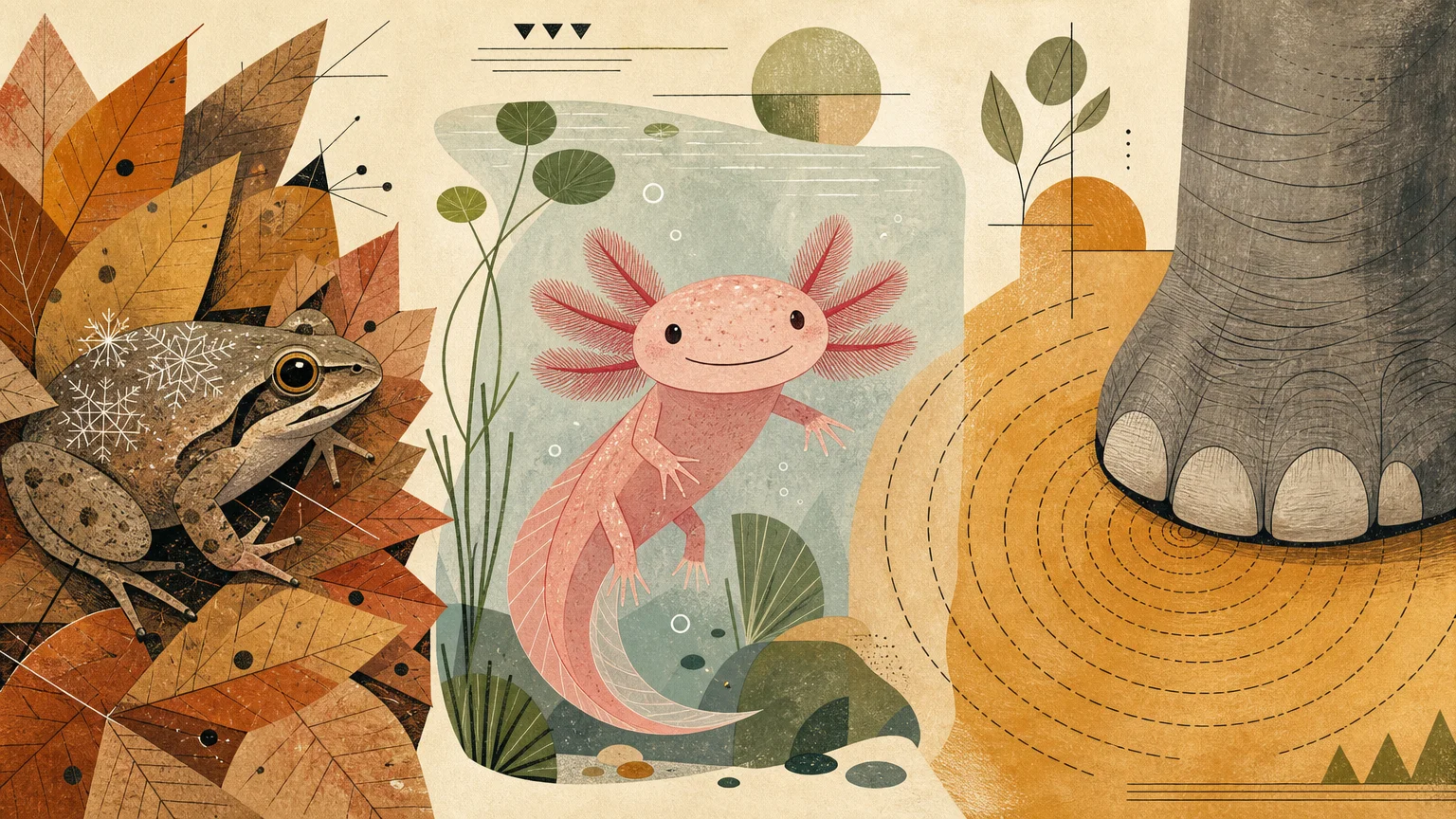
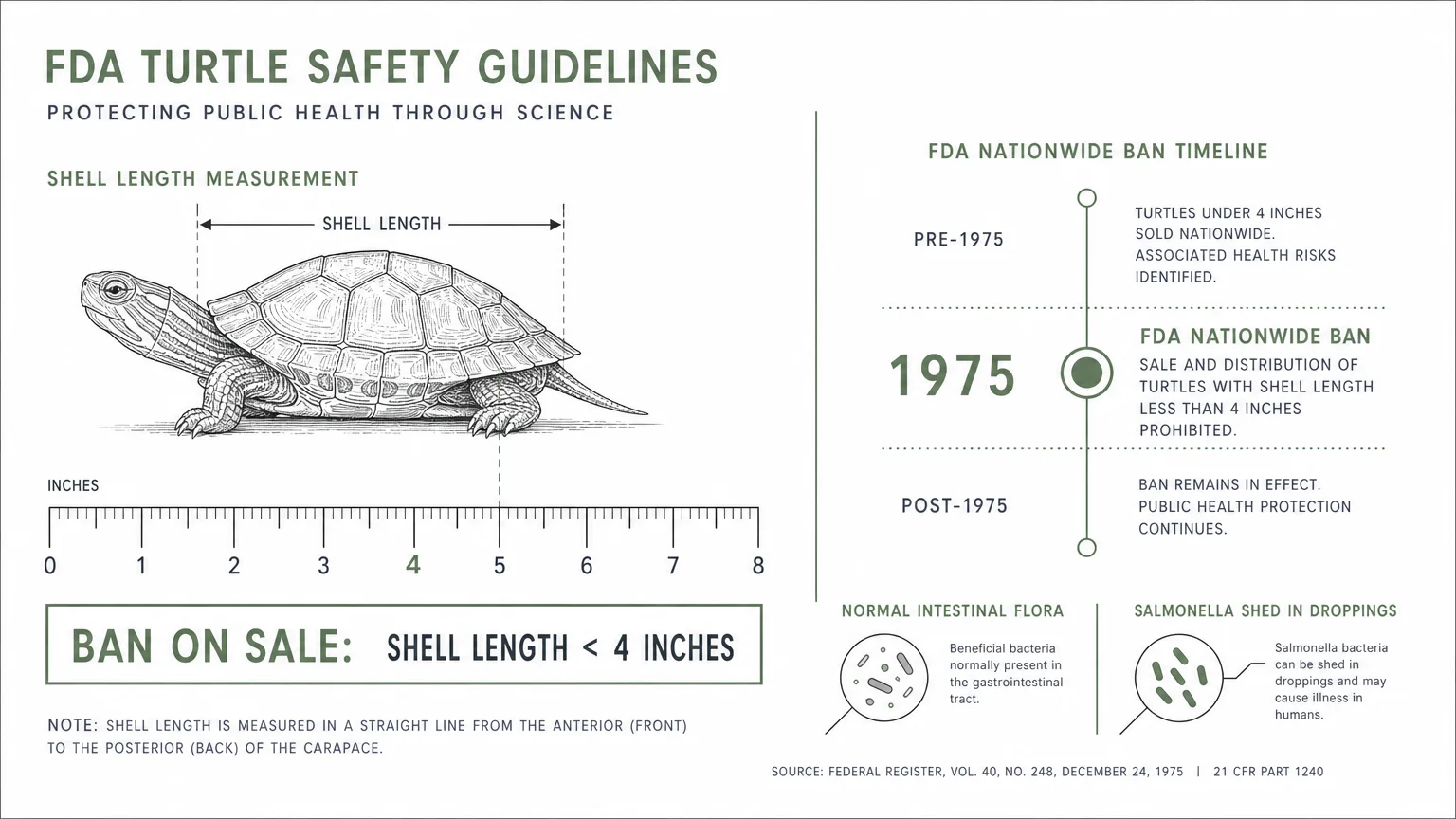
Reptiles and amphibians hold a notorious spot on the list of animals that spread salmonella. Turtles, snakes, lizards, and frogs are natural hosts for the bacteria. Because salmonella is a normal part of their intestinal flora, they do not experience illness or show signs of distress. Instead, they shed the bacteria continuously or intermittently in their droppings. Once the droppings enter their environment, the bacteria rapidly multiply in the warm, humid conditions of a terrarium, coating the animal’s skin, shell, heat rocks, and water bowls.
Small turtles present such a pronounced risk that public health regulators stepped in decades ago. In 1975, the U.S. Food and Drug Administration (FDA) instituted a nationwide ban on the sale of turtles with a carapace (shell) length of less than four inches. This specific size was chosen because small children are incredibly likely to handle these tiny turtles and either put their unwashed fingers—or the turtles themselves—directly into their mouths. Despite the longstanding ban, small turtles are still frequently sold illegally at flea markets, roadside stands, and through online vendors. These illicit sales continue to fuel severe multistate outbreaks. According to the FDA’s warnings on pet turtles, families with children under five, seniors, or anyone with a compromised immune system should entirely avoid keeping reptiles and amphibians in the home.
Backyard Poultry: A Growing Household Risk
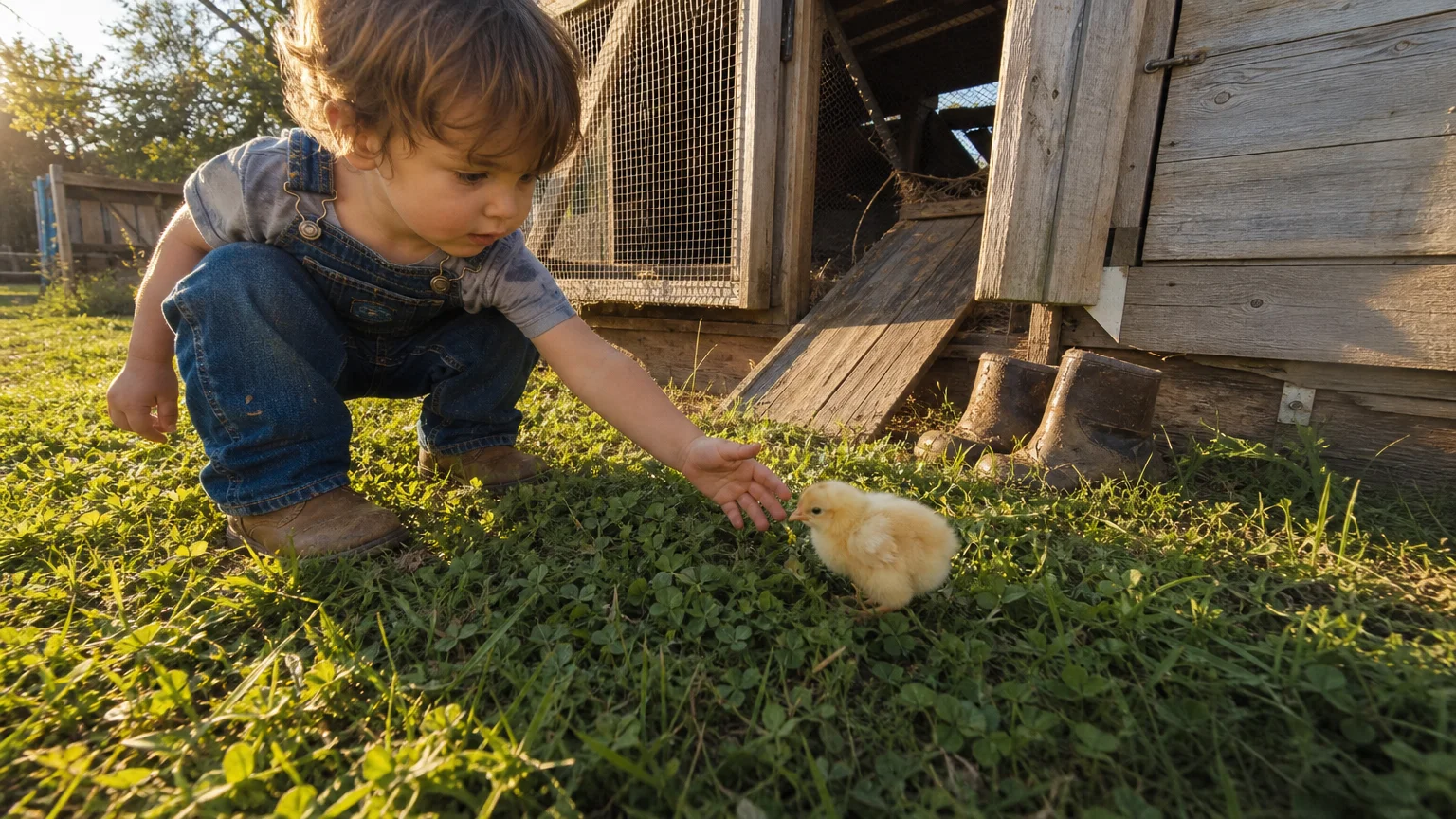
Over the last decade, raising chickens and ducks in suburban and urban backyards has transitioned from a niche hobby to a mainstream lifestyle choice. People love the idea of fresh eggs and the quirky companionship a flock provides. However, treating chickens like traditional household pets brings a significant public health risk. Backyard poultry frequently carry salmonella in their droppings, which inevitably ends up on their feathers, feet, and beaks. Even a flock that appears perfectly vibrant and healthy can be actively shedding dangerous pathogens.
The scope of this issue becomes glaringly obvious every spring and summer when chicks and ducklings flood agricultural supply stores. Health agencies routinely track massive outbreaks directly linked to backyard flocks. According to the CDC’s investigation notices on backyard poultry, these outbreaks consistently sicken hundreds of people across dozens of states every year. What makes these statistics particularly alarming is that children under the age of five frequently account for more than a quarter of all reported illnesses. This demographic is disproportionately affected because toddlers are naturally curious, love to touch animals, and frequently put their fingers in their mouths before their parents have a chance to usher them to a sink.
Contamination spreads far beyond the birds themselves. The coop environment—including the bedding, feed containers, waterers, and the soil where the chickens dust-bathe—acts as a reservoir for the bacteria. If you wear your coop boots into the house or let your toddler retrieve eggs without strict handwashing protocols, you are unknowingly inviting salmonella into your living space.
Pocket Pets and Small Mammals
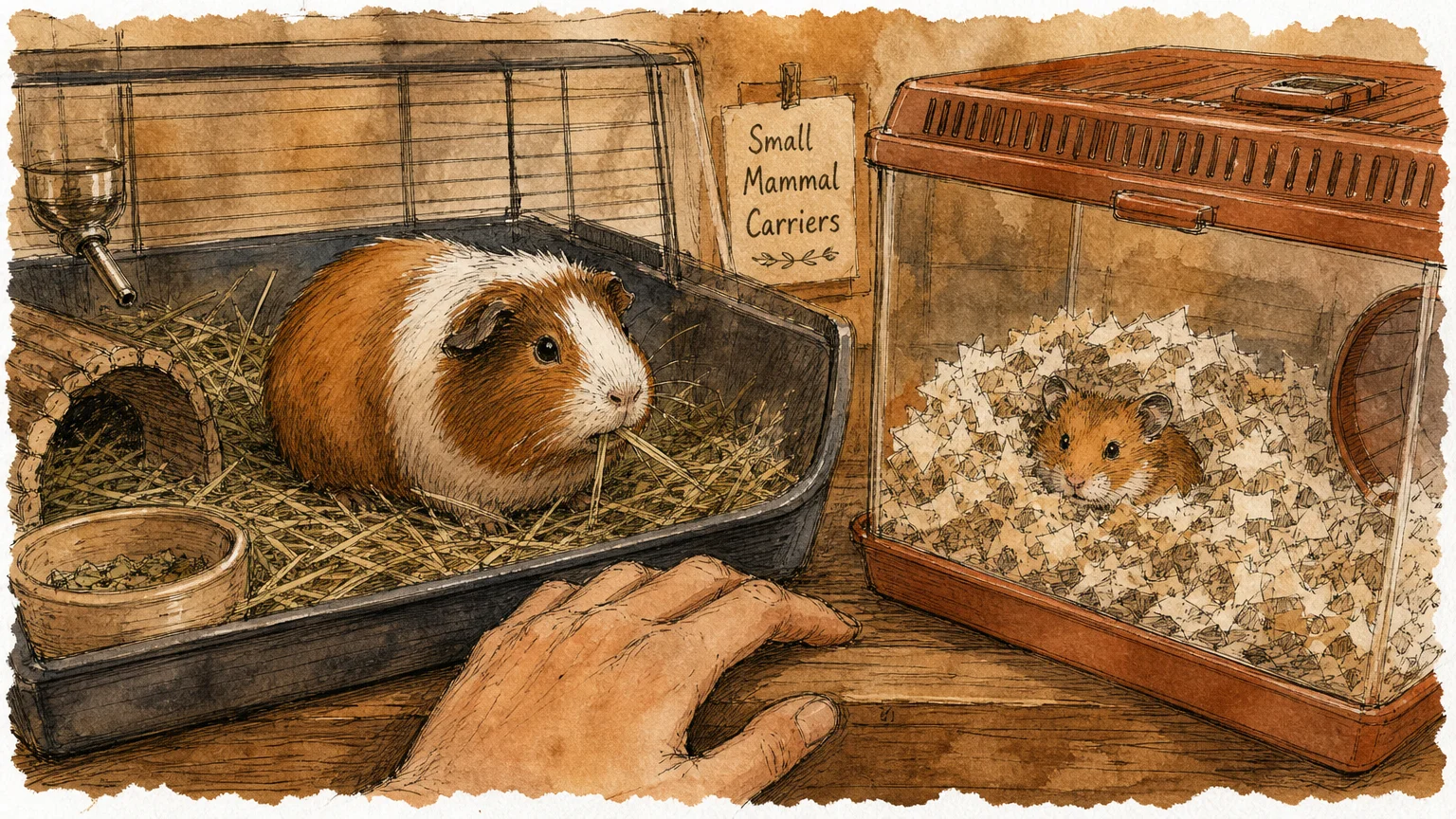
While reptiles and poultry dominate the headlines, pocket pets like hedgehogs, guinea pigs, hamsters, rats, and mice are frequent, under-the-radar vectors for salmonella. These small mammals shed the bacteria in their feces, which quickly contaminates their bedding, exercise wheels, hideouts, and fur. Because these animals are heavily marketed as starter pets for children, the risk of transmission is elevated due to inconsistent hand hygiene among kids.
Hedgehogs present a uniquely hazardous transmission route. Their sharp quills can easily cause micro-punctures in human skin during routine handling. These tiny, often unnoticed scratches create a direct pathway for bacteria on the hedgehog’s body to enter your bloodstream. Additionally, many owners allow their hamsters or guinea pigs to roam freely on couches, beds, or carpets for exercise. When this happens, any bacteria clinging to their feet or fur is transferred directly to the surfaces where your family relaxes. Breaking the chain of transmission requires designated play areas that can be easily sanitized, along with rigorous handwashing immediately after handling the animal or touching its cage.

Can Dogs and Cats Carry Salmonella?
It might feel unsettling to realize that your dog or cat can also carry salmonella. Unlike reptiles and birds, healthy dogs and cats are not typical natural reservoirs for the bacteria. When they do carry it, the source is almost always their diet or something they scavenged in their environment. Infected dogs and cats might remain entirely asymptomatic, or they might develop salmonellosis—an active infection characterized by lethargy, fever, vomiting, and bloody diarrhea. Regardless of whether they show symptoms, infected pets shed the bacteria in their feces and saliva, turning them into a potential source of infection for humans.
A primary driver of salmonella transmission from dogs and cats to humans stems from the pet food supply chain. Outbreaks regularly trace back to two specific dietary sources:
- Contaminated Kibble and Treats: Even highly processed dry pet foods and treats—particularly pig ears—are subject to massive recalls due to salmonella contamination. The manufacturing process usually kills bacteria, but post-processing contamination in factories can reintroduce the pathogen. In late 2023, large-scale recalls of dry dog food were initiated after federal investigators linked human salmonella illnesses directly to families handling contaminated kibble.
- Raw Meat Diets: The modern trend of feeding raw, unpasteurized meat to pets carries immense inherent risks. When you feed your dog raw chicken or beef, the bacteria coats their food bowl, their jowls, and their tongue. According to the American Veterinary Medical Association (AVMA), feeding raw or undercooked animal-source protein to pets is strongly discouraged due to the documented risk of bacterial shedding that endangers both the animal and the human household.
Why People Are Talking About This
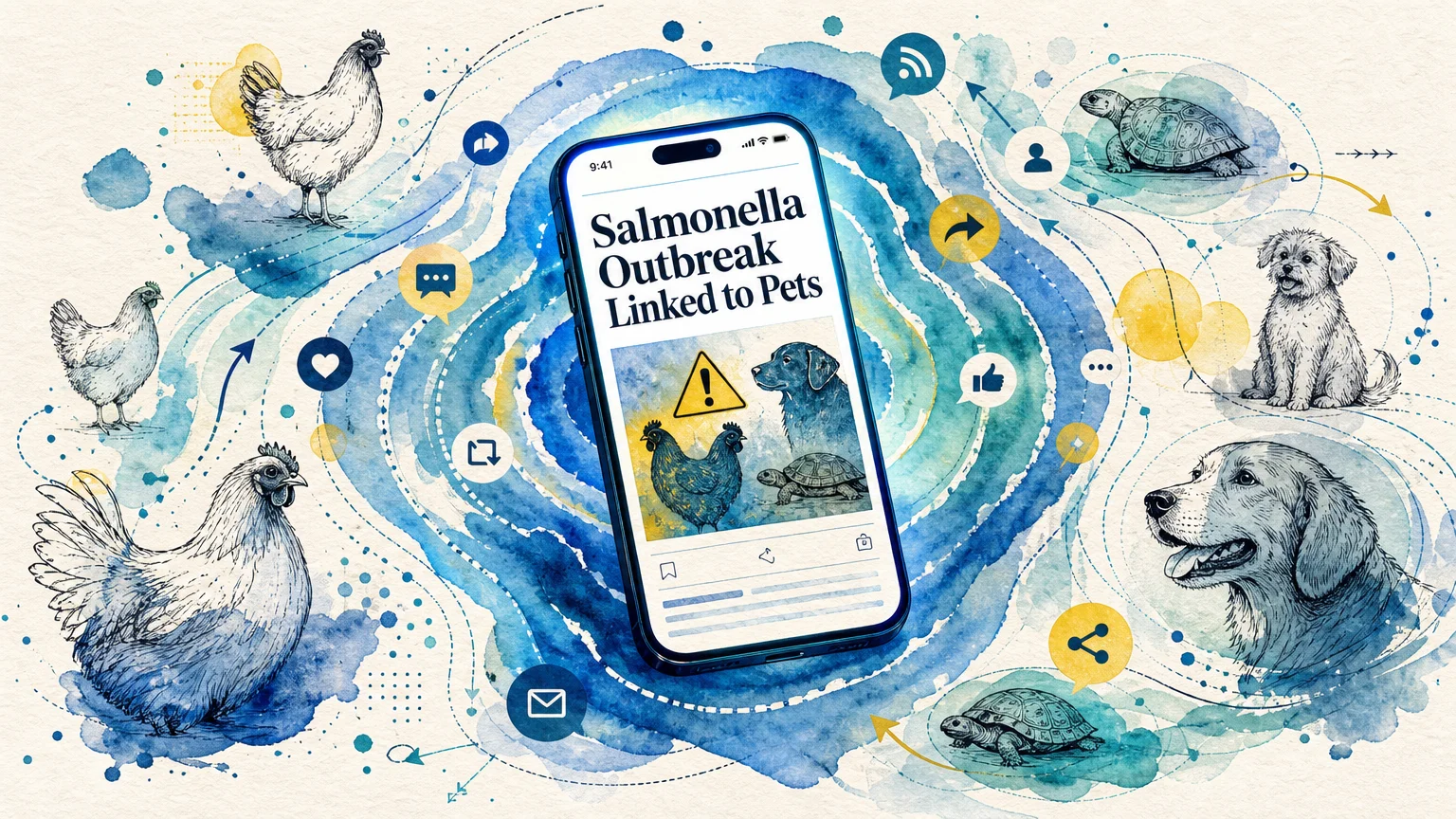
The conversation surrounding zoonotic diseases—infections that jump from animals to humans—is more prominent now than ever before. Two distinct lifestyle shifts have pushed pet-related salmonella into the public spotlight. First, the booming popularity of urban homesteading means more families are interacting intimately with backyard chickens and ducks. These birds are no longer just livestock kept at a distance; they are named, pampered pets that sometimes end up inside the house.
Second, a massive shift in pet nutrition marketing has popularized biologically appropriate raw diets for dogs and cats. Social media is flooded with aesthetically pleasing videos of pet owners preparing elaborate raw meat bowls for their dogs. While some owners swear by the cosmetic and digestive benefits of raw feeding, public health officials view the trend with intense scrutiny. The intersection of these natural lifestyle movements with basic infectious disease biology means that families are inadvertently exposing themselves to pathogens that were historically kept at bay through commercial cooking and agricultural distance.
Things to Watch Out For
If you share your home with animals, it pays to recognize the common, everyday pitfalls that lead to cross-contamination. Watch out for these specific scenarios:
- Asymptomatic Shedding: Never assume an animal is safe to handle casually just because it looks healthy. Reptiles, amphibians, and poultry are natural carriers; they will not look sick or act lethargic even when actively shedding heavy loads of bacteria.
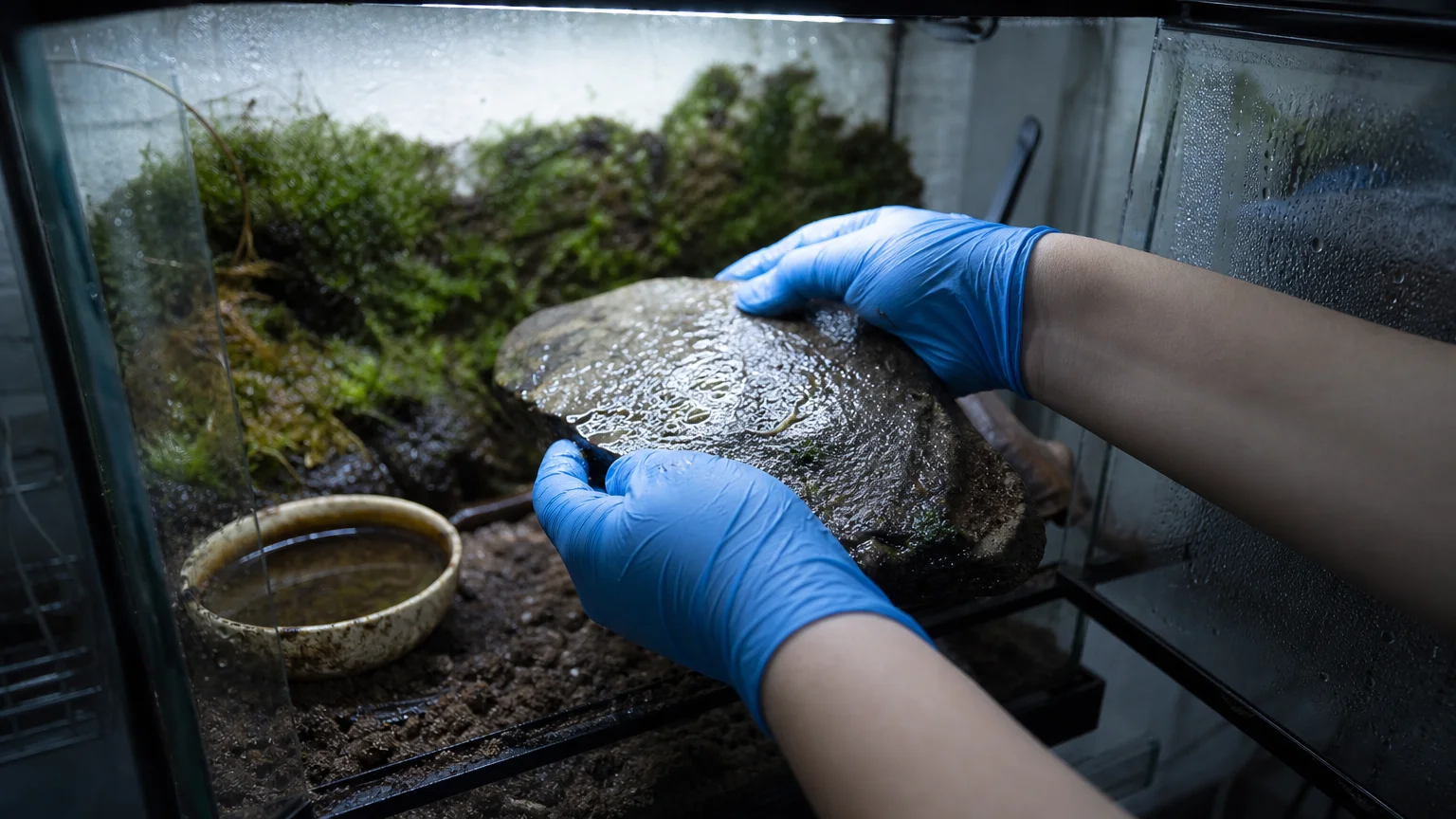
- Cleaning in the Kitchen Sink: One of the easiest ways to contaminate your family’s food supply is by washing pet supplies where you prepare meals. Scrubbing turtle filters, reptile rocks, or bird waterers in the kitchen sink splashes microscopic bacteria onto counters, sponges, and dishware. Always clean pet habitats outdoors or in a dedicated utility sink.
- Hidden Contamination in Feeder Animals: If you own a snake or a large lizard, you likely buy frozen feeder mice or rats. These frozen feeders frequently carry salmonella. Thawing them on kitchen counters or in food-preparation containers is a major contamination hazard.
- The Snuggle Factor: It is incredibly tempting to nuzzle a soft baby chick, kiss a pet frog, or let your dog lick your face immediately after they finish a meal. These direct, affectionate contacts bypass your basic hygiene defenses and are notorious vectors for transmission.
How to Protect Your Family
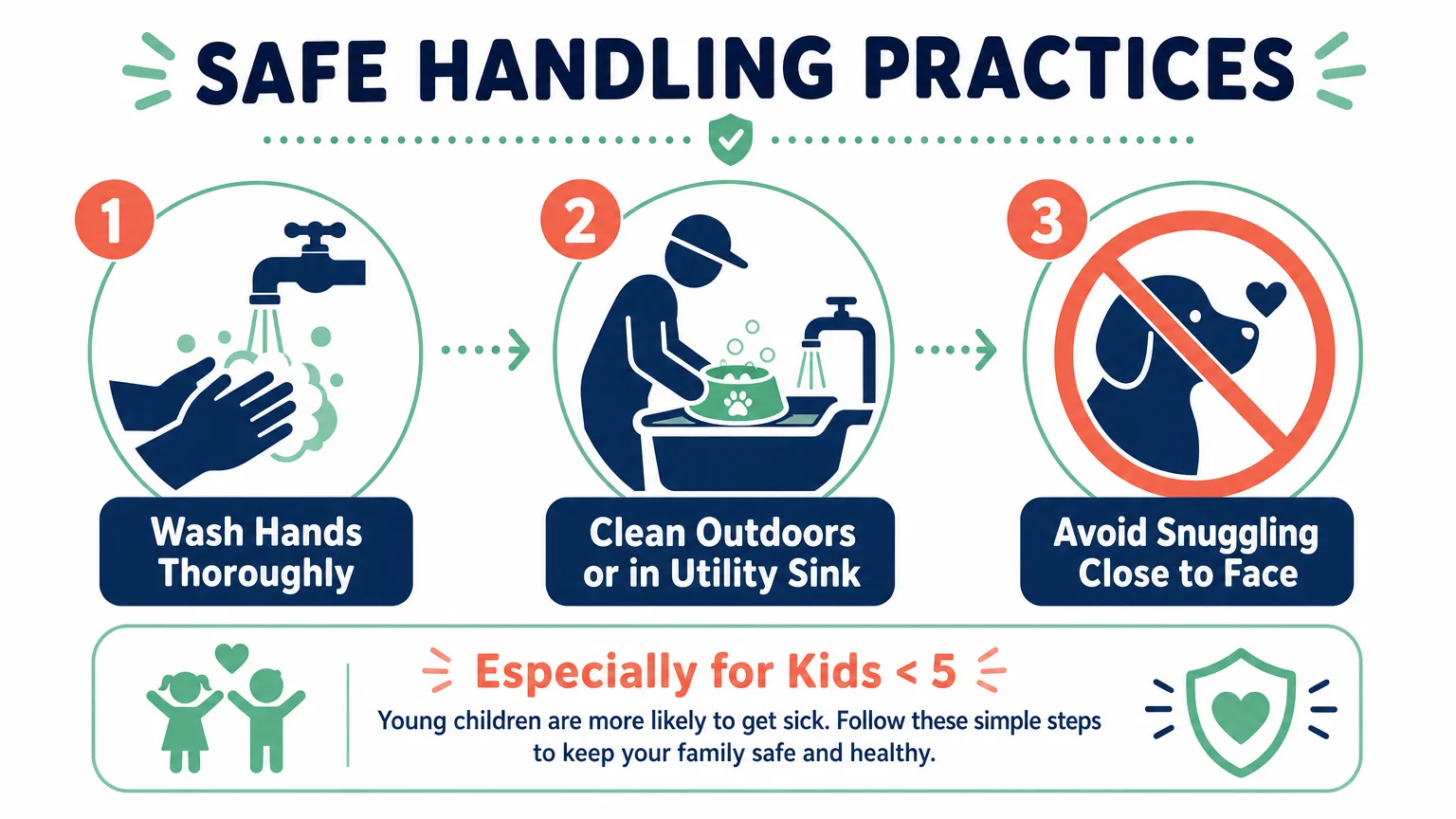
Enjoying your pets should not require living in fear of a bacterial infection. The vast majority of pet-associated salmonella cases are entirely preventable through consistent, basic hygiene. The goal is to create physical barriers between the bacteria in the animal’s environment and the areas where your family eats and sleeps.
Implementing clear household rules is the best way to keep everyone safe. Below is a quick comparison of habits to adopt and those to abandon:
| Safe Practices | Risky Behaviors |
|---|---|
| Washing hands immediately after touching animals, their food, or habitats. | Eating, drinking, or touching your face while handling pets or their cages. |
| Cleaning pet enclosures outdoors or in a dedicated utility sink. | Washing food bowls, terrarium rocks, or cages in the kitchen or bathroom sink. |
| Keeping reptiles and poultry completely out of food preparation areas. | Allowing chickens or turtles to roam freely on kitchen counters or dining floors. |
| Supervising young children closely when they interact with animals. | Allowing kids to kiss, snuggle, or put small pets near their faces. |
Furthermore, if you handle pet food—whether it is dry kibble, raw meat, or treats like pig ears—wash your hands afterward. Use a dedicated scoop for kibble rather than using the dog’s unwashed bowl to dig into the bag, which can transfer saliva and bacteria into the entire batch of food.

When DIY Isn’t Enough
Most healthy adults who contract salmonella recover within a week using supportive care at home, focusing on rest and aggressive hydration. However, there are critical scenarios where home management is dangerous, and professional medical intervention for you or your pet is absolutely necessary.
- High-Risk Human Households: If you live with children under five, seniors over 65, or someone who is pregnant or immunocompromised, the standard rules change. A salmonella infection that causes a mild stomach upset in a healthy adult can quickly become systemic and life-threatening for high-risk individuals. Seek medical advice immediately if a vulnerable family member develops diarrhea, a persistent fever, or severe abdominal cramps after animal contact.
- Severe Human Symptoms: Salmonella infections in humans typically incubate for anywhere from six hours to six days after exposure. If the bacteria escape the intestines and enter the bloodstream, the infection can rapidly spread. If you experience signs of severe dehydration, a fever climbing higher than 102°F, bloody diarrhea, or vomiting so severe you cannot keep liquids down, bypass the home remedies and consult a healthcare provider right away.
- Sick Dogs and Cats: While reptiles will not get sick from salmonella, your mammalian pets certainly can. If your dog or cat exhibits sudden lethargy, refusal to eat, severe vomiting, or bloody diarrhea—especially after a recent diet change or a known pet food recall—contact your veterinarian immediately. They may require diagnostic testing, targeted fluid therapy, and professional medical support to recover safely.
Frequently Asked Questions
Can I get salmonella from a healthy pet?
Yes. Many animals—especially reptiles, amphibians, and backyard poultry—harbor the bacteria naturally in their digestive tracts. They can shed salmonella continuously or intermittently without ever showing physical signs of sickness.
Does washing my hands really prevent salmonella?
Absolutely. Thorough handwashing with soap and warm running water for at least 20 seconds after touching an animal, its food, or its habitat is universally recognized as the single most effective way to prevent salmonella transmission. Hand sanitizer is a secondary option if water is unavailable, but soap is superior.
Are small turtles safe if I buy them from a reputable pet store?
No turtle is completely free of risk, regardless of its size or where you purchase it. The FDA strictly bans the sale of small turtles (under four inches in shell length) specifically because of the high risk they pose to young children who might put them in their mouths. Even larger, legally purchased turtles carry the bacteria, making rigorous hand hygiene a non-negotiable requirement.
Is it safe to let my dog lick my face?
While many pet owners allow this affectionately, public health experts generally advise against it. Dogs can carry salmonella and other zoonotic bacteria in their saliva, particularly if they are fed a raw meat diet, have scavenged outside, or have recently eaten contaminated kibble or treats.
Protecting your home from pet-borne salmonella does not mean you have to stop loving or keeping animals. By understanding how the bacteria spreads and committing to a few common-sense hygiene practices, you can enjoy all the companionship your pets offer without compromising your family’s well-being. Wash your hands, keep pet habitats clean, and respect the boundaries between animal spaces and human spaces. The information here is meant for educational purposes. Specific circumstances—including health conditions, finances, location, and goals—may require different approaches. When in doubt, consult a licensed professional or check official sources directly.
Last updated: June 2026. Rules, prices, and details change—verify current information with official sources before acting on it.