Things to Watch Out For
While it feels wonderful to be your pet’s favorite person, misinterpreting animal behavior can lead to accidental stress or behavioral training issues. Keep an eye out for these specific scenarios:
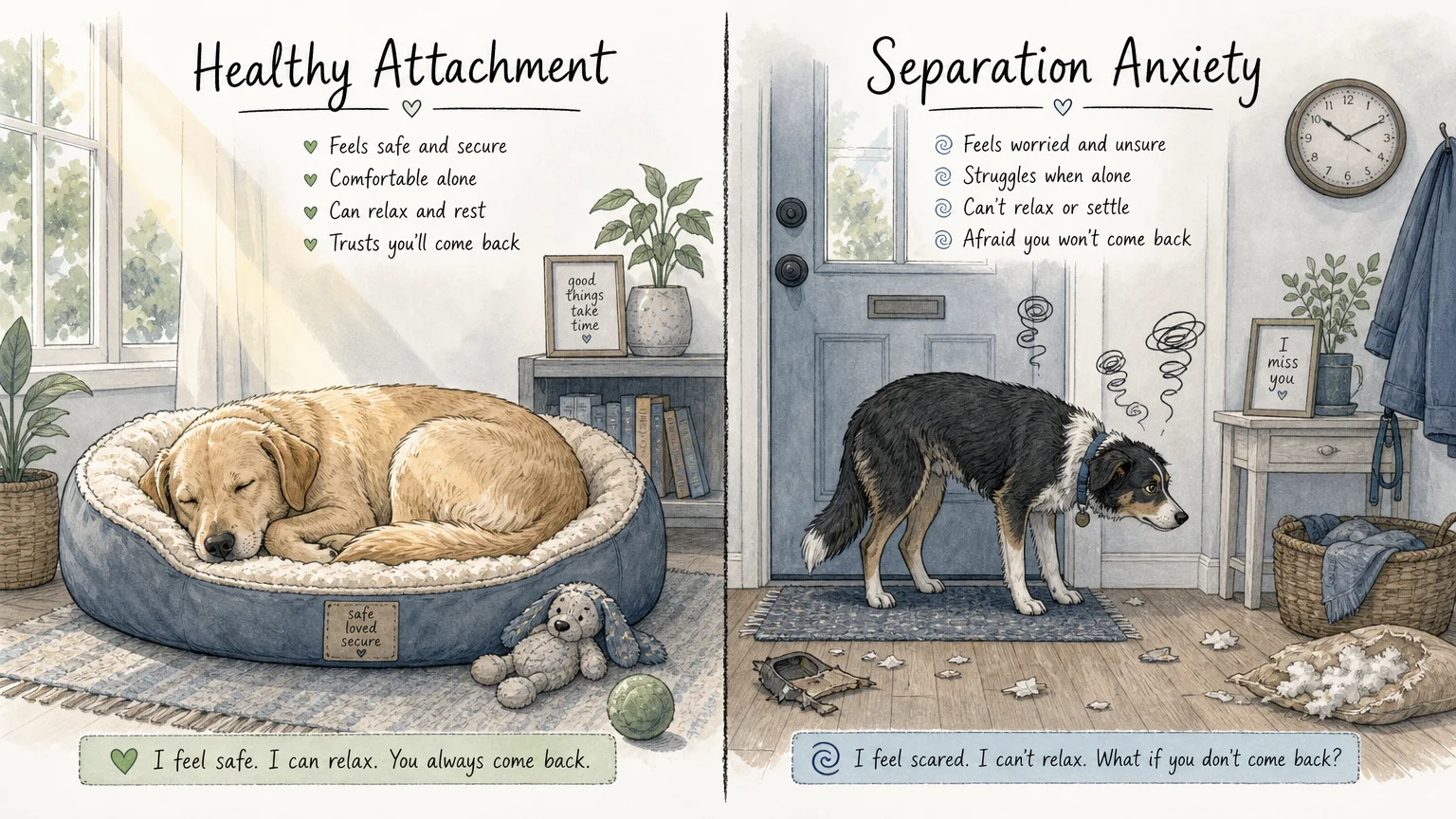
- Mistaking Separation Anxiety for Love: If your pet destroys furniture, vocalizes constantly, or paces frantically when you leave the house, they are not just showing how much they miss you. True separation anxiety is a severe panic response that requires behavioral intervention, not a sign of healthy affection.
- Resource Guarding: If your pet growls, snaps, or lunges at other people or animals when they approach you on the couch, they are resource guarding you. While it stems from viewing you as a high-value asset, it is a dangerous behavioral issue that requires professional training to correct.
- Sudden Clinginess: If a typically independent pet suddenly refuses to leave your side or hides under your bed, they might be masking illness or physical pain. Animals often seek out their favorite humans for comfort when they feel unwell. Always consult your veterinarian if your pet’s behavior changes abruptly.
- Over-Grooming: If your cat or dog insists on licking you obsessively to the point of agitation, it may be a self-soothing behavior triggered by environmental stress rather than simple affection.
Frequently Asked Questions
Can a pet have more than one favorite person?
Absolutely. While pets often have a primary bond with one individual, they can form deep, secure attachments with multiple family members. Each relationship may look slightly different based on who feeds them, who initiates play sessions, and who provides calm, quiet affection.
Do cats bond with humans the same way dogs do?
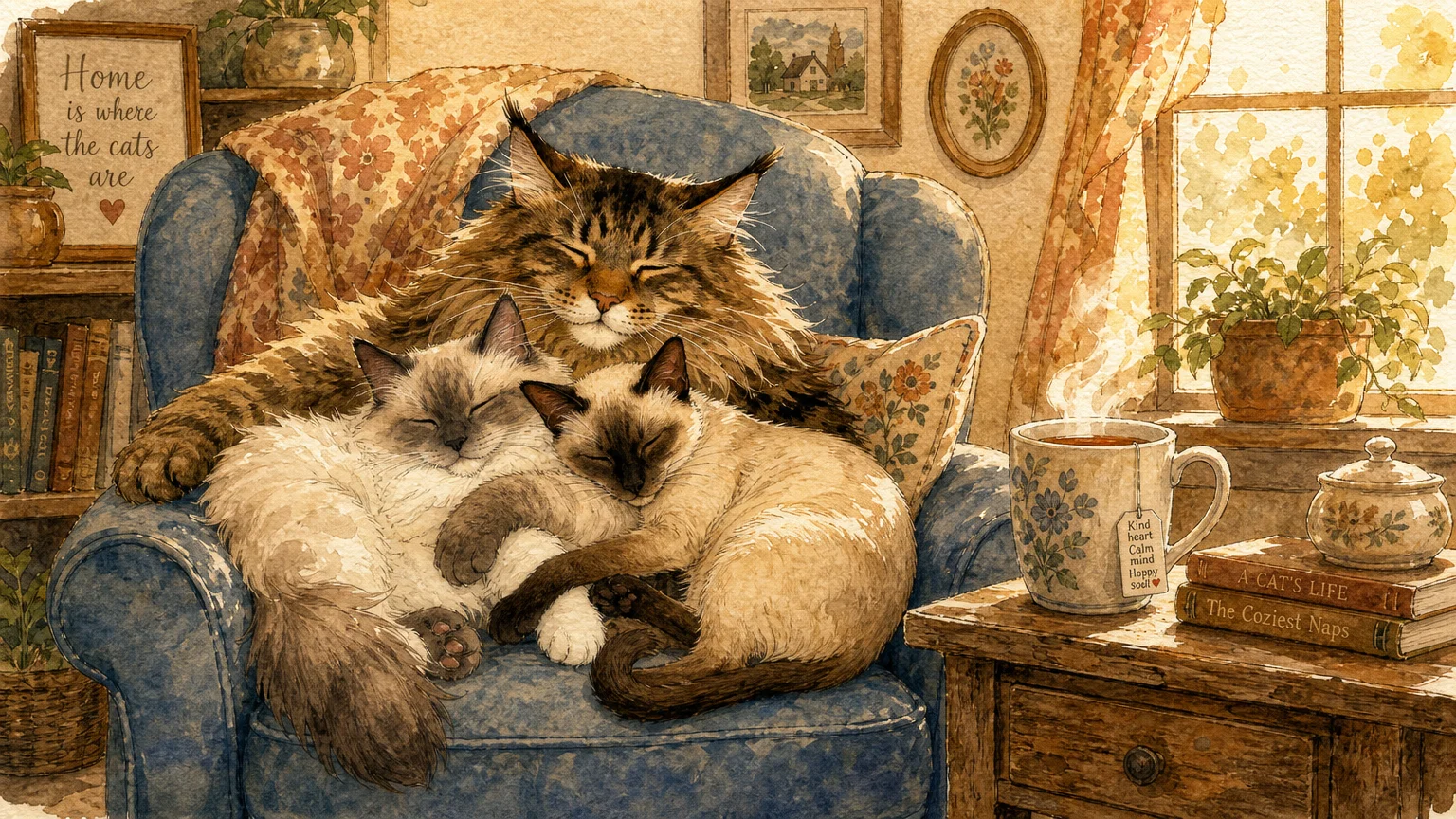
Despite the outdated stereotype that cats are aloof and independent, research proves they form attachments that are just as strong as those of dogs. They simply express their affection differently, relying more on subtle body language, scent-marking, and physical proximity rather than overt, energetic enthusiasm.
Can you change who a pet’s favorite person is?
Yes. A pet’s preference is largely based on positive associations and predictable routines. If a family member wants to strengthen their bond with a pet, they should take over high-value activities. This includes feeding meals, initiating positive play sessions, and providing consistent, gentle training without forcing physical interaction.
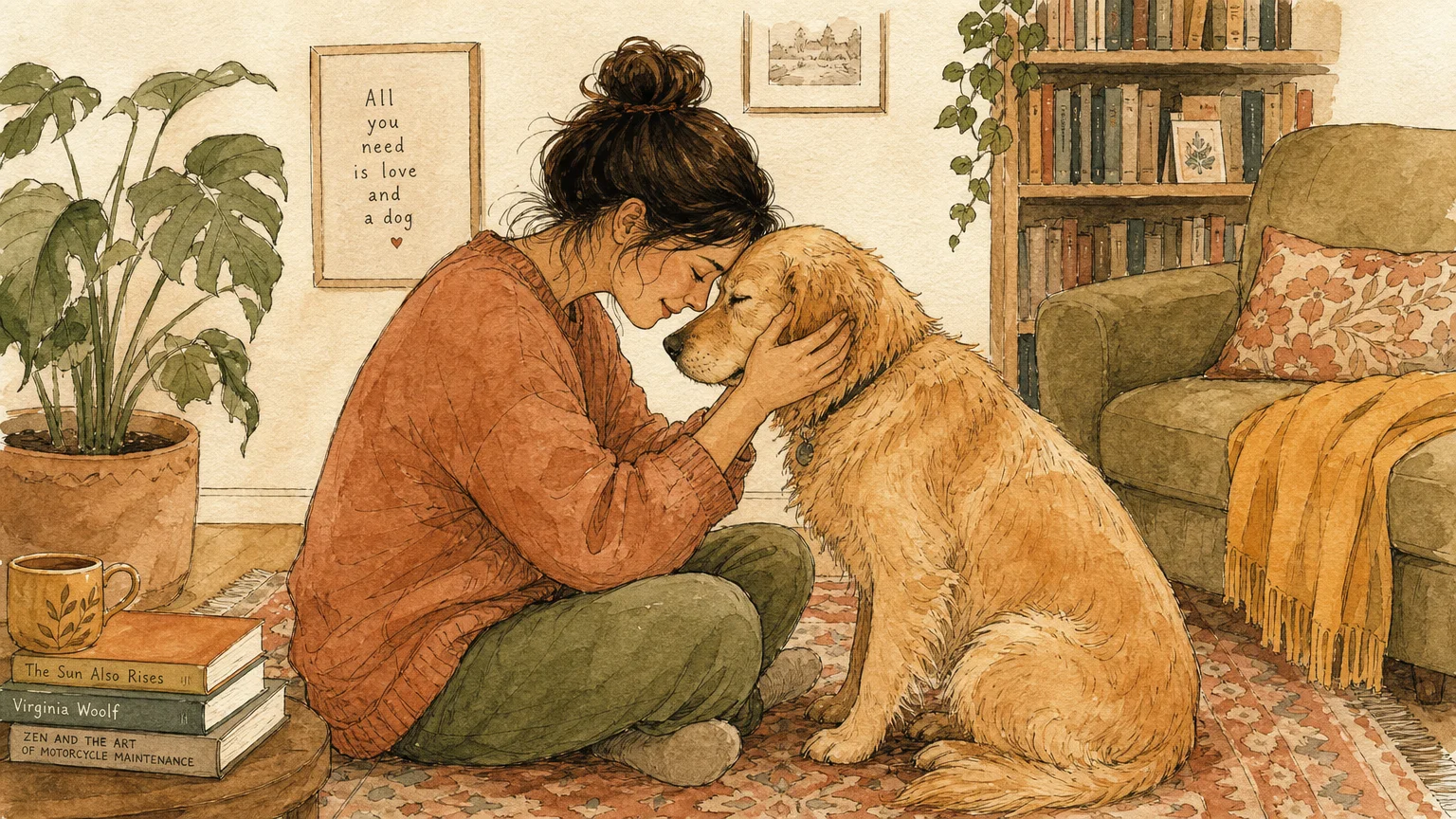
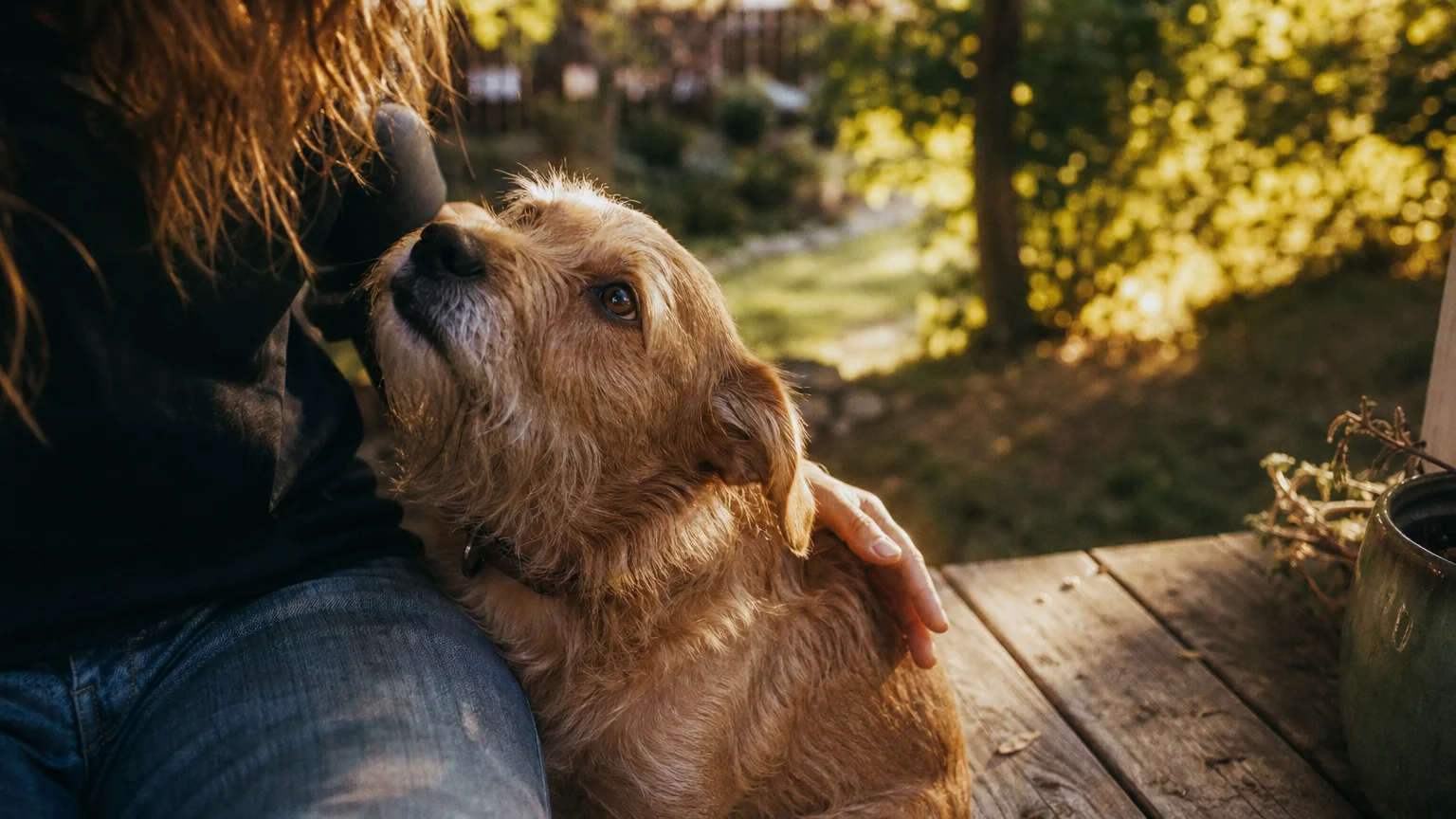
Understanding the subtle ways your pet communicates their love can transform how you interact with them every single day. Whether it is a soft gaze across the living room, a slow blink from the top of a cat tree, or a heavy lean against your legs, these small moments are their way of telling you that you are their entire world. Keep speaking their language, and that bond will only continue to grow.
This article provides general information only. Every reader’s situation is different—what works for others may not be the right fit for you. For personalized guidance on health, legal, or financial matters, consult a qualified professional.
Last updated: May 2026. Rules, prices, and details change—verify current information with official sources before acting on it.