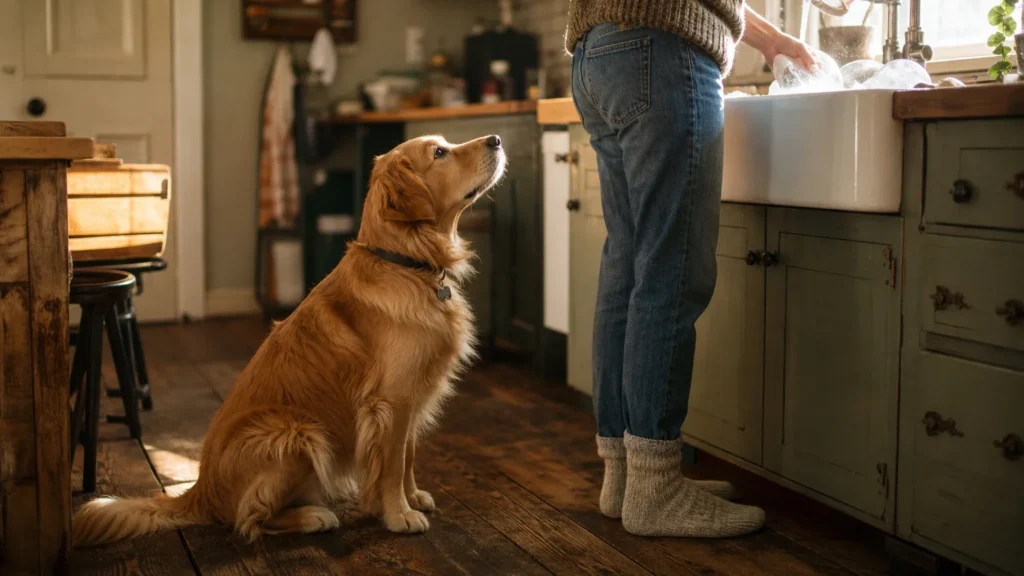
If your dog shadows your every move from the kitchen to the bathroom, you are witnessing a fascinating intersection of genetics, domestication, and classical conditioning. “Velcro dogs” stick close because thousands of years of selective breeding have wired their brains to view human companionship as their primary source of security.
Beyond basic pack instincts, modern pet psychology reveals that canine companions constantly analyze our body language for cues about walks, meals, and affection. While this relentless following often signifies a healthy bond, it can occasionally cross the line into separation anxiety.
Understanding the root causes behind these clinging dog habits empowers you to nurture an independent, confident pet while maintaining that cherished connection.
The Biology of the Bond: Oxytocin and Domestication
Research highlights a fascinating evolutionary divergence between dogs and their wild ancestors. In behavioral studies comparing domestic dogs and tamed wolves, scientists discovered that wolves generally avoid prolonged eye contact with humans, often viewing it as a threat.
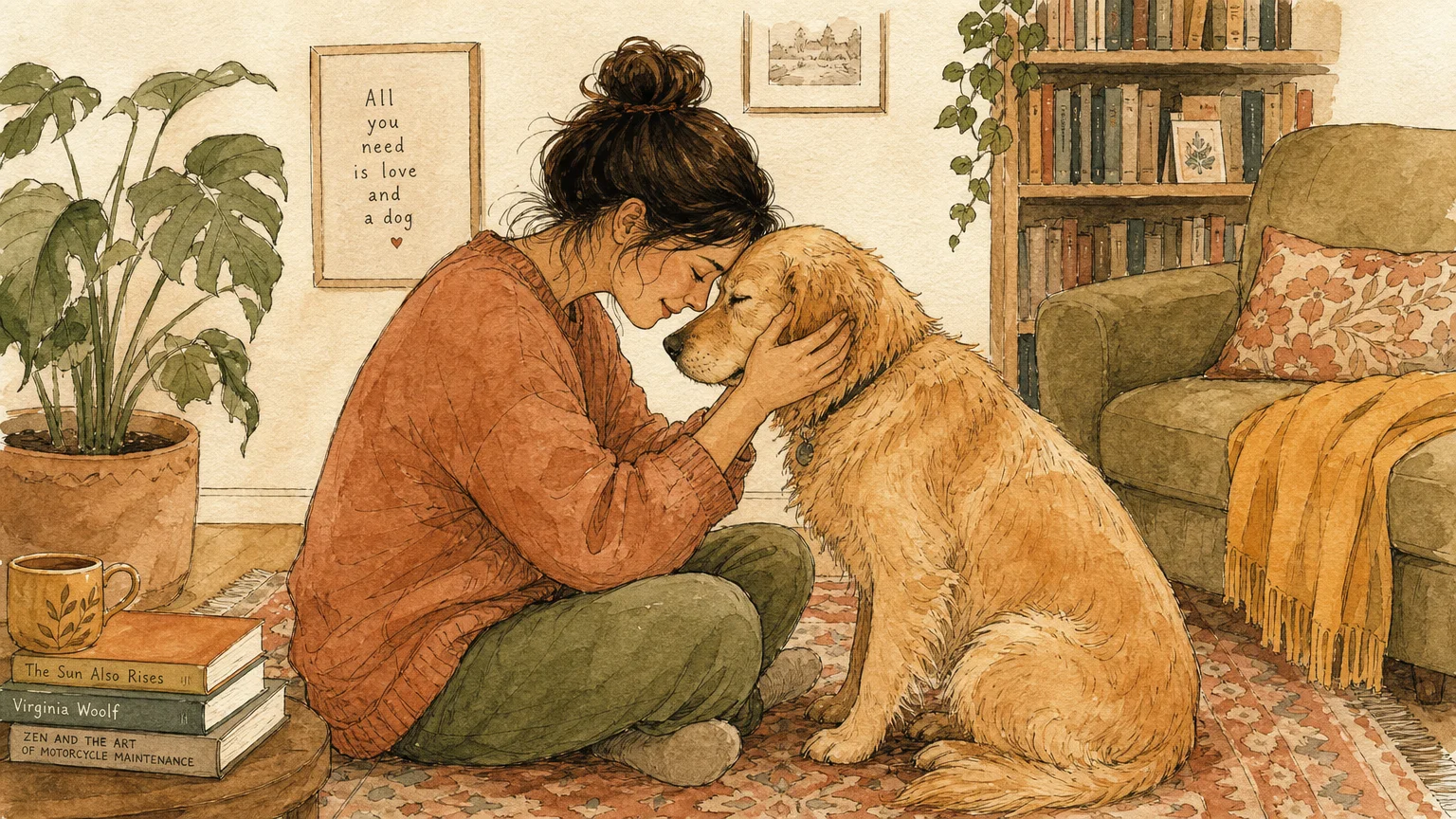
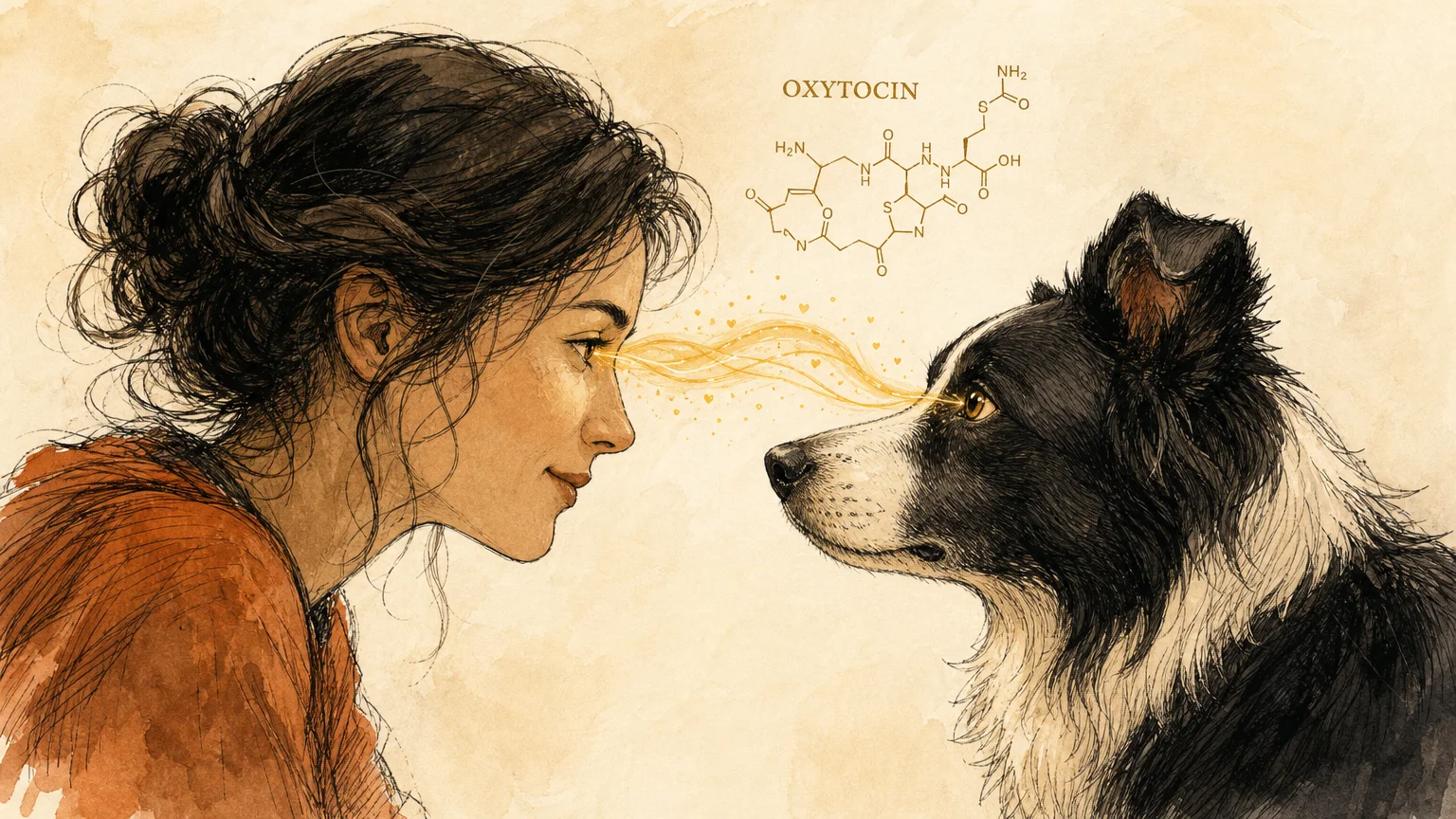
Dogs, however, have effectively hijacked the human maternal bonding system. By locking eyes with us, they trigger the exact same neurochemical pathways that bond human parents to their children.
According to research published by the National Institutes of Health, when humans and their deeply bonded dogs engage in positive interactions—such as gazing into each other’s eyes or playing—both experience a significant surge in oxytocin.
This hormonal feedback loop means your dog is biologically rewarded for your presence. They follow you from room to room because physical proximity guarantees a steady drip of the brain chemicals that make them feel safe, happy, and relaxed.