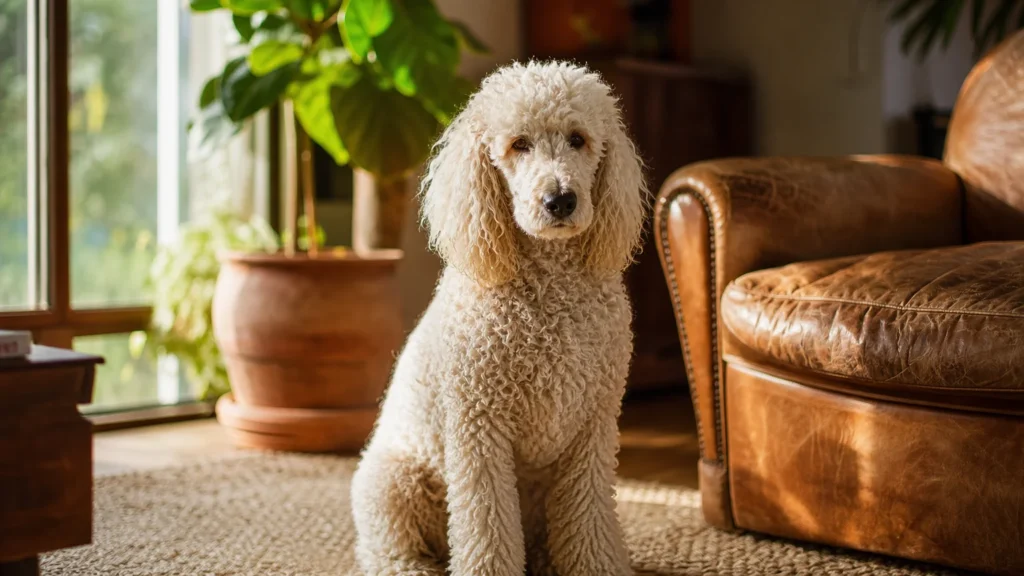
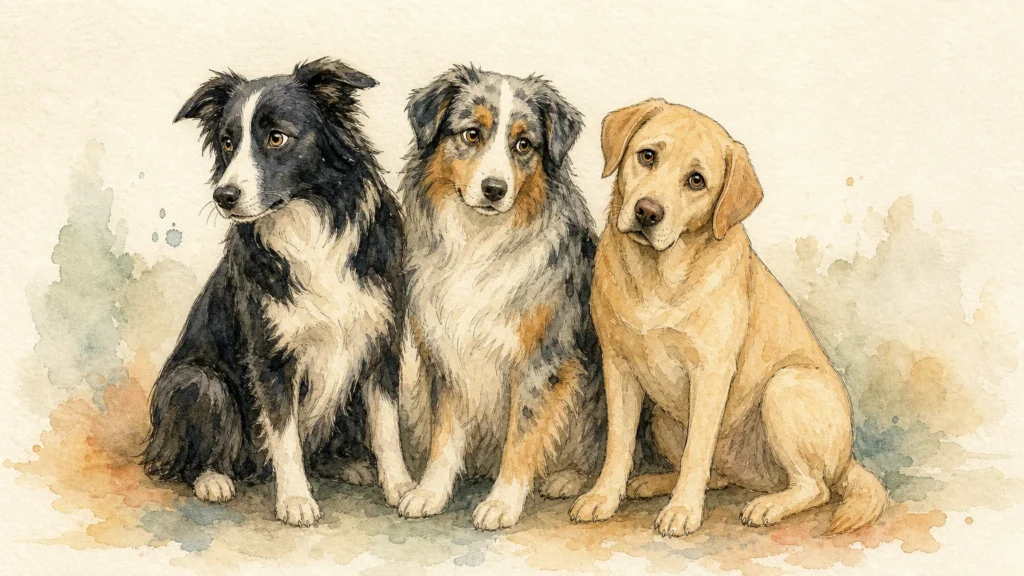
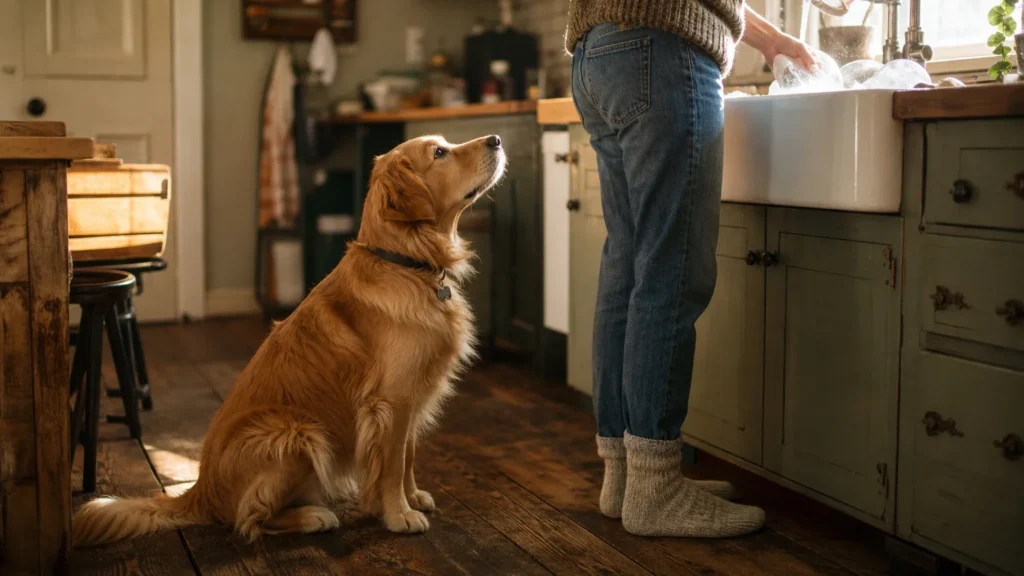
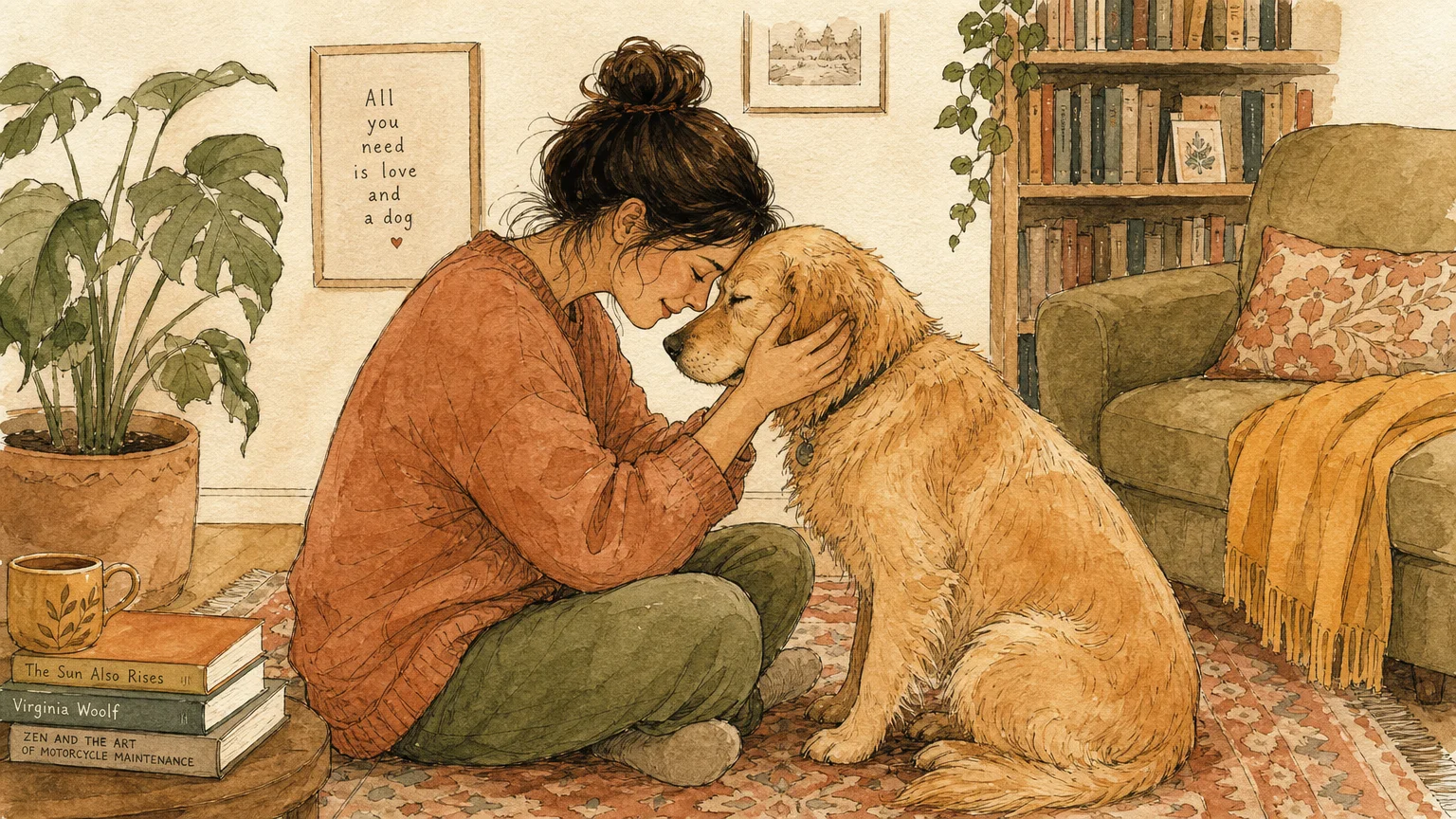
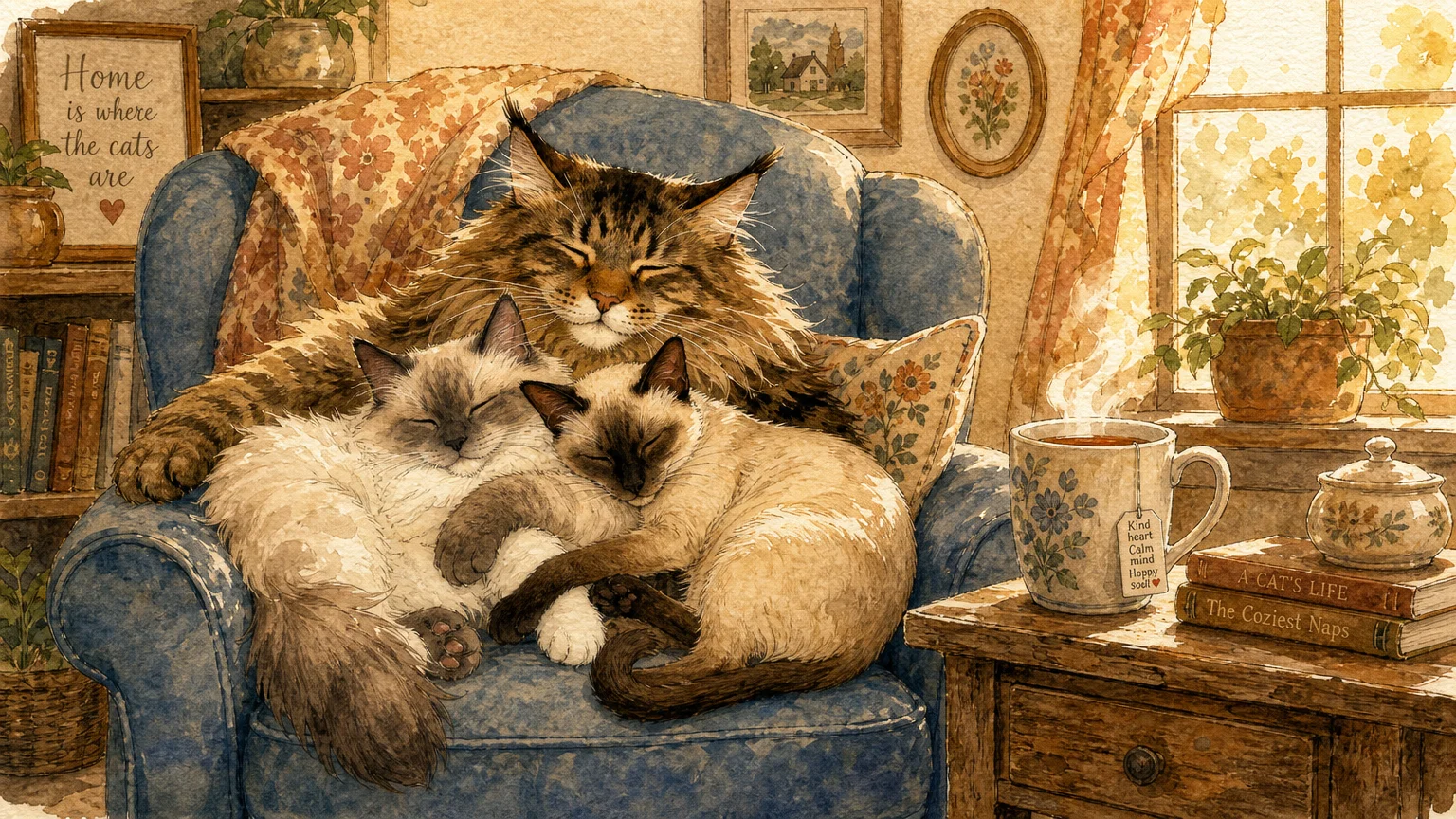
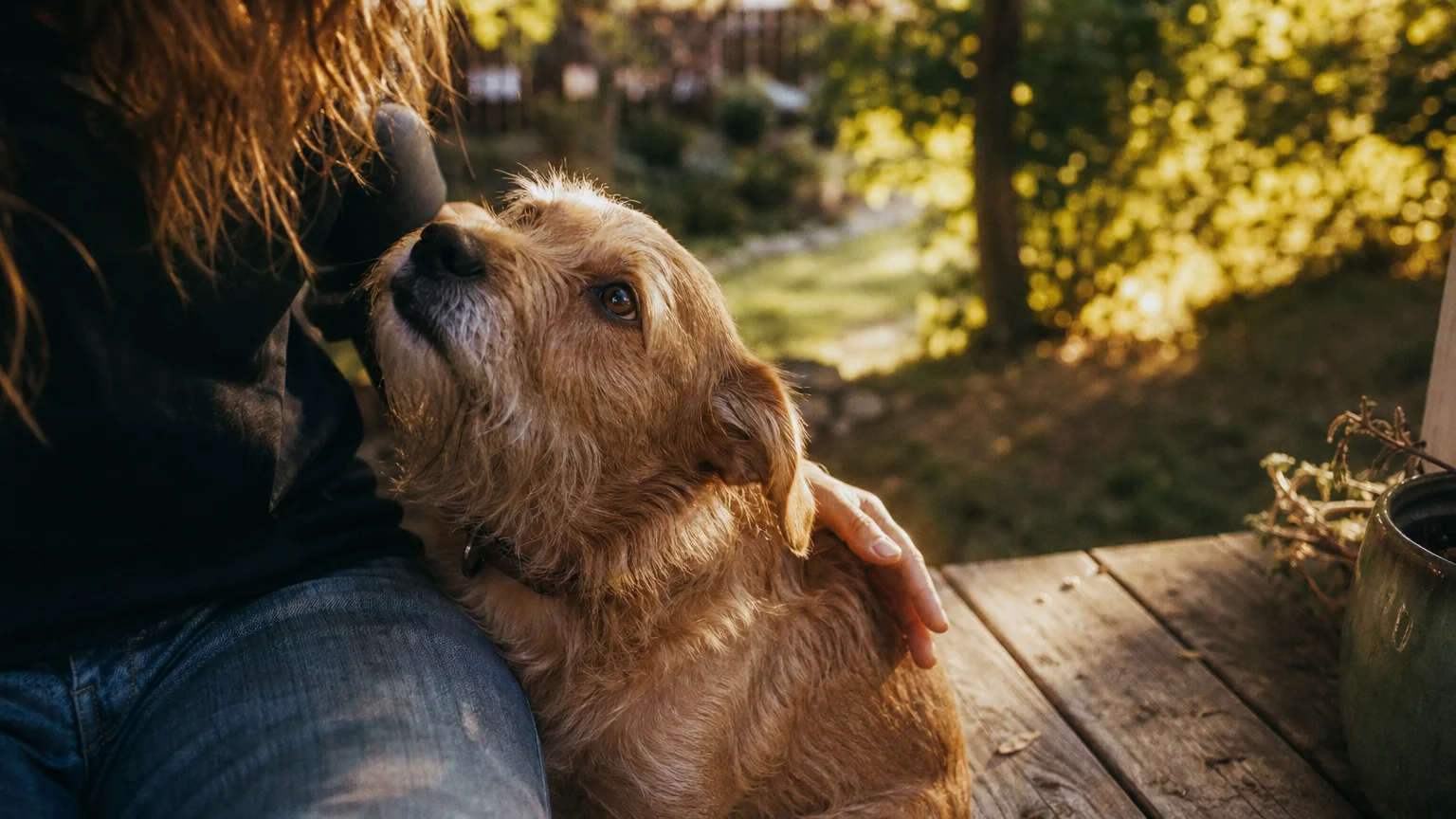
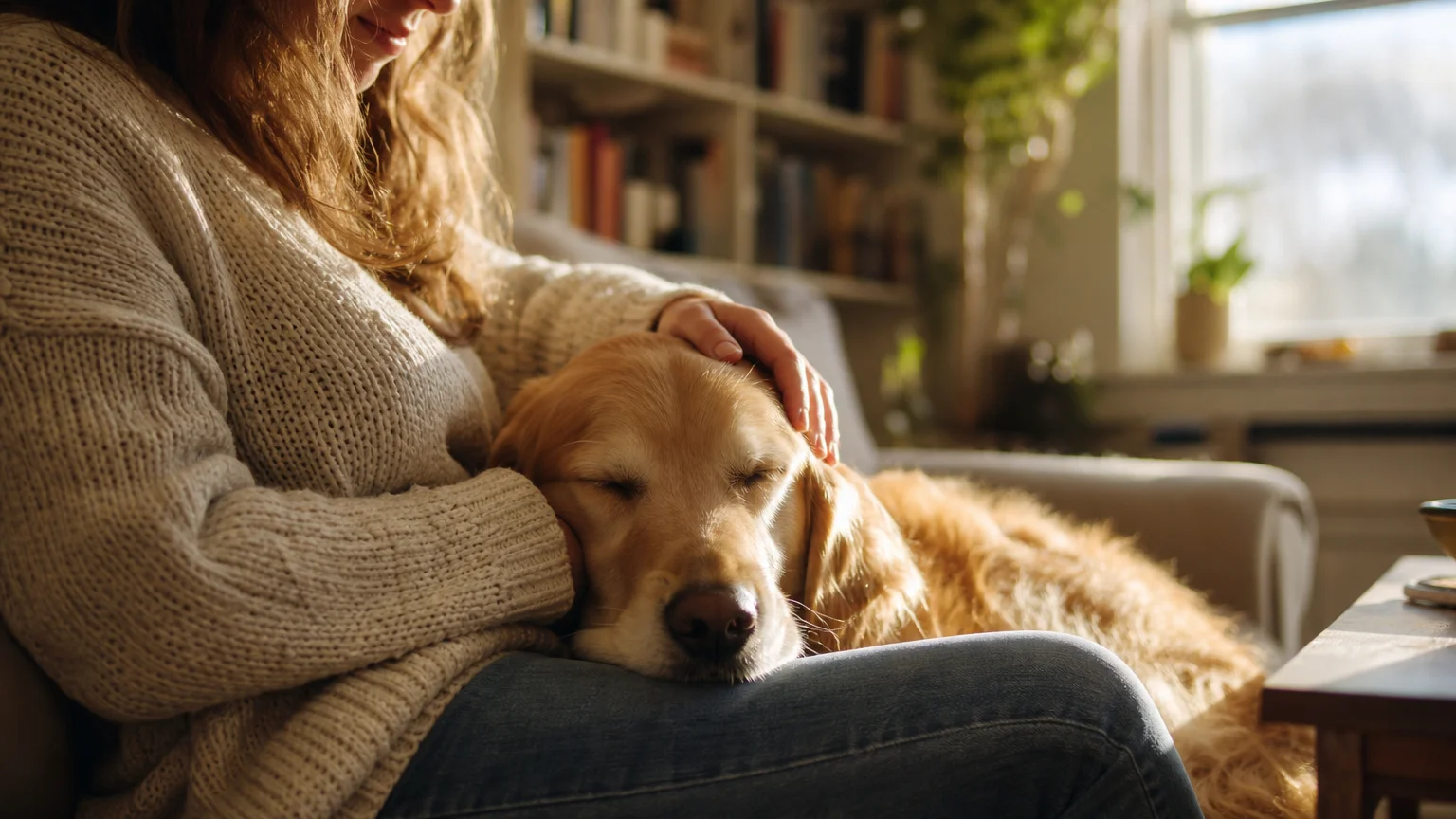
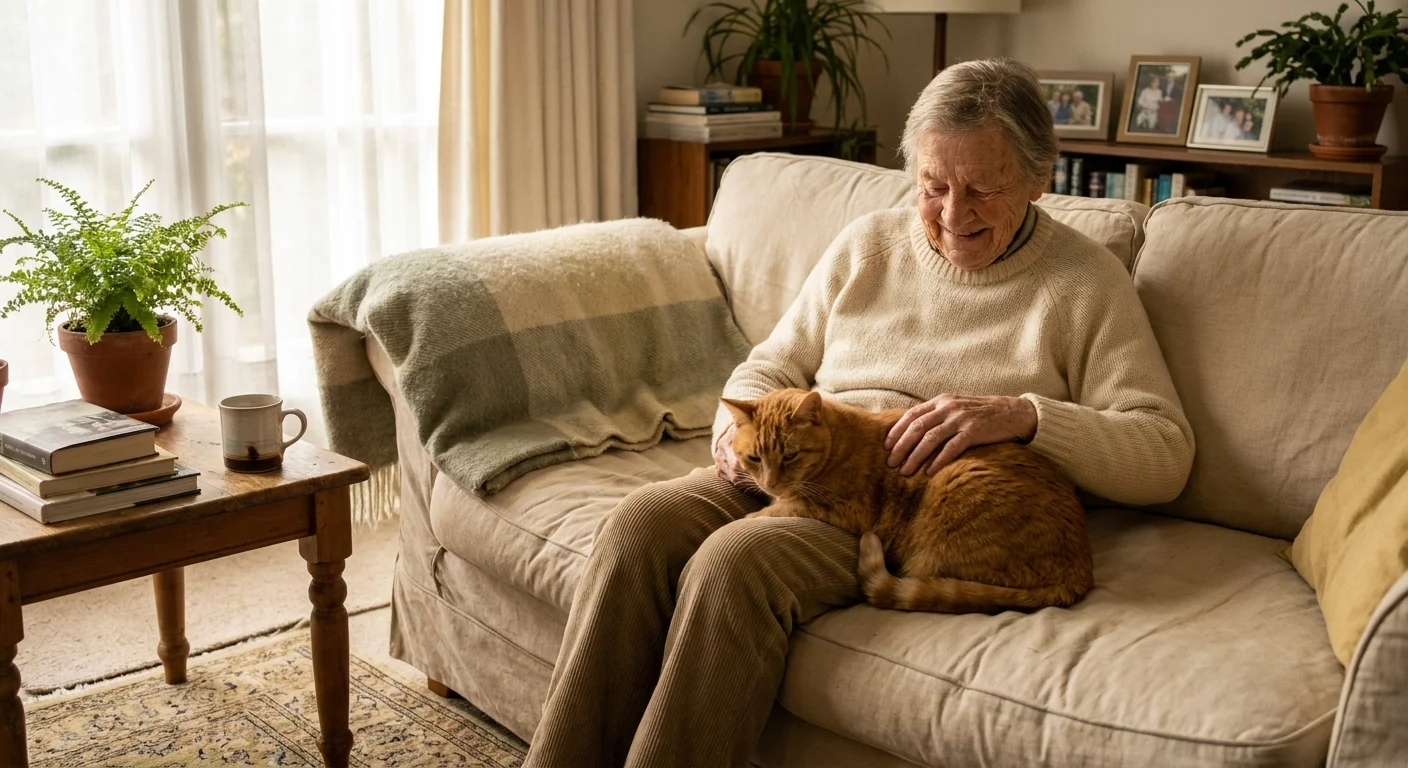
If your pet holds your gaze just a little longer than usual or follows you from room to room, you might question whether they see you as their ultimate companion. Science shows that our dogs and cats form profound social attachments that look remarkably similar to the bonds between human family members.
From the “love hormone” oxytocin to deep-rooted instincts that drive physical proximity, pet behavior reveals powerful clues about how they view you. While every animal expresses affection differently, researchers have pinpointed specific actions that signal deep trust and preference.
Recognizing these subtle physical and behavioral cues can help you understand your pet’s unique language and confirm what you already suspect—you really are their favorite human.
Why People Are Talking About This
For decades, many people assumed pets simply favored whoever filled their food bowl. However, modern animal behavior science has entirely flipped that script. We now understand that dogs and cats form deep, complex emotional attachments independent of food conditioning and shelter. The shift in viewing pets as literal family members has spurred intense scientific interest in the human-animal bond.
Researchers continue to uncover fascinating parallels between human psychology and animal behavior. These studies demonstrate that our pets rely on us for emotional regulation, environmental security, and genuine companionship. Understanding the mechanics behind this relationship does not just validate your bond; it helps you provide better, more empathetic care for the animals sharing your home.