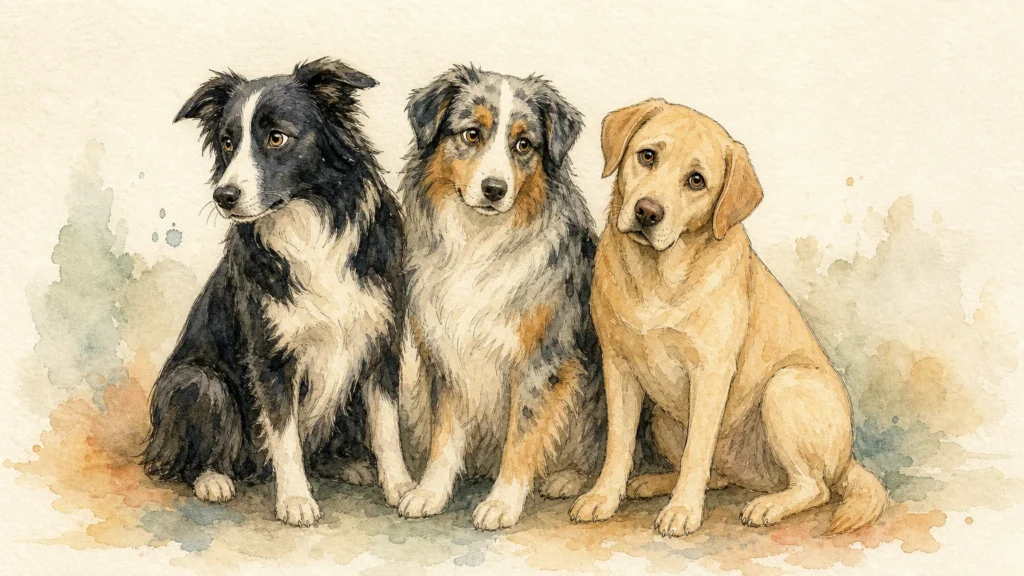
Genetics play a surprisingly massive role in whether your dog develops anxiety, and certain popular breeds are heavily predisposed to chronic stress. While any dog can become fearful, working dogs bred for high alertness and companion dogs bred for constant attachment frequently face a higher risk of clinical separation anxiety, noise phobias, and hypervigilance.
If you own a high-drive herder or an intensely bonded lap dog, understanding their innate vulnerabilities allows you to intervene before mild nervousness turns into destructive behavior. Recognizing that your dog’s pacing, excessive barking, or clinginess stems from their breed history rather than bad behavior fundamentally changes how you support them.
Here are 15 dog breeds highly prone to canine anxiety.
The Bigger Picture: Canine Anxiety by the Numbers
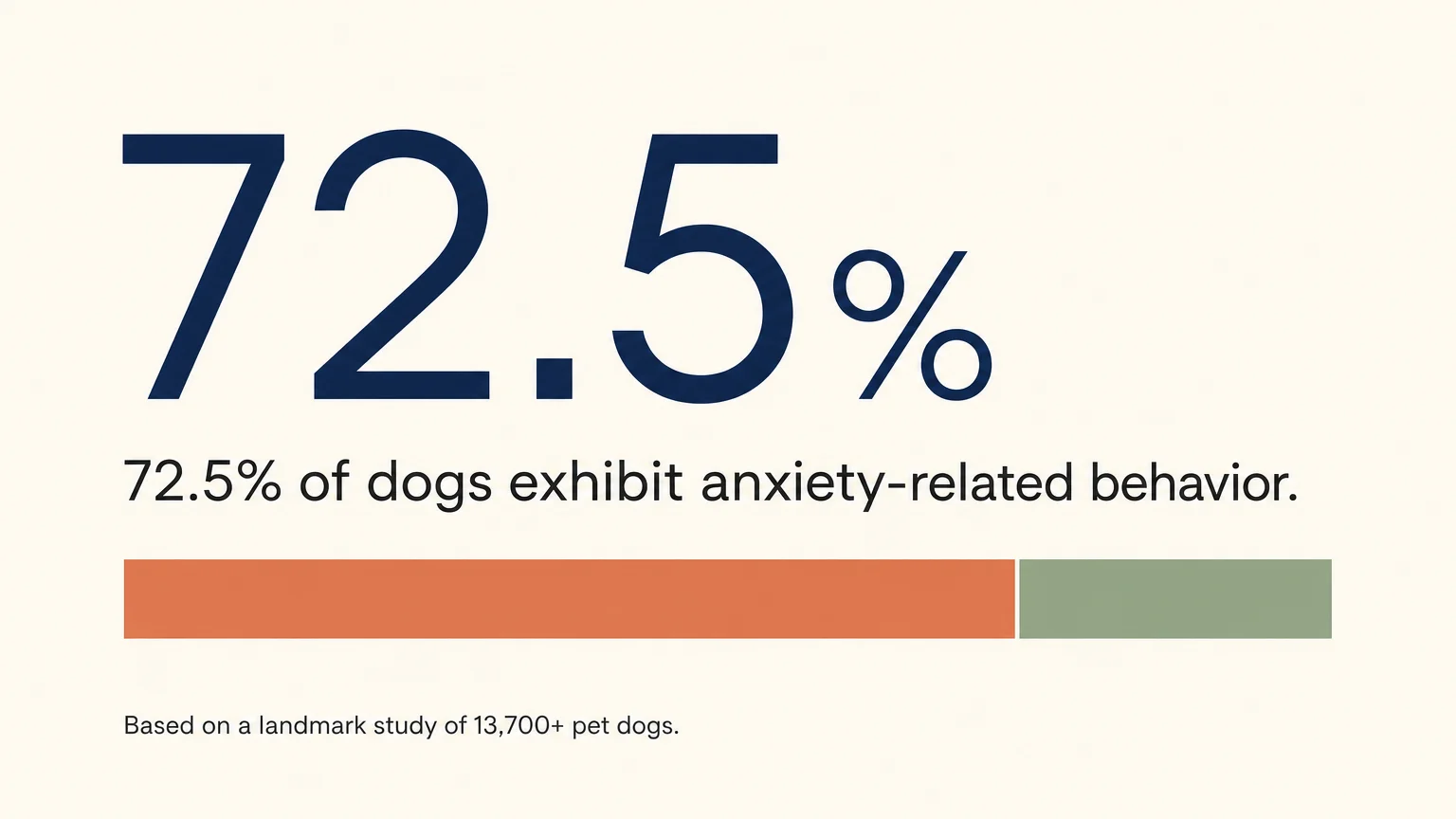
If you have ever felt overwhelmed by your dog’s nervous pacing or frantic barking, you are dealing with a widespread, scientifically documented issue. Canine anxiety is not a rare quirk; it is a behavioral reality for the majority of modern pets. A landmark 2020 study published in Scientific Reports analyzed over 13,700 pet dogs and found that a staggering 72.5% exhibited at least one anxiety-related behavior. Noise sensitivity alone affected nearly a third of all dogs surveyed.
These numbers make sense when we look at canine evolution. Anxiety and fear are adaptive mechanisms that originally evolved to keep dogs safe from predators and environmental threats. However, when we take dogs hardwired for constant outdoor vigilance and place them in quiet, low-stimulation suburban homes, those survival instincts often misfire. A dog bred to scan the horizon for wolves may start viewing the mail carrier as a daily existential threat.