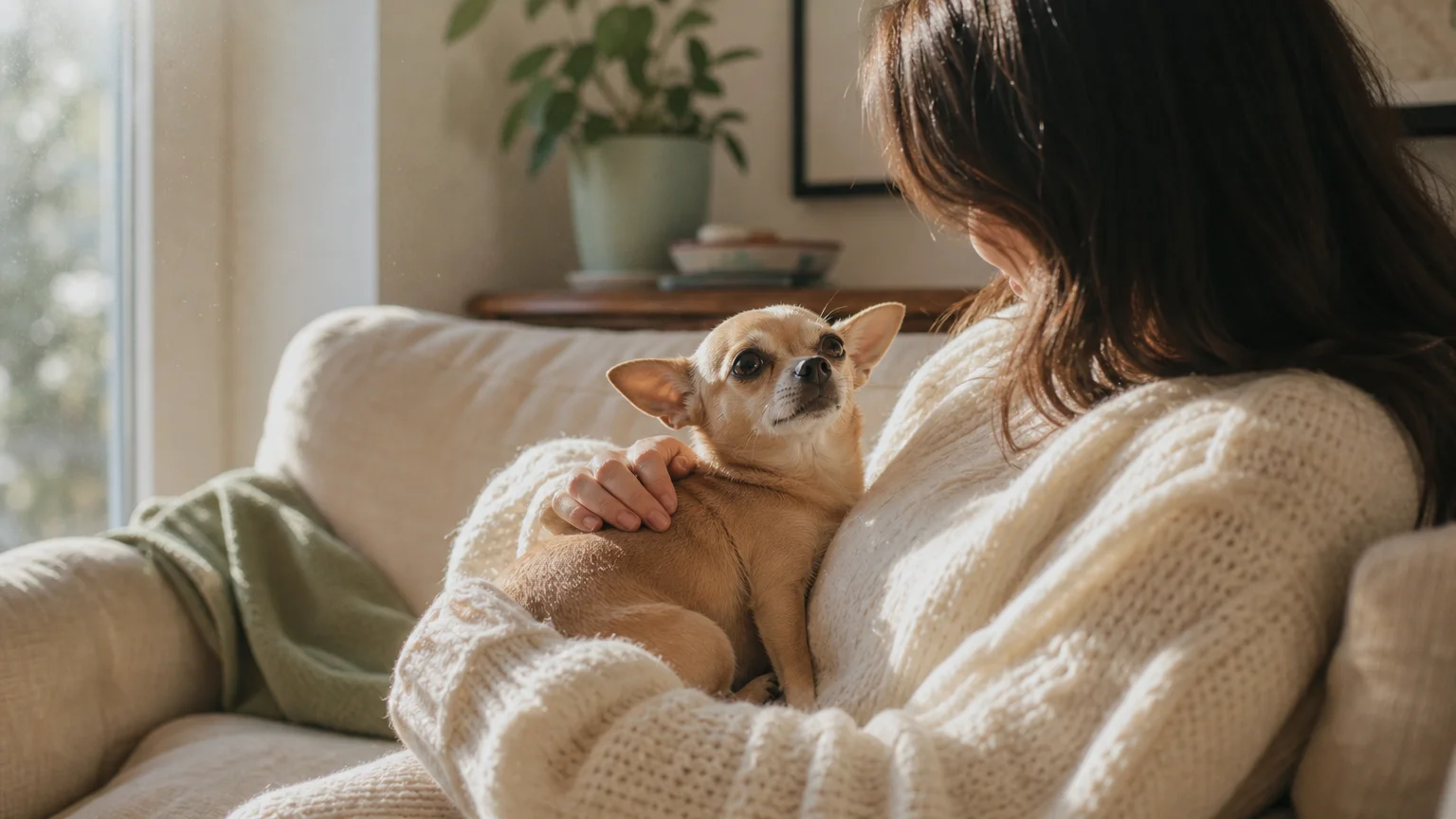
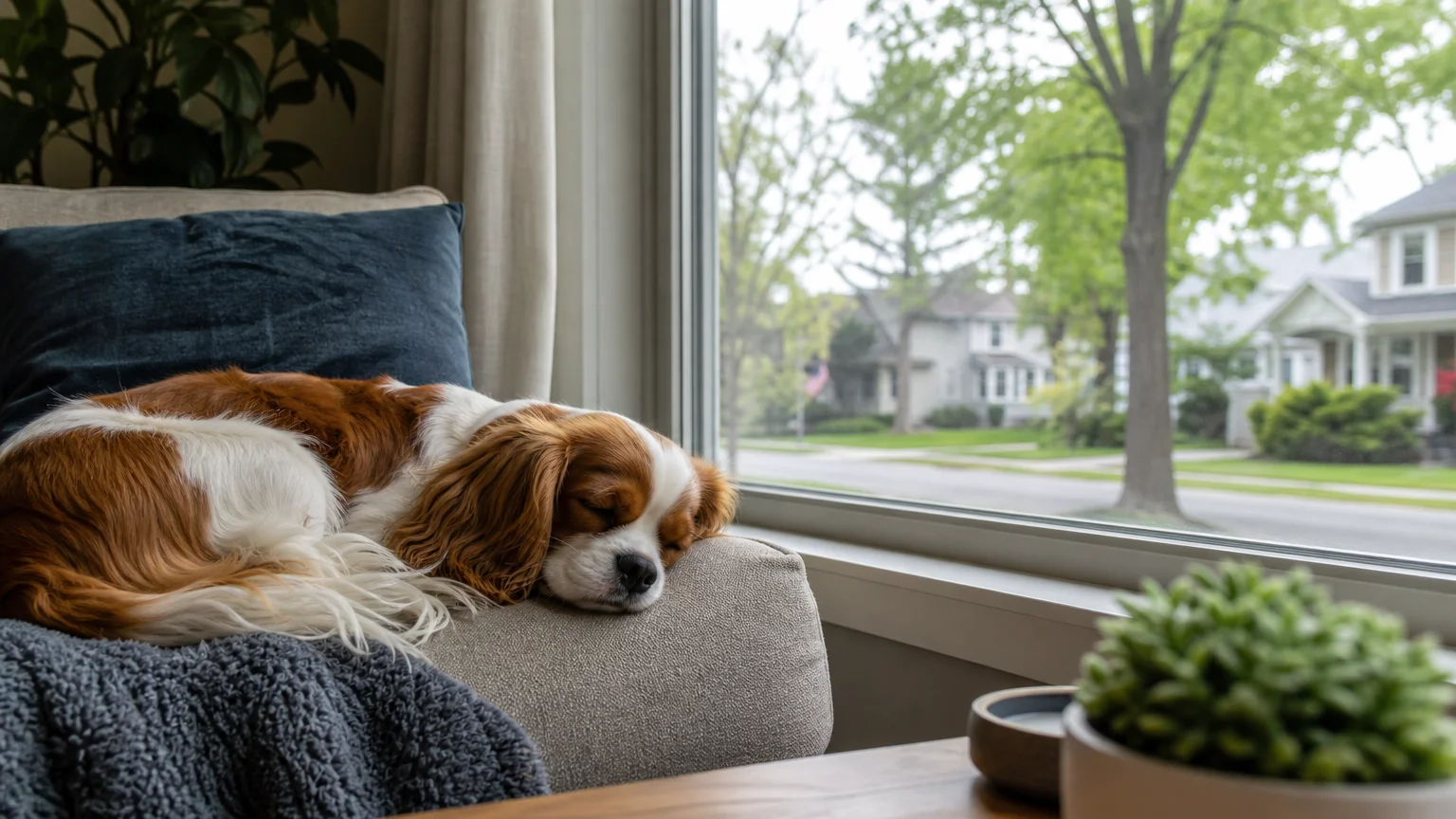
Decoding canine body language helps you understand exactly how secure your pet feels in your presence. A dog’s trust is earned through consistent care, clear communication, and mutual respect. While wagging tails and eager greetings are obvious indicators of affection, true trust often shows up in subtler, quieter moments. When a dog chooses to sleep deeply by your side or comfortably exposes their vulnerable belly, they are communicating a profound sense of safety. Understanding these behavioral cues allows you to strengthen your pet bonding and build a healthier relationship. By observing these eight specific signs, you can confidently gauge your dog’s trust level and continue nurturing a lifelong, secure connection.
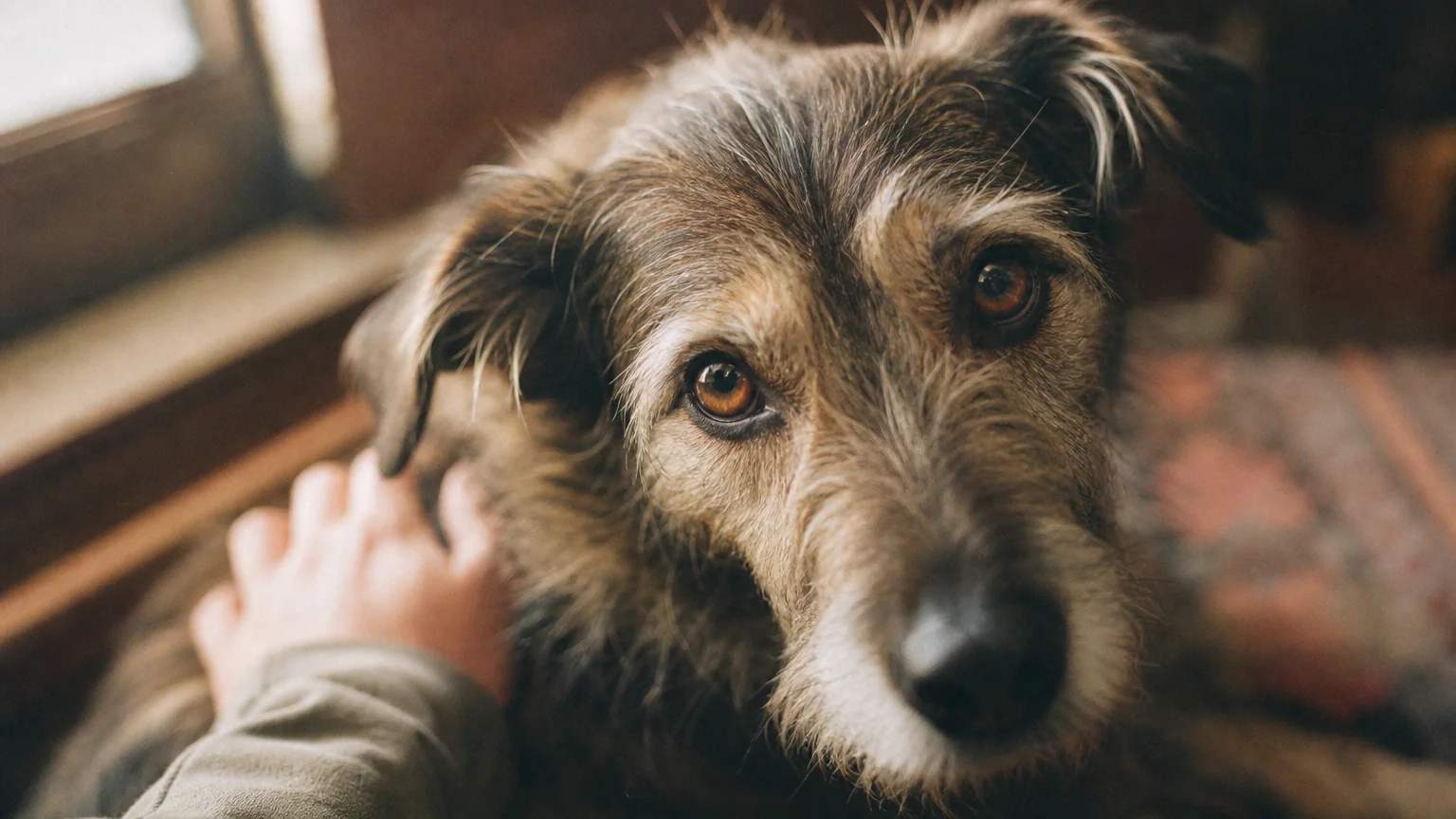
1. Making Soft, Sustained Eye Contact
In the animal kingdom, direct eye contact often serves as a challenge or a physical threat. When a dog voluntarily locks eyes with you and maintains a soft, relaxed gaze, they are actively overriding their natural defensive instincts to show profound trust.
This specific behavior is backed by biology. Research published by the National Institutes of Health demonstrates that when you and your dog share a calm gaze, both of your brains release oxytocin—the hormone responsible for feelings of love, bonding, and security. This biological “oxytocin loop” is remarkably similar to the chemical connection formed between human parents and their infants. If your dog seeks out your eyes when they are relaxing on the couch or looking for direction during a walk, they view you as their secure base.
To build on this trust, avoid forcing eye contact, which can feel intimidating. Instead, wait for your dog to initiate the gaze during a quiet moment, and gently return it while blinking slowly.
2. Sleeping in Highly Vulnerable Positions
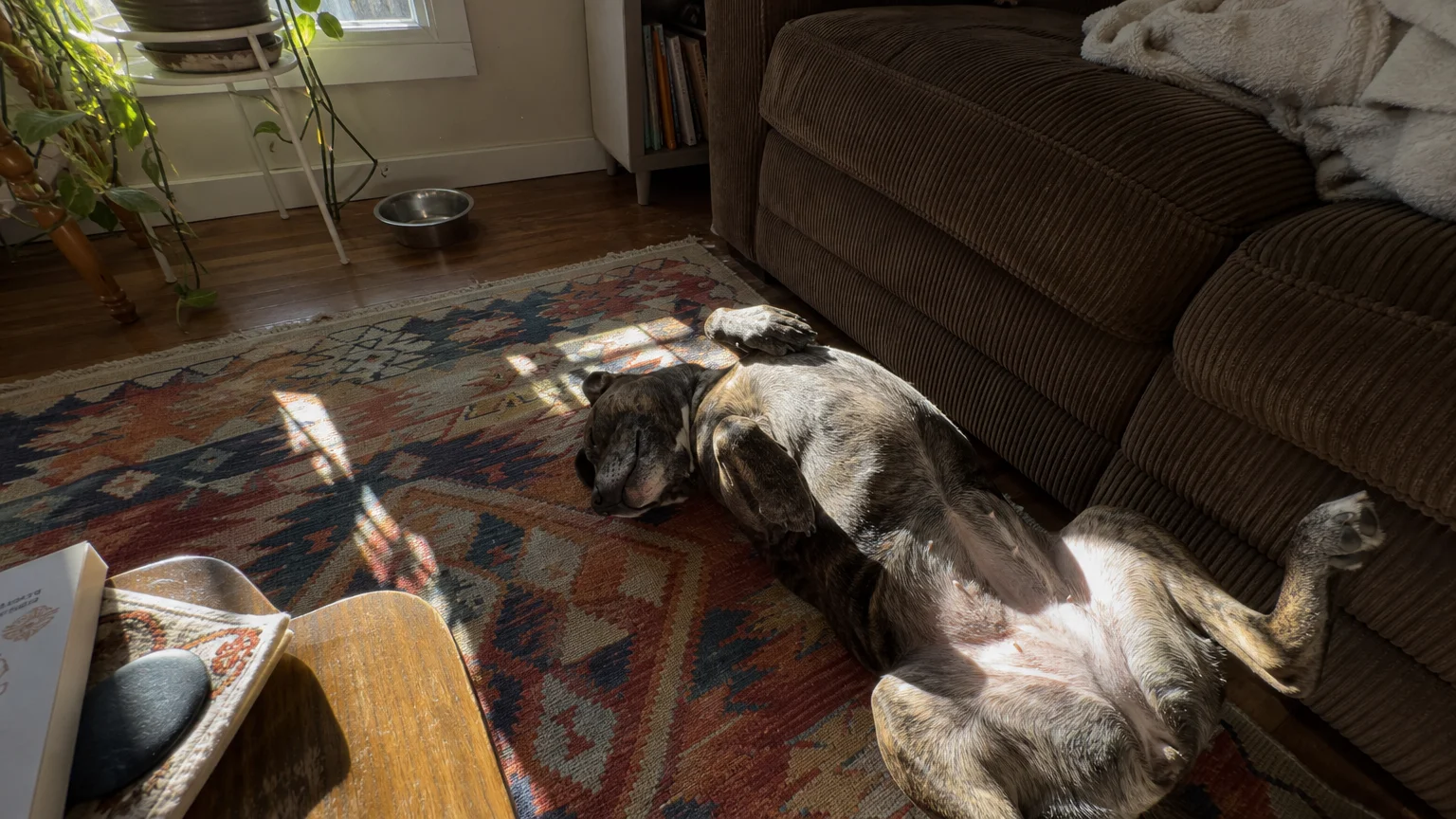
Sleep leaves any animal entirely defenseless against potential predators. In the wild, canines sleep curled up in a tight ball to protect their vital organs and conserve body heat. When your dog chooses to sleep stretched out on their side, or entirely upside down with their belly exposed, they are communicating complete faith in their physical environment.
A dog sleeping “belly up” or sprawled out in the “superman” position knows they do not need to be on guard. They trust you to protect the household while they enter deep, restorative REM sleep. Dogs will only enter this deep sleep phase when they feel entirely secure. Even if your dog prefers sleeping curled up due to room temperature or ingrained habit, choosing to sleep pressed directly against you or in the center of a busy room still demonstrates a remarkably high level of environmental trust.
3. Treating You as a Safe Haven When Startled
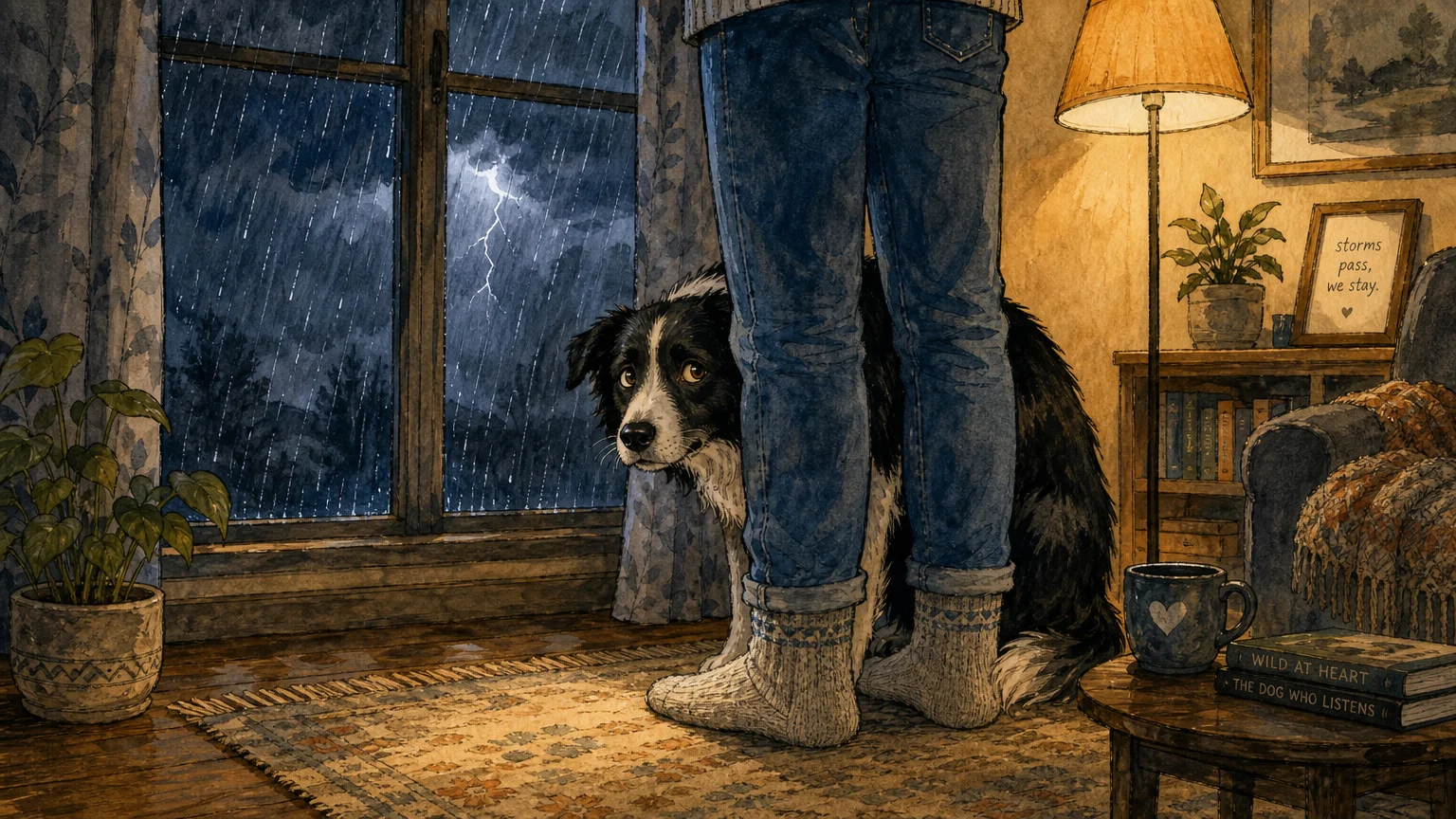
Sudden loud noises, unfamiliar visitors, or unexpected movements can instantly trigger a dog’s natural flight response. A dog who lacks a strong, established bond with their owner might bolt to hide under a bed, retreat into a dark closet, or simply flee the area altogether to handle the perceived threat alone.
However, a dog who completely trusts you will immediately use you as their safe haven. Instead of running away to isolate themselves, they will dart behind your legs, press firmly against your side, or look up at your face for cues on how to react to the stimulus. They believe that staying close to you is the safest place they can possibly be. This specific behavioral response shows they rely on your judgment to navigate the world and protect them from harm.

4. Stealing Your Belongings for Comfort
It can be incredibly frustrating to find your favorite socks, clean t-shirts, or expensive shoes dragged into your dog’s bed. Before you assume this is an act of defiance or poor manners, it helps to recognize the motivation behind it: your personal scent provides immense emotional comfort to your dog.
Dogs experience the world primarily through their highly developed olfactory system. A dog’s nose contains hundreds of millions of scent receptors, and the smell of their primary caregiver actively triggers the reward centers of their brain. When you are away from home or working in another room, items that carry your concentrated scent act as a canine security blanket. Surrounding themselves with your smell helps them self-soothe. While you may need to train them to leave your work shoes alone, the underlying impulse stems from a deep attachment and trust in your presence. If your dog struggles with mild separation anxiety, intentionally leaving a worn t-shirt in their crate can leverage this instinct to help them relax.
5. The “Lean” and Seeking Physical Proximity
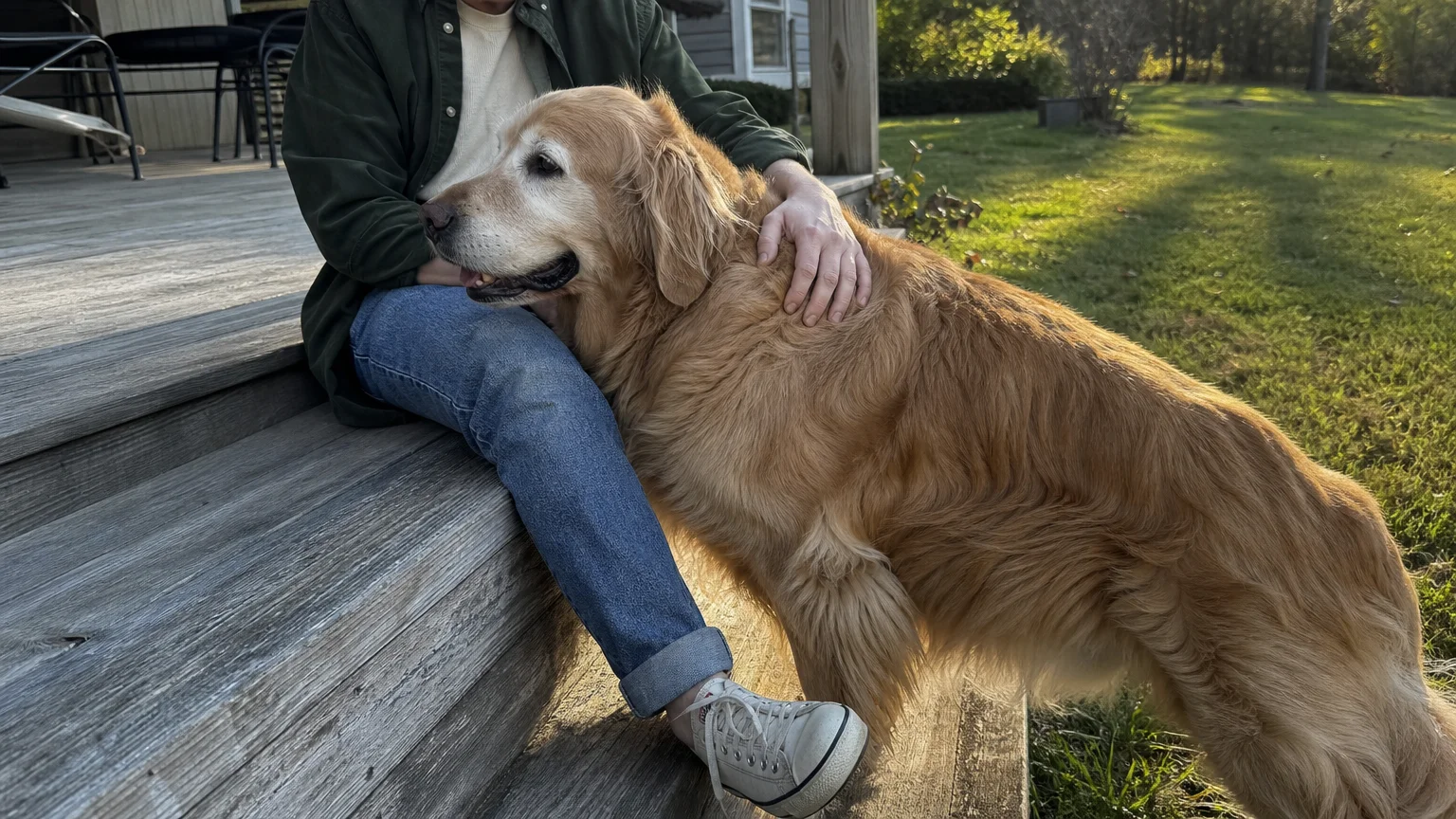
Has your dog ever walked up to you and simply leaned their entire body weight against your legs? This affectionate maneuver is the canine equivalent of a full-body hug. By throwing themselves off balance and placing their physical weight on you, they are physically demonstrating that you are their central support system.
You can tell it is a true trust lean when their muscles are completely relaxed. If you were to take a sudden step away, they might stumble slightly before recovering their balance and following you. This physical closeness extends to other passive behaviors, like resting their heavy chin on your foot, sitting on your toes, or insisting on being in the exact same room as you move throughout the house. They are not necessarily demanding active attention or playtime; they simply feel most secure when occupying the same physical space as their trusted leader.
6. Displaying Relaxed, Fluid Body Language
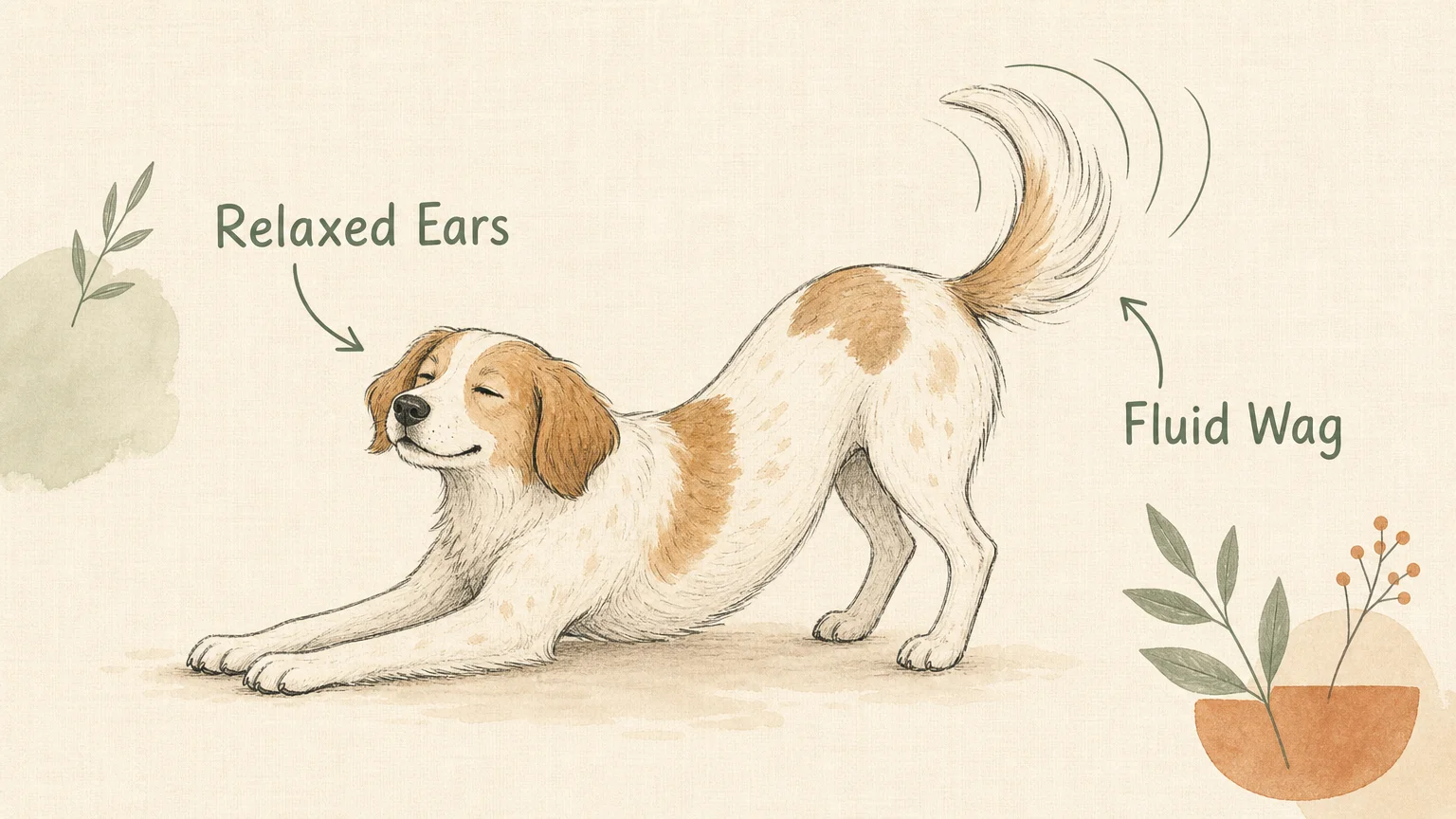
Physical tension in a dog’s body is the clearest indicator of stress, fear, or uncertainty. According to the American Kennel Club, interpreting canine body language requires looking at the whole picture rather than focusing on a single physical trait. A trusting dog moves with a loose, fluid, and “wiggly” motion.
When assessing your dog’s overall comfort level, look for these specific physical cues:
- Soft ears: Resting in their natural, breed-specific position, rather than pinned tightly back against the skull in fear or held rigidly forward on high alert.
- Open, relaxed mouth: A slightly open mouth with the tongue casually resting or lolling out over the teeth, sometimes resembling a human smile.
- Full-body tail wags: Instead of a stiff, rapid twitch at the very tip of the tail—which often indicates anxiety, frustration, or overstimulation—a trusting dog wags from the base of their spine, often swaying their entire hindquarters side to side.
- The “shake off”: Dogs will often physically shake their bodies to release tension after a stressful or highly stimulating moment. If they shake off and then approach you with a soft posture, they trust you to help them transition back to a calm baseline.
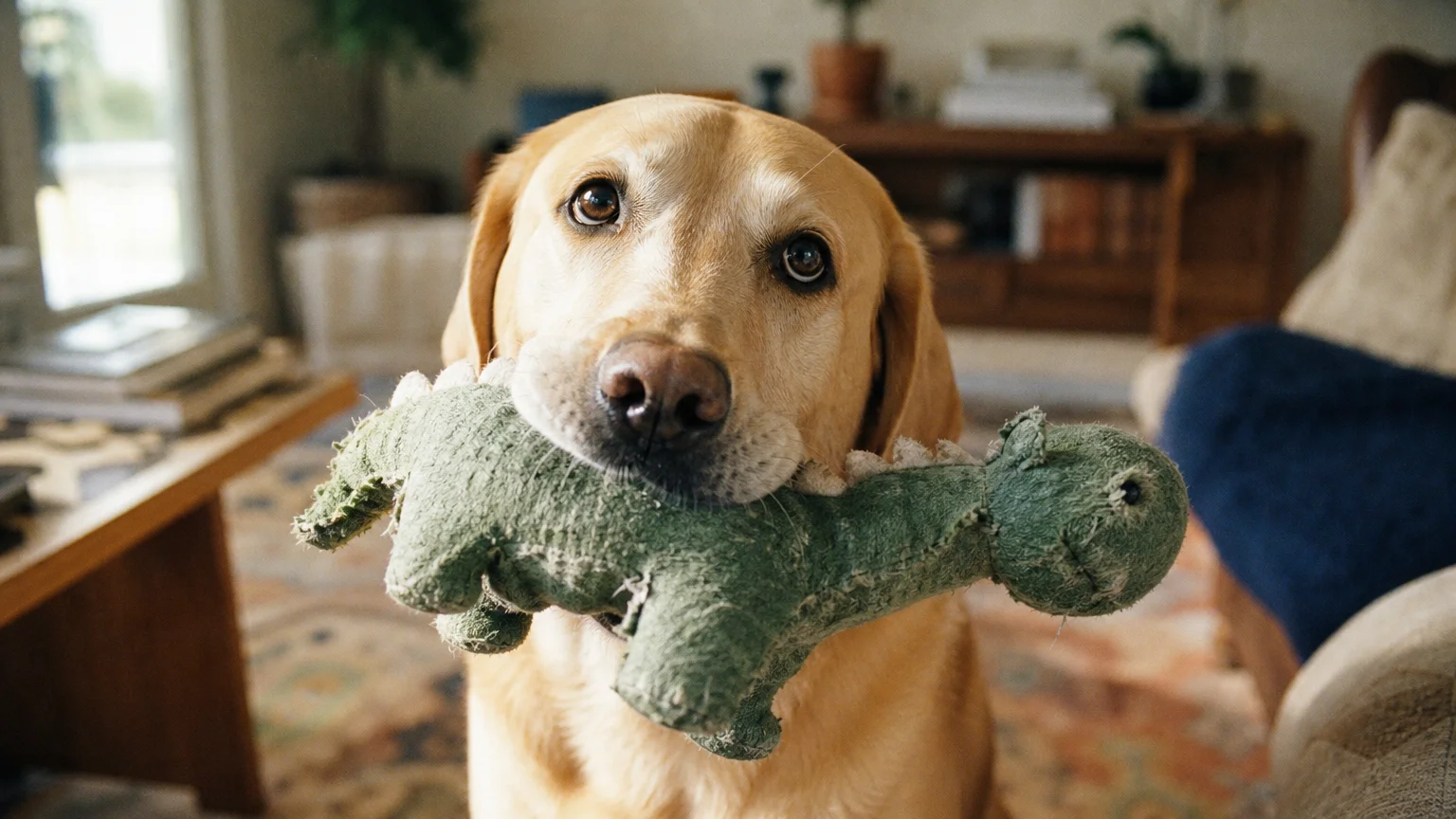
7. Bringing You High-Value Items
Dogs are naturally inclined to guard their most prized possessions, whether that is a favorite chew bone, a squeaky toy, or a piece of found treasure from the yard. Resource guarding is a deeply ingrained survival instinct. If your dog willingly brings their absolute favorite toy and drops it directly in your lap, they are actively defying that biological instinct.
They are not just inviting you to play a game; they are trusting you with their most valued worldly resources. They know you will not steal the item, and they view sharing it with you as a safe, highly rewarding experience. You can strengthen this existing trust by playing trading games—asking them to “drop it” and immediately rewarding them with a high-value treat before happily giving the toy back.
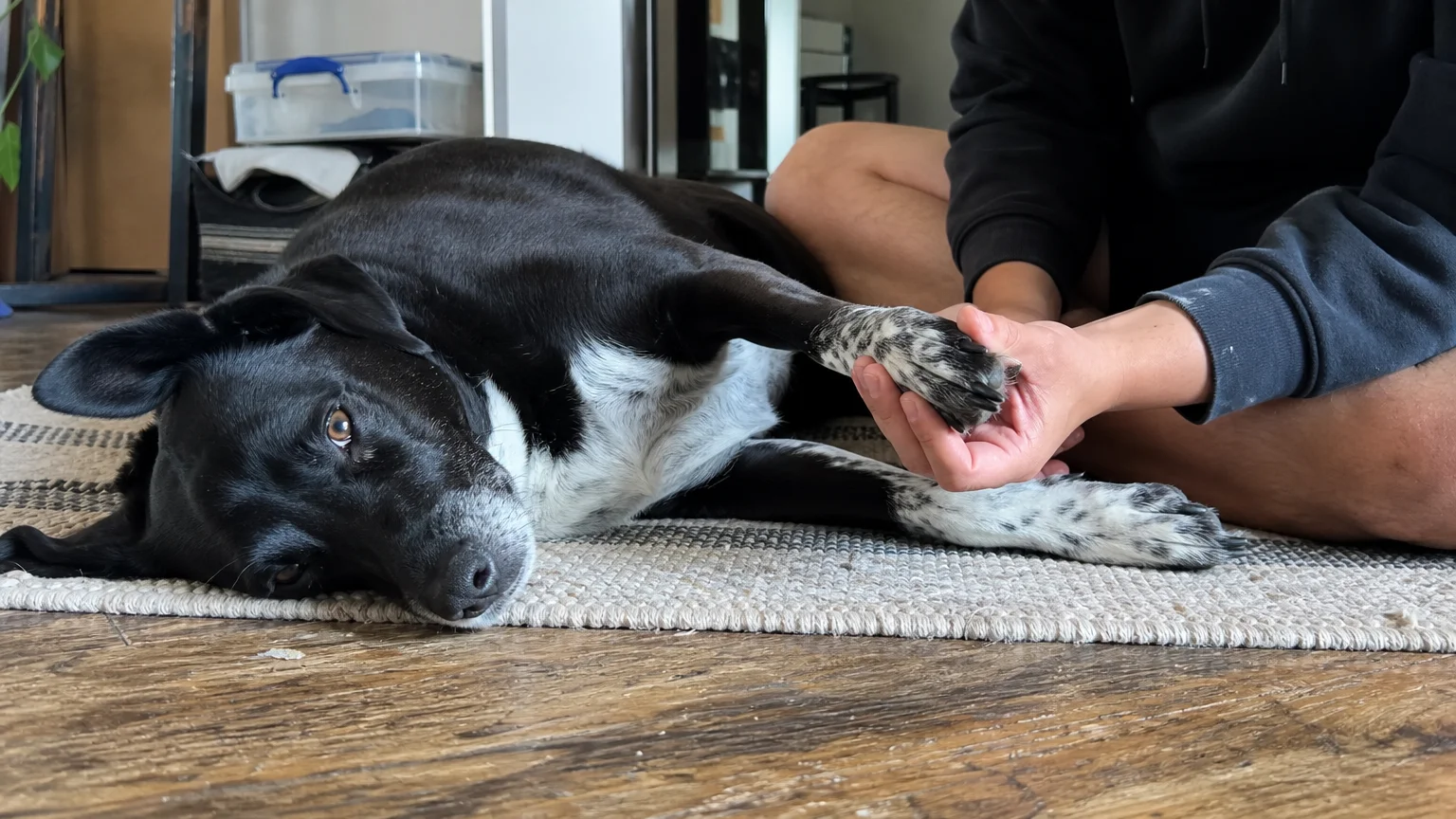
8. Allowing Vulnerable Handling
Most dogs are naturally protective of certain body parts, particularly their paws, ears, tail, and mouth. These specific areas are highly sensitive, and unexpected handling can easily make a dog feel trapped, cornered, or physically vulnerable.
If your dog allows you to examine a sore paw pad, look inside their ears, or brush their teeth without panicking or pulling away, they are displaying immense trust. Modern veterinary behaviorists advocate for cooperative care, which involves training your dog to actively participate in their grooming and medical handling. While gradual desensitization training plays a major role in building this tolerance, a dog will only submit to this level of invasive handling if they fundamentally believe you mean them no harm.
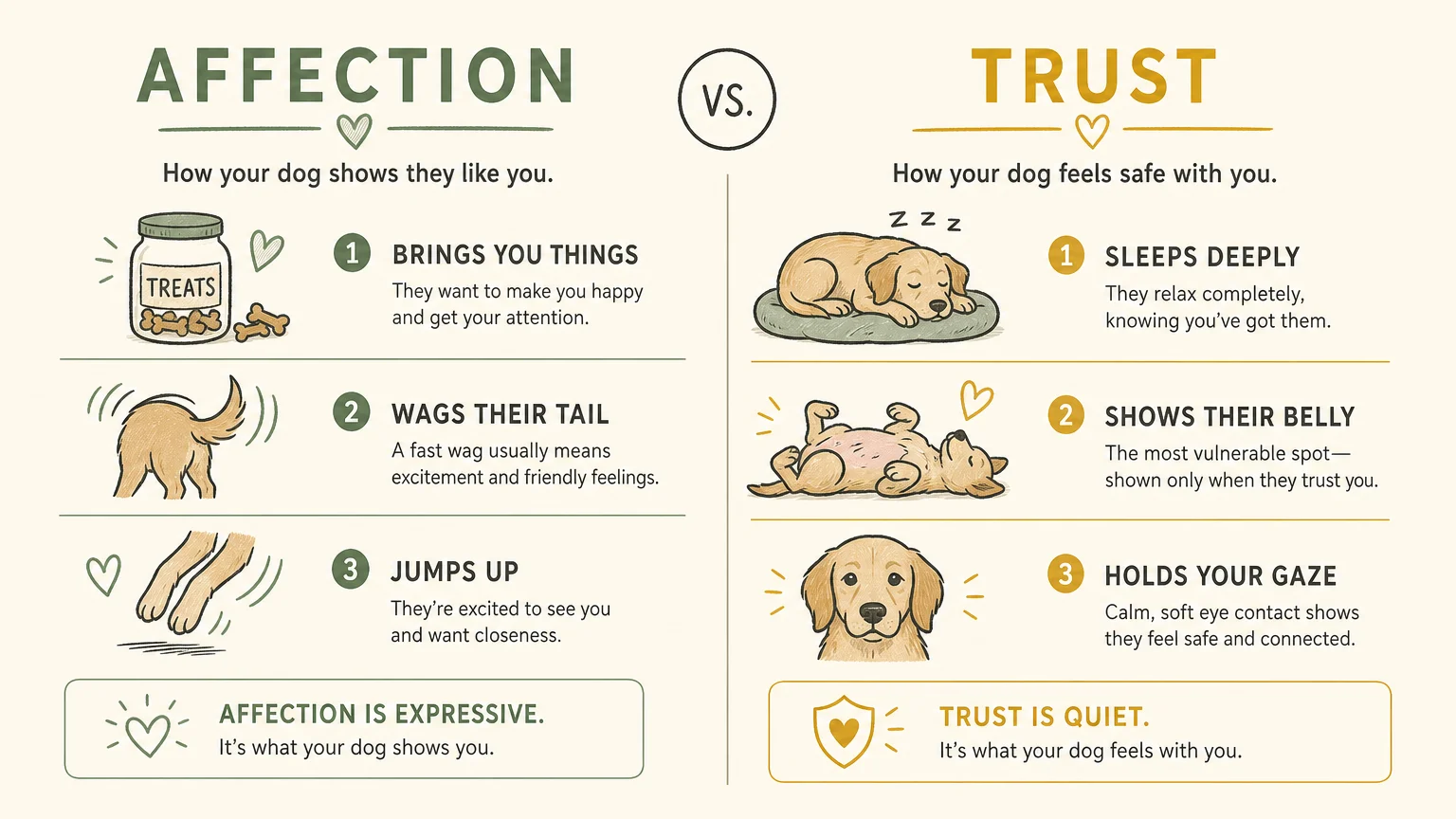
The Bigger Picture: Trust Versus Affection
It is incredibly easy to confuse a dog’s affection with a dog’s trust, but the two concepts are entirely distinct in animal behavior. Affection is about enjoyment, social preference, and positive energy; trust is about safety, reliance, and secure leadership. A dog might show affection to a complete stranger on the street by leaning in for pets or offering a friendly, enthusiastic tail wag. However, that same dog will not look to the stranger for guidance or protection when a loud thunderstorm suddenly rolls in.
Trust is built over long periods of time through consistency, predictability, and fair leadership. In the canine world, leadership is not about physical dominance or fear; it is about controlling resources calmly and providing unwavering safety. When you establish household rules, enforce them kindly, and consistently meet your dog’s physical and emotional needs, you create an environment where trust can naturally flourish. A dog who feels secure in their daily routine does not have to worry about where their next meal is coming from or how you will react to a minor mistake. This daily stability frees them to bond with you on a much deeper, more authentic level.
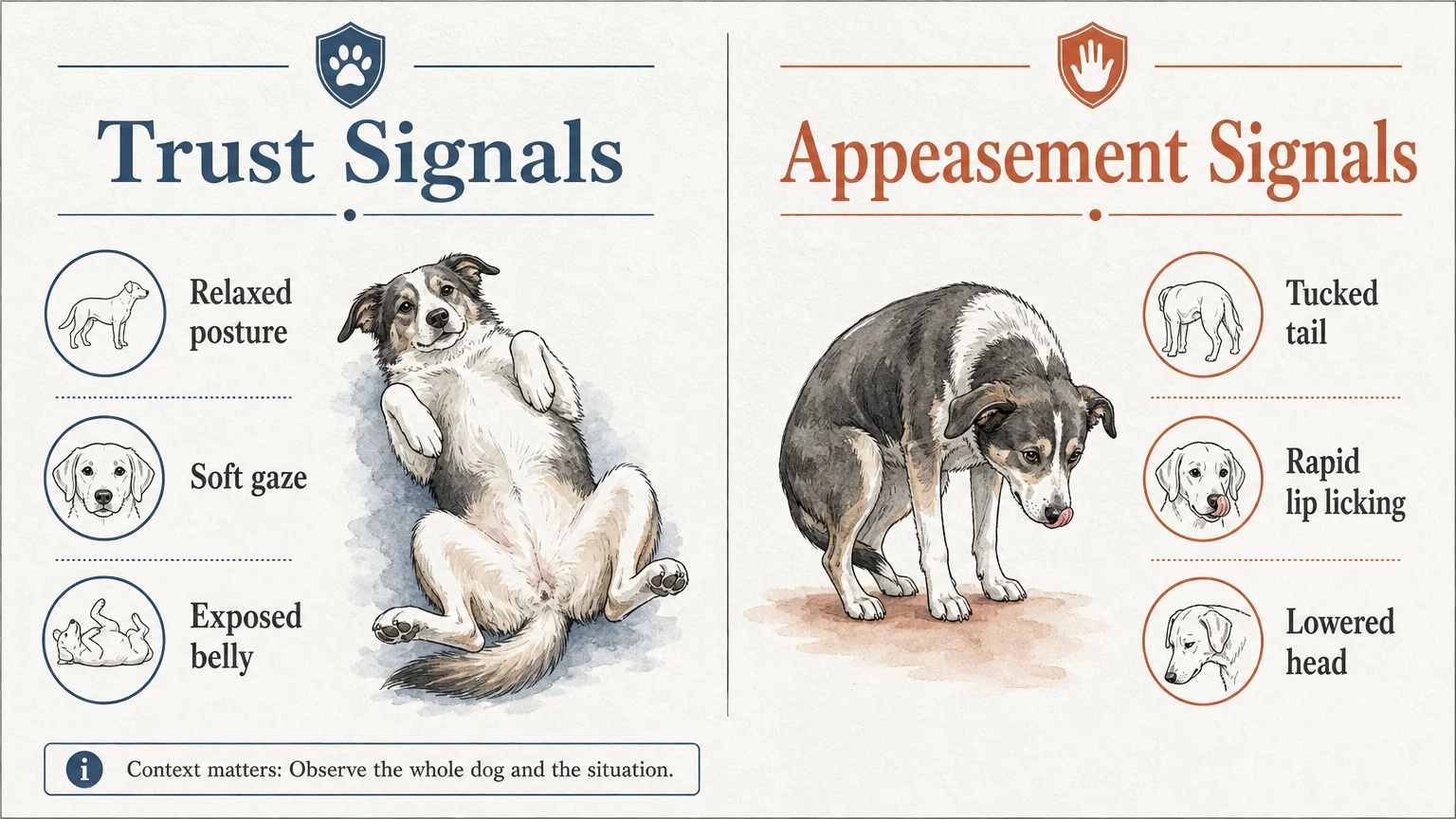
Understanding Trust Signals Versus Appeasement Signals
Sometimes, what looks like trust or affection is actually a dog trying to defuse a highly stressful situation. These are known as appeasement or calming signals. Understanding the nuanced difference is crucial for accurately reading your dog’s emotional state and responding appropriately.
| Behavior | Trust Signal Interpretation | Appeasement Signal Interpretation |
|---|---|---|
| Eye Contact | Soft, relaxed gaze; eyelids slightly heavy; steady but calm. | “Whale eye” (showing the whites of the eyes); rapid blinking; actively looking away. |
| Rolling Over | Body is loose and floppy; legs are relaxed and splayed; mouth is open. | Body is stiff and frozen; tail is tightly tucked; lips are pulled back tightly. |
| Licking | Gentle, deliberate kisses offered during calm moments of mutual connection. | Frantic, obsessive licking; rapid lip-licking when no food is present. |
| Posture | Loose, curved spine; leaning comfortably and heavily into your physical space. | Crouching low to the ground; trembling; shifting physical weight backward. |
Worth Keeping in Mind
Even the strongest and most secure bonds can experience moments of stress or misunderstanding. Here are a few specific scenarios where your dog’s standard trust signals might temporarily look different:
- During veterinary visits: The clinical smells, slippery floors, and strange physical handling at a vet clinic can cause even the most confident dog to revert to fearful body language. This does not mean they have lost trust in you; they are simply overwhelmed by the environmental stimuli.
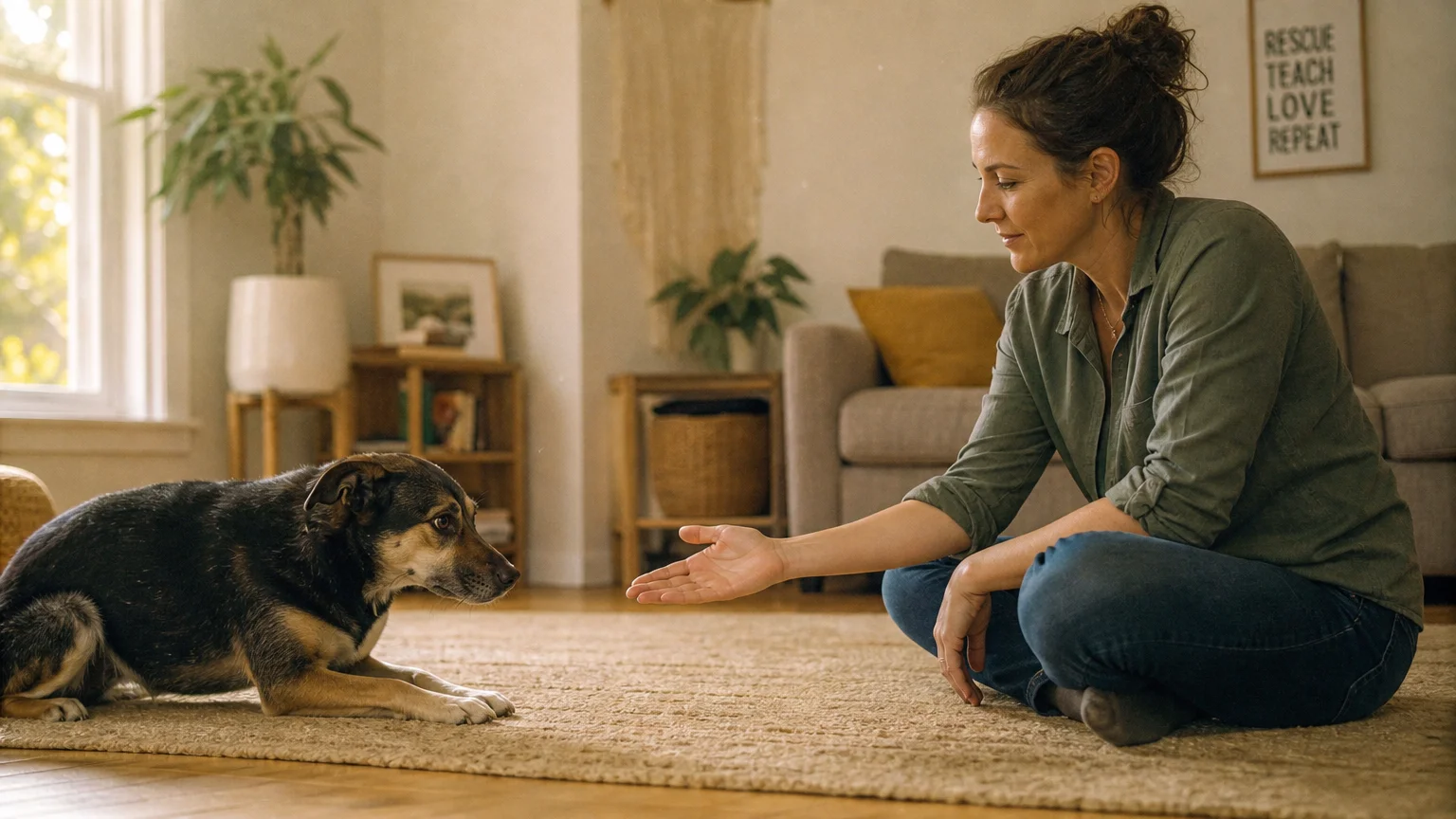
- Adjusting to a new home: If you have recently moved to a new house or apartment, your dog’s baseline of security has been severely disrupted. They may pace, vocalize, or struggle to settle into vulnerable sleeping positions until they learn the new environmental routines and sounds.
- The decompression phase: According to American Kennel Club guidelines, newly adopted rescue dogs require significant time to decompress in a new environment. It generally takes three days for a dog to stop feeling entirely overwhelmed, three weeks to learn the daily routine, and three months to truly feel at home. Do not expect immediate signs of deep trust from a new adoption.
- Navigating the senior years: As dogs age, they frequently lose their hearing or vision. A senior dog might startle much more easily or become surprisingly defensive of their personal space. This is not a loss of emotional trust, but a natural physical result of feeling more vulnerable. You can adapt by approaching them more heavily on your feet or using stronger scent cues before touching them.
When to Get Professional Help
Building trust takes time and patience, but certain behavioral responses clearly indicate that a dog needs more structured support than basic daily care can provide. Consider reaching out to a certified professional dog trainer or a veterinary behaviorist if you encounter the following scenarios:
- Severe resource guarding: If your dog aggressively protects their food bowls, high-value toys, or sleeping areas by growling, snapping, or lunging when you approach, this is a serious behavioral issue. It requires professional counter-conditioning to resolve safely without risking a serious bite.
- Intense fear or reactivity: If your dog is perpetually anxious, cowers at everyday household noises, or reacts aggressively to mild stimuli on daily walks, they may need advanced desensitization protocols. A professional can help them navigate the world without living in a constant state of fear.
- Sudden behavioral changes: If a previously trusting and relaxed dog suddenly becomes withdrawn, highly defensive, or reactive when handled, schedule a comprehensive veterinary exam immediately. Organizations like the American Veterinary Medical Association note that sudden behavioral changes are often the very first indicator of underlying medical issues or unmanaged physical pain.
Frequently Asked Questions
Can a traumatized rescue dog learn to trust again?
Yes. Dogs are remarkably resilient and adaptable creatures. While a dog with a traumatic past may always carry certain behavioral triggers, consistent, patient, and positive reinforcement training can help them build a remarkably strong, trusting bond with a new owner. It simply requires more time, predictable structure, and a deep understanding of their specific personal boundaries.
Why does my dog seem to trust my partner more than me?
Dogs often form entirely different types of bonds with different household members based on daily interactions. If your partner is the primary source of food, morning walks, and engaging training sessions, the dog may naturally view them as the primary provider and central safe haven. You can actively strengthen your own bond by taking over feeding times, enforcing consistent rules, and engaging in regular, structured play.
Does hand-feeding a dog build trust?
Hand-feeding can be an excellent way to build foundational trust, especially with young puppies or newly adopted rescue dogs. It directly teaches the dog that you are the sole provider of valuable resources and creates powerful positive associations with your physical presence and hands. However, it should be done calmly and never forced if the dog is displaying signs of high stress or aggressive food guarding.
Recognizing the subtle, everyday ways your dog communicates their trust allows you to fully appreciate the depth of your bond. Every soft gaze, stolen sock, and quiet moment resting heavily by your feet is a biological testament to the secure, loving environment you have created. Continue reinforcing that connection through patience, clear communication, and consistent positive experiences.
The information here is meant for educational purposes. Specific circumstances—including health conditions, finances, location, and goals—may require different approaches. When in doubt, consult a licensed professional or check official sources directly.
Last updated: June 2026. Rules, prices, and details change—verify current information with official sources before acting on it.