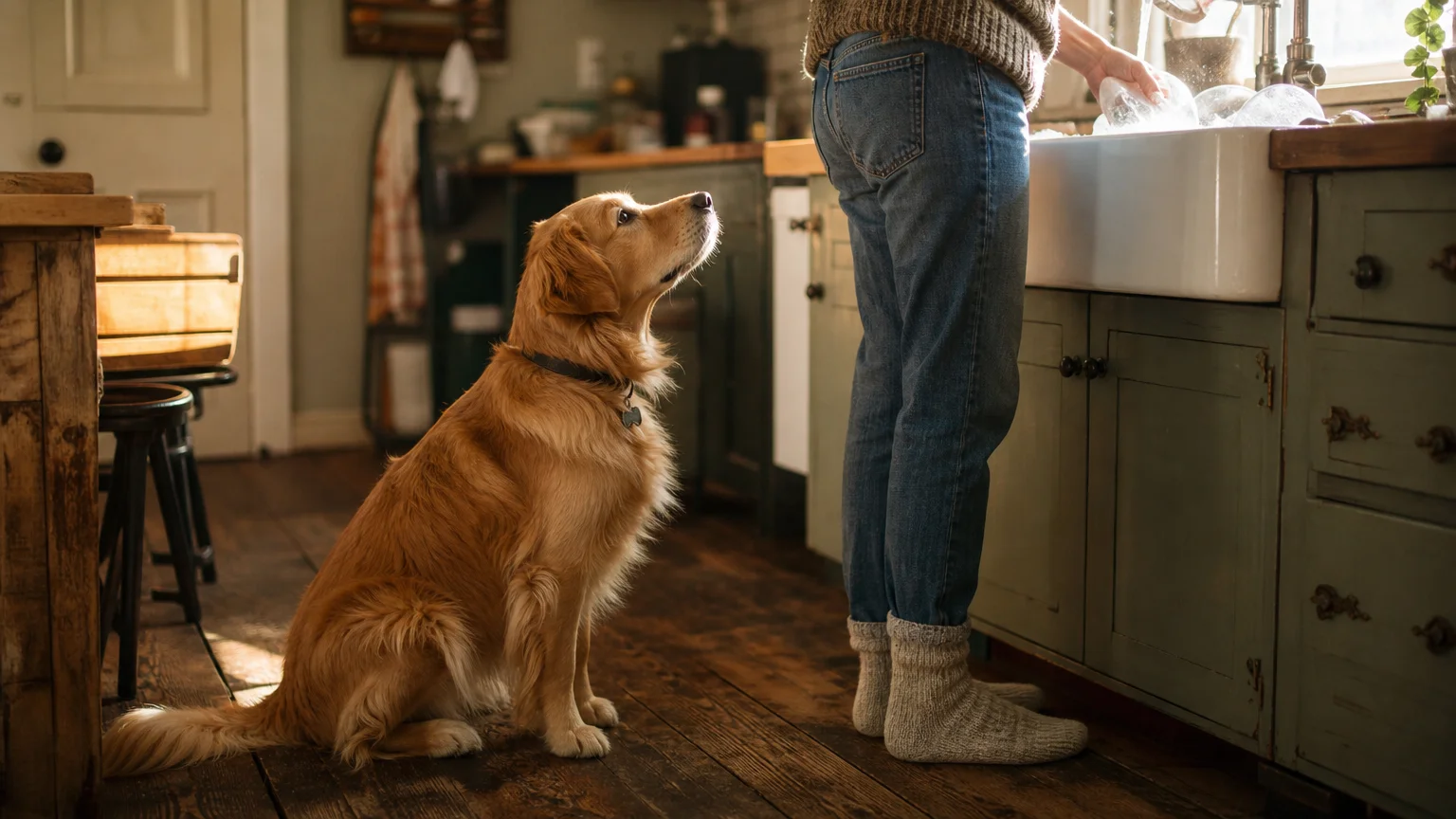
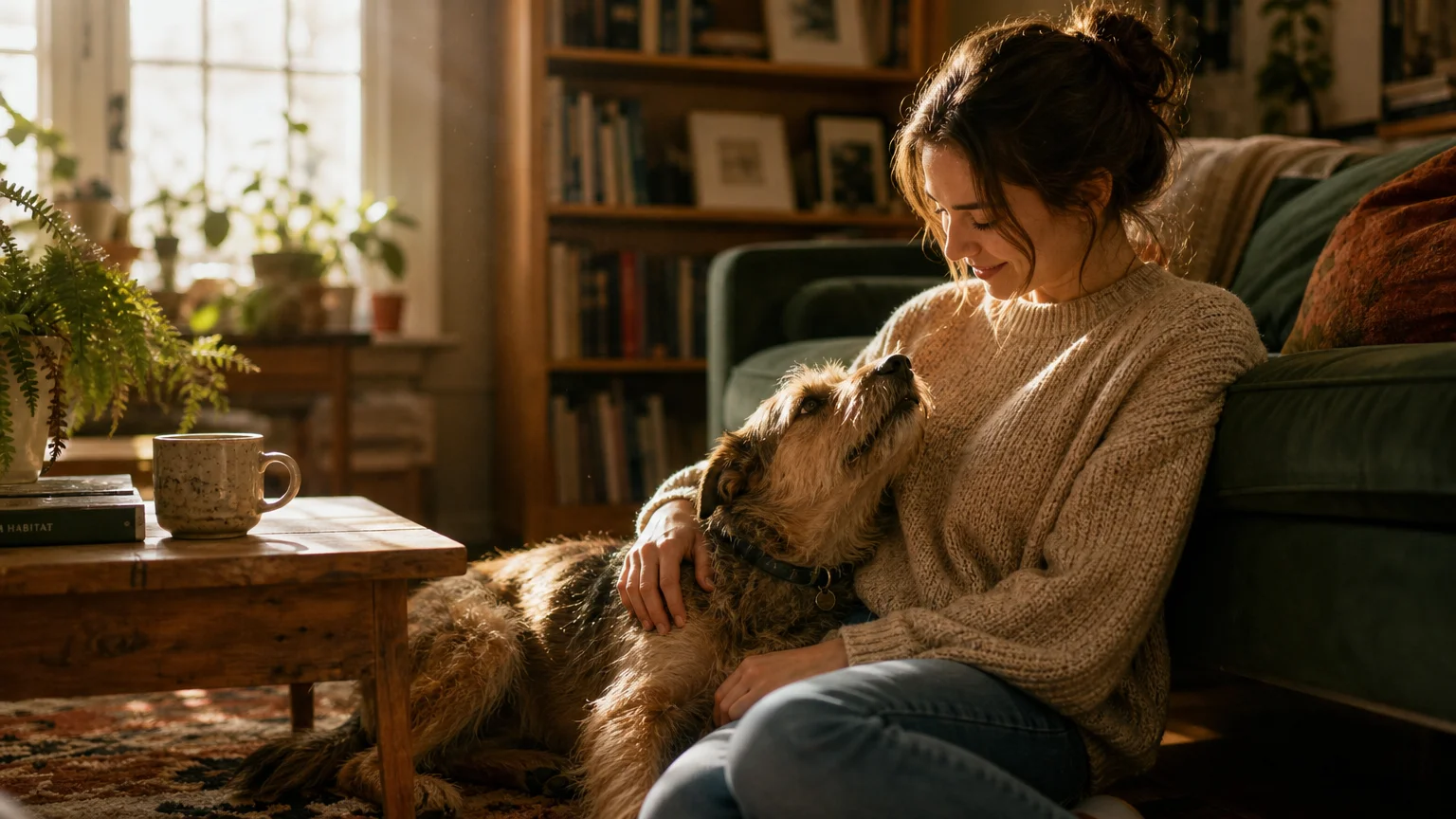
If you live in an apartment or share walls with close neighbors, a barking dog can quickly turn your peaceful home into a stressful dispute. You need a canine companion whose natural instincts lean toward quiet observation rather than sounding the alarm at every passing squirrel or delivery driver. While training shapes any dog’s behavior, choosing a breed genetically predisposed to a low-volume lifestyle gives you a massive head start. From the famously barkless Basenji to giant “couch potatoes” like the Great Dane, several breeds are naturally inclined to keep their thoughts to themselves. Here is a look at 12 dog breeds that offer all the affection you want without the constant noise your neighbors dread.
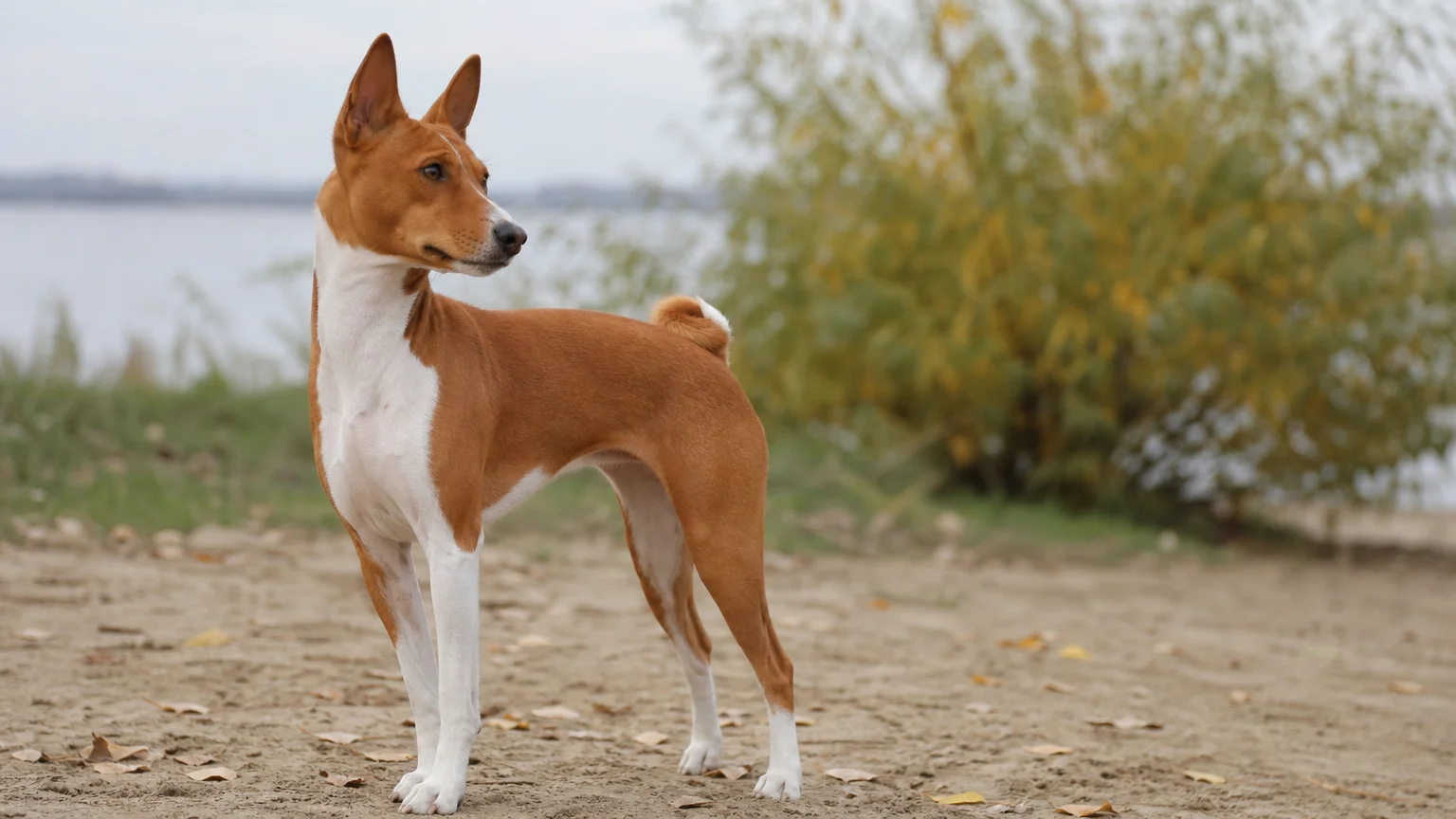
1. Basenji: The Famous “Barkless” Dog
The Basenji holds a unique place in the canine kingdom thanks to the unusual shape of its larynx. Because their vocal cords are flatter than those of other dogs, they physically cannot produce a standard bark. Instead, they communicate through a distinctive, yodel-like sound affectionately known as a “baroo.” However, being barkless does not mean they are completely silent; they will whimper, growl, and yodel when they feel the situation demands it.
Originating in Central Africa, these ancient hunting dogs are incredibly clean and often groom themselves like cats. According to the American Kennel Club, the Basenji is an independent thinker with a strong prey drive. They require a patient owner who understands that their silence comes paired with stubbornness. If you want a quiet dog but enjoy an active, engaged lifestyle, the Basenji makes a fascinating companion.
- Typical Size: 22 to 24 pounds
- Energy Level: High; requires daily vigorous exercise
- Grooming Needs: Very low; their short coat is practically odorless
2. Greyhound: The 45-MPH Couch Potato
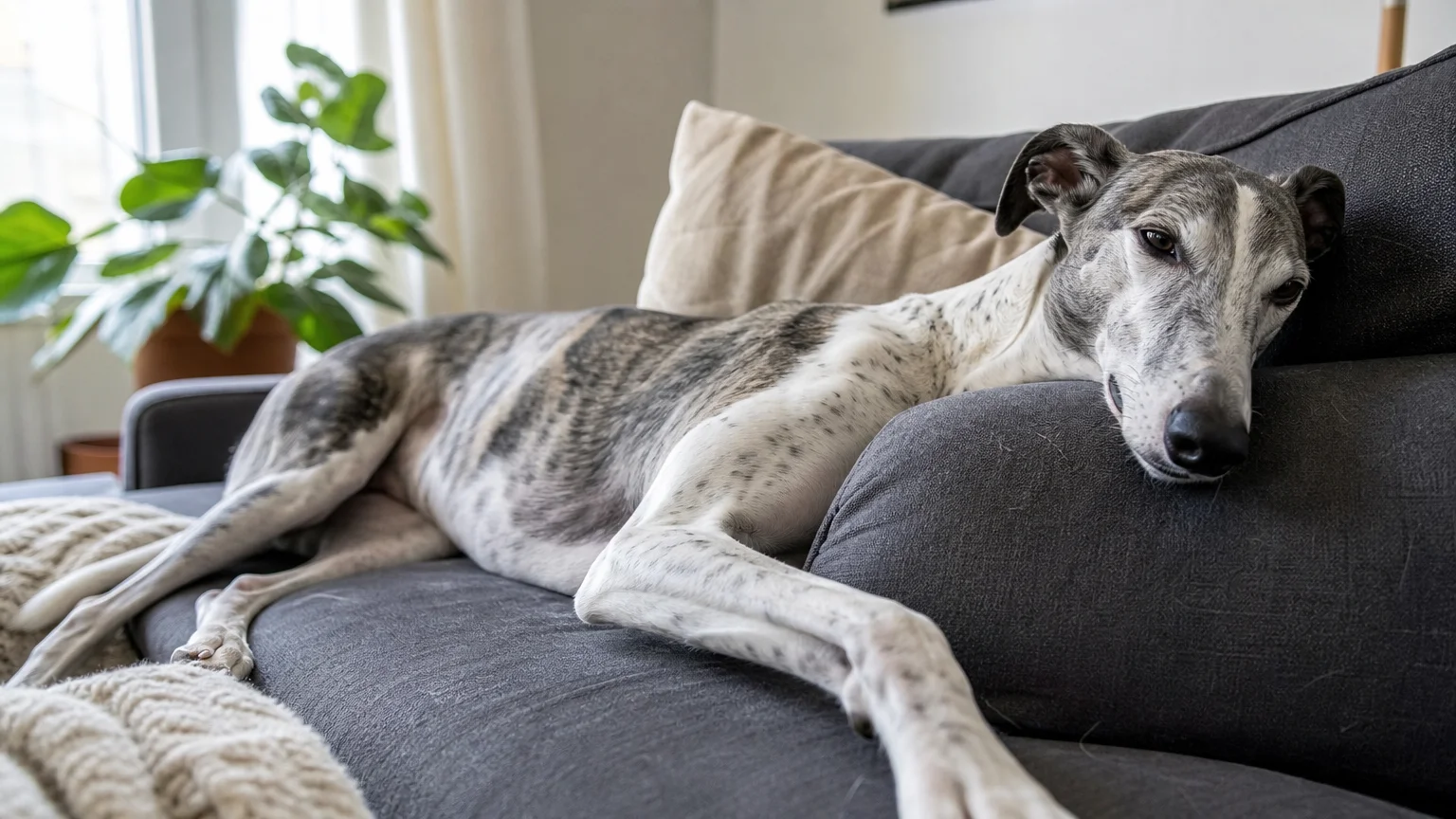
You might assume the fastest dog breed in the world would bounce off the walls, but the Greyhound is famously lazy. These sleek sighthounds are sprinters, not marathon runners. Once they burn off their energy with a quick run, they will happily sleep for the remaining eighteen hours of the day. Because they share the same visual-hunting heritage as other sighthounds, they rely on speed and stealth rather than sound, meaning they rarely bark.
Greyhounds make exceptional apartment dogs. They are gentle, deeply affectionate, and rarely bothered by the everyday noises of city life. Many retired racing Greyhounds are available for adoption, and they transition beautifully into quiet family life. Just remember that their strong prey drive means they should always be leashed unless they are in a fully fenced, secure area.
- Typical Size: 60 to 70 pounds
- Energy Level: Moderate; requires access to a safe sprinting space
- Apartment Suitability: Excellent, due to their quiet and lazy indoor behavior

3. Cavalier King Charles Spaniel: Gentle and Silent
The Cavalier King Charles Spaniel blends the gentle attentiveness of a toy breed with the athletic spirit of a sporting spaniel. Unlike many small breeds that develop a reputation for yapping, the Cavalier approaches life with a sweet, even-tempered grace. They are far more likely to greet a stranger with a wagging tail and a request for ear scratches than with a warning bark.
Because they form incredibly tight bonds with their human families, they thrive in environments where they are rarely left alone. Their quiet nature makes them welcome in almost any housing situation, but you must prioritize their emotional need for companionship. A Cavalier left alone for long hours may not bark out the window, but they will suffer from silent heartbreak.
- Typical Size: 13 to 18 pounds
- Energy Level: Low to moderate; enjoys daily walks and endless cuddling
- Social Needs: Very high; requires constant human interaction
4. French Bulldog: Low Energy, Low Volume
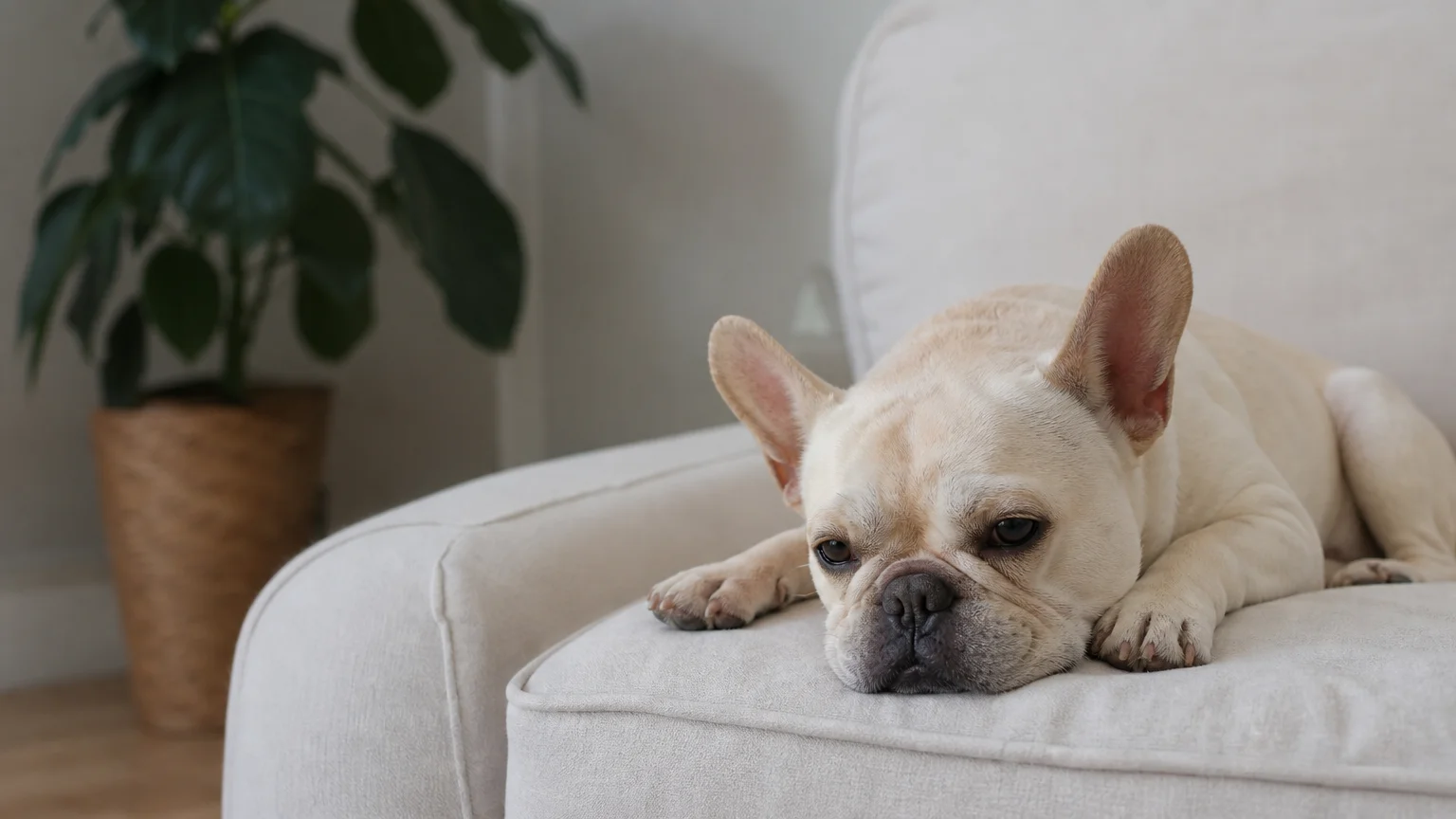
French Bulldogs were bred to serve one primary purpose: keeping their owners company. Because they lack the guarding instincts of terriers or the herding drive of working dogs, they rarely feel the need to shout at the world. You will hear them snort, snuffle, and wheeze—thanks to their flat, brachycephalic faces—but a full-throated bark is a rare event usually reserved for extreme excitement.
Their quiet nature, combined with their low exercise requirements, makes them one of the most popular apartment dogs in the world. A short daily walk satisfies their physical needs, and they are perfectly content to spend the rest of the day sleeping on the couch. You must, however, protect them from hot weather, as their shortened airways make them highly susceptible to heat exhaustion.
- Typical Size: 16 to 28 pounds
- Energy Level: Low; prefers lounging over running
- Climate Preference: Needs air conditioning in the summer
5. Borzoi: The Quiet Aristocrat
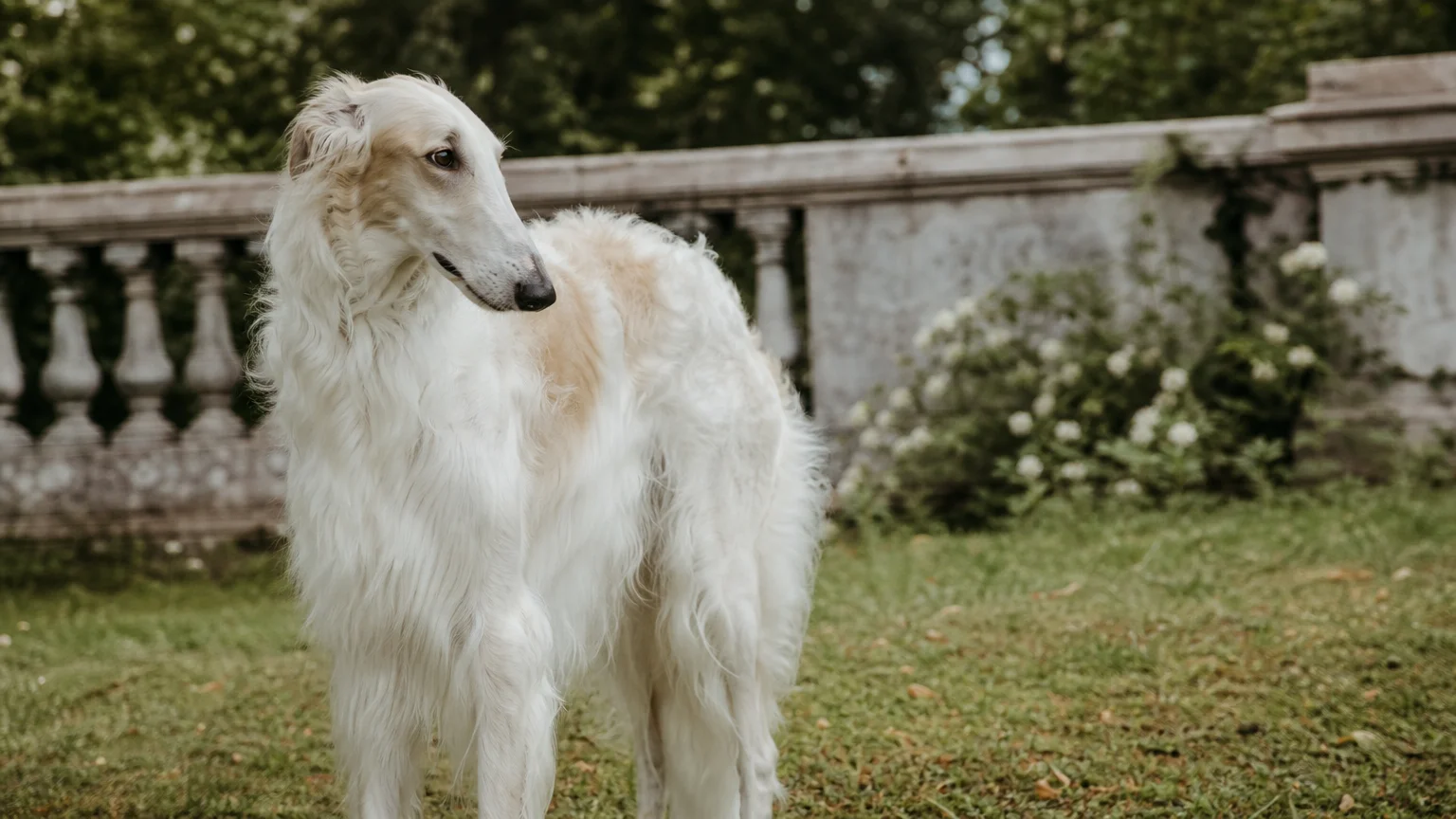
The Borzoi, once known as the Russian Wolfhound, is a giant sighthound originally bred to hunt fast-moving prey across the open plains of Russia. Sighthounds hunt using vision and explosive speed rather than scent and endurance. Because barking would alert prey and ruin the element of surprise, the Borzoi developed a naturally silent disposition that persists today.
Inside the home, the Borzoi behaves more like a decorative, incredibly polite roommate than a typical dog. They are deeply affectionate but maintain a cat-like independence. You rarely hear them bark at the doorbell or a passing car. Despite their massive size, they fold themselves up surprisingly well in smaller living spaces, provided you give them an opportunity to run in a safely enclosed area a few times a week.
- Typical Size: 60 to 105 pounds
- Energy Level: Moderate; enjoys short sprints followed by long naps
- Temperament: Sensitive, calm, and aloof with strangers

6. Great Dane: The Silent Giant
When you weigh as much as a fully grown adult human, you do not need to make noise to assert your presence. The Great Dane is a gentle giant with a famously calm and patient demeanor. While their bark is impressively loud and deep, you will rarely hear it. They save their voice for situations that genuinely warrant an alarm.
Despite their imposing size, Great Danes often mistakenly believe they are lap dogs. They are perfectly happy living in an apartment, provided the space is physically large enough to accommodate their sprawling limbs and long tails. If you want a dog that offers unmatched physical presence without the constant auditory feedback of a smaller watchdog, the Great Dane is a spectacular choice.
- Typical Size: 110 to 175 pounds
- Energy Level: Low; content with a daily walk
- Space Requirements: Needs physical floor space, but minimal yard space
7. Whippet: Sweet and Stealthy
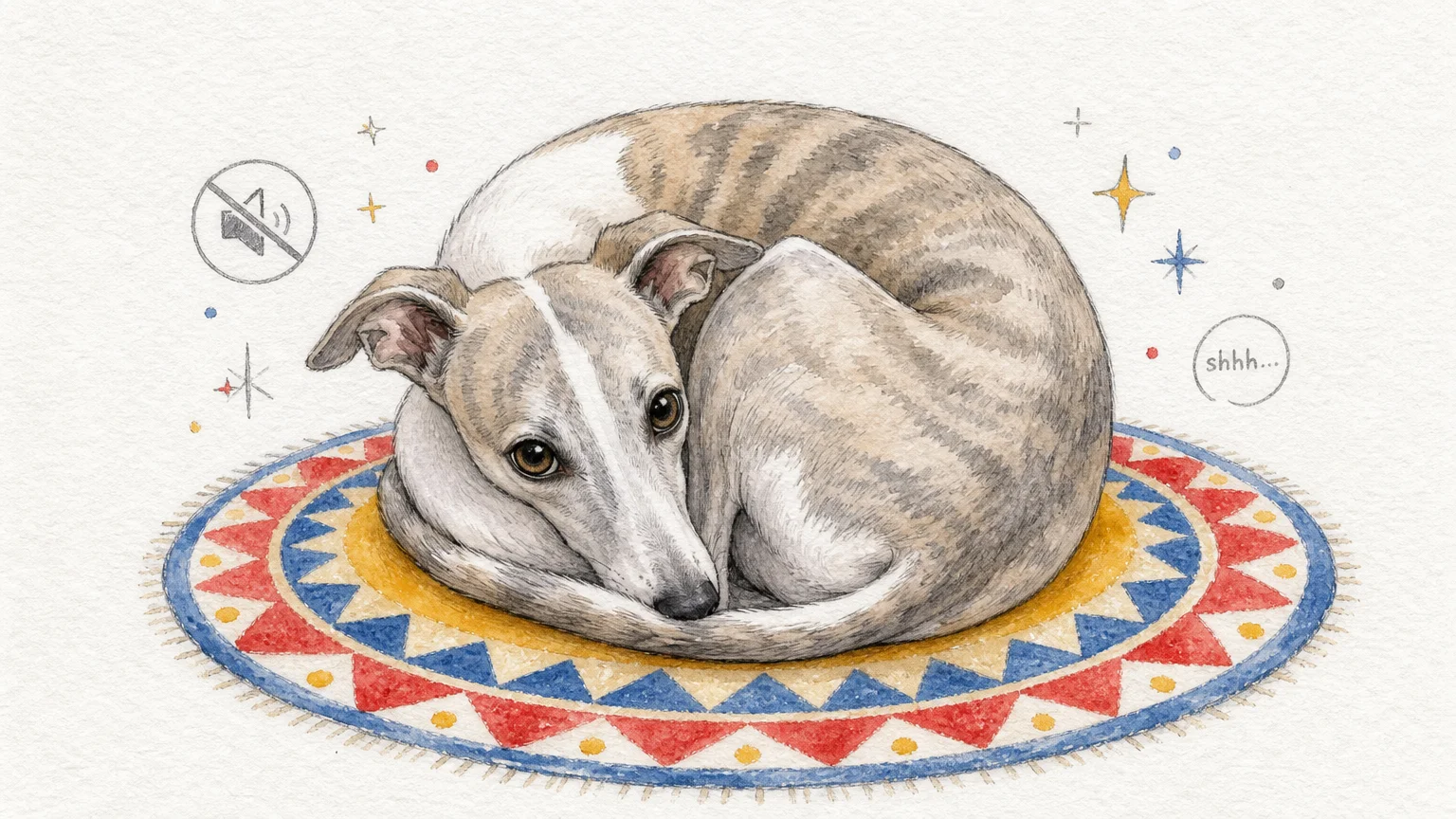
Often described as a “poor man’s Greyhound,” the Whippet was developed in Northern England as a smaller, more affordable racing and hunting dog. They share the exact same quiet, sweet-natured temperament as their larger cousins but come in a much more compact package. Whippets are remarkably silent indoor companions who prefer to spend their time buried under a pile of warm blankets.
They are highly sensitive dogs who flinch at raised voices and chaotic environments, so they naturally contribute to a peaceful household. You will find them to be incredibly clean, odorless, and undemanding. A Whippet will gladly join you on a long weekend hike, but they are equally thrilled to spend a rainy day entirely indoors.
- Typical Size: 25 to 40 pounds
- Energy Level: Moderate; loves short bursts of intense running
- Vibe: Gentle, sensitive, and profoundly quiet
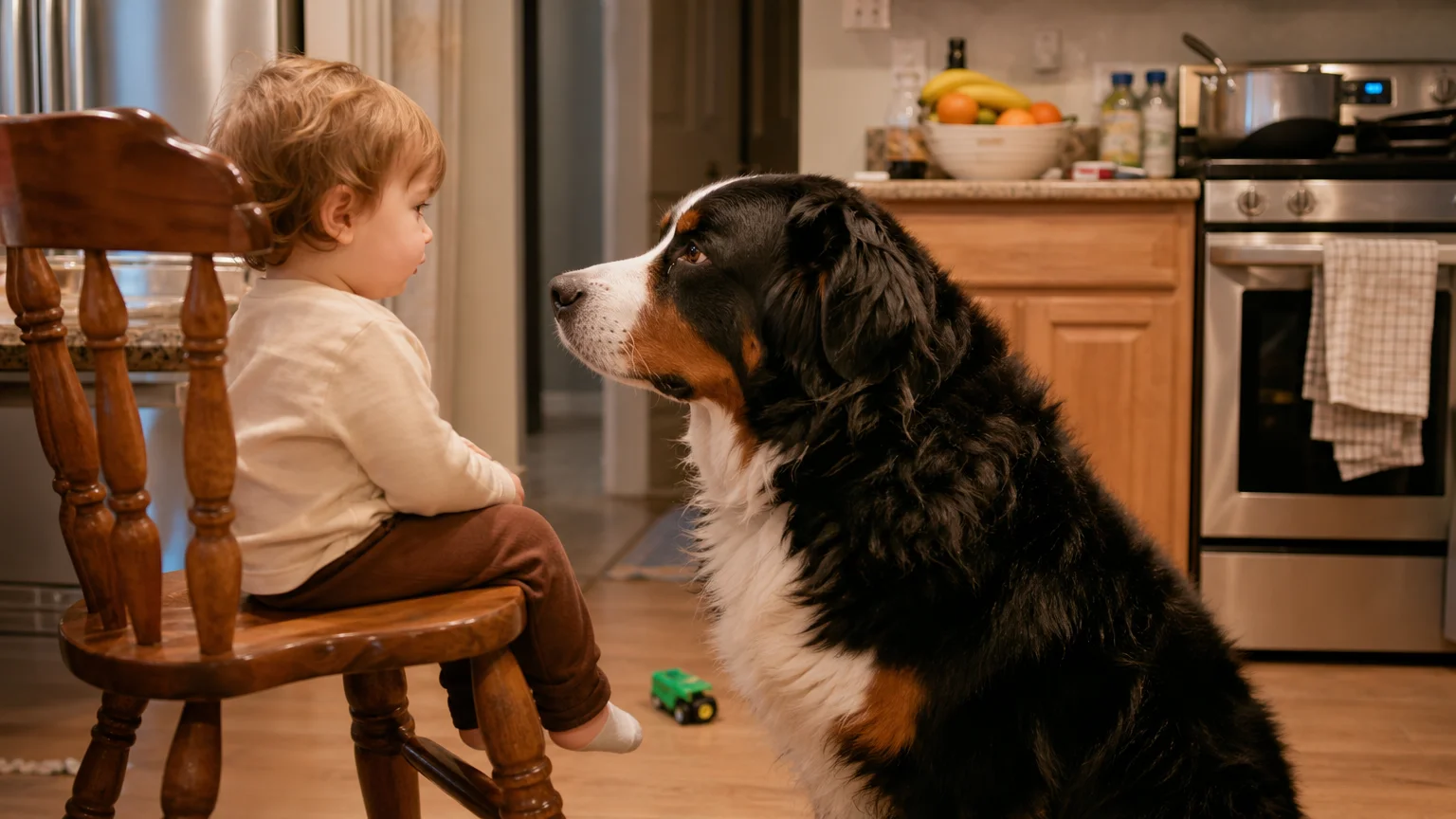
8. Bernese Mountain Dog: Calm and Placid
Bred to pull carts and herd cattle in the frigid Swiss Alps, the Bernese Mountain Dog is a sturdy, placid worker. Because they were developed for heavy, methodical labor rather than frantic herding or guarding, they approach life with a steady, unflappable calmness. They are watchful and intelligent, but they rarely bark without a specific, tangible reason.
To ensure they mature into the quiet, confident dogs they are meant to be, early exposure to different people and environments is critical. According to the American Veterinary Medical Association (AVMA), properly socializing your dog helps prevent fear-based reactions—which are a leading cause of excessive barking. Give your Bernese a cool place to sleep and plenty of family time, and they will reward you with silent devotion.
- Typical Size: 70 to 115 pounds
- Energy Level: Moderate; enjoys steady, cool-weather walks
- Grooming Needs: High; their thick double coat requires frequent brushing

9. Newfoundland: The Stoic Swimmer
If there is a breed that embodies the phrase “gentle giant,” it is the Newfoundland. Famous for their incredible water-rescue abilities and sweet, patient temperaments, these massive dogs are exceptionally quiet. They are natural babysitters who tolerate chaotic households with a stoic, silent grace.
While you will not have to worry about a Newfoundland keeping the neighbors awake, you do have to prepare for other lifestyle adjustments. What they lack in barking, they make up for in drool and shedding. They are deeply devoted to their families and require a decent amount of space simply to maneuver around your home, but their quiet, loving nature makes the extra cleanup completely worthwhile.
- Typical Size: 100 to 150 pounds
- Energy Level: Low to moderate; enjoys swimming and pulling weights
- Maintenance: High shedding and heavy drooling

10. Pug: Grumbles Instead of Barks
The Pug has been the beloved companion of Chinese emperors and European royalty for centuries, and their enduring popularity is easy to understand. They are sturdy, endlessly comical, and surprisingly quiet. A Pug is far more likely to communicate their displeasure through a series of grumbles, snorts, and heavy sighs than through a sharp bark.
Because they are highly food-motivated and eager to please, they are relatively easy to train. They thrive in small spaces and require minimal exercise, making them an ideal choice for urban living. Keep a close eye on their diet, as their low-energy lifestyle and love for snacks can quickly lead to obesity.
- Typical Size: 14 to 18 pounds
- Energy Level: Low; prone to napping and begging for food
- Vocalization: Low barking, but high snoring and snorting
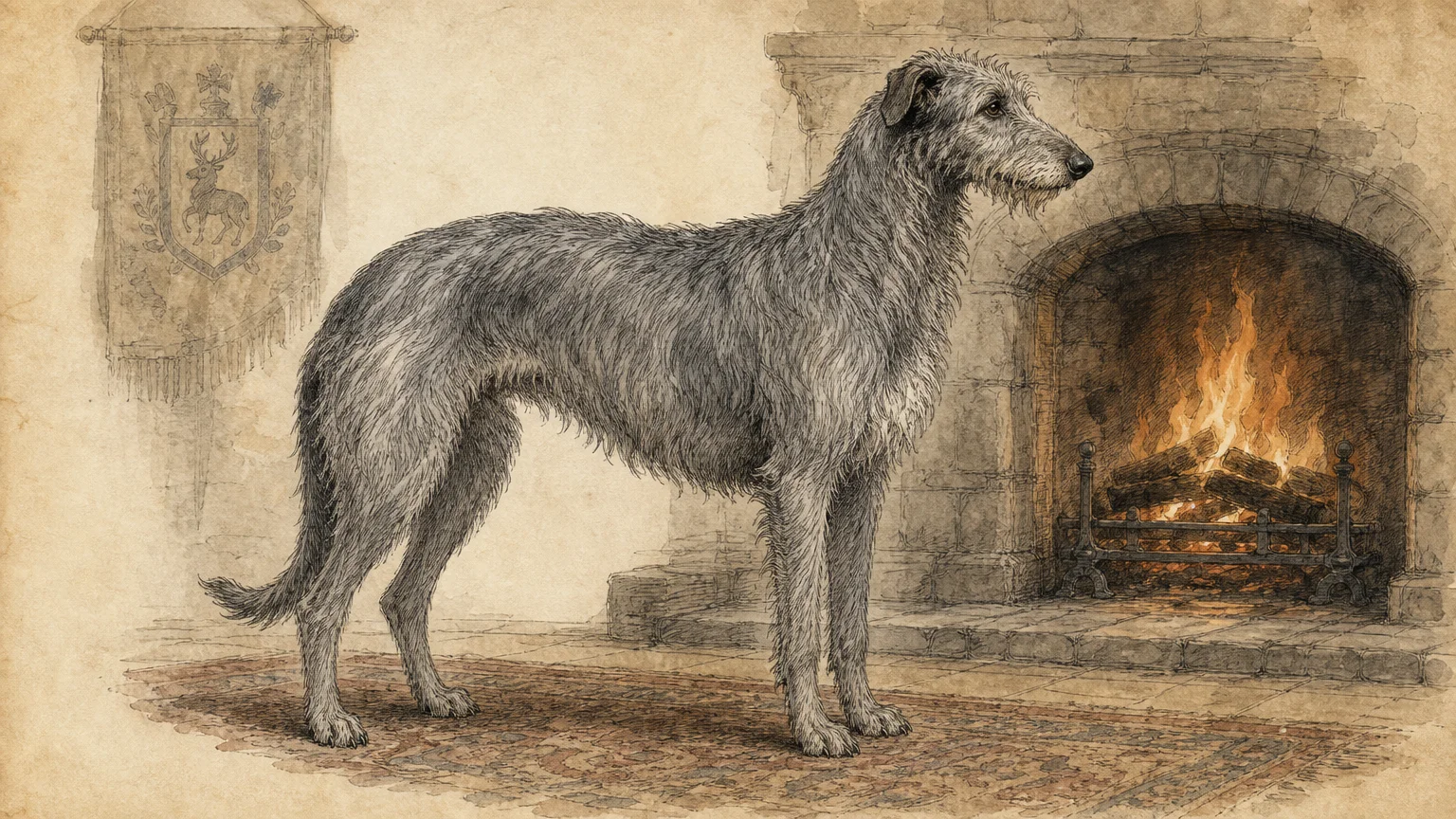
11. Scottish Deerhound: Polite and Undemanding
Standing almost three feet tall at the shoulder, the Scottish Deerhound is a majestic, wiry-coated sighthound that looks like it stepped out of a medieval tapestry. Like the Greyhound and the Borzoi, they were bred to hunt by sight, rendering a loud voice completely useless. Indoors, they are incredibly polite, quiet, and undemanding.
They are deeply affectionate with their families but maintain a dignified reserve with strangers. Because of their sheer size, they are not practical for small apartments, but if you have a home with enough floor space, you will hardly notice they are there. They spend the vast majority of their time draped elegantly across your largest piece of furniture.
- Typical Size: 75 to 110 pounds
- Energy Level: Moderate; requires open space to stretch their long legs
- Temperament: Dignified, gentle, and utterly silent indoors

12. English Bulldog: Laid-Back and Lovable
The English Bulldog is the undisputed champion of the canine nap. Thick, sturdy, and famously stubborn, this breed approaches every aspect of life at a deliberate, unhurried pace. They simply cannot be bothered to bark at the mail carrier or the neighbor’s cat; it requires too much energy.
While they are quiet when awake, they are famously noisy when asleep. You will need to tolerate loud snoring, heavy breathing, and frequent grunting. If you want a fiercely loyal, affectionate companion who demands very little physical exercise and keeps their waking thoughts to themselves, the English Bulldog is unmatched.
- Typical Size: 40 to 50 pounds
- Energy Level: Very low; highly prone to overheating
- Vocalization: Rarely barks, but snores like a freight train

What This Means for You
Selecting a quiet dog breed dramatically reduces the friction of daily life, especially in high-density housing. When your dog naturally defaults to observation rather than vocalization, you spend less time apologizing to neighbors and more time enjoying your pet’s company. However, bringing home a low-barking breed does not completely eliminate the need for training. Every dog requires mental stimulation, boundary setting, and consistent routines to feel secure in their environment.
If your current dog struggles with vocalization, you can teach the “quiet” command to help manage their instincts. The American Kennel Club recommends positively reinforcing correct behavior with high-value treats the moment your dog stops making noise. A quiet breed simply gives you a genetic advantage, making these training methods much faster and more effective.

What Can Go Wrong
Choosing a dog solely based on their vocal tendencies can lead to significant lifestyle clashes. Here are four common pitfalls to avoid when bringing a quiet breed into your home:
- Ignoring extreme energy needs: A dog like the Basenji will not bark, but if you fail to provide them with intense daily exercise, they will chew your drywall, destroy your furniture, and escape your yard. Silence does not equal low maintenance.
- Overlooking separation anxiety: Quiet breeds often bond deeply with their owners. If a Cavalier King Charles Spaniel or a French Bulldog is left alone for ten hours a day, their panic can manifest as destructive chewing, house-soiling, or high-pitched whining that will still bother the neighbors.
- Falling for the “small equals quiet” myth: Many people assume all small dogs are great for apartments. While Pugs and French Bulldogs are quiet, terriers and toy poodles were bred to sound the alarm. Always research the specific breed rather than relying on size.
- Missing the medical signs of sudden silence: If you have a normally vocal dog who suddenly stops barking, do not celebrate. Sudden silence often indicates throat pain, lethargy, or severe illness. You should consult your veterinarian immediately if your dog’s vocal habits change overnight.
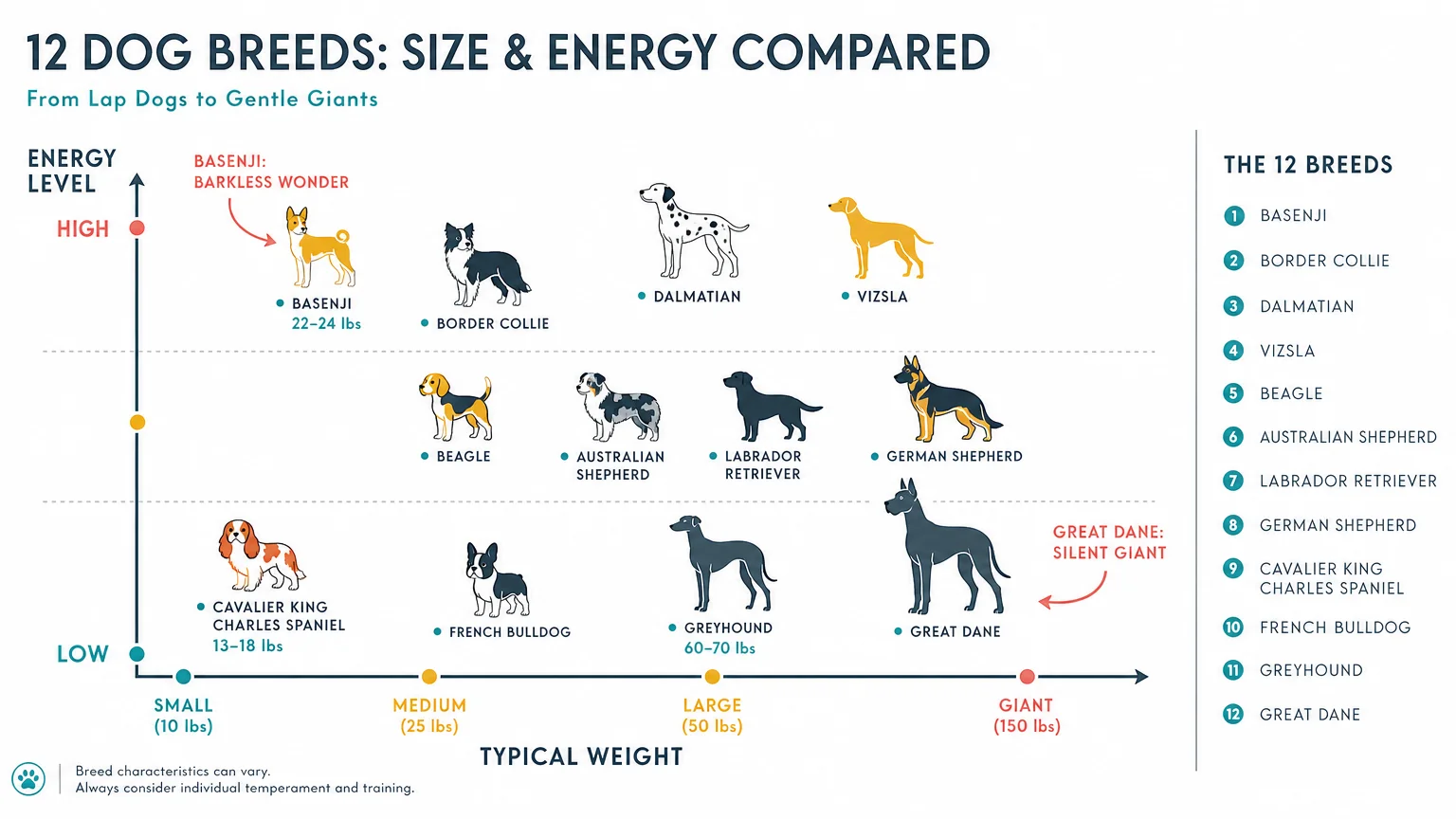
Comparing the Quiet Breeds
Use this quick reference guide to see how these low-volume companions stack up against one another in terms of size, energy, and apartment readiness.
| Breed | Typical Weight | Energy Level | Apartment Friendliness |
|---|---|---|---|
| Basenji | 22–24 lbs | High | Excellent (if heavily exercised) |
| Greyhound | 60–70 lbs | Moderate | Excellent |
| Cavalier King Charles Spaniel | 13–18 lbs | Low/Moderate | Excellent |
| French Bulldog | 16–28 lbs | Low | Excellent |
| Borzoi | 60–105 lbs | Moderate | Fair |
| Great Dane | 110–175 lbs | Low | Good (requires floor space) |
| Whippet | 25–40 lbs | Moderate | Excellent |
| Bernese Mountain Dog | 70–115 lbs | Moderate | Fair |
| Newfoundland | 100–150 lbs | Low/Moderate | Fair |
| Pug | 14–18 lbs | Low | Excellent |
| Scottish Deerhound | 75–110 lbs | Moderate | Poor (size prohibitive) |
| English Bulldog | 40–50 lbs | Very Low | Excellent |
Finding a quiet dog breed is just the first step in building a harmonious home for you and your neighbors. With the right mix of training, socialization, and realistic expectations, you can enjoy all the benefits of canine companionship without the exhausting soundtrack. This is general informational content based on widely accepted guidance. Individual results vary. Verify current details—rules, prices, eligibility, regulations—with official sources before making important decisions.
Last updated: May 2026. Rules, prices, and details change—verify current information with official sources before acting on it.