Selecting the right guard dog brings unparalleled peace of mind, blending loyal companionship with a natural instinct to protect your home. A dedicated guardian does more than bark at delivery drivers; these breeds possess generations of specialized genetics designed to assess threats and deter intruders. Finding the ideal match means looking past an intimidating appearance and focusing on intelligence, trainability, and temperament. A massive mastiff serves a very different household than a high-energy herding dog. Whether you need an independent watcher for a rural acreage or a vigilant, family-friendly protector for a suburban neighborhood, understanding the specific traits of the world’s most capable protective breeds ensures you bring home a safe, reliable, and loving defender.
What Makes a True Guard Dog?
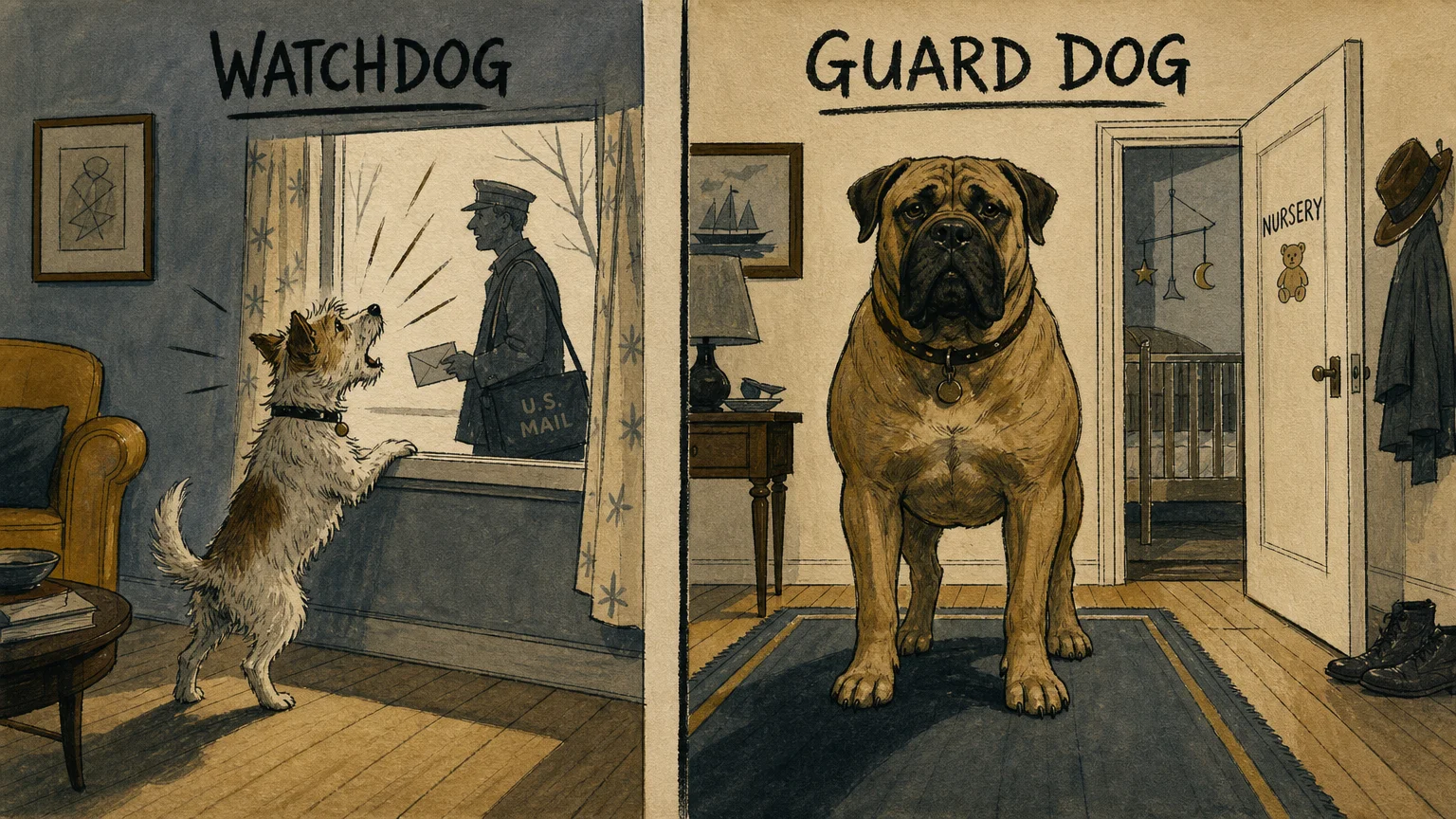
Understanding the difference between a watchdog and a guard dog represents the first step in making a responsible choice for your family. A watchdog excels at raising the alarm. Small terriers, hounds, and alert breeds will bark loudly when someone approaches your property, but they lack the physical presence or instinct to physically intervene. A true guard dog, however, possesses both the size to intimidate and the bred-in courage to stand between you and a threat.
Owning a protective breed requires a profound commitment. These dogs do not come out of the box knowing the difference between a malicious intruder and your neighbor dropping off a package. You must invest heavily in socialization and obedience training during their first year of life. When you bring a high-drive working dog into your home, you take on the responsibility of shaping its natural suspicion into measured confidence.
A well-trained guard dog operates with a quiet, observant confidence. They do not react with frantic aggression; instead, they assess the situation, position themselves between their family and the unknown, and wait for their owner’s command.
The 20 Best Guard Dog Breeds
1. German Shepherd
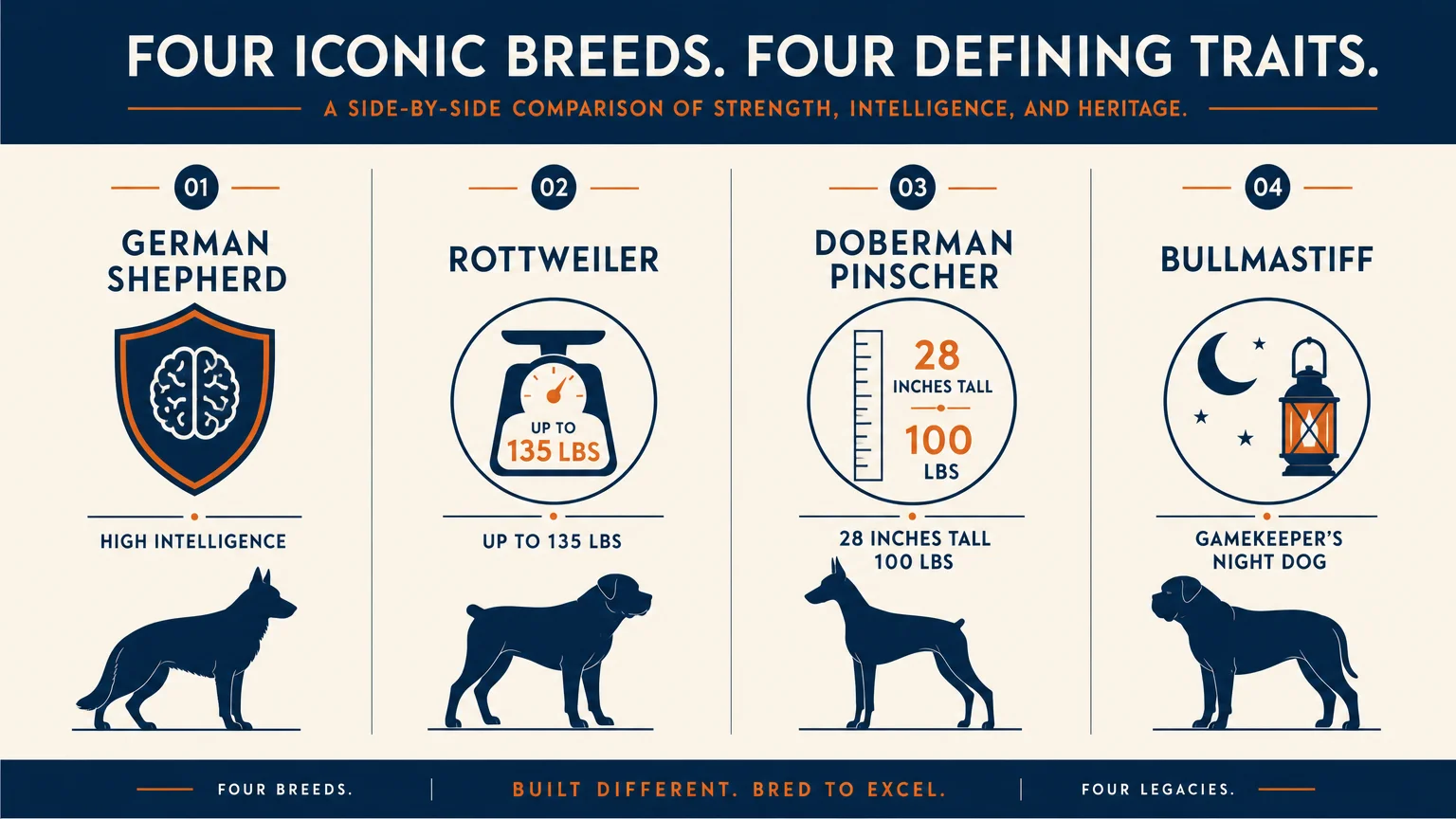
The German Shepherd stands as the gold standard for personal and property protection. These dogs combine high intelligence with intense loyalty and a natural desire to work. They bond deeply with their families and remain highly trainable, which is why law enforcement and military units worldwide rely on them. To thrive in a home environment, a German Shepherd needs immense mental stimulation, daily vigorous exercise, and consistent leadership. Without a job to do, their protective instincts can morph into anxiety.
2. Rottweiler
Descended from the robust drover dogs of ancient Rome, the Rottweiler possesses immense physical power and a deeply ingrained instinct to guard their territory. Despite their formidable appearance, well-bred and socialized Rottweilers show incredible affection and playfulness with their own families. They take a wait-and-see approach to strangers, observing quietly before deciding if a threat exists. Because a male Rottweiler can weigh up to 135 pounds, early obedience training remains non-negotiable.
3. Doberman Pinscher
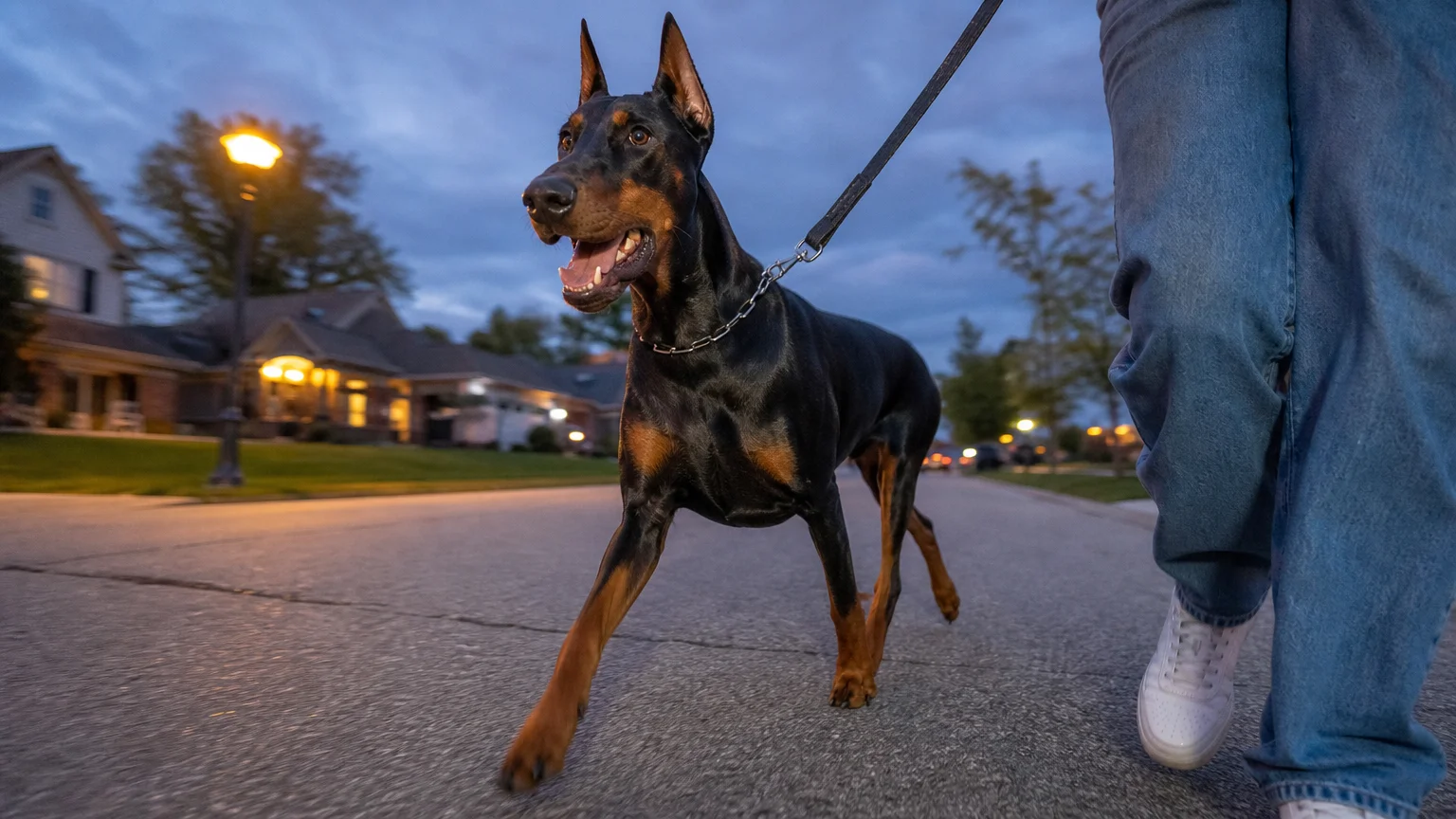
Often described as the athlete of the protection world, the Doberman Pinscher is sleek, incredibly fast, and fiercely loyal. Originally bred by a German tax collector for personal protection, these dogs naturally stay close to their owners. According to the American Kennel Club (AKC), a healthy male Doberman stands up to 28 inches at the shoulder and weighs up to 100 pounds. They learn quickly, react instantly to perceived dangers, and require a household that can match their high energy levels.
4. Bullmastiff
Nicknamed the “Gamekeeper’s Night Dog,” the Bullmastiff was developed in 19th-century England to protect massive estates from poachers. Instead of biting, they were bred to use their sheer size—often over 120 pounds—to track quietly and physically pin intruders to the ground. In a modern home, the Bullmastiff acts as a gentle, quiet giant. They rarely bark without reason, making them excellent guardians for families who want a formidable deterrent without the high-strung energy of a herding breed.
5. Belgian Malinois
The Belgian Malinois brings unmatched intensity and drive to protection work. Visually similar to a smaller German Shepherd, the Malinois operates at a much higher tempo. They require hours of physical and mental exercise every single day. This is not a casual family pet; the Malinois needs an experienced handler who intends to engage in formal protection sports, advanced obedience, or real-world security work. When fully trained, their courage and responsiveness are peerless.
6. Cane Corso
An ancient Italian mastiff breed, the Cane Corso translates roughly to “bodyguard dog.” They possess a massive head, a muscular frame, and an incredibly assertive personality. The Cane Corso forms a tight bond with their immediate family but remains naturally indifferent or suspicious of outsiders. Because they weigh well over 100 pounds and possess a dominant temperament, they require an experienced owner who can establish firm, fair boundaries from day one.
7. Giant Schnauzer
Imposing and intensely loyal, the Giant Schnauzer commands respect with its dark, wire-haired coat and sturdy build. Originally bred to drive cattle and guard German breweries, they evolved into elite police and military dogs. They are highly territorial and fiercely protective of their family’s property. The Giant Schnauzer demands a rigorous grooming schedule and consistent, firm training to ensure their protective nature remains manageable.
8. Akita
Hailing from Japan, the Akita is a large, heavy-boned spitz breed with a profound lineage as a guardian and big-game hunter. Akitas are famous for their quiet dignity and fierce devotion to their families, famously exemplified by Hachiko. They rarely tolerate nonsense from strangers and can be aggressive toward other dogs of the same sex. If you want a silent, imposing guardian who reserves their affection exclusively for you, the Akita fits the bill.
9. Anatolian Shepherd
The Anatolian Shepherd is a rugged livestock guardian dog bred to survive harsh conditions while protecting flocks from wolves and bears. They operate as independent thinkers; they do not look to you for commands when they perceive a threat. Because of this deeply ingrained autonomy, they do not make good pets for small suburban yards. They need massive acreage, a flock to watch, and an owner who understands livestock guardian psychology.
10. Great Pyrenees
Majestic and powerful, the Great Pyrenees uses its size and thick white coat to deter predators in snowy mountain regions. They are exceptionally patient with children and vulnerable animals but will spring into action the moment a threat appears. You must be prepared for their nocturnal habits; the Great Pyrenees is bred to patrol at night and possesses a booming bark intended to scare off predators long before a physical confrontation occurs.
11. Rhodesian Ridgeback
Originally bred in Africa to track lions and hold them at bay, the Rhodesian Ridgeback is an exceptional athlete. Identified by the distinctive ridge of hair running backward along their spine, these hounds possess a strong protective instinct and a deeply independent streak. They need a highly active family, a securely fenced yard, and an owner capable of keeping a physically powerful, strong-willed dog engaged.
12. Boxer
While often celebrated as the playful clowns of the dog world, Boxers have a serious history as guard dogs and military couriers. They are exceptionally patient with children, earning them a reputation as one of the best family protectors. When a stranger approaches the home, the Boxer’s playful demeanor shifts instantly to an alert, highly intimidating stance. They provide excellent security without the intense standoffishness of a mastiff.
13. Staffordshire Bull Terrier
Though shorter than many dogs on this list, the Staffordshire Bull Terrier packs immense muscle and courage into a compact frame. Known in their native England as exceptionally affectionate family dogs, they bond tightly with their owners. Their sheer physical strength, wide jaws, and fearless nature make them a formidable deterrent to anyone with ill intentions, even though they usually prefer cuddling on the couch.
14. Black Russian Terrier
Developed by the Soviet military in the mid-20th century, the Black Russian Terrier is a massive, cold-weather protection dog. Combining the genetics of the Giant Schnauzer, Rottweiler, and Airedale, this breed was engineered specifically for security work. They are heavily boned, highly intelligent, and inherently suspicious of strangers. A Black Russian Terrier requires intensive early socialization to prevent their guarding instincts from becoming a liability in civilian life.
15. Tibetan Mastiff
The Tibetan Mastiff is an ancient, massive breed that guarded the nomadic camps and monasteries of the Himalayas. They are fiercely independent, aloof, and highly territorial. Like the Great Pyrenees, they prefer to sleep during the day and patrol their property at night. They are not obedience champions; they rely on their own judgment to assess threats. Only highly experienced dog owners with secure, expansive properties should consider this majestic giant.
16. Dogo Argentino
Bred in Argentina for hunting big game like wild boar and puma, the Dogo Argentino is entirely white, heavily muscled, and completely fearless. While they are affectionate and cheerful with their own families, their sheer power and high prey drive make them demanding pets. They require intense physical exercise and strict obedience training. Their imposing appearance alone is usually enough to secure any home.
17. Caucasian Shepherd (Ovcharka)
The Caucasian Shepherd is a colossal flock guardian from the Caucasus Mountains. Capable of taking on wolves and bears, this breed takes its protection duties more seriously than almost any other dog on earth. They are fiercely aggressive toward perceived threats and do not welcome strangers onto their property under any circumstances. They belong exclusively with expert handlers in rural environments.
18. Komondor
Instantly recognizable by their dense, corded white coat, the Komondor is a Hungarian livestock guardian. The cords serve as armor against predator bites and camouflage among a flock of sheep. Beneath the unique coat lies a muscular, agile, and highly territorial guardian. They are deeply devoted to their family but naturally wary of outsiders, making early and continuous socialization critical.
19. Kuvasz
Another Hungarian flock guardian, the Kuvasz features a beautiful, thick white coat and an elegant, agile build. They are highly intelligent, fiercely protective, and possess a long memory. Because they were bred to work independently, they can be stubborn during formal obedience training. They require a family that understands how to earn their respect through fair, consistent leadership rather than harsh discipline.
20. Boerboel
The Boerboel, or South African Mastiff, was developed to protect remote homesteads from predators like leopards and baboons. They are incredibly strong, confident, and territorial. Unlike some livestock guardians that wander, the Boerboel prefers to stick close to its human family, making them excellent personal protectors. They require a confident owner who can manage a dog that routinely exceeds 150 pounds of solid muscle.
Comparing the Top Family Guard Dogs
If you live in a standard suburban environment with children, certain guard breeds integrate more smoothly into family life than others. Review this comparison of the most popular family guardians to gauge which fits your lifestyle.
| Breed | Typical Weight Range | Energy Level | Best Household Fit |
|---|---|---|---|
| German Shepherd | 50 to 90 lbs | High | Active families willing to commit to daily training and exercise. |
| Boxer | 50 to 80 lbs | High | Families with young children looking for a playful but protective dog. |
| Bullmastiff | 100 to 130 lbs | Low to Medium | Homes wanting a low-energy, quiet, but massive visual deterrent. |
| Rottweiler | 80 to 135 lbs | Medium | Experienced owners wanting a deeply affectionate, robust guardian. |
| Doberman Pinscher | 60 to 100 lbs | High | Athletic owners who want a highly responsive, Velcro-like protector. |
What Can Go Wrong
Bringing a powerful guard dog into your home involves distinct risks. Understanding these pitfalls helps you proactively manage your dog’s development.
- Fear aggression from poor socialization: If you isolate a guard breed puppy, their natural suspicion of strangers turns into fear. A fearful 100-pound dog becomes a dangerous liability, prone to biting out of panic rather than protecting out of confidence.
- Destructive behavior from boredom: Breeds like the Belgian Malinois or German Shepherd possess intense work drives. If left alone in a backyard without a job, they will invent one, which usually involves destroying your fencing, landscaping, or furniture.
- Dominance struggles in the home: Breeds like the Cane Corso and Boerboel naturally test boundaries. If you fail to establish clear, consistent household rules, these massive dogs will assume the leadership role, making them uncontrollable on walks and aggressive toward houseguests.
- Insurance and housing complications: Many homeowner associations and insurance policies specifically restrict breeds like Dobermans, Rottweilers, and Mastiffs. Bringing one home without verifying your policy can result in canceled coverage or forced relocation.
Where Outside Advice Pays Off
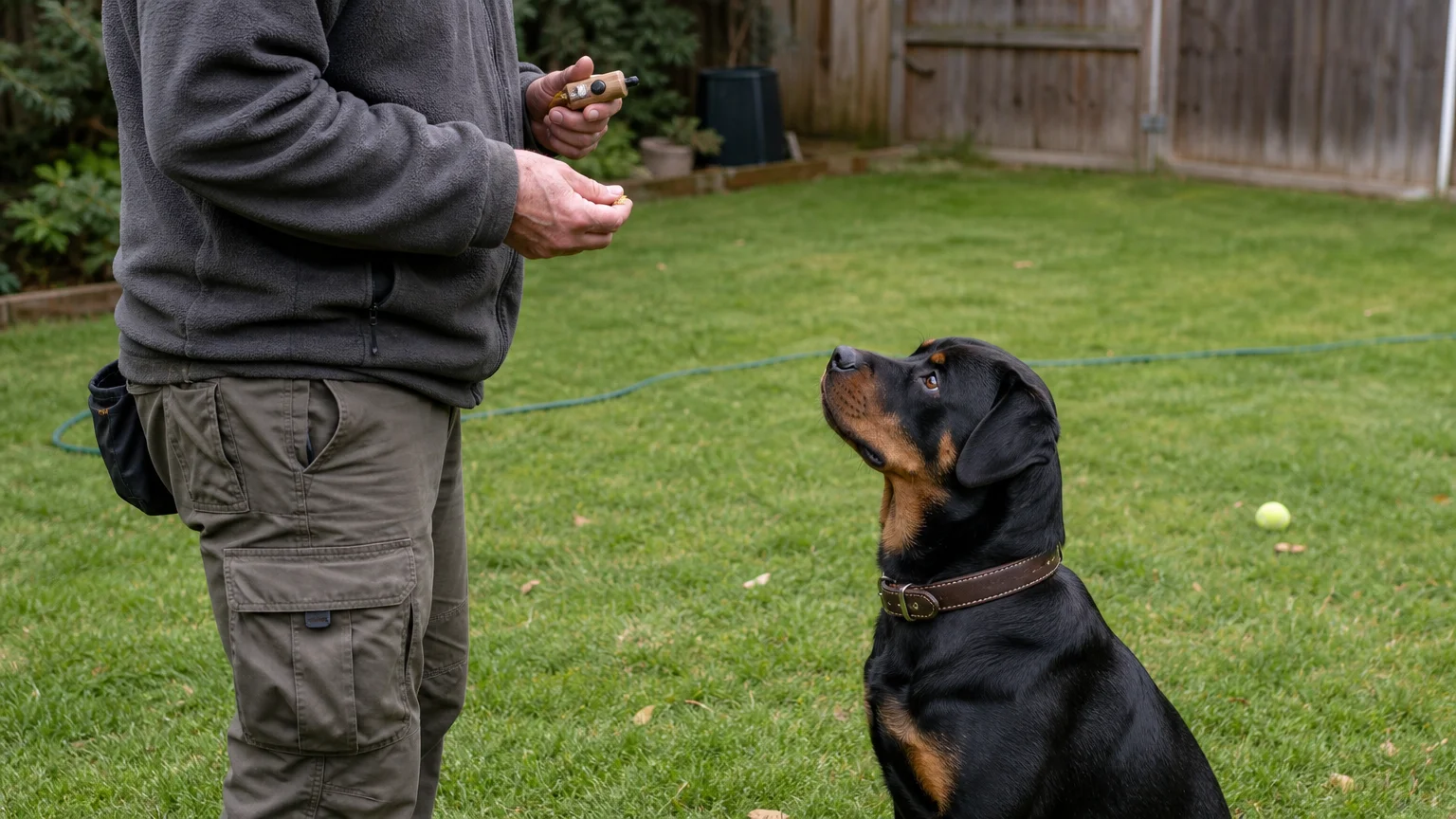
Because guard dog breeds require specialized handling, seeking professional guidance early on saves you significant stress and liability.
- Working with a certified behaviorist: If you notice your puppy displaying excessive resource guarding, intense fear of strangers, or aggression toward other dogs, hire a professional immediately. Correcting behavioral issues in a 30-pound puppy is vastly easier than managing them in a 100-pound adult.
- Consulting your insurance agent: Before purchasing a guard breed, speak with your homeowner’s insurance provider. According to the Insurance Information Institute (III), dog bite liability claims cost the industry hundreds of millions annually, and certain breeds may require you to purchase a standalone liability policy.
- Partnering with your veterinarian: Large and giant guard breeds grow rapidly and are prone to joint issues like hip dysplasia. Consult your vet to formulate a strict diet and exercise plan that prevents your dog from growing too quickly and damaging their developing skeletal structure.
- Taking dog bite prevention seriously: If you have young children, consult resources from the American Veterinary Medical Association (AVMA) to learn how to safely integrate a large, protective dog into a busy household, ensuring your kids know how to respect the dog’s physical space.
Guard Dog Breed FAQs
- What is the easiest guard dog for a first-time owner?
The Boxer and the Bullmastiff often serve as excellent entry points. Boxers are highly affable and easily trained, while Bullmastiffs possess lower energy levels and a generally quiet demeanor. However, both still require dedicated obedience training. - Do guard dogs need to be aggressive?
No. A properly bred and trained guard dog is stable, confident, and approachable under normal circumstances. Aggression is a response to a specific threat, not a baseline personality trait. A dog that snaps at everyone is unstable, not protective. - Can a shelter dog make a good guard dog?
Many mixed-breed dogs possess strong territorial and protective instincts. If you adopt a large mixed breed with mastiff or shepherd heritage, they can provide excellent visual deterrence and alarm barking. However, if you need guaranteed personal protection capabilities, purchasing a purpose-bred working dog from a reputable breeder is the standard route.
Bringing a guard dog into your life offers a unique blend of security and profound companionship. By respecting their genetics, providing rigorous training, and meeting their exercise needs, you ensure your powerful protector remains a safe, cherished member of your family.
This article provides general information only. Every reader’s situation is different—what works for others may not be the right fit for you. For personalized guidance on health, legal, or financial matters, consult a qualified professional.
Last updated: June 2026. Rules, prices, and details change—verify current information with official sources before acting on it.