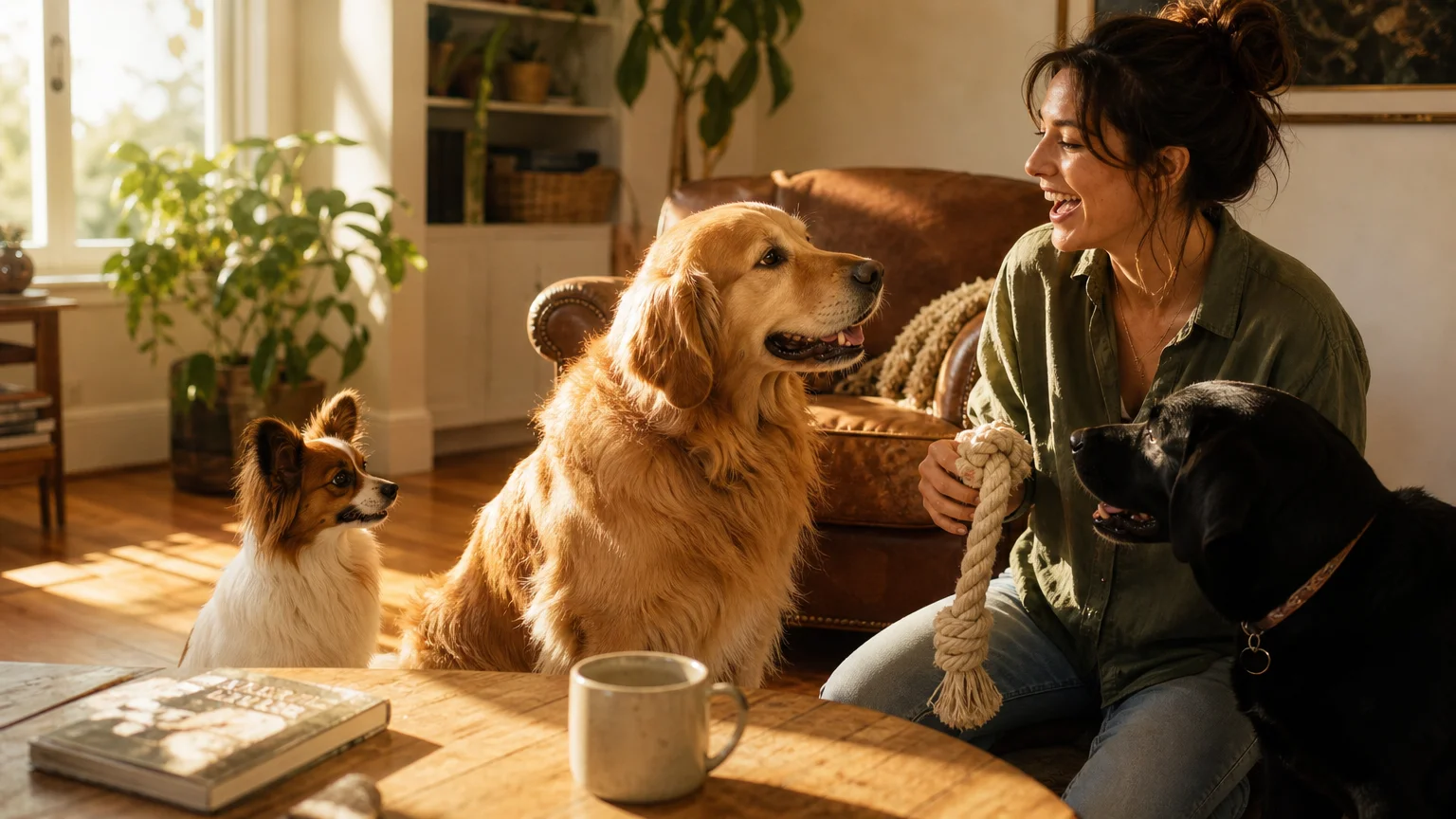
If your pet holds your gaze just a little longer than usual or follows you from room to room, you might question whether they see you as their ultimate companion. Science shows that our dogs and cats form profound social attachments that look remarkably similar to the bonds between human family members. From the “love hormone” oxytocin to deep-rooted instincts that drive physical proximity, pet behavior reveals powerful clues about how they view you. While every animal expresses affection differently, researchers have pinpointed specific actions that signal deep trust and preference. Recognizing these subtle physical and behavioral cues can help you understand your pet’s unique language and confirm what you already suspect—you really are their favorite human.
Why People Are Talking About This
For decades, many people assumed pets simply favored whoever filled their food bowl. However, modern animal behavior science has entirely flipped that script. We now understand that dogs and cats form deep, complex emotional attachments independent of food conditioning and shelter. The shift in viewing pets as literal family members has spurred intense scientific interest in the human-animal bond.
Researchers continue to uncover fascinating parallels between human psychology and animal behavior. These studies demonstrate that our pets rely on us for emotional regulation, environmental security, and genuine companionship. Understanding the mechanics behind this relationship does not just validate your bond; it helps you provide better, more empathetic care for the animals sharing your home.
1. They Make Relaxed, Prolonged Eye Contact
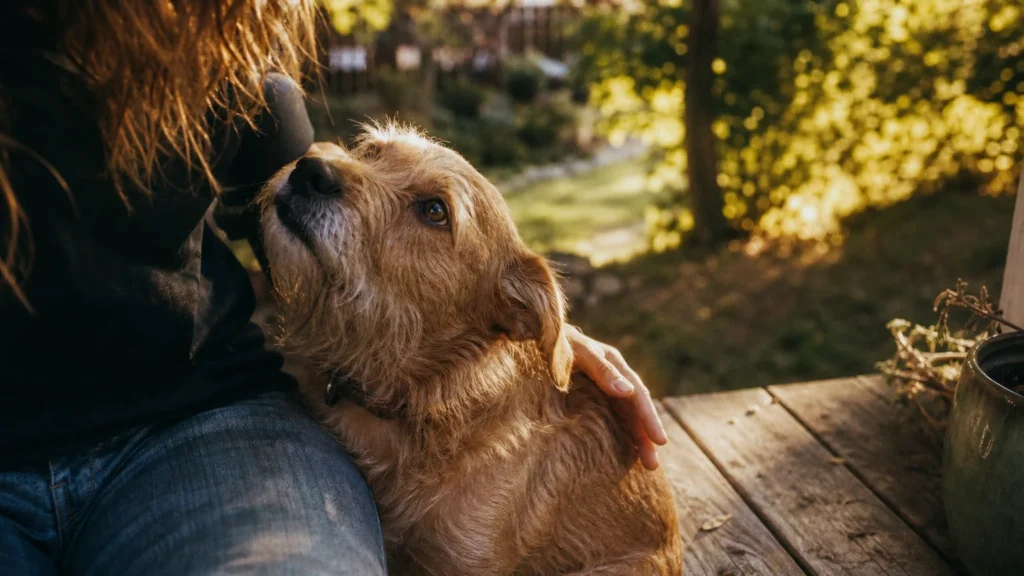
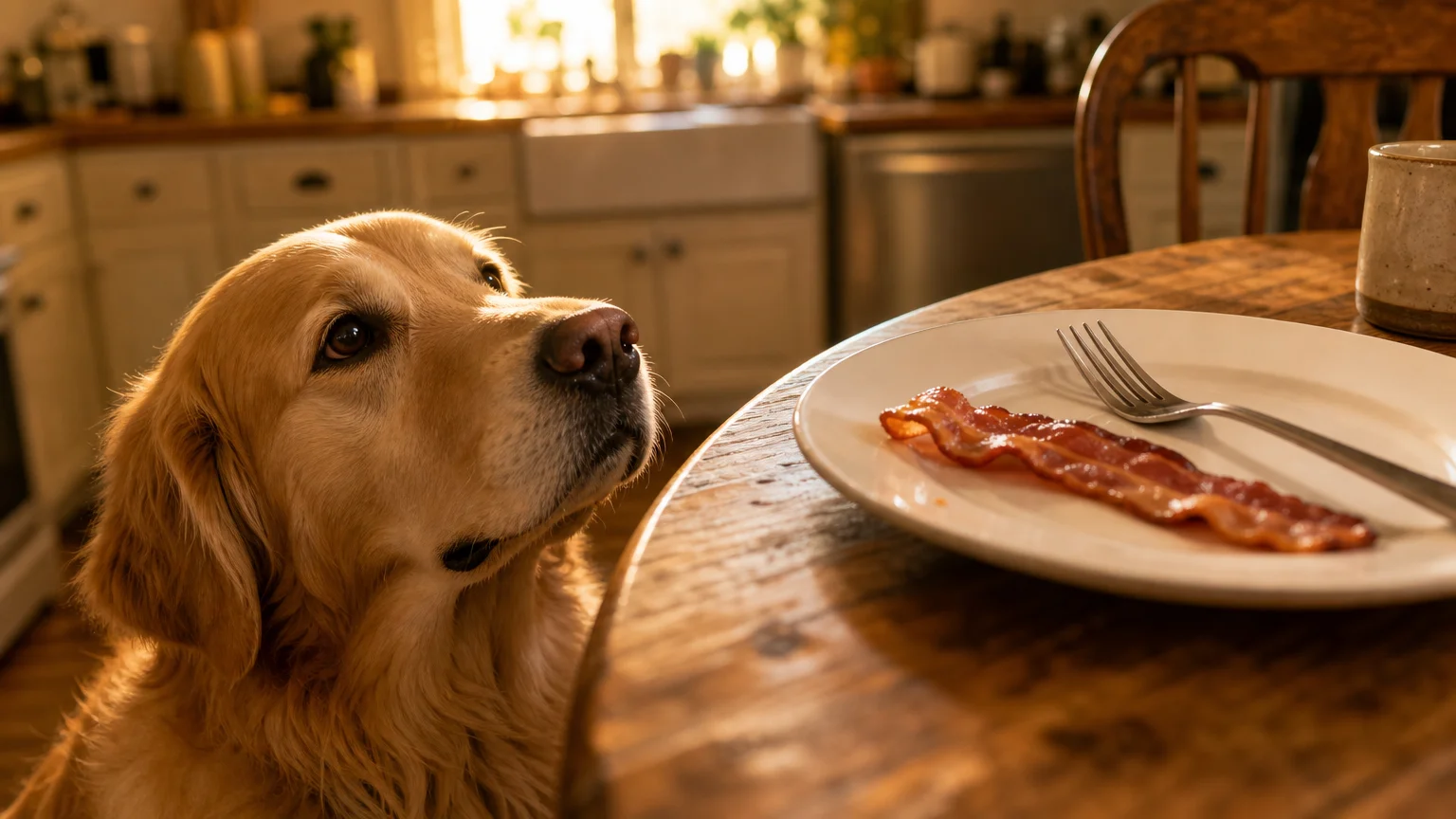
In the animal kingdom, direct eye contact often signals aggression, dominance, or a challenge. When a dog or cat voluntarily locks eyes with you while maintaining a soft, relaxed posture, they are expressing an immense amount of trust and affection.
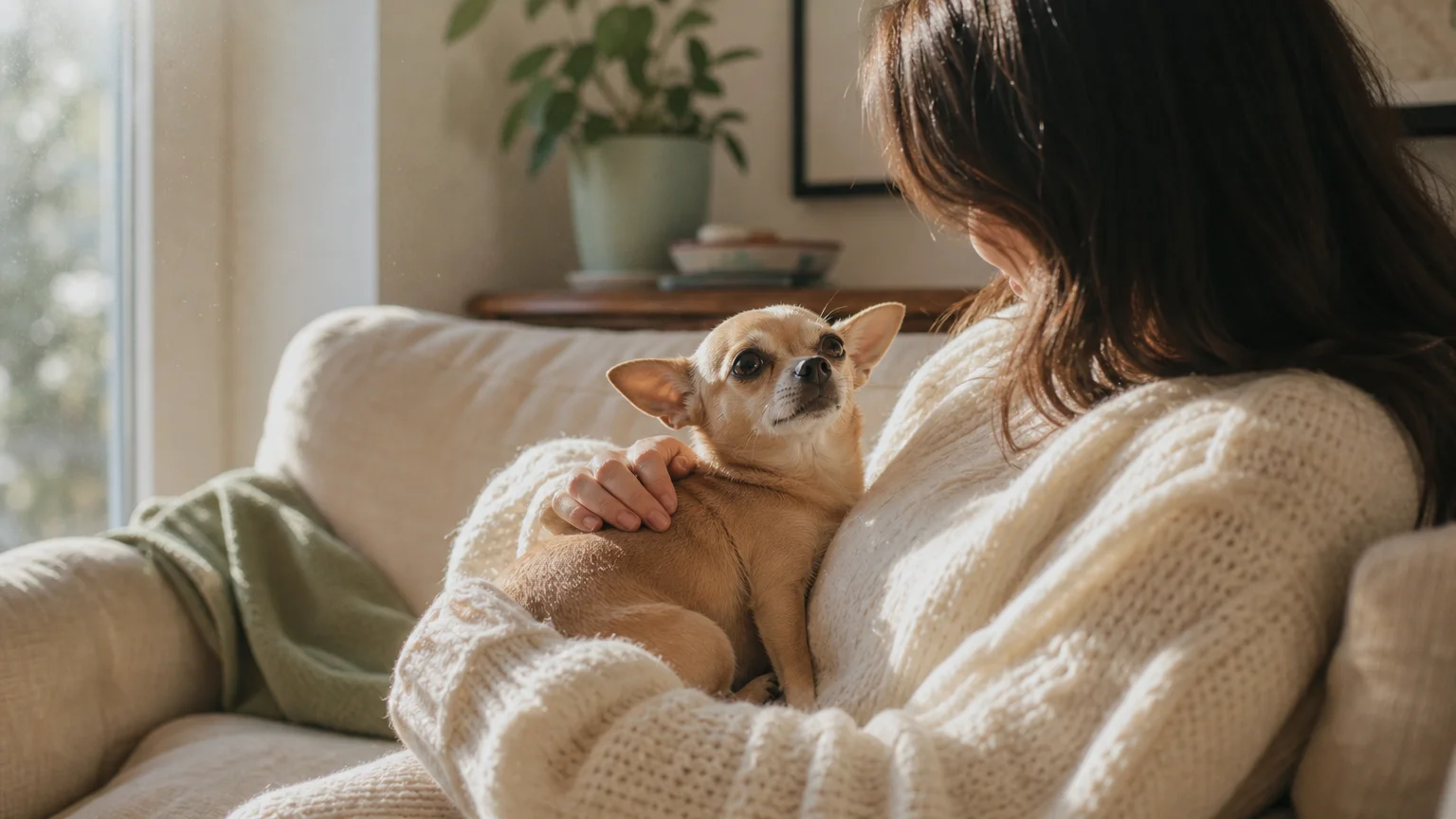
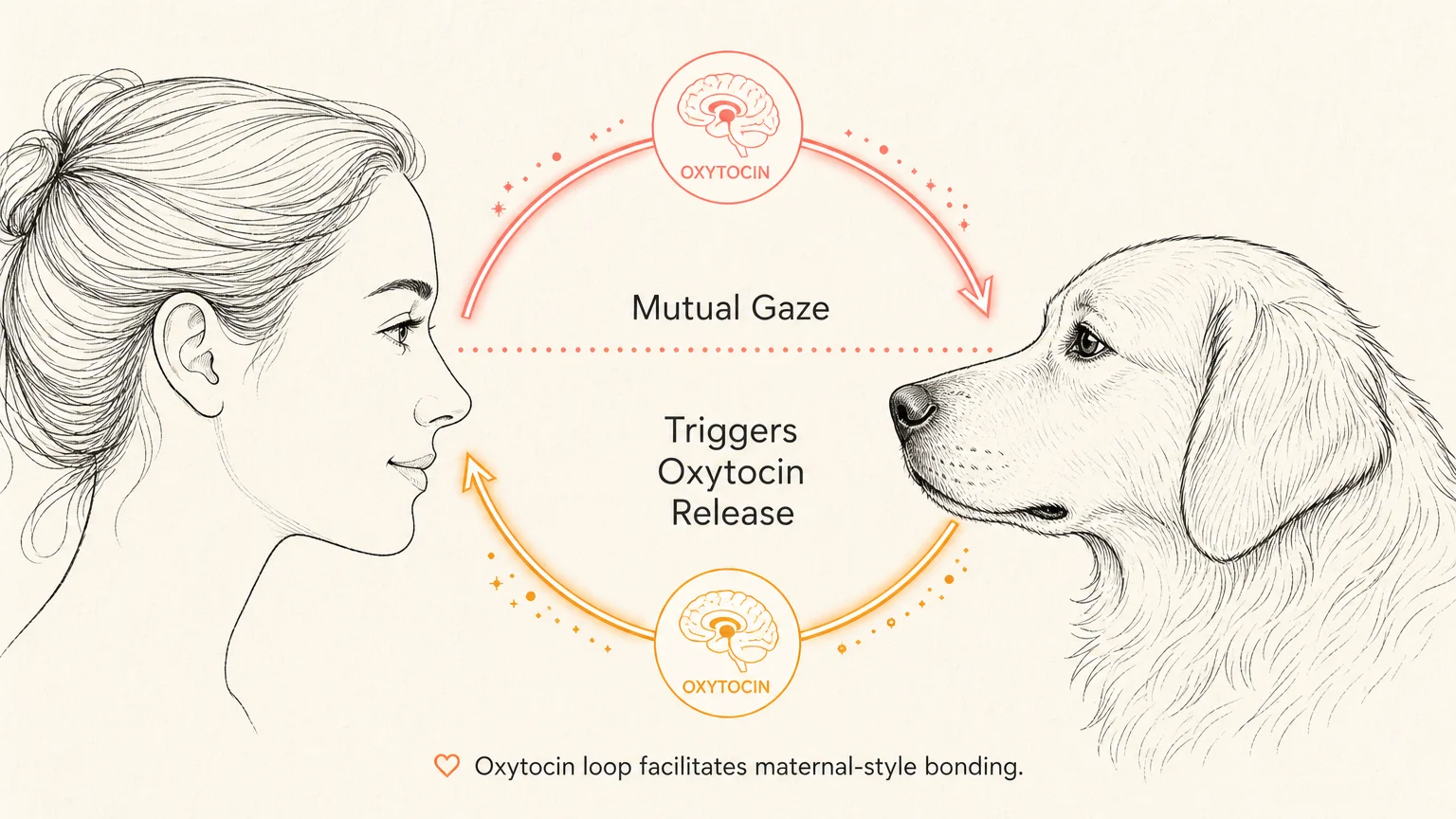
For dogs, this mutual gaze triggers a powerful biological response. According to research archived by the National Center for Biotechnology Information, gazing into your dog’s eyes initiates a release of oxytocin in both of your brains. This is the exact same chemical that facilitates maternal bonding in humans. The next time your dog sits quietly and stares up at you with a soft expression, take a moment to look back. You are actively participating in a chemical loop designed to strengthen your connection.
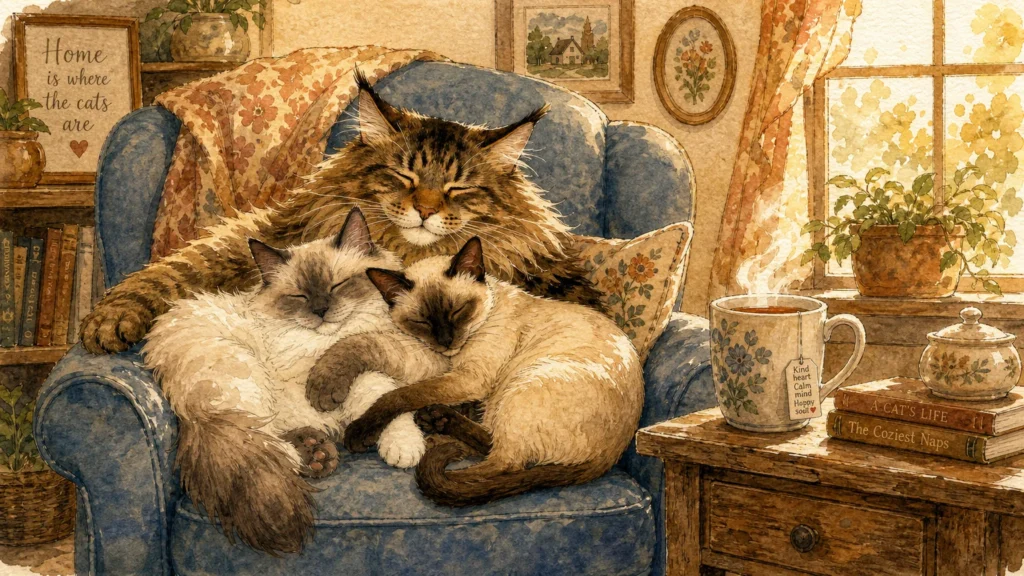
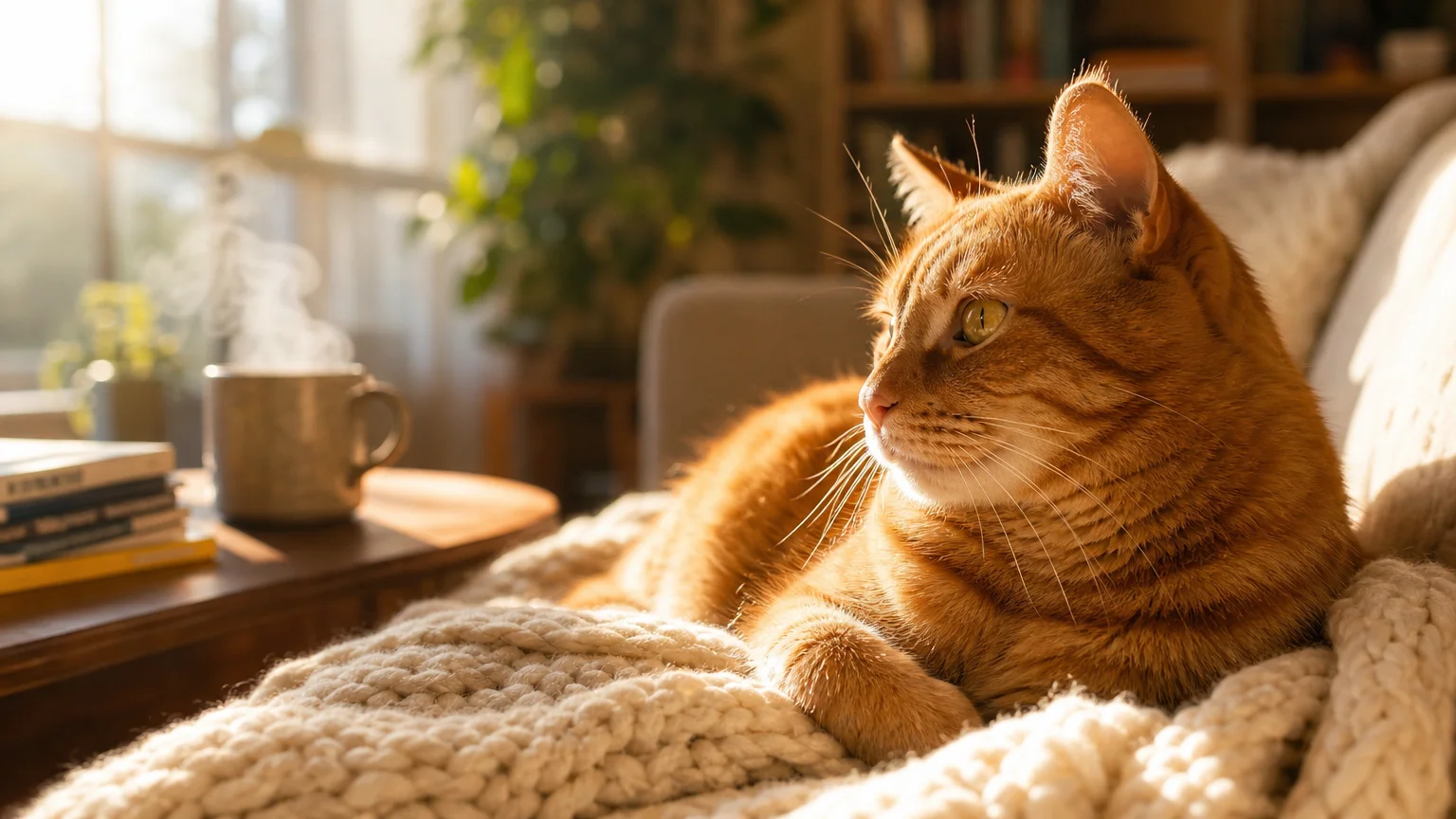
If you have a cat, their eye contact affection looks distinctly different. Felines deliver “slow blinks”—a leisurely closing and opening of the eyes from across the room. This behavior demonstrates that they feel secure enough to lower their defenses and obscure their vision in your presence. Try slow-blinking back at your cat; you are speaking their specific love language and reinforcing that you are a safe presence.
2. They Use You as a “Secure Base” to Explore
Think about how a toddler plays at a public park. They run off to explore the playground equipment but frequently look back or retreat to their parent for reassurance. Both dogs and cats utilize this exact same psychological mechanism with their favorite humans.
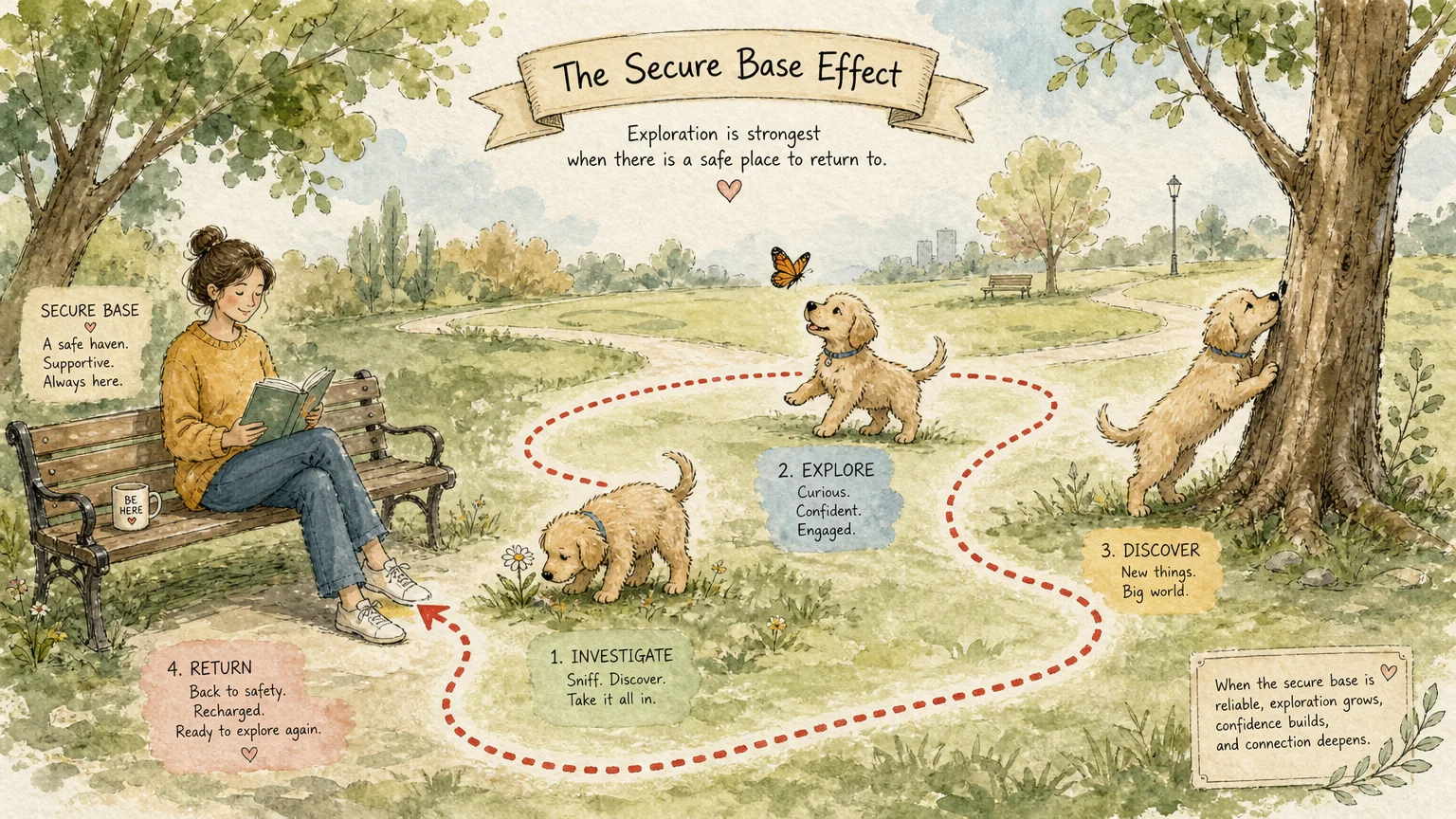
Studies on animal behavior, including comprehensive research conducted at Oregon State University, show that companion animals demonstrate the “secure base effect.” When placed in an unfamiliar environment, a securely attached pet will use you as an emotional anchor. They will venture out to sniff, play, and investigate new objects, but they will continuously check in with you.
If a sudden noise startles them, they will immediately retreat to your side rather than hiding in a corner. If your pet confidently explores a new space—like a veterinary clinic room or a dog-friendly patio—as long as you remain nearby, it proves they view you as their primary source of safety and comfort.
3. They Engage in Scent-Marking (Bunting and Leaning)
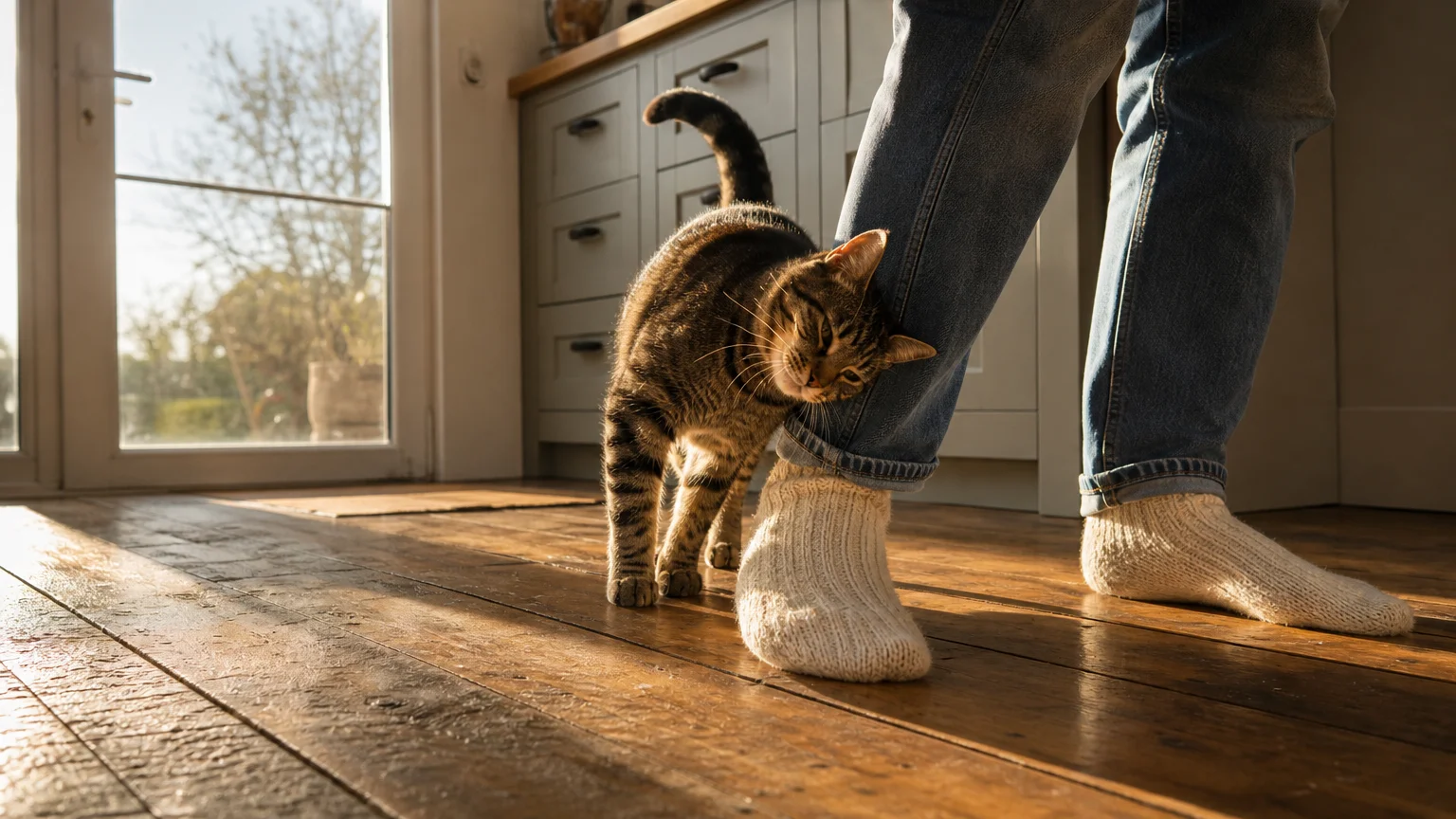
Animals rely heavily on scent to understand their world, and they use it to claim the individuals and spaces they value most. If your cat constantly rubs their cheeks, forehead, or chin against your hands, legs, or face, they are engaging in a behavior called “bunting.”
Cats possess specialized scent glands on their heads. The Humane Society of Tampa Bay points out that by rubbing against you, a cat is depositing their unique pheromones onto your skin and clothing. They are essentially labeling you as a safe, trusted member of their personal family group. Interrupting this behavior can confuse a cat; allowing them to complete their scent-marking ritual soothes them and reinforces your bond.
Dogs engage in a similar tactile behavior by leaning their full body weight against your legs. When your dog presses heavily against your shins while you stand in the kitchen or sit on the couch, they are seeking physical reassurance and leaving their scent on you. Supporting their physical weight is a vulnerable position for a dog, and choosing to do it against your legs requires absolute trust.

4. They Rest in Your Personal Space and on Your Scent
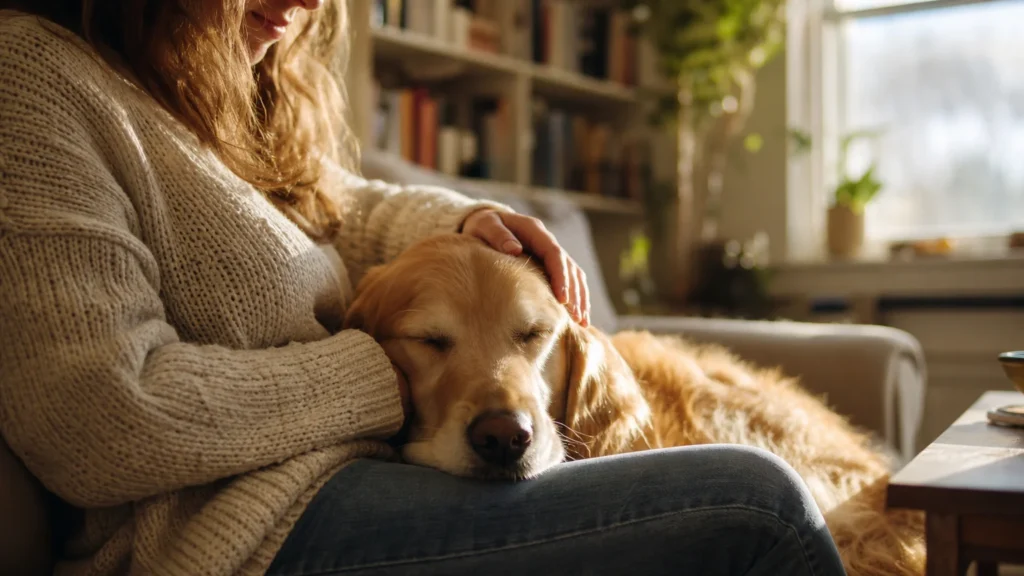
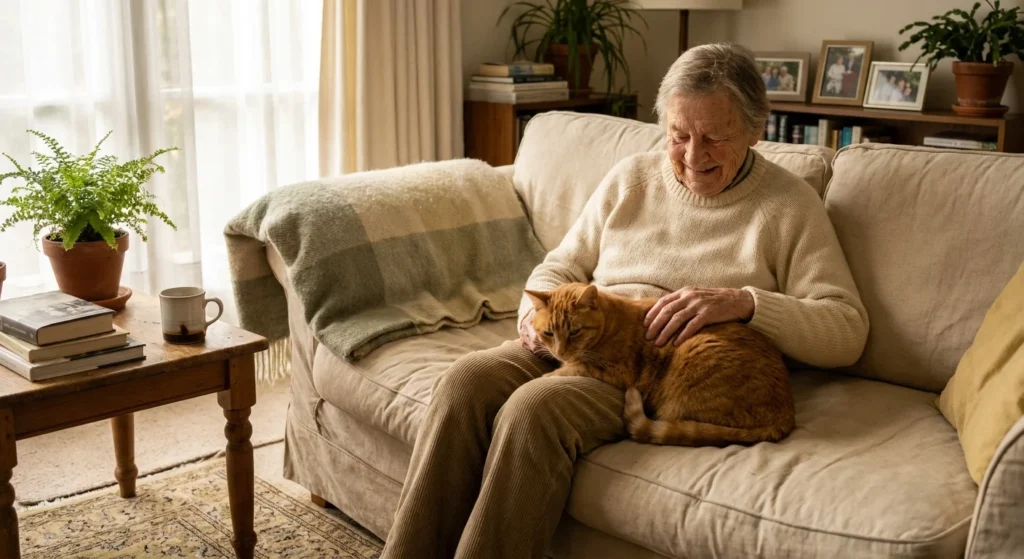
Sleep requires complete physical vulnerability. In the wild, an animal must remain hyper-vigilant to survive. When your pet chooses to sleep near you—whether that means curling up in your lap, sprawling across your feet, or sleeping directly above your head on your pillow—they are trusting you to protect them while they are defenseless.
Even when you are not physically present in the room, your favorite-human status remains obvious. You might find your pet sleeping on a discarded sweater, lying on your specific side of the bed, or even curling up inside your gym bag. They actively seek out items highly concentrated with your scent because smelling you provides them with physiological comfort and security while you are away from home.
5. They Bring You Their Highest-Value Treasures
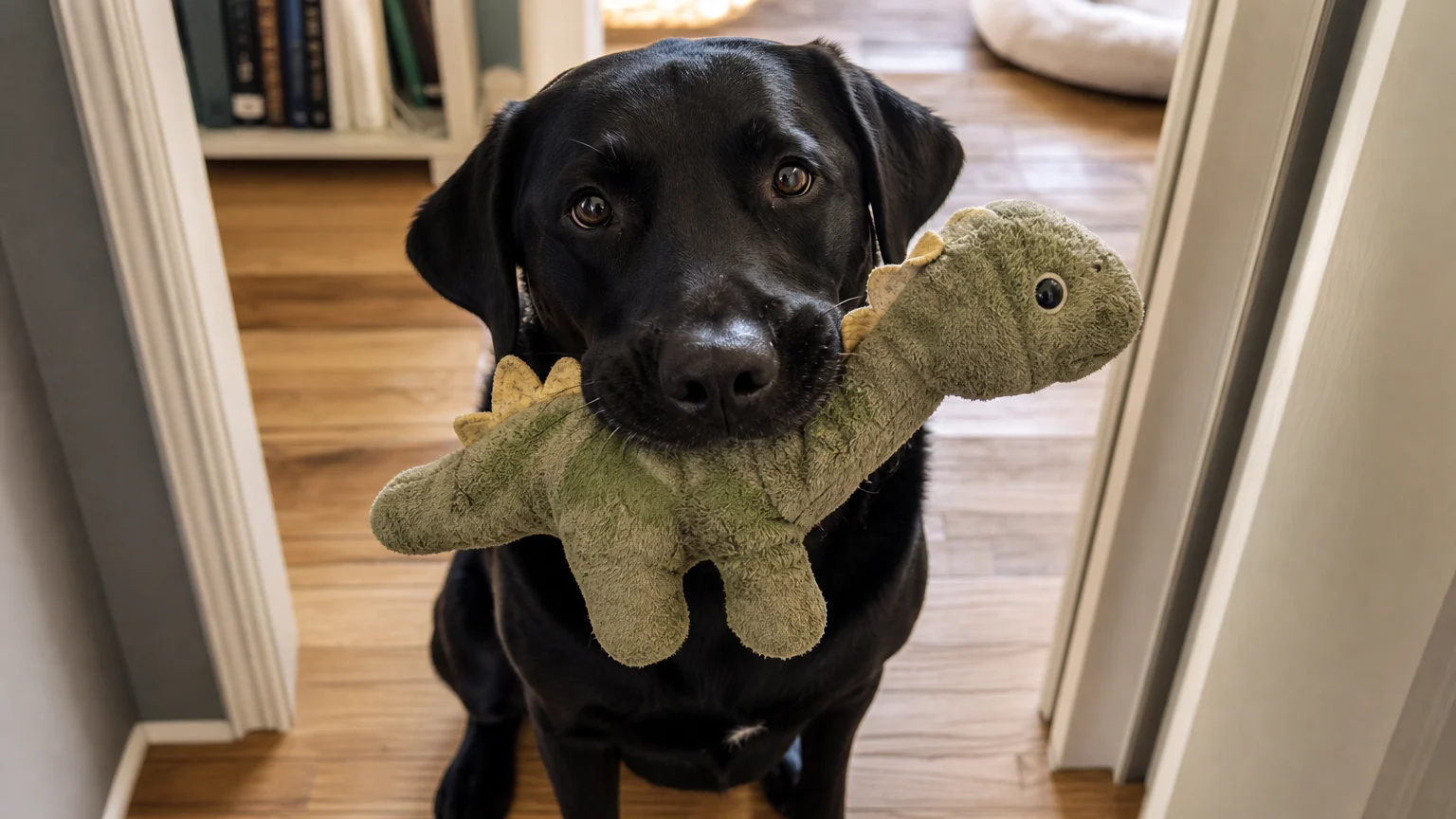
When your dog drops a slobbery tennis ball directly into your lap, it is easy to assume they just want to play a game of fetch. While play is certainly a factor, bringing you their toys, treats, or prized possessions is also a profound sign of affection.
Your pet views their favorite toys as high-value resources. By willingly sharing these resources with you, they are demonstrating that they trust you not to steal them. In a multi-pet household, you might notice your pet selectively bringing their toys only to you, ignoring other family members or pets. This reinforces that you hold a special status in their personal hierarchy.
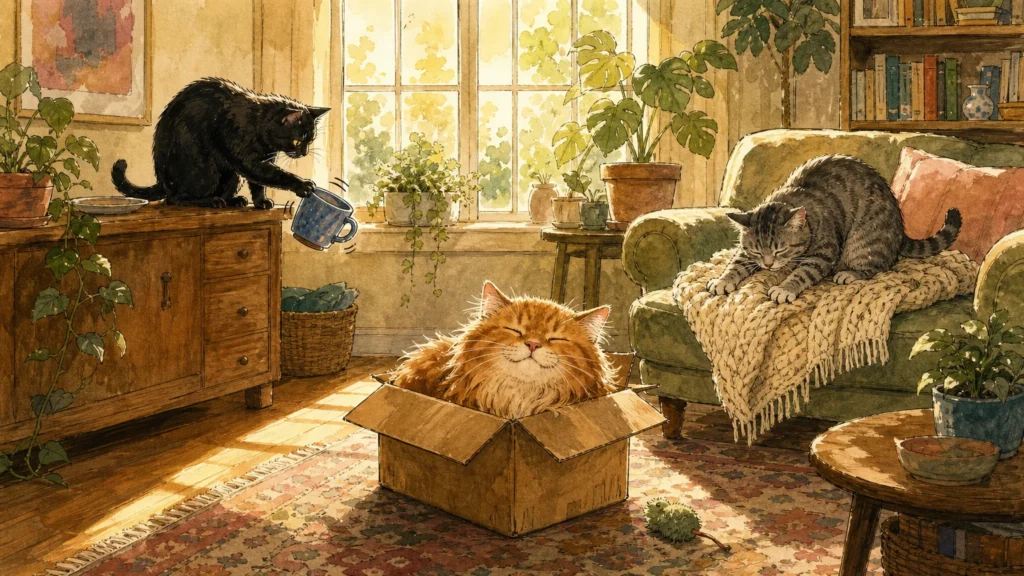
Cats also participate in this treasure-sharing behavior, though their “gifts” can sometimes be less appealing to human sensibilities. A cat bringing you a toy mouse—or a real one, if they have outdoor access—is attempting to share the results of a successful hunt with the leader of their family group. Acknowledge the gift with praise rather than scolding, as they are offering you their highest compliment.
6. Their Body Language Melts in Your Presence
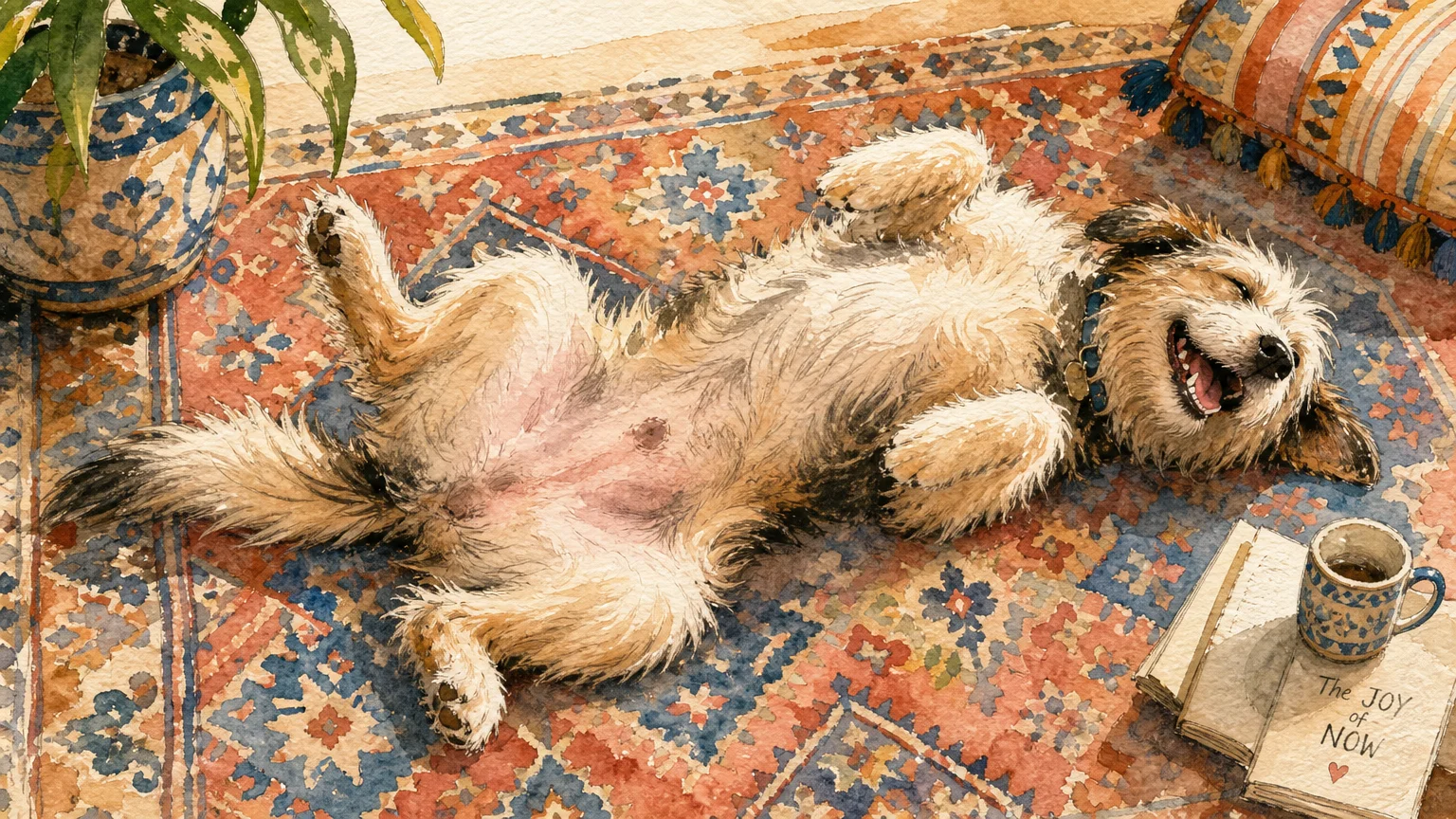
A pet’s body language changes dramatically depending on who enters the room. When you walk through the front door after a long day, observe how your pet’s posture shifts the moment they recognize you.
A dog that sees their favorite person will exhibit a loose, wiggly body. Instead of a stiff, high tail wag—which can indicate high arousal, uncertainty, or anxiety—a dog showing genuine affection will have a relaxed, sweeping tail wag that often involves their entire hindquarters. Their ears will pull back softly, and the muscles around their mouth and eyes will visibly relax.
A cat will raise their tail straight up in the air, often with a slight curve or “question mark” hook at the very tip. This upright tail is a universal feline greeting signal reserved strictly for friends. They may also immediately start purring, kneading their paws rhythmically on the nearest soft surface, and softening their posture.
| Affection Signal | Dog Behavior | Cat Behavior |
|---|---|---|
| Eye Contact | Relaxed, soft mutual gaze | The “slow blink” |
| Tactile Affection | Full-body leaning against your legs | Head bunting and cheek rubbing |
| Greeting Posture | Loose, full-body wiggles | Upright tail with a hooked tip |
| Comfort Seeking | Bringing high-value toys to your lap | Kneading paws (“making biscuits”) |

7. They Mirror Your Daily Routines
Does your pet follow you from the bedroom to the bathroom? Do they wake up exactly when your morning alarm goes off, or settle down for a nap the exact moment you sit down at your home office desk? This shadowing behavior means they are actively syncing their internal schedule to yours.
In the wild, pack and colony animals coordinate their daily activities to maintain group cohesion. By mirroring your routines, your pet is signaling that they consider you the leader of their social group. They want to be involved in whatever activity you are doing, even if that activity is just folding laundry or watching television.
When your pet aligns their sleeping, eating, and resting patterns with yours, they are making a conscious choice to integrate themselves completely into your lifestyle.
Things to Watch Out For
While it feels wonderful to be your pet’s favorite person, misinterpreting animal behavior can lead to accidental stress or behavioral training issues. Keep an eye out for these specific scenarios:
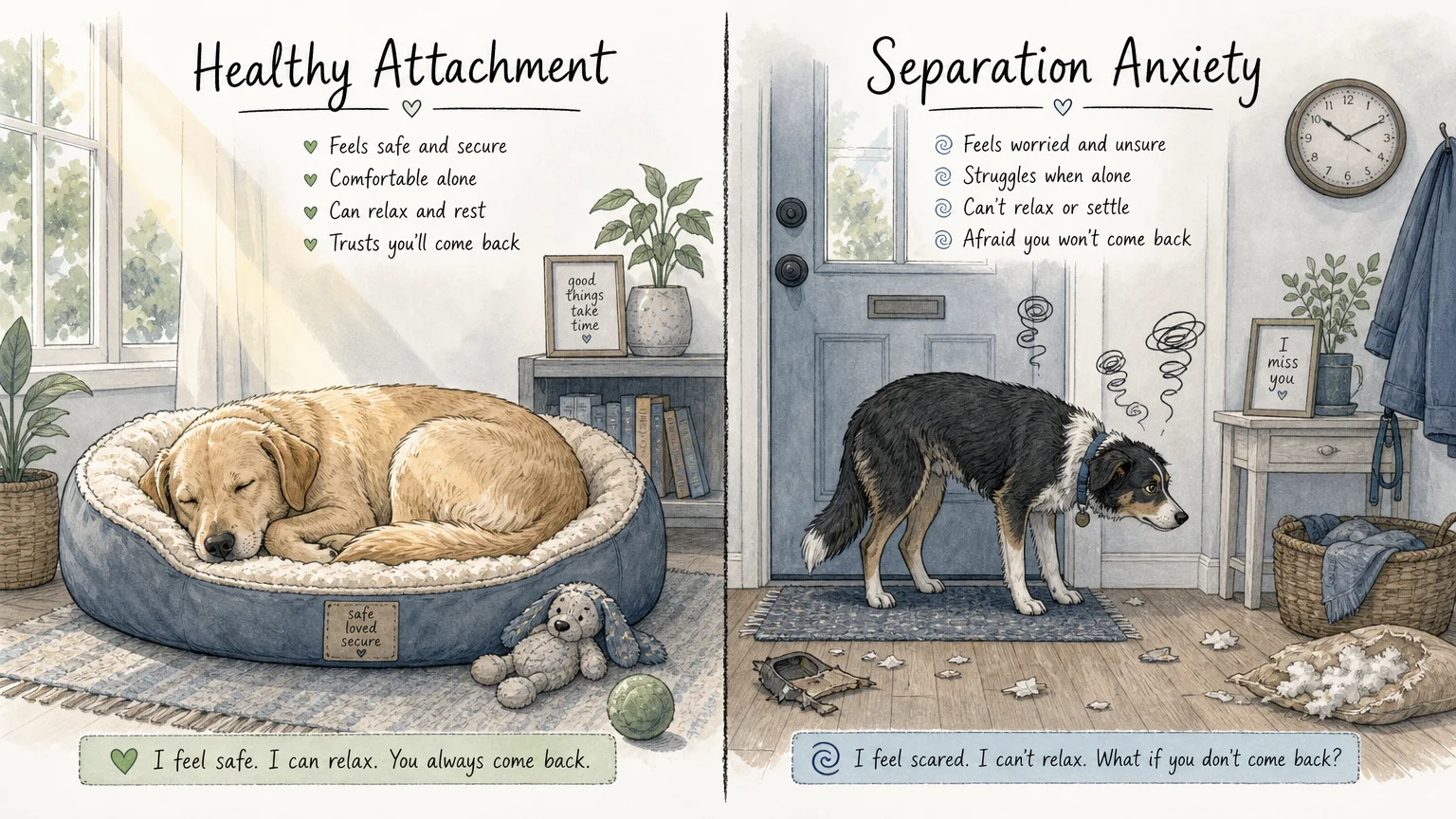
- Mistaking Separation Anxiety for Love: If your pet destroys furniture, vocalizes constantly, or paces frantically when you leave the house, they are not just showing how much they miss you. True separation anxiety is a severe panic response that requires behavioral intervention, not a sign of healthy affection.
- Resource Guarding: If your pet growls, snaps, or lunges at other people or animals when they approach you on the couch, they are resource guarding you. While it stems from viewing you as a high-value asset, it is a dangerous behavioral issue that requires professional training to correct.
- Sudden Clinginess: If a typically independent pet suddenly refuses to leave your side or hides under your bed, they might be masking illness or physical pain. Animals often seek out their favorite humans for comfort when they feel unwell. Always consult your veterinarian if your pet’s behavior changes abruptly.
- Over-Grooming: If your cat or dog insists on licking you obsessively to the point of agitation, it may be a self-soothing behavior triggered by environmental stress rather than simple affection.
Frequently Asked Questions
Can a pet have more than one favorite person?
Absolutely. While pets often have a primary bond with one individual, they can form deep, secure attachments with multiple family members. Each relationship may look slightly different based on who feeds them, who initiates play sessions, and who provides calm, quiet affection.
Do cats bond with humans the same way dogs do?
Despite the outdated stereotype that cats are aloof and independent, research proves they form attachments that are just as strong as those of dogs. They simply express their affection differently, relying more on subtle body language, scent-marking, and physical proximity rather than overt, energetic enthusiasm.
Can you change who a pet’s favorite person is?
Yes. A pet’s preference is largely based on positive associations and predictable routines. If a family member wants to strengthen their bond with a pet, they should take over high-value activities. This includes feeding meals, initiating positive play sessions, and providing consistent, gentle training without forcing physical interaction.
Understanding the subtle ways your pet communicates their love can transform how you interact with them every single day. Whether it is a soft gaze across the living room, a slow blink from the top of a cat tree, or a heavy lean against your legs, these small moments are their way of telling you that you are their entire world. Keep speaking their language, and that bond will only continue to grow.
This article provides general information only. Every reader’s situation is different—what works for others may not be the right fit for you. For personalized guidance on health, legal, or financial matters, consult a qualified professional.
Last updated: May 2026. Rules, prices, and details change—verify current information with official sources before acting on it.