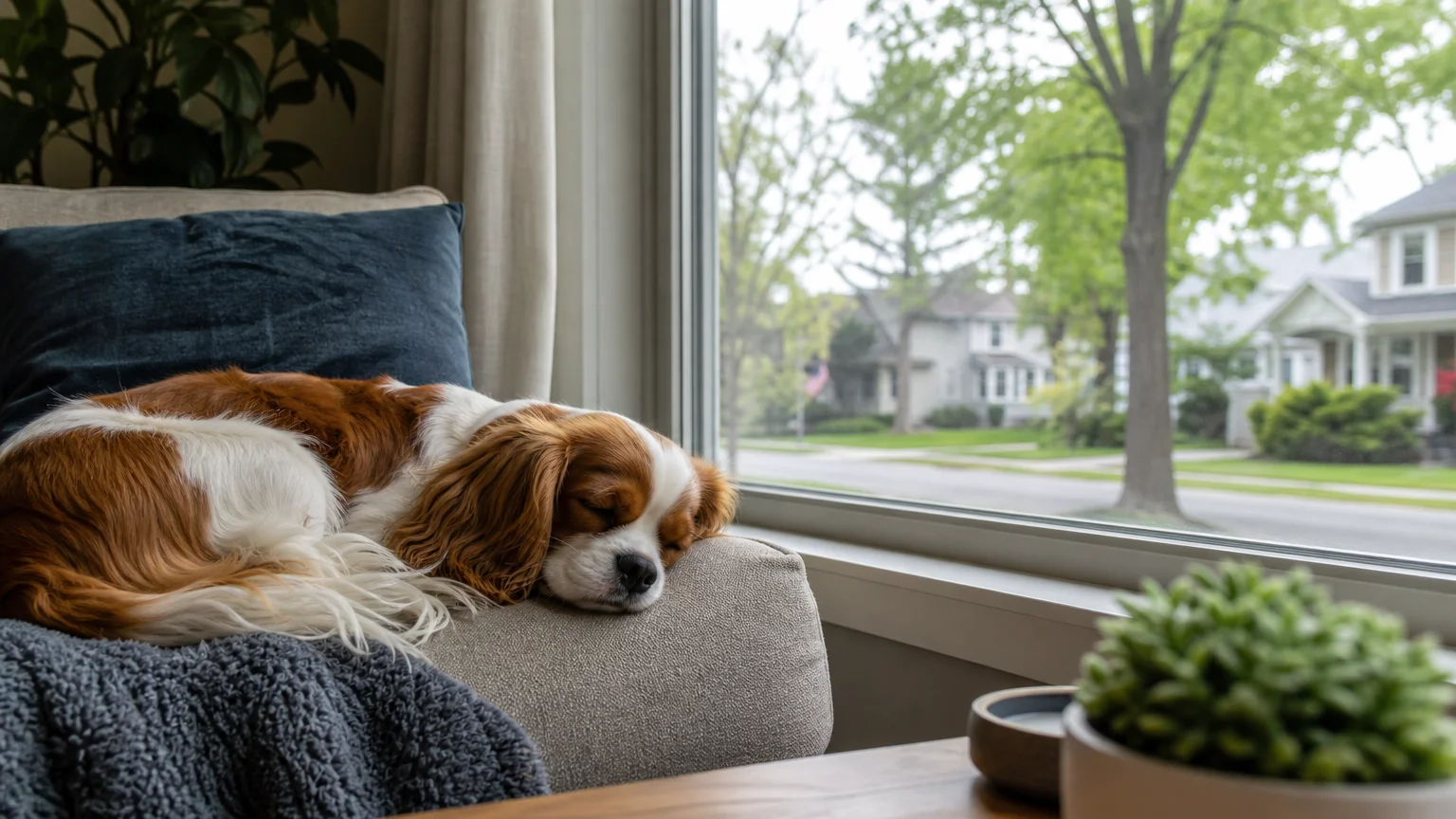
When your pet stares into your eyes or presses their head against your knee, they are doing much more than asking for food—they are engaging in complex, biologically driven bonding behaviors that mirror human family connections. Scientific research into animal cognition reveals that the chemical and neurological reactions happening inside your dog or cat closely resemble the attachment formed between human parents and children. We now have concrete data showing that domestic animals genuinely view us as their core social group. By paying attention to specific body language cues, you can better understand exactly how your animal communicates trust, comfort, and deep affection within your household.
At a Glance
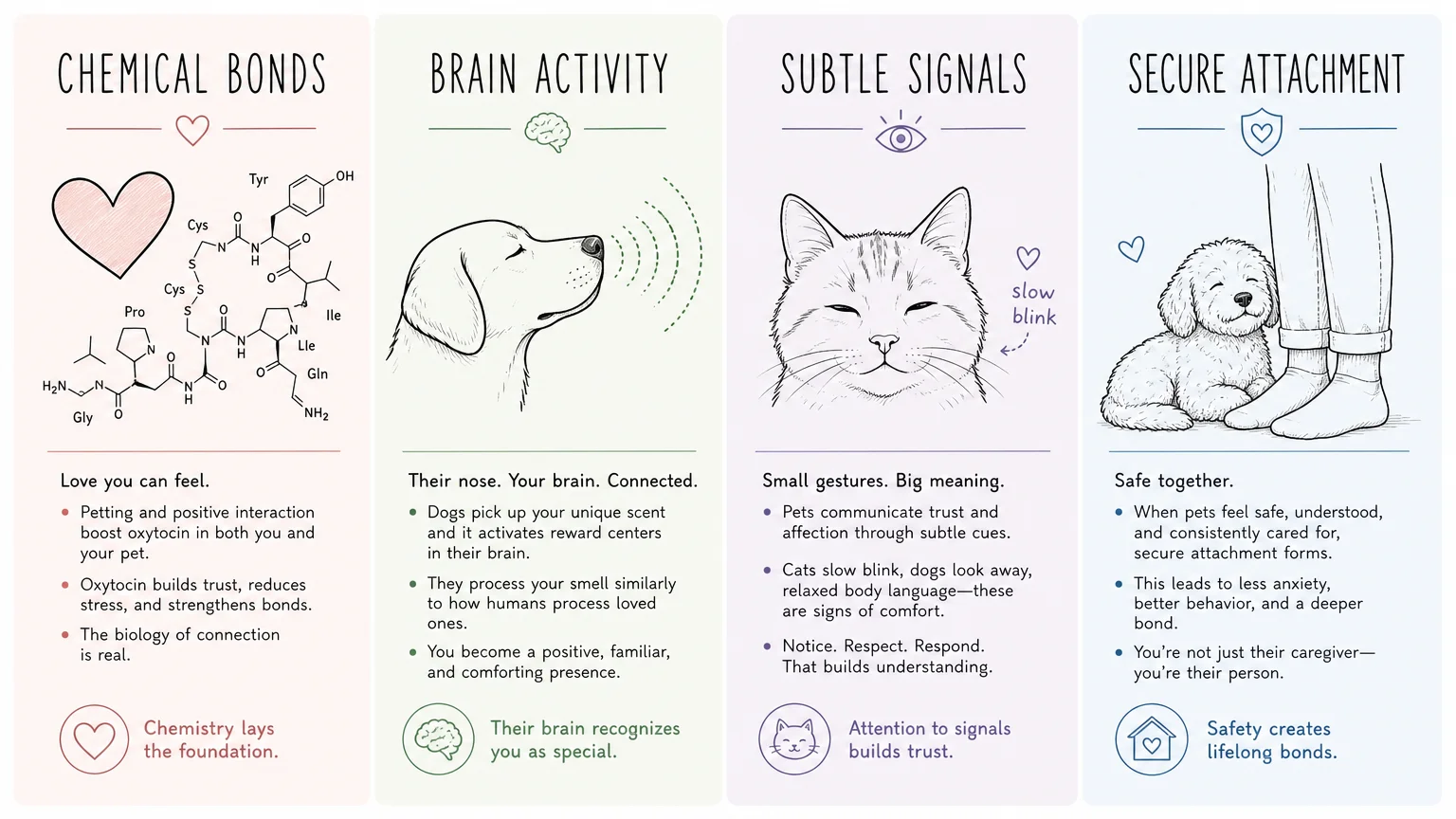
- Chemical bonds: Mutual gazing actively releases oxytocin in both you and your pet.
- Brain activity: Neurological scans prove dogs prioritize their owner’s scent above all other smells.
- Subtle signals: Cats use specific facial expressions, like the slow blink, to communicate deep trust.
- Secure attachment: True family bonding means your pet uses you as a base of safety in stressful environments.
The Bigger Picture of Multispecies Families
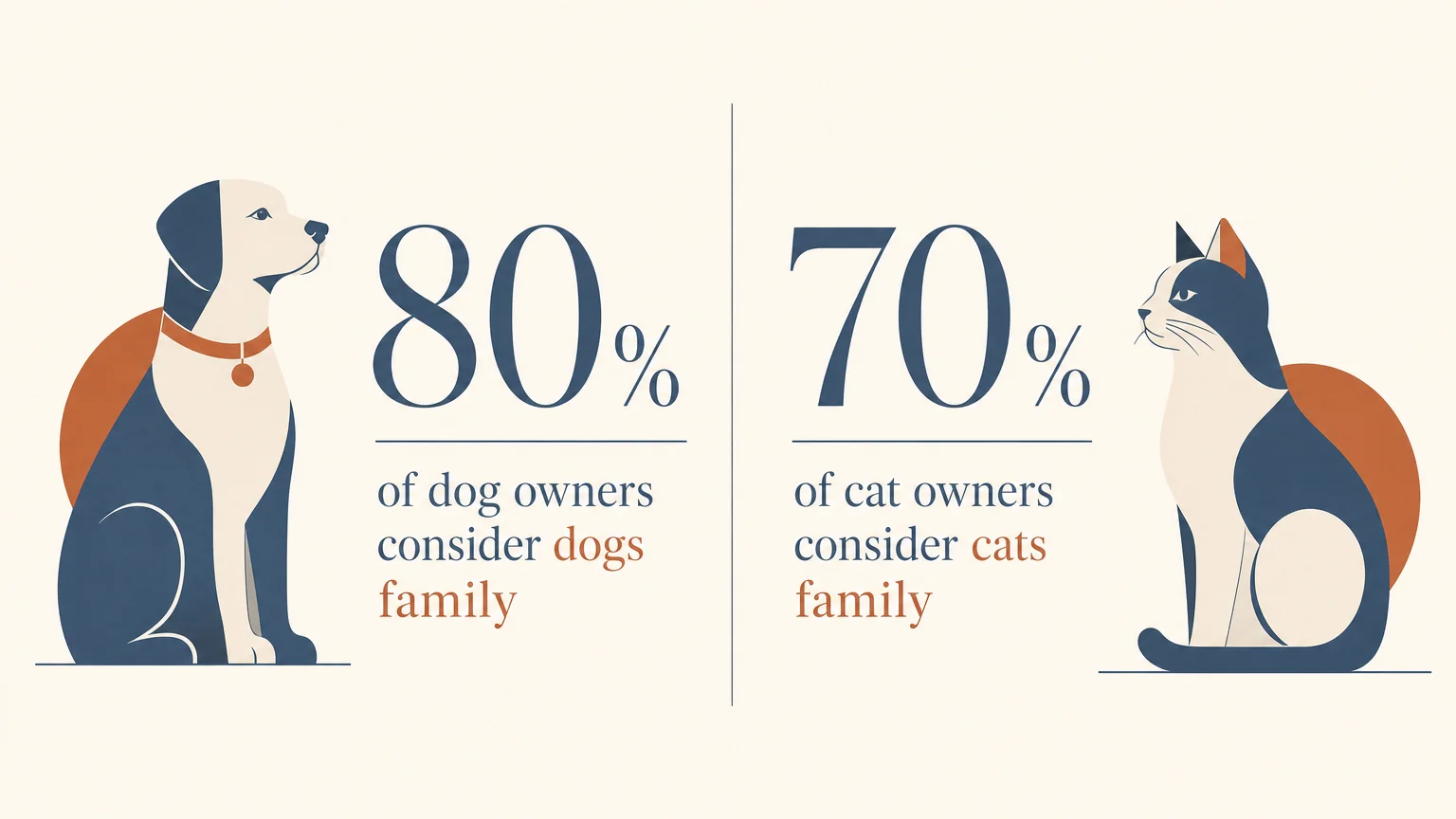
If you view your pet as a member of your family, the data shows you are in the overwhelming majority. According to the American Veterinary Medical Association 2025 Pet Ownership and Demographics Sourcebook, nearly 80 percent of dog owners and over 70 percent of cat owners officially consider their companion animals to be family members. Our legal and cultural definitions of family have evolved to include the animals that share our homes.
But for a long time, skeptics argued that the affection was entirely one-sided. Critics suggested that animals only manipulated humans for food, shelter, and survival. Today, advanced research in veterinary behavior and neuroscience has completely dismantled that theory. Your pet is not just a biological roommate waiting for their next meal. Their brains and nervous systems are wired to form genuine social attachments with humans.
1. They Lock Eyes to Trigger the “Love Hormone”
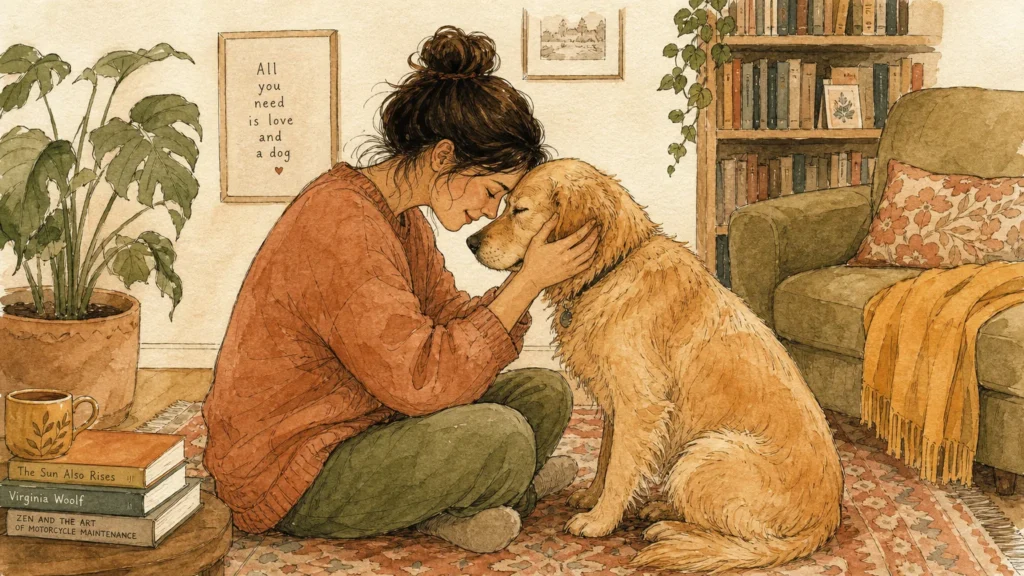
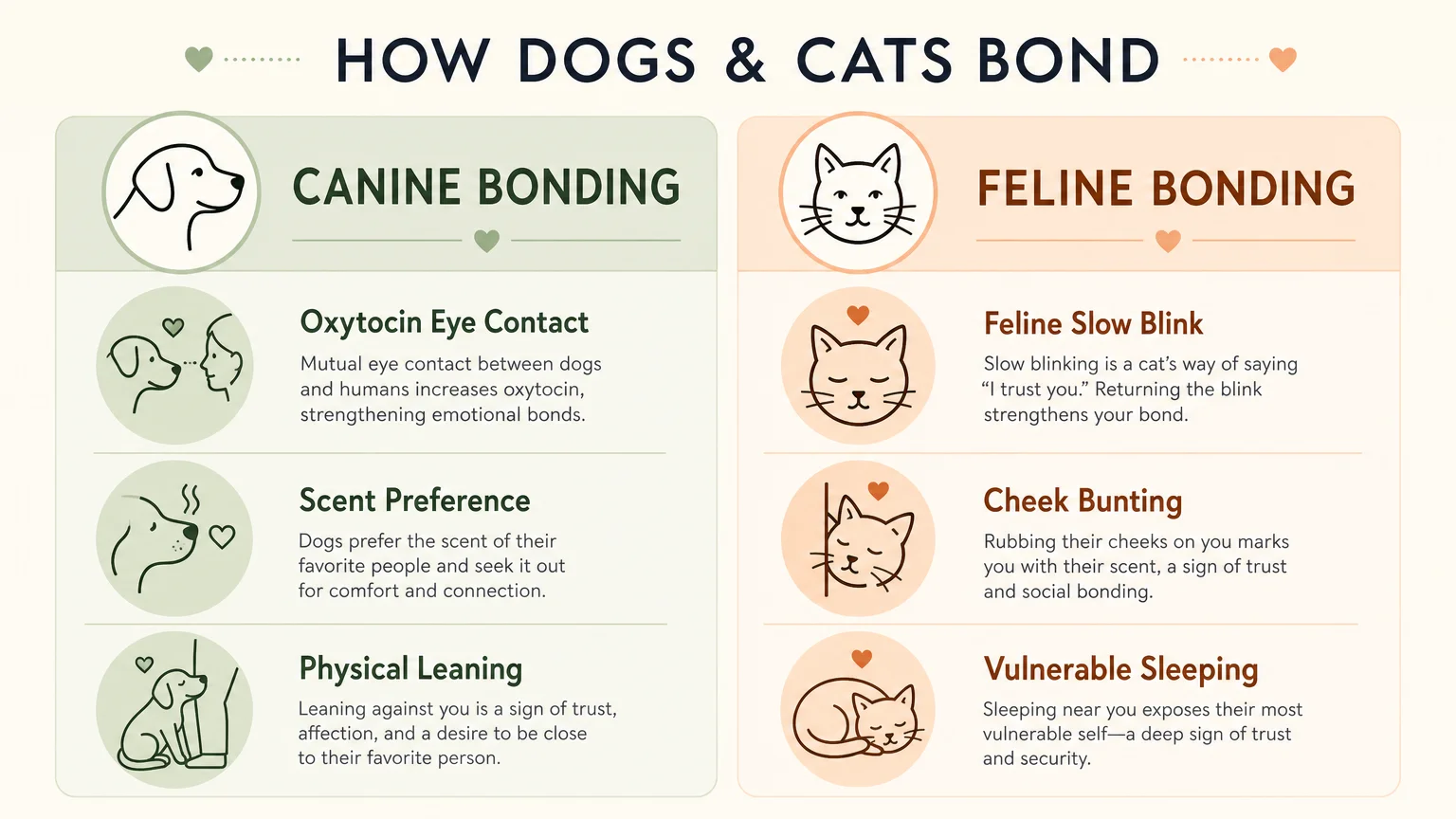
In the animal kingdom, direct eye contact is usually a threat. A hard, unblinking stare between two wild canines is a challenge that often precedes a fight. But over thousands of years of domestication, dogs have hacked the human communication system to use eye contact as a tool for intense emotional bonding.
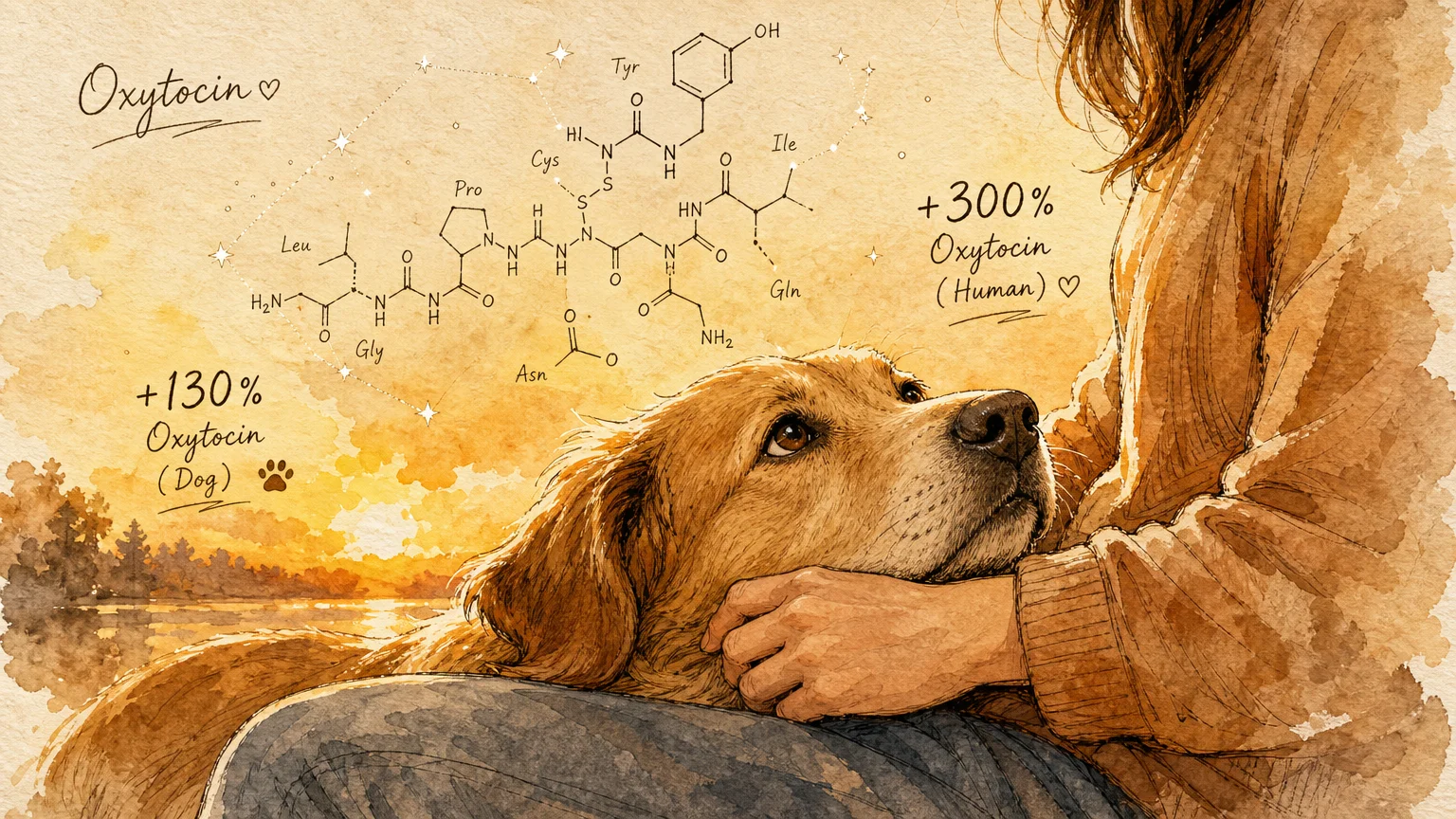
A landmark study conducted by animal behaviorist Dr. Takefumi Kikusui and published in the journal Science revealed that when dogs and their owners share a soft, mutual gaze, both experience a massive spike in oxytocin. Oxytocin is the exact same hormone responsible for building trust and reinforcing the bond between a human mother and her newborn infant. The researchers found that after a session of mutual gazing, the dogs’ oxytocin levels rose by 130 percent, while the owners’ levels skyrocketed by 300 percent.
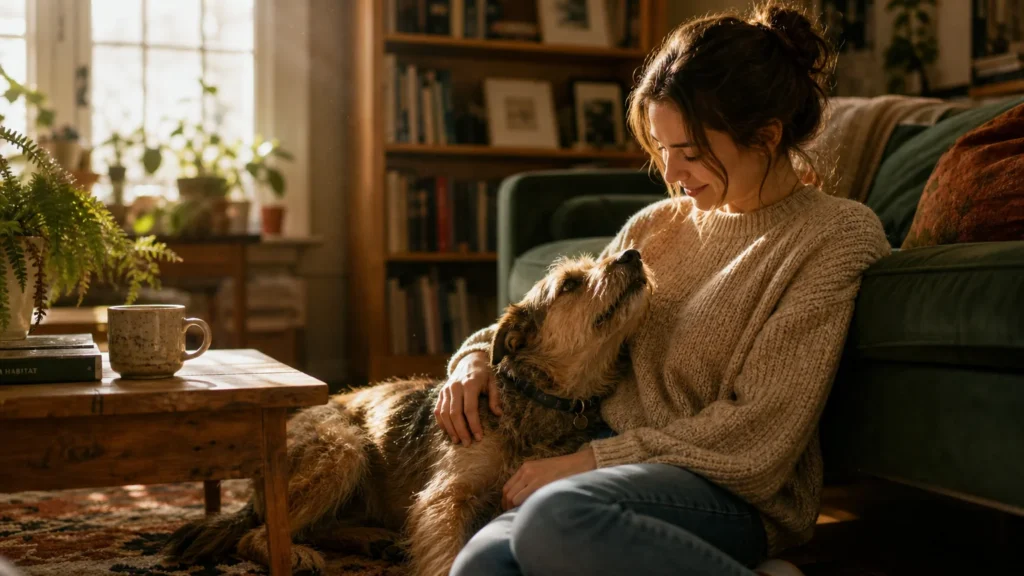
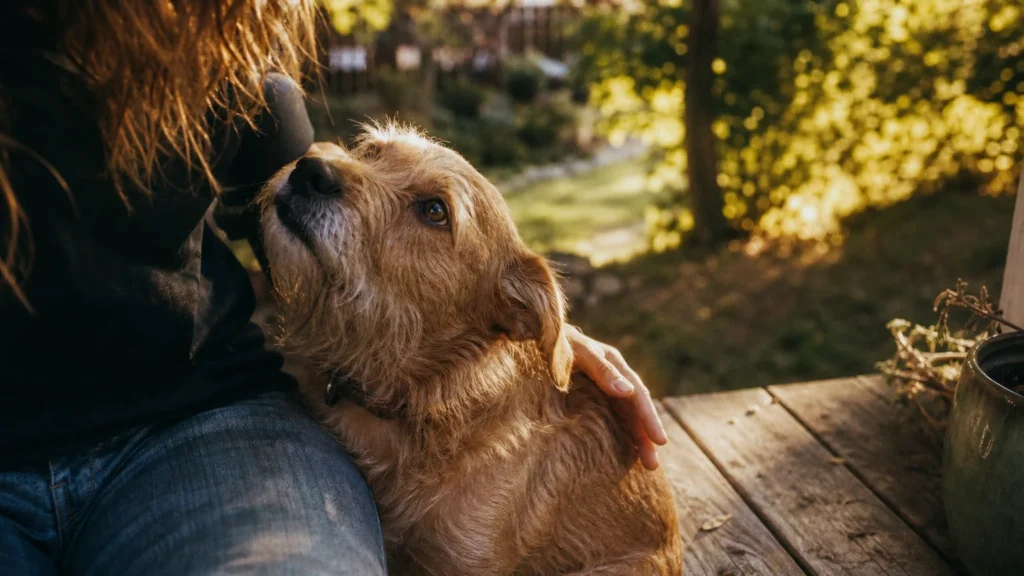
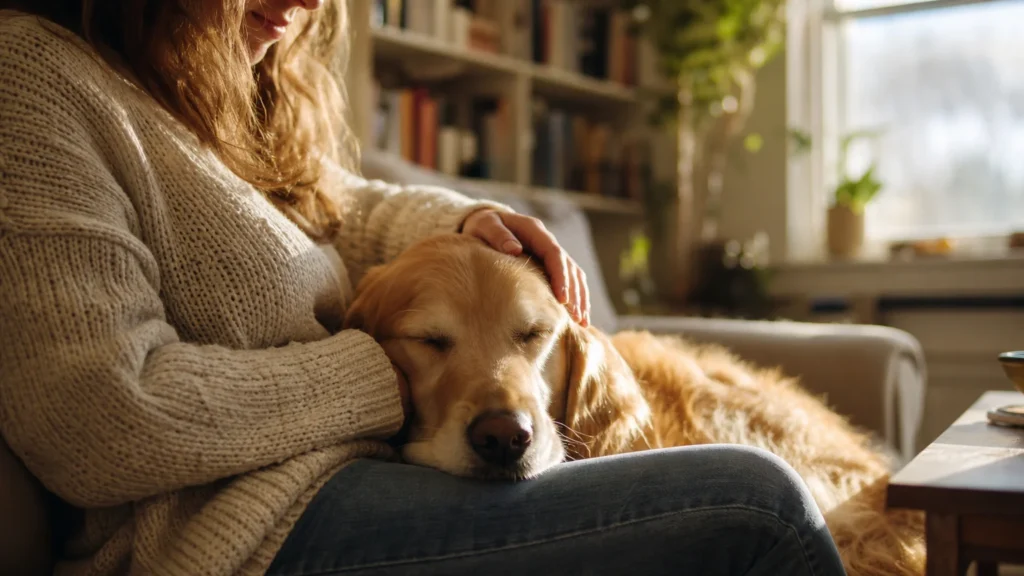
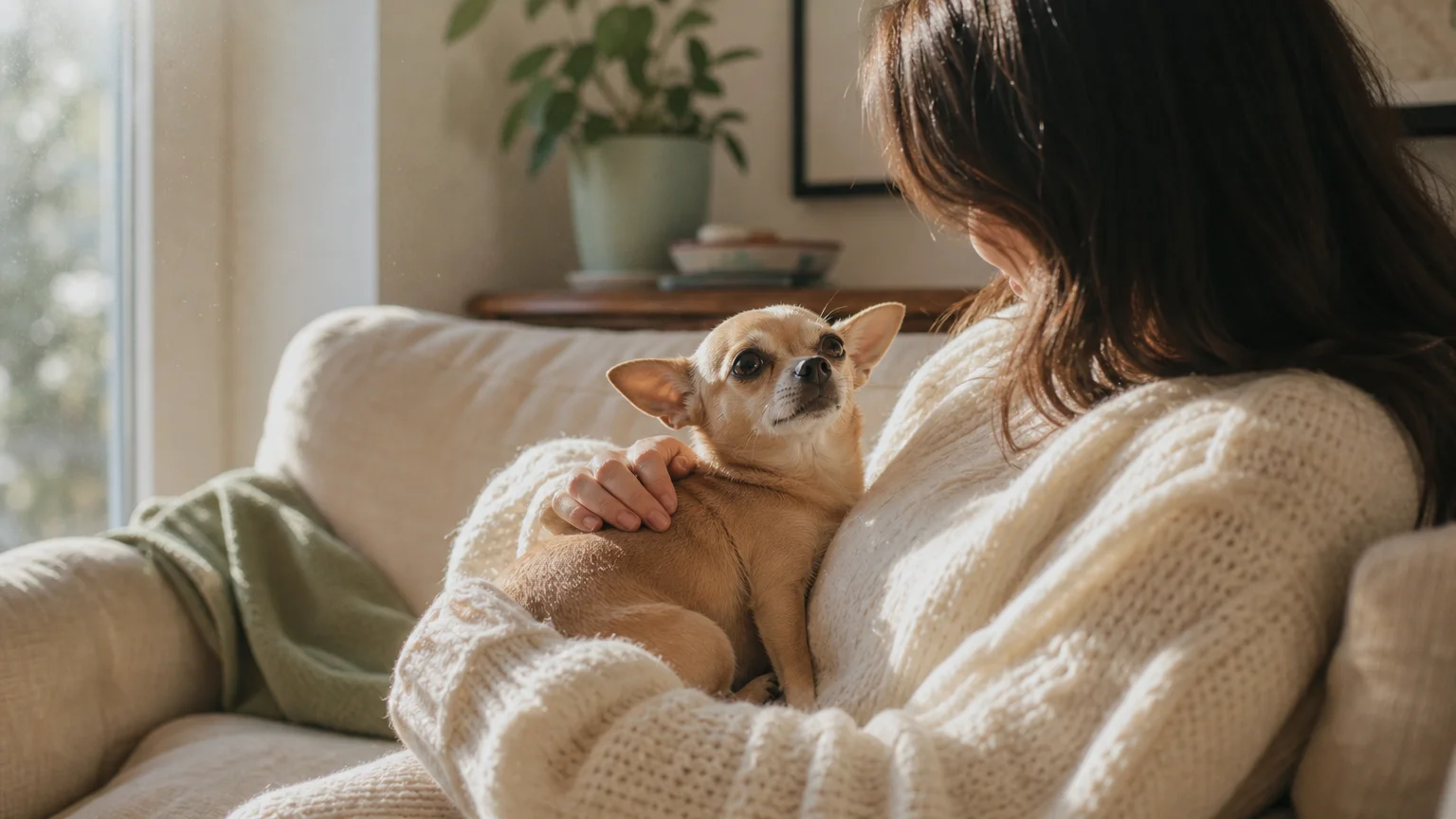
When your dog rests their chin on your lap and stares softly up at you, they are actively participating in a positive chemical feedback loop. They are literally feeling love. To encourage this, never force your dog to stare at you; simply hold their gaze softly when they offer it, perhaps while gently stroking their chest.
2. They Offer You the Feline “Slow Blink”
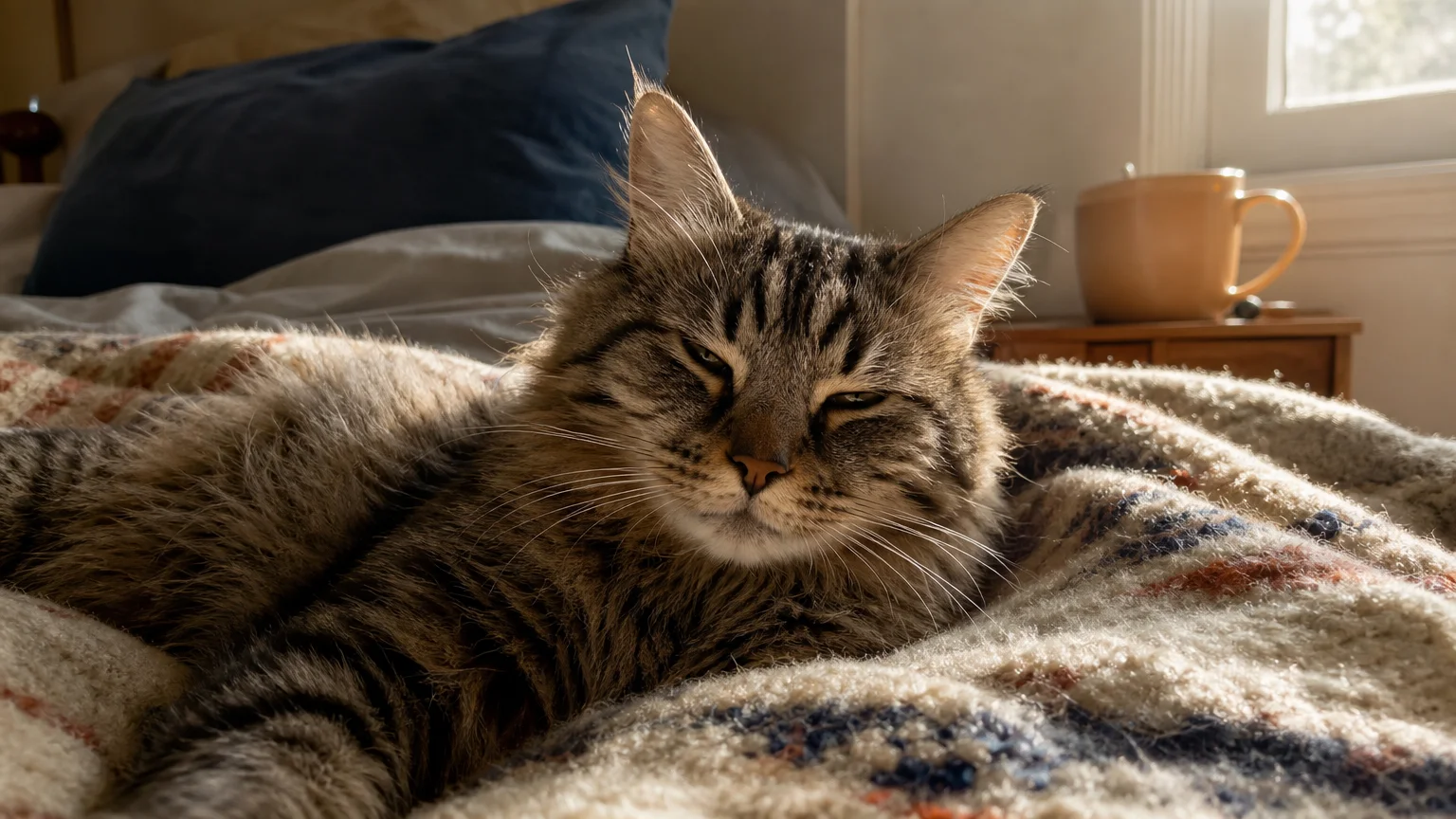
Cats have a reputation for being aloof, but their affection is often just more subtle than a dog’s. Because cats are both predators and prey in the wild, they are cautious about letting their guard down. Closing their eyes in the presence of another creature is an ultimate display of vulnerability and trust.
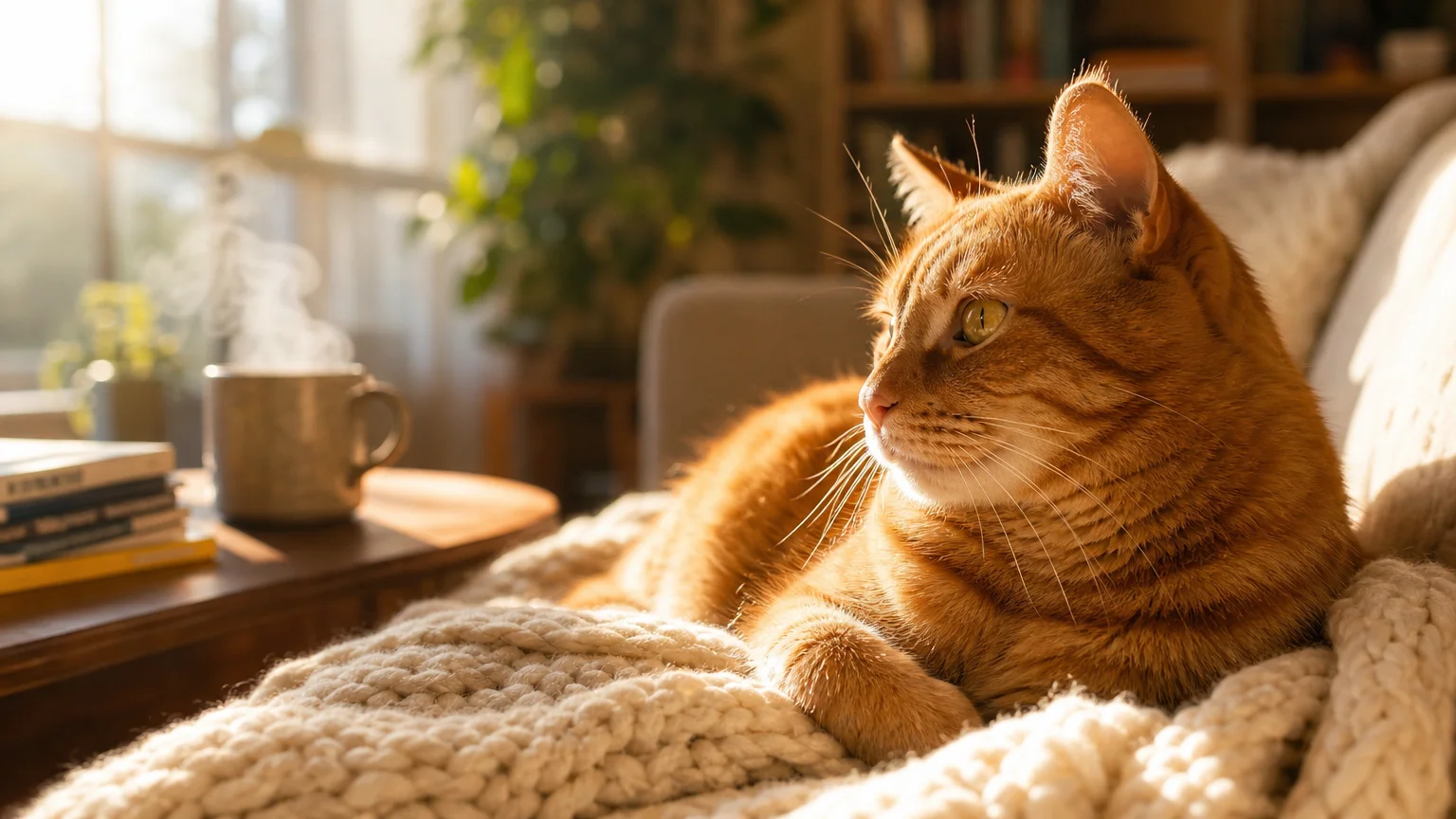
If your cat looks at you, half-closes their eyes, and slowly blinks before looking away or fully closing their eyes, they are giving you the feline equivalent of a warm smile. A 2020 study led by researchers at the University of Sussex, published in Scientific Reports, demonstrated that cats are much more likely to slow-blink at their owners after their owners have initiated a slow blink toward them.
“It’s a great way of enhancing the bond you have with cats. It is something you can try yourself with your own cat at home, or with cats you meet in the street. Try narrowing your eyes at them as you would in a relaxed smile, followed by closing your eyes for a couple of seconds. You’ll find they respond in the same way themselves and you can start a sort of conversation.” — Professor Karen McComb, Animal Behaviorist, University of Sussex
You can use this actionable insight tonight: next time your cat is resting across the room, make gentle eye contact, slowly close your eyes for two seconds, and open them. Watch for the return blink. It is a quiet, profound way to validate your family connection.
3. Their Brain Lights Up at Your Scent
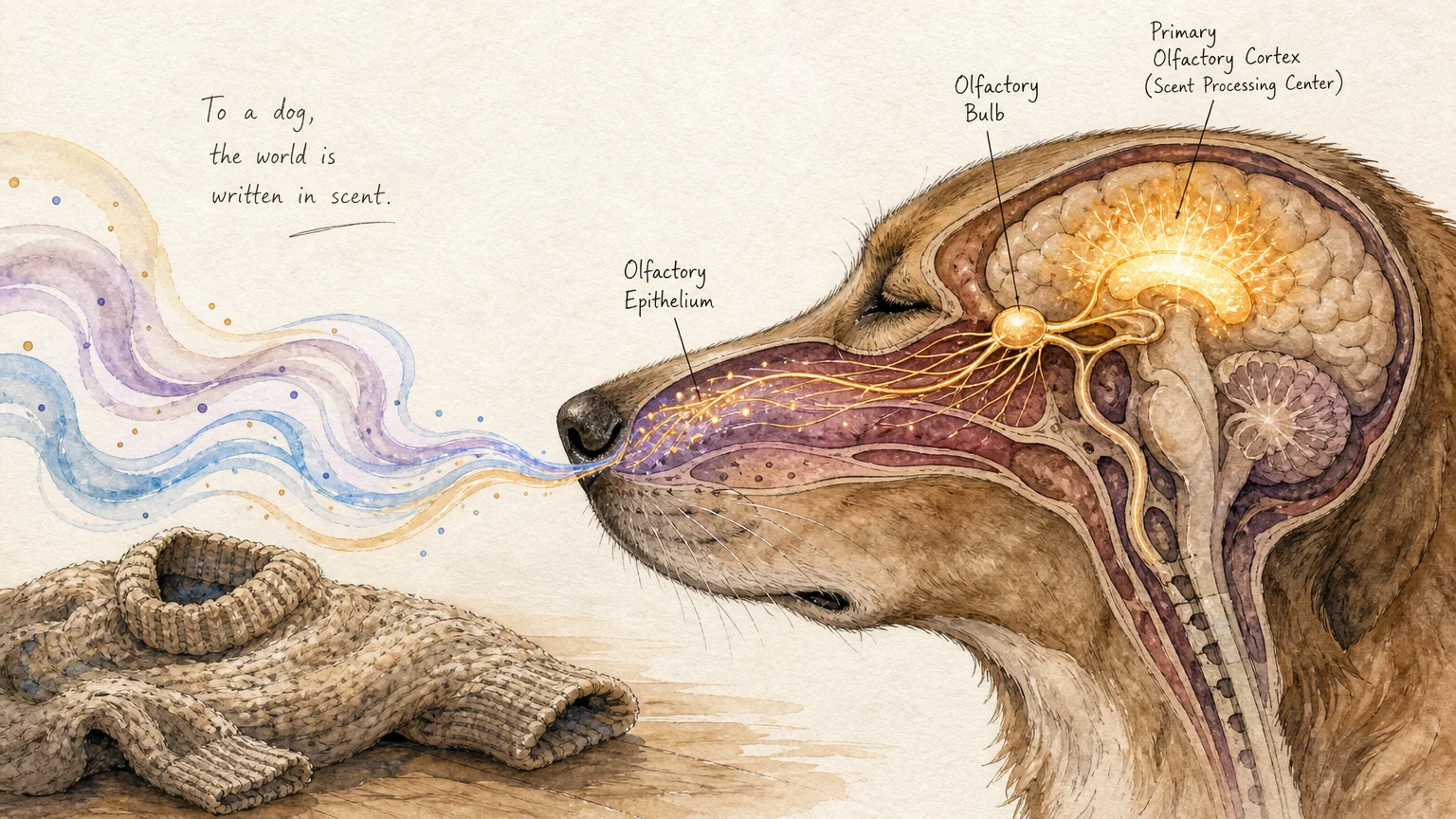
You probably know that your dog’s sense of smell is incredibly powerful, but you might not realize how heavily their brain prioritizes your specific scent over everything else in the world.
Neuroscientist Dr. Gregory Berns at Emory University spent years training dogs to willingly enter an fMRI machine and sit perfectly still while awake, allowing researchers to scan their brains in real-time. In a study published in Behavioural Processes, the dogs were presented with various scents on gauze pads: familiar humans, strange humans, familiar dogs, strange dogs, and their own scent.
The brain scans showed that the caudate nucleus—the region of the brain associated with positive expectations, reward, and love—activated maximally only when the dog smelled their familiar human. The scent of a strange dog or even a familiar dog did not trigger the same intense neurological reward. This proves that dogs hold a mental representation of you even when you are not in the room, and the mere smell of you brings them joy. This is precisely why a dog will drag your dirty socks to their bed or sleep on your worn t-shirt while you are away at work.
4. They Use You as a Secure Base in New Environments
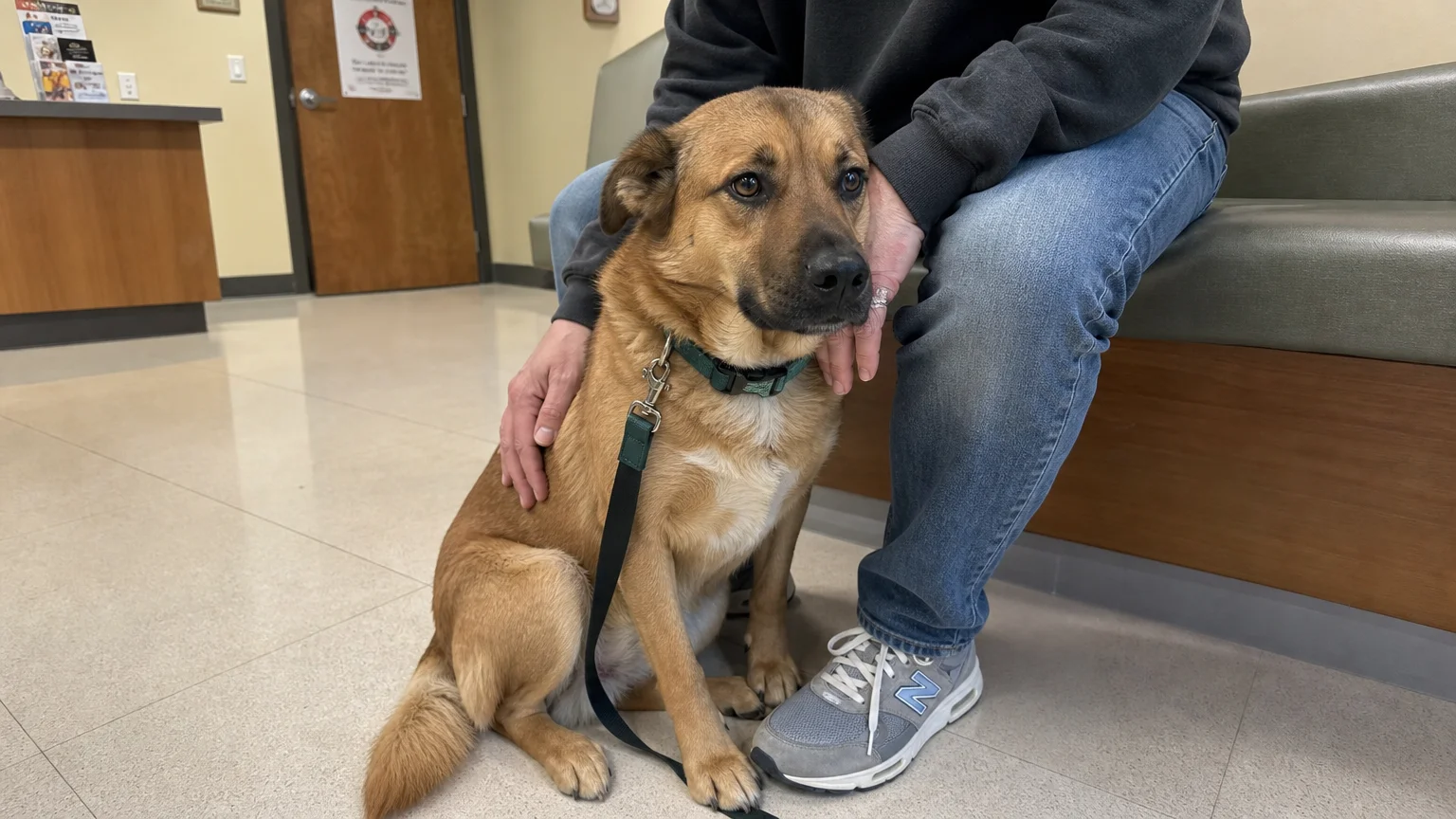
In human psychology, the “Strange Situation” test is used to measure the security of attachment between a toddler and their parent. When placed in an unfamiliar room, a securely attached child will use their parent as a home base—venturing out to play with toys, but continually glancing back or returning to the parent for reassurance.
Canine researchers modified this exact test for dogs and found identical results. When a bonded dog enters a veterinary clinic, a new park, or a friend’s house, they will explore the environment while keeping a visual check on you. If a startling noise occurs, their first instinct is to retreat behind your legs or look up at your face to gauge your reaction. This behavior demonstrates that they view you as their primary protector and the leader of their family unit. They trust your judgment of the environment over their own.
5. They Lean, Bunt, and Share Pheromones
Physical touch means different things to different species, but deliberate, sustained contact is a universal sign of familial bonding.
For dogs, this often takes the form of “the lean.” When a dog comes up to you and leans their entire body weight against your shins or drops their heavy head onto your foot, they are expressing deep trust. In the animal world, physically committing your balance to another creature requires total faith that they will not harm you. It also allows the dog to face outward toward the room, guarding the family while maintaining physical contact with you.
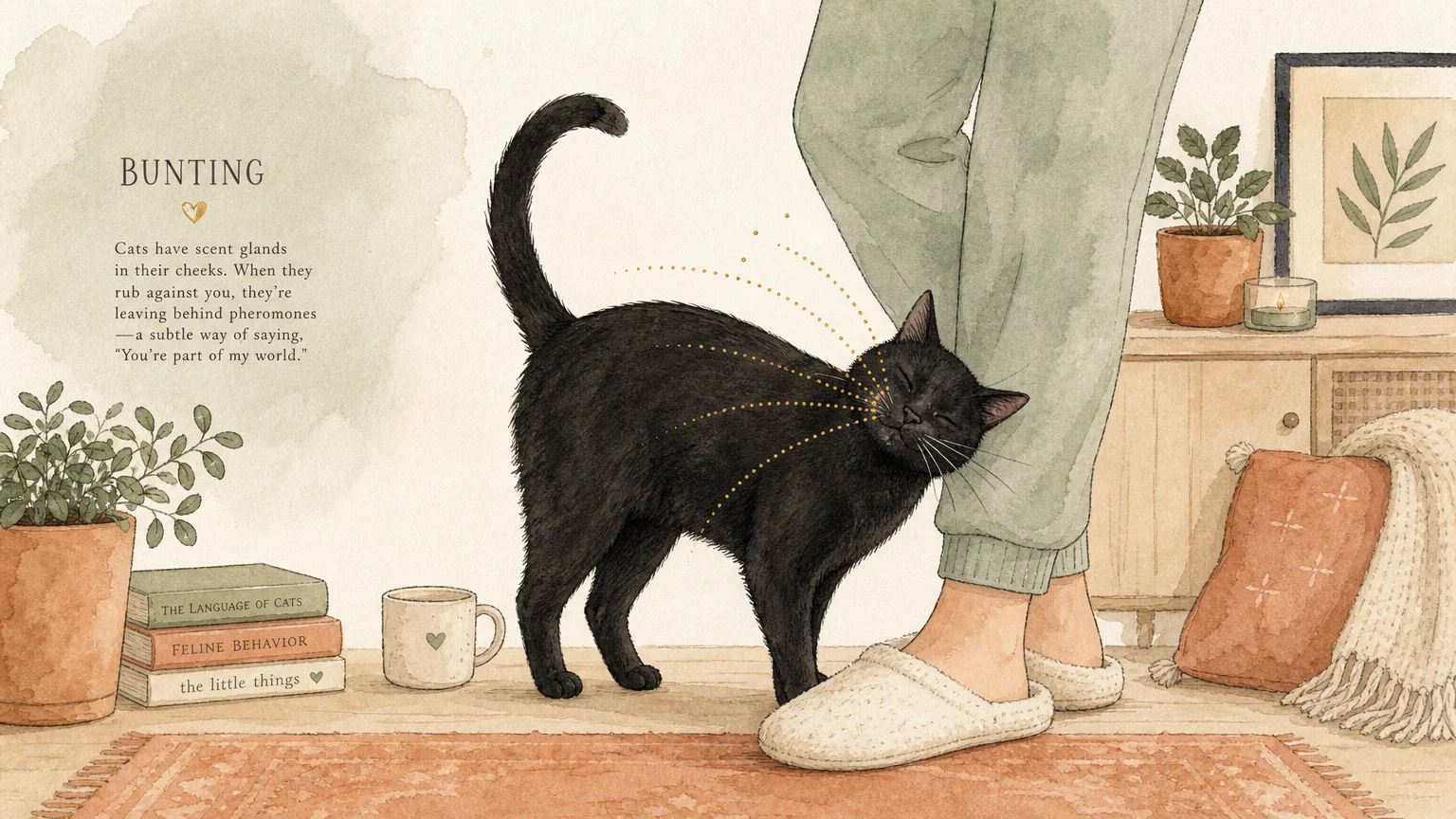
Cats engage in a behavior known as bunting. They possess scent glands on their cheeks, chin, and the base of their ears. When your cat aggressively rubs their face against your jaw, your hands, or your shins, they are not just asking for scratches. They are depositing their unique pheromones onto you, physically marking you as a member of their in-group. In a multi-cat household, cats that belong to the same family unit will rub against each other to create a communal scent. When they do it to you, they are wrapping you in their olfactory family blanket.
6. They Sleep in Vulnerable Positions Near You
Sleep is the most vulnerable state an animal can enter. In the wild, animals seek out hidden, defensible dens to protect themselves from predators while unconscious.
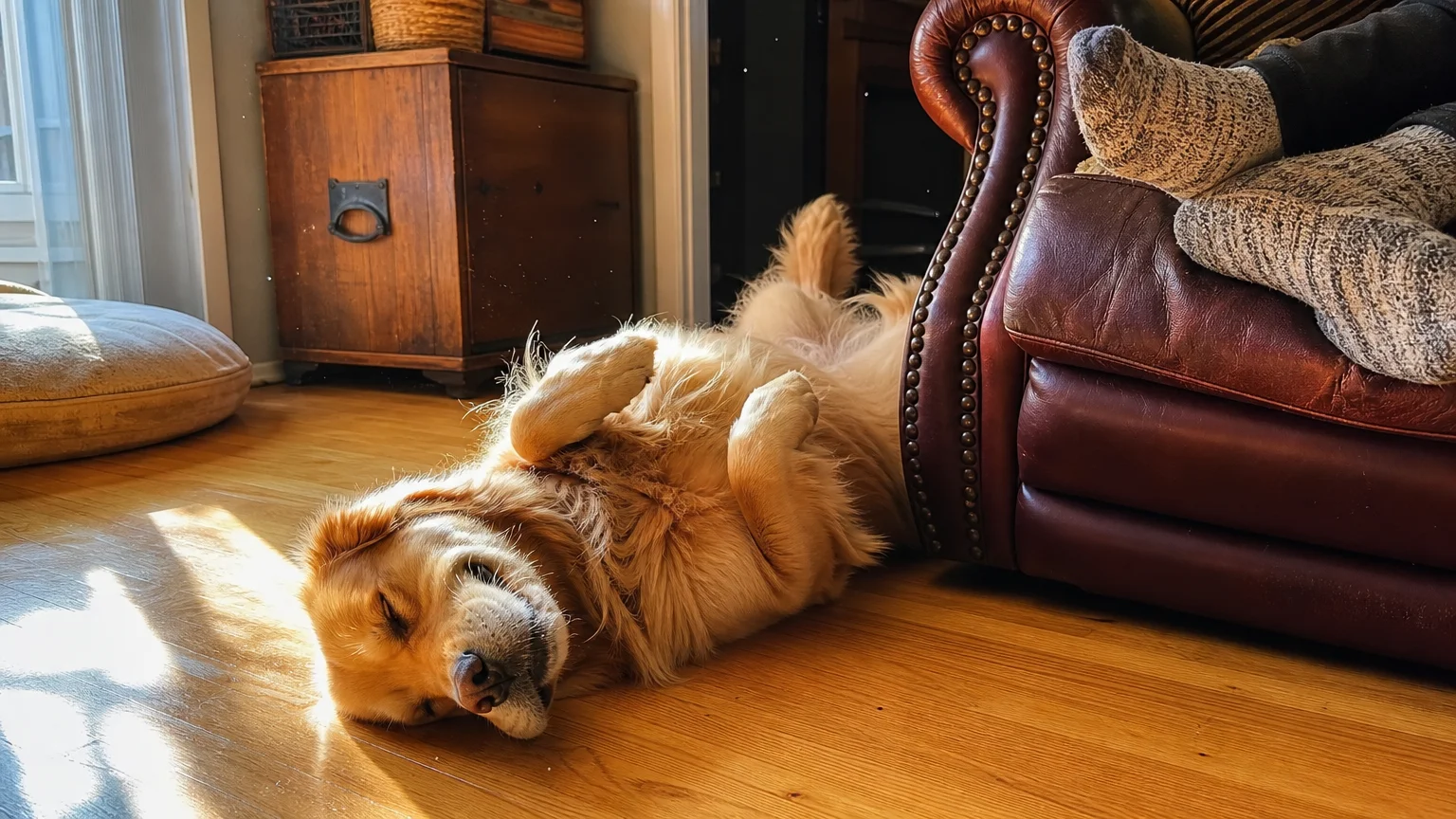
If your pet chooses to sleep in the same room as you, they consider you part of their safe zone. But the ultimate sign of family trust is their physical posture while sleeping. A dog sleeping on their back with their legs splayed in the air, completely exposing their soft underbelly and vital organs, feels zero threat in their environment.
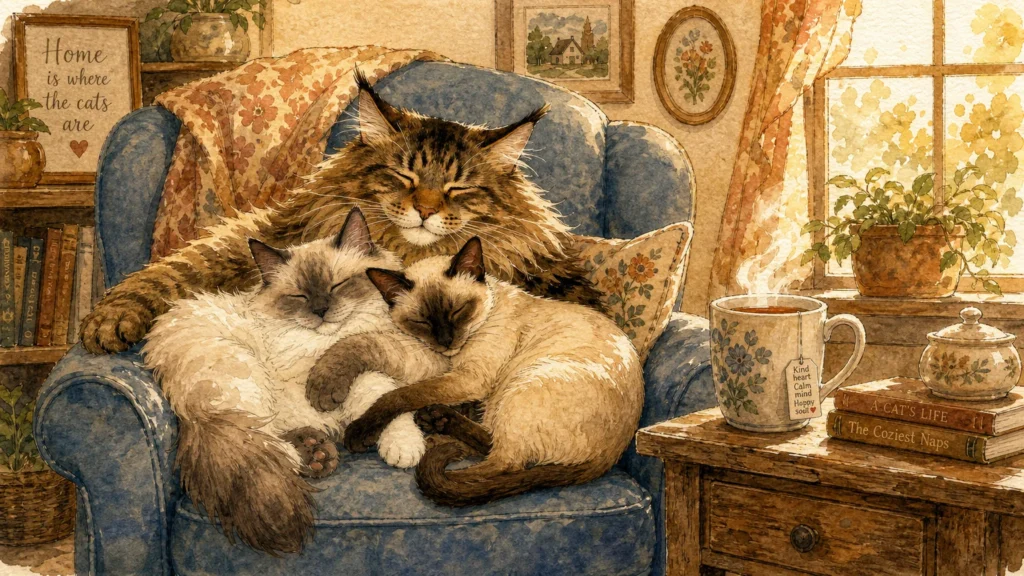
Similarly, if a cat sleeps curled up at your feet or pressed against your back, they are choosing proximity to you over an isolated hiding spot. They are essentially delegating the job of keeping watch to you, fully confident that you will keep the “pack” safe while they rest.
7. They Share High-Value Resources With You
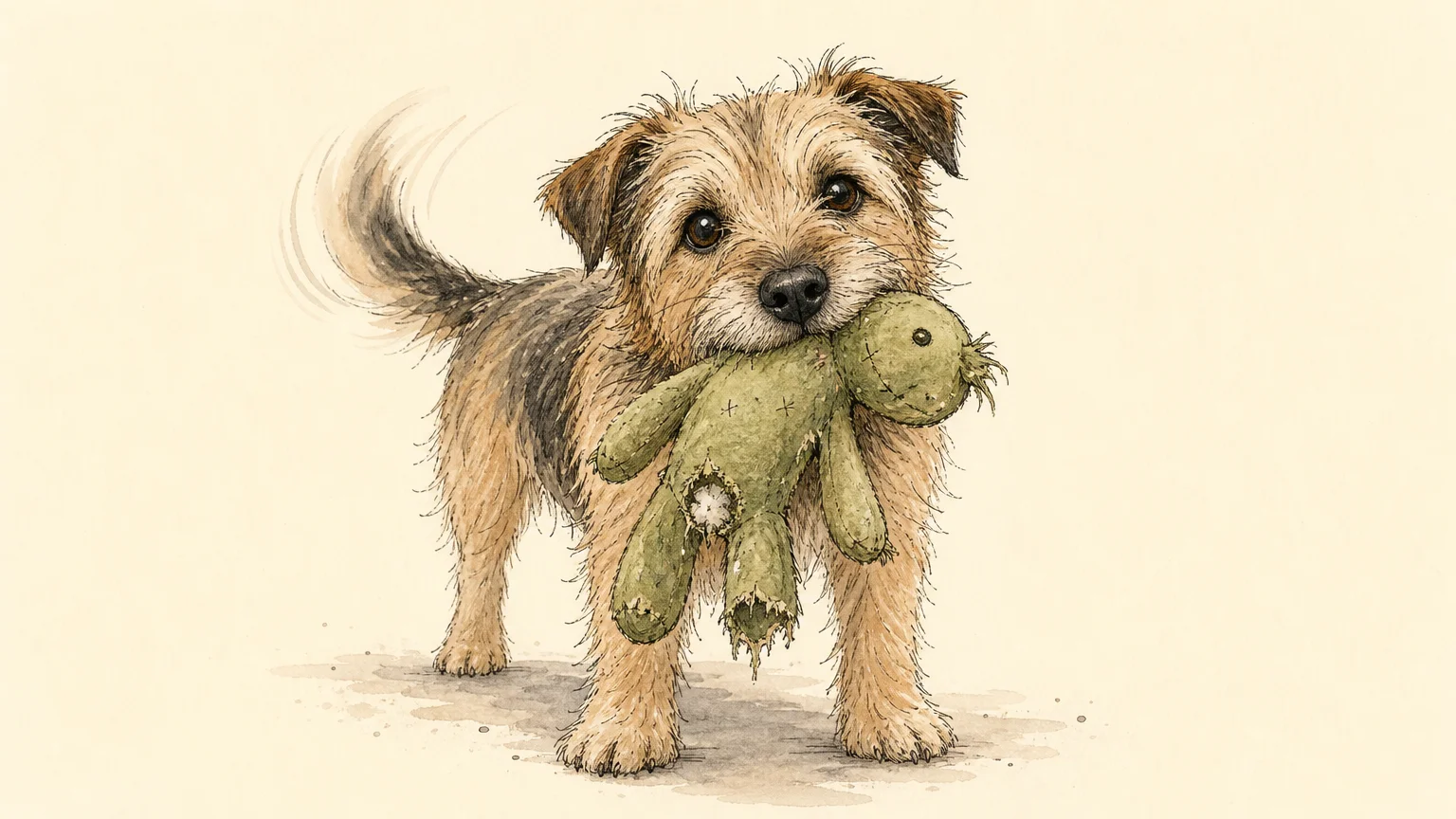
Many pet owners are familiar with the experience of a dog dropping a soggy tennis ball in their lap or a cat leaving a toy mouse on their pillow. While it is easy to dismiss this as a simple demand for playtime, the underlying psychology is deeply rooted in family dynamics.
In nature, solitary animals do not share high-value resources. A feral cat does not hand over its catch to a stranger. When your pet brings you a toy, a bone, or a found object, they are presenting you with something they consider highly valuable. Resource sharing is the bedrock of pack survival. By bringing their prized possessions to you, they are acknowledging you as a central figure in their cooperative social group.
How Dogs and Cats Show Family Bonding Differently
While the underlying chemistry of love is similar across domestic species, the physical expression differs greatly based on their evolutionary history. Understanding these differences prevents miscommunication between you and your pet.
| Behavioral Cue | How Dogs Express It | How Cats Express It |
|---|---|---|
| Greeting Rituals | High energy displays; full-body tail wags, vocalizing, jumping, and retrieving objects to bring to you. | Calm approaches; an upright tail with a slight hook at the tip, soft trilling, and weaving between your legs. |
| Scent Sharing | Seeking out objects that smell heavily of you (shoes, unwashed laundry, pillows) to rest upon. | Bunting; actively rubbing their facial scent glands against your skin to layer their pheromones onto you. |
| Visual Contact | Sustained, soft mutual gazing that triggers oxytocin release in both human and canine brains. | The slow blink sequence; half-closing the eyes to signal a complete absence of threat and deep comfort. |
| Physical Proximity | Leaning their heavy body weight against your legs; resting their chin on your lap or feet. | Sleeping nearby (such as at the foot of the bed or the back of your chair) rather than demanding direct full-body contact. |
Worth Keeping in Mind
While looking for these signs of affection, it is crucial to interpret your pet’s behavior through an animal’s lens, not a human one. Misinterpreting body language can inadvertently cause your pet stress.
- The Pitfall of Hugging: Humans show deep affection by wrapping our arms around each other. For most dogs, having arms wrapped tightly around their neck feels restrictive and threatening. If your dog licks their lips, yawns, or shows the whites of their eyes (whale eye) when you hug them, they are enduring the hug out of love for you, but they do not enjoy it. Stick to chest scratches and gentle leaning.
- Feline Overstimulation: Cats have incredibly sensitive hair follicles. A cat may jump into your lap seeking affection, purr loudly while you pet them, and suddenly bite your hand a minute later. This is not a rejection of your bond; it is simply sensory overload. They still view you as family, but they require strict physical boundaries.
- Breed Personalities Vary: Not all bonded pets are physically clingy. A livestock guardian dog breed (like a Great Pyrenees) might show family loyalty by sleeping alone by the front door, facing outward to protect the house. Their independence is not a lack of love; it is their genetic way of contributing to the family’s safety.
When to Get Professional Help
Sometimes, behaviors that look like deep affection are actually signs of severe anxiety or behavioral issues that require intervention from a certified animal behaviorist or veterinarian.
- Resource Guarding of the Owner: If your dog rests their head on your lap but growls or snaps when your spouse, child, or another pet approaches you, they are not just showing love. They are resource guarding you as a high-value asset. This is a dangerous behavioral issue that requires professional counter-conditioning.
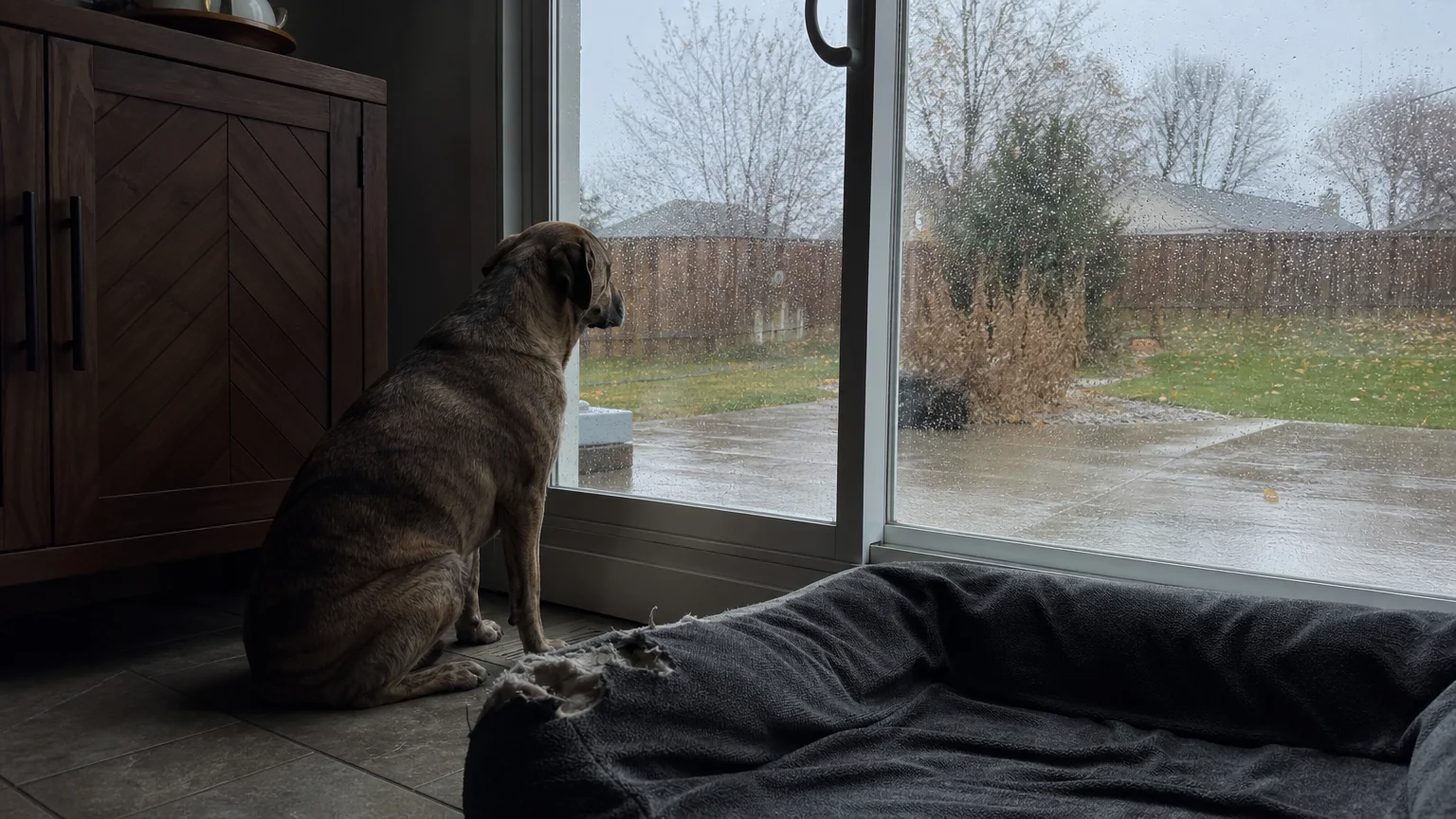
- Severe Separation Anxiety: A pet that follows you from room to room might seem incredibly loyal. However, if that behavior escalates to destroying furniture, chewing on the doorframes, vocalizing for hours, or self-mutilating when you leave the house, they are suffering from panic, not affection. Consult a veterinarian about anxiety management protocols.
- Sudden Behavioral Shifts: If a normally cuddly, bonded pet suddenly starts hiding under the bed, avoiding eye contact, or acting aggressively when you try to initiate your normal greeting routines, schedule a veterinary exam immediately. Animals instinctively hide when they are in physical pain to avoid showing vulnerability.
Frequently Asked Questions
Do pets understand when we talk to them?
Yes, significantly more than we previously thought. Brain imaging shows that dogs process language much like humans do, using the left hemisphere of their brain to process the meaning of words and the right hemisphere to process intonation and emotion. They know when you are genuinely praising them.
Can a pet bond with more than one person?
Absolutely. While many animals, especially cats and certain dog breeds, may choose a “primary” person they feel most securely attached to, they view the entire household as their core social unit. They will display different bonding behaviors with different family members based on who feeds them, who plays with them, and who provides calm resting time.
Why does my pet ignore me if they love me?
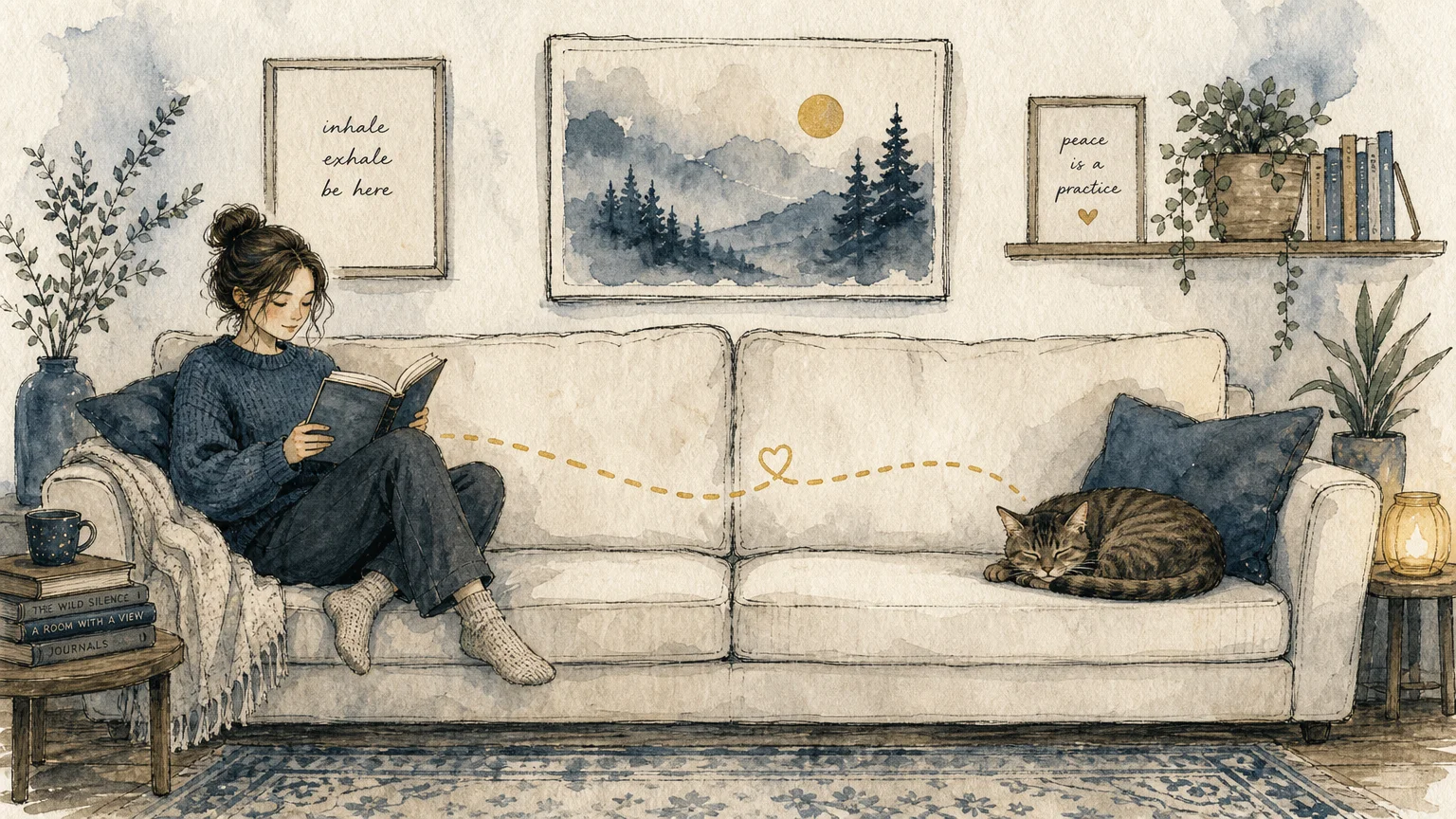
If your dog or cat occasionally sleeps in another room or ignores you while you are reading on the couch, it is actually a sign of a highly secure attachment. They feel so safe in their environment and so confident in your bond that they do not feel the need to constantly monitor you or seek constant reassurance.
The Bottom Line on Animal Affection
Your pet’s capacity for love is not a human projection—it is a biological reality. Whether it is a quiet slow blink across the living room, the comforting weight of a dog leaning against your leg, or the joyful anticipation triggered by your scent, your companion animal is constantly communicating their devotion. By learning to speak their subtle physical language, you can deepen the multispecies bond that turns a house into a true home.
The information here is meant for educational purposes. Specific circumstances—including health conditions, finances, location, and goals—may require different approaches. When in doubt, consult a licensed professional or check official sources directly.