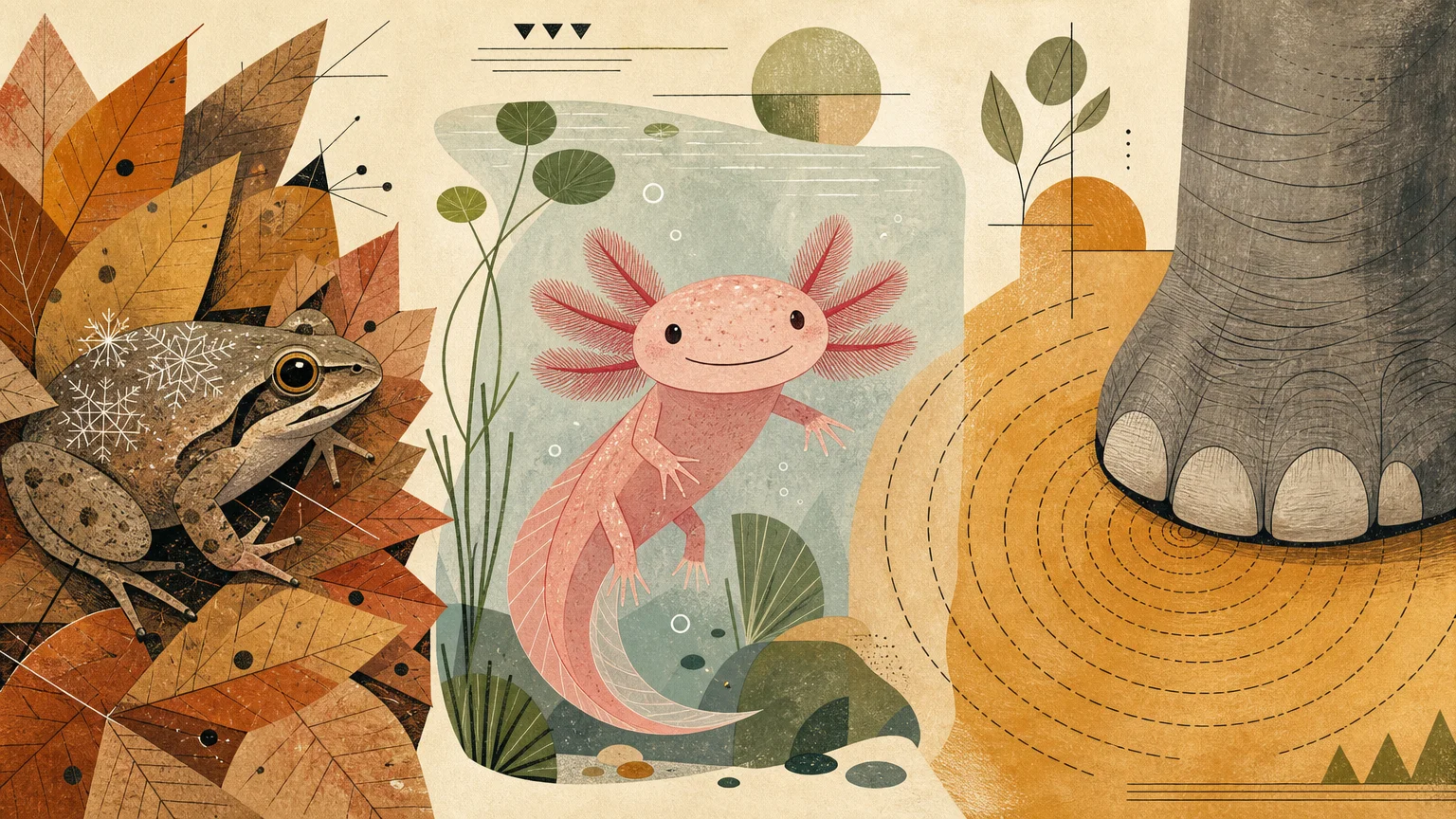
Before the ground shakes or the waves crash, animals often know something you do not. From elephants fleeing to higher ground before a tsunami to farm animals growing restless before an earthquake, wildlife behavior can serve as a natural early warning system. While humans rely on complex geological instruments, some of the most sensitive disaster detectors are wandering right outside our doors. Research reveals that many creatures possess highly tuned sensory abilities capable of detecting subtle environmental shifts, such as early seismic waves or atmospheric pressure changes. By learning to recognize these unusual behaviors, you can better understand nature’s hidden signals and potentially gain crucial extra time to seek safety when a crisis looms.
The Essentials
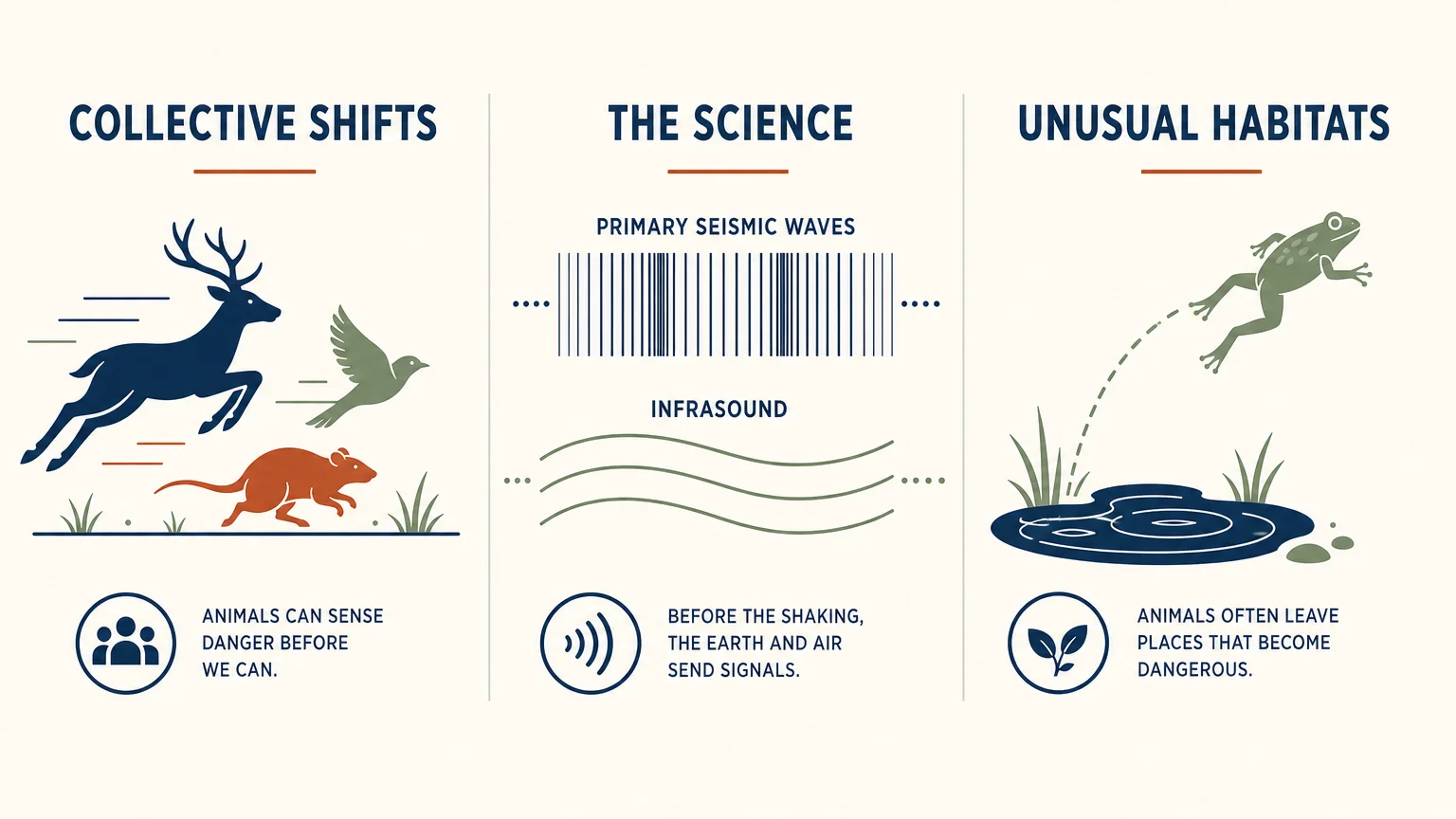
- Look for collective shifts: While a single anxious dog might just need a walk, the mass displacement or simultaneous panic of multiple species often signals significant environmental changes.
- Understand the science: Animals do not possess magical foresight. They simply detect subtle physical shifts—like primary seismic waves, infrasound, and air ionization—that human senses completely miss.
- Keep an eye on unusual habitats: Amphibians, birds, and large mammals abandoning their established breeding grounds or safe zones unexpectedly can be an early indicator of seismic or atmospheric shifts.

The Long History of Animals Predicting Disasters
The idea that animals can forecast natural catastrophes is not a modern internet rumor. Observations of wildlife acting strangely before catastrophic events date back thousands of years. According to the U.S. Geological Survey (USGS), the earliest recorded account of this phenomenon comes from the ancient Greek city of Helike in 373 BC. Days before a massive earthquake leveled the city and submerged it under the sea, residents observed rats, weasels, snakes, and centipedes abandoning their nests and heading for higher ground.
For centuries, these accounts were treated as folklore. However, modern scientific monitoring has brought renewed attention to the topic. One of the most famous historical examples occurred in Haicheng, China, in February 1975. In the weeks leading up to a massive 7.3-magnitude earthquake, local authorities received widespread reports of bizarre animal activity. Snakes emerged from hibernation early despite freezing winter temperatures, rats appeared to stagger in the streets, and farm animals refused to enter their enclosures. Combined with a series of minor foreshocks, these animal warnings prompted officials to order an evacuation. The city was severely destroyed, but the early evacuation saved an estimated 150,000 lives.
While seismologists note that the Chinese authorities relied heavily on those foreshocks rather than animal behavior alone, the event cemented the idea that biological warning signs are worth monitoring. Today, researchers around the globe combine advanced technology with traditional observations to understand exactly what wildlife experiences before the ground tears open or the oceans rise.
5 Strange Animal Behaviors That May Predict Disasters
If you live in an area prone to earthquakes, tsunamis, or severe storms, paying attention to the local wildlife and your own pets can offer valuable clues about your environment. Here are five specific, documented behaviors that scientists and eyewitnesses have linked to impending natural disasters.
-
1. Toads and Amphibians Abandoning Mating Grounds
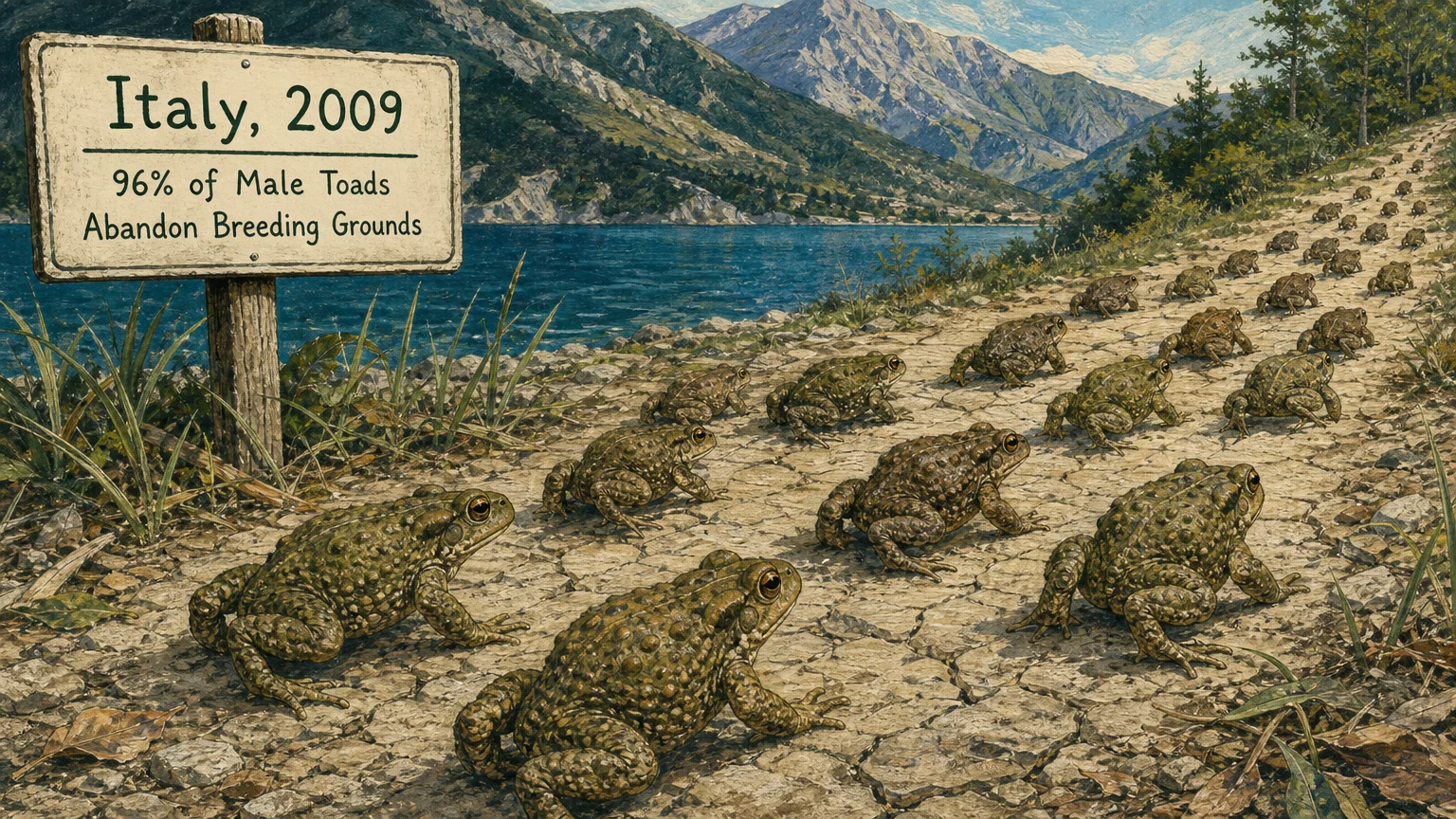
Amphibians are highly sensitive to chemical changes in their environment. In the spring of 2009, a British biologist was studying a thriving colony of common toads at a lake in central Italy. Suddenly, right in the middle of their crucial breeding season, 96 percent of the male toads vanished. Five days later, a devastating 6.3-magnitude earthquake struck the nearby town of L’Aquila. The toads did not return to the water until several days after the quake, once the aftershocks had subsided. Scientists believe the toads detected the release of radon gas or changes in charged particles in the groundwater long before the fault line ruptured. -
2. Farm Animals Showing Prolonged Restlessness
Livestock pacing, clustering, or showing sustained excitement without an obvious cause can indicate shifting tectonic plates. Researchers monitored cows, sheep, and dogs on an Italian farm located in an earthquake-prone region. Using movement-tracking collars, they discovered that the animals became highly active and restless up to 20 hours before an earthquake struck. The most fascinating takeaway was the proximity factor: the closer the animals were to the impending epicenter, the earlier they began exhibiting this hyperactive behavior. -
3. Large Mammals Stampeding to Higher Ground
Before the devastating Indian Ocean tsunami in December 2004, tourists and locals reported remarkable animal movements. In Thailand and Sri Lanka, elephants offering tourist rides suddenly broke their heavy chains, ignored their handlers, and stampeded up nearby hills. This occurred well before the coastal waters receded or the warning sirens sounded. Because elephants can hear ultra-low-frequency sounds, it is highly likely they detected the deep rumble of the underwater earthquake or the approaching wall of water long before human ears could pick up the noise. -
4. Birds Altering Migration or Breaking Silence
Birds use the Earth’s magnetic field to navigate, making them incredibly sensitive to the electromagnetic disturbances that often precede earthquakes and severe storms. Before the 2004 tsunami hit the coast of India, a massive colony of flamingos abandoned their low-lying breeding areas at the Point Calimere wildlife sanctuary and flew to higher, safer ground. Additionally, if you notice that the local songbirds suddenly go entirely silent during the day, it is often an indicator of a rapid drop in barometric pressure, signaling a severe incoming storm. -
5. Dogs and Cats Refusing Normal Routines
While pets can be quirky on the best of days, a sudden, dramatic refusal to follow a daily routine warrants attention. Prior to earthquakes and tsunamis, many dog owners have reported their pets whining, pacing, hiding under furniture, or firmly planting their feet and refusing to go outside for their usual walks. Cats, which are already highly sensitive to vibrations, will often disappear into secure, elevated hiding spots hours before a seismic event. This panic is usually triggered by their ability to feel the rapid, non-destructive primary seismic waves that arrive just before the violent shaking begins.
How Animals Sense Impending Danger
To understand why a dog cowers before a quake or an elephant runs from a tsunami, you have to look at the physical mechanics of disasters. Natural events do not just happen instantaneously; they build up over time, releasing subtle clues into the environment.
When an earthquake occurs, it sends out two distinct types of seismic waves. The first to arrive are P-waves (primary waves), which are fast-moving compressional waves that humans rarely feel. Seconds later come the S-waves (secondary waves), which bring the violent, destructive shaking. Dogs, cats, and birds have acute touch receptors in their paws and claws that allow them to feel the P-waves. This gives them a head start of a few seconds to a minute—which is exactly why you might see your dog bolt under a table right before the room starts violently shaking.
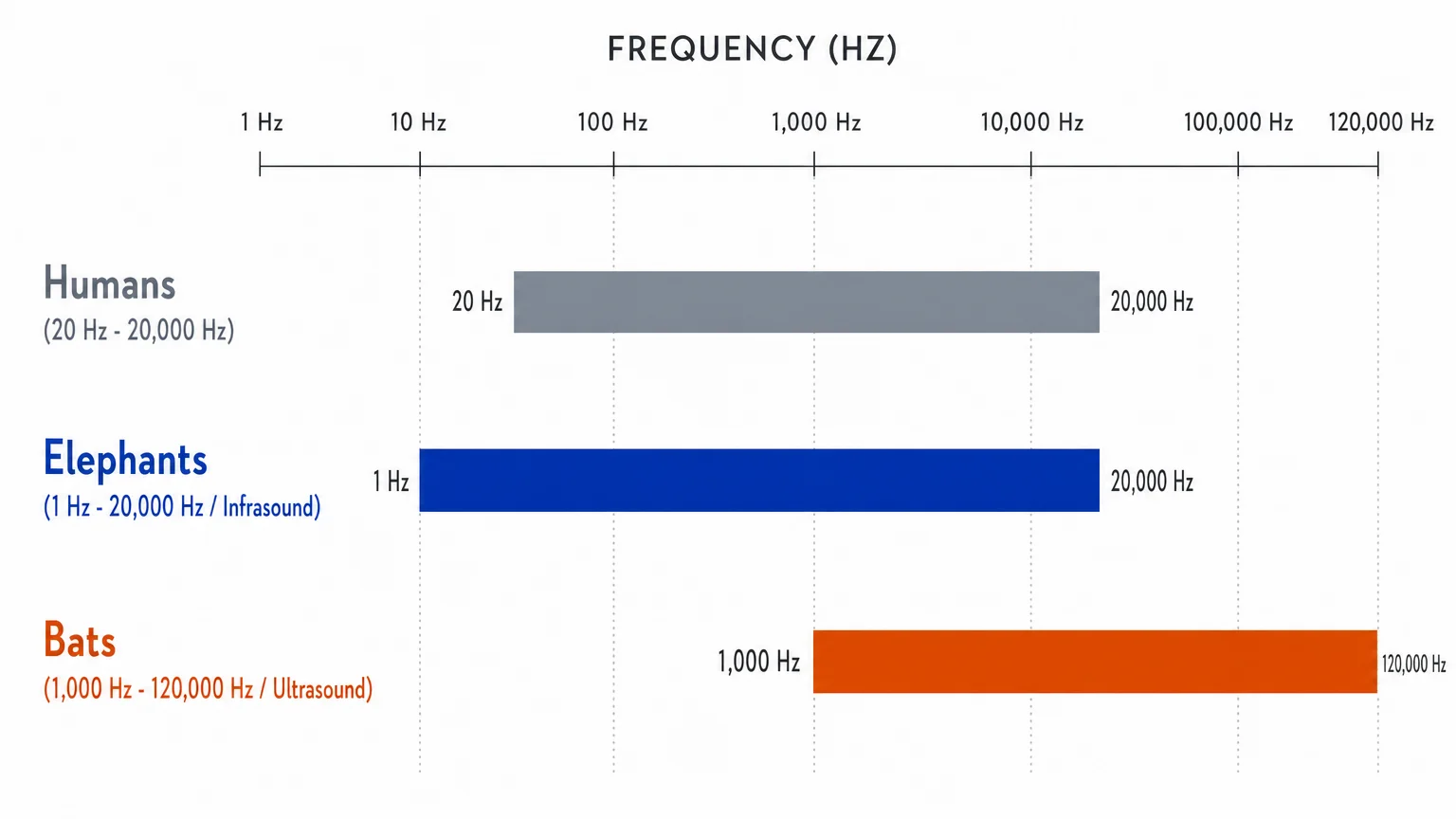
For warnings that occur hours or days in advance, the mechanisms are different. Deep underwater earthquakes generate infrasound—low-frequency acoustic waves that travel vast distances. While humans cannot hear infrasound, elephants, whales, and certain birds can detect these deep rumbles, prompting them to move away from the source. Additionally, as tectonic plates grind together under immense pressure, they can crush quartz crystals in the earth’s crust, releasing charged ions into the air. Animals with thick fur can likely feel this static charge building up, making them irritable, anxious, and restless.
Comparing Animal and Human Sensory Limits
Our human bodies are built for complex problem-solving, but we are surprisingly dull when it comes to raw environmental input. The table below illustrates the stark contrast between human and animal sensory limits leading up to a natural disaster.
| Sensory Trigger | How Animals Detect It | Human Experience |
|---|---|---|
| Seismic P-Waves | Pets and wildlife feel rapid, subtle ground vibrations through their paws seconds before a quake. | Generally imperceptible; humans only feel the slower, highly destructive S-waves. |
| Infrasound (Low Frequency) | Elephants and birds hear deep acoustic rumbles from shifting plates or approaching tsunamis. | Completely silent to the human ear; we rely on sirens and ocean buoys. |
| Air Ionization | Mammals with fur feel static electricity building in the air, causing severe restlessness. | Unnoticed, though some people occasionally report feeling unexplained mild headaches. |
| Chemical Groundwater Shifts | Amphibians detect radon gas and chemical changes in ponds days before a fault line ruptures. | Requires complex laboratory equipment and constant water sampling to detect. |
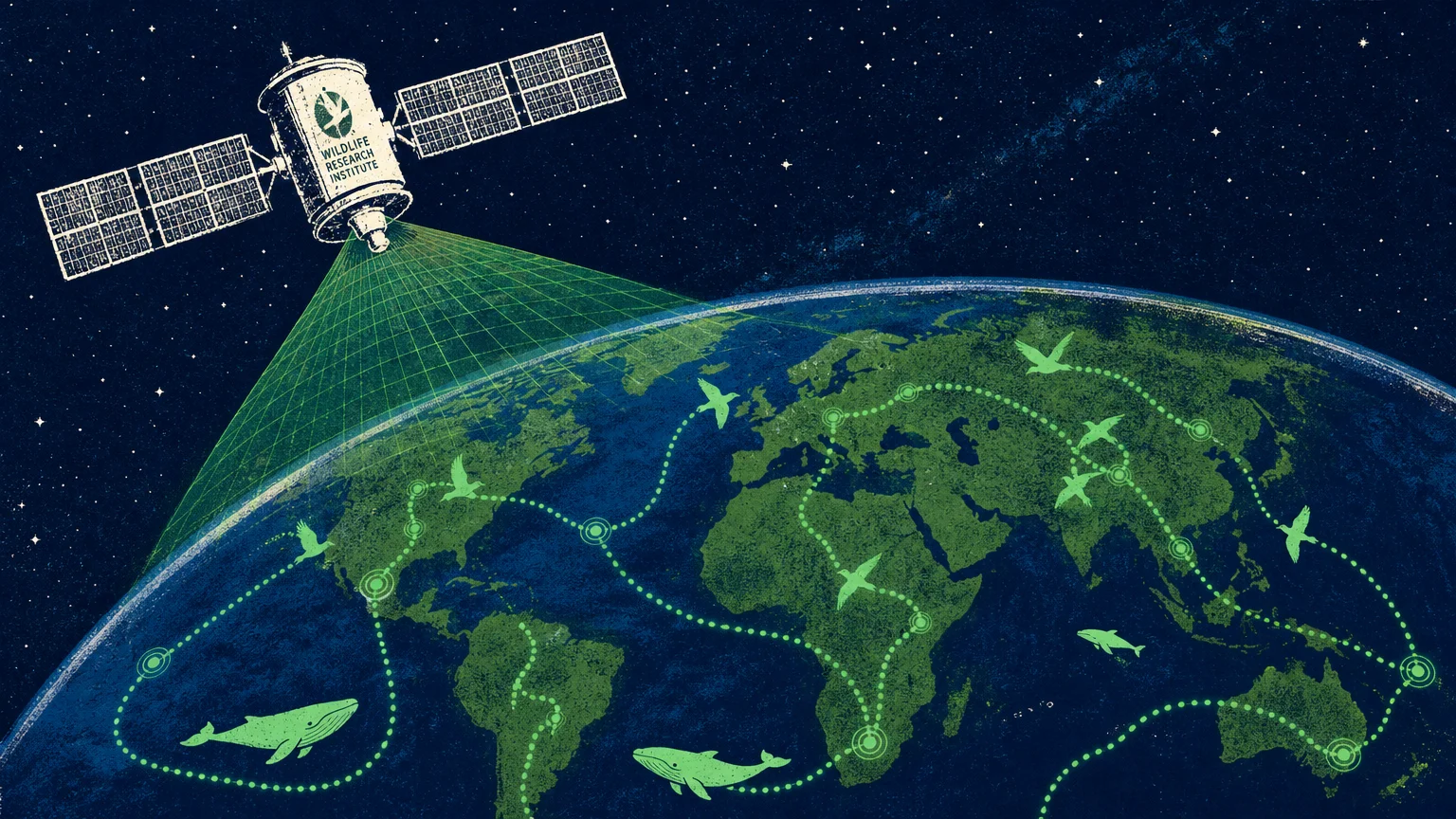
The Bigger Picture: Tracking Animals from Space
Because wildlife acts as a biological sensor network, scientists are now looking for ways to harness this data on a global scale. A major initiative driving this effort is the ICARUS project (International Cooperation for Animal Research Using Space), led by researchers at the Max Planck Institute of Animal Behavior. This ambitious scientific endeavor involves outfitting thousands of animals—from fruit bats and songbirds to large farm mammals—with miniature tracking transmitters.
These trackers beam real-time movement data up to receivers located on the International Space Station. The goal is to monitor global animal activity through a centralized database. If a flock of birds suddenly alters its migration route, or a herd of goats on a volcanic slope begins moving erratically in unison, the system can flag the anomaly.
“The closer the animals were to the epicentre of the impending shock, the earlier they changed their behaviour. This is exactly what you would expect when physical changes occur more frequently at the epicentre of the impending earthquake and become weaker with increasing distance.” — Martin Wikelski, Max Planck Institute of Animal Behavior
By shifting from anecdotal, after-the-fact stories to hard, predictive data, projects like ICARUS aim to create an early warning system that protects vulnerable human populations. If scientists can decode the collective sixth sense of animals, we may soon receive weather and earthquake alerts driven entirely by the natural movements of wildlife.

Worth Keeping in Mind
While the science behind animal behavior and disaster prediction is fascinating, there are a few important caveats to remember before you let your pet’s mood dictate your safety protocols.
- Animals are not infallible: Countless animals perish in natural disasters every year. Their senses give them an edge, but wildlife is frequently caught off guard by rapid-onset events like flash floods and immediate seismic ruptures.
- Not all anxiety means danger: If your dog starts pacing or whining, they are much more likely to be reacting to a neighborhood stray, a squirrel, or an upset stomach than an impending tectonic shift.
- Do not ignore official warnings: Never wait for your cat to act strangely before taking cover. Always prioritize official alerts from local weather stations, government apps, and geological monitoring systems.

When to Consult a Veterinarian
Because animals cannot tell us what they are feeling, it is easy to misinterpret their behavior. If your pet exhibits sudden, strange symptoms, you should evaluate their health rather than the seismic forecast.
- Persistent pacing or panting: If your dog is continuously restless, panting heavily, or unable to settle down for several hours, this can be a sign of pain, anxiety, or bloat, requiring immediate veterinary care.
- Hiding and refusing food: If your cat disappears into a closet and refuses to eat for more than 24 hours, they are likely dealing with an internal illness or severe stress, not predicting a storm.
- Uncharacteristic aggression: An animal that suddenly snaps or growls when normally docile is often masking an injury or a neurological issue. Have a veterinarian examine them promptly.
Frequently Asked Questions
Can dogs predict earthquakes?
Dogs cannot predict an earthquake days in advance, but their acute senses allow them to feel the primary seismic waves (P-waves) seconds before the shaking starts. This gives them a brief head start, which often looks like prediction to their human owners.
Why do birds go quiet before a storm?
Birds are highly sensitive to sudden drops in barometric pressure. When the pressure falls rapidly before a severe thunderstorm or tornado, birds often stop flying, cease foraging, and go completely silent as they take shelter in dense foliage to ride out the extreme weather.
Do animals know when a tsunami is coming?
Many animals, particularly large mammals like elephants, can detect the low-frequency infrasound generated by massive underwater earthquakes and the subsequent movement of water. This allows them to sense the approaching danger and flee to higher ground long before the wave hits the shoreline.
Why do amphibians leave the water before earthquakes?
Tectonic stress building up underground can release radon gas and charged particles into groundwater. Amphibians have highly permeable skin and are incredibly sensitive to aquatic chemistry, prompting them to flee contaminated water sources days before an earthquake.
Watching the creatures around us offers a remarkable window into the unseen forces of the natural world. Whether it is a flock of birds taking sudden flight or a herd of livestock growing restless, taking a moment to respect and observe animal behavior connects you more deeply to your environment. By staying observant, you just might catch the subtle warnings that nature provides right before the world changes.
This article provides general information only. Every reader’s situation is different—what works for others may not be the right fit for you. For personalized guidance on health, legal, or financial matters, consult a qualified professional.
Last updated: June 2026. Rules, prices, and details change—verify current information with official sources before acting on it.