Finding Your Perfect Canine Companion: A Practical Guide
The benefits of pet ownership are clear, but they are only realized when the match between person and dog is a good one. A dog that is too energetic, too large, or requires extensive grooming can add stress rather than reduce it. The key to a successful relationship is to be honest about your own lifestyle, physical abilities, and home environment. Let’s break down the most important factors to consider.
Energy Level Over Breed
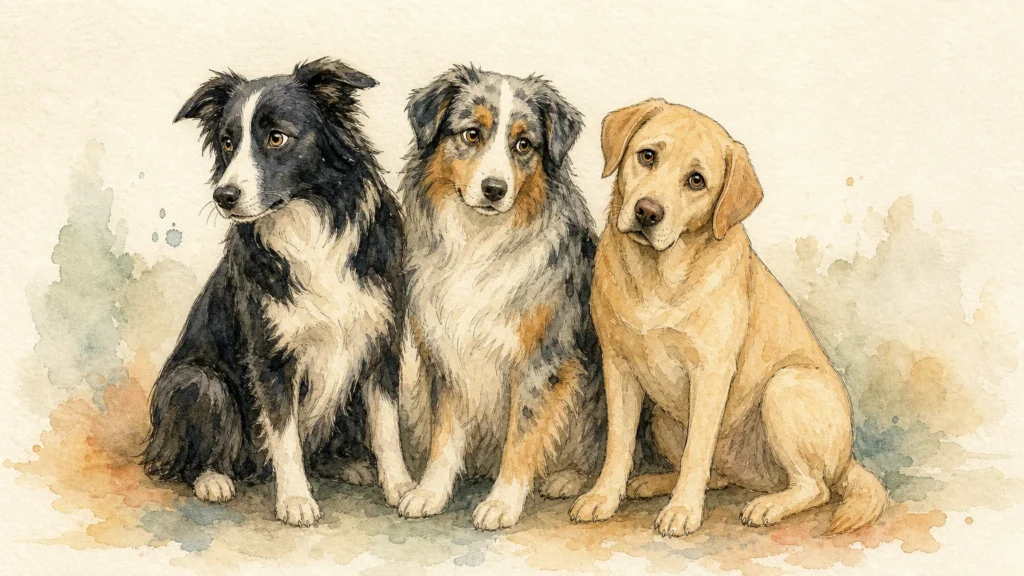
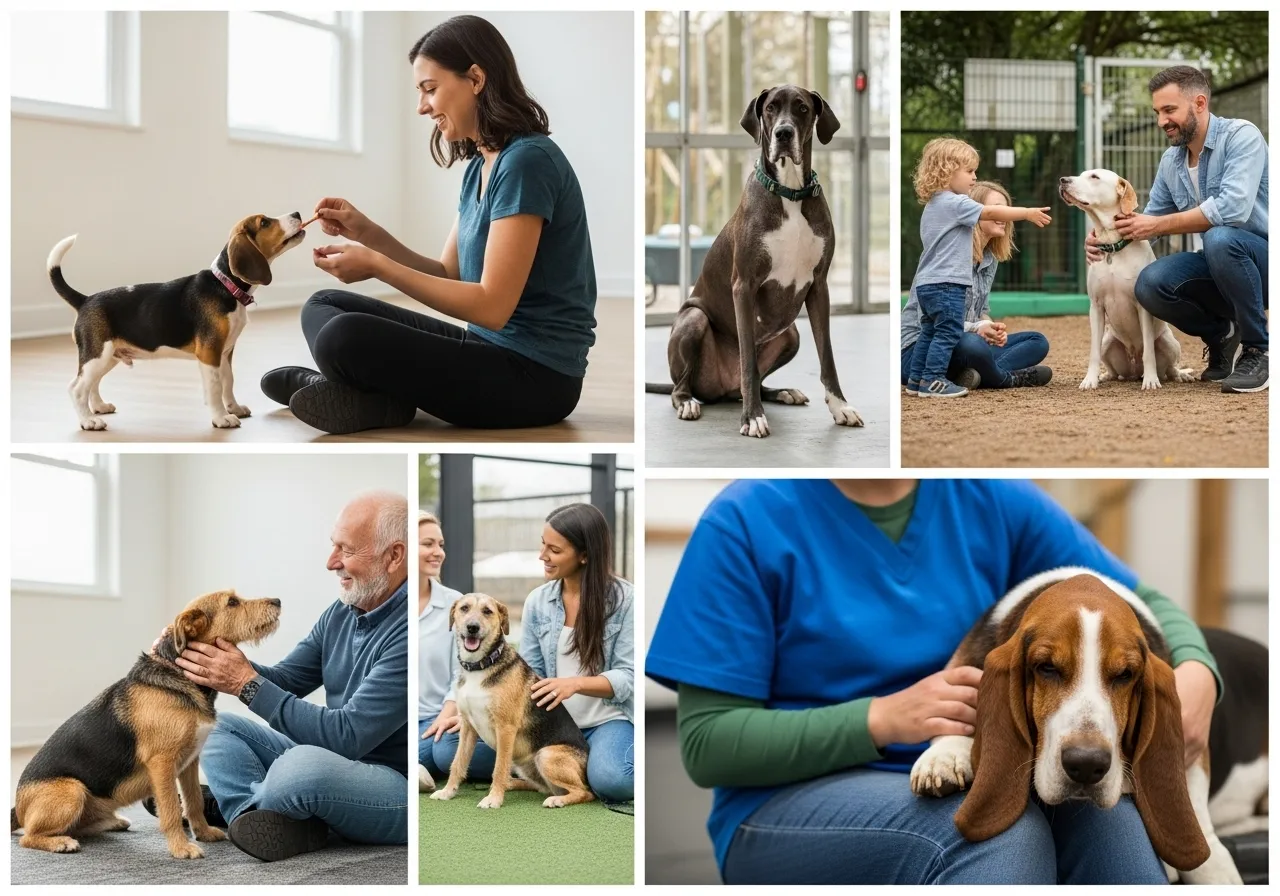
While breed can give you some clues about a dog’s potential traits, it is not a guarantee of temperament. It’s far more important to consider the individual dog’s energy level. Some Jack Russell Terriers are happy to be lap dogs, and some Golden Retrievers have surprisingly low energy. When you visit a shelter or rescue, talk to the staff and volunteers. They know the dogs’ personalities best.
Ask yourself honestly: Are you looking for a companion for long walks and hikes, or a friend to cuddle with on the couch while you watch a movie? A low-energy dog might only need a couple of short, leisurely walks per day, supplemented with some indoor playtime. A high-energy dog will need structured, vigorous exercise daily to prevent boredom and destructive behaviors. Choosing a dog whose energy needs align with your own is the single most important decision you will make.
Size and Strength Considerations
The size of a dog matters for several practical reasons. A large, powerful dog can be difficult to manage on a leash, especially if they pull or lunge unexpectedly. This could pose a fall risk. A giant breed also requires more food, larger beds, and can be more challenging to transport to the vet.
On the other hand, very small dogs can present a different kind of challenge: they can be a trip hazard, easily getting underfoot. They can also be more fragile and susceptible to injury if accidentally stepped on or dropped. A medium-sized dog often offers a happy medium—sturdy enough to be safe but not so strong as to be unmanageable. Ultimately, the right size depends on your home, your physical strength, and your comfort level.
Grooming and Maintenance
A dog’s coat can dictate a surprising amount of work and expense. Long-haired breeds like Shih Tzus or Poodles require daily brushing to prevent painful mats and regular professional grooming appointments. Breeds with thick double coats, like Huskies or German Shepherds, will “blow their coat” twice a year, leading to massive amounts of shedding.
If you have limited mobility or are on a fixed budget, a smooth, short-coated dog may be a more practical choice. These dogs typically only need occasional brushing to manage shedding. Be realistic about the time, physical effort, and financial commitment you are willing to dedicate to grooming before you fall in love with a fluffy face.
The Wisdom of Adopting a Senior Dog
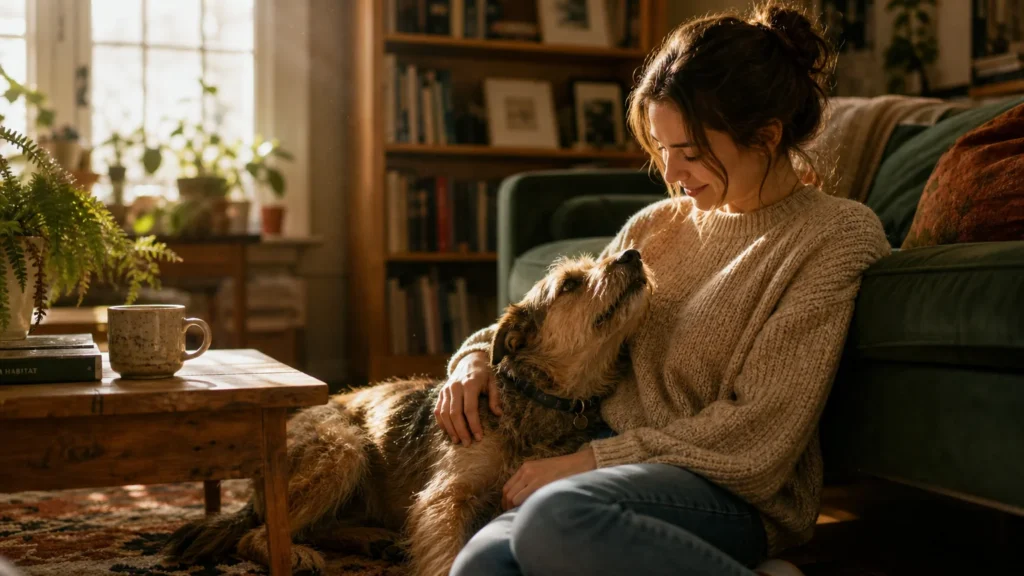
Puppies are undeniably cute, but they are also a tremendous amount of work. They require constant supervision, house-training, and intensive socialization. For many older adults, adopting an adult or senior dog (often considered 7 years and older) is a wonderful alternative. An older dog’s personality and energy level are already established, so what you see is what you get. They are often already house-trained and may know basic commands. Many senior dogs in shelters are there due to circumstances beyond their control, like their previous owner passing away, and they are simply looking for a soft place to land. They offer just as much love and companionship, often with a much calmer and more settled demeanor that perfectly matches a relaxed lifestyle.
You can start your search for the perfect companion by visiting your local humane society or using online resources like Petfinder, which allows you to filter by age, size, and breed.