If you are looking for a sleepy lap cat to lounge on the sofa all day, you might want to cross certain feline breeds off your list. Some cats possess a deep-rooted wild ancestry, blistering athletic speed, or thick winter coats designed for rugged exploration, making a strictly indoor lifestyle deeply frustrating for them. Without proper outdoor access or intense physical enrichment, these high-energy companions often turn to destructive behaviors out of pure boredom. You need to understand their natural instincts before bringing them into a closed-off apartment. From lightning-fast runners to agile tree climbers, here are eight energetic cat breeds that crave open spaces, demand physical activity, and genuinely hate feeling confined indoors.
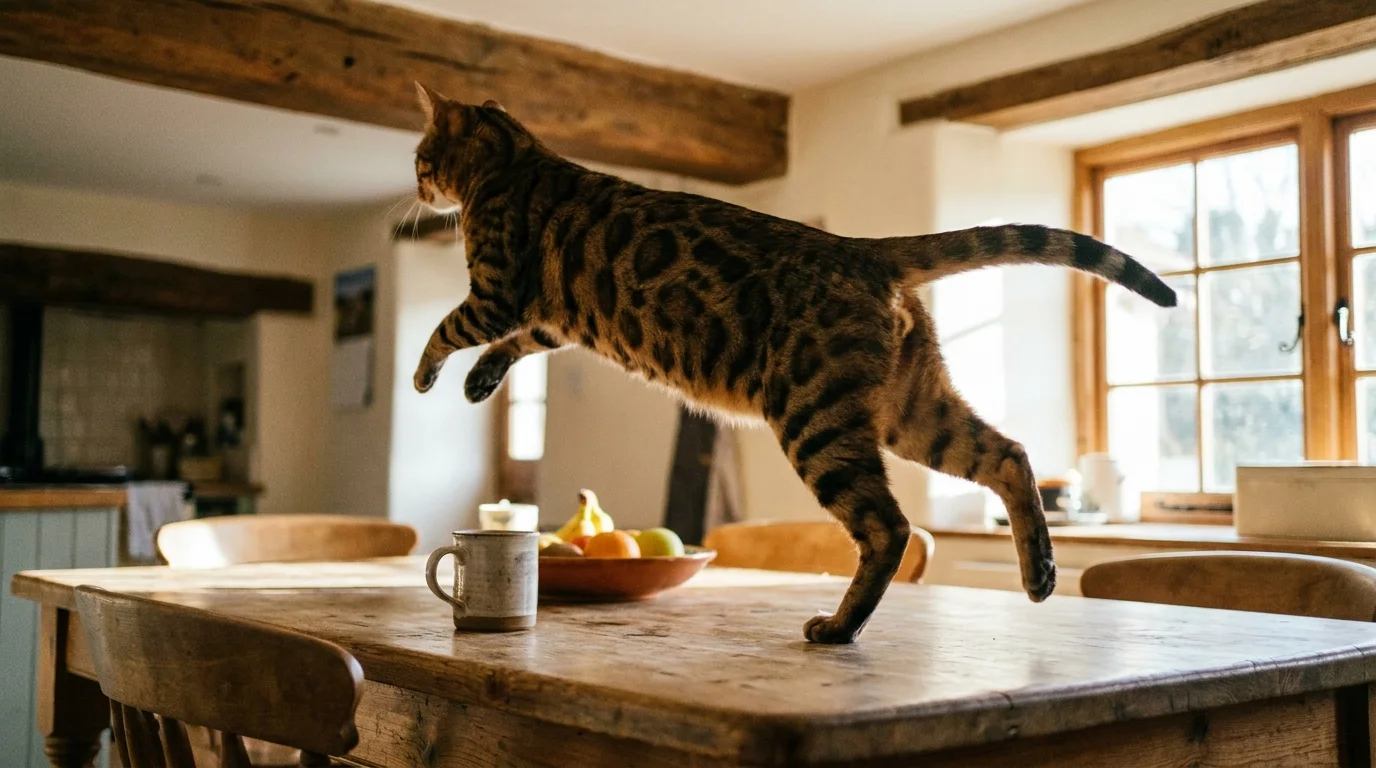
Bengal: The Agile Jungle Explorer
The Bengal cat owes its striking rosette coat and boundless energy to its wild ancestor, the Asian leopard cat. Because breeders originally developed them by crossing domestic felines with small wildcats, Bengals retain a primal drive to patrol their territory. A small apartment rarely satisfies this instinct; they thrive when given safe outdoor access through a fully enclosed catio or dedicated harness training.
Bengals possess incredibly strong hind legs, allowing them to leap onto the highest surfaces in your home. If you deny them physical outlets, they easily become bored and highly vocal, often resorting to destructive behaviors like tearing up furniture or aggressively demanding your attention. Because they also harbor a fascinating love for water, many Bengals enjoy splashing in shallow pools or joining their owners in the shower. To keep a Bengal happy, you must provide extensive climbing structures and interactive playtime that mimics an outdoor hunting experience.
Savannah: The Athletic Jumper
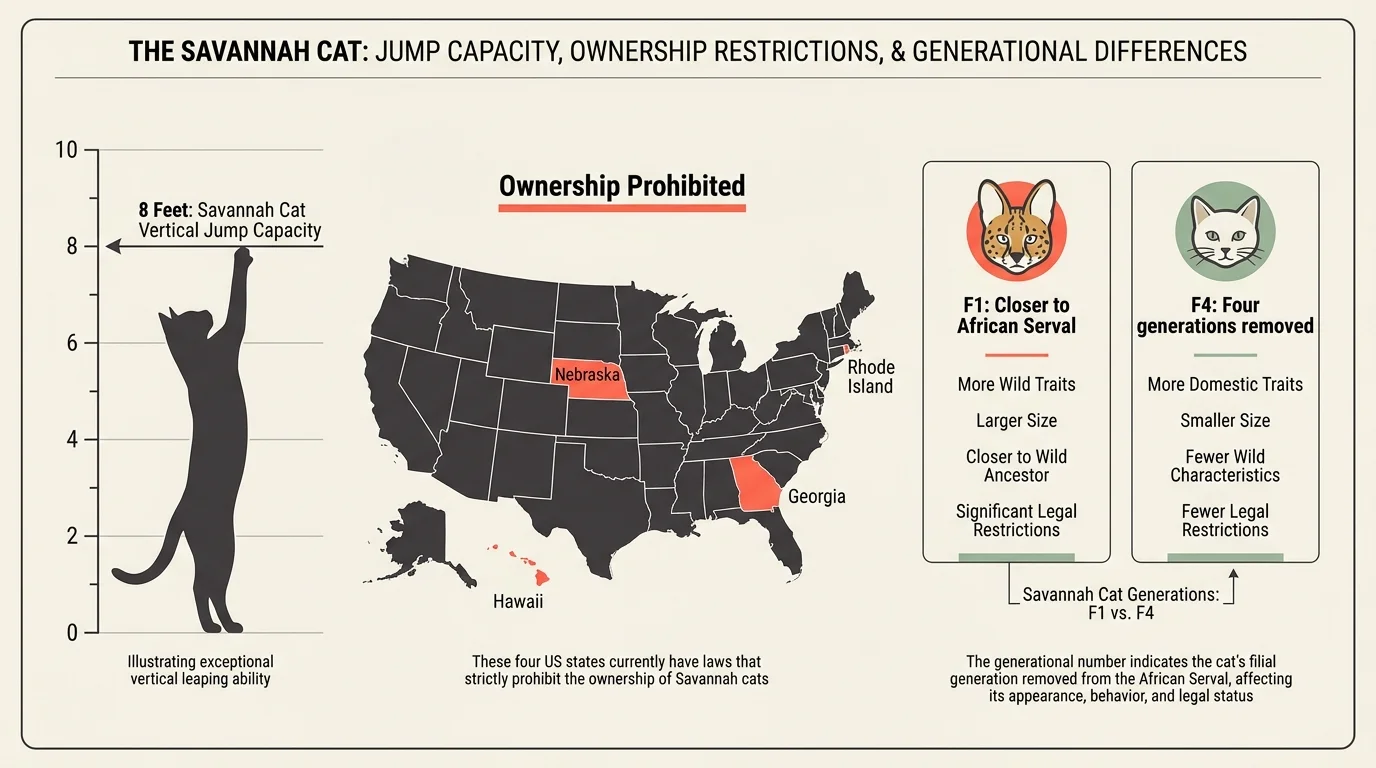
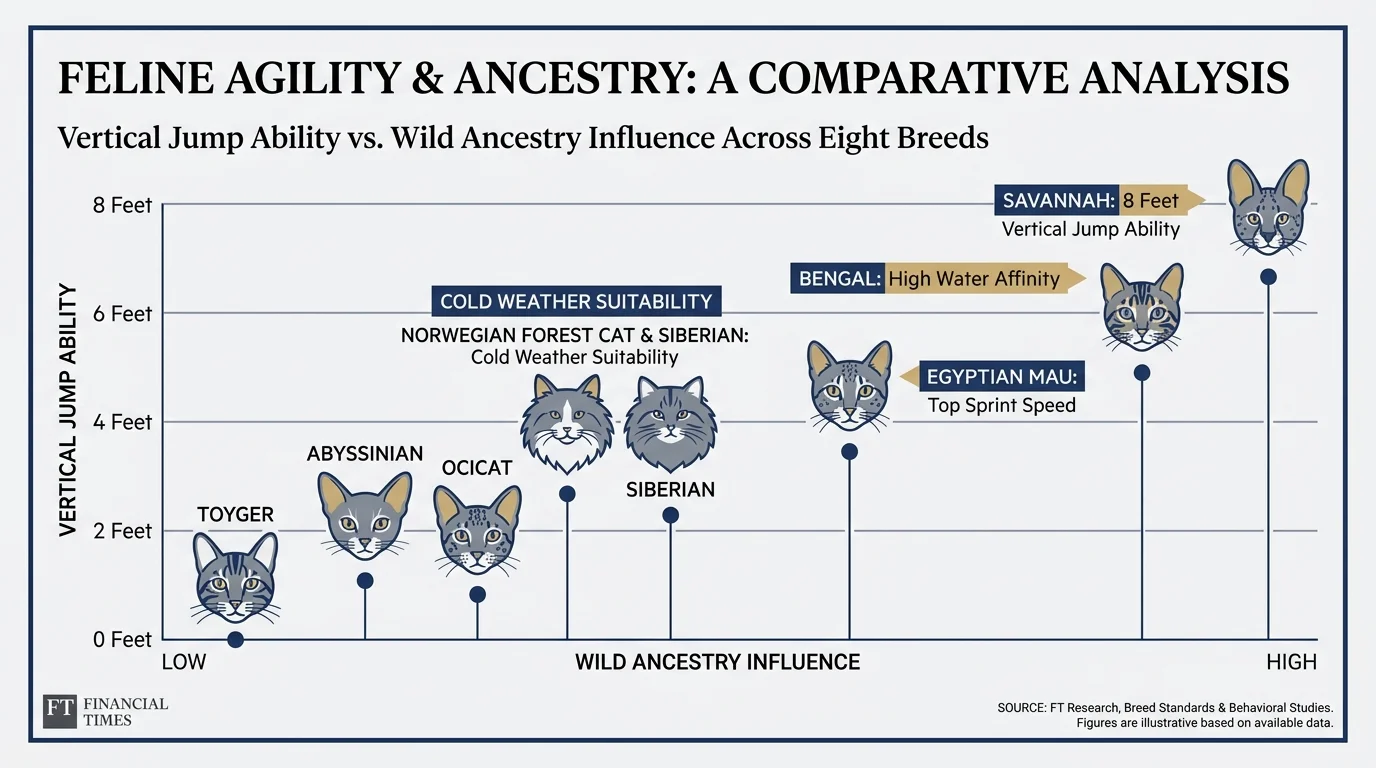
Similar to the Bengal, the Savannah cat boasts a wild heritage—this time descending from the African serval. The physical capabilities of this breed are staggering; a healthy Savannah can effortlessly jump up to eight feet straight into the air from a standing position. This incredible vertical power means your standard, commercially bought cat tree will not suffice. They need significant vertical and horizontal space to run, leap, and stalk.
Before you decide to bring a Savannah into your life, you must navigate a complex web of legal regulations. Because of their wild ancestry, multiple states heavily restrict or outright ban their ownership. All generations of Savannah cats are illegal to own in Georgia, Hawaii, Nebraska, and Rhode Island. Other states base their laws on the cat’s filial designation—meaning an F4 (four generations removed from the serval) might be legal while an F1 is strictly prohibited. If you can legally own one, be prepared to build a secure outdoor enclosure, as their intense prey drive and need for vigorous exercise make a confined indoor life miserable.
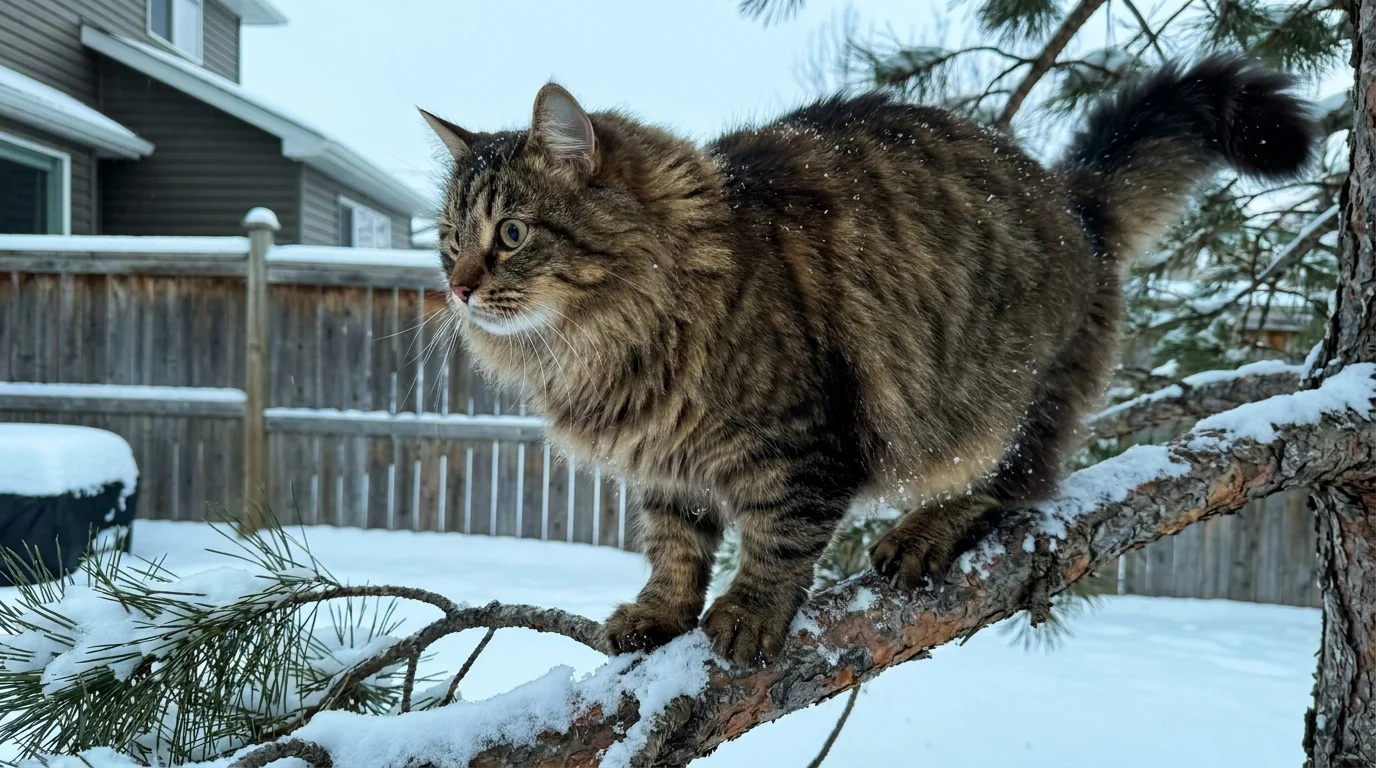
Norwegian Forest Cat: The Cold-Weather Climber
Steeped in Norse mythology and historical utility, the Norwegian Forest Cat evolved to survive brutally cold Scandinavian winters. Viking explorers relied on these robust felines to keep their ships free of mice, cementing a legacy of active hunting and outdoor exploration. Today, their thick, water-resistant double coats make them uniquely suited for cold-weather adventures.
Unlike felines that despise winter weather, the “Wegie” genuinely enjoys being outside when the temperature drops. According to The Cat Fanciers’ Association, this breed matures slowly, retaining a kitten-like playfulness and energy level for up to five years. They feature strong, sturdy claws specifically designed for scaling large trees and navigating rough bark. Keeping a Norwegian Forest Cat entirely indoors without access to fresh air or complex climbing environments stifles their natural disposition. A securely fenced yard or a large outdoor enclosure gives them the mental stimulation they need to watch birds, stalk insects, and survey their domain from a high vantage point.
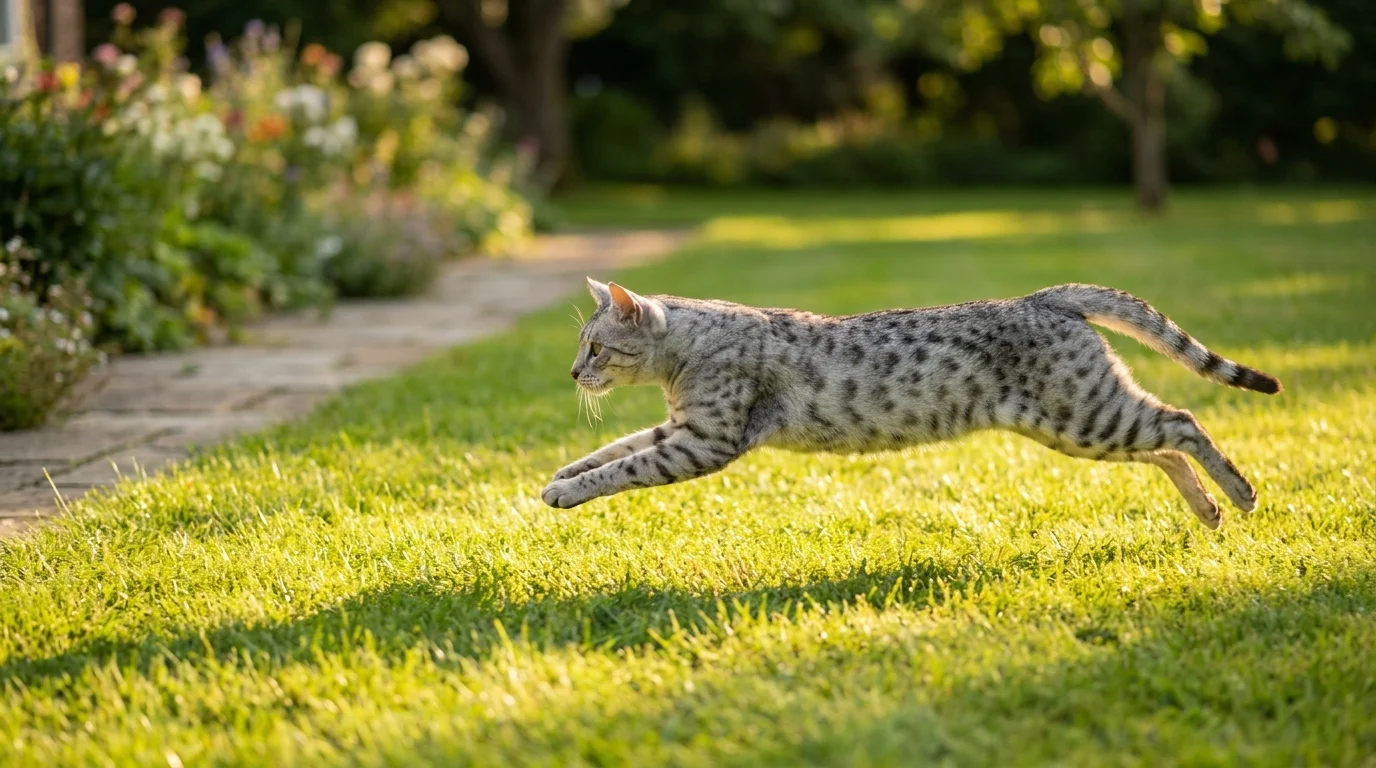
Egyptian Mau: The Feline Greyhound
If you want to understand why the Egyptian Mau hates being confined to a small room, you only need to look at its structural design. This muscular, spotted breed holds the prestigious title of the fastest domestic housecat. According to Guinness World Records, the Egyptian Mau can reach blistering speeds of up to 30 miles per hour.
Their incredible speed comes from a unique anatomical feature: a loose flap of skin extending from their flank to their back knee. This built-in flexibility allows their hind legs to stretch much further, giving them the sweeping stride of a feline greyhound. Keeping an Egyptian Mau cooped up indoors without space to sprint is comparable to keeping a sports car perpetually parked in a garage. They require long hallways, specialized interactive running wheels, or supervised time in a secure outdoor space to burn off their adrenaline. When properly exercised, they transform into fiercely loyal and affectionate companions.
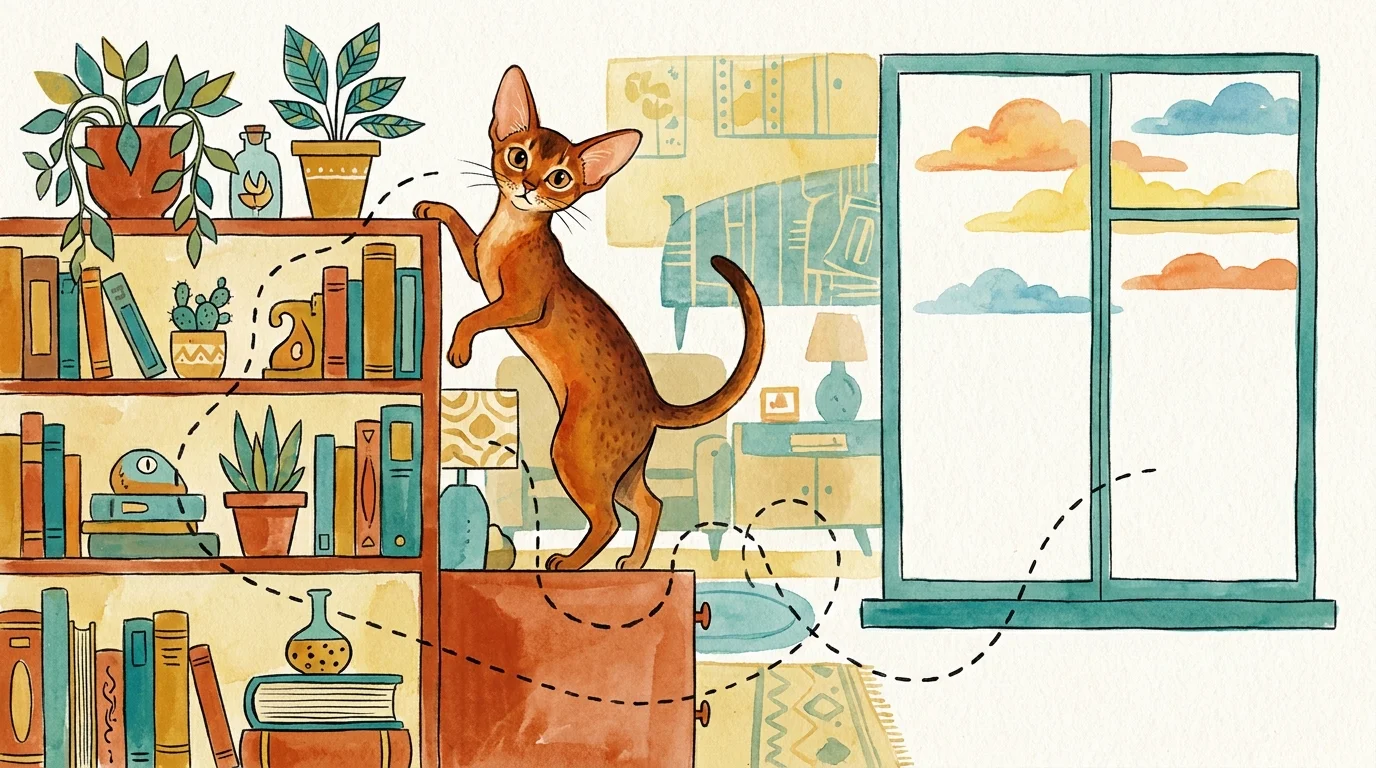
Abyssinian: The Restless Adventurer
The Abyssinian rarely sits still. Widely regarded as one of the most active and inquisitive breeds, they act less like typical independent cats and more like energetic, working-breed dogs. Abyssinians do not just want to passively live in your house; they want to investigate every cabinet, climb every door frame, and participate in every single activity you do.
Because they possess such high intelligence and relentless curiosity, Abyssinians easily develop behavioral problems when locked indoors with nothing to do. They demand constant mental and physical enrichment. If you cannot provide safe outdoor exploration via harness walking, you must invest heavily in complex puzzle toys, ceiling-height cat trees, and daily interactive hunting games. They crave vertical space to observe their surroundings and need plenty of room to race around. A stagnant, confined environment quickly leads to a deeply frustrated Abyssinian.
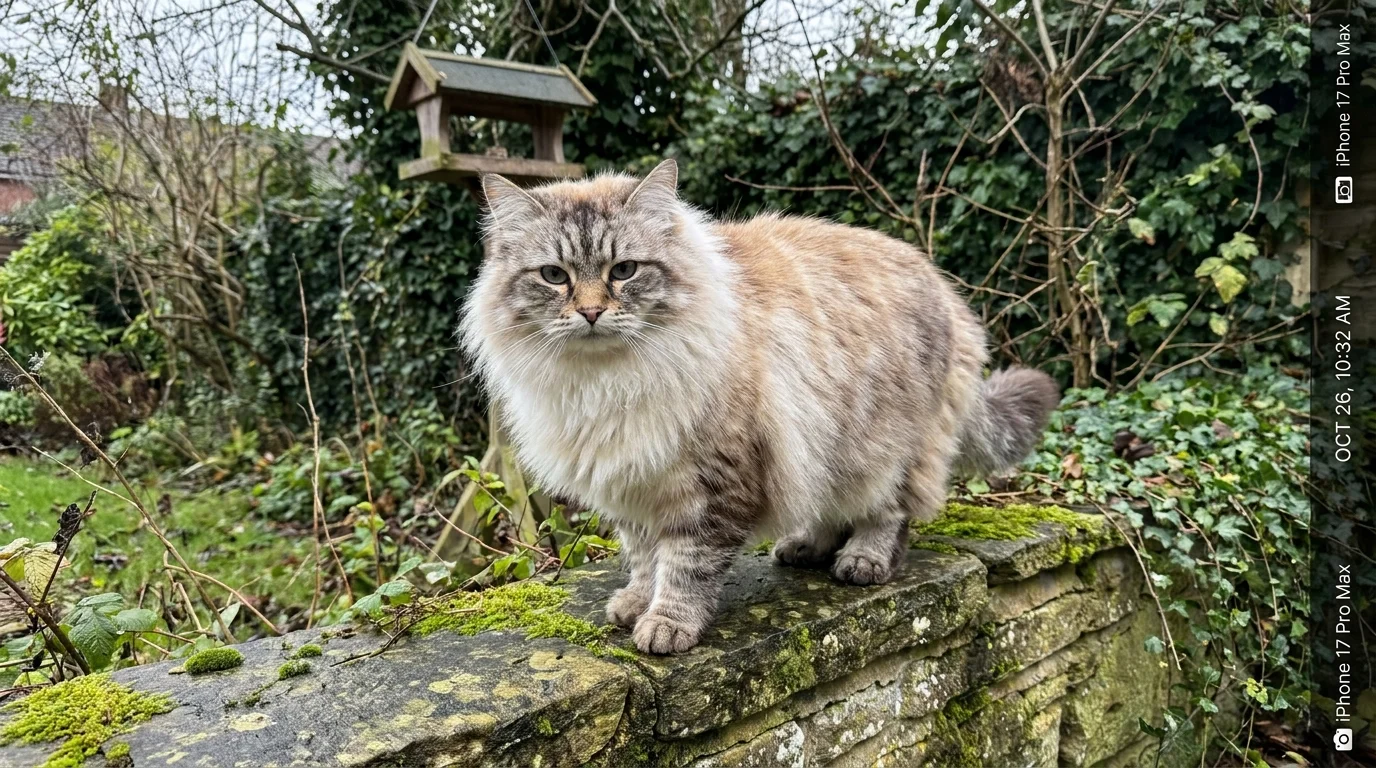
Siberian: The Forest Navigator
Hailing from the unforgiving climate of Russia, the Siberian cat spent centuries navigating dense forests and harsh terrain before becoming a recognized pedigreed breed. They carry the physical traits of a true survivor: a dense triple coat, a muscular build, and a broad, barrel-shaped chest. Naturally, a cat built for the rugged outdoors feels stifled in a small, climate-controlled apartment.
Siberians are exceptional jumpers who love to explore high vantage points. They also retain a powerful hunting instinct, meaning they find great joy in stalking toys or watching wildlife from a secure catio. Interestingly, many Siberians share the Bengal’s affinity for water and might attempt to join you in the bath or play vigorously in their water bowls. Giving them access to an enclosed outdoor space allows them to experience the changing seasons, feel the wind in their fur, and express their natural behaviors without wandering into danger.
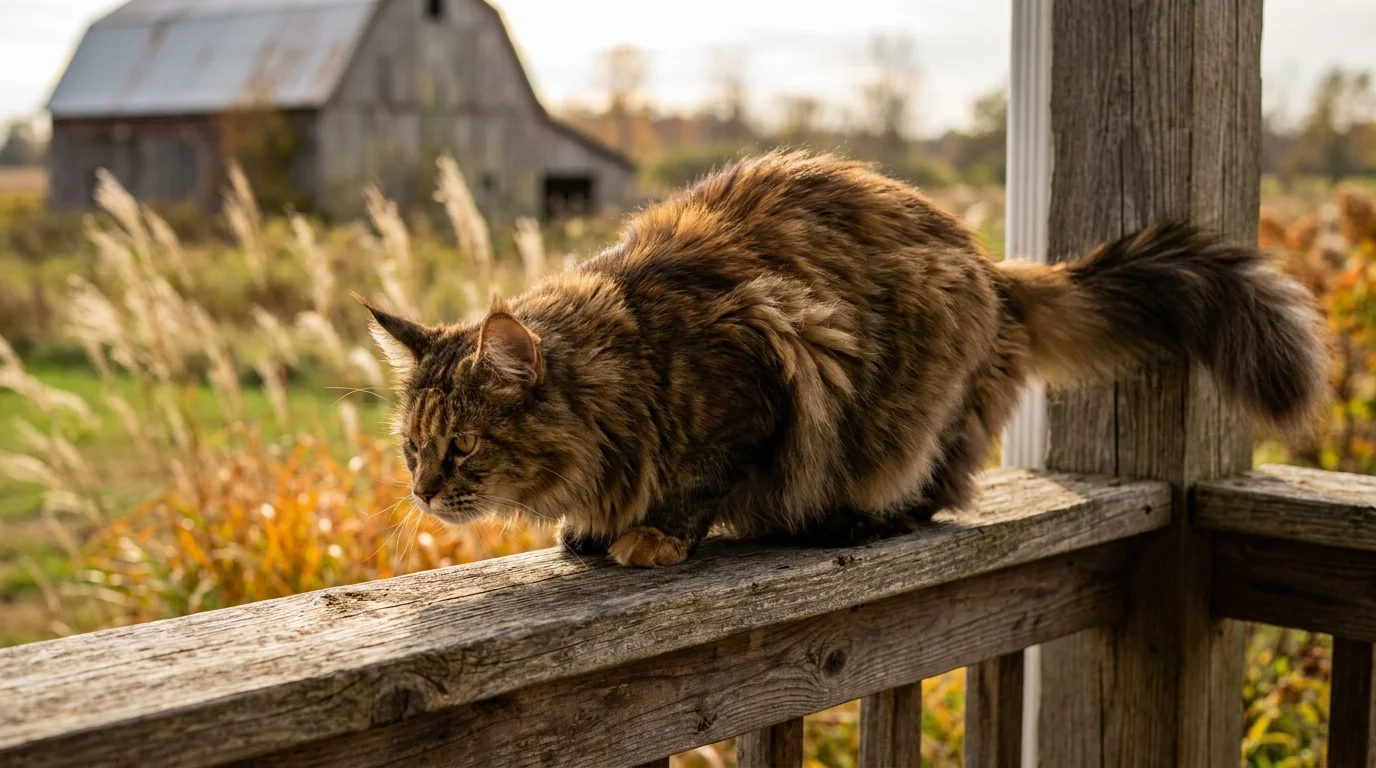
Maine Coon: The Roaming Mouser
The Maine Coon earned its legendary reputation as a premier mouser on the farms and shipping docks of early New England. As one of the largest domestic cat breeds in the world, they require a surprising amount of space simply to move comfortably. A fully grown Maine Coon can weigh over 20 pounds and stretch nearly 40 inches long, making standard indoor cat furniture feel cramped, unstable, and inadequate.
While they possess a gentle, easygoing temperament, Maine Coons still harbor a strong desire to roam. Their heavy, shaggy coats and large, tufted paws act as natural snowshoes, allowing them to traverse winter landscapes with incredible ease. Letting them roam freely outside poses significant safety risks—such as traffic and predators—but they adapt beautifully to harness training. Taking your Maine Coon for a walk gives them the outdoor sensory experience they crave, letting them smell the grass, watch the birds, and stretch their massive legs.
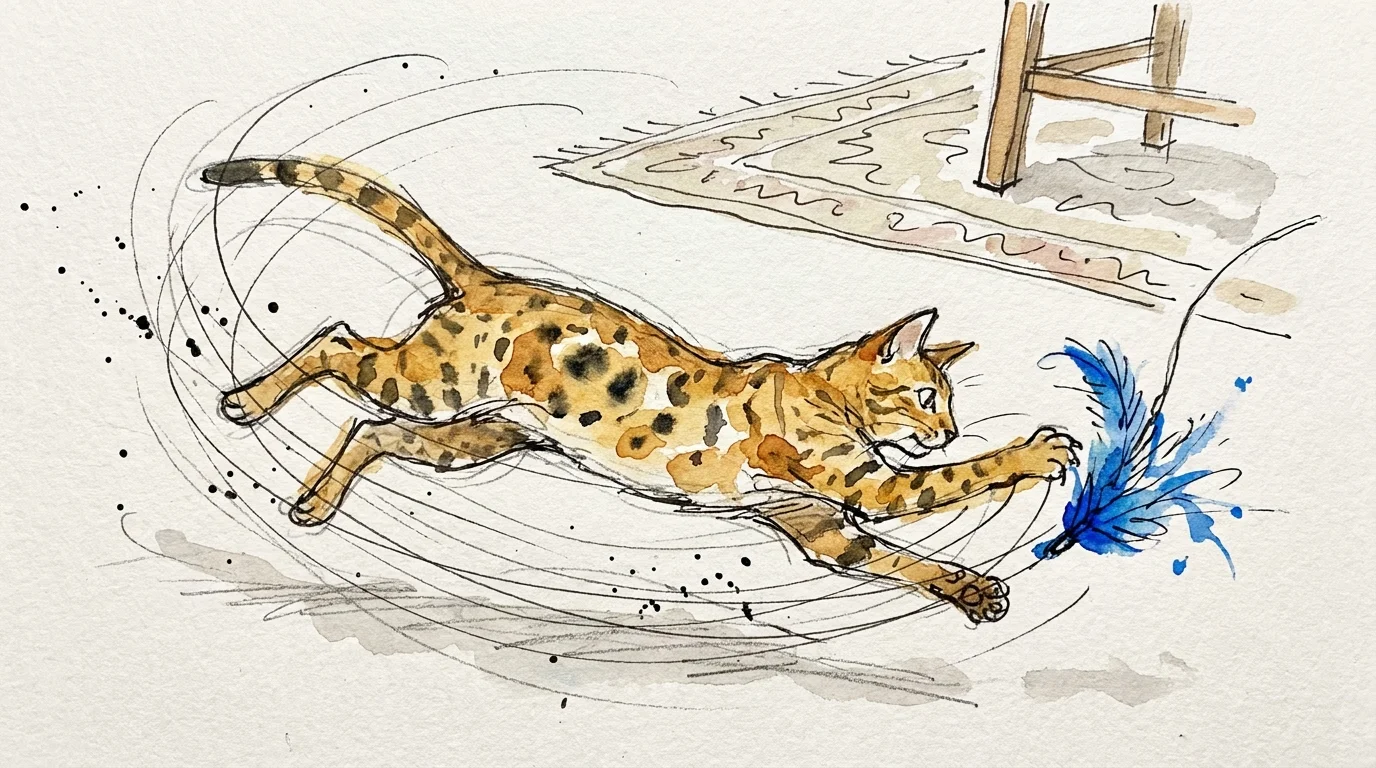
Ocicat: The Spotted Dynamo
You might assume the Ocicat has wild roots given its stunning spotted coat, but this breed is entirely domestic, resulting from careful crosses between the Abyssinian, Siamese, and American Shorthair. However, they inherited the boundless energy and sharp intelligence of their parent breeds, resulting in a cat that demands a highly active lifestyle and despises boredom.
Ocicats strongly dislike being left alone in an empty house. They are incredibly social, athletic, and vocal. Much like a dog, an Ocicat can easily learn to play fetch, respond to voice commands, and walk on a leash. Because they are heavy-boned and muscular, they need rigorous daily exercise to maintain their joint and cardiovascular health. A strictly indoor life without rigorous play sessions or supervised outdoor access leaves the Ocicat feeling trapped and under-stimulated. Harness training them for daily outdoor excursions provides the perfect balance of safety and adventure.
At a Glance: Comparing High-Energy Cat Breeds
If you need a quick overview of what makes these active cats unique, this table breaks down their origins, standout physical traits, and the best ways to keep them enriched safely.
| Breed | Ancestry / Origin | Standout Physical Trait | Best Enrichment Activity |
|---|---|---|---|
| Bengal | Asian leopard cat hybrid | Highly contrasted rosettes | Catio climbing and water play |
| Savannah | African serval hybrid | Incredible 8-foot vertical leap | Large outdoor enclosures; agility courses |
| Norwegian Forest Cat | Scandinavia | Thick, water-resistant double coat | Scaling rough vertical surfaces; winter catios |
| Egyptian Mau | Egypt | Loose skin flap for long strides | Sprinting in safe areas; feline running wheels |
| Abyssinian | Coastal Indian Ocean / Egypt | Sleek, ticked coat; lithe build | Harness walking; complex food puzzles |
| Siberian | Russia | Dense triple coat; barrel chest | Exploring high vantage points; supervised outdoor time |
| Maine Coon | New England, USA | Massive size; tufted snowshoe paws | Harness walking in cool weather |
| Ocicat | United States (Domestic mix) | Wild-looking spotted coat | Fetching games; leash training |
Common Mistakes to Avoid When Raising Active Cats
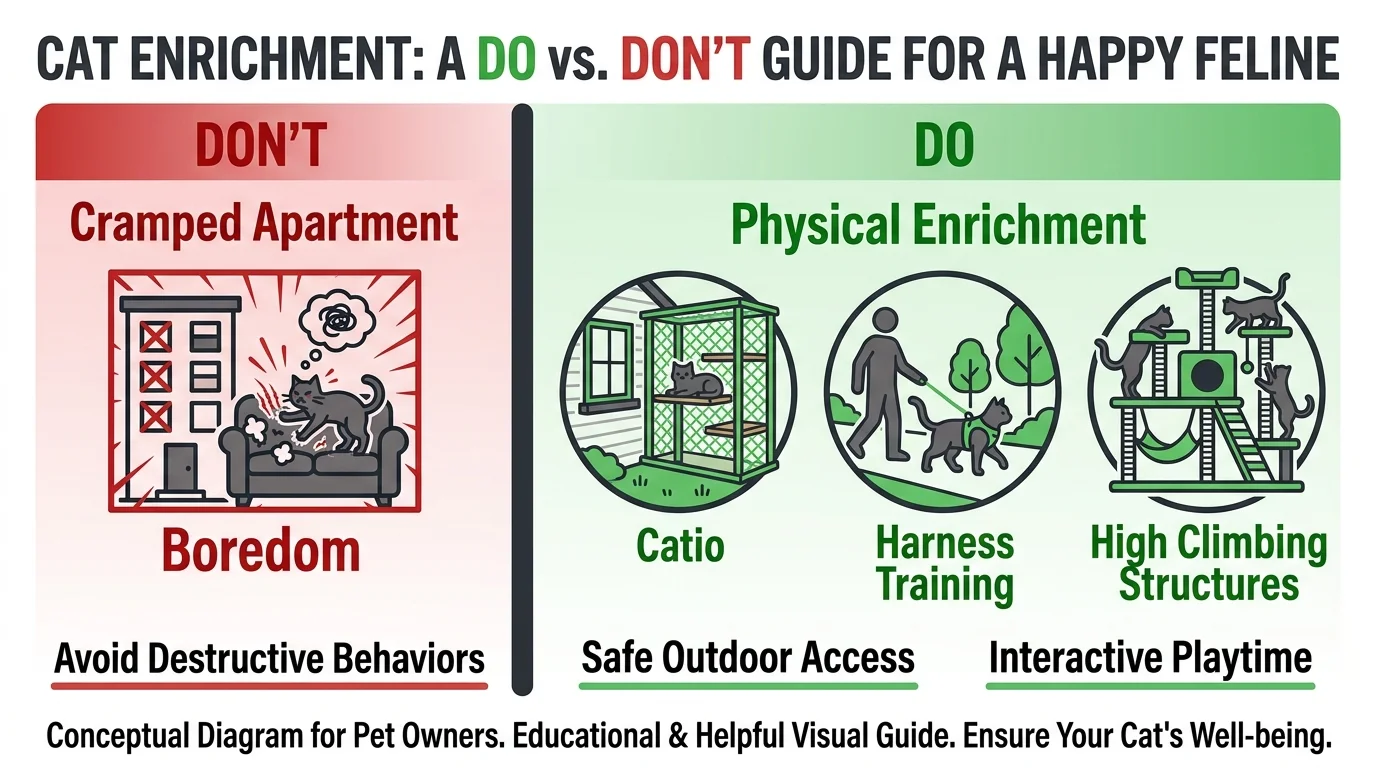
Bringing a high-energy, outdoor-loving cat into your home requires strategic planning. Avoid these common pitfalls to ensure your feline stays safe and psychologically healthy:
- Relying solely on floor space: Active breeds do not just need room to run; they need room to climb. Failing to provide sturdy, ceiling-height vertical territory forces them to climb your curtains or bookshelves.
- Assuming free-roaming is the only option: Just because a cat loves the outdoors does not mean you should let them roam the neighborhood freely. Unsupervised outdoor cats face severe risks from traffic, predators, and diseases. Harness training and secure enclosures offer the perfect compromise.
- Neglecting mental fatigue: Physical exercise is only half the battle for intelligent breeds like the Abyssinian and Ocicat. If you do not tire out their brains using scent games, clicker training, and puzzle feeders, they will remain restless.
- Overfeeding without offsetting calories: High-energy breeds require more calories to sustain their muscle mass. However, if you feed them a high-protein diet but leave them bored indoors, they face rapid, dangerous weight gain. Adjust their portions based on their actual daily activity level.

Getting Expert Input for High-Energy Cats
Managing an energetic breed can sometimes feel overwhelming. Consult a professional if you encounter any of the following scenarios:
- Destructive or aggressive behavior: If your cat routinely attacks your ankles or destroys furniture despite getting daily play time, consult a certified feline behaviorist. They can help you design a more effective enrichment routine.
- Joint health and mobility issues: Large, athletic jumpers like Savannahs and Maine Coons put immense stress on their joints. Speak with your veterinarian about appropriate diets and joint supplements to prevent early-onset arthritis.
- Navigating legal ownership: If you are considering a hybrid breed like a Savannah or Bengal, do not rely on hearsay. Contact your state’s wildlife or agricultural agency to verify local regulations, zoning laws, and permit requirements before placing a deposit with a breeder.
- Harness fitting challenges: Not all cats accept a harness easily, and a poorly fitted harness is an escape risk. Ask your vet or a professional trainer to show you how to properly size and introduce escape-proof walking gear.
Frequently Asked Questions
Can an outdoor-loving cat adjust to an apartment?
Yes, but it requires significant daily effort. You must transform the apartment into an enriching environment with vertical shelves, window perches, running wheels, and daily interactive play to compensate for the lack of outdoor space.
Are Bengal and Savannah cats legal everywhere?
No. Due to their wild ancestry, many states and municipalities heavily restrict or ban the ownership of early-generation hybrid cats. Always check your local and state laws before attempting to adopt or purchase one.
How do you safely give an indoor cat outdoor time?
The safest methods are leash training with a secure, escape-proof harness, or building a “catio”—a fully enclosed outdoor patio that allows them to experience fresh air, sights, and smells without the risk of wandering off.
Every cat possesses a unique personality, but respecting their breed’s historical instincts goes a long way in providing a fulfilling life. If you share your home with one of these dynamic breeds, investing in a sturdy harness or building a backyard catio will transform their daily routine from frustrating to fantastic. This article provides general information only. Every reader’s situation is different—what works for others may not be the right fit for you. For personalized guidance on health, behavioral, or legal matters regarding exotic breeds, consult a qualified professional.
Last updated: May 2026. Rules, prices, and details change—verify current information with official sources before acting on it.