If you want a dog that commands attention without taking up the entire sofa, a small breed with a massive personality is the perfect fit. Tiny dogs pack the confidence, energy, and comedic timing of much larger animals into a compact frame that thrives in almost any home. While their size makes them highly portable, their bold temperaments ensure they never fade into the background. Choosing the right small dog means matching your lifestyle to their specific quirks, whether you need a fearless watchdog or a loyal lap companion. From the spunky Jack Russell Terrier to the surprisingly alert Chihuahua, these ten small breeds deliver massive character and endless entertainment.
Why These Tiny Powerhouses Demand Respect
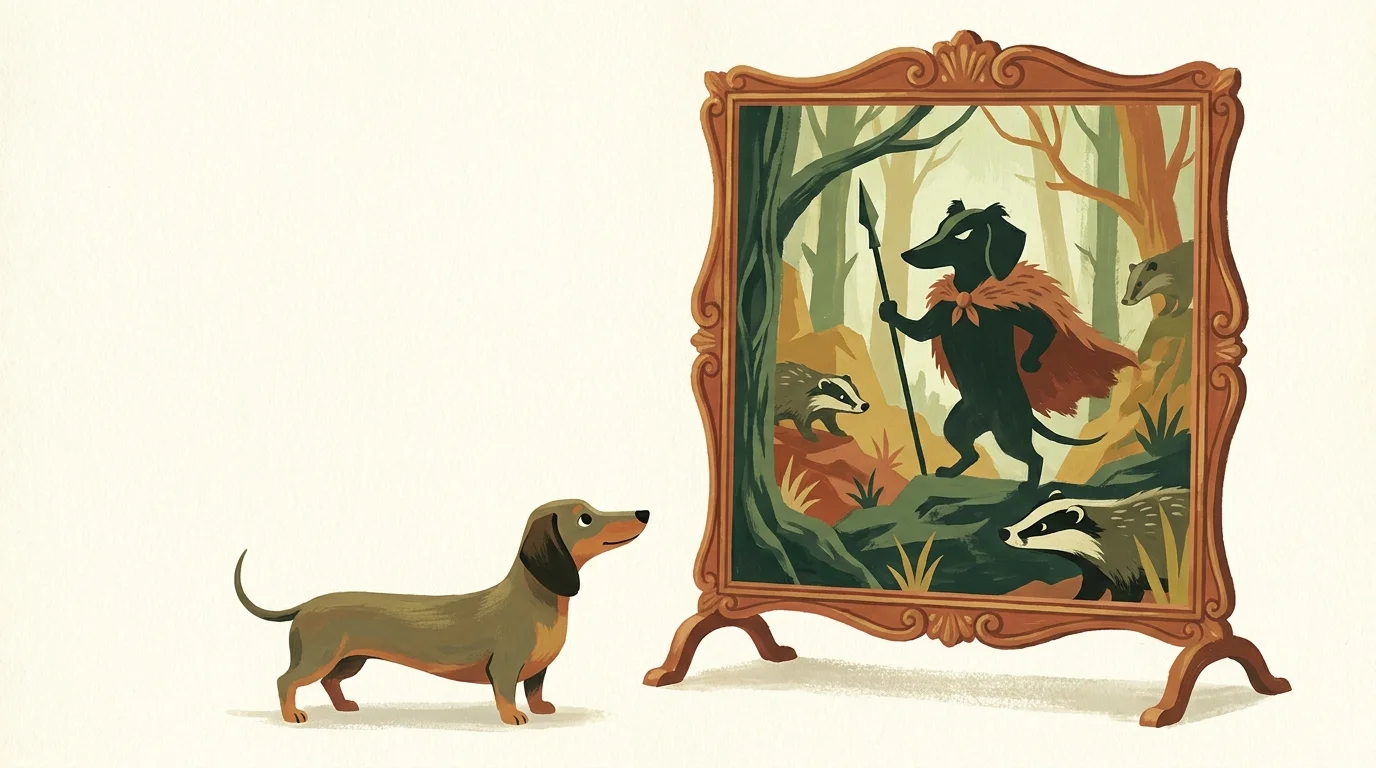
Many people mistakenly assume that a small dog is simply a passive accessory or a permanent puppy. The reality is quite different. The vast majority of small breeds were developed over centuries to perform tough, specialized jobs in harsh environments. Terriers were bred to hunt and dispatch vermin in tight spaces, hounds were engineered to face down fierce badgers underground, and spitz-type toys descended from heavily muscled Arctic sled pullers.
When you bring a small dog into your home, you are bringing in generations of targeted genetics. That historical breeding explains why a tiny Affenpinscher will boldly confront a strange noise at the front door, and why a Dachshund will relentlessly dig into your sofa cushions. Their big personalities are not an accident; they are a survival mechanism and a testament to their working heritage. Understanding this history helps you appreciate their quirks and provides a clear roadmap for giving them the mental and physical enrichment they genuinely need to thrive.

1. Chihuahua: The Saucy Micro-Companion
Weighing in at under six pounds, the Chihuahua is the smallest recognized dog breed in the world, but nobody has told them that. Originating in Mexico, these tiny dogs have a history that dates back to pre-Columbian times. Today, they are famous for their intense loyalty, often bonding fiercely to a single person while remaining highly skeptical of everyone else.
Chihuahuas boast an impressive lifespan of 14 to 16 years. According to the American Kennel Club, they pack the confidence of a 50-pound dog into a 5-pound body. You will often see them standing their ground against much larger dogs. Because they are highly alert, they make excellent watchdogs, though you must socialize them early to prevent excessive barking and suspicion of strangers.
Give your Chihuahua plenty of warm blankets, as they notoriously hate the cold. While they enjoy indoor playtime and short walks, you need to use a body harness rather than a neck collar. Their delicate windpipes are prone to collapse, so pulling against a traditional collar can cause severe respiratory damage. With the right positive reinforcement training, these brilliant little dogs master complex tricks and excel in obedience work.

2. Jack Russell Terrier: The Relentless Dynamo
If you want a dog with an off switch, keep looking. The Jack Russell Terrier is a 13-to-17-pound bundle of raw energy and sharp intelligence. Developed in 19th-century England for fox hunting, this breed retains a massive prey drive, a fearless attitude, and a body built for high-speed endurance.
Jack Russells live a long time, typically between 13 and 15 years, and they demand an active lifestyle every single day of those years. You cannot simply let a Jack Russell into the backyard and expect them to entertain themselves; they need structured activities, rigorous exercise, and intense mental stimulation. Without a “job” to do, they will invent one, which usually involves digging up your garden or systematically dismantling your sofa.
When you channel their energy properly through agility training, hiking, or fetching, the Jack Russell becomes an incredibly rewarding, affectionate, and entertaining companion. You must commit to ongoing training to manage their stubborn streak and keep their brilliant minds engaged.

3. Pomeranian: The Bold Fluffball
The Pomeranian commands attention the moment they enter a room. Weighing just three to seven pounds, this toy breed is actually descended from large, robust Arctic sled dogs. Queen Victoria famously popularized the smaller size in the late 19th century, and they have been a favorite among city dwellers ever since.
Poms live around 12 to 16 years and carry themselves with a confident, cocky gait. They are highly intelligent and intensely curious, always wanting to know what you are doing and who is walking past the front window. This vigilance makes them surprisingly good watchdogs, though you will need to train them to stop barking once they have alerted you to a perceived threat.
You must maintain a strict grooming schedule to keep their lush double coat free of painful mats. Despite their glamorous and fragile appearance, Pomeranians are sturdy little dogs that enjoy learning new routines and accompanying you on neighborhood errands.

4. Schipperke: The Little Captain
Nicknamed the “little captain,” the Schipperke originated in Belgium as a hardworking watchdog and ratter on canal boats. Weighing between 10 and 16 pounds, they feature a distinctive solid-black coat, a fox-like face, and a unique silhouette that slopes downward from their shoulders to their hindquarters.
With a lifespan of 12 to 16 years, the Schipperke brings an intense, curious, and confident energy to any household. Veterinary guidance from PetMD notes that they are extremely active and need engaging tasks to prevent destructive behaviors. They are fiercely protective of their families and inherently wary of strangers, making them phenomenal alarms for your home.
Because they possess a strong independent streak, you need to use consistent, positive reinforcement during training. They love to explore and will chase after small wildlife, so a securely fenced yard and leashed walks are mandatory to keep them safe from their own curiosity.

5. Miniature Schnauzer: The Mustachioed Watchdog
The Miniature Schnauzer combines the sturdy, fearless nature of a terrier with a highly obedient, eager-to-please temperament. Weighing 11 to 20 pounds, they are instantly recognized by their bushy eyebrows, wiry coats, and walrus-like mustaches.
Unlike many terrier breeds, Miniature Schnauzers were bred down directly from the Standard Schnauzer rather than British ratting terriers, which gives them a slightly more cooperative personality. They live 12 to 15 years and are deeply devoted to their families. Research from the Royal Veterinary College shows that Miniature Schnauzers are generally a robust and healthy breed, though they thrive best when integrated into the daily activities of the household.
You will appreciate their low-shedding coat, though it requires professional grooming or hand-stripping every few months to maintain its texture. Keep a close eye on their diet; Miniature Schnauzers are prone to gaining weight and developing painful bouts of pancreatitis if you feed them high-fat human foods.

6. Dachshund: The Fearless Badger Hunter
Do not let their comical, sausage-like appearance fool you; the Dachshund is a rugged, courageous hound bred to dig into tight tunnels and fight angry badgers. Whether you choose a miniature (under 11 pounds) or a standard (16 to 32 pounds), you are getting a stubborn, clever, and profoundly loyal companion.
Dachshunds live between 12 and 16 years and come in three distinct coat varieties: smooth, wirehaired, and longhaired. They are notoriously strong-willed, meaning potty training and basic obedience work require extreme patience and consistency. They bond deeply with their owners and love nothing more than burrowing under thick blankets on the couch.
Because of their elongated spines, you must take special physical precautions to protect their backs. Install ramps near your furniture, never let them jump off the bed, and keep them at a strict, healthy weight to prevent Intervertebral Disc Disease (IVDD), a paralyzing spinal condition common to the breed.

7. Affenpinscher: The Comical Monkey Dog
The Affenpinscher is one of the oldest toy breeds, originating in 17th-century Germany to hunt rats in kitchens and horse stables. Weighing just 7 to 10 pounds, they earned the affectionate nickname “monkey dog” due to their pushed-in faces, prominent lower lips, and scruffy, wiry hair.
Living 12 to 15 years, the Affenpinscher brings a hilarious, mischievous energy to daily life. They take themselves very seriously, which only makes their antics funnier. They are exceptionally brave, intensely loyal, and do not back down from perceived challenges, even if the “threat” is the vacuum cleaner or a much larger animal.
While they adore their human families, they can be highly territorial with their favorite toys and food bowls, making them better suited for households with older children who understand canine boundaries. You will find that training an Affenpinscher requires keeping sessions short, fun, and highly rewarding to prevent them from getting bored.

8. French Bulldog: The Charismatic Clown
The French Bulldog, or “Frenchie,” has skyrocketed in global popularity due to their highly adaptable nature and unmistakable bat ears. Weighing up to 28 pounds, they are heavily boned and muscular, making them feel much more substantial and grounded than most other small breeds.
Frenchies typically live 10 to 12 years and boast an incredibly affectionate, easygoing personality. They love to play the clown, entertaining their families with sudden bursts of manic energy known as “zoomies” before crashing hard for a long afternoon nap. They rarely bark without a specific reason, which makes them highly prized by apartment dwellers.
As a brachycephalic (flat-faced) breed, French Bulldogs simply cannot tolerate extreme heat or strenuous exercise. You must keep them inside with air conditioning during the summer and monitor their breathing carefully. Additionally, their heavy, front-loaded build makes them physically unable to swim, so you must always supervise them around pools and lakes.

9. Yorkshire Terrier: The Feisty Silk-Coat
Beneath the glamorous, floor-length silk coat of a show-quality Yorkshire Terrier beats the relentless heart of a true working ratter. Originating in the textile mills of northern England, Yorkies weigh roughly seven pounds but carry themselves with the self-importance of a massive guard dog.
With a lifespan of 11 to 15 years, Yorkies are sprightly, tomboyish, and deeply affectionate. They want to be involved in absolutely everything you do and are notoriously vocal, offering their loud opinion on every car door shutting outside. This makes them brilliant watchdogs, but it requires diligent training so they learn and respect the “quiet” command.
Their fine hair resembles human hair more than typical dog fur, meaning they are relatively low-shedding but require daily brushing to prevent painful tangles close to the skin. Many pet owners opt for a short “puppy cut” to make daily maintenance significantly easier.

10. Shih Tzu: The Emperor’s Companion
Bred for centuries specifically to warm the laps of Chinese emperors, the Shih Tzu knows they are royalty and fully expects to be treated as such. Weighing between 9 and 16 pounds, they live 10 to 18 years and excel at their only historical job: offering unwavering companionship.
Unlike the terriers on this list, the Shih Tzu has virtually zero prey drive and absolutely no guarding instincts. They view approaching strangers as friends they simply have not met yet. Their outgoing, playful, and incredibly gentle nature makes them one of the absolute best breeds for families with young children and other household pets.
While they enjoy a good daily play session, they are ultimately lap dogs who are perfectly happy spending the afternoon snoozing on the sofa while you read. Like the Frenchie, they have flat faces, so you need to manage their outdoor exercise carefully in hot weather and keep their facial skin folds clean and dry to prevent bacterial infections.

Comparing the Top Small Breeds
Use this table to quickly compare the vital statistics and signature traits of these ten dynamic breeds. Remember that weights and lifespans are averages; individual dogs will vary based on genetics, daily diet, and overall lifestyle.
| Dog Breed | Average Weight | Average Lifespan | Signature Personality Trait |
|---|---|---|---|
| Chihuahua | Under 6 lbs | 14–16 years | Saucy and fiercely loyal |
| Jack Russell Terrier | 13–17 lbs | 13–15 years | Relentlessly energetic |
| Pomeranian | 3–7 lbs | 12–16 years | Bold and commanding |
| Schipperke | 10–16 lbs | 12–16 years | Curious and protective |
| Miniature Schnauzer | 11–20 lbs | 12–15 years | Fearless and vocal |
| Dachshund | 11–32 lbs | 12–16 years | Clever and stubborn |
| Affenpinscher | 7–10 lbs | 12–15 years | Comical and brave |
| French Bulldog | Under 28 lbs | 10–12 years | Adaptable and clownish |
| Yorkshire Terrier | Around 7 lbs | 11–15 years | Feisty and affectionate |
| Shih Tzu | 9–16 lbs | 10–18 years | Outgoing and gentle |

Things to Watch Out For
Owning a small dog with a massive personality comes with unique daily challenges. Their bold attitudes can sometimes mask their physical vulnerabilities, and improper training can lead to severe behavioral issues. Keep these specific scenarios in mind:
- Small Dog Syndrome: When owners allow tiny dogs to jump, nip, or growl because it looks “cute” or harmless, the dog learns that aggressive behavior is acceptable. You must enforce the exact same behavioral boundaries for a Chihuahua as you would for a German Shepherd.
- Physical Fragility in Crowds: A fearless Jack Russell Terrier or Affenpinscher will not hesitate to walk underfoot or openly challenge a larger dog. You need to remain hyper-vigilant in dog parks and crowded urban areas to prevent accidental crushing injuries or altercations they cannot physically win.
- Dental Disease Risks: Small breeds have tiny mouths, which leads to severely overcrowded teeth and accelerated plaque buildup. You must establish a daily toothbrushing routine and schedule regular professional veterinary cleanings to prevent severe periodontal disease and tooth loss.
- Weight Gain and Joint Stress: Carrying even one extra pound puts massive strain on the joints of a small dog, especially long-backed breeds like the Dachshund. You have to measure their food portions strictly and avoid giving in to their begging eyes.

When DIY Isn’t Enough
While general obedience training and routine care work perfectly for most dogs, certain behavioral and medical issues require immediate professional intervention. Do not hesitate to call an expert in these specific situations:
- Managing Severe Resource Guarding: If your small dog aggressively defends their food bowl, toys, or even your lap by snapping, a certified animal behaviorist can help you implement safe counter-conditioning techniques before the dog bites someone.
- Addressing Sudden Behavioral Changes: If your normally outgoing Pomeranian or Shih Tzu suddenly becomes withdrawn or snaps when touched, they are likely in hidden physical pain. A veterinarian needs to evaluate them for structural issues like luxating patellas, dental abscesses, or spinal injuries.
- Navigating Orthopedic Emergencies: Breeds like the Dachshund and French Bulldog are highly prone to severe spinal and joint issues. If your dog suddenly loses mobility in their hind legs, you need an immediate consultation with a veterinary neurologist, as conditions like IVDD require rapid surgical intervention to prevent permanent paralysis.
- Securing Specialized Pet Insurance: Treating chronic conditions like heart murmurs in Chihuahuas or breathing issues in French Bulldogs costs thousands of dollars over a lifetime. You should consult with an independent insurance agent who understands pet policies to find coverage that explicitly includes breed-specific hereditary conditions without hidden exclusions.
Frequently Asked Questions
What is the best small dog breed for an apartment?
If you live in an apartment, you should look for a breed with low barking tendencies and moderate exercise requirements. The French Bulldog and Shih Tzu are excellent choices because they are highly adaptable, relatively quiet, and perfectly happy with daily indoor play and short neighborhood walks. Conversely, you should avoid vocal, high-energy breeds like the Jack Russell Terrier or Schipperke unless you maintain a highly active outdoor lifestyle to tire them out.
Are small dogs naturally more aggressive than large dogs?
Small dogs are not genetically predisposed to be more aggressive, but they often develop fear-based aggression because the human world is large, loud, and physically intimidating. Furthermore, humans routinely tolerate growling and nipping from tiny dogs—a phenomenon known as “small dog syndrome”—whereas the same behavior in a large dog would be immediately corrected. Proper socialization from a young age and consistent obedience training are exactly as crucial for a five-pound Yorkshire Terrier as they are for a Mastiff.
How long do small dog breeds live compared to large dogs?
Small dog breeds consistently outlive large dog breeds. While giant breeds like Great Danes may only live seven to ten years, small dogs like Chihuahuas, Pomeranians, and Dachshunds routinely live 14 to 16 years, and sometimes even longer. Research from veterinary institutions shows that large dogs age at an accelerated cellular rate, whereas small dogs grow up quickly but age much more slowly during their adult years.
Small dogs prove that you do not need a giant footprint to make a massive impact on a household. By respecting their heritage, establishing clear boundaries, and protecting their physical health, you set the stage for over a decade of unforgettable companionship. This article provides general information only. Every reader’s situation is different—what works for others may not be the right fit for you. For personalized guidance on health, legal, or financial matters, consult a qualified professional.
Last updated: May 2026. Rules, prices, and details change—verify current information with official sources before acting on it.