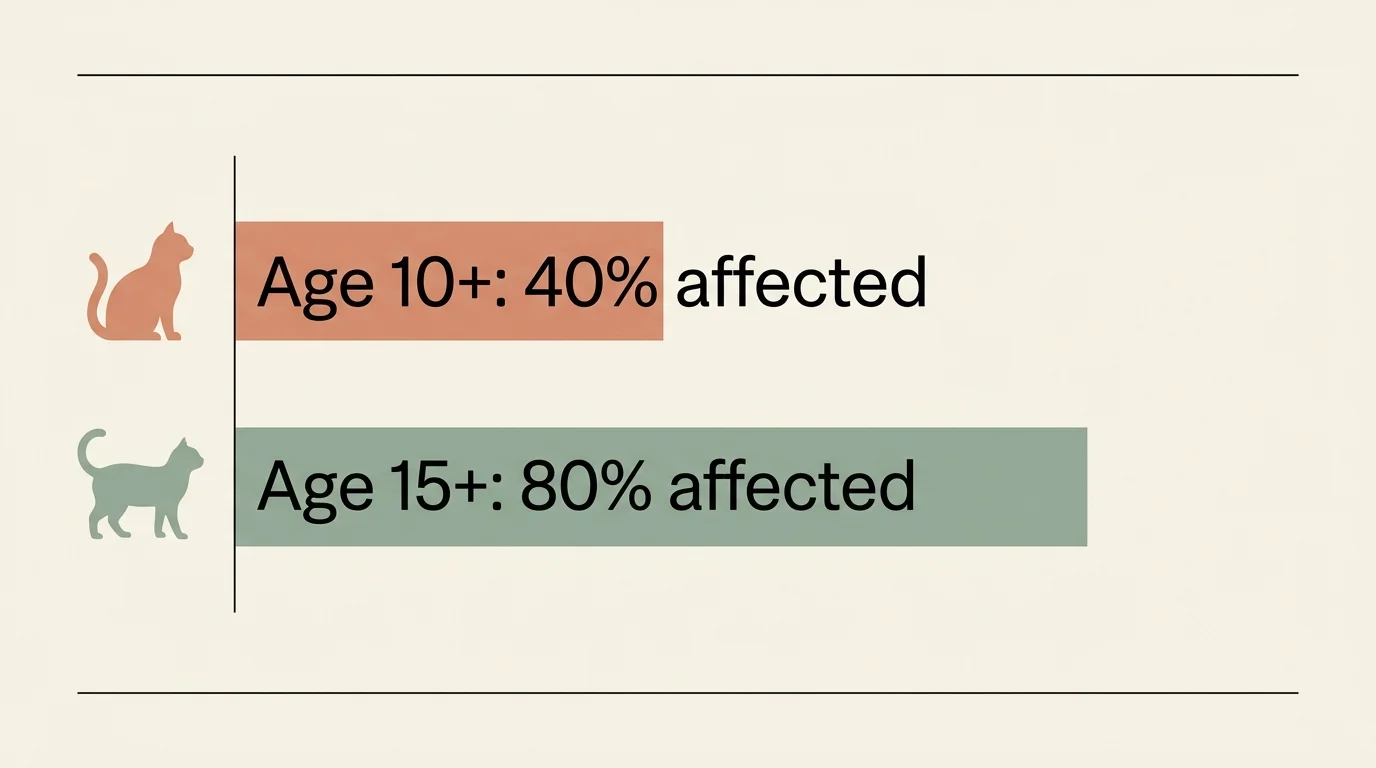
Chronic kidney disease is a leading cause of decline in senior cats, affecting up to 40 percent of felines over age 10 and 80 percent of those over 15. Because cats instinctively hide vulnerability, the damage often progresses silently before standard annual bloodwork flags a severe problem. Catching the earliest, most subtle shifts in your cat’s daily habits gives you a critical head start on management and treatment. Long before a veterinarian delivers a formal diagnosis, your cat’s water bowl, litter box, and grooming routines will begin telling a story. By recognizing these seven early warning signs of feline kidney disease, you can secure veterinary care sooner, significantly extending your cat’s comfort, happiness, and overall quality of life.
* Ends with a period? Yes.
* Describes what’s actually visible? Yes, “This chart highlights how kidney disease affects 40% of cats over ten and 80% over fifteen.” (Shows the char
Why Early Detection Matters Now
Kidneys act as the body’s internal filtration system. They remove waste from the blood, manage blood pressure, balance essential electrolytes, and produce hormones that stimulate red blood cell production. When chronic kidney disease (CKD) sets in, healthy kidney tissue gradually turns into non-functional scar tissue.
A cat can lose a significant portion of kidney function before showing obvious, severe signs of illness. Often, by the time a cat acts visibly sick or collapses, two-thirds of their kidney function is already gone. Catching the condition in its earliest stages allows you to slow the progression through simple dietary adjustments, increased hydration, and targeted medications.
Veterinary medicine continues to advance rapidly—including highly anticipated 2026 clinical applications in Japan involving an AIM protein injection designed to clear dead cells and protect feline kidneys. However, until commercial cures reach the global market, immediate intervention relies entirely on proactive management at home. Your daily observations serve as the first line of defense for your cat’s long-term health.
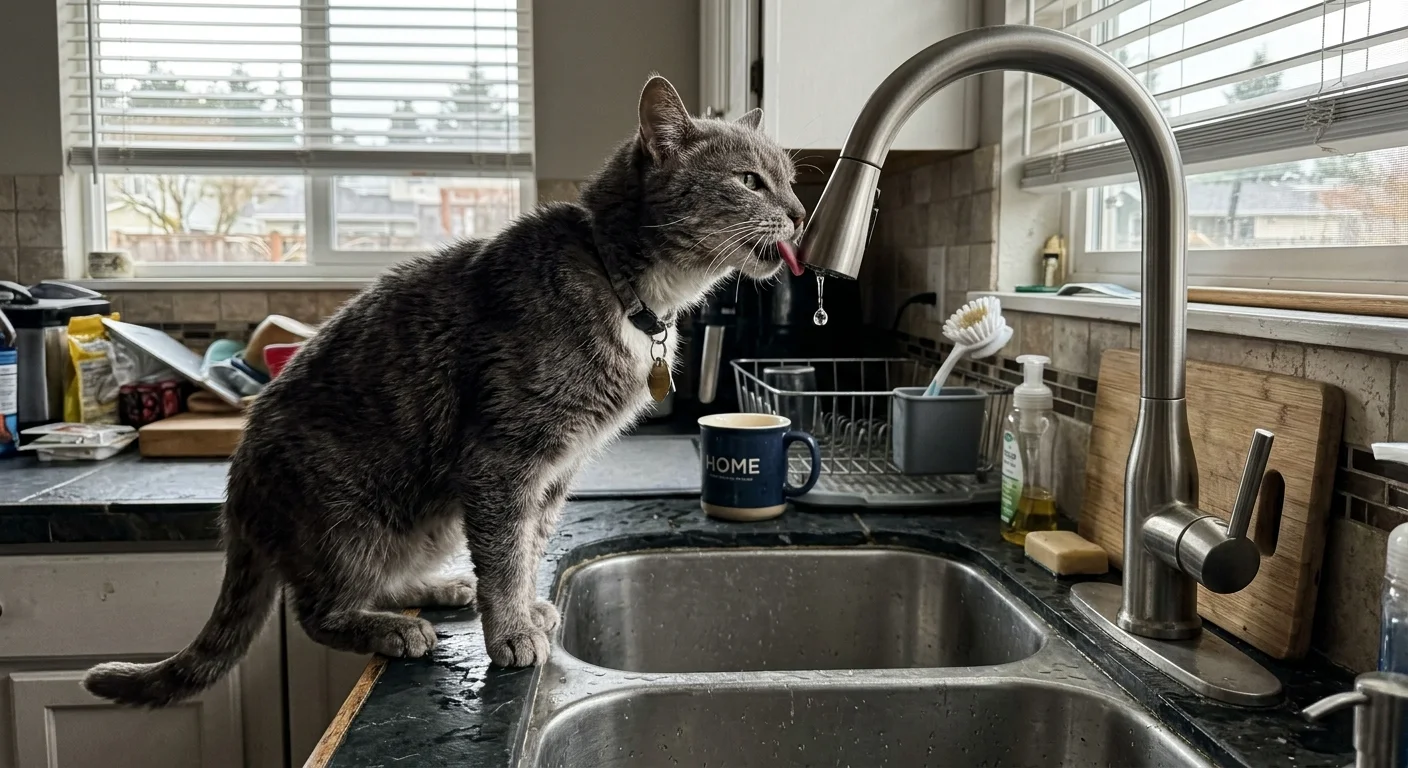
1. A Sudden Obsession With the Water Bowl (Polydipsia)
Cats are notoriously poor drinkers. Since they evolved as desert-dwelling predators, they typically get most of their required moisture directly from their prey. If you suddenly notice your senior cat making frequent, prolonged trips to the water bowl, you need to pay attention.
This behavior, known medically as polydipsia, happens because failing kidneys lose their ability to concentrate urine. Waste products that a healthy kidney would filter out with a very small amount of liquid end up flushing out vast amounts of water instead. To compensate for this internal drought and avoid fatal dehydration, your cat drinks more.
You might find your cat begging at the sink for a dripping faucet, attempting to drink from the toilet or shower floor, or draining their water bowl significantly faster than usual.
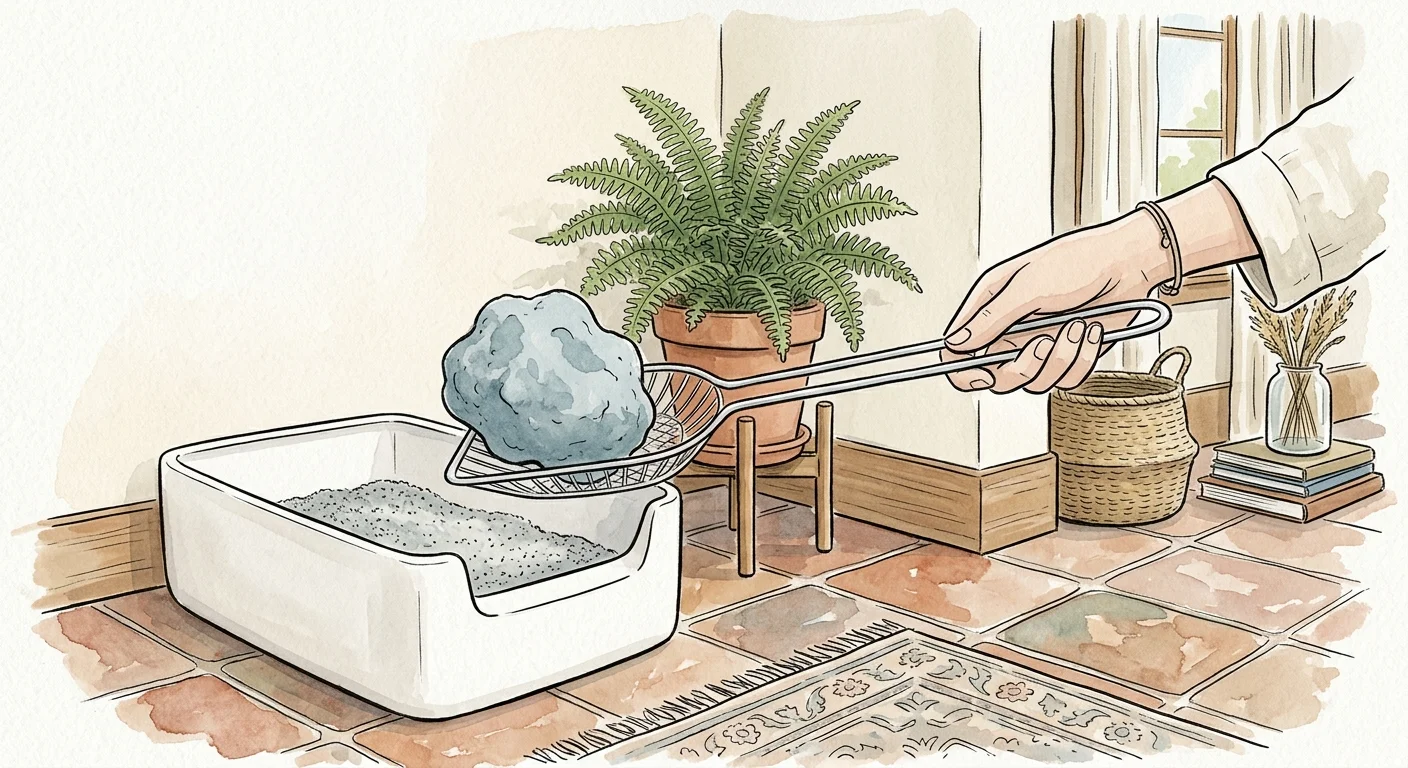
2. Larger, Heavier Clumps in the Litter Box (Polyuria)
Increased drinking inevitably leads to increased urination, a condition known as polyuria. Because the damaged kidneys can no longer conserve water, your cat’s urine becomes highly diluted and flows in much larger volumes.
When you scoop the litter box, you will likely notice the clumps are significantly larger—often the size of a grapefruit rather than a golf ball. If you use a non-clumping litter, you will find yourself changing the saturated bottom layers far more frequently.
In some cases, an older cat might have accidents just outside the box or on soft surfaces like bath mats. This rarely stems from behavioral spite; instead, it happens because their bladder fills up faster than they expect, and they simply cannot hold the volume.
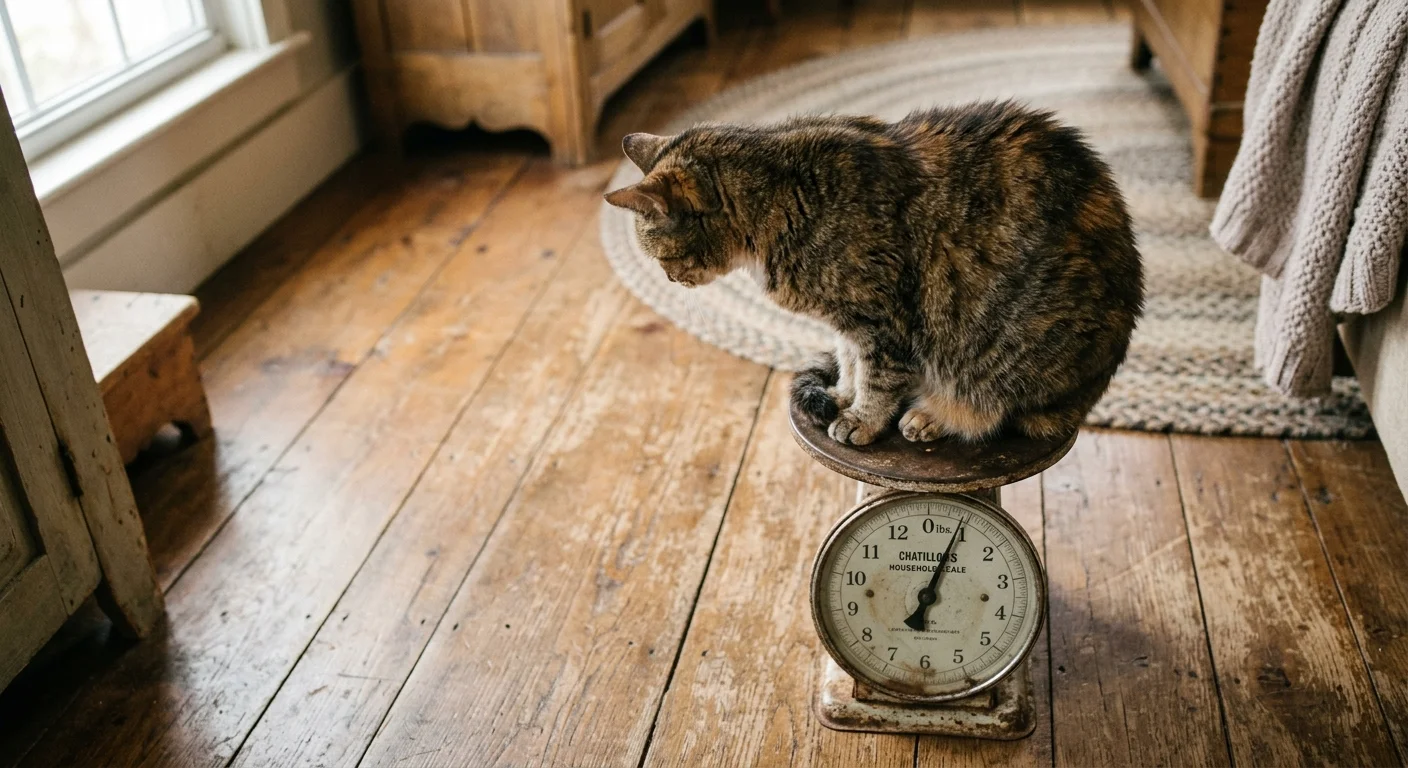
3. Unexplained and Gradual Weight Loss
Weight loss in an older cat often happens so slowly that you miss it, especially if they carry a thick or fluffy coat. Kidney disease causes a slow, insidious muscle wasting as the body struggles to process proteins properly.
You might first notice this change when petting your cat. A healthy cat has a slight layer of fat over their ribs and back. When a cat loses muscle mass due to kidney decline, the spine and hip bones become notably prominent, creating a bony ridge along their back.
According to the Cornell Feline Health Center, weight loss is a classic, primary hallmark of chronic kidney disease. Weigh your senior cat on an accurate baby scale once a month to track these subtle drops. Even a steady loss of a few ounces matters significantly for an animal that only weighs ten pounds.
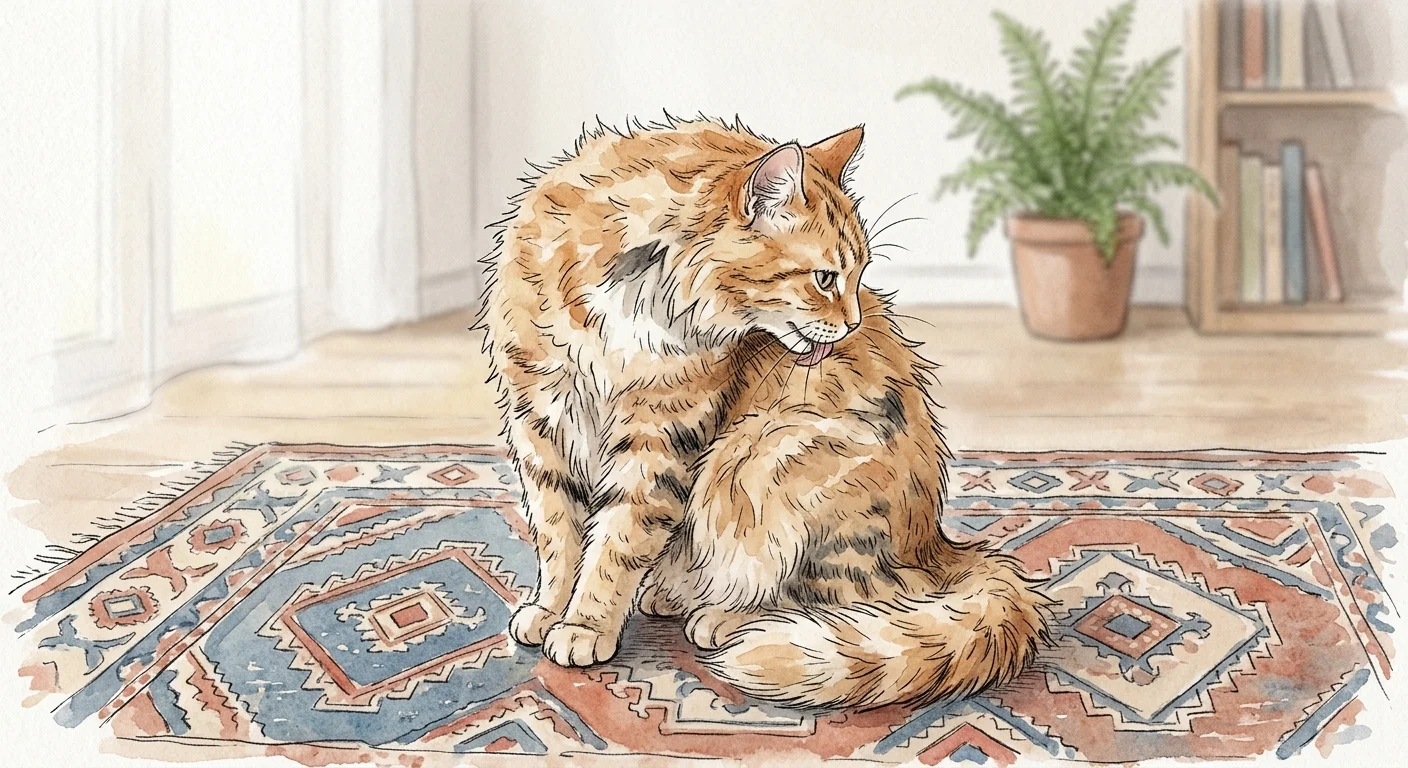
4. A Dull, Matted, or Unkempt Coat
A healthy cat spends up to half of their waking hours grooming. It takes flexibility, energy, and adequate internal hydration to maintain a pristine, glossy coat.
When kidney function declines, cats experience chronic, low-grade dehydration. Dehydrated skin produces less of the natural oils required for a healthy coat. Furthermore, as waste products build up in the blood, the cat simply feels too tired, weak, or nauseous to keep up with their rigorous grooming routine.
The result is a coat that looks spiky, dull, or overly greasy. You will frequently notice dandruff flakes and stubborn mats forming, particularly along the lower back and base of the tail where the cat has to twist to reach.
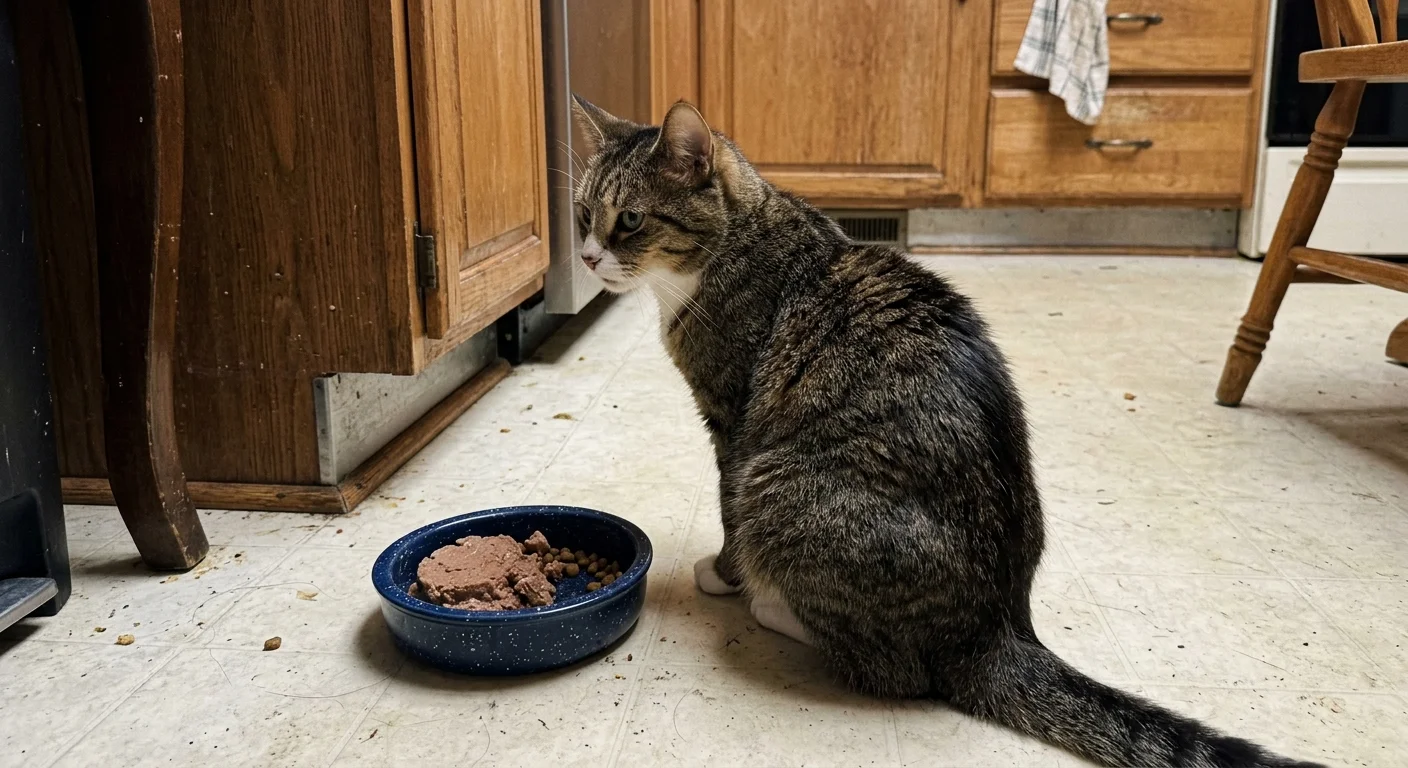
5. Picky Eating and Silent Nausea
Kidneys filter out blood urea nitrogen (BUN) and other daily toxins. When they fail to do this efficiently, these toxins accumulate in the bloodstream, essentially making the cat feel chronically hungover or motion sick.
This nausea rarely presents as full-blown vomiting right away. Instead, it looks like extreme picky eating or “food fatigue.” Your cat might walk up to their food bowl, sniff it enthusiastically as if they want to eat, and then turn away in disgust. They may lick all the liquid gravy off a serving of wet food but leave the solid meat chunks behind.
You might also notice them smacking their lips frequently, swallowing hard, or grinding their teeth. These are all subtle, involuntary physical responses to feline acid reflux and gastric discomfort.
6. Ammonia-Scented Bad Breath (Uremic Halitosis)
Dental disease is incredibly common in older cats and causes foul breath, but advanced kidney disease produces a very specific, chemical scent. As urea builds up in the body, it eventually breaks down into ammonia in the saliva.
If you catch a whiff of your cat’s breath and it smells faintly of a dirty litter box, urine, or harsh cleaning chemicals, this is known as uremic halitosis. The high levels of circulating toxins in the blood can also cause painful, microscopic ulcers to form on the gums, tongue, or roof of the mouth. These painful ulcers further discourage the cat from chewing dry kibble.
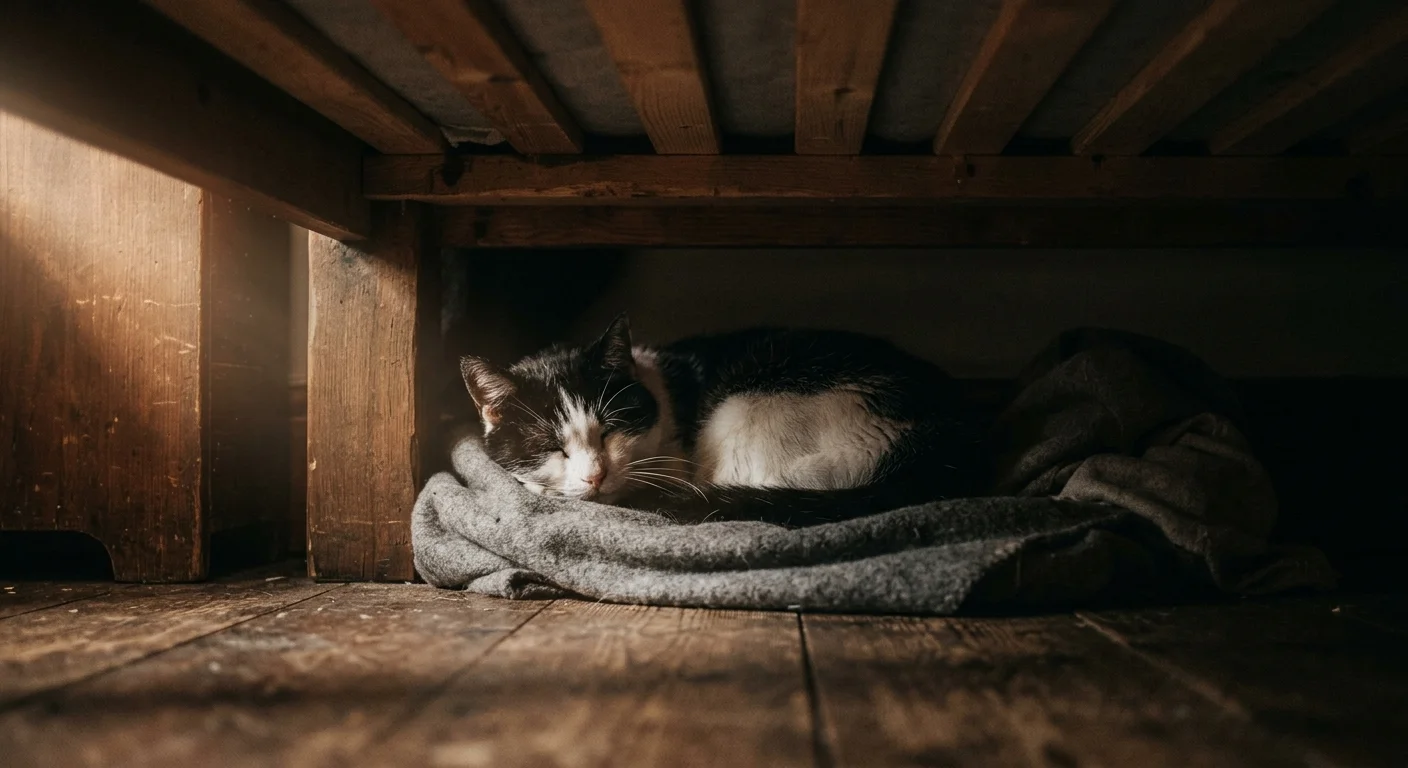
7. Increased Hiding and Lethargy
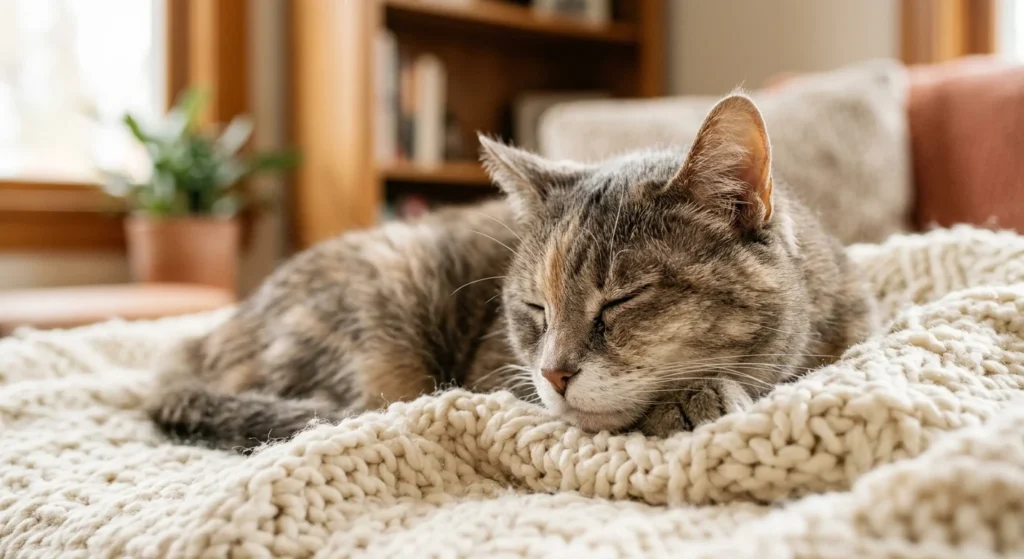
Cats are masters at masking their discomfort. When they feel vulnerable, sick, or weak, their deeply ingrained survival instinct is to withdraw to a quiet, dark place to protect themselves from predators.
You might realize that your cat no longer greets you at the door when you come home. They might stop jumping up to their favorite high spot on the cat tree, choosing instead to sleep in the back of a dark closet or far under a bed.
While it is very easy to dismiss this behavior as your cat “just getting old and slowing down,” a sudden drop in activity level, a loss of interest in favorite toys, or a withdrawal from social interaction always warrants an immediate veterinary exam.
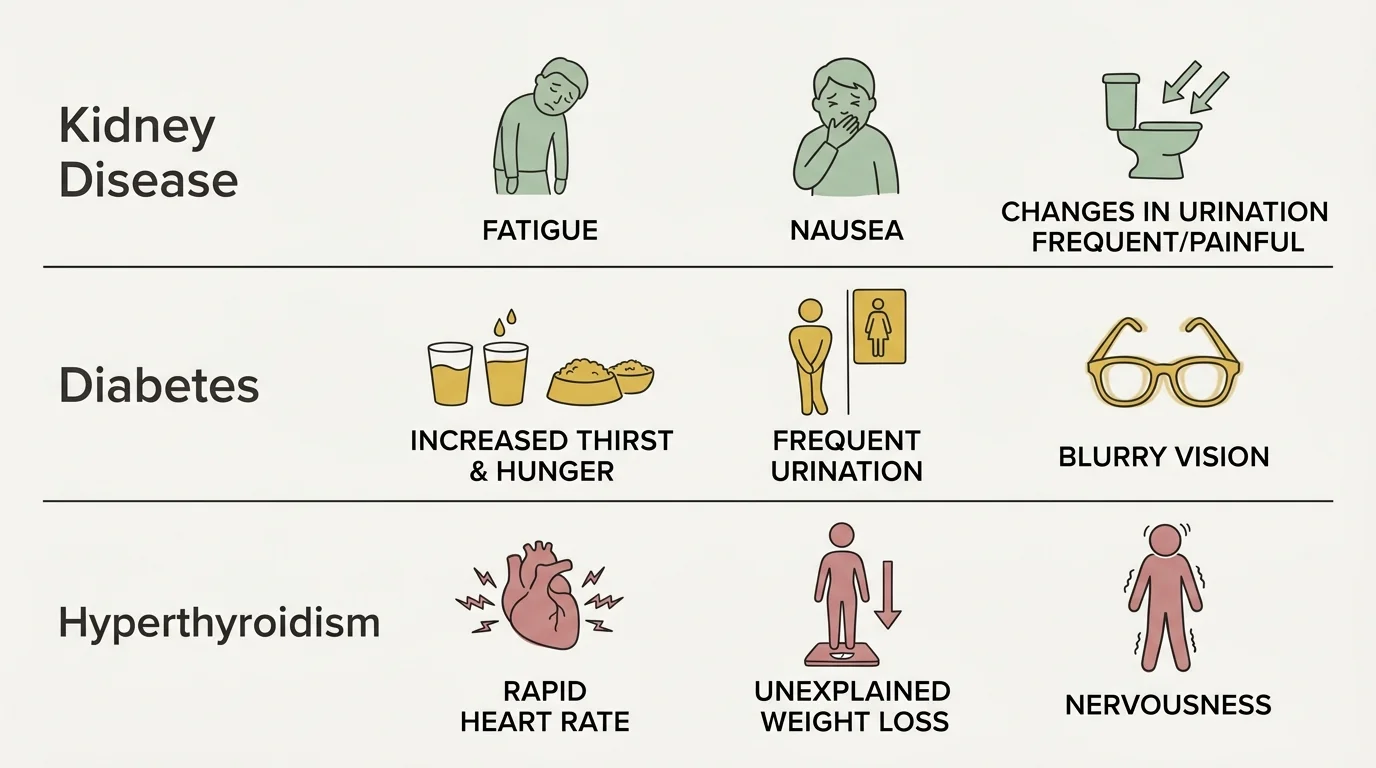
Distinguishing Kidney Disease From Other Feline Illnesses
Many symptoms of early kidney disease overlap heavily with other common senior cat ailments, particularly feline diabetes and hyperthyroidism. Knowing the difference helps you provide accurate context to your veterinarian.
| Physical Sign | Chronic Kidney Disease | Feline Diabetes | Hyperthyroidism |
|---|---|---|---|
| Thirst & Urination | Significantly increased | Significantly increased | Mild to moderately increased |
| Appetite Changes | Decreased, picky, or licking gravy only | Increased or ravenous | Extremely ravenous, stealing food |
| Weight Trajectory | Gradual, steady loss | Gradual loss despite normal eating | Rapid, aggressive loss despite eating |
| Activity & Behavior | Lethargic, hiding in dark spots | Lethargic, noticeable weakness in hind legs | Restless, vocal, pacing at night |
| Vomiting | Occasional, often clear or foamy liquid | Occasional | Frequent, often undigested food |
Common Mistakes to Avoid
Catching a progressive illness requires a sharp eye, but well-meaning cat owners sometimes make missteps that delay necessary medical care.
- Restricting water access to stop accidents: If your cat is flooding the litter box or having accidents on the floor, never take away their water bowl to stop the behavior. A cat with kidney disease physically cannot concentrate their urine; restricting their water will cause immediate, life-threatening dehydration and crash their remaining kidney function.
- Switching diets without veterinary guidance: It is tempting to buy over-the-counter “urinary” or generic “senior” diets when you suspect kidney trouble. However, true prescription kidney diets are specifically formulated with heavily restricted phosphorus and altered protein levels to reduce the workload on the organs. Feeding the wrong therapeutic diet can do more harm than good.
- Waiting for the cat to look sick: Because cats are stoic, waiting for obvious signs of pain, vocalization, or collapse means missing the early window where intervention is most effective. Treat any change in a senior cat’s baseline behavior as a genuine medical event.
Getting Expert Input
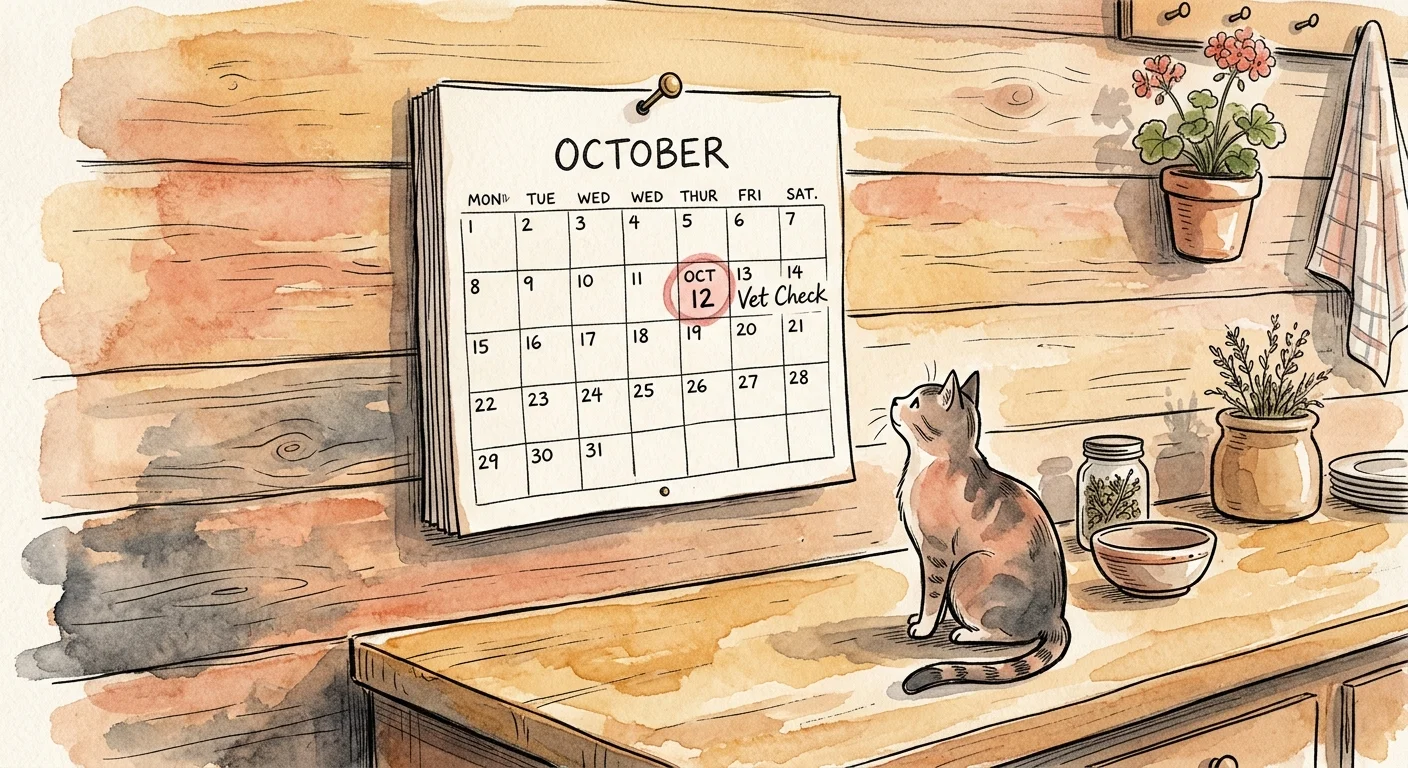
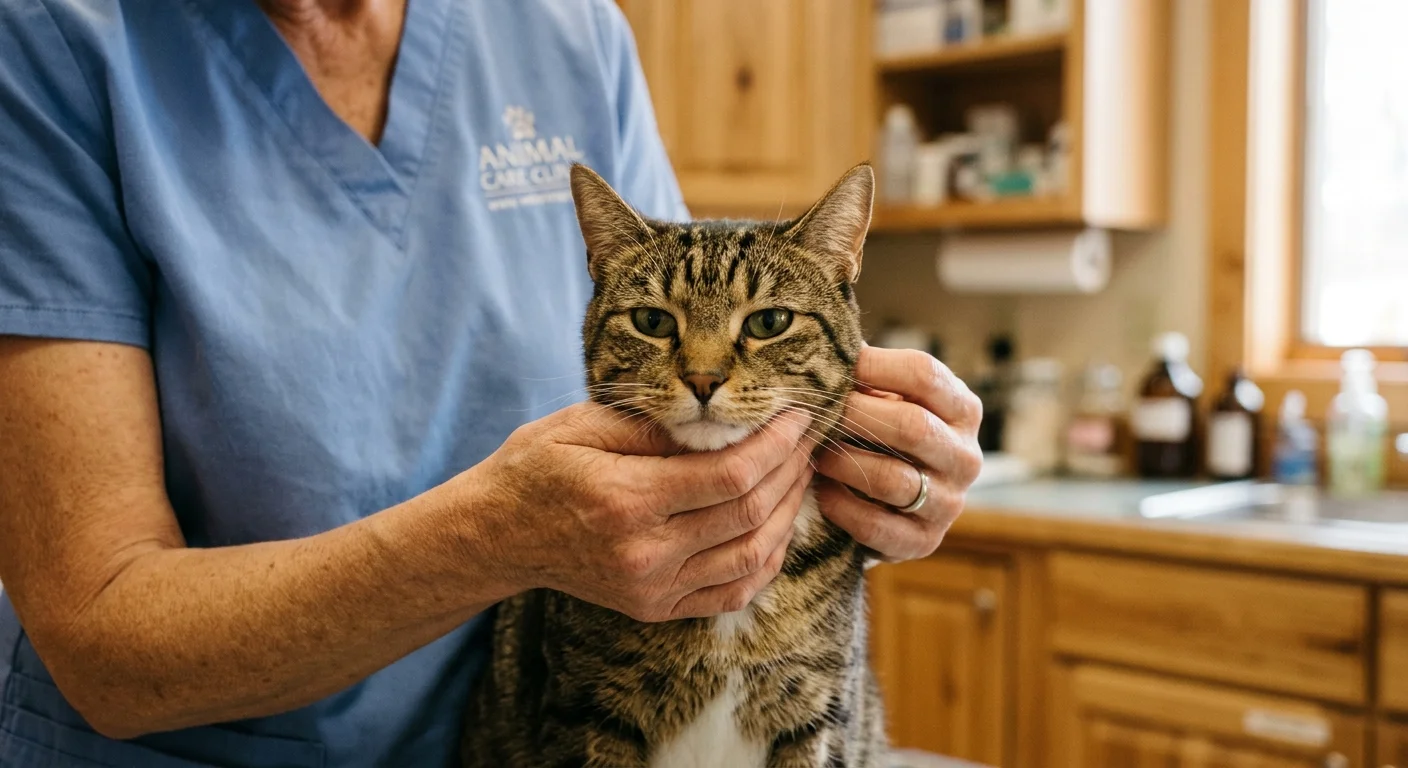
If your observations point to any of the seven signs above, scheduling a veterinary appointment is your immediate next step. The American Veterinary Medical Association recommends that senior pets visit the vet at least once a year, though twice a year is optimal for cats over age ten to catch rapid physiological changes. When you go to the clinic, advocate for your cat by discussing these specific diagnostics:
- Requesting an SDMA screening: Traditional blood tests look at creatinine and blood urea nitrogen (BUN), which only reliably spike after 75 percent of kidney function is already lost. The Symmetric Dimethylarginine (SDMA) test is a more sensitive biomarker that can detect kidney decline months or even years earlier.
- Securing a feline blood pressure check: Kidneys play a primary role in regulating blood pressure. When they fail, systemic hypertension frequently follows. Unchecked high blood pressure can cause sudden blindness through retinal detachment or trigger a stroke. Catching elevated blood pressure early allows your veterinarian to prescribe targeted medication to protect your cat’s eyes and heart.
- Collecting a home urine sample: Bring a fresh urine sample if possible. Your vet will use it to check the urine specific gravity, which confirms whether the kidneys are still successfully concentrating waste. A home sample is often easier to collect using non-absorbent plastic litter beads provided by your clinic.
- Discussing therapeutic diets: If bloodwork confirms a decline, ask your vet to calculate your cat’s specific nutritional needs. Prescription renal diets restrict phosphorus and utilize highly digestible proteins, reducing the daily workload on the remaining kidney tissue while preventing further weight loss.
Watching a beloved cat grow older requires a shift in how you care for them. By paying close attention to the subtle clues they leave behind at the water bowl, in the litter box, and on their coat, you step in as their most important advocate. The information here is meant for educational purposes. Specific circumstances—including health conditions, finances, location, and goals—may require different approaches. When in doubt, consult a licensed professional or check official sources directly.
Last updated: July 2026. Rules, prices, and details change—verify current information with official sources before acting on it.