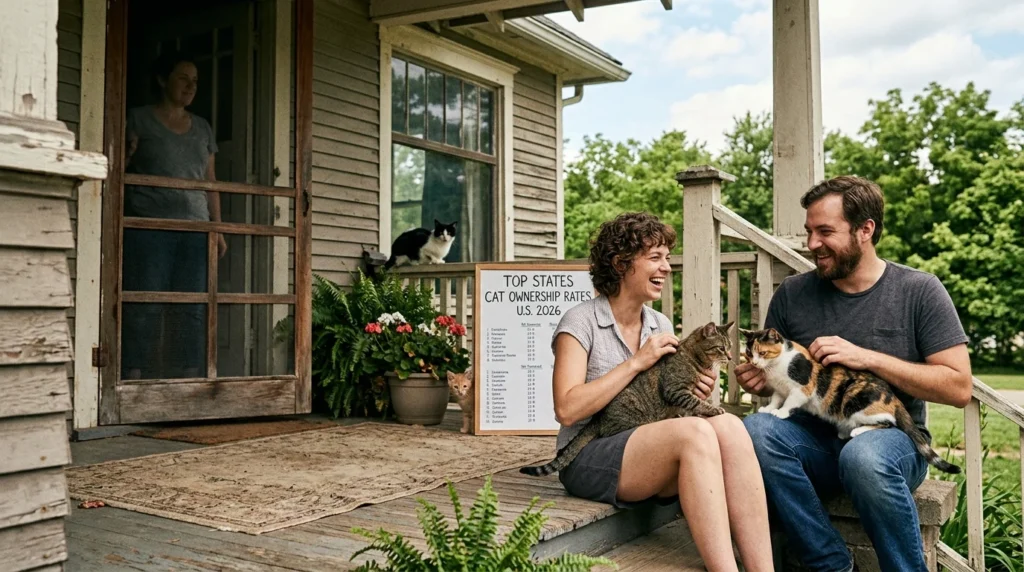
If you want to live among fellow feline enthusiasts, pack your bags for New England. According to American Veterinary Medical Association (AVMA) data, Vermont leads the nation with 44.6% of households owning a cat, while Maine follows closely at 43.6%. Nationally, approximately 49 million U.S. households share their homes with cats in 2026. While northern states boast high feline populations—likely due to colder winters and spacious rural homes—heavily urbanized states like Rhode Island and New Jersey report ownership rates below 20%. Let’s explore which states top the cat-ownership charts, the reasons behind these distinct regional divides, and what you can expect to spend on veterinary care if you decide to adopt.
The Feline Capitals: States With the Most Cats
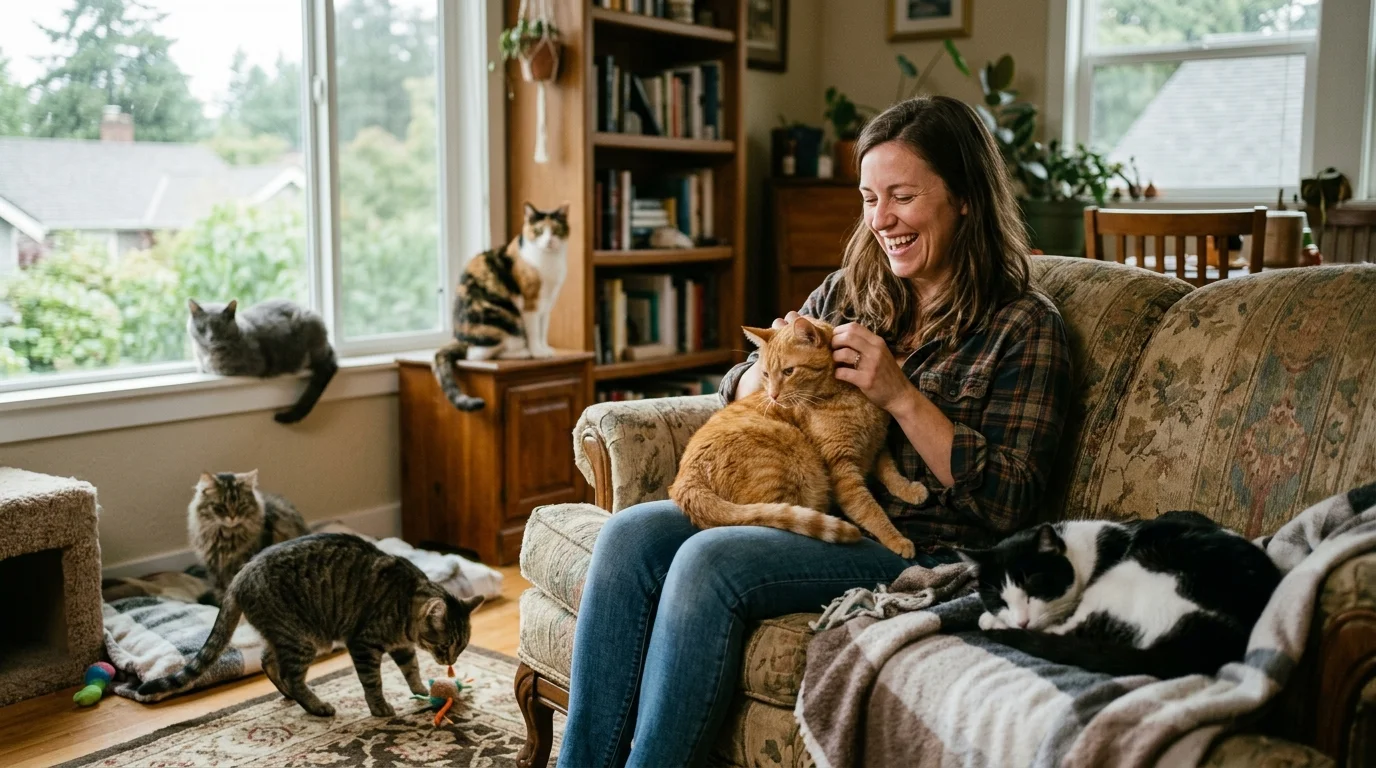
Pet ownership reveals a great deal about a region’s culture, geography, and climate. When looking closely at the statistics, New England and the broader Northeast clearly dominate the feline landscape. The states that rank the highest generally feature robust rural populations, high rates of homeownership, and climates that encourage residents to seek cozy indoor companionship.
To give you a clear picture of how the nation divides on feline affection, here is a comparison of the states with the highest and lowest cat ownership rates.
| State | Cat Ownership Rate | National Rank | Dominant Lifestyle Factor |
|---|---|---|---|
| Vermont | 44.6% | #1 | High homeownership, spacious rural areas |
| Maine | 43.6% | #2 | Colder winters, indoor-focused pet culture |
| West Virginia | 37.7% | #3 | High overall regional pet ownership rates |
| Maryland | 18.6% | #47 | High cost of living, dense urban centers |
| Rhode Island | 16.7% | #48 | Extensive urbanization, strict renter restrictions |
A Closer Look at the Top Cat States
Vermont: The Undisputed Leader
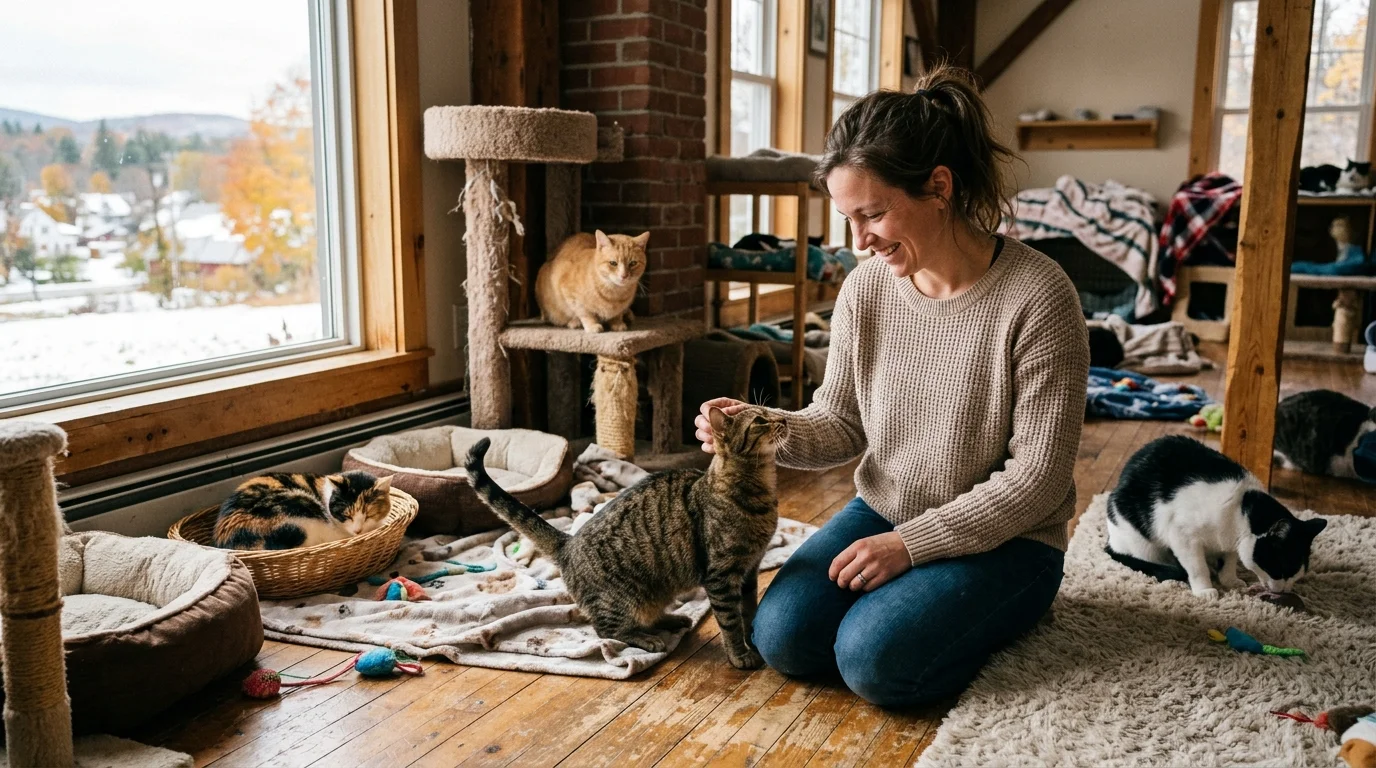
Vermont holds the crown for cat ownership, with nearly half of all households claiming at least one feline resident. The Green Mountain State is famous for its natural beauty, but its long, harsh winters drive people indoors for months at a time. Cats are incredibly self-sufficient companions that do not require walks in a blizzard, making them a highly practical choice for Vermonters. Furthermore, Vermont features a high percentage of homeowners; without landlords dictating pet policies, residents are free to adopt as many animals as they can comfortably support.
Maine: A Natural Haven for Felines
Trailing Vermont by just one percentage point is Maine. Maine possesses a deeply ingrained pet culture and is the namesake of the majestic Maine Coon—one of the oldest natural cat breeds in North America, specifically adapted to survive extreme winter weather. Like Vermont, Maine boasts a largely rural landscape where properties are large enough to house multiple pets. The cultural affection for cats here goes beyond practicality; it is a point of local pride.
West Virginia: Mountain State Companions
West Virginia tells a slightly different story. This state regularly ranks in the top five for overall pet ownership across all species, meaning its residents simply love animals. While dogs remain incredibly popular here, cats hold a formidable presence at 37.7%. The sprawling Appalachian geography provides plenty of space, and the state’s residents show a strong inclination toward adopting rescued animals to keep their multi-pet households thriving.
New Hampshire: A Unique Feline Density
While New Hampshire sits comfortably in the upper echelon of ownership rates at around 36%, it holds a distinct and fascinating record. According to recent demographic deep-dives, New Hampshire boasts the highest cat-to-dog ratio in the country—reportedly hosting 163 cats for every 100 dogs. If you walk into a pet supply store in New Hampshire, you are overwhelmingly likely to find residents stocking up on litter and feather wands rather than chew toys and leashes.

Where Cats Are Rare: The States With the Lowest Ownership Rates
On the opposite end of the spectrum, you will find states where feline companions are surprisingly scarce. Rhode Island anchors the bottom of the list at 16.7%, followed closely by Maryland and New Jersey, both hovering below the 20% mark. Louisiana and Texas also report lower-than-average feline populations, though for different geographical and cultural reasons.
Rhode Island: The Lowest Rate in the Nation
It might seem counterintuitive that Rhode Island, a state right next to the cat-loving powerhouses of New England, has the lowest ownership rate in the nation. The reasons are primarily logistical. Rhode Island is the smallest and one of the most densely populated states in the U.S. This leads to a high concentration of renters living in multi-family homes and apartment complexes. In these environments, strict landlord restrictions heavily suppress pet adoption.
Maryland and New Jersey: The Urban Squeeze
Maryland and New Jersey share similar structural hurdles. Both states contain massive urban corridors connected to major metropolitan hubs like Washington D.C., Baltimore, Philadelphia, and New York City. The cost of living is notoriously high, and space is a premium commodity. Even though cats are physically well-suited for smaller apartments, the financial barriers—ranging from exorbitant pet deposits to monthly “pet rent” fees—convince many residents to hold off on adoption until they can purchase their own homes.

City vs. Country Living: How Geography Influences Your Pet Choices
Whether you prefer a sleek modern apartment or a sprawling rural farmhouse, your environment directly dictates your pet ownership journey. According to the American Veterinary Medical Association, approximately 66% of all U.S. households own a pet in 2026. However, ownership leans heavily toward rural and suburban areas.
In rural communities, pet ownership often reaches 71%. Homeowners possess the acreage to keep multiple animals and face zero pushback from corporate property management companies. In urban centers, pet ownership drops to 53%. City-dwelling cat owners must navigate tight square footage, a lack of natural stimulation for their pets, and complex lease agreements. While cities theoretically favor cats over dogs—since felines do not require grassy parks for daily bathroom breaks—the high barrier to entry in the rental market keeps urban numbers artificially low.

The Changing Demographics of Feline Enthusiasts
The stereotype of the older, isolated cat owner is rapidly fading into obscurity. Today, Millennials represent the largest demographic of pet parents at roughly 33%, followed closely by Generation X and Baby Boomers. Generation Z is also rapidly entering the pet market as they graduate college and secure their first independent apartments.
This younger wave of owners views their cats as definitive family members rather than mere household fixtures. This demographic shift is actively driving industry trends toward premium care. Younger owners are significantly more likely to purchase high-quality grain-free diets, invest in automated self-cleaning litter boxes, and seek out comprehensive veterinary insurance. Because they view their pets as children, they also factor in state-level veterinary access and local pet-friendly infrastructure when deciding where to live, work, and recreate.

The Financial Side of Cat Ownership in 2026
Adopting a cat brings immense joy, but it also introduces a serious financial commitment. The cost of pet care has risen sharply alongside broader inflation, making it critical to budget accurately before bringing a new companion home.
Food and Daily Supplies
Your ongoing expenses will vary widely based on the lifestyle you choose for your cat. According to a 2026 cost of pet parenthood report by Rover, standard dry kibble might cost you $240 a year, but if your cat requires a specialized prescription diet for kidney health or urinary care, that number can easily soar to $1,980 annually. You must also account for recurring necessities like litter, scratching posts, and engaging toys to keep an indoor cat mentally stimulated.
Veterinary Care and Insurance
Veterinary medicine is advancing, offering treatments that were unimaginable a decade ago—but these advancements come at a premium. Bureau of Labor Statistics data from early 2026 shows that veterinary services increased in cost by over 5% year-over-year. The national average for a routine preventative visit sits at around $138 for cats, but diagnostics will multiply that bill quickly. A simple blood panel or abdominal ultrasound can range from $75 to $600.
To offset these unpredictable costs, pet insurance has become a staple for modern owners. Comprehensive accident and illness coverage for an adult cat currently averages $28 per month nationwide. For many owners, paying a predictable monthly premium provides vital peace of mind, ensuring that a sudden illness will not devastate their savings.

Things to Watch Out For
If you are planning to join the ranks of cat owners this year, geographical and financial realities can present unexpected hurdles. Keep these specific scenarios in mind:
- Navigating strict rental restrictions in urbanized states: If you live in a dense market like Rhode Island or New Jersey, you will face a fiercely competitive rental landscape. Many landlords impose strict limits on the number of pets, require non-refundable pet deposits up to $500, or charge a monthly “pet rent.” Always secure written permission in your lease before bringing a cat home to avoid eviction threats.
- Underestimating the lifetime cost of care: With veterinary services and premium food diets increasing in cost, you must budget for more than just a bag of kibble. A single emergency veterinary visit for a common feline issue—such as a male cat suffering from a life-threatening urinary blockage—can quickly cost between $1,500 and $3,000.
- Assuming rural areas are completely safe for outdoor roaming: While Vermont and Maine offer plenty of beautiful open space, they also host dense populations of wildlife predators, including coyotes, fishers, and birds of prey. Letting your cat roam freely exposes them to preventable dangers and diseases. Consider building a secure outdoor “catio” or training your cat to walk on a harness instead.
- Skipping insurance because your cat lives indoors: It is easy to assume an indoor-only cat will never get hurt. However, indoor cats frequently ingest foreign objects like string, develop diabetes, or suffer from chronic kidney disease as they age. By the time a chronic condition officially appears on their medical record, it is considered pre-existing, and you will not be able to purchase a policy that covers it.
Embracing Life With Your Cat
Understanding the landscape of cat ownership in 2026 offers a fascinating glimpse into how geography, housing markets, and generational shifts influence the way we live with our pets. Whether you reside in the cat-dense mountains of Vermont or a high-rise apartment in New Jersey, providing a loving, enriched environment remains the most important factor in your cat’s health and happiness. By planning ahead for housing rules, nutritional needs, and veterinary care, you can ensure your feline companion thrives by your side for years to come. The information here is meant for educational purposes. Specific circumstances—including health conditions, finances, location, and goals—may require different approaches. When in doubt, consult a licensed professional or check official sources directly.
Last updated: July 2026. Rules, prices, and details change—verify current information with official sources before acting on it.