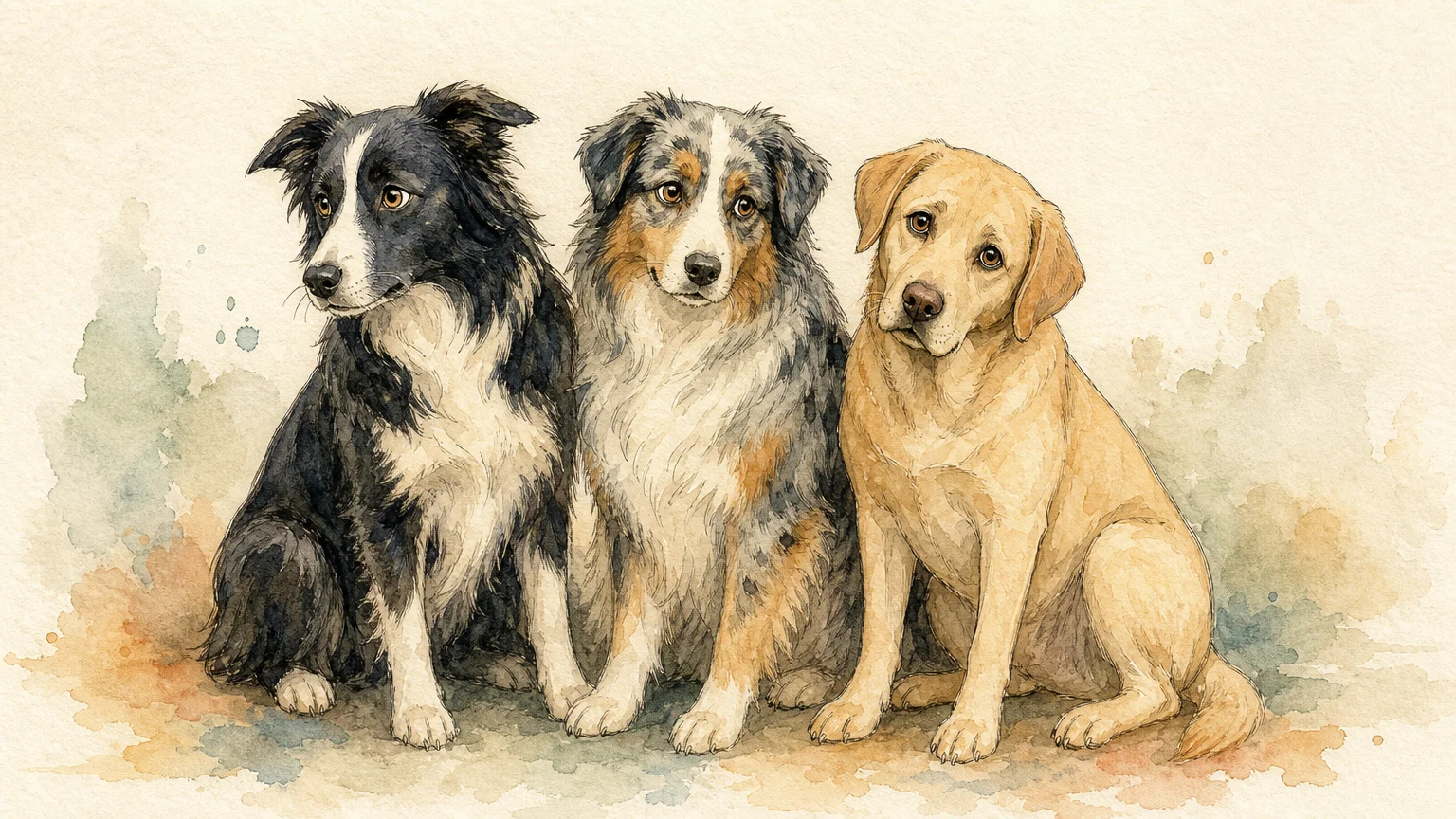
Certain dog breeds possess such a highly developed working intelligence that they can learn a new trick in fewer than five repetitions. If you want a dedicated companion for agility courses or a furry friend who easily masters basic obedience, picking one of these highly trainable dogs changes the entire experience. According to canine researchers, intelligence in dogs is measured by how quickly they process new information, focus under pressure, and work in sync with their human handlers. While any dog can learn with enough patience, these 12 standout breeds consistently top the charts for their unmatched ability to understand commands, read human body language, and execute complex tasks almost instantly.
What Makes a Dog Breed “Smart”?
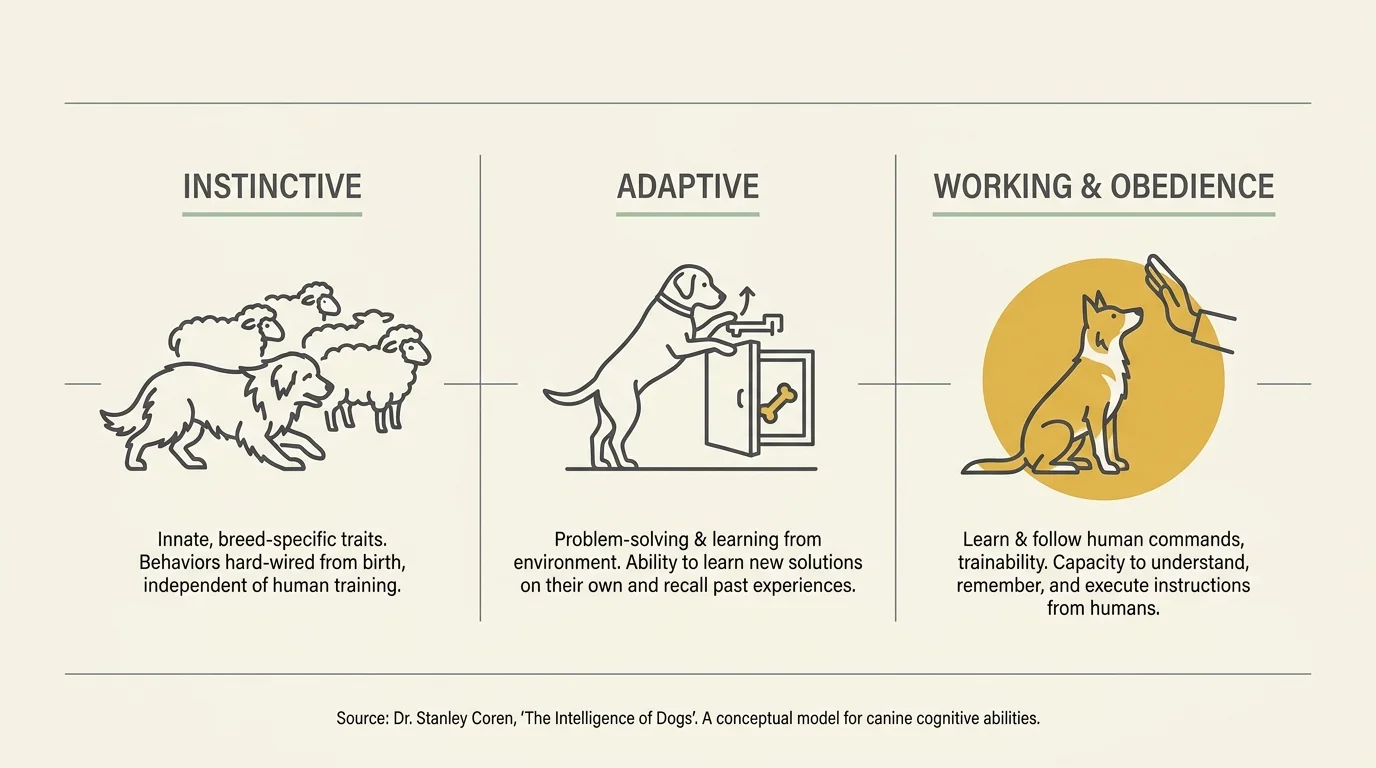
When dog trainers talk about canine intelligence, they do not just mean a dog’s ability to stay out of trouble. In the 1990s, canine psychologist Dr. Stanley Coren revolutionized how we understand dogs by breaking canine intellect down into three specific categories: instinctive, adaptive, and working intelligence.
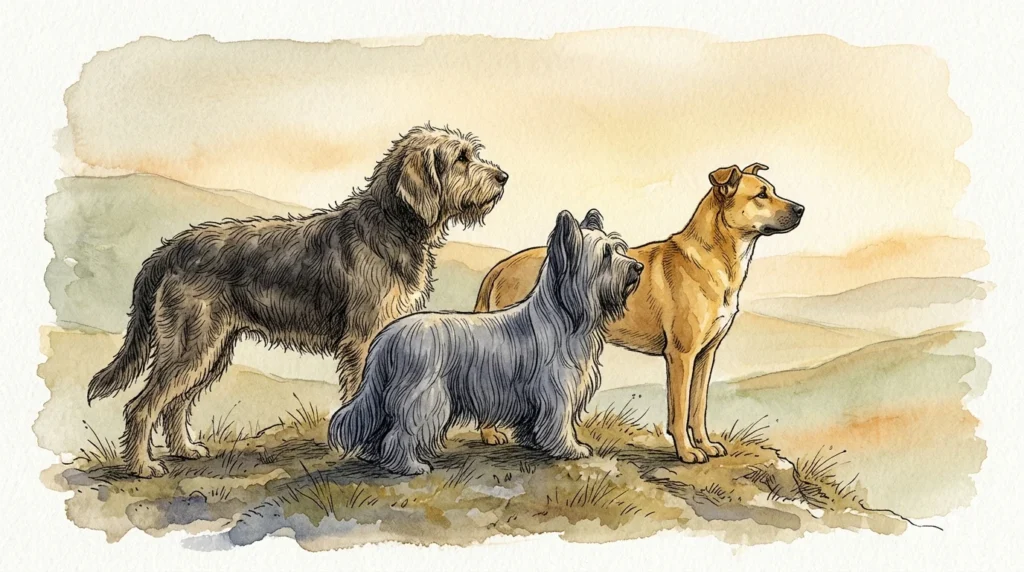
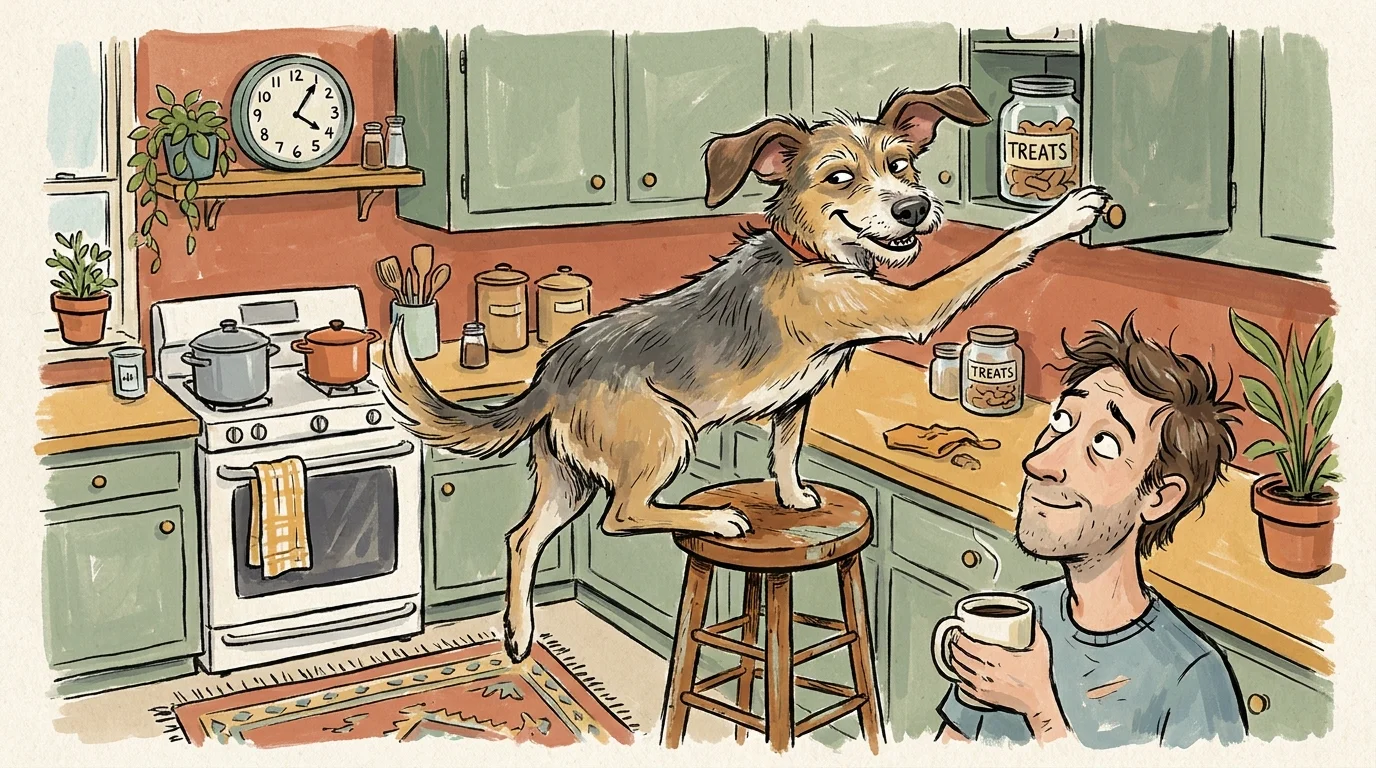
Instinctive intelligence refers to the specific job the dog was historically bred to do—such as herding sheep, guarding property, or retrieving waterfowl. Adaptive intelligence measures how well a dog learns from their environment and solves problems independently, like figuring out how to open a cabinet to reach the treats. However, when we talk about dogs that learn tricks quickly, we are looking specifically at working and obedience intelligence.
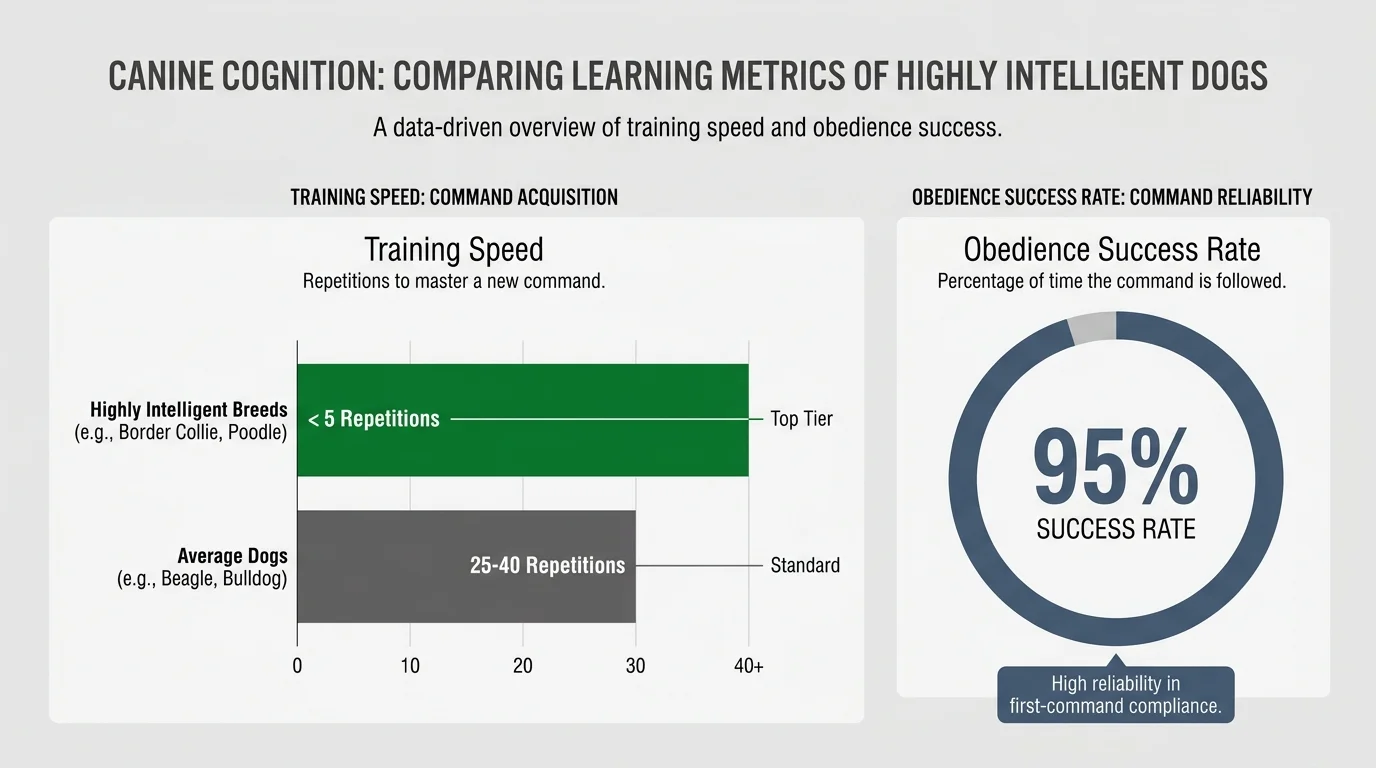
According to research presented to the American Psychological Association, dogs at the top of the working intelligence tier can learn a new command in fewer than five repetitions. Furthermore, they obey the first command they are given at least 95 percent of the time. These dogs thrive on human instruction, making them the stars of obedience trials, agility courses, and living room trick routines.
The 12 Smartest Dog Breeds for Training
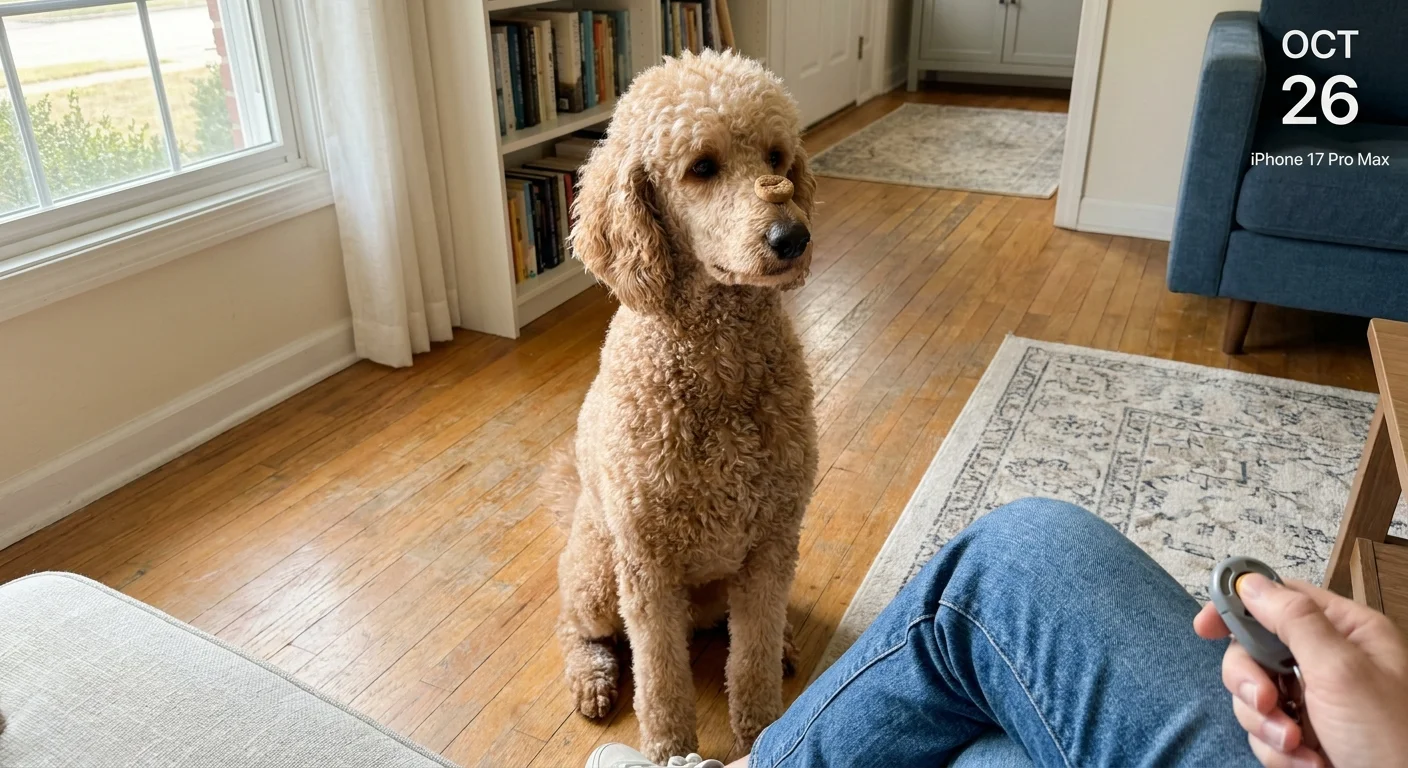
If you want a dog that catches on fast and genuinely enjoys the learning process, these 12 breeds are widely recognized as the quickest learners in the canine world.
1. Border Collie
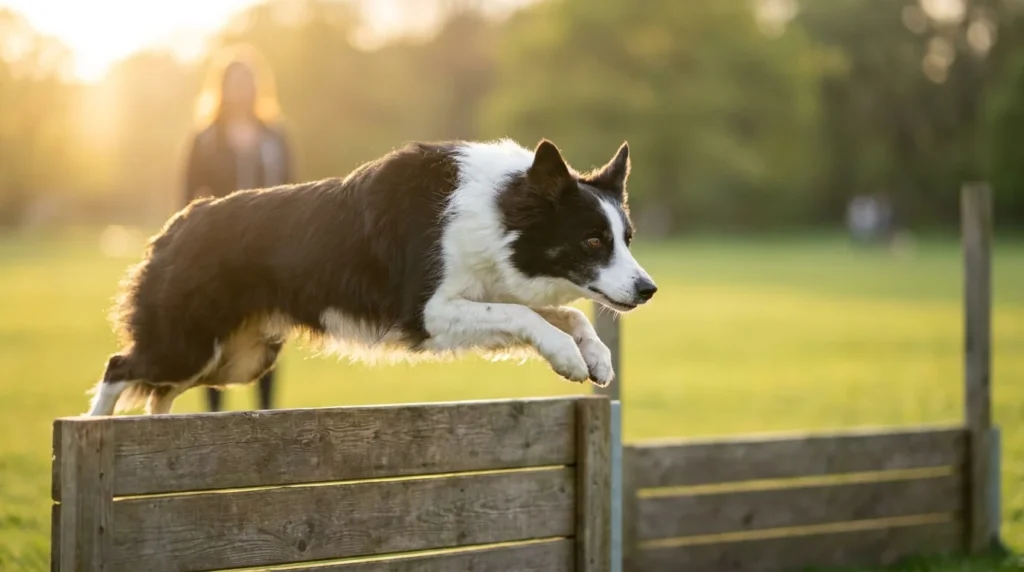
Consistently ranking as the most intelligent dog breed on the planet, the Border Collie is a whip-smart workaholic. Bred to herd sheep across the rugged, hilly Scottish borders, these dogs possess an intense stare and an unmatched drive to complete tasks. They learn so quickly that owners often have to continuously invent new tricks just to keep them mentally occupied.
The true potential of a Border Collie’s memory was proven by a famous dog named Chaser, who was trained by a psychology professor at Wofford College. Over her lifetime, Chaser successfully learned and recognized 1,022 distinct words by name. She could even categorize her toys by function and shape—a feat that proved just how deeply this breed understands human language and inferential reasoning.
2. Poodle
Do not let the curly coat and elegant appearance fool you; the Poodle is a brilliant, eager-to-please working dog. Originally bred in Germany as water retrievers, Poodles come in three sizes—Standard, Miniature, and Toy—but all share the same high-level intellect. They are highly observant and deeply sensitive to your tone of voice, which allows them to pick up on training cues almost instantly. Because they do not have the intense herding drive of a Border Collie, many owners find Poodles slightly easier to manage as household pets while still reaping the benefits of a remarkably fast learner.
3. German Shepherd
There is a good reason the German Shepherd is the preferred breed for police, military, and search-and-rescue work worldwide. They are incredibly courageous, but their true superpower is their unwavering focus. A German Shepherd views training as a serious job and wants nothing more than to execute tasks perfectly for their primary handler. They possess both the physical strength to perform demanding agility tasks and the mental sharpness to learn complex, multi-step commands, making them highly versatile working partners.
4. Golden Retriever
Golden Retrievers are famous for their friendly, goofy dispositions, but beneath that soft exterior lies a highly trainable brain. Bred to retrieve waterfowl without damaging it, they naturally pay close attention to human direction and have a strong, innate desire to please. Goldens respond exceptionally well to positive reinforcement—especially food and physical affection—and they memorize household routines and obedience cues with minimal repetition. Their gentle nature, paired with high intelligence, makes them a top choice for complex mobility assistance and therapy work.
5. Doberman Pinscher
The Doberman Pinscher is sleek, powerful, and remarkably sharp. Originally bred in the 19th century by a German tax collector for personal protection, the Doberman is fearless but deeply devoted to their family. They are known for retaining their training exceptionally well. Once a Doberman learns a trick or a command, they rarely forget it. They thrive under confident, consistent leadership and excel in advanced obedience, tracking, and agility sports.
6. Shetland Sheepdog
Often referred to as the “Sheltie,” this small herding breed looks like a miniature Rough Collie but packs an oversized brain. Shelties are highly attuned to their owners; they watch your every move and listen closely to your subtle commands. This intense attentiveness makes them absolute superstars in agility and obedience competitions. They learn tricks quickly but can be emotionally sensitive, so they respond best to enthusiastic praise and gentle, positive guidance rather than harsh corrections.
7. Labrador Retriever
The Labrador Retriever has spent decades as one of the most popular dogs in the world, and their trainability plays a huge role in that success. According to the American Kennel Club, Labs are outgoing, eager to please, and highly food-motivated. If you hold a handful of treats, a Lab will figure out exactly what you want them to do in record time. From fetching a newspaper to performing vital search-and-rescue operations, the Lab is a reliable, fast-learning companion that adapts well to almost any training scenario.
8. Papillon
Weighing in at under 10 pounds, the Papillon proves that huge brains can come in tiny packages. Named for their distinctive butterfly-like ears, these toy dogs do not act like typical lap dogs. They have a spaniel heritage, making them lively, curious, and extraordinarily quick learners. Papillons routinely dominate the small-dog divisions in agility courses and love learning complex parlor tricks just to show off for their families.
9. Rottweiler
The Rottweiler is an ancient breed that once drove cattle for the Roman army. Today, they are known as confident, robust guardians with surprisingly quick minds. A Rottweiler learns routines effortlessly and feels most fulfilled when given a specific job to do. Because of their impressive size and strength, early and consistent training is essential, but owners are often surprised by how quickly a Rottweiler masters basic obedience when motivated by high-value treats and physical play.
10. Australian Cattle Dog
Also known as the Blue Heeler, the Australian Cattle Dog is a relentless, high-energy worker bred to drive cattle across harsh, unforgiving terrain. They are exceptionally smart, but their intelligence comes with a strong independent streak. If they respect you and find the training engaging, they will learn a trick in just a few tries. However, if the trick seems pointless or boring, they might just ignore you and find their own entertainment. They thrive on advanced tricks like catching frisbees or navigating complex obstacle courses.
11. Pembroke Welsh Corgi
Do not let their short legs fool you; Corgis are rugged, athletic cattle herders. They are alert, fearless, and highly observant. A Corgi learns the rules of the house rapidly but will also quickly learn how to bend them if you are not strictly consistent. They excel at tricks that involve movement and problem-solving, though their independent nature means you may occasionally have to negotiate with them using top-tier rewards.
12. Miniature Schnauzer
Bred as all-around farm dogs and ratters, Miniature Schnauzers are alert, spirited, and eager to participate in whatever you are doing. Unlike some other terrier breeds that can be famously stubborn, the Miniature Schnauzer is highly responsive to human direction. They learn verbal commands and hand signals quickly, making them highly entertaining and obedient companions that thrive on varied, fast-paced training sessions.
Comparing the Quick Learners
If you are trying to decide which of these intelligent breeds fits your lifestyle, it helps to compare their size, origins, and what best motivates them during training sessions.
| Breed | Origin Group | Typical Weight | Best Training Reward |
|---|---|---|---|
| Border Collie | Herding | 30–55 lbs | Fast-paced play and complex tasks |
| Poodle (Standard) | Non-Sporting | 40–70 lbs | Praise and retrieve games |
| German Shepherd | Herding | 50–90 lbs | Structured tasks and handler praise |
| Golden Retriever | Sporting | 55–75 lbs | Food and physical affection |
| Doberman Pinscher | Working | 60–100 lbs | Clear tasks and confident leadership |
| Shetland Sheepdog | Herding | 15–25 lbs | Enthusiastic praise and gentle treats |
| Labrador Retriever | Sporting | 55–80 lbs | High-value food treats |
| Papillon | Toy | 5–10 lbs | Tiny treats and excitable play |
| Rottweiler | Working | 80–135 lbs | Food and physical tasks |
| Australian Cattle Dog | Herding | 35–50 lbs | Advanced jobs and frisbee games |
| Pembroke Welsh Corgi | Herding | 25–30 lbs | Food and herding-style games |
| Miniature Schnauzer | Terrier | 11–20 lbs | Toys and short, varied games |
Things to Watch Out For
Owning a remarkably smart dog sounds ideal, but high intelligence comes with its own set of challenges. If you are bringing home a fast learner, keep these potential pitfalls in mind to ensure a harmonious household:
- Mental Exhaustion is Mandatory: A smart dog desperately needs a job. Physical exercise is not enough; if you do not provide puzzles, training sessions, or tasks, your dog will invent their own job—which usually involves redesigning your couch cushions or digging up your landscaping.
- Boredom Resistance: A dog that learns a trick in five repetitions will get incredibly bored by the tenth. If you drill the same command over and over, a highly intelligent dog will eventually tune you out. You must keep training sessions short, fast-paced, and varied.
- Manipulative Behavior: Smart dogs observe their owners just as closely as you observe them. They quickly learn exactly which subtle behaviors get them extra treats or attention, effectively training you while you think you are training them.
- Overstimulation: High intelligence often pairs with high environmental sensitivity. Breeds like the Border Collie, German Shepherd, and Sheltie notice every sound and movement. If there is too much chaos, they can become anxious or overly reactive.
FAQs About Trainable Dogs
Which smart dog breed is best for a beginner?
Golden Retrievers and Labrador Retrievers are widely considered the best options for first-time dog owners. They are highly intelligent but incredibly forgiving of training mistakes. They genuinely want to make you happy and are far less likely to outsmart or manipulate an inexperienced owner compared to a Border Collie or an Australian Cattle Dog.
Does a dog’s age affect how fast they learn tricks?
Puppies absorb new information like sponges because they have not yet formed bad habits. However, adult and senior dogs are fully capable of learning new tricks rapidly, provided they are physically able to perform the movement and are motivated by the right reward. In fact, older dogs often have vastly better focus than easily distracted puppies.
Why is my highly intelligent dog ignoring my commands?
If a famously smart dog ignores you, it is rarely a lack of understanding. Usually, it means the dog is bored, the reward you are offering is not valuable enough, or their deeply ingrained instincts have taken over. For example, a herding dog might ignore a recall command if they are currently hyper-focused on chasing a squirrel across the yard.
Make Training a Bonding Experience
Bringing home one of these intelligent breeds means signing up for an interactive, engaging relationship. The joy of owning a fast learner is not just about showing off impressive parlor tricks to your friends; it is about the deep, rewarding connection you build when you and your dog learn to communicate effortlessly. Keep your training sessions positive, stay consistent with your boundaries, and always remember to challenge your dog’s brain just as much as you exercise their body.
The information here is meant for educational purposes. Specific circumstances—including health conditions, finances, location, and goals—may require different approaches. When in doubt, consult a licensed professional or check official sources directly.
Last updated: May 2026. Rules, prices, and details change—verify current information with official sources before acting on it.