When you choose a feline companion, you naturally hope for a bond that lasts over a decade. However, a landmark 2024 study by the Royal Veterinary College analyzed veterinary records for nearly 8,000 cats and revealed stark differences in longevity across pedigrees. While mixed-breed cats boast an average lifespan of nearly 12 years, several popular purebreds fall surprisingly short due to inherited conditions and narrow gene pools. From the distinctively hairless Sphynx to the internet-famous Maine Coon, these seven domestic cat breeds possess the lowest life expectancies recorded in the veterinary data. Understanding these specific breed timelines and genetic challenges helps you prepare for the specialized care and veterinary costs involved.
Why Population Data Differs From Breed Reputation
If you search for the lifespan of a British Shorthair or Russian Blue, you will likely find breed clubs claiming these cats live 15 to 20 years. While individual cats certainly reach those milestones with excellent care, population-wide veterinary data tells a different story.
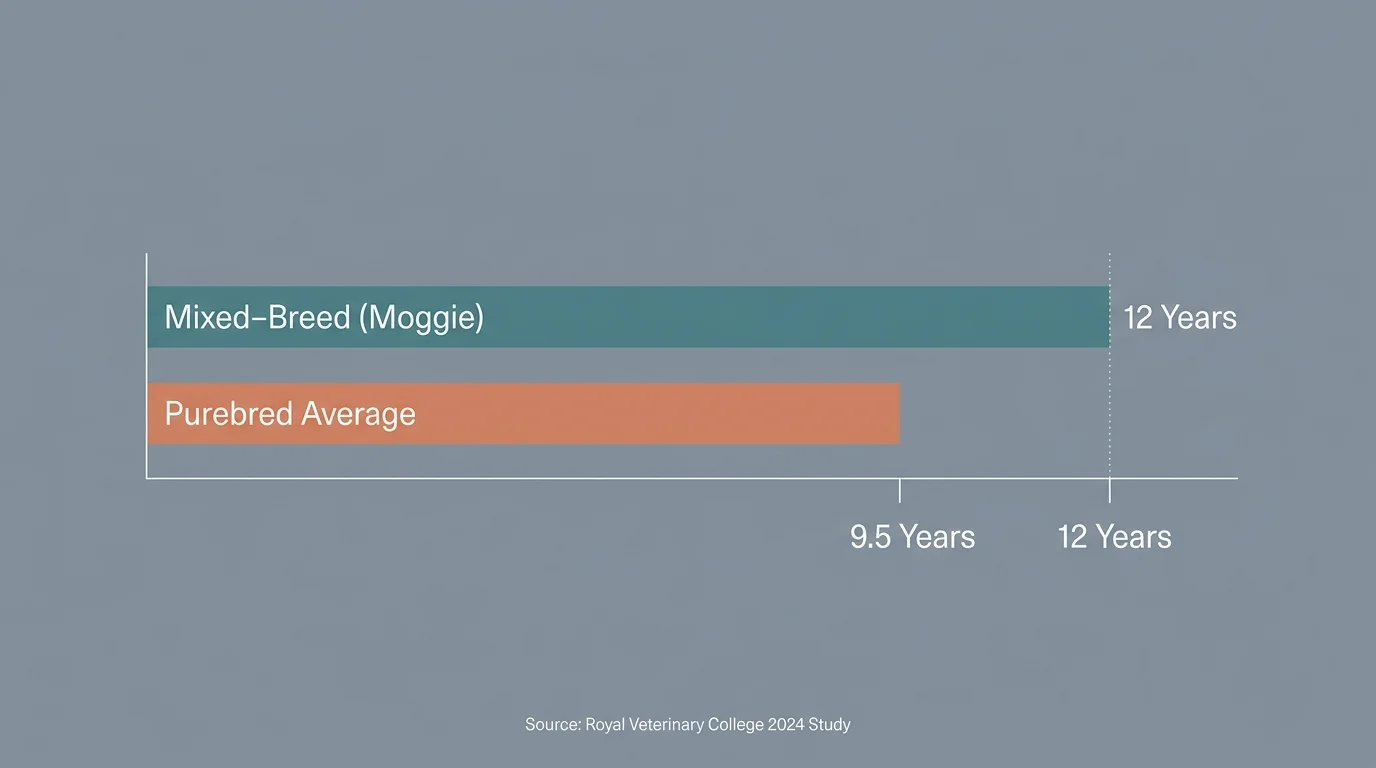
The 2024 Royal Veterinary College (RVC) study calculated life expectancy at birth, capturing a complete picture of feline mortality. This means the data accounts for kittens that fail to thrive, young cats lost to early-onset genetic heart disease, and athletic breeds that succumb to outdoor trauma. Purebreds, as a whole, demonstrated a shorter lifespan than mixed breeds—often called domestic shorthairs or “moggies”—due to restricted gene pools that amplify inherited diseases.
If you own one of the breeds on this list, do not panic. An average is simply a statistical midpoint. By understanding the specific health hurdles your cat faces, you can take proactive steps to push their lifespan well past the statistical average.
| Cat Breed | Average Life Expectancy (Years) | Primary Health Vulnerabilities |
|---|---|---|
| Sphynx | 6.7 | Hypertrophic cardiomyopathy (HCM), skin/dental disease |
| Bengal | 8.5 | Outdoor trauma, progressive retinal atrophy, HCM |
| British Shorthair | 9.6 | Severe obesity, polycystic kidney disease (PKD), HCM |
| Russian Blue | 9.7 | Obesity-linked diabetes, urinary tract blockages |
| Maine Coon | 9.7 | HCM, hip dysplasia, spinal muscular atrophy |
| Norwegian Forest Cat | 10.0 | Glycogen storage disease type IV, joint stress |
| Ragdoll | 10.3 | HCM (inherited mutation), chronic kidney disease |
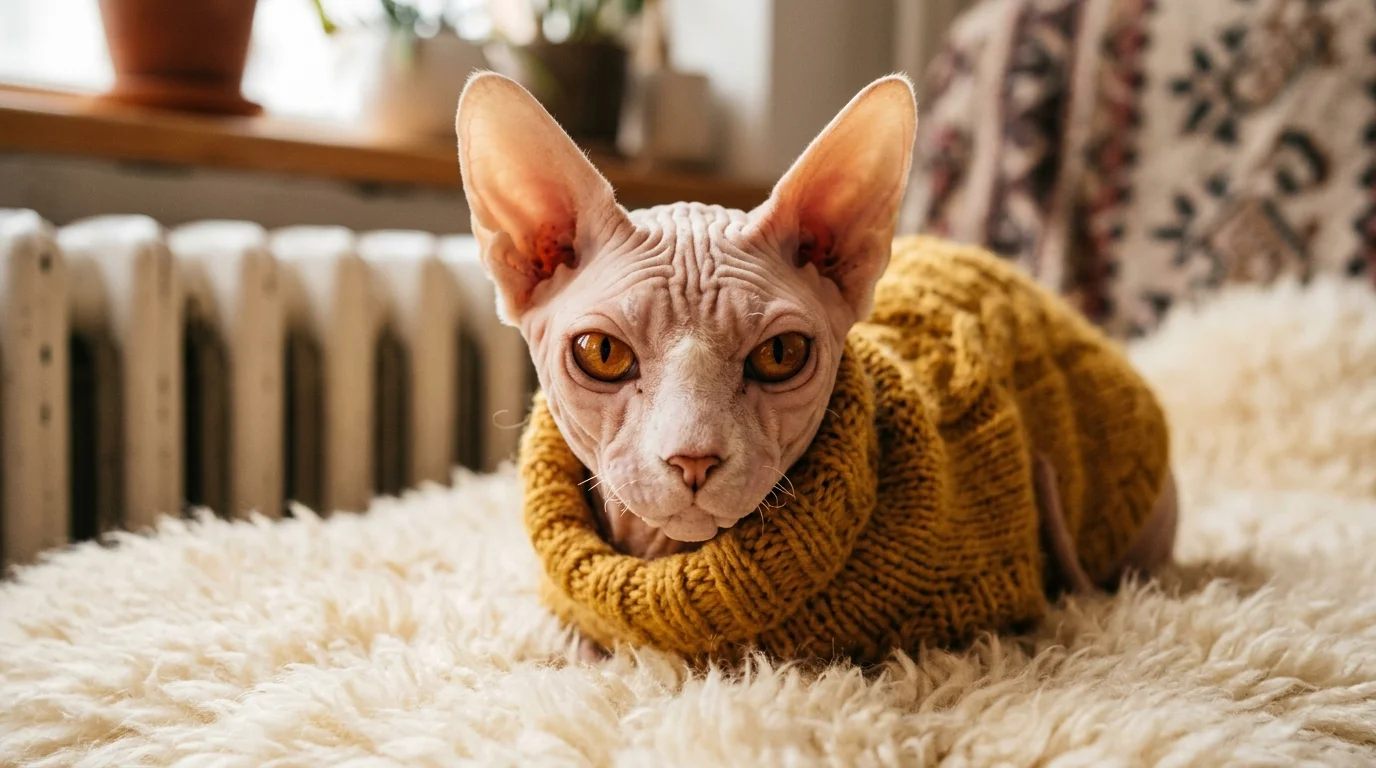
1. Sphynx (Average Life Expectancy: 6.7 Years)
The Sphynx claims the unfortunate title of the shortest-lived domestic cat breed. According to the RVC data, their life expectancy at birth sits at just 6.68 years. While their hairless appearance makes them striking, the genetic mutations required to achieve this look come with severe biological costs.
The primary driver of early mortality in the Sphynx is hypertrophic cardiomyopathy (HCM). According to the Cornell Feline Health Center, HCM is a primary heart muscle disease that causes the walls of the left ventricle to thicken, restricting blood flow and frequently leading to sudden heart failure or painful blood clots. Because they lack a protective coat, Sphynx cats also face chronic skin conditions, temperature regulation issues, and a higher susceptibility to respiratory infections. If you bring a Sphynx into your home, prioritize keeping them strictly indoors and budget for annual cardiac screenings.
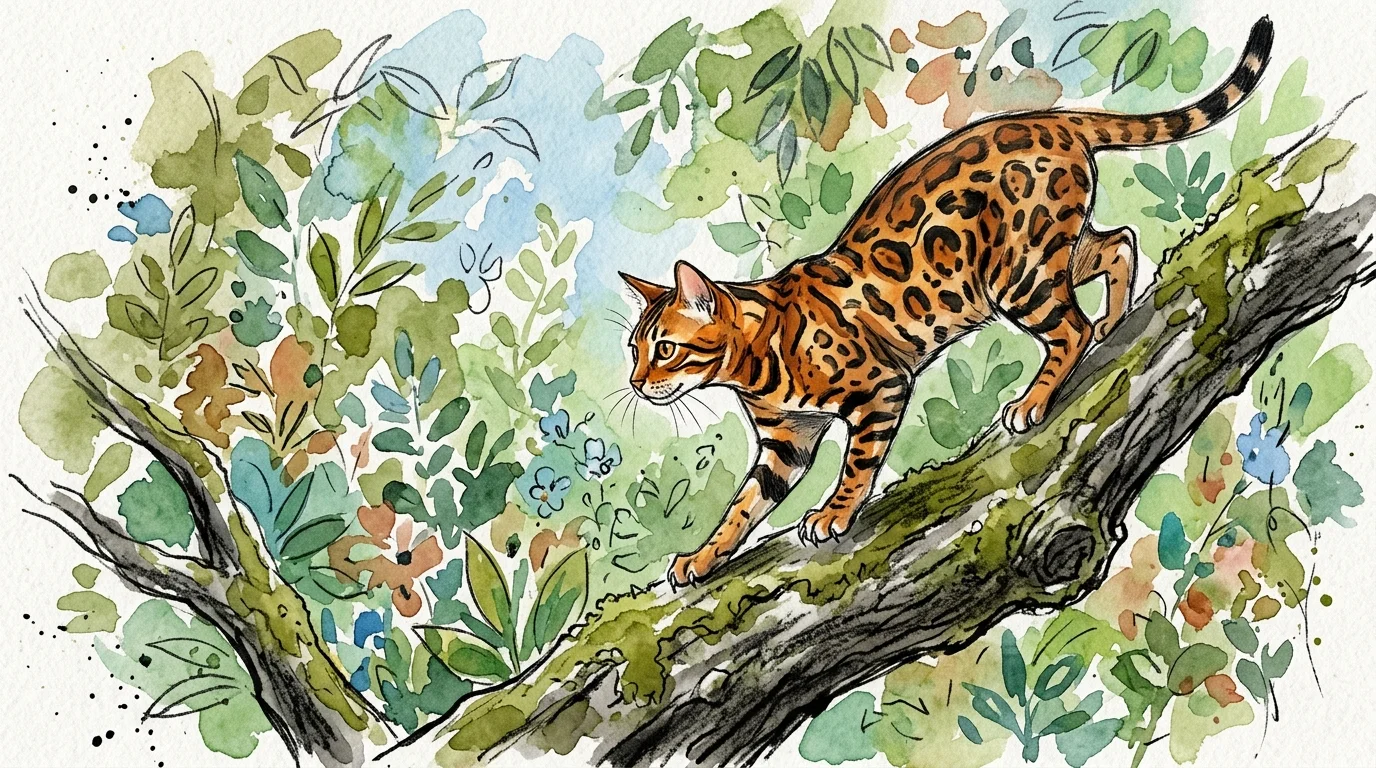
2. Bengal (Average Life Expectancy: 8.5 Years)
Bengals bring the aesthetic of a wild leopard into the living room, but their life expectancy trails far behind the feline average at just 8.5 years. Unlike the Sphynx, whose primary risks are entirely internal, the Bengal’s early mortality rate is heavily influenced by their temperament and behavior.
These cats possess intense energy, high prey drives, and a strong desire to roam. When allowed outdoors, Bengals face a significantly elevated risk of road traffic accidents, predator attacks, and infectious diseases. On the genetic front, they are predisposed to progressive retinal atrophy—which causes early blindness—and erythrocyte pyruvate kinase deficiency, a blood disorder that causes severe anemia. Managing a Bengal requires building safe, enclosed outdoor spaces, like a custom “catio,” and engaging them in rigorous daily play to burn off energy safely indoors.
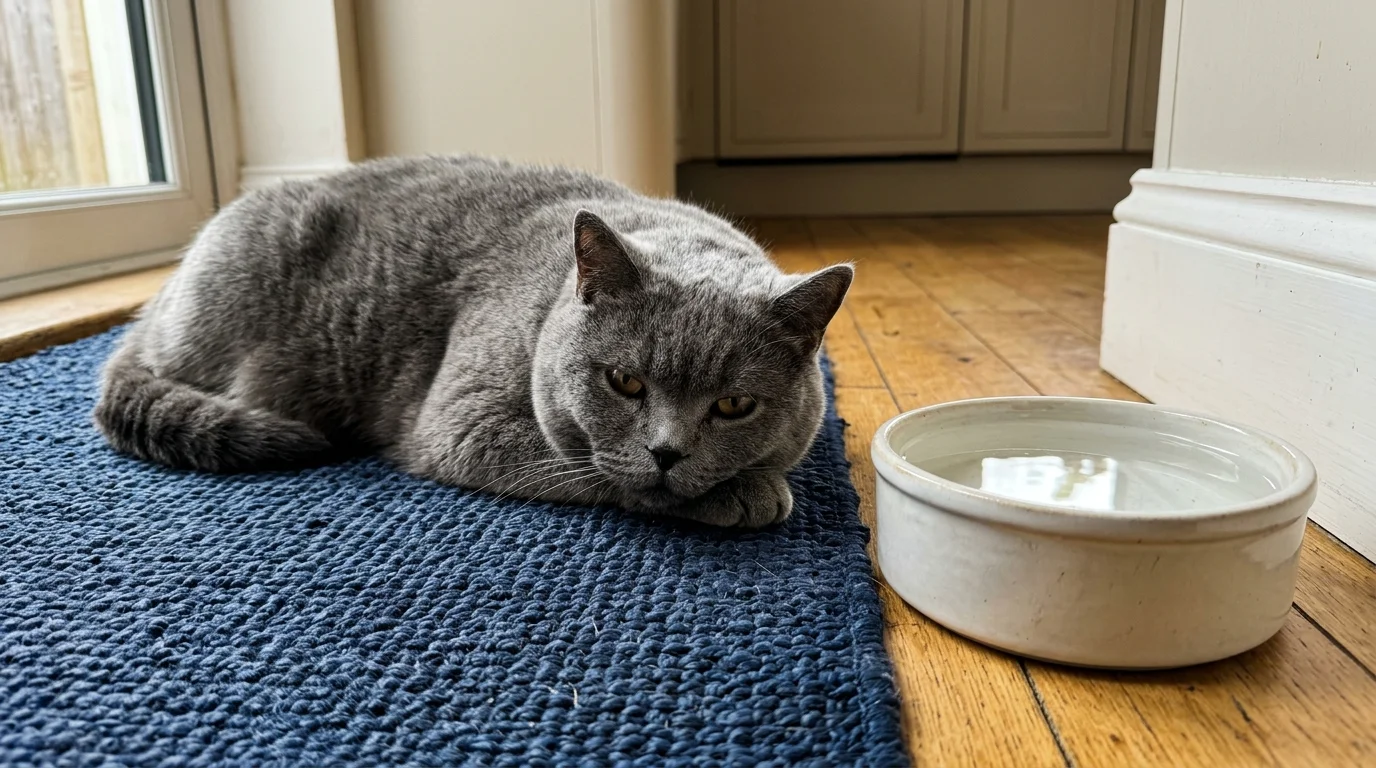
3. British Shorthair (Average Life Expectancy: 9.6 Years)
With their dense coats, round faces, and stocky builds, British Shorthairs look like the picture of robust health. Yet, their life expectancy sits at just under 10 years. This breed’s history holds the key to its shortened lifespan.
To achieve their signature plush look, early breeders frequently outcrossed British Shorthairs with Persians. This introduced a genetic predisposition to polycystic kidney disease (PKD), a condition where fluid-filled cysts slowly destroy kidney function. Additionally, British Shorthairs are notoriously sedate and highly food-motivated. This combination makes them incredibly prone to severe obesity, which triggers a cascade of secondary health crises like diabetes mellitus and osteoarthritis. Keeping a British Shorthair lean through strict portion control is the single most effective way to extend their life.
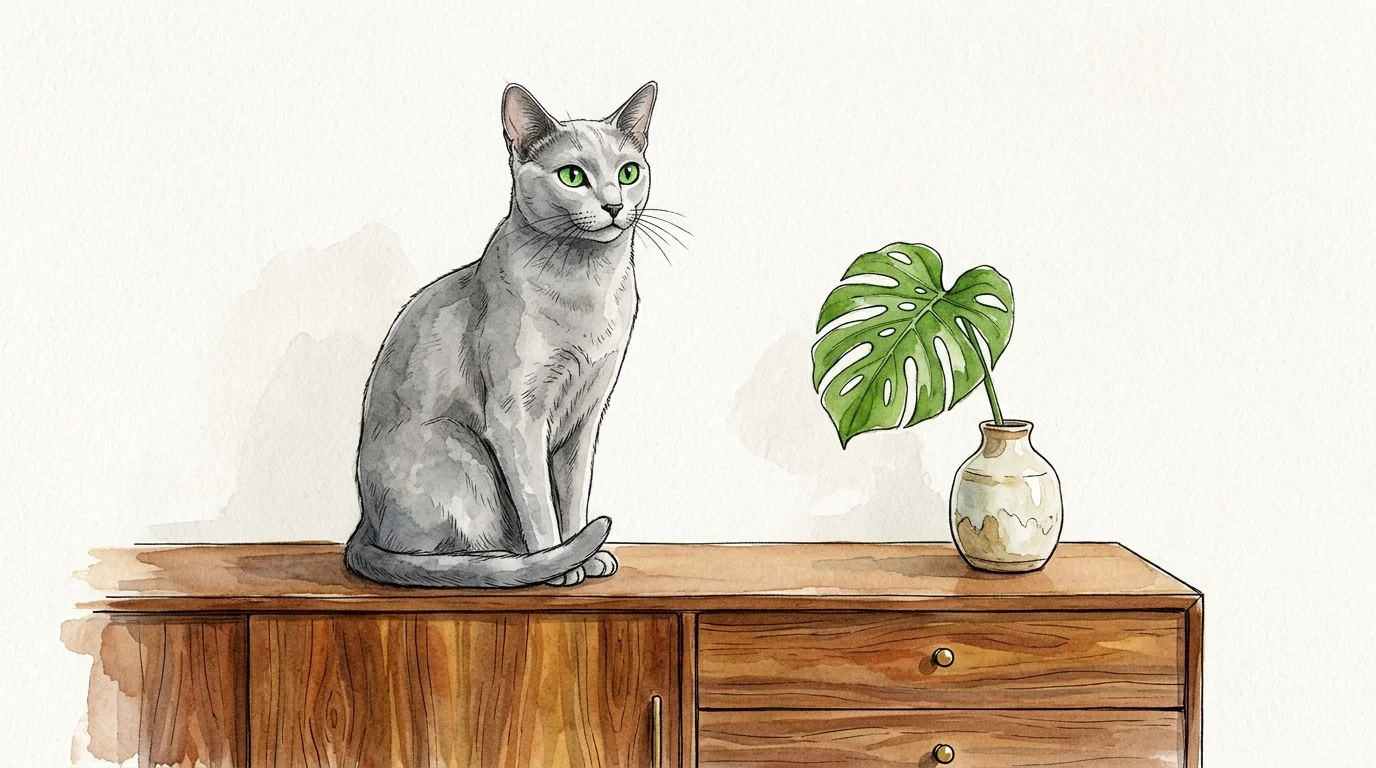
4. Russian Blue (Average Life Expectancy: 9.7 Years)
Often touted as a naturally occurring, hardy breed, the Russian Blue surprises many by appearing in the bottom half of the veterinary longevity tables. Averaging 9.7 years, their early mortality is rarely tied to a single catastrophic genetic flaw, but rather to metabolic and urinary vulnerabilities.
Russian Blues have hearty appetites and will readily manipulate their owners for extra meals. This susceptibility to weight gain pushes many individuals into feline diabetes, which can be fatal if not rigorously managed with insulin and specialized diets. They also show a higher-than-average incidence of lower urinary tract disease and bladder stones; these conditions can cause life-threatening urinary blockages, particularly in male cats. Feeding wet food to increase hydration is a crucial preventative measure for this breed.
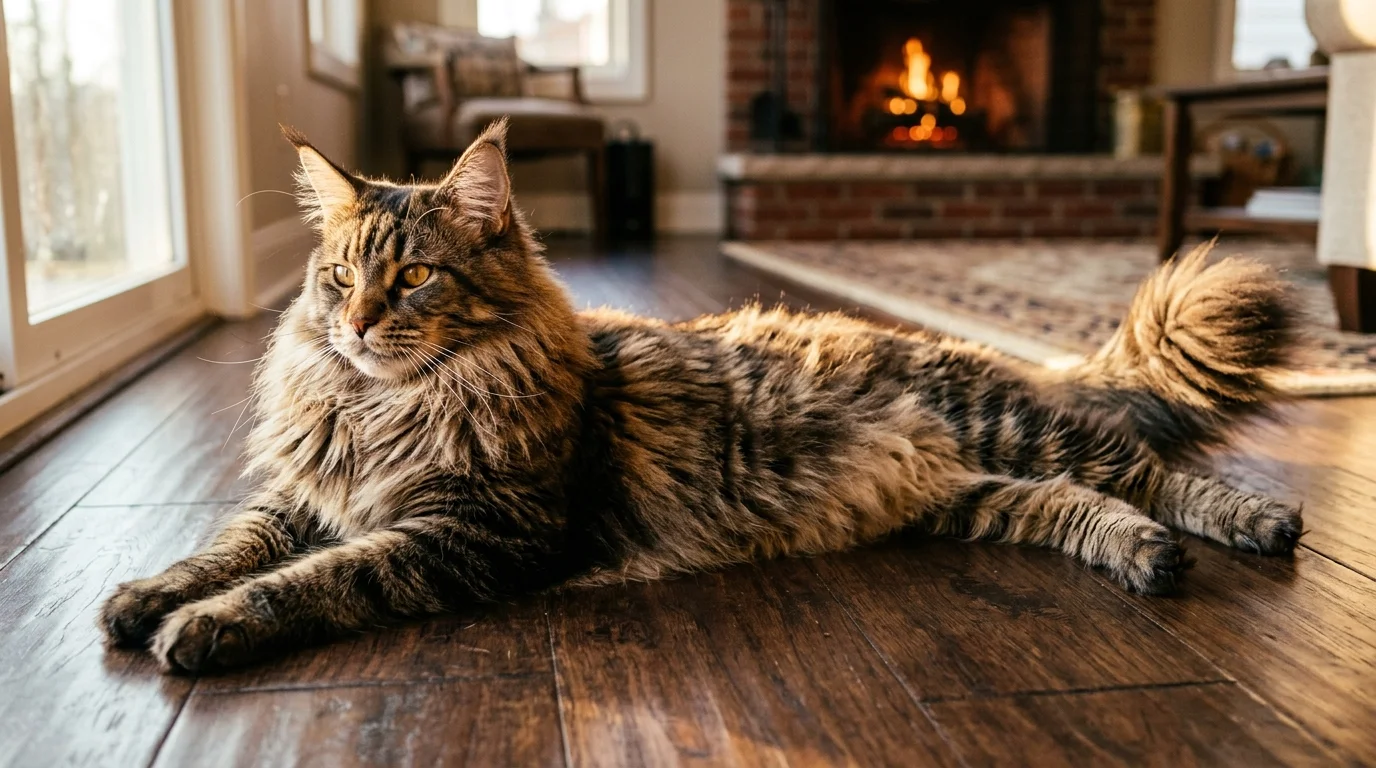
5. Maine Coon (Average Life Expectancy: 9.7 Years)
Maine Coons are the gentle giants of the cat world, frequently weighing over 15 pounds. Unfortunately, extreme size in domestic animals rarely correlates with extreme longevity. Their massive frames put immense strain on both their cardiovascular and skeletal systems.
Like the Sphynx, Maine Coons carry a well-documented genetic mutation for HCM. Because they grow so rapidly during their first two years, undetected heart defects can cause sudden death in seemingly healthy young adult cats. Their heavy frames also make them prone to hip dysplasia—a condition usually associated with large dogs—and spinal muscular atrophy, which causes early muscle wasting. Reputable breeders now use DNA swabs to screen for the specific Maine Coon HCM mutation, making it vital to verify test results before adopting a kitten.
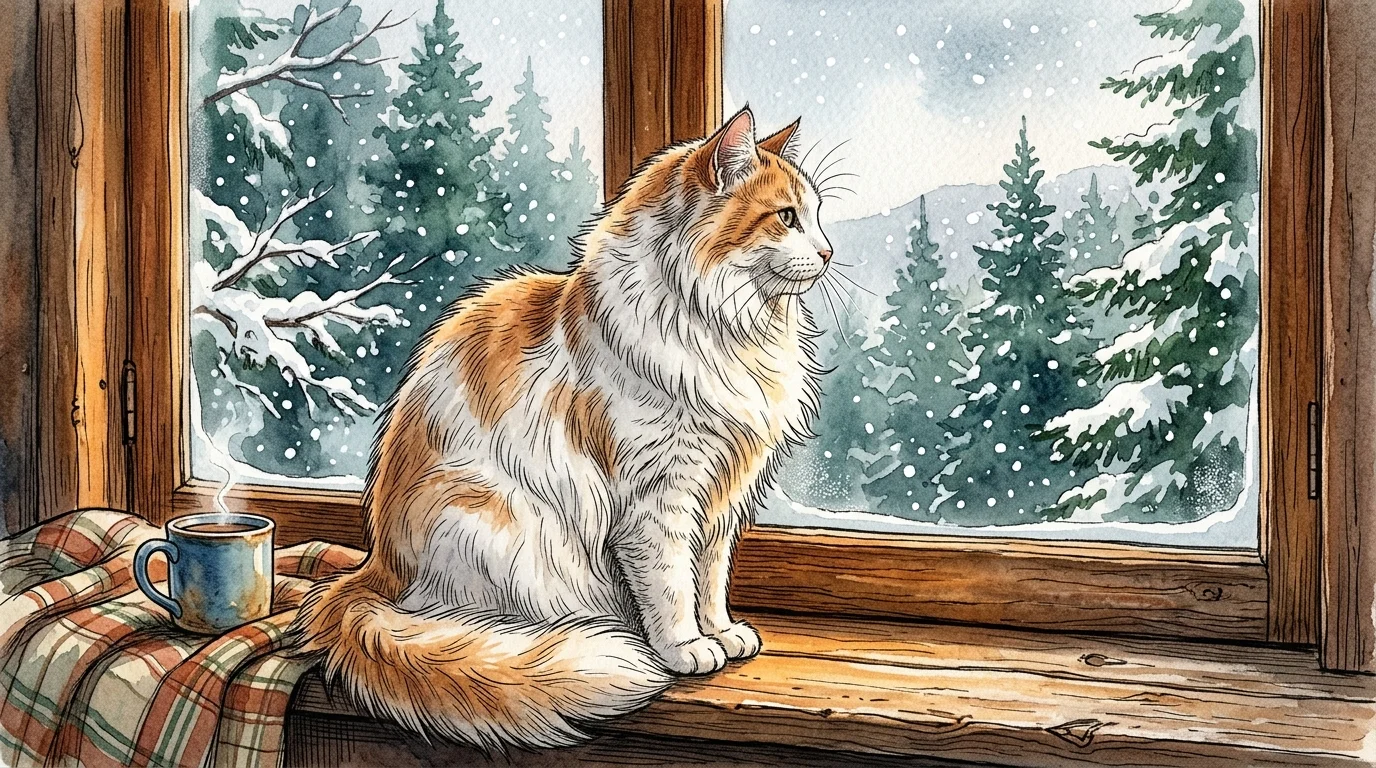
6. Norwegian Forest Cat (Average Life Expectancy: 10.0 Years)
Similar in stature and origin to the Maine Coon, the Norwegian Forest Cat shares a roughly identical life expectancy of exactly one decade. While they evolved to survive brutal Scandinavian winters, modern pedigreed lines face several inherited hurdles.
Beyond the standard risks of joint disease associated with their size, Norwegian Forest Cats are the primary carriers of Glycogen Storage Disease Type IV (GSD IV). This rare genetic disorder prevents the cat from properly metabolizing glucose, leading to severe organ dysfunction. Kittens with GSD IV often die within hours of birth, while those that survive face neuromuscular degeneration before their first birthday. Though DNA testing has reduced the prevalence of this disease, it still impacts the overall statistical longevity of the breed.
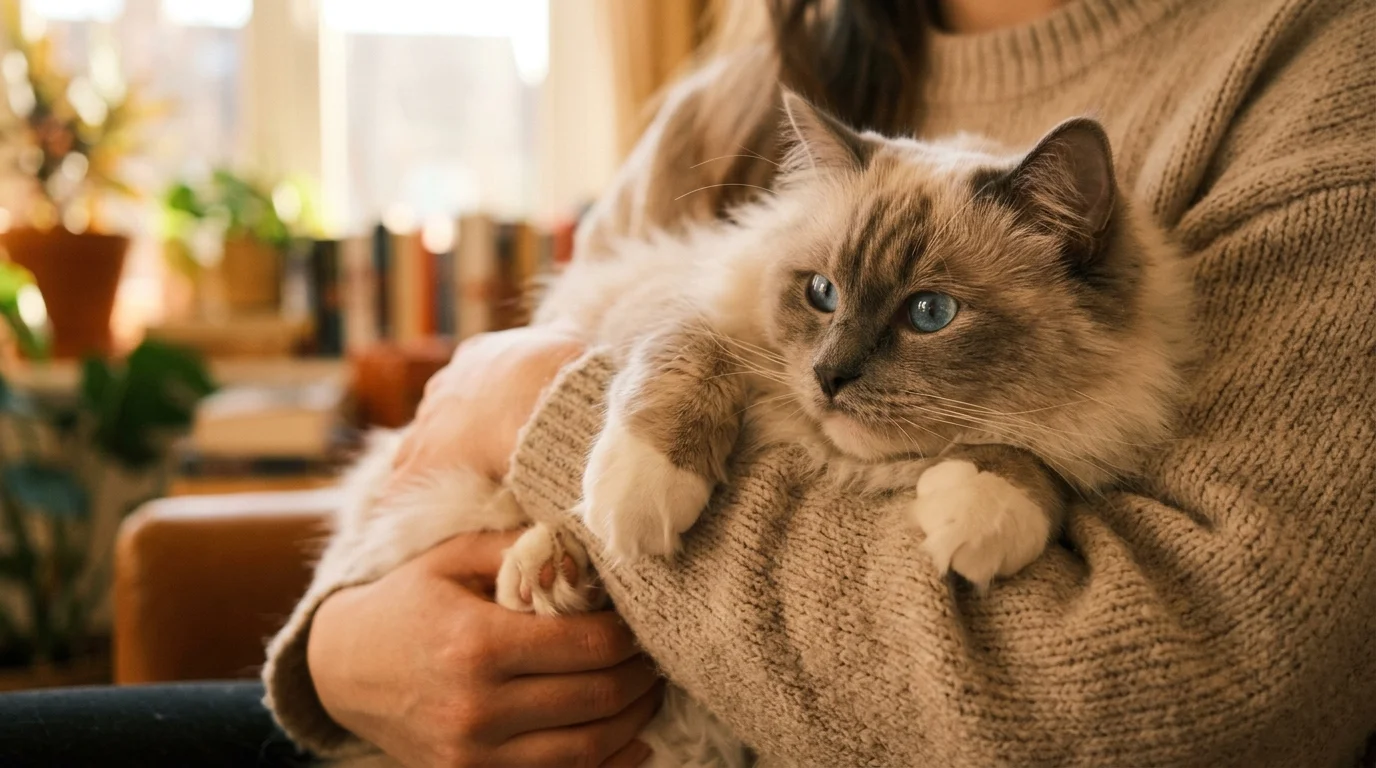
7. Ragdoll (Average Life Expectancy: 10.3 Years)
Famous for going limp when picked up, the Ragdoll’s docile nature has made it one of the most popular breeds in the world. However, their 10.3-year average lifespan reflects the consequences of a highly restricted founding gene pool.
Every Ragdoll traces its lineage back to a highly inbred founding population in the 1960s. This extreme inbreeding embedded a specific genetic mutation for HCM deep into the breed’s DNA. Ragdolls also experience a high rate of chronic kidney disease and gastrointestinal sensitivities. Because they are so tolerant and placid, they often hide signs of pain or illness until the disease reaches an advanced, untreatable stage. Ragdoll owners must schedule preventative blood work rather than waiting for obvious symptoms to appear.

Common Mistakes to Avoid
If you share your home with one of these seven breeds, proactive management is your best defense against early mortality. Avoid these common pitfalls to give your cat the best chance at a long life:
- Assuming indoor cats are safe from disease: Keeping your cat inside prevents traffic accidents and predator attacks, but it does nothing to stop inherited conditions like hypertrophic cardiomyopathy or polycystic kidney disease. Genetic testing and early screening remain essential.
- Free-feeding dry kibble: Breeds like the British Shorthair and Russian Blue lack the self-regulation needed for free-feeding. Leaving bowls of dry food out all day guarantees obesity, which slashes years off their life expectancy by triggering diabetes and stressing their joints.
- Ignoring subtle behavioral changes: Cats are masters at masking pain. If your docile Ragdoll suddenly hides under the bed, or your energetic Bengal stops jumping on the counter, do not assume they are just getting older. Sudden behavioral shifts usually indicate an underlying medical crisis.
- Skipping annual blood work: For breeds prone to kidney failure, early detection is everything. Waiting until your cat drinks excessively or loses weight means the kidneys have already lost the majority of their function.
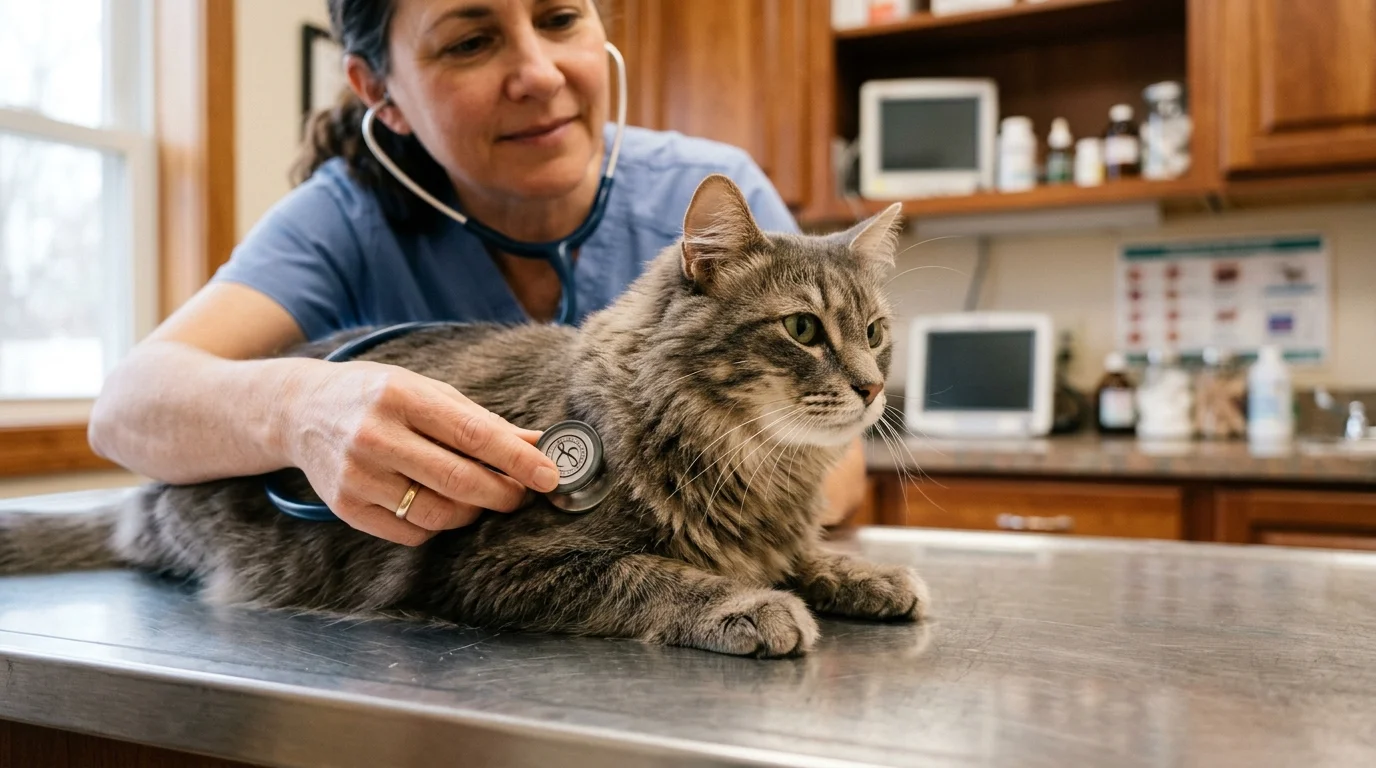
Getting Expert Input
Navigating the health risks of a purebred cat requires a strong partnership with a veterinary professional. Consider these steps when planning your cat’s healthcare:
- Consult a Board-Certified Cardiologist: If you own a Sphynx, Maine Coon, Bengal, or Ragdoll, a standard stethoscope exam is not enough to detect early heart disease. Ask your primary veterinarian for a referral to a cardiologist for an annual echocardiogram (heart ultrasound).
- Demand DNA Testing from Breeders: Before purchasing a purebred kitten, ask the breeder for the parents’ genetic health panels. Reputable breeders will happily provide proof that their breeding cats are negative for known genetic mutations like the HCM gene in Maine Coons or PKD in British Shorthairs.
- Secure Pet Insurance Early: Because breeds on this list are highly likely to develop chronic conditions, securing comprehensive pet insurance while they are young and healthy is crucial. Once a heart murmur or kidney issue is diagnosed, insurance companies will exclude it as a pre-existing condition.
Frequently Asked Questions
Do mixed-breed cats live longer than purebred cats?
Yes. According to the 2024 Royal Veterinary College study, crossbred cats—often called domestic shorthairs or longhairs—have an average life expectancy of nearly 12 years, outliving the majority of purebreds. This longevity bump comes from hybrid vigor, which provides a wider, more diverse gene pool that naturally dilutes the risk of inherited diseases.
Which cat breed has the longest lifespan?
The Burmese and Birman breeds share the top spot for feline longevity. Veterinary records show both breeds boast an average life expectancy of over 14.4 years. However, like all cats, their individual lifespan heavily depends on indoor living, diet, and proactive veterinary care.
Can my purebred cat live past its average life expectancy?
Absolutely. An average life expectancy is a statistical calculation that includes kittens who died young and adults lost to preventable accidents. By keeping your cat strictly indoors, maintaining a lean body weight, and screening for breed-specific genetic conditions, you can significantly increase the odds that your cat reaches their mid-to-late teens.
Every cat deserves a long, comfortable life, regardless of their pedigree. By arming yourself with the facts about breed-specific health risks, you step into ownership with your eyes open. You can skip the guesswork, budget for the right preventative care, and focus entirely on building a joyful bond with your feline friend.
Last updated: May 2026. This is general informational content based on widely accepted guidance. Individual results vary. Verify current details—rules, prices, eligibility, regulations—with official sources before making important decisions.