Your veterinarian has your pet’s best interests at heart, but a typical 15-minute appointment rarely leaves enough time to explain everything they wish you knew. Behind the friendly bedside manner, the veterinary industry holds several truths about how to save money and avoid preventable emergencies. From your right to take medication prescriptions elsewhere, to the hidden dangers of trendy boutique pet foods, learning these industry insights can fundamentally change how you approach your animal’s healthcare. If you want to stop overpaying for treatments and extend your pet’s lifespan, you need to understand the realities of modern veterinary medicine that professionals rarely share upfront.
1. You Have the Right to Take Your Prescriptions Elsewhere
Veterinary clinics operate in-house pharmacies out of convenience for their clients, but that convenience often comes with a significant markup. Keeping medications stocked on shelves requires extensive inventory management, expiration tracking, and overhead costs, which inevitably drives up the price of common drugs like flea preventatives, heartworm medication, and basic antibiotics.
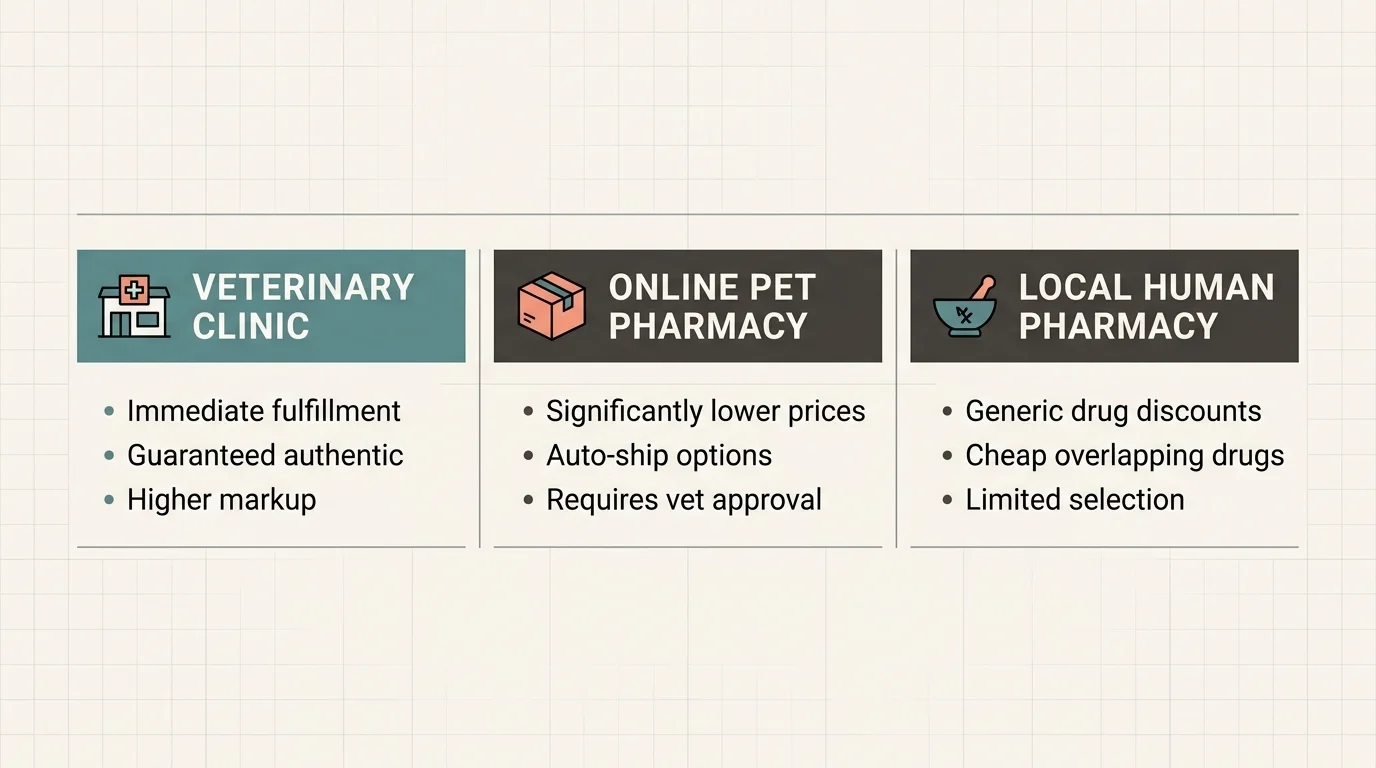
Many pet owners assume they are obligated to purchase their animal’s medicine directly from the examining doctor. This is a costly misconception. According to the American Veterinary Medical Association (AVMA), veterinarians are professionally encouraged to honor a client’s request for a written prescription in lieu of dispensing the drug in the clinic. You can take this written script to a verified online pet pharmacy or even a local human pharmacy, as many medications—like certain antibiotics, eye drops, and thyroid pills—are identical across species.
| Pharmacy Type | Pros | Cons | Best Used For |
|---|---|---|---|
| Veterinary Clinic | Immediate fulfillment; guaranteed authentic medications; directly added to medical record. | Often carries a higher retail markup to cover clinic inventory costs. | Urgent medications (like antibiotics for a sudden infection) and first-time dosages. |
| Online Pet Pharmacy | Significantly lower prices; convenient auto-ship options for recurring treatments. | Shipping delays; requires a veterinarian authorization process which takes time. | Chronic medications and monthly flea/tick preventatives. |
| Local Human Pharmacy | Convenient pickup; extremely cheap if you utilize generic drug discount programs. | Pharmacists may not know animal-specific toxicities; limited entirely to overlapping drugs. | Standard overlapping drugs like levothyroxine or generic amoxicillin. |
2. Your Pet Is Probably Overweight (And Vets Hesitate to Say It)
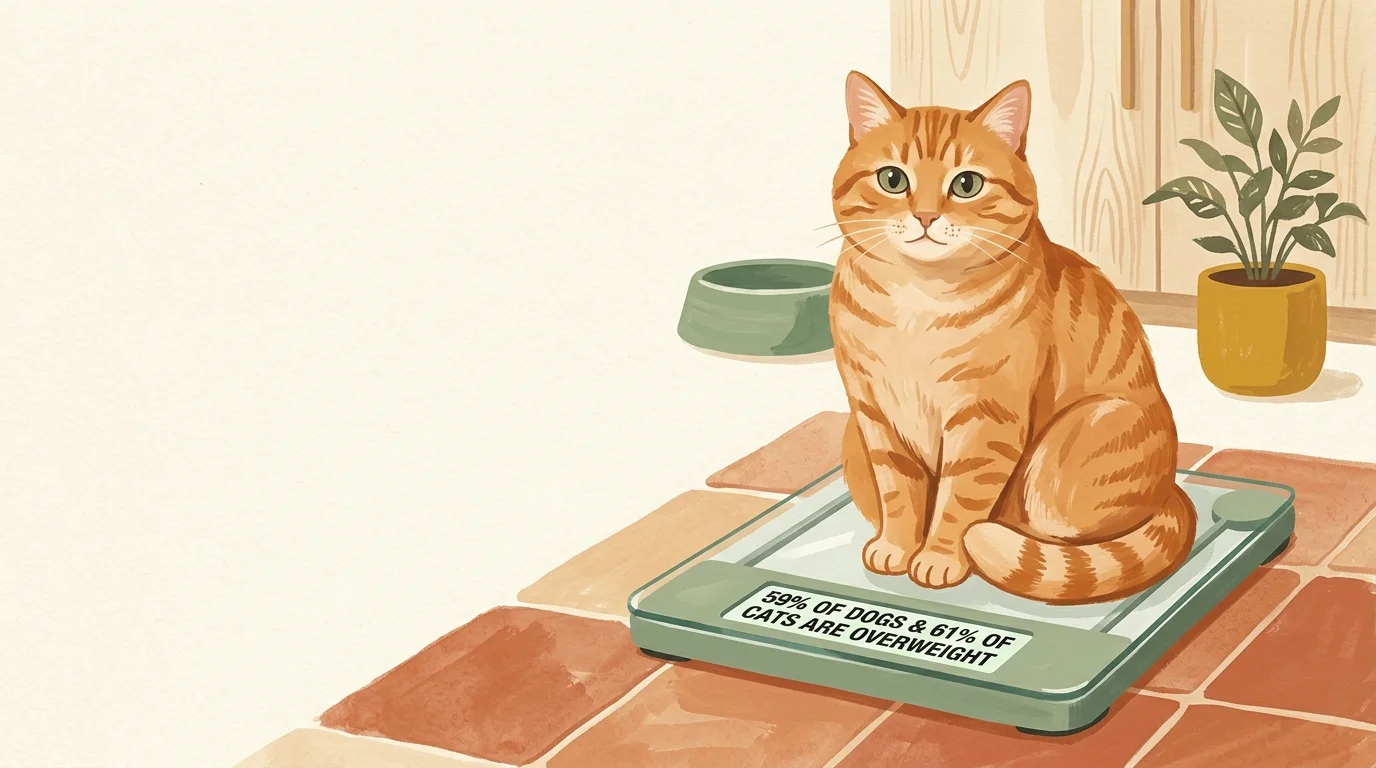
Veterinarians often dread the “weight conversation.” Telling a pet owner that their beloved dog or cat is fat frequently triggers deep defensiveness. Instead of causing a rift in the exam room, many vets will gently suggest cutting back on treats, a polite phrasing that drastically underplays the severity of the issue.
The reality is that pet obesity is a widespread clinical disease. The Association for Pet Obesity Prevention reports that roughly 59 percent of dogs and 61 percent of cats in the United States carry unhealthy excess weight. Carrying that extra bulk exacerbates joint arthritis, increases diabetes risk, and forces the heart and lungs to work overtime. Veterinary studies demonstrate that maintaining a lean body mass can add up to two and a half years to a dog’s lifespan. To check your pet at home, run your hands lightly over their ribcage; you should be able to feel their ribs easily without pressing your fingers through a thick layer of fat.
3. Over-the-Counter Human Painkillers Are Often Fatal
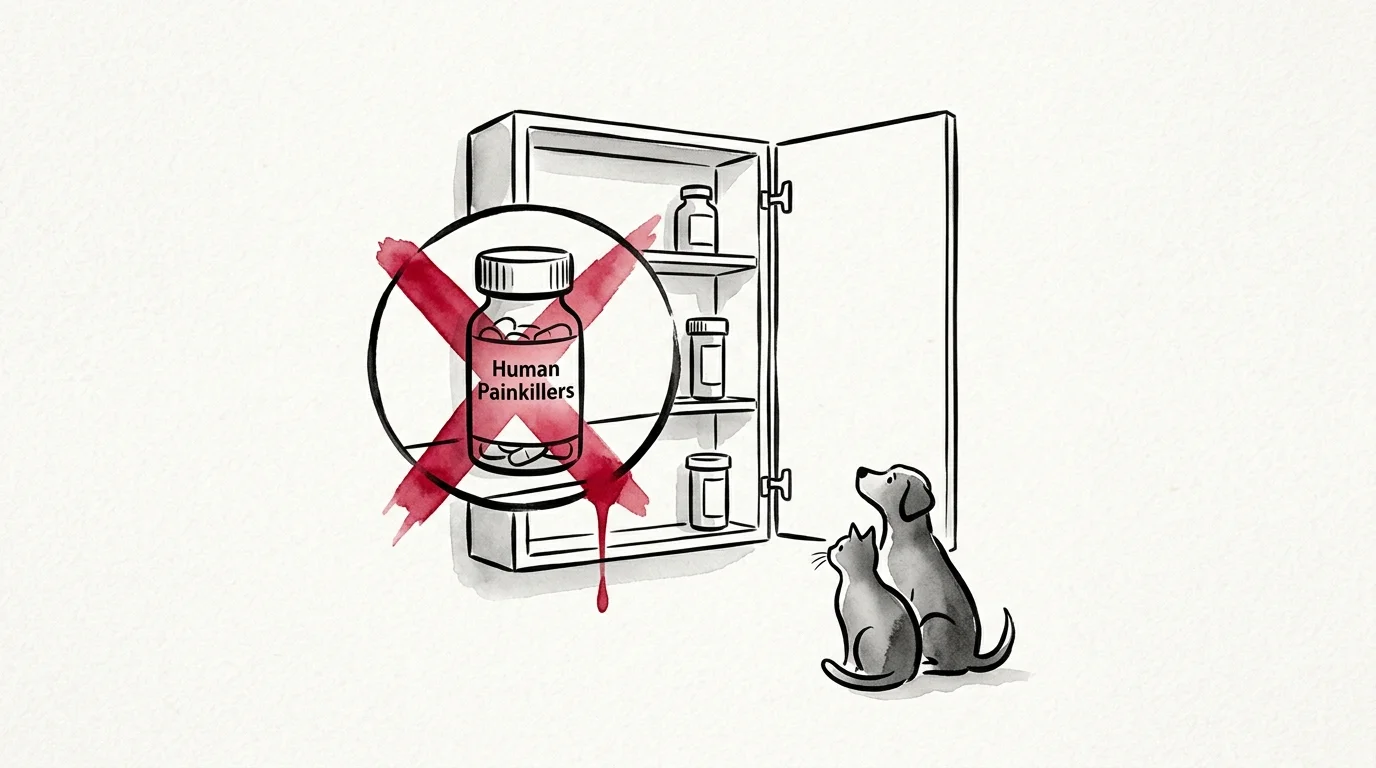
When you tweak your back, reaching for ibuprofen or acetaminophen feels like second nature. When your older dog is limping, offering them the same relief seems logical—but doing so puts their life in immediate danger. Animals metabolize drugs completely differently than humans do.
The U.S. Food and Drug Administration (FDA) explicitly warns that cats lack specific liver enzymes required to safely break down acetaminophen (Tylenol). Because their bodies cannot process it, even a tiny sliver of a pill can cause fatal red blood cell and liver damage. Dogs given ibuprofen (Advil) can quickly develop severe stomach ulcers and acute kidney failure. Never attempt to guess a safe dosage of human medication for your pet. If your animal is in pain, demand a species-appropriate prescription painkiller designed specifically for their biology.
4. “Grain-Free” Pet Food Is Largely a Marketing Gimmick
Pet food marketing is notoriously brilliant at making humans feel guilty about what they feed their animals. For years, boutique “grain-free” kibbles pushed the narrative that dogs and cats required ancestral diets packed with exotic proteins and completely devoid of corn, wheat, or rice.
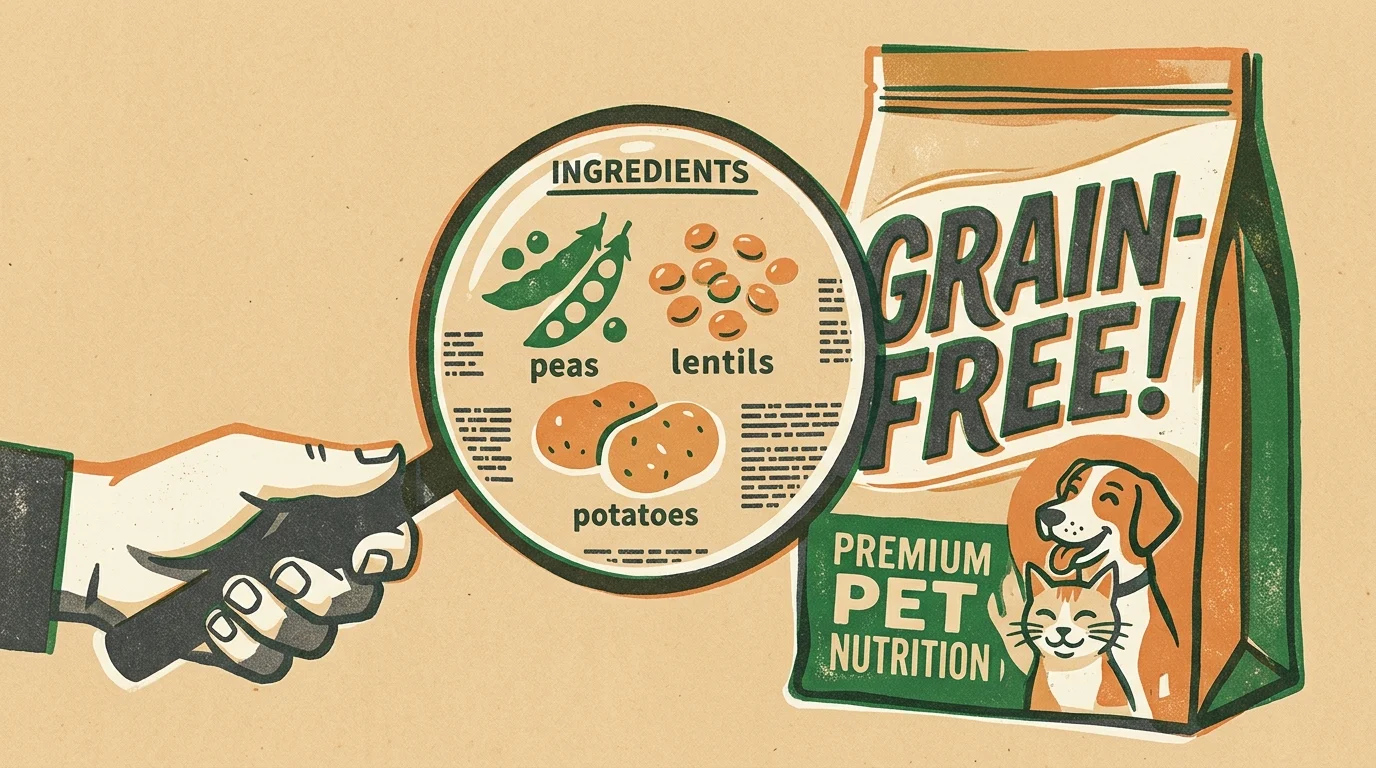
However, the veterinary community views these diets with intense scrutiny. The FDA has investigated a potential link between grain-free diets—specifically those relying heavily on peas, lentils, and potatoes as main ingredients—and a serious, sometimes fatal heart condition called canine dilated cardiomyopathy (DCM). Unless your veterinarian has diagnosed your pet with a specific, verified grain allergy, feeding them a standard, grain-inclusive kibble formulated to meet World Small Animal Veterinary Association (WSAVA) guidelines is the safer, more scientifically sound route.
5. Dental Disease Is Shockingly Expensive to Ignore
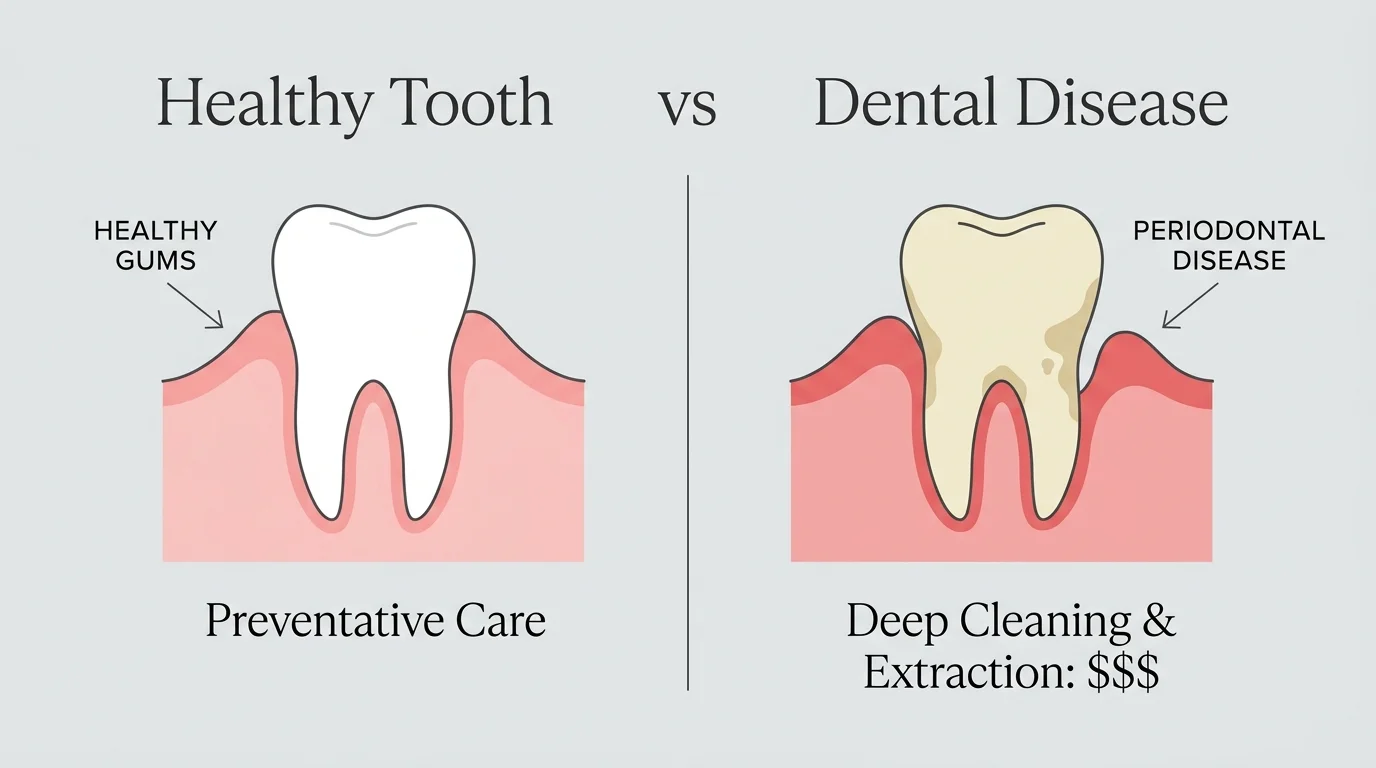
If your veterinarian peeks inside your dog’s mouth and suggests a dental cleaning, do not write it off as an unnecessary upsell. According to the AVMA, 80 percent of dogs and 70 percent of cats show clear signs of oral disease by the age of three. When left unchecked, plaque hardens into tartar, pushing under the gumline and allowing bacteria to enter the bloodstream, where it systematically damages the heart, liver, and kidneys.
The most effective veterinary care is proactive, not reactive. Treating a disease in its infancy always costs a fraction of what it takes to manage a full-blown emergency.
A routine dental cleaning under anesthesia generally costs between $300 and $500, depending on your location. However, if you wait until the teeth rot and your pet requires multiple complex surgical extractions, that single veterinary bill can easily surpass $1,500. Brushing your pet’s teeth at home with animal-safe toothpaste and scheduling routine professional cleanings will save you thousands of dollars over their lifetime.
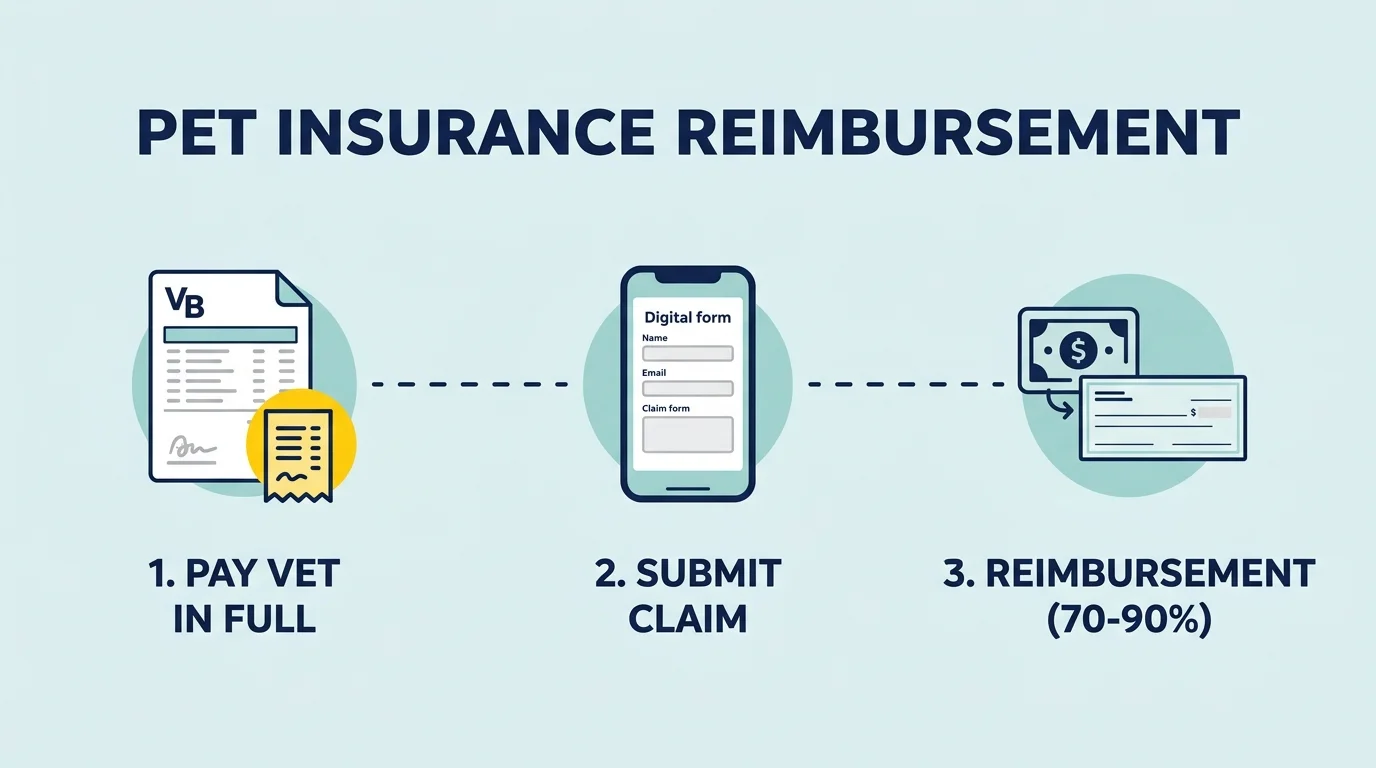
6. Pet Insurance Operates Differently Than Human Insurance
The biggest open secret about pet insurance is that it only provides value if you purchase it before you actually need it. In the veterinary world, no major insurance provider covers pre-existing conditions. If you wait until your Golden Retriever starts limping to buy a policy, the company will permanently exclude all orthopedic issues from your coverage.
The most financially sound strategy is to purchase a comprehensive policy the exact week you bring a new puppy or kitten home. This locks in their coverage while their medical record is completely clean, ensuring that when chronic illnesses, allergies, or sudden injuries eventually pop up, your out-of-pocket expenses remain manageable.
7. Bad Behavior Is Often a Medical Cry for Help
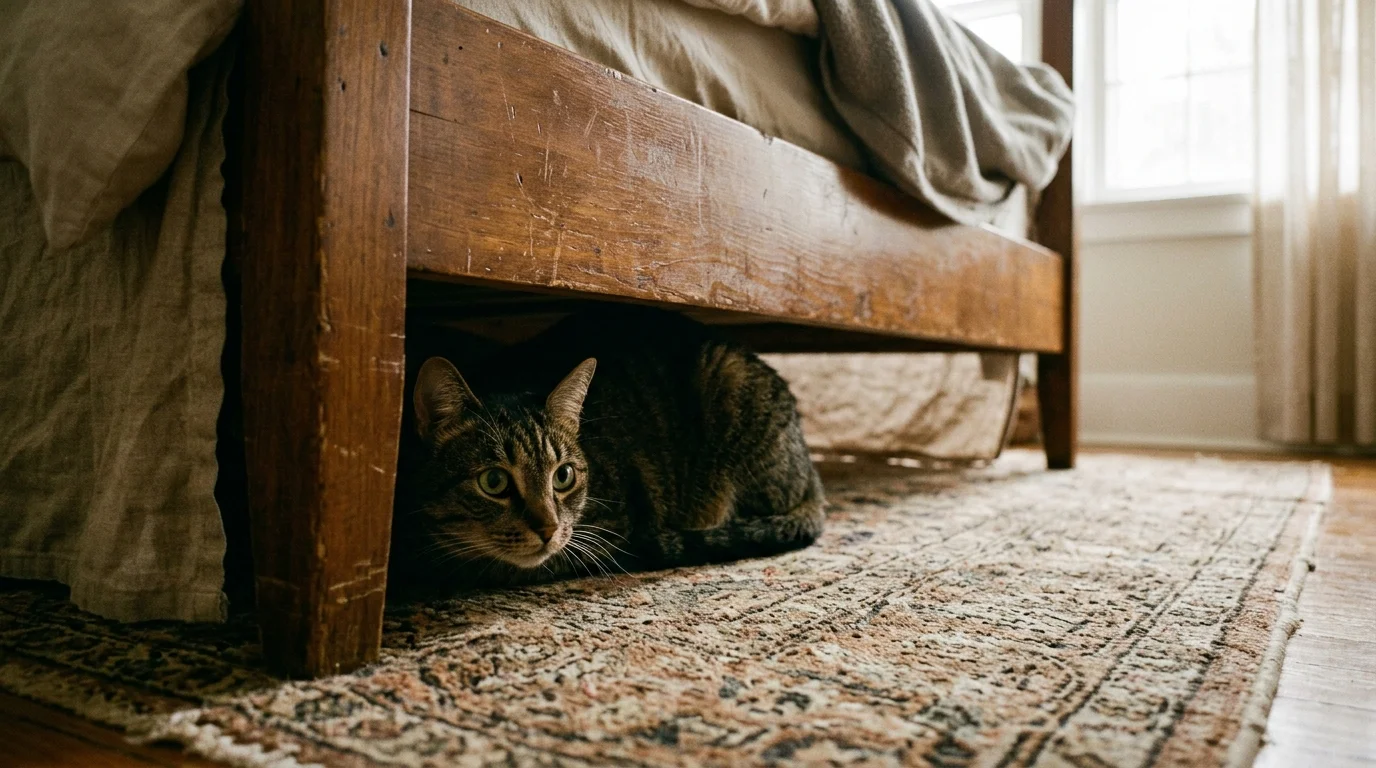
When a perfectly trained cat suddenly starts urinating on the living room rug, or a normally sweet-tempered dog snaps at a family member, owners often assume the animal is acting out of spite. Animals do not act out of spite. Drastic shifts in behavior are almost always rooted in unmanaged pain or systemic illness.
That inappropriate feline urination could easily be a life-threatening urinary tract blockage or painful bladder crystals. The snapping dog might be suffering from an agonizing inner ear infection or early-onset arthritis that makes being touched unbearable. Before hiring an expensive behavioral trainer, request a comprehensive blood panel and a thorough physical exam to rule out biological causes.
8. Emergency Clinics Triage (So Stable Pets Wait)
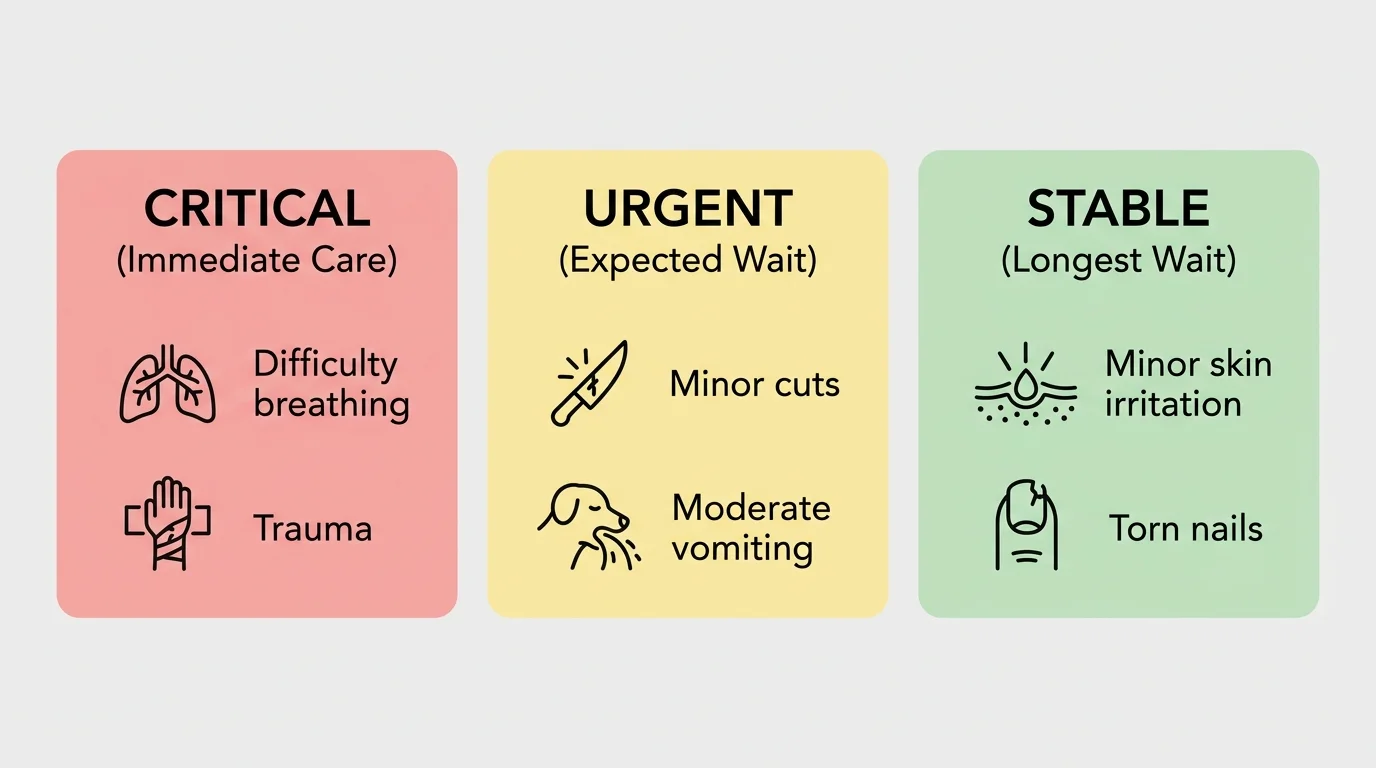
Veterinary emergency rooms operate on a strict medical triage system, just like human hospitals. They absolutely do not operate on a first-come, first-served basis. If you arrive with a dog who tore a toenail, and someone runs in behind you holding a cat in respiratory distress, the cat will be rushed to the back immediately while you take a seat.
Wait times at emergency clinics can easily stretch past six hours for non-life-threatening issues. Understanding this system helps manage your expectations and prevents unnecessary frustration toward the front desk staff, who are actively prioritizing critical, life-or-death cases over stable patients.
9. The Annual Exam Is Far More Important Than the Vaccines
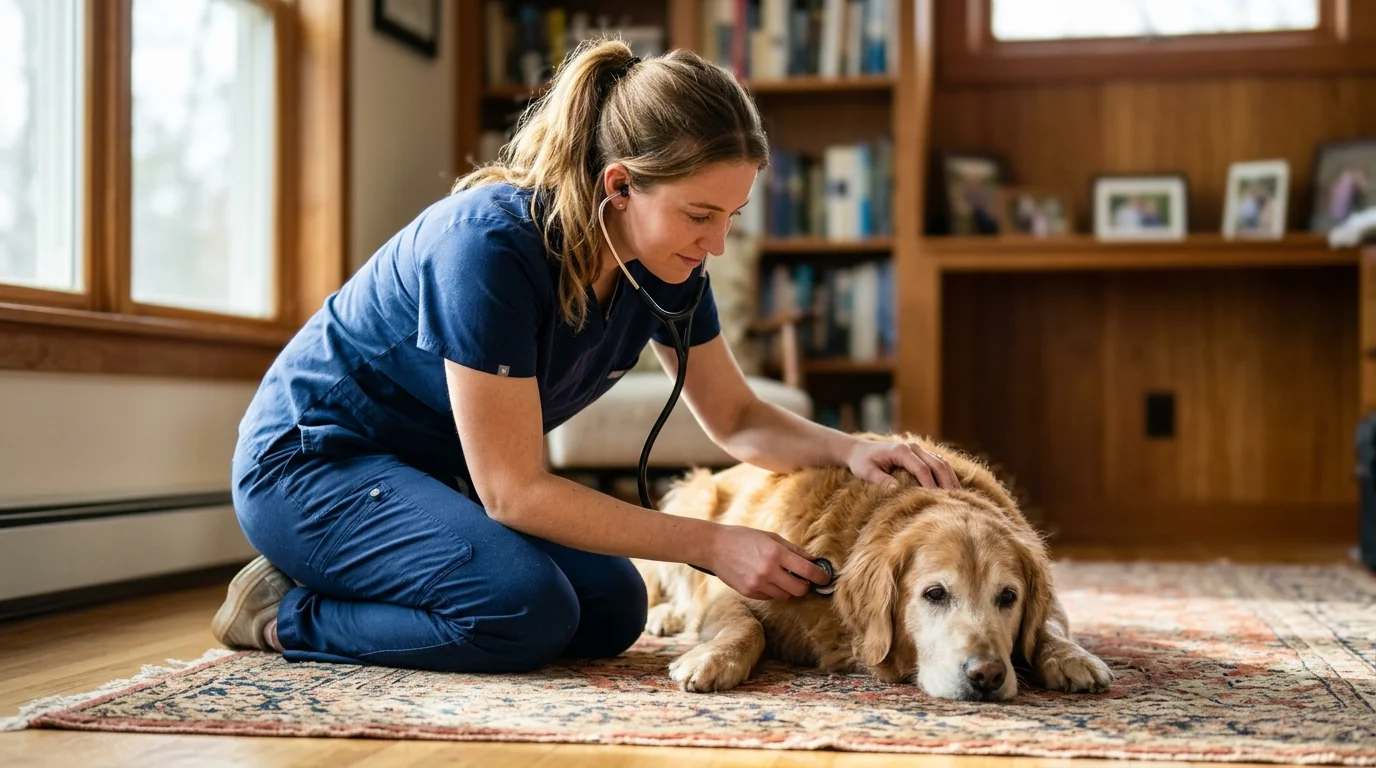
Many pet owners view their yearly veterinary visit as a quick, mandatory stop to update rabies and distemper shots. But veterinarians consider the hands-on physical examination the most critical part of the entire appointment.
When a vet palpates your cat’s abdomen, listens to their heart with a stethoscope, and manipulates their joints, they are actively hunting for the early warning signs of cancer, heart murmurs, and organ enlargement. Catching these hidden issues early is what saves lives. Furthermore, if you are concerned about over-vaccinating a senior pet, you can often ask your vet to run a “titer test”—a simple blood test that checks their current immunity levels to determine if a booster shot is actually necessary this year.
10. The Veterinary Profession Is Facing a Severe Burnout Crisis
Behind the closed exam room doors, veterinary professionals are struggling to keep their heads above water. The industry is currently facing a massive mental health crisis driven by crushing student loan debt, relentlessly long hours, and the deep emotional toll of compassion fatigue.
Veterinarians routinely deal with stressed clients who accuse them of “only caring about the money” when presented with a medical estimate. This ignores the harsh reality that medical supplies, surgical equipment, anesthesia, and facility maintenance cost the exact same in animal medicine as they do in human healthcare—the only difference is that human medicine costs are hidden behind insurance networks. A little patience, grace, and a simple “thank you” can completely change the trajectory of your vet’s demanding day.

Worth Keeping in Mind
Before you overhaul your pet’s care routine based on these industry insights, remember that small details dictate your success:
- Medication verification: If you choose to buy your pet’s prescriptions online to save money, verify the pharmacy is legitimate by checking for the .pharmacy domain or a VIPPS certification. Counterfeit animal drugs are a widespread danger on unverified discount websites.
- Dietary transitions: Never switch your pet’s food overnight, even if you are moving away from a grain-free brand to a higher-quality kibble. Abrupt changes disrupt their sensitive gastrointestinal microbiome, leading to severe diarrhea. Always transition foods gradually by mixing them over a 7-to-10-day period.
- Insurance fine print: Read the exclusions list carefully when shopping for pet insurance. Many policies enforce a strict waiting period for specific high-cost conditions, like cruciate ligament tears, or entirely exclude hereditary issues common to your specific breed.
When to Get Professional Help
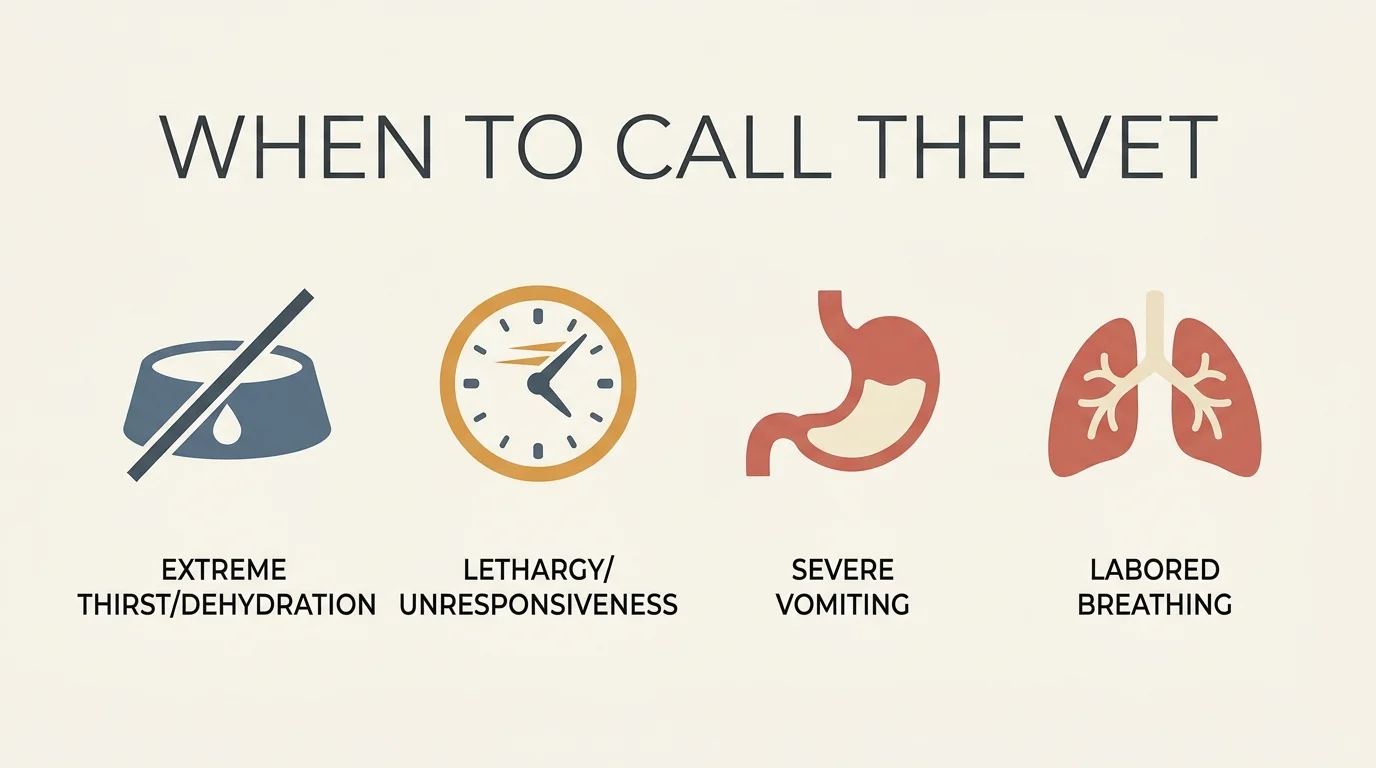
While preventative knowledge empowers you to make better choices, certain symptoms bypass the need for observation and require immediate veterinary intervention. Seek professional help right away if you notice any of the following:
- Unexplained weight loss: If your pet drops noticeable weight without a deliberate change in their diet or exercise routine, schedule an appointment immediately. This is frequently an early indicator of hyperthyroidism, chronic kidney disease, or cancer.
- Respiratory distress: Panting while resting, chronic coughing, or pale, bluish gums are immediate, life-threatening emergencies. Do not wait until your primary care vet opens; head straight to a 24-hour emergency clinic.
- Chronic vomiting: Occasional hairballs or upset stomachs happen, but if your pet cannot keep food or water down for more than 24 hours, they risk severe dehydration and require professional intravenous fluids and diagnostics.
Frequently Asked Questions
Do I legally have to buy my pet’s medication from my veterinarian?
No. While your vet must authorize the prescription, you have the right to request a written script and fulfill it at an online pet pharmacy or a local human pharmacy, provided the pharmacy carries the correct animal-safe formulation.
Why is my veterinarian so expensive now?
Veterinary costs have risen alongside the costs of human medical care. Clinics use the exact same advanced diagnostic equipment, anesthesia machines, and surgical supplies as human hospitals. Without heavy government subsidies or universal human-style health insurance covering the bulk of the bill, pet owners see the true, unfiltered cost of medical care.
Are grain-free diets safe for dogs?
The FDA continues to investigate reports of canine dilated cardiomyopathy (DCM) in dogs eating certain grain-free diets—particularly those high in peas, lentils, and potatoes. Most veterinary cardiologists recommend avoiding these boutique diets unless your dog has a specifically diagnosed, verified grain allergy.
Building a transparent, trusting relationship with your veterinarian allows you to provide the highest standard of care for your dog or cat without emptying your savings account. By taking a proactive approach to their weight, dental health, and dietary needs, you actively protect their longevity and comfort.
This is general informational content based on widely accepted guidance. Individual results vary. Verify current details—rules, prices, eligibility, regulations—with official sources before making important decisions.