The Science Behind the Bond: More Than Just Feelings
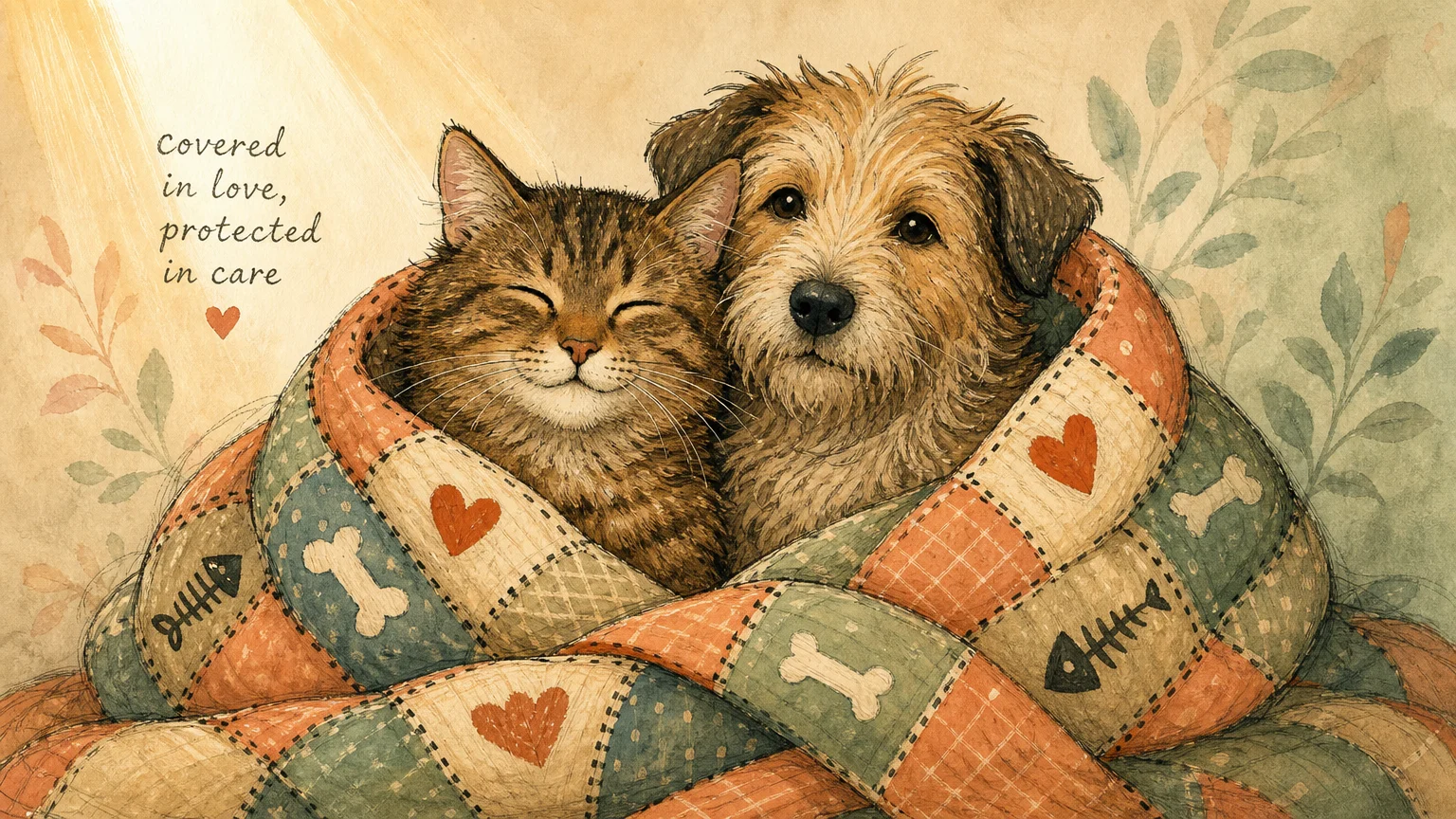
That warm, fuzzy feeling you get when you cuddle with your pet isn’t just an emotion—it’s a chemical reaction. The human-animal bond is deeply rooted in our biology, and science is continually uncovering just how profound its effects are on our brains and bodies.
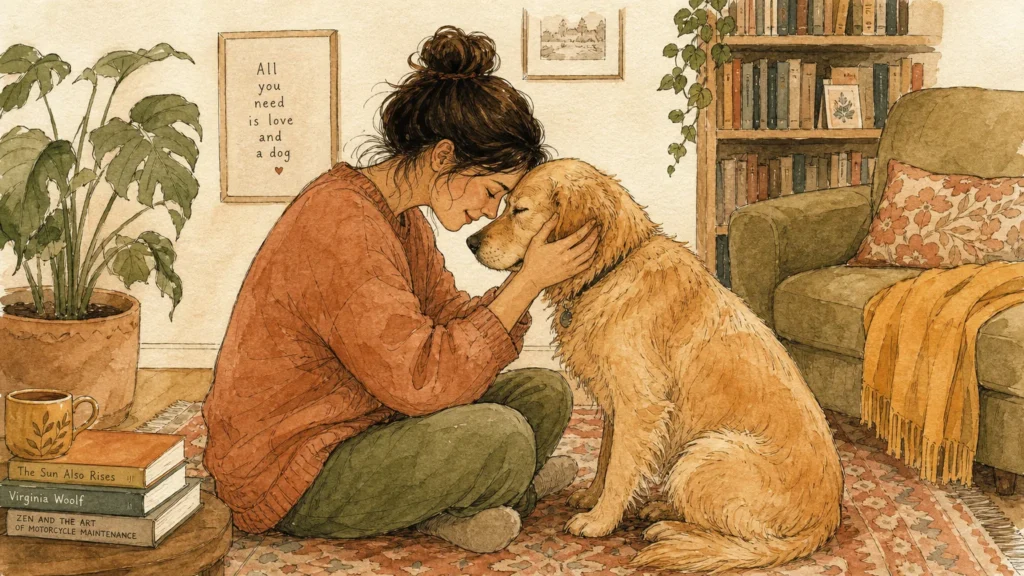
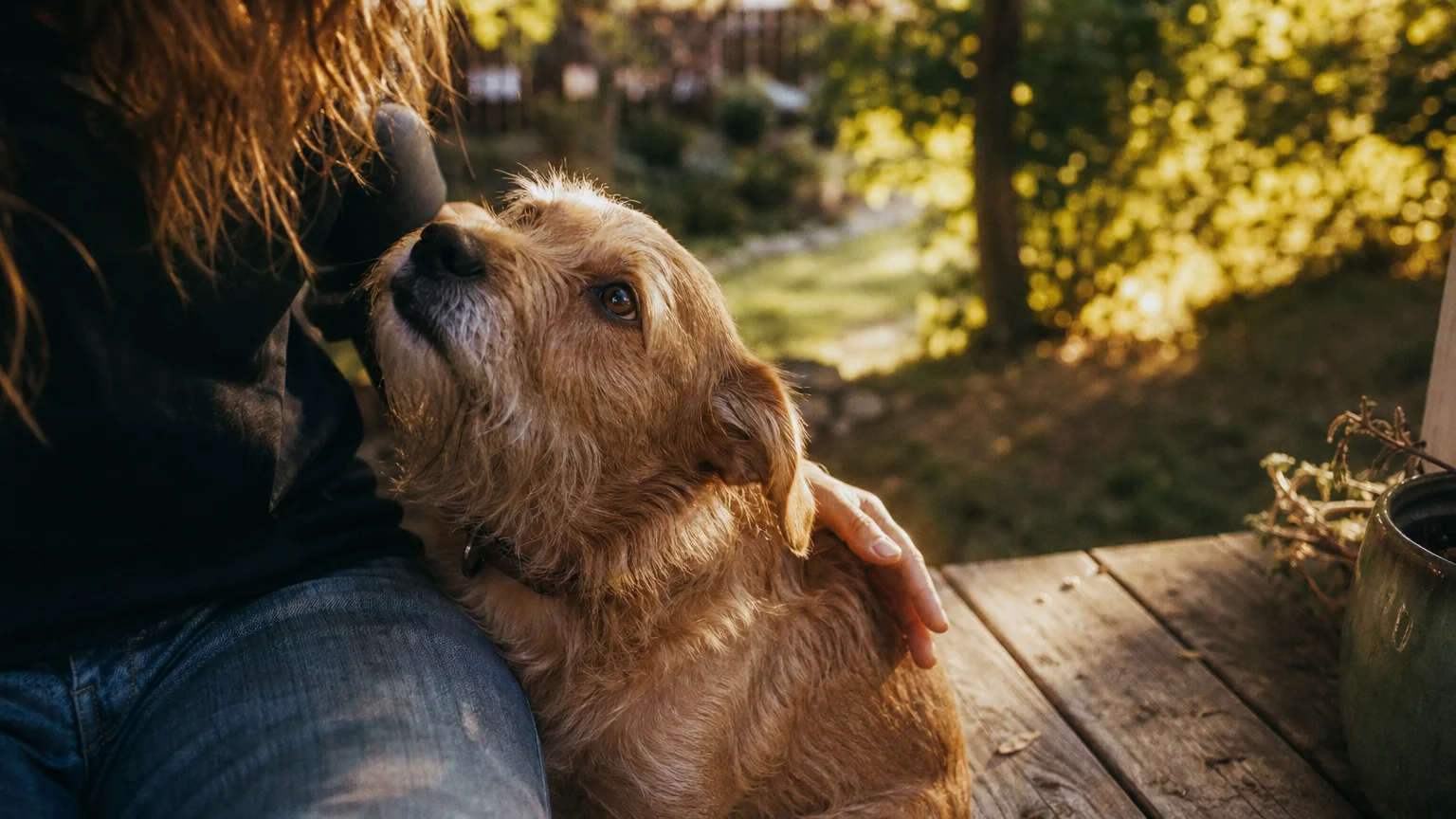
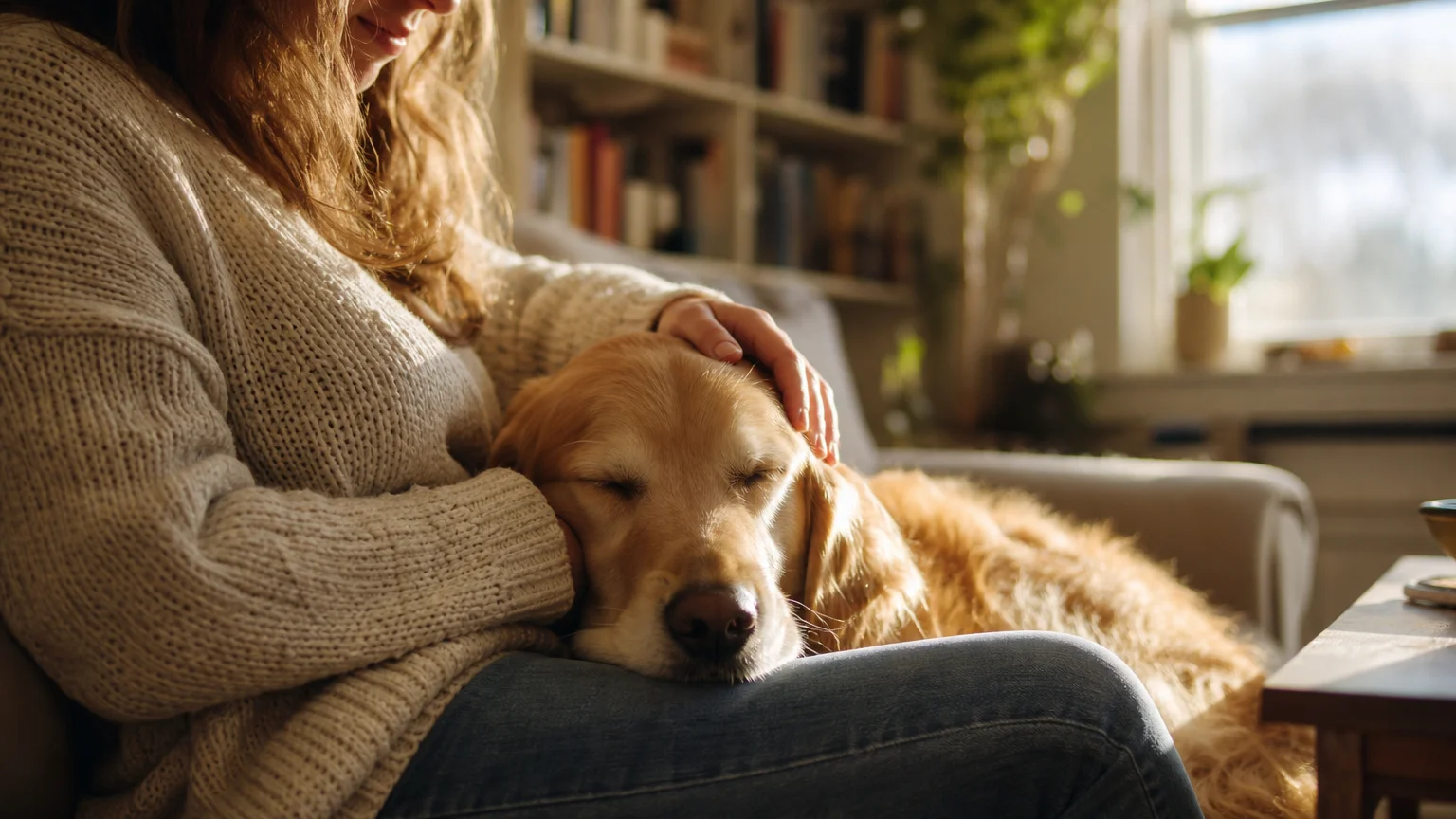
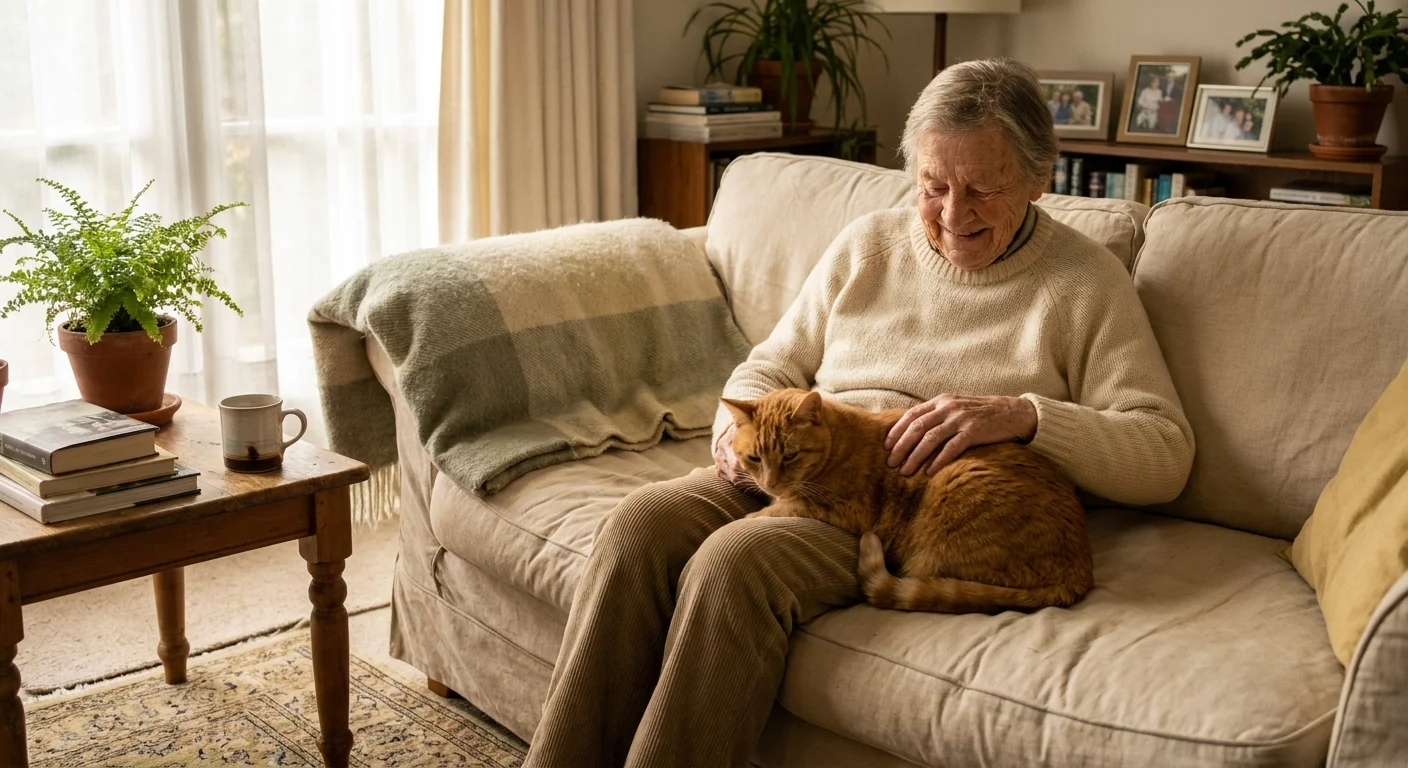
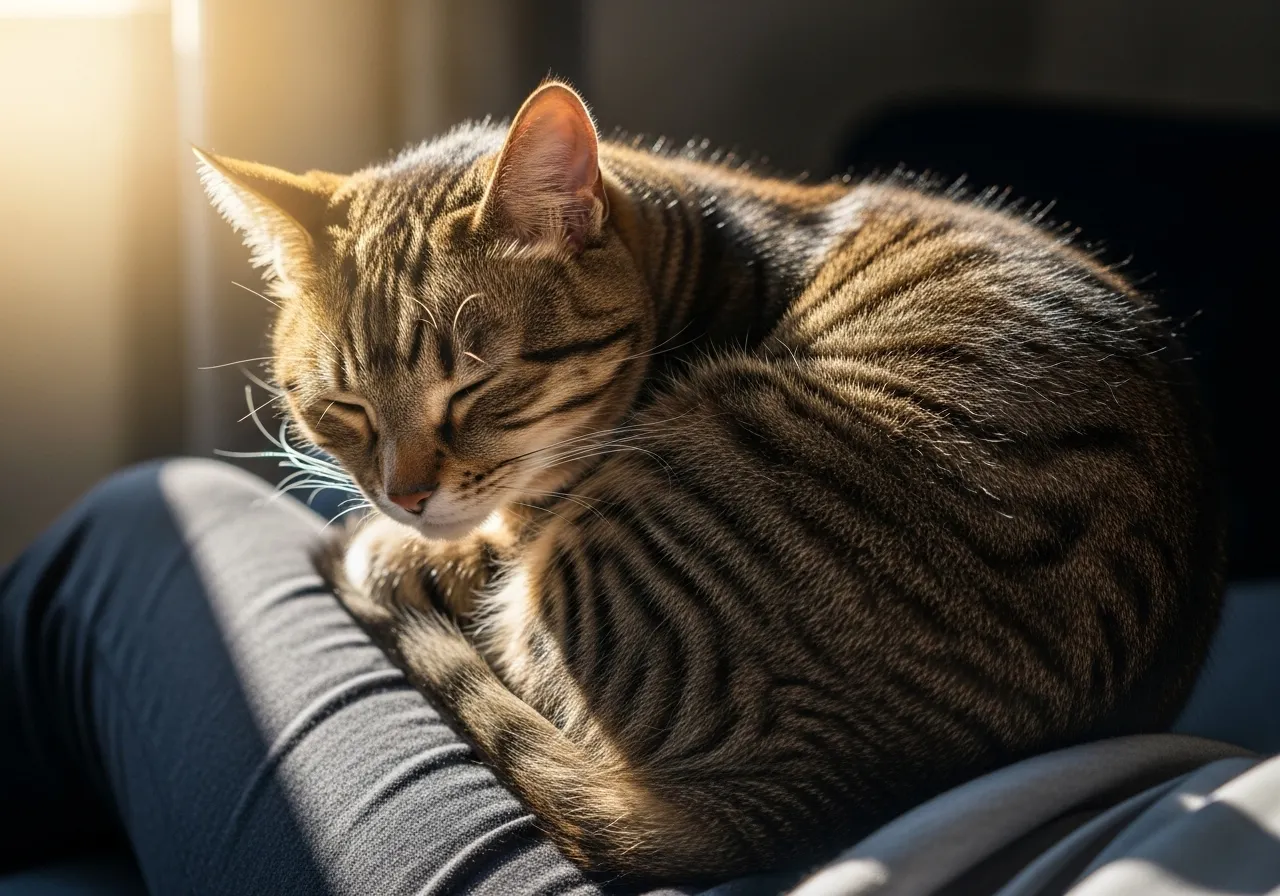
At the center of this connection is a powerful hormone called oxytocin. Often nicknamed the “love hormone” or “bonding hormone,” oxytocin is released in our brains during positive social interactions, like hugging a loved one. Remarkably, research shows that the same thing happens when we interact with our pets. Making eye contact with your dog, stroking your cat’s fur, or even just being in the same room with them can trigger a surge of oxytocin in both you and your pet. This creates a positive feedback loop: you feel good, your pet feels good, and the bond between you strengthens.
This biological response does more than just make us feel connected. The release of oxytocin has been linked to a host of health benefits. Studies have shown it can lower cortisol levels, the body’s primary stress hormone. This, in turn, can lead to reduced blood pressure, a slower heart rate, and a general feeling of calm and well-being. It’s the science behind why pets make us happy and why their presence can feel so incredibly soothing after a long or difficult day.
But oxytocin isn’t the only player. Interacting with animals also boosts other “feel-good” neurochemicals. Dopamine, a chemical associated with reward and pleasure, can increase during playtime. Serotonin, which helps regulate mood, anxiety, and happiness, also tends to rise. Together, these chemicals create a powerful cocktail that enhances our mood and fosters a sense of security and contentment.
This isn’t a human-only experience. Our pets get the same neurological benefits from our interactions. When your dog leans into your touch or your cat seeks out your lap, they are also experiencing a rush of bonding chemicals that reinforces their trust and affection for you. This mutual exchange is the biological foundation of the human-animal bond, proving that the love we share with our animals is a tangible, two-way street.