Frequently Asked Questions about the Human-Animal Bond
The relationship we have with our pets is unique, and it often brings up questions about how we can be the best companions possible. Here are a few common queries.
Can you love a pet too much?
While the love itself is boundless, it’s important to channel that love in a way that respects the animal’s true nature. A healthy bond is based on providing for a pet’s species-specific needs—proper exercise, mental stimulation, a healthy diet, and clear, consistent boundaries. Where love can become problematic is when we engage in “anthropomorphism,” which is attributing human emotions and thoughts to animals to an extent that we ignore their actual needs. For example, overfeeding a pet out of “love” can lead to obesity and health problems. A strong, healthy bond means loving them for who they are—a dog, a cat, a bird—and not just a furry little person.
How can I tell if my pet is bonded with me?
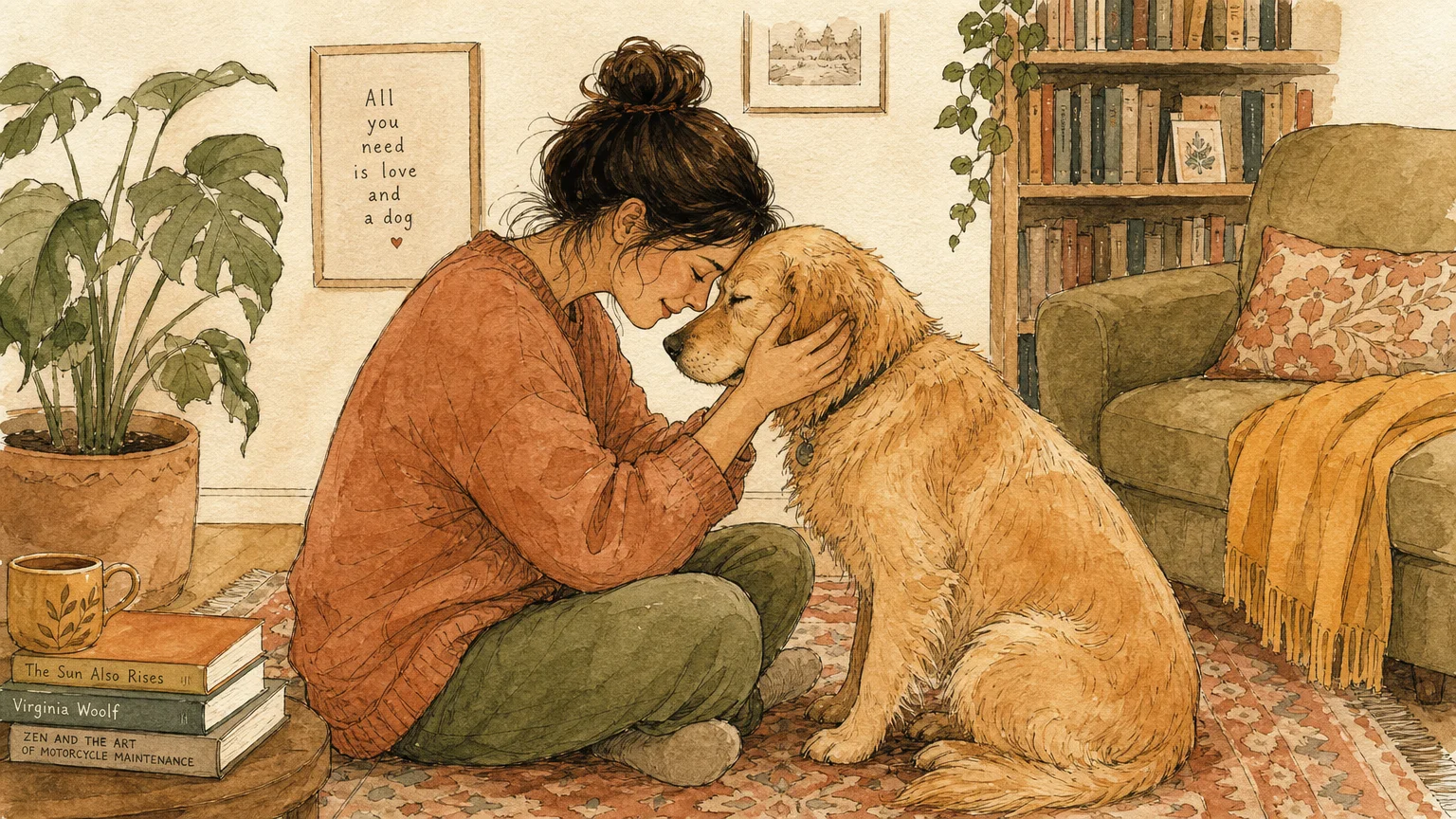
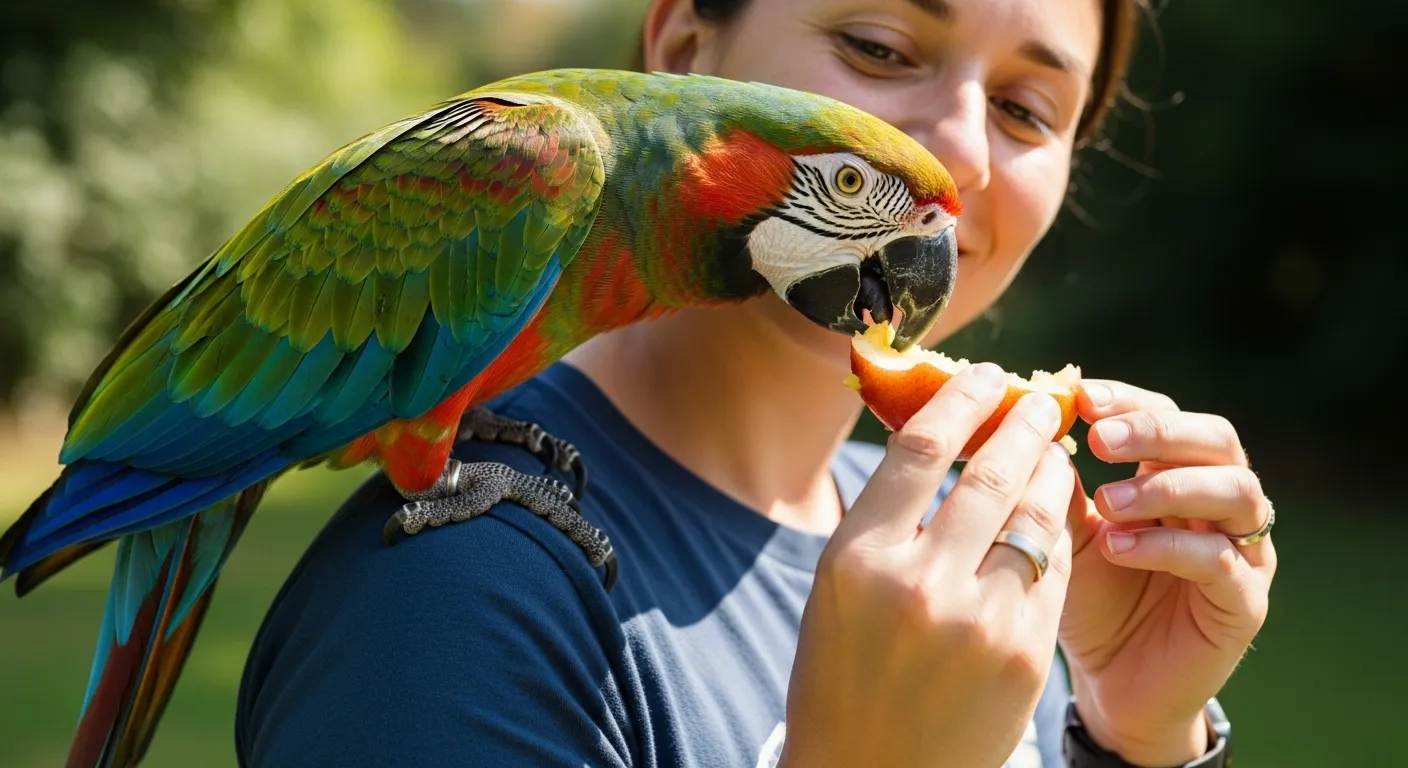
Pets show their affection in many ways. Common signs of a strong bond in dogs include making soft eye contact, choosing to stay in the same room as you, leaning against you, bringing you their toys, and displaying relaxed body language (soft ears, loose body, gentle tail wags) in your presence. For cats, signs of a bond include purring, kneading (“making biscuits”), slow blinking, head-butting (bunting), and winding around your legs. The ultimate sign for any animal is that they actively seek out your company and seem comfortable and secure with you.
What if I don’t feel an instant connection with my new pet?
This is completely normal. Just like human relationships, the deepest bonds often take time to build. Don’t feel discouraged if you don’t feel an overwhelming rush of love on day one. Focus on creating positive, predictable routines. Provide your new pet with the space and time they need during their decompression period. Engage in short, fun training sessions and gentle play. The bond will grow organically from these moments of shared trust and positive experience. Be patient with your new friend, and be patient with yourself.