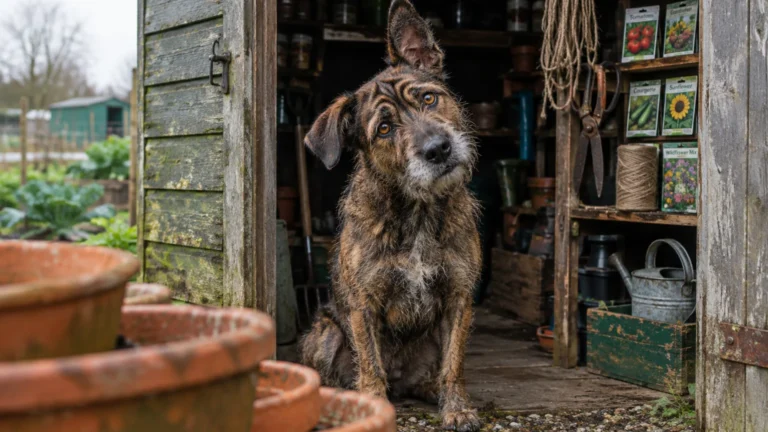
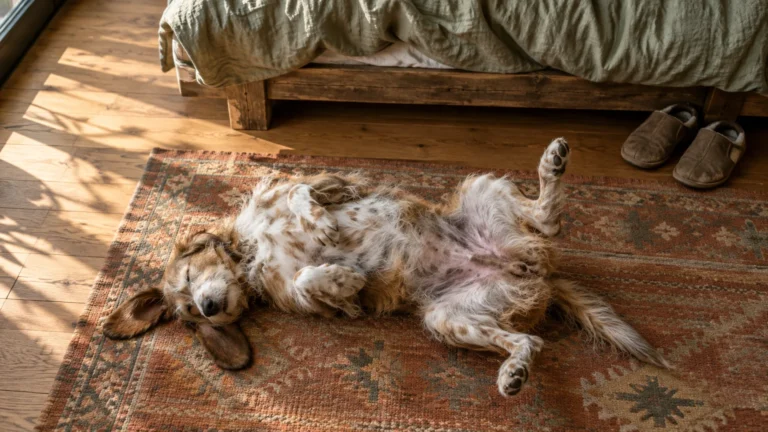
Your dog communicates distress long before letting out a whimper or a defensive growl. Recognizing subtle canine stress signals lets you intervene early, protect your pet’s emotional well-being, and prevent situational fear from hardening into chronic behavioral anxiety.
Dogs express psychological tension through delicate body language shifts, involuntary autonomic reflexes, and sudden displacement behaviors. When you learn how to tell if your dog is stressed, everyday routines become significantly safer and more comfortable for both of you.
Recent veterinary behavioral research reveals that most companion dogs face everyday stressors more often than their owners realize. Tuning in to your dog’s emotional cues builds trust and strengthens your lifelong bond.
At a Glance: The Essentials
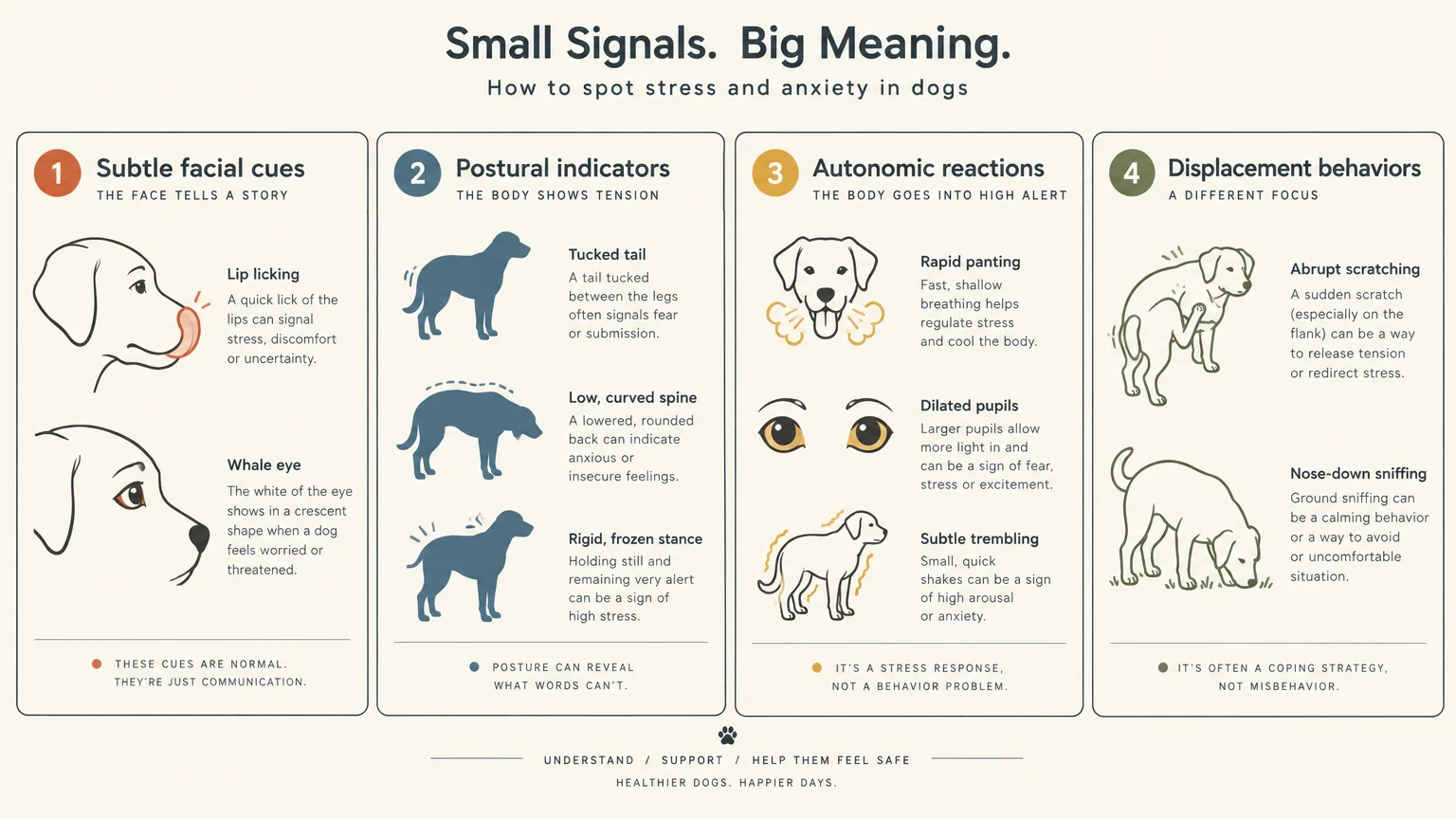
Canine stress signals often begin with subtle micro-expressions before escalating into obvious physiological reactions. Catching these signs early keeps minor tension from turning into defensive aggression.
- Subtle facial cues: Lip licking, yawning, and “whale eye” indicate early internal conflict.
- Postural indicators: A tucked tail, hunched spine, or frozen stance reveals an urge to retreat or defend.
- Autonomic reactions: Unprompted panting, trembling, dilated pupils, and digestive changes point to sympathetic nervous system activation.
- Displacement behaviors: Sudden scratching, ground sniffing, or full-body shake-offs help dogs dissipate emotional energy.

10 Distinct Signs of a Stressed Dog
1. Whale Eye and Hard Stares
“Whale eye” occurs when a dog turns their head slightly away while maintaining eye contact with a perceived threat. This movement exposes the white outer sclera of the eye in a distinct crescent shape.
You will often notice wide, dilated pupils and a rigid, unblinking stare accompanying this expression. It signals high apprehension, warning that your dog feels trapped or pressured.
If you see whale eye during handling or petting, stop immediately. Give your dog space to decompress and reassess the environment on their own terms.
2. Frequent Lip Licking and Tongue Flicks
Dogs frequently flick the tip of their tongue upward over their nose when experiencing social discomfort. Unlike post-meal grooming, this stress-related licking is rapid, repetitive, and occurs in the absence of food.
Veterinary behaviorists consider rapid tongue flicks an appeasement gesture. Your dog uses this signal to convey harmlessness and defuse perceived tension in their immediate environment.
Pay close attention if this happens during hugs, vet examinations, or encounters with unfamiliar guests. Step in and gently redirect your dog toward a quieter spot.
3. Context-Free Yawning
A yawn does not always mean your dog needs a nap. When yawning happens during training sessions, noisy gatherings, or veterinary visits, it functions as a canine stress signal.
Stress yawns are often more prolonged and exaggerated than normal fatigue yawns. They frequently coincide with tight facial muscles and flattened ears.
Treat an out-of-context yawn as a sign that your dog feels overwhelmed. Lower your expectations, reduce environmental stimulation, and take a brief break.
4. Displacement Sniffing and Sudden Scratching
Displacement behaviors appear when an animal feels conflicting emotional motivations, such as the desire to approach versus the urge to flee. A dog facing social conflict might abruptly sniff the grass or scratch vigorously.
This behavior looks normal on the surface, but the timing reveals its true nature. The dog intensely examines an uninteresting patch of ground solely to avoid confronting an approaching trigger.
Do not yank your dog away from displacement sniffing. Allow them to use this harmless self-soothing tactic while you create physical distance from the stressor.
5. Tucked Tail and Lowered Body Posture
When dogs feel frightened, they attempt to make their physical profile as small and non-threatening as possible. They lower their head, curve their spine, and clamp their tail tightly against the groin.
A tucked tail also covers the anal glands, which prevents scent dispersal during vulnerable moments. In moderate stress, the tail may simply drop lower than the dog’s natural carriage line.
Never force a dog in this posture to greet another animal or human. Doing so removes their perceived escape route and can prompt fear-based defensive biting.
6. Excessive Panting Without Heat or Exertion
Dogs naturally pant to regulate body temperature after running or in warm weather. However, heavy panting in a climate-controlled room indicates a surge of stress hormones.
Stress-induced panting, often called “stress panting,” typically features a wide tongue with curled edges. The dog draws shallow, rapid breaths alongside furrowed brows and tense facial musculature.
Check the ambient room temperature and hydration levels first to rule out physical overheating. If the environment is comfortable, identify what emotional trigger just entered the space.
7. Pacing, Restlessness, and Inability to Settle
A relaxed dog sleeps or rests during downtime; a stressed dog patrols the perimeter. Pacing back and forth along fence lines or room boundaries signals heightened vigilance and persistent arousal.
Anxious dogs repeatedly lie down, adjust positions, and stand up within seconds. They struggle to achieve deep, restorative sleep because their brain remains primed for potential danger.
Offer a designated sanctuary space—such as an open crate covered with a blanket—in a quiet room. Consistent safe zones help hyper-vigilant dogs gradually power down their nervous systems.
8. Sudden Appetite Loss and Digestive Upset
Acute stress activates the sympathetic nervous system, shifting blood flow away from the gut toward skeletal muscles. Consequently, a dog experiencing high anxiety often refuses high-value treats that they normally devour.
Prolonged stress disrupts the intestinal microbiome and digestive motility. It commonly manifests as soft stools, sudden diarrhea, or nausea accompanied by excessive lip smacking and drooling.
If your dog regularly ignores food during walks or training, you have exceeded their emotional threshold. Move farther away from triggers until your pet accepts food willingly.
9. Trembling, Involuntary Shaking, and Freezing
A flood of adrenaline produces visible muscle tremors, especially in the hind legs. This physiological response prepares the body for sudden physical action when a threat looms near.
Alternatively, dogs may execute a behavioral freeze, becoming entirely motionless and stiff. A freeze is a critical warning sign that the dog feels deeply threatened and may lash out if pushed.
Do not touch or crowd a dog that has frozen in place. Back away slowly and remove the trigger to prevent an escalation into defensive aggression.
10. The Full-Body “Shake-Off” After Tension
You have likely seen your dog perform a wet-dog shake when stepping out of a bath. However, dogs also execute this full-body shake while completely dry immediately following a tense event.
For instance, dogs frequently shake off after an awkward greeting with an unfamiliar canine or after you trim their nails. It serves as a physiological reset button to discharge residual muscular tension.
When you see a shake-off, celebrate it as a positive sign that your dog is actively decompressing. Give them a moment of quiet before introducing another activity.

The Bigger Picture: Understanding Canine Anxiety Science
Stress in companion canines is far more widespread than most guardians assume. Recent large-scale scientific surveys reveal that modern home environments present numerous sensory and social hurdles for domestic dogs.
In a landmark study published in Scientific Reports, researchers at the University of Helsinki evaluated 13,715 pet dogs across 264 breeds. They discovered that 72.5% displayed at least one anxiety-related behavior.
Noise sensitivity stood out as the leading trigger, impacting 32% of dogs, while general fearfulness affected 29%. These figures demonstrate that canine anxiety is a common physiological challenge rather than an isolated behavioral flaw.
Further reinforcing these findings, a 2026 Texas A&M study analyzing 43,517 companion dogs from the Dog Aging Project found that 84% to 91% exhibit fear or anxiety in everyday scenarios. Unfamiliar dogs triggered fear in 47.4% of dogs.
Grooming sparked distress in 33.0% of dogs, while unfamiliar noises provoked 25.5%. These data points highlight why identifying subtle signs of a stressed dog is an essential skill for every responsible owner.
The pet industry reflects this growing awareness. According to the American Pet Products Association (APPA) 2024 Dog and Cat Report, dog owner usage of calming products surged 168% between 2018 and 2024.
By 2024, 59% of dog owners reported relying on calming aids such as wraps, supplements, and diffusers. Investing in behavioral education remains the most potent tool for calming a stressed dog long term.

Acute Stress vs. Chronic Anxiety in Dogs
Short-term stress is a natural, adaptive survival response designed to protect an animal from immediate danger. In contrast, chronic anxiety persists long after triggers vanish, degrading physical health and emotional stability.
Evaluating whether your dog experiences transient tension or systemic anxiety guides your management strategy. The following comparison illustrates how these conditions manifest across physical and behavioral markers.
| Feature | Acute Situational Stress | Chronic Behavioral Anxiety |
|---|---|---|
| Primary Trigger | Identifiable event (fireworks, veterinary visit, sudden noise) | Generalized anticipation, separation, or environmental change |
| Duration | Minutes to several hours after the trigger departs | Days, weeks, or constant baseline vigilance |
| Key Physical Signs | Dilated pupils, rapid panting, trembling, tucked tail | Frequent digestive upset, skin lesions, insomnia, dull coat |
| Behavioral Pattern | Avoidance, displacement sniffing, sudden freezing | Persistent pacing, hyper-reactivity, destructive chewing |
| Recovery Time | Immediate to 48 hours with adequate quiet | Requires long-term counterconditioning and clinical support |
Distinguishing between these two states ensures you do not overlook deep-seated behavioral conditions. Chronic stress elevates circulating cortisol, weakens the immune system, and compromises your companion’s quality of life.

Actionable Strategies for Calming a Stressed Dog
Helping your dog recover from distress requires practical environmental changes rather than verbal corrections. When you notice early dog anxiety symptoms, implement these immediate and long-term adjustments.
- Increase physical distance: Distance decreases threat intensity. Move your dog behind a parked car, across the street, or into a separate room to drop arousal levels immediately.
- Scatter feeding and sniffing: Scattering treats in grass activates your dog’s olfactory cortex. Sniffing lowers heart rate and naturally triggers parasympathetic relaxation.
- Establish a predictable decompression zone: Set up a quiet retreat with comfortable bedding, white noise, and minimal foot traffic. Ensure everyone in the house respects this as an undisturbed resting spot.
- Implement positive reinforcement counterconditioning: Pair previously scary stimuli at low intensity with high-value treats like cooked chicken or cheese. This technique changes your dog’s underlying emotional association over time.
- Avoid physical punishment: Never scold a dog for growling, trembling, or pacing. Punishing emotional expression suppresses warning signs and dramatically increases the risk of unprovoked bites.
Consistent, low-stress routines provide security for sensitive pets. When your dog knows what to expect throughout the day, their baseline nervous system arousal gradually recedes.

Worth Keeping in Mind
Misinterpreting dog anxiety symptoms can unintentionally worsen behavioral hurdles. Keep these critical distinctions and pitfalls in mind when evaluating your pet’s emotional state.
- Medical pain frequently mimics behavioral anxiety: Underlying conditions such as osteoarthritis, dental disease, or pancreatitis cause restlessness, panting, and irritability. Always rule out physical pain with a veterinarian before assuming a behavior is purely psychological.
- Comforting a fearful dog does not reward fear: You cannot reinforce an involuntary emotional state with gentle affection. Speaking softly and offering calm physical reassurance helps down-regulate your dog’s stress hormones.
- Breed genetics dictate natural baseline behaviors: Herding breeds naturally display high vigilance, while guardian breeds closely monitor surroundings. Differentiate between breed-specific instinct and genuine emotional distress.
- Calming supplements are supportive, not curative: Calming chews and pheromone diffusers can take the edge off mild apprehension. However, they cannot replace structured behavioral counterconditioning and environmental management.

When to Get Professional Help
While mild situational discomfort is manageable at home, severe dog anxiety symptoms require clinical intervention. Involve qualified professionals if you encounter any of the following scenarios.
- Self-directed destructive behavior: If your dog chews their paws raw, fractures teeth escaping crates, or licks hotspots onto their skin, seek immediate veterinary guidance.
- Aggression linked to fear: When your dog snaps, lunges, or growls during routine handling or when encountering everyday stimuli, professional intervention is mandatory for family safety.
- Severe separation anxiety: Continuous howling, urination, defecation, and frantic escape attempts whenever left alone warrant an individualized behavior modification plan.
- Sudden personality changes: A previously gregarious dog that abruptly becomes reclusive or reactive requires a thorough medical workup to detect occult illness or neurological changes.
Consult a board-certified specialist through the American College of Veterinary Behaviorists or a certified applied animal behaviorist. For routine healthcare baselines, review wellness resources from the American Veterinary Medical Association.
Frequently Asked Questions
Can dogs experience panic attacks?
Yes, dogs can experience acute panic episodes characterized by sudden tachycardia, frantic escape behaviors, trembling, and dilated pupils. These episodes most commonly occur during severe phobic events like thunderstorms, fireworks, or severe separation distress.
Does yawning always mean my dog is stressed?
No, dogs yawn upon waking or when preparing for sleep as a normal physiological function. A stress yawn occurs out of context, often repeatedly, during high-stimulation situations like training, vet visits, or crowded gatherings.
How long does it take for a dog’s cortisol to drop after stress?
Following an acute, high-stress event, circulating cortisol and adrenaline levels can take between 24 and 72 hours to return to baseline. Giving your dog several quiet days without major stimulation helps prevent trigger stacking.
Can I calm my dog just by hugging them?
Most dogs actually perceive human hugs as restrictive and threatening rather than comforting. Wrapping your arms around a stressed dog restricts their movement, often intensifying their panic and increasing bite risks.
Building a Calmer Future for Your Dog
Learning to decode subtle canine stress signals transforms how you advocate for your pet. When you step in early to alleviate discomfort, your dog learns they can trust you to protect their boundaries.
This is general informational content based on widely accepted guidance; verify current details—rules, prices, eligibility, regulations—with official sources before making important decisions.
Last updated: May 2026. Rules, prices, and details change—verify current information with official sources before acting on it.