3. Labrador Retriever
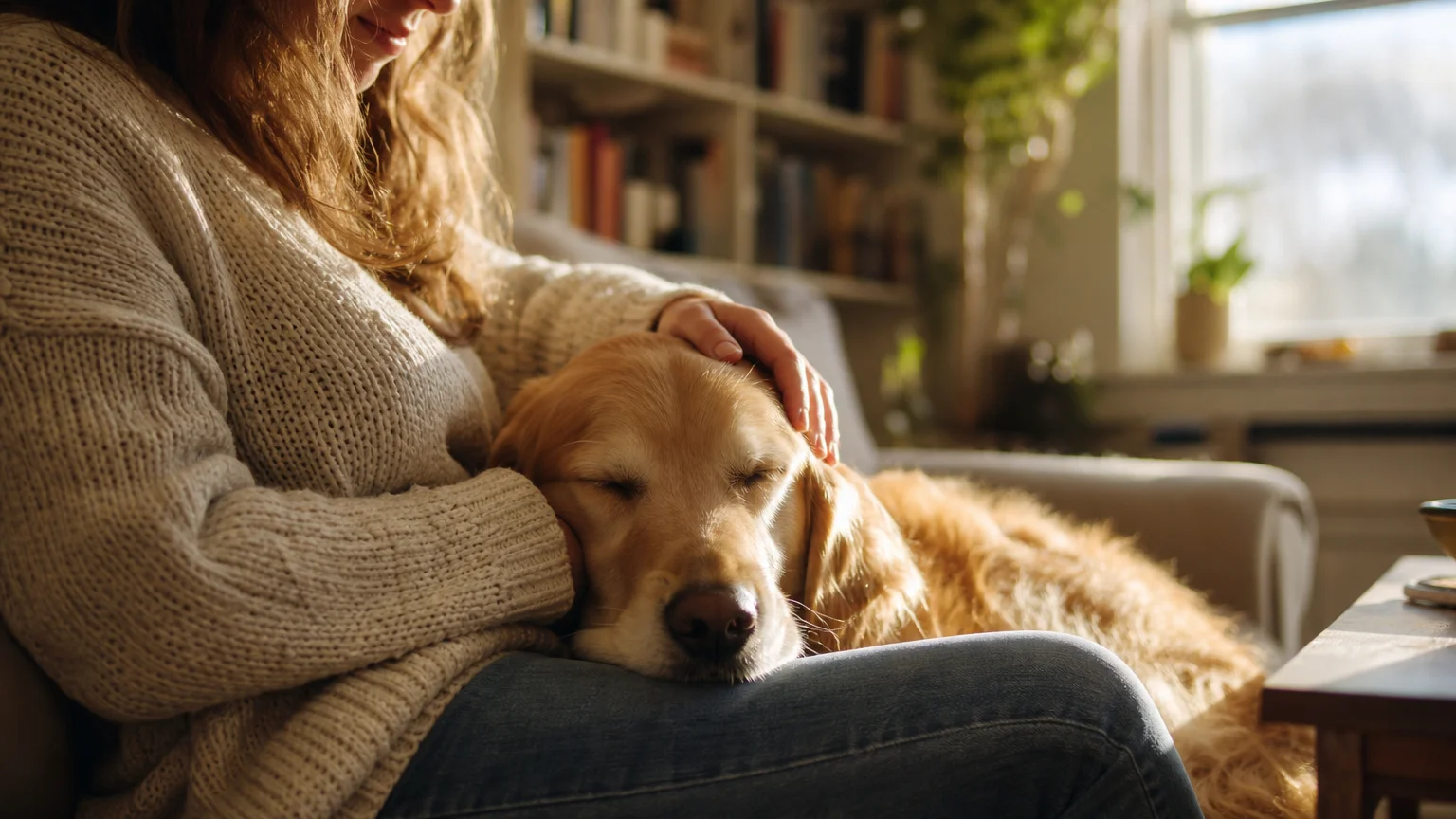
America’s favorite family dog is famous for being friendly and adaptable, but Labs are people-oriented to an extreme degree. Their profound attachment to human companionship is precisely what makes them vulnerable to isolation distress. They simply were not bred to spend eight to ten hours a day alone in an empty house.
Despite their easygoing reputation, Labrador Retrievers are frequently seen in veterinary behavior consultations for separation-related destruction. Providing a robust morning exercise routine and leaving them with high-value, long-lasting chew toys can help distract a Lab and soothe their nervous energy while you are at work.
4. German Shepherd
German Shepherds are fiercely loyal and highly intelligent guardian dogs. They are genetically programmed to evaluate their surroundings for potential danger. Without proper, positive socialization during their critical puppyhood fear periods, this natural vigilance easily warps into chronic, fear-based anxiety.
An anxious German Shepherd is constantly scanning for threats, which can lead to leash reactivity and stranger danger. Building confidence in a German Shepherd requires exposing them to a wide variety of people, sounds, and environments early in life, always pairing these new experiences with high-value treats to create positive associations.