Nature has equipped some of its most fascinating animals with the ultimate superpower: the ability to change colors. From deep-sea cuttlefish hiding from predators to arctic foxes shifting their coats to match seasonal snow, these transformations serve critical roles in survival, temperature regulation, and communication. You might picture a chameleon cycling through a rainbow of hues, but the mechanisms behind animal color changes vary wildly across species. While some reptiles rely on microscopic structural crystals to bend light, certain mammals undergo complete seasonal molts driven by shifting daylight. Understanding how and why these eight incredible animals change colors will give you a deeper appreciation for nature’s endless ingenuity.
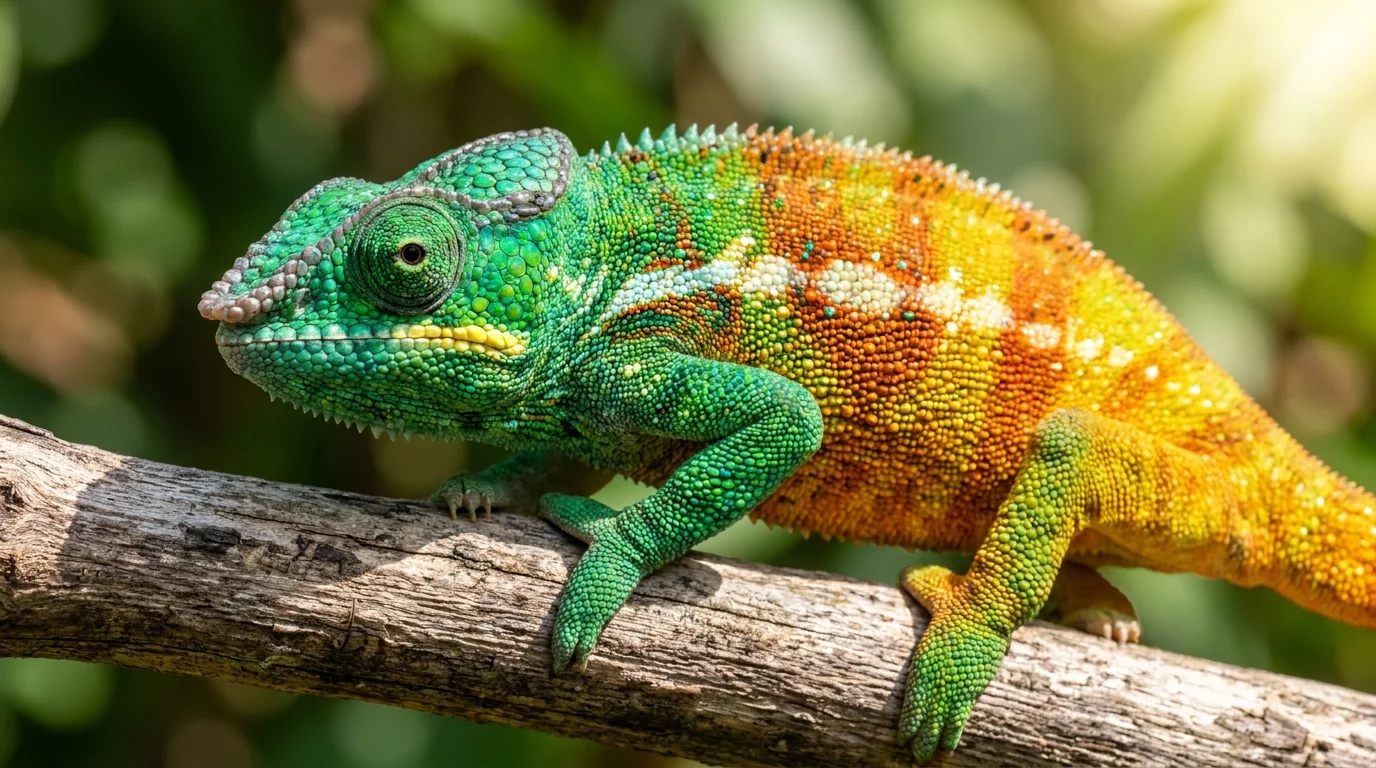
1. Panther Chameleon (Furcifer pardalis)
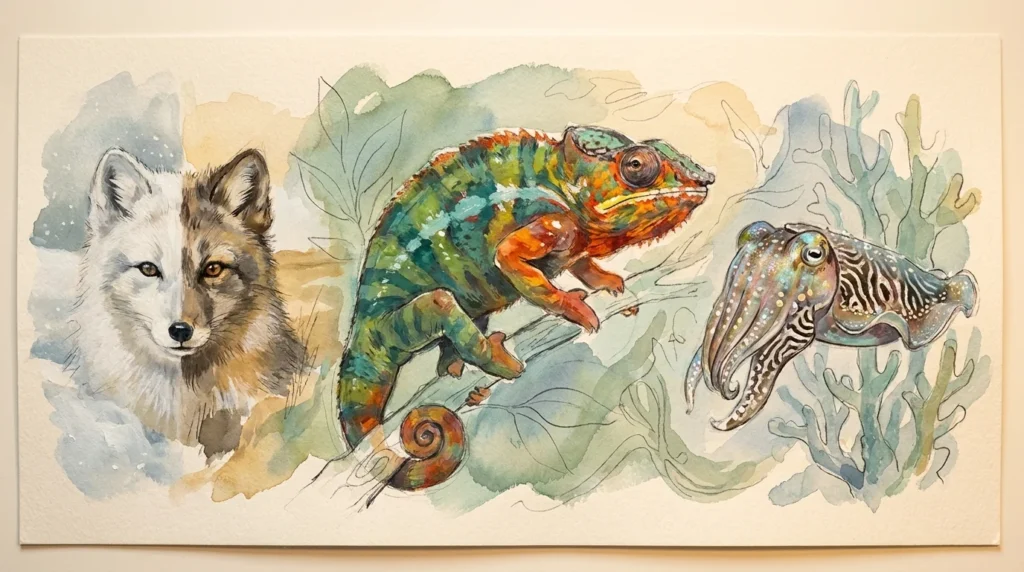
When you think of color-changing animals, the chameleon is likely the first creature that comes to mind. But the mechanics behind their vibrant displays are entirely different from what scientists previously believed. They do not just shuffle pigment around; instead, panther chameleons rely on structural coloration.
Their skin contains a lattice of tiny guanine nanocrystals. When the chameleon is relaxed, these crystals sit closely together, reflecting blue light. Combined with the yellow pigment in their upper skin layers, this makes the resting chameleon appear green. When the animal becomes excited or aggressive—often during a territorial dispute with another male—it stretches its skin, increasing the distance between the crystals. This wider gap reflects longer wavelengths of light, instantly turning the lizard bright red, orange, or yellow. They also use this superpower for thermoregulation, purposefully darkening their skin to absorb more heat on a chilly morning.
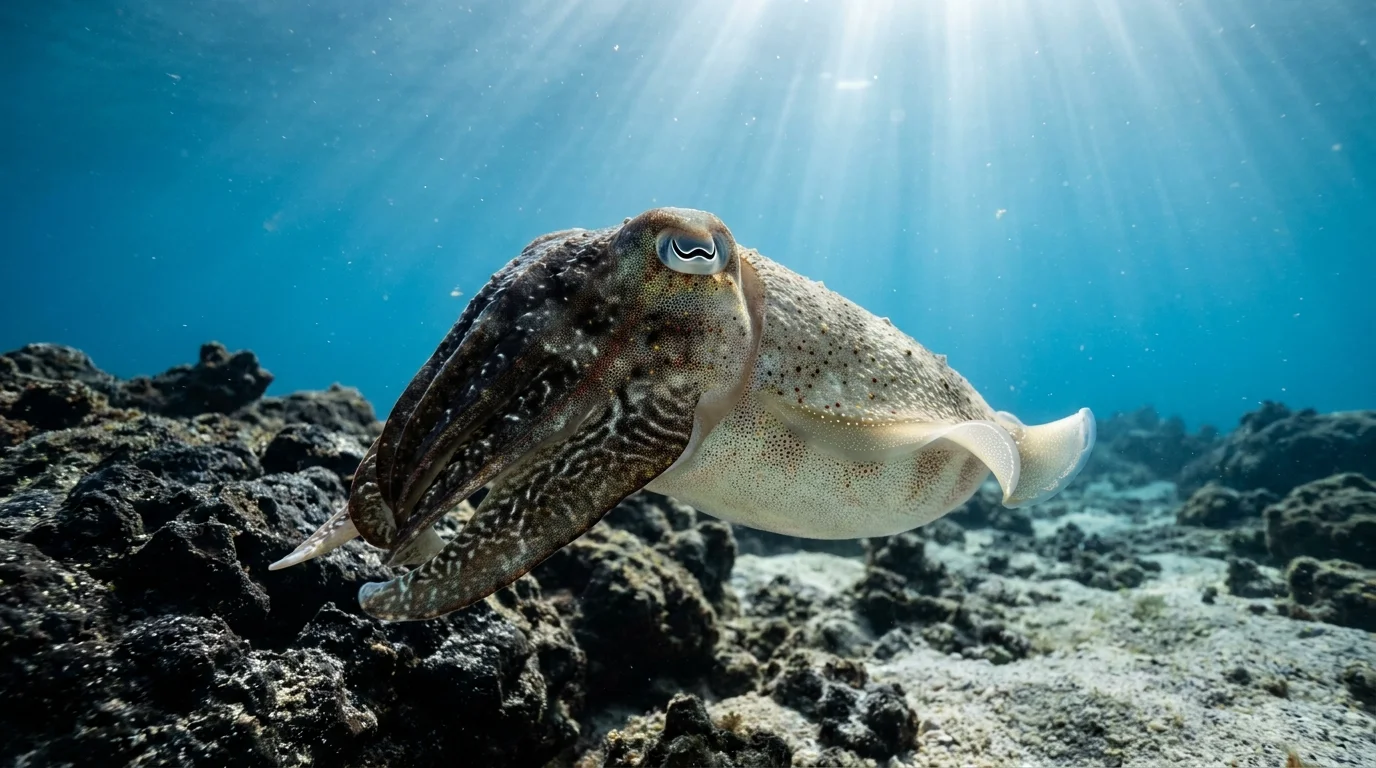
2. Common Cuttlefish (Sepia officinalis)
The ocean floor is a dangerous place for a soft-bodied animal, but the common cuttlefish thrives thanks to an unmatched ability to vanish in plain sight. They possess millions of pigment cells called chromatophores, which are directly connected to their nervous system.
When a cuttlefish wants to hide or communicate, its brain fires a signal that causes tiny muscles around the chromatophores to contract. This stretches the pigment sacs wide open, flooding the skin with color in milliseconds. Beneath the chromatophores sit two other types of cells: iridophores, which reflect iridescent light, and leucophores, which scatter ambient light to create white patches. Together, these layers allow the cuttlefish to perfectly mimic the texture and color of coral, sand, or seaweed.
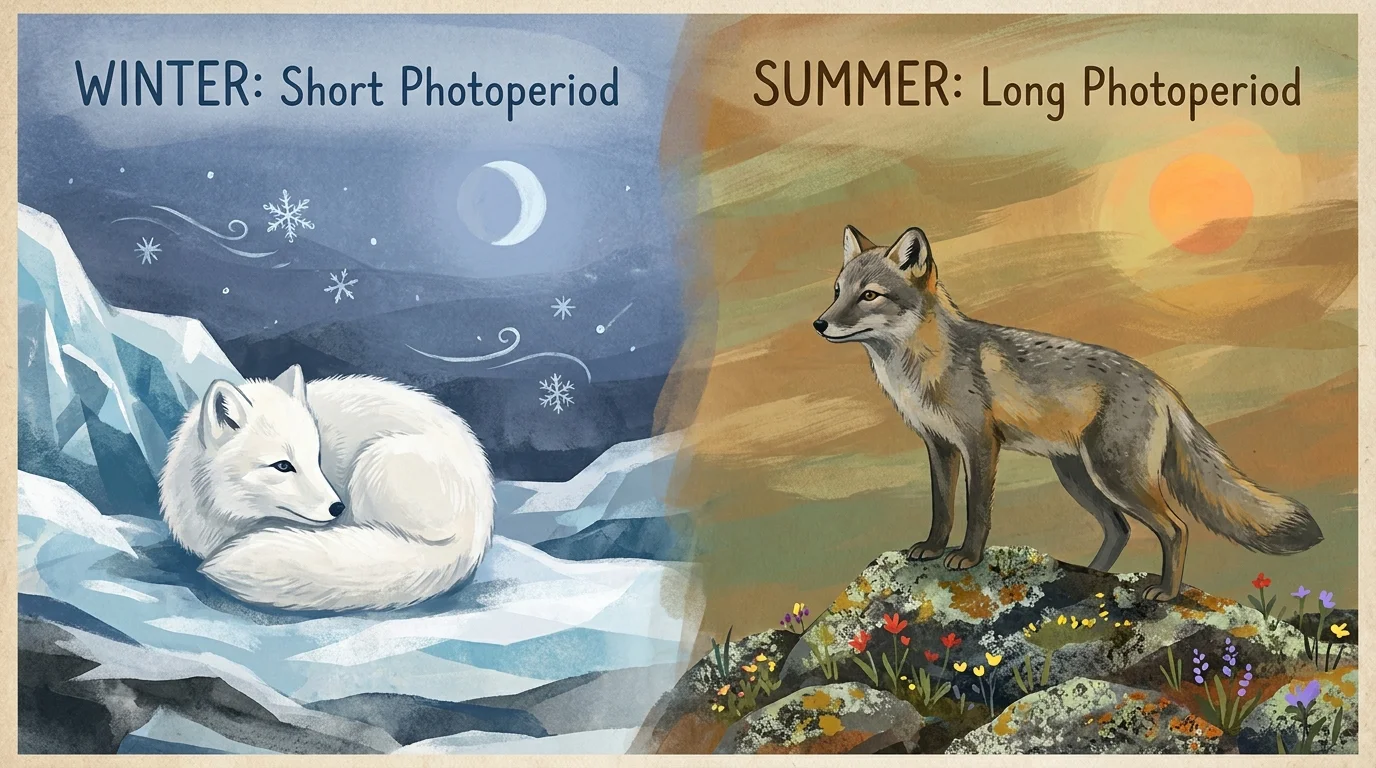
3. Arctic Fox (Vulpes lagopus)
Mammals change color on a completely different timeline. The arctic fox relies on a cyclic molt to survive the harsh conditions of the northern tundra. Research compiled by the National Park Service indicates that their transformation is driven not by dropping temperatures, but by the photoperiod—the number of daylight hours in a given day.
As autumn brings shorter days, the fox’s body stops producing melanin, the pigment responsible for brown and black hues. The new fur grows in pure white and incredibly dense, creating a heavily insulated coat that renders the fox practically invisible against winter snowdrifts. When spring returns and daylight lengthens, another hormonal shift triggers the fox to shed its white coat for a sleek, gray-brown summer appearance, perfect for hiding among rocks and vegetation.
4. Green Anole (Anolis carolinensis)
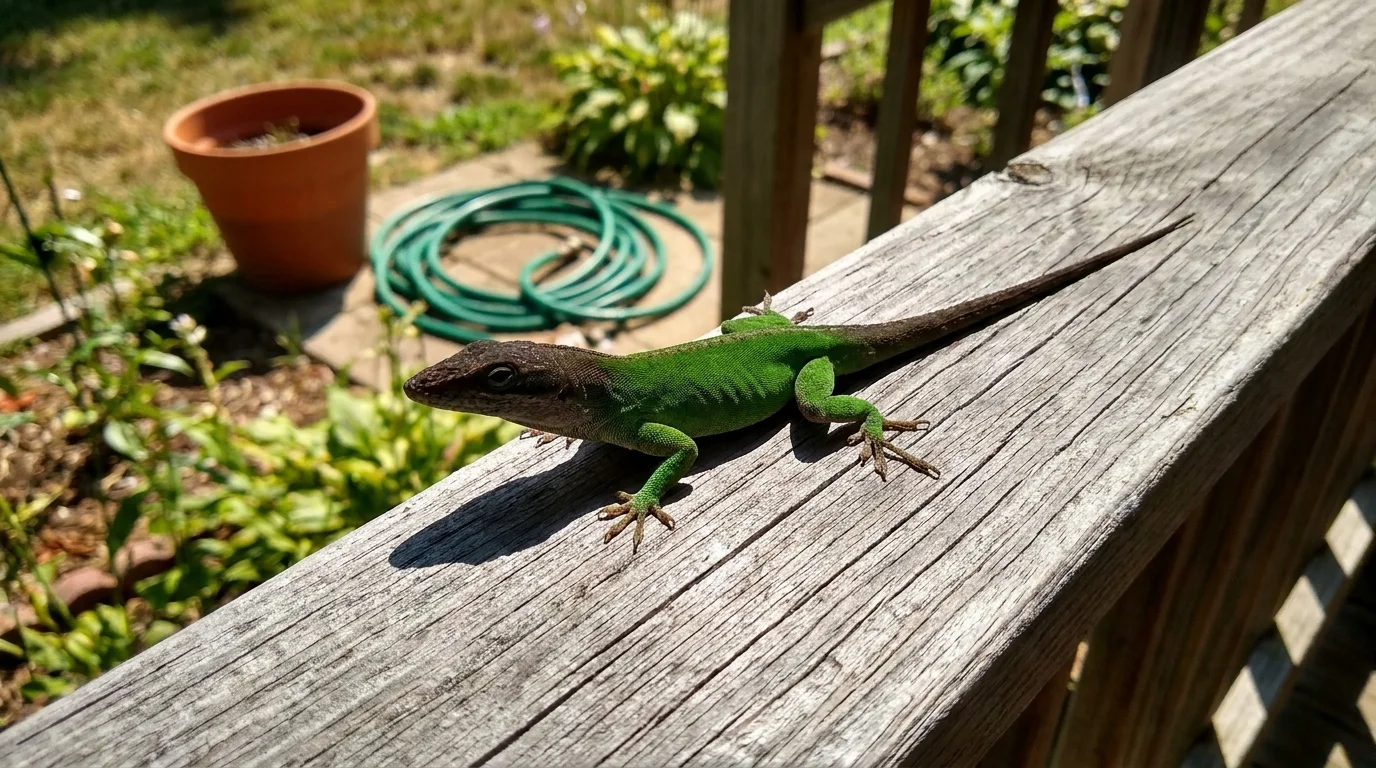
If you live in the southeastern United States, you have likely spotted a green anole darting across a porch or a fence. These small, agile lizards frequently shift between vivid emerald green and dark brown.
Unlike the chameleon, the anole’s color change relies entirely on pigment dispersion. Their skin contains melanophores—cells filled with dark melanin—situated beneath layers of blue- and yellow-reflecting cells. When an anole feels stressed, cold, or submissive, it disperses melanin upward into the long “arms” of the melanophores, masking the bright colors above and turning the lizard brown. Dominant males that have just won a territorial dispute will quickly concentrate that melanin back into the center of the cells, returning to a triumphant bright green.
5. Snowshoe Hare (Lepus americanus)
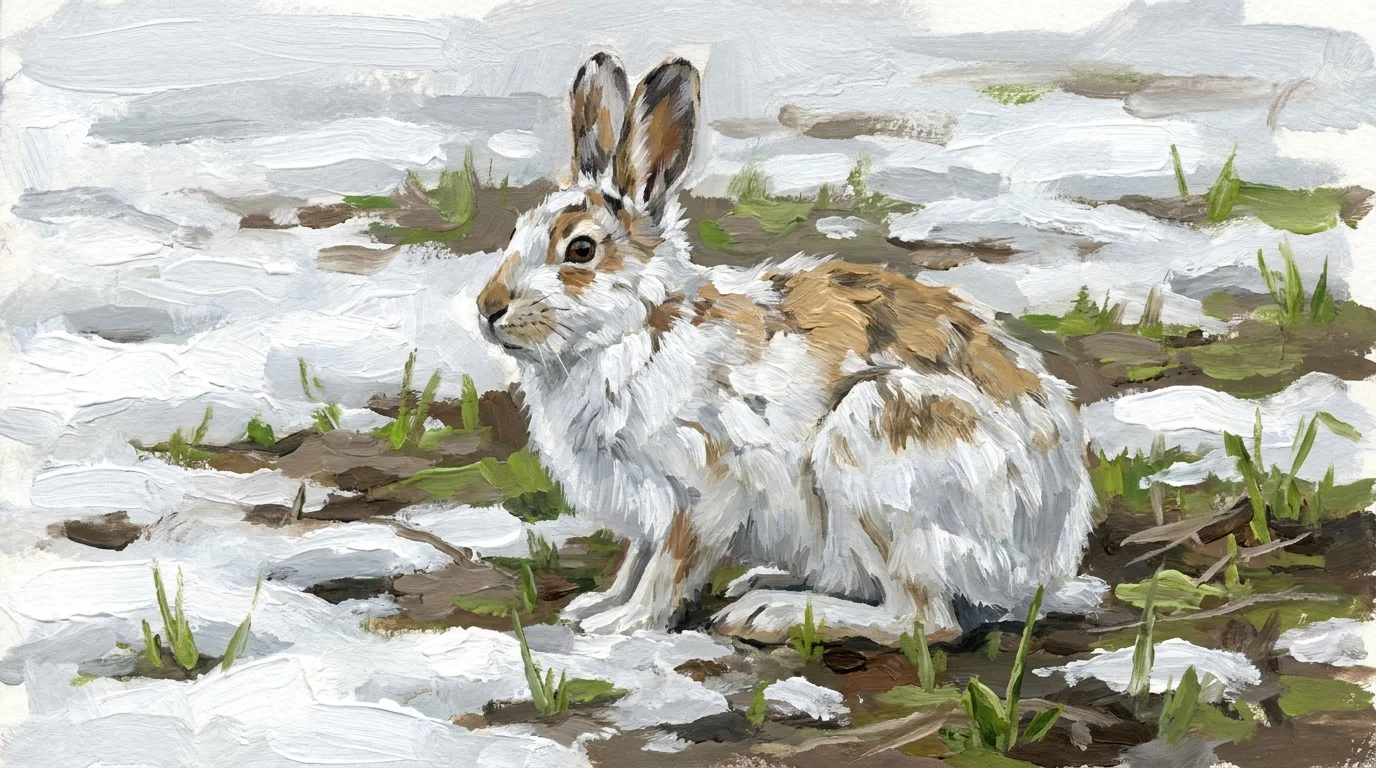
Similar to the arctic fox, the snowshoe hare survives heavily forested northern climates by adapting to the changing seasons. According to the U.S. Fish & Wildlife Service, the snowshoe hare undergoes a dramatic color molt that takes up to 10 weeks to complete.
Starting in late summer, falling daylight triggers a hormonal response that halts pigment production. The hare transitions from rusty brown to patchy white, which perfectly mimics the patchy, melting snow of autumn. By mid-winter, the hare is entirely white except for the black tips of its ears. This camouflage is its primary defense against predators like the Canada lynx and golden eagle.
6. Golden Tortoise Beetle (Charidotella sexpunctata)
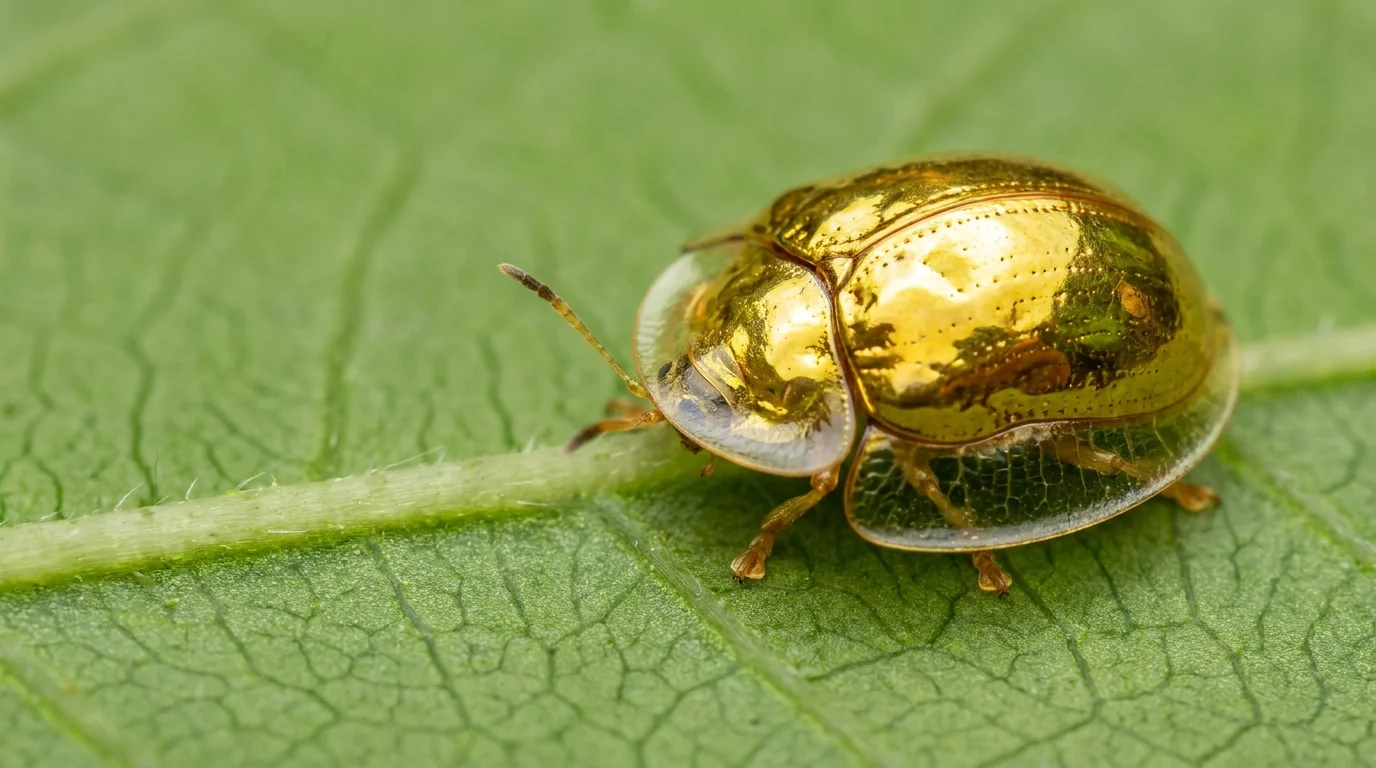
You do not have to be a vertebrate to perform spectacular color changes. The golden tortoise beetle is a tiny insect roughly the size of a ladybug, covered in a translucent, dome-like shell. At rest, it looks like a brilliant, molten drop of gold resting on a morning glory leaf.
However, when the beetle is poked, prodded, or feels threatened, it can change from gold to dull red or orange in a matter of seconds. It achieves this by altering the fluid levels in the microscopic layers of its cuticle. Dehydrating these layers eliminates their high reflectivity, allowing the underlying red pigment to show through. This visual shift often confuses predators or mimics the warning colors of toxic insects.
7. Lined Seahorse (Hippocampus erectus)
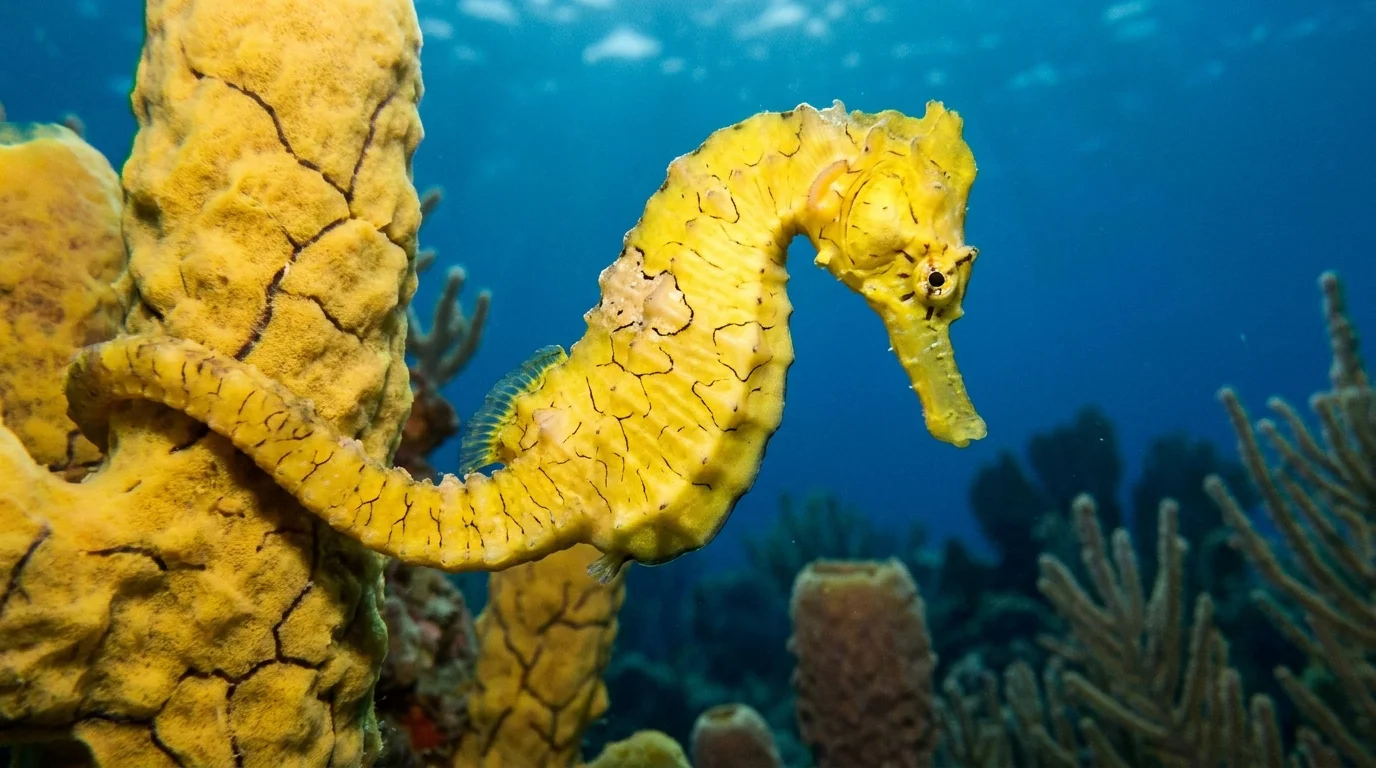
Seahorses are notoriously poor swimmers, relying heavily on concealment to ambush tiny prey and avoid becoming someone else’s dinner. The Florida Museum of Natural History notes that seahorses use their chromatophores to match their exact surroundings, whether that means turning bright yellow, deep red, or mottled brown to blend with seagrass and mangroves.
While camouflage is their primary use for color changing, it also plays a massive role in their social lives. Lined seahorses mate for life and perform intricate, daily courtship dances. During these bonding rituals, both the male and female will rapidly change colors to communicate their readiness to mate and reaffirm their pair bond.
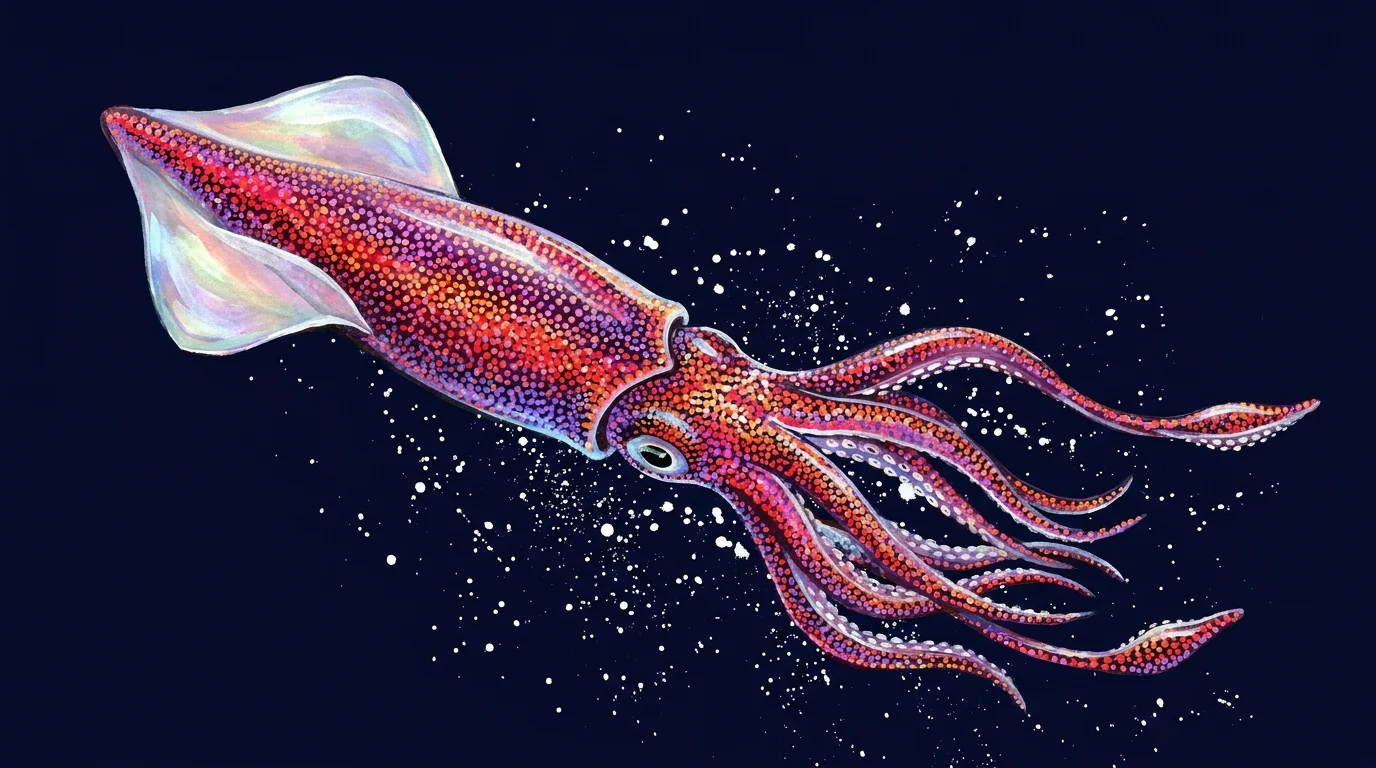
8. Squid (Order Teuthida)
Squid share the same basic chromatophore mechanism as their cuttlefish cousins, but recent research suggests they have taken it a step further. Their color-changing organs do not just display pigment; they actively interact with light.
Studies reveal that squid chromatophores contain proteins that function much like organic solar cells, making the skin hyper-sensitive to ambient light. This allows the squid to process visual information and adjust its body pattern almost autonomously, speeding up an already instantaneous reaction. Whether evading a shark or signaling aggression to a rival squid, their shifting colors ripple across their bodies like neon signs.
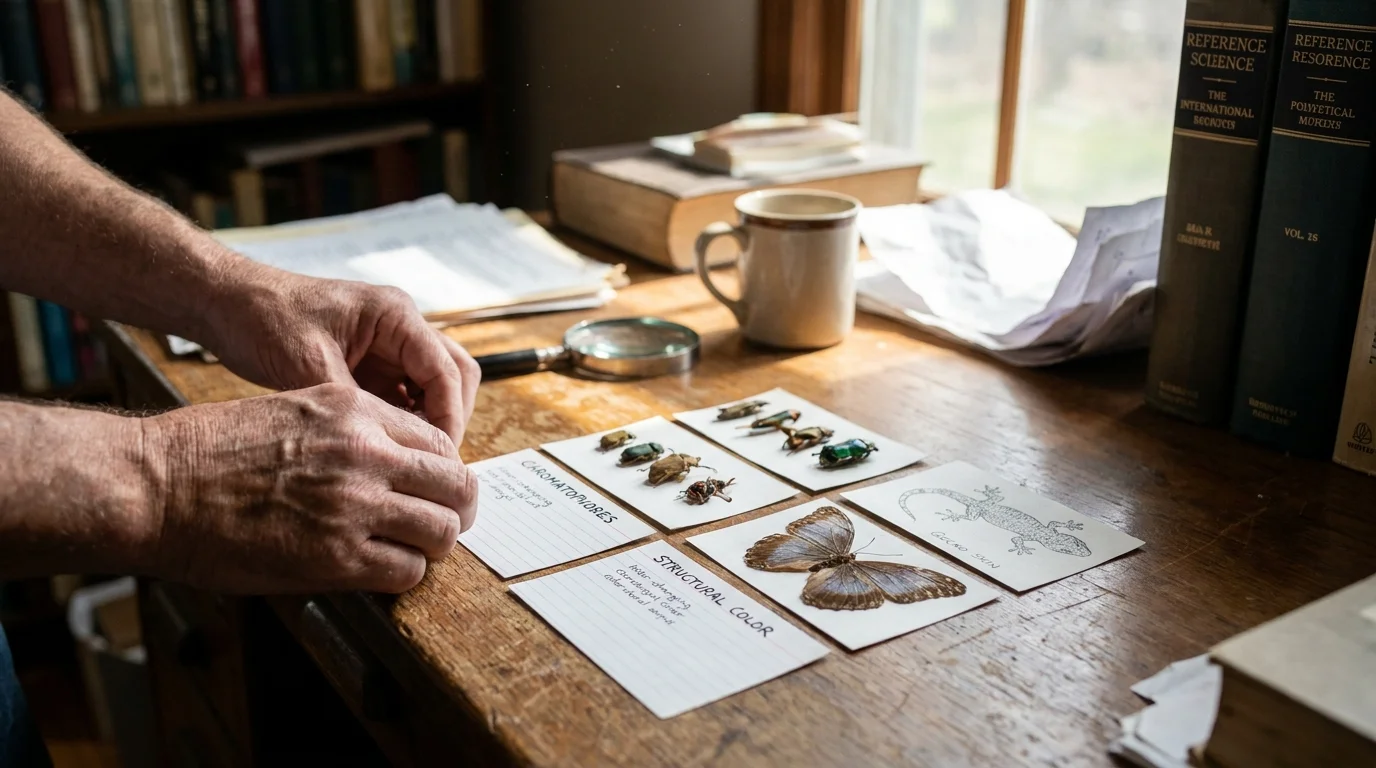
The Mechanics of Color Change: A Quick Comparison
Understanding the different mechanisms behind these transformations highlights just how diverse evolutionary adaptations can be. Here is a breakdown of how these animals achieve their unique color shifts.
| Animal | Primary Mechanism | Speed of Change | Main Purpose |
|---|---|---|---|
| Panther Chameleon | Structural guanine crystals | Seconds to minutes | Social signaling, thermoregulation |
| Common Cuttlefish | Neuromuscular chromatophores | Milliseconds | Camouflage, communication |
| Arctic Fox | Seasonal hair molt | Weeks | Winter camouflage |
| Green Anole | Melanophore dispersion | Minutes | Thermoregulation, dominance |
| Snowshoe Hare | Seasonal hair molt | Weeks | Predator avoidance |
| Golden Tortoise Beetle | Cuticular fluid shift | Seconds | Defense mechanism |
| Lined Seahorse | Chromatophores | Minutes to days | Camouflage, courtship |
| Squid | Chromatophores & light sensing | Milliseconds | Predation, camouflage |
Why Animal Color Changes Matter Now
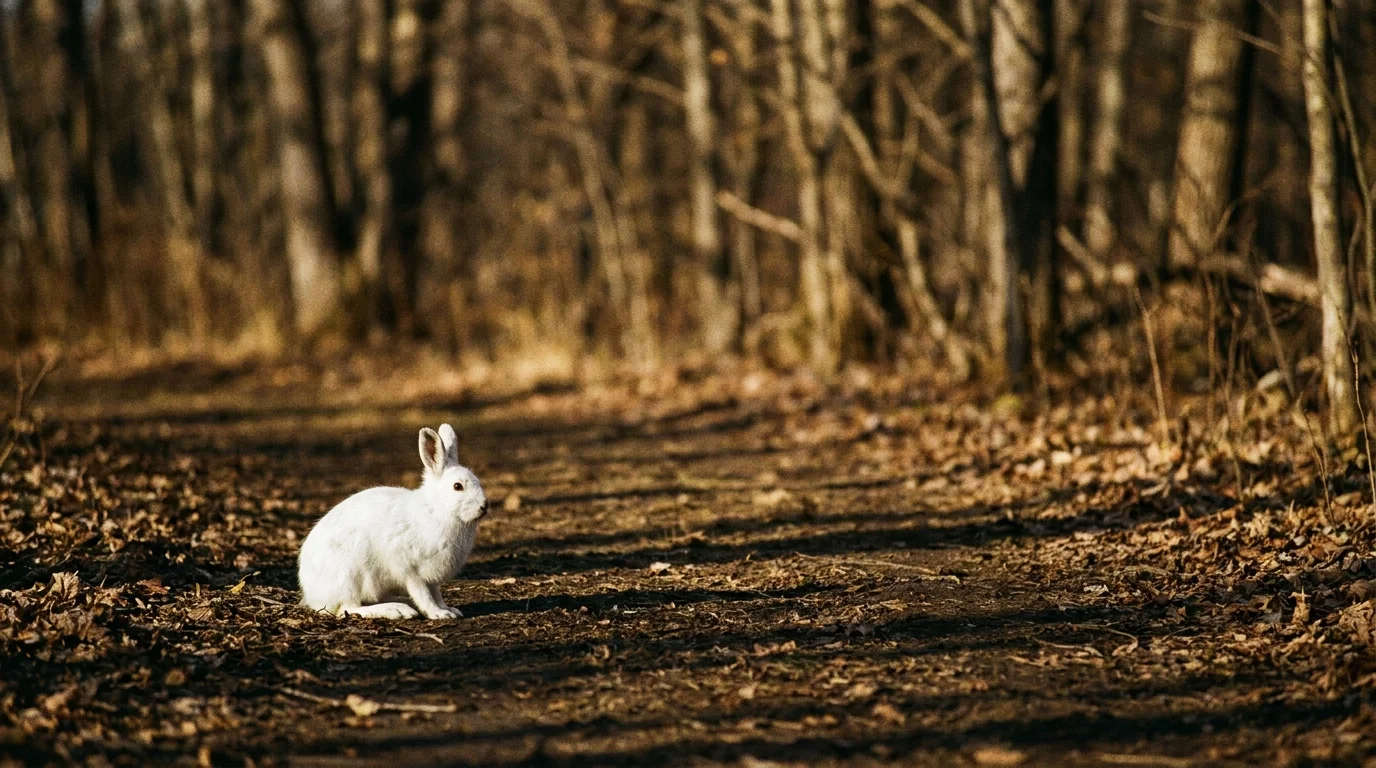
While color-changing animals are visually stunning, their survival strategies are currently being put to the test. For species that rely on seasonal molting—like the snowshoe hare and the arctic fox—timing is everything. Because their molts are triggered by daylight hours rather than temperature, shifting climate patterns pose a severe threat.
As winters arrive later and snow melts earlier, animals that turn white for the winter are increasingly finding themselves mismatched with their environments. A stark white snowshoe hare against a brown, snowless background becomes an easy target for predators. Wildlife biologists are closely studying these “polymorphic zones” to see if evolutionary adaptations can keep pace with environmental changes, allowing these populations to persist by adjusting the timing or extent of their molts.
Common Mistakes to Avoid
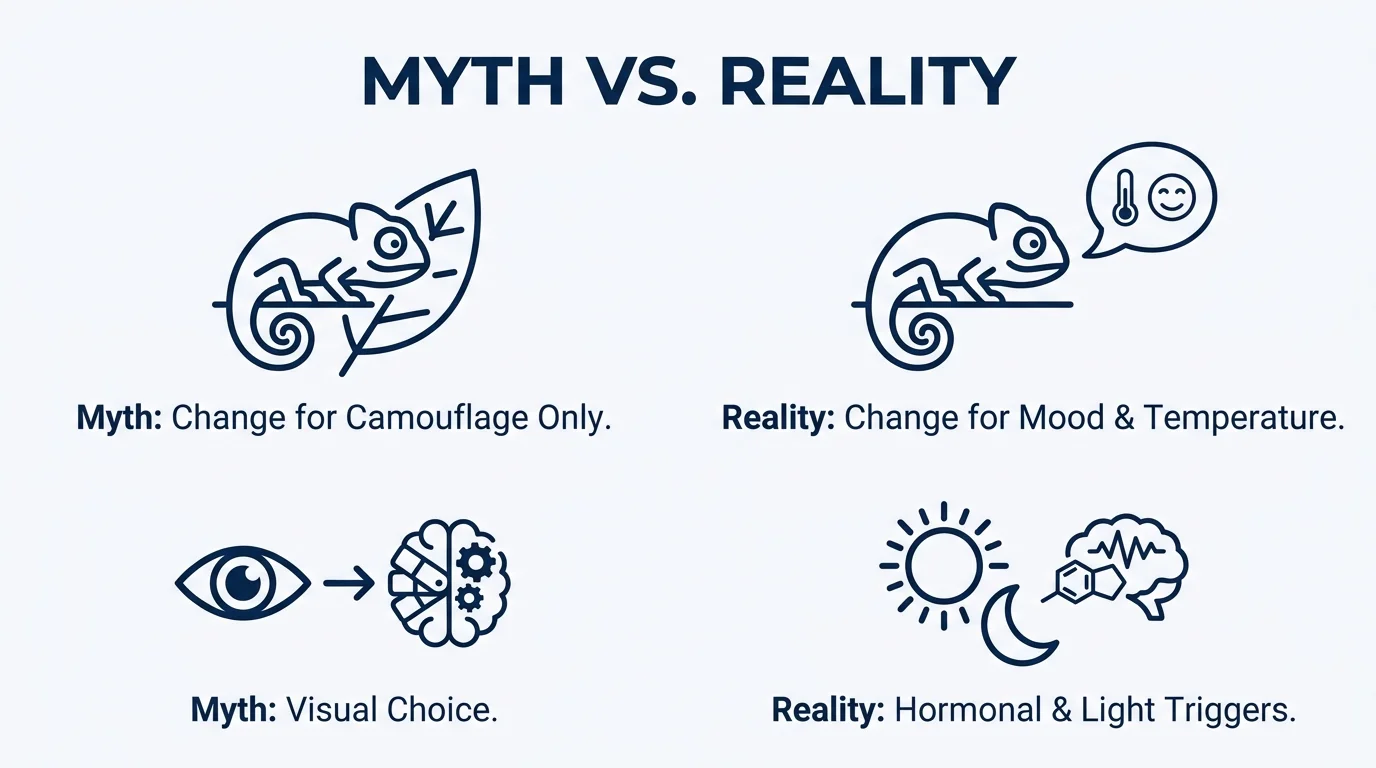
When learning about animal camouflage and color shifts, it is easy to fall for popular myths. Here are a few common misconceptions you should watch out for:
- Believing chameleons just match backgrounds: The classic cartoon trope of a chameleon turning plaid to match a tablecloth is purely fiction. Their changes are primarily driven by mood, social interactions, and temperature regulation, not by the color of the branch they sit on.
- Thinking all color changes rely on pigment: Many animals use structural color rather than pigment. The panther chameleon and the golden tortoise beetle alter the physical structure of their outer layers to reflect different wavelengths of light.
- Assuming cold weather triggers winter coats: Mammals like the arctic fox do not turn white because they feel cold. The trigger is entirely visual; the diminishing hours of daylight stimulate hormonal changes that stop melanin production in their hair follicles.
- Confusing anoles with chameleons: Because green anoles change from green to brown, they are frequently misidentified and sold in pet stores as “American chameleons.” They are entirely different species with distinct evolutionary lineages and color-changing mechanisms.
The next time you spot a green anole darting through your garden or watch a documentary featuring a cuttlefish, you will know exactly what is happening beneath the surface. Take a moment to appreciate the complex biology at work—nature’s dynamic palette is far more sophisticated than it appears. The information here is meant for educational purposes. Specific circumstances—including health conditions, finances, location, and goals—may require different approaches. When in doubt, consult a licensed professional or check official sources directly.
Last updated: May 2026. Rules, prices, and details change—verify current information with official sources before acting on it.