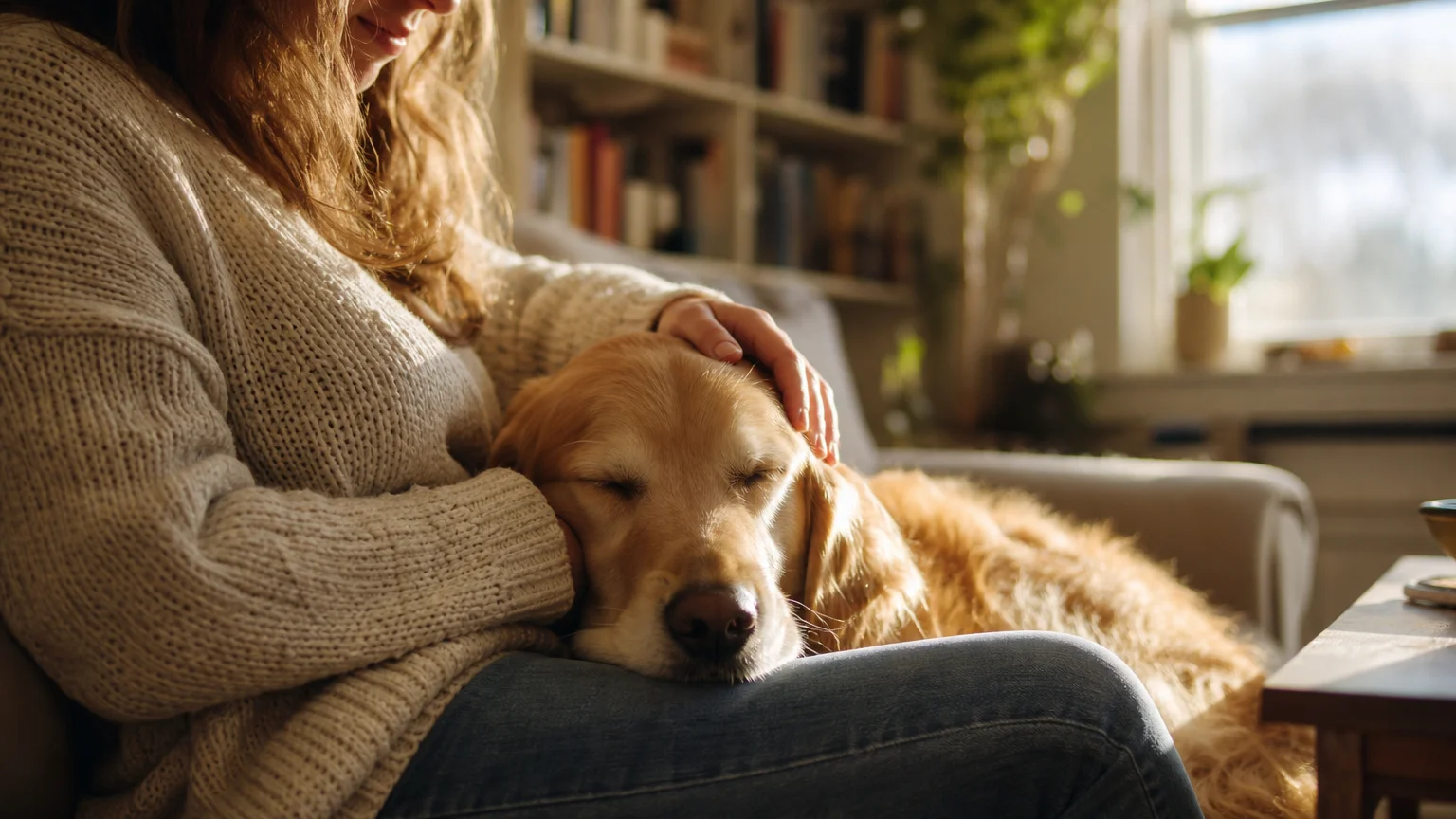
When you see a dog with oversized ears or round eyes, your brain chemically rewards you for paying attention. This reaction relies on the Kindchenschema, or “baby schema,” an evolutionary trigger identified by ethologist Konrad Lorenz in 1943. When an animal exhibits infant-like traits—such as a large head, a small nose, and a rounded face—your neural network immediately prompts feelings of warmth and a desire to nurture. Certain dog breeds maintain these youthful characteristics into adulthood through generations of selective breeding. Whether they sport an ever-present smile or a comically elongated body, these eight distinct breeds possess the exact physical features and charming behavioral quirks guaranteed to capture your attention and melt your heart.
1. French Bulldog
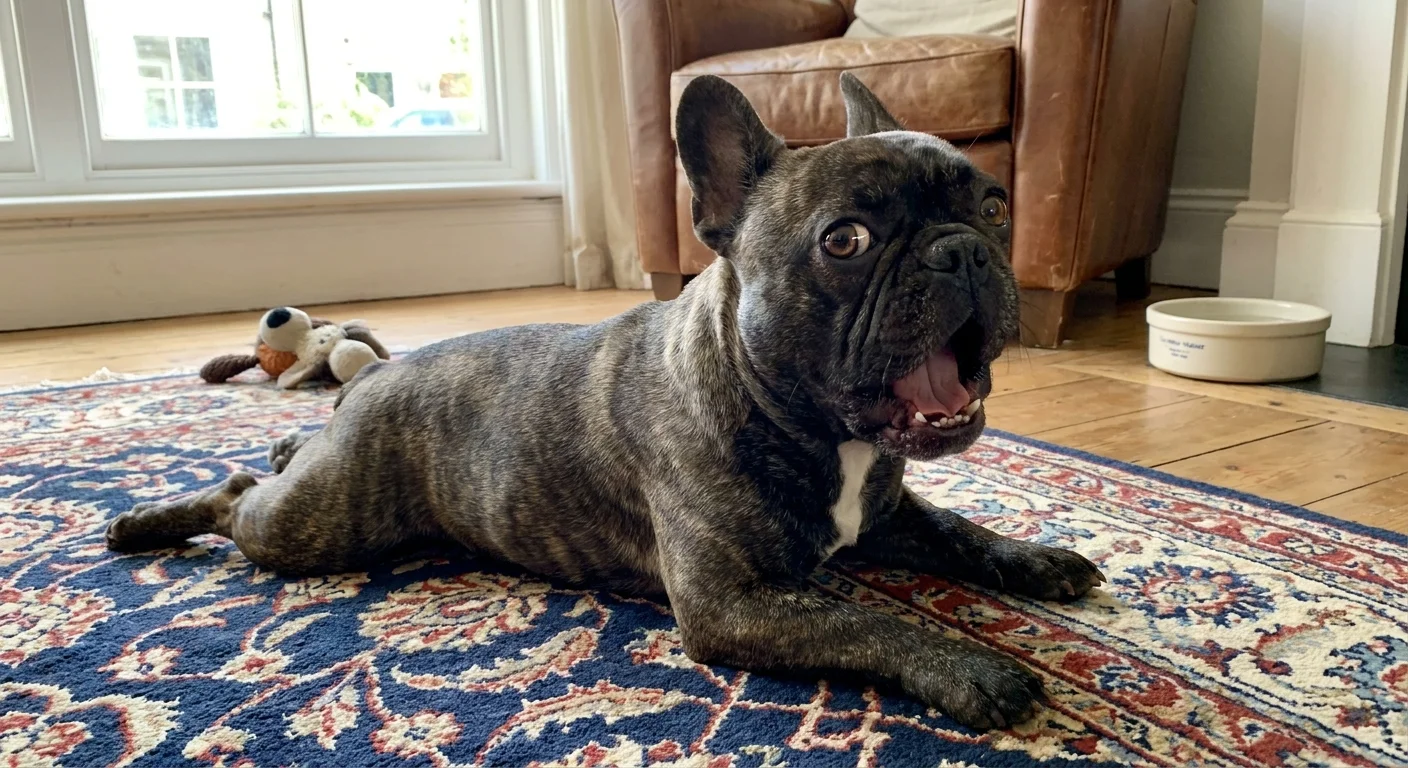
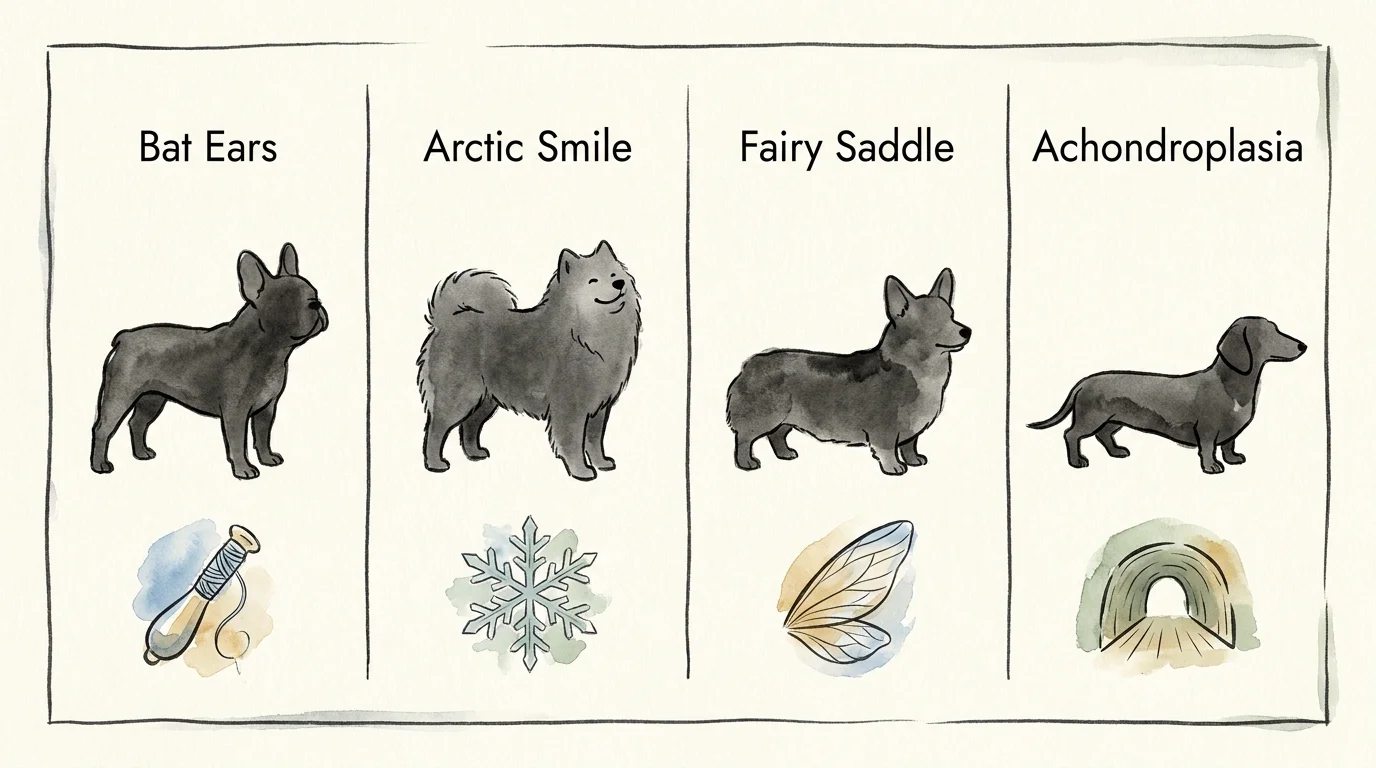
The French Bulldog operates as a masterclass in exploiting the baby schema. With their oversized “bat” ears, large round eyes, and flattened faces, they perfectly mimic the proportions of a human infant. This brachycephalic (flat-faced) bone structure triggers a profound caregiving response in humans. Interestingly, this breed began as a companion for English lacemakers in the 1800s. When the Industrial Revolution displaced these workers, they relocated to northern France, bringing their miniature bulldogs with them.
Beyond their historical journey and physical appearance, Frenchies have a clownish, affectionate demeanor. They rarely bark, preferring to communicate through a series of endearing snorts, grunts, and yawns. Because they carry a muscular weight on a compact frame, they often sit in a relaxed, slouching posture colloquially known as the “frog dog” sit. This unique sitting style, combined with an intense desire to remain within arm’s reach of their owner at all times, only adds to their undeniable charm.
2. Samoyed
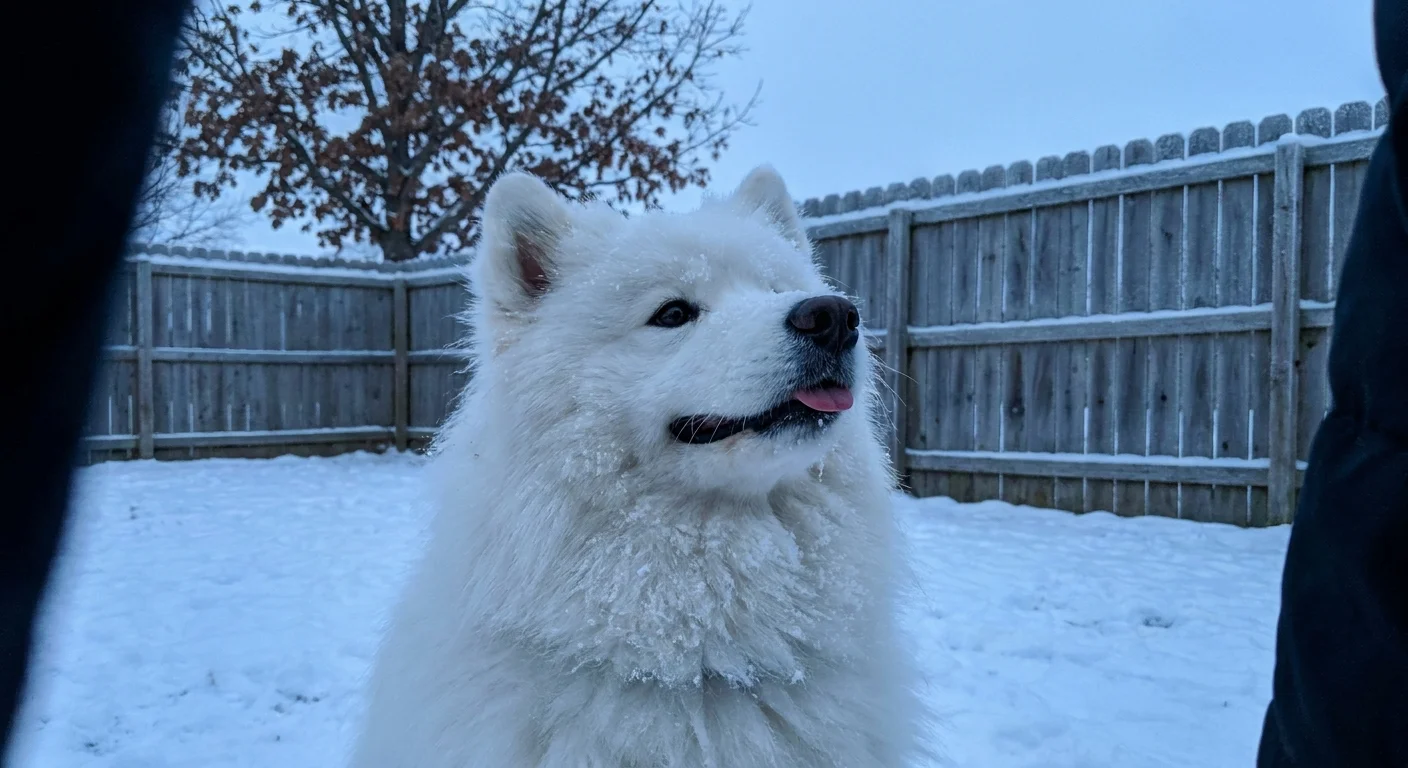
You cannot look at a Samoyed without noticing its signature expression. The upturned corners of their mouth create what breed enthusiasts and official kennel clubs formally call the “Samoyed smile.” This distinct feature evolved for a highly practical reason rather than aesthetics. Originating with the Nenets people of Siberia, these dogs lived and worked in sub-zero temperatures. The upturned mouth prevents the dog from drooling; in the Arctic cold, any saliva escaping the mouth would instantly freeze into sharp icicles on their lips and jaw.
Historically, the Samoyed did not just pull sleds and herd reindeer; they served as vital survival companions. The Nenets brought the dogs into their tents at night, using their thick, double-layered coats as living blankets to survive the freezing tundra. Today, that deep-seated pack mentality remains. Combined with their cloud-like white coat, the Samoyed projects an aura of constant, welcoming joy and requires deep integration into family life to thrive.
3. Pembroke Welsh Corgi
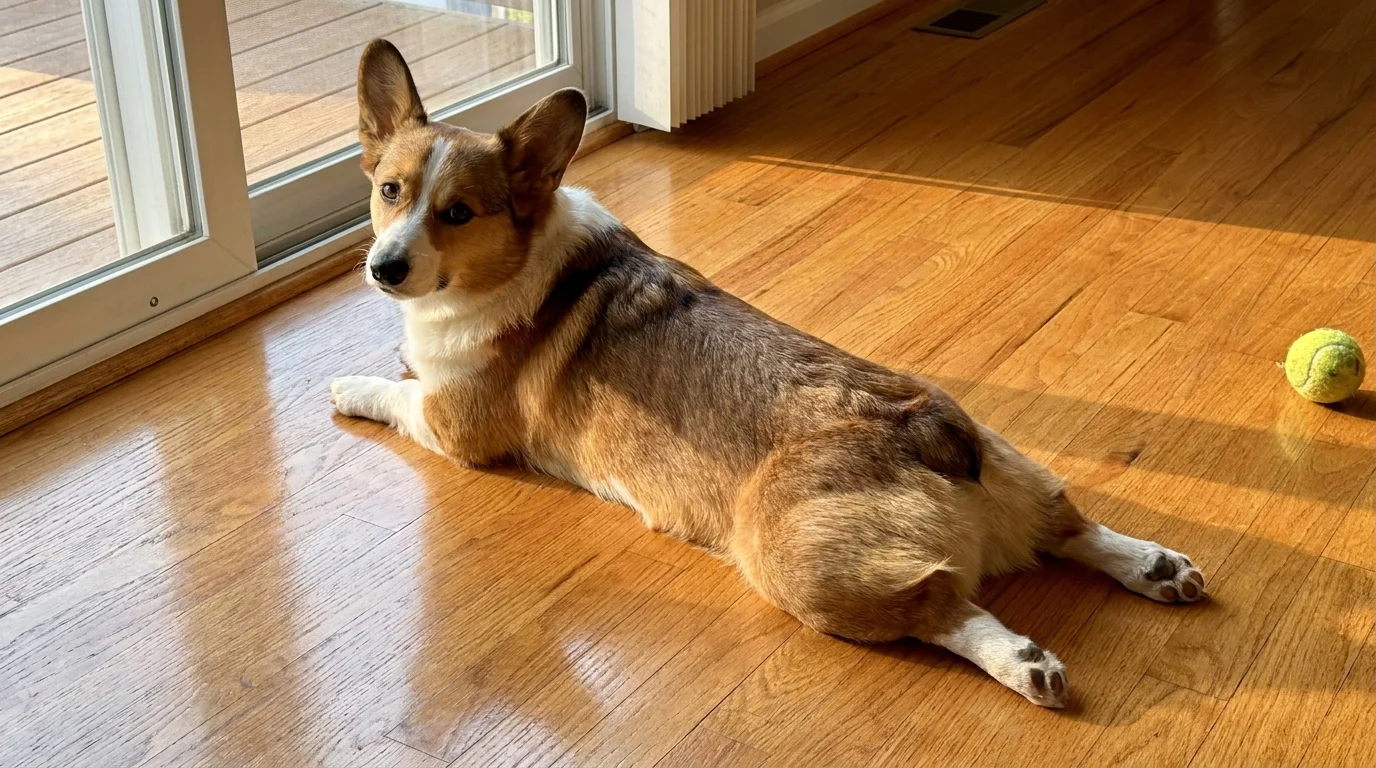
The Pembroke Welsh Corgi sits incredibly low to the ground due to achondroplasia, a specific form of genetic dwarfism that dramatically shortens their limbs. Originally bred in Wales to herd cattle, their short stature allowed them to drop below the trajectory of kicking hooves. Welsh folklore affectionately claims that fairies used Corgis as war steeds, pointing to the slightly thicker patch of fur over their shoulders as the remnants of a “fairy saddle.”
Today, those stubby legs, lack of a tail, and disproportionately large ears make them undeniably adorable. Corgis also possess highly expressive faces and a tendency to “sploot”—stretching their hind legs straight back out behind them when resting on the floor. Despite their small, comical proportions, they act like large dogs. They will patrol the perimeter of your house and attempt to herd their human families by circling and offering bossy, confident barks.
4. Golden Retriever
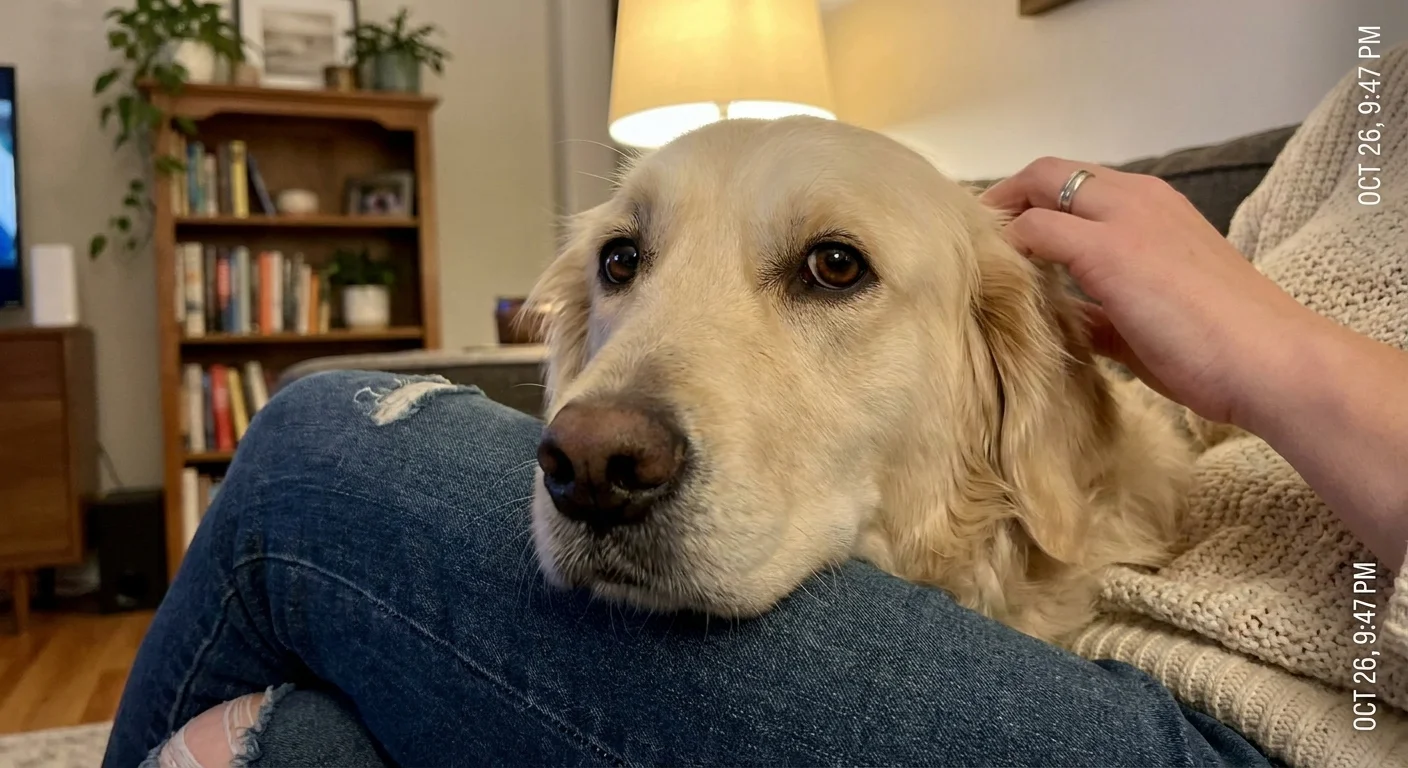
Unlike the exaggerated proportions of a Corgi or Frenchie, the Golden Retriever wins hearts through sheer, unadulterated earnestness. Originally bred in the Scottish Highlands to retrieve downed waterfowl, they possess a “soft mouth.” This physical and behavioral trait allowed them to carry delicate birds without puncturing the meat. In a modern home environment, this translates to a dog that gently holds your hand or greets you by carrying a favorite plush toy without tearing it apart.
They possess a soft, open expression characterized by warm brown eyes and relaxed, floppy ears. Golden Retrievers are also exceptionally neotenous in their behavior; they maintain a puppy-like playfulness and optimism well into their senior years. When a seventy-pound dog wiggles its entire body with excitement while gently offering you a damp slipper, maintaining a stern demeanor becomes practically impossible.
5. Cavalier King Charles Spaniel
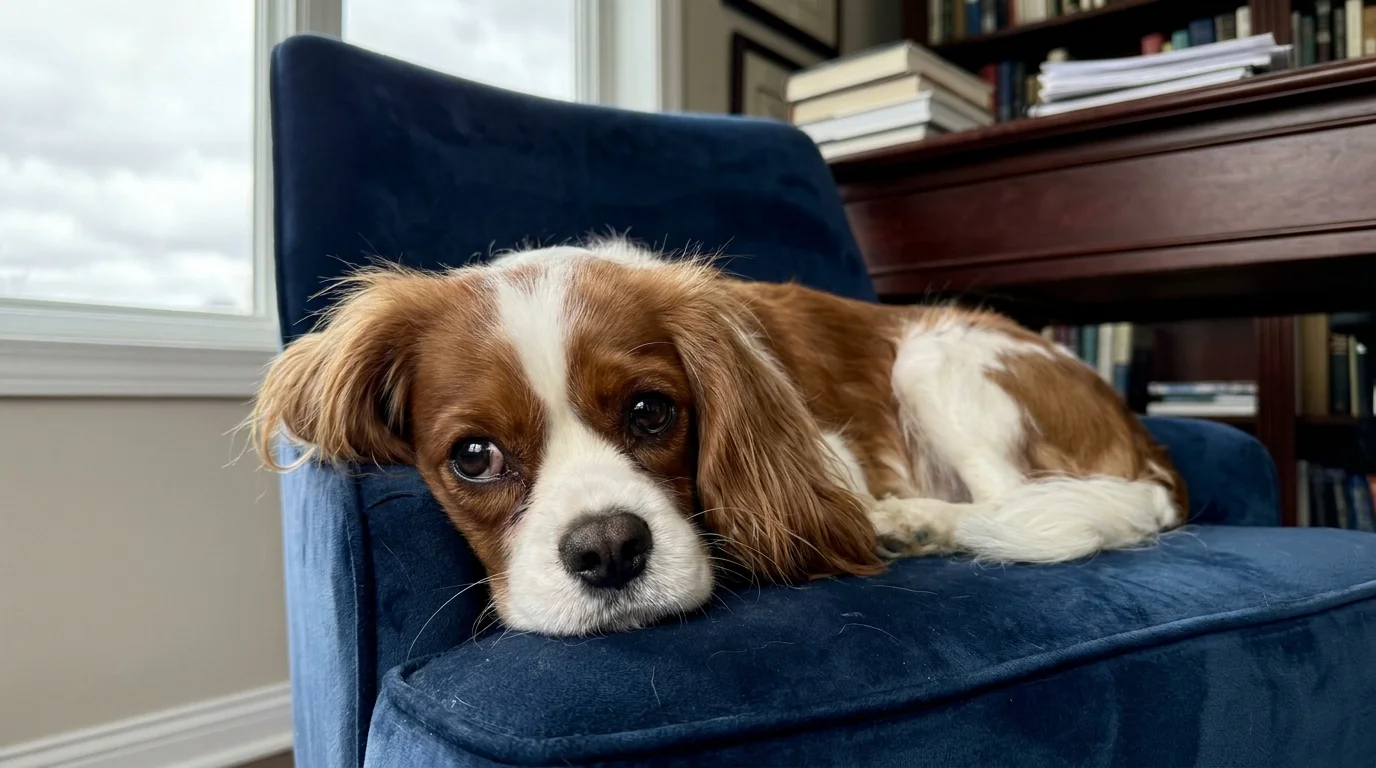
Breeders developed the Cavalier King Charles Spaniel for one primary purpose: to serve as a warm, comforting lap dog for British nobility. Their faces feature large, dark, liquid eyes set widely apart, providing a soft, melting gaze that practically begs for affection. Legend holds that King Charles II loved the breed so much that he issued a royal decree permitting them entry into any public space in the kingdom.
Their long, feathered ears frame their face like a soft wig, and they have an inherent, overwhelming drive to maintain physical contact with their owners. If you sit on the couch, a Cavalier will not simply sit next to you; they will lean their entire body weight against your leg or drape themselves entirely across your lap. Their gentle, deeply affectionate nature makes them the ultimate companion animal for those seeking constant closeness.
6. Dachshund
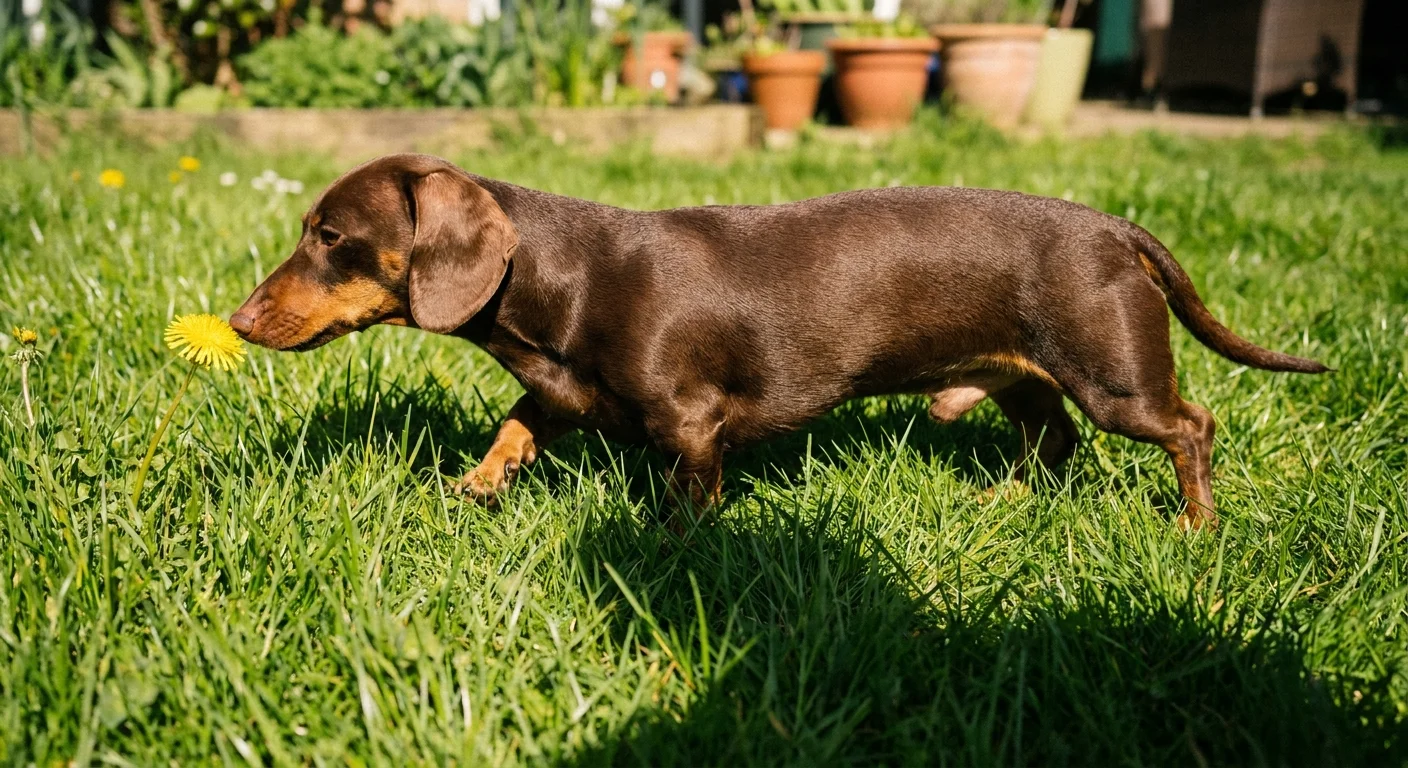
The Dachshund’s elongated spine and stubby legs give them a distinct, almost cartoonish silhouette. Originally bred in Germany to track and burrow into badger dens, their unique shape serves a fierce, functional purpose. The name itself translates to “badger dog.” However, in a modern living room, this body shape looks incredibly endearing.
Dachshunds come in three coat varieties—smooth, wirehaired, and longhaired—each with subtle personality differences. Because of their history as subterranean hunters, Dachshunds love to dig into soft materials. You will frequently find them completely submerged under the blankets at the foot of your bed, with only a long, inquisitive snout poking out for air. They are fiercely loyal, notoriously stubborn, and possess a booming, hound-like bark completely disproportionate to their small stature.
7. Bernese Mountain Dog
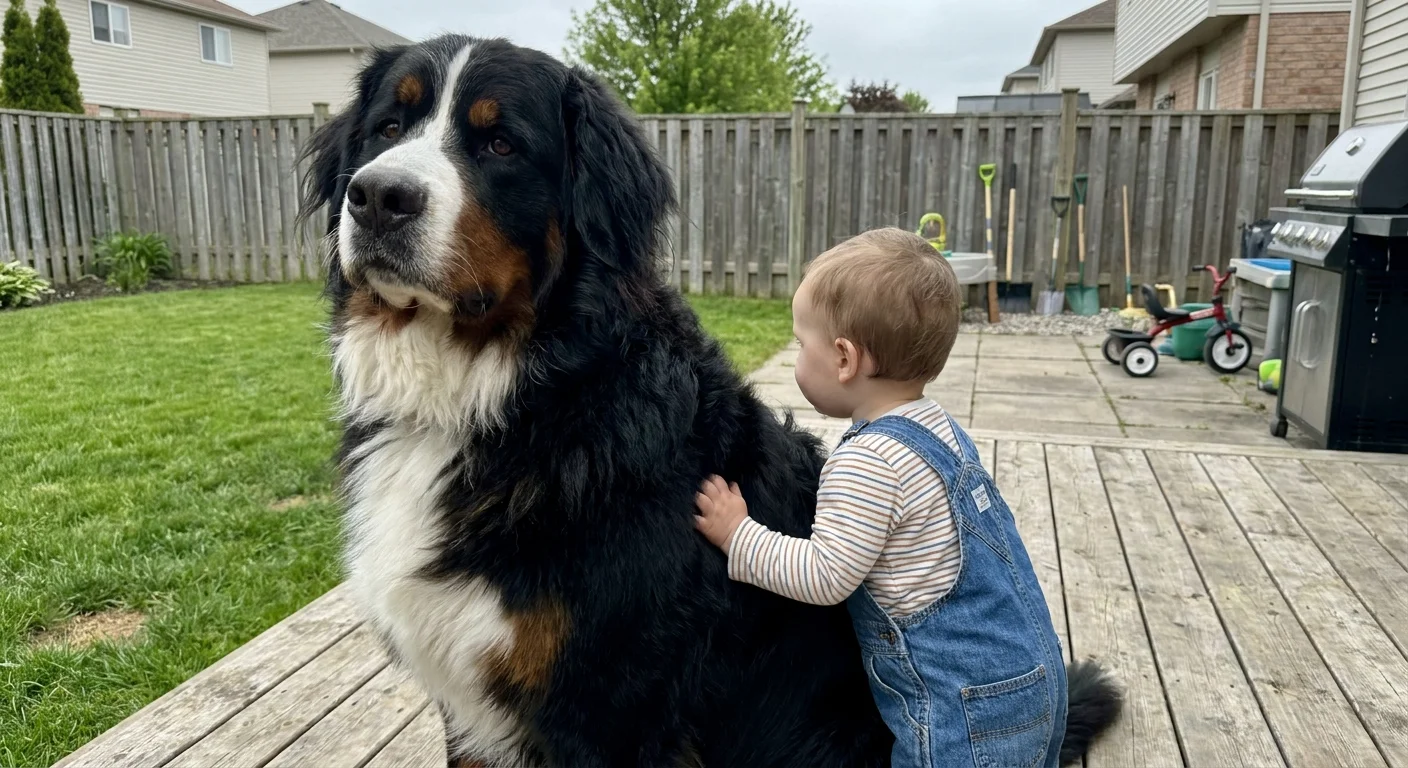
The Bernese Mountain Dog is a massive, tri-colored working breed from the agricultural regions of the Swiss Alps. Historically used to pull heavy milk carts to the local dairy, they possess incredible physical strength. Despite weighing up to 115 pounds, they operate under the persistent, humorous illusion that they are lap dogs. Their striking black, white, and rust coat gives them a regal appearance, but their behavior remains overwhelmingly goofy.
One of the most heart-melting behaviors unique to this breed is the “Berner Lean.” When they want affection, they will walk up to you and lean their heavy frame firmly against your calves or thighs. They are famously gentle with children, acting as patient, fluffy guardians who tolerate chaotic households with a calm, stoic, and incredibly sweet demeanor.
8. Pug
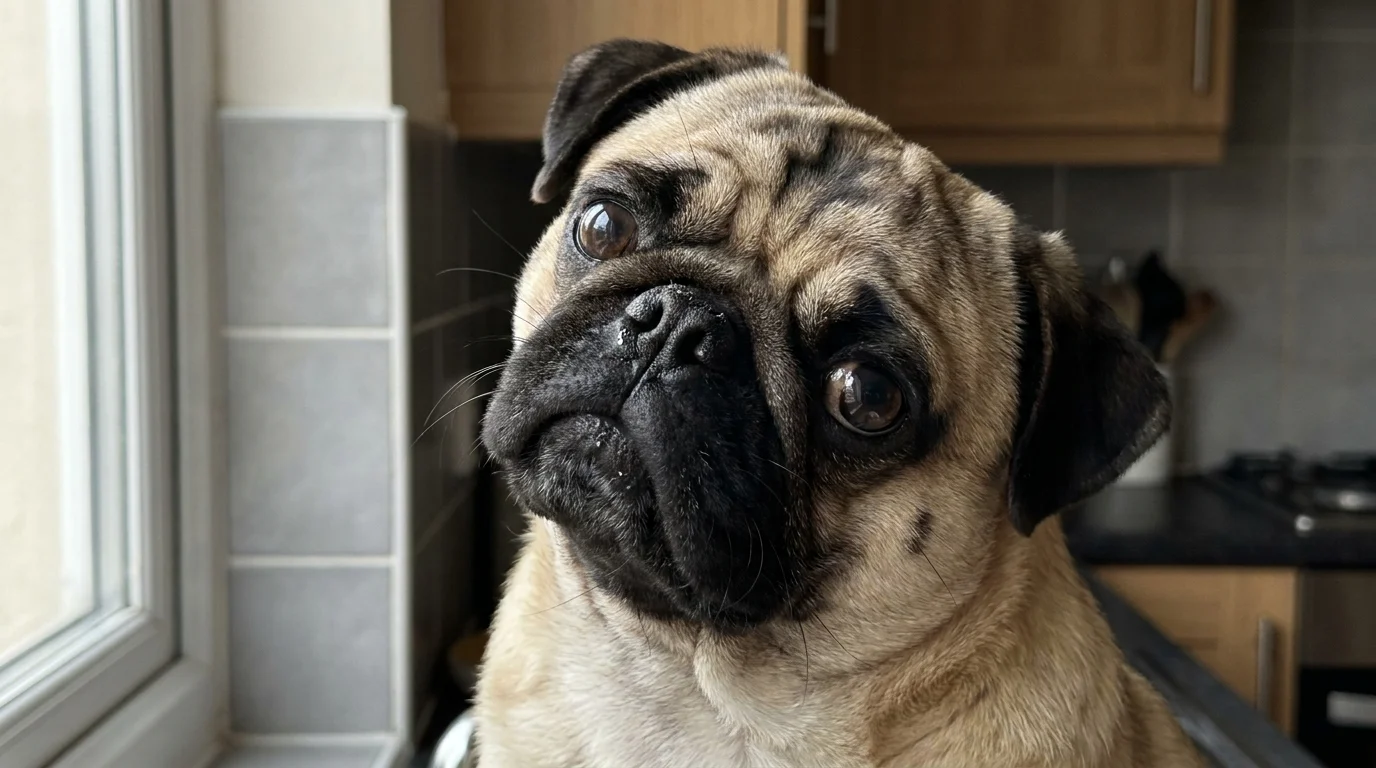
Pugs boast a deeply wrinkled brow, a flat face, and large, prominent eyes. Chinese emperors prized these dogs highly, employing guards to protect them within the royal palaces. The deep wrinkles on their forehead were carefully bred and valued, especially if the fleshy folds happened to resemble the Chinese character for “prince.”
Pugs are highly responsive to human voices and frequently tilt their heads dramatically from side to side when you speak to them. This inquisitive head tilt, combined with their snuffling breath and tightly curled tail, makes them seem like they are hanging on your every word. They thrive entirely on human companionship and possess a comedic, slightly mischievous timing that instantly brightens any room.
Comparing the Breeds at a Glance
If you find yourself captivated by these dogs, use this breakdown to understand how they fit into daily life. Size and energy levels dictate how much space and time you will need to commit.
| Breed | Average Weight (lbs) | Energy Level | Grooming Needs |
|---|---|---|---|
| French Bulldog | 16–28 | Low to Moderate | Low (Requires facial fold cleaning) |
| Samoyed | 35–65 | High | High (Heavy shedding) |
| Pembroke Welsh Corgi | 25–30 | Moderate to High | Moderate |
| Golden Retriever | 55–75 | High | Moderate to High |
| Cavalier King Charles Spaniel | 13–18 | Low to Moderate | Moderate |
| Dachshund | 11–32 (Miniature & Standard) | Moderate | Low to Moderate (Depends on coat type) |
| Bernese Mountain Dog | 70–115 | Moderate | High (Heavy shedding) |
| Pug | 14–18 | Low | Moderate (Heavy shedding despite short hair) |
What Can Go Wrong: The Reality Behind the Cute Factor
While adorable pets provide immense joy, their unique physical traits often require specialized care. Choosing a dog based entirely on looks can lead to overwhelming medical or behavioral challenges.
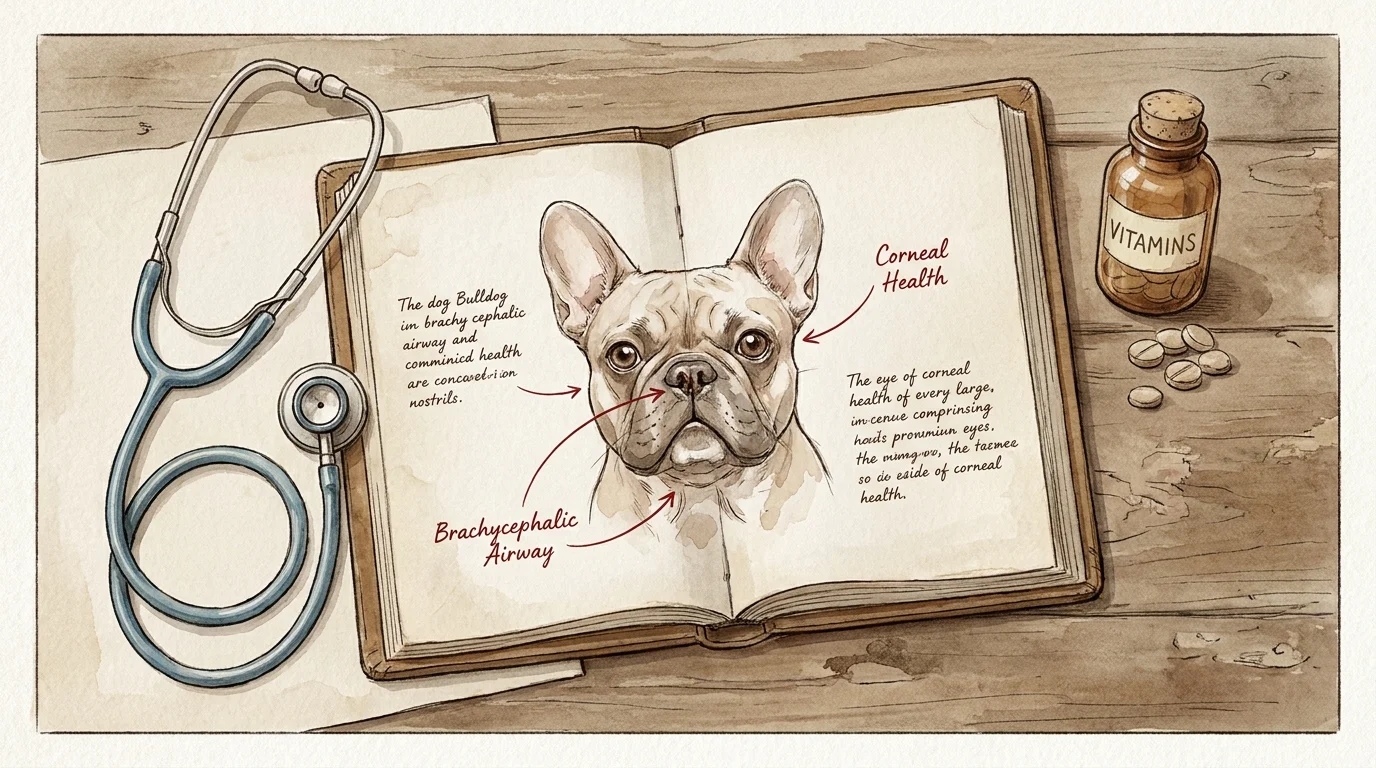
- Respiratory health crises in flat-faced breeds: Breeds like the French Bulldog and Pug are highly susceptible to Brachycephalic Obstructive Airway Syndrome (BOAS). According to a May 2026 study published in PLOS One [1], 21 to 49 percent of the variability in respiratory function among these breeds is linked directly to genetics. They often struggle to cool down, suffer from noisy breathing, and may require expensive surgery to widen their airways.
- Spinal injuries in long-backed dogs: The Dachshund and Corgi face a high risk of Intervertebral Disc Disease (IVDD). According to the American College of Veterinary Surgeons [2], their elongated spines cannot handle the shock of jumping off beds or couches. You must install ramps and strictly manage their weight to prevent debilitating back injuries.
- Intense grooming demands: The cloud-like coat of a Samoyed or the thick fur of a Bernese Mountain Dog requires near-daily brushing. During shedding season, they will coat your furniture, clothing, and floors in hair. If you neglect their coat, painful mats will form close to the skin.
- Working breed behavioral issues: Breeds like the Corgi and Samoyed possess intense working drives. If you do not provide them with adequate mental stimulation and physical exercise, they will invent their own jobs—which usually involves barking endlessly, digging up your yard, or herding your children around the living room.

Where Outside Advice Pays Off
Because the most adorable dogs often come with unique health profiles, guessing at their care can cost you both emotionally and financially. Consulting qualified professionals ensures your pet stays healthy and your bank account stays intact.
- Veterinary specialists for flat-faced breeds: If you own a Frenchie or Pug, do not wait for breathing emergencies. Consult a board-certified veterinary surgeon to evaluate their palate and nostrils early in life. Proactive assessment prevents life-threatening respiratory crises.
- Canine behavioral trainers: When your Corgi begins nipping at the heels of guests, or your Samoyed refuses to stop barking at the wind, consult a specialist from the American College of Veterinary Behaviorists [3]. They can channel that working-dog drive into healthy outlets rather than punishing instinctual behaviors.
- Pet insurance advisors: Certain breeds like the Bernese Mountain Dog or Cavalier King Charles Spaniel carry significant genetic health risks—from joint dysplasia to mitral valve disease. Speak with an independent insurance broker about securing comprehensive pet insurance while the dog is still young, before pre-existing condition clauses disqualify them.
Frequently Asked Questions
Why do humans find certain dogs so cute?
Humans are biologically wired to respond to the baby schema—physical traits like large eyes, a rounded face, and a relatively large head. When you look at adorable dog breeds that exhibit these features, your brain releases dopamine and oxytocin, encouraging you to nurture and protect them.
Do smaller dog breeds live longer than larger breeds?
Yes, generally speaking, small breeds like the Dachshund and Cavalier King Charles Spaniel outlive large breeds like the Bernese Mountain Dog. A Bernese Mountain Dog typically lives 7 to 10 years, whereas smaller dogs frequently live 12 to 15 years. However, specific genetic health issues can impact the lifespan of any breed.
Are cute working dogs good for beginners?
Not always. Highly intelligent, high-energy breeds like the Samoyed and Corgi require consistent training and vigorous exercise. Their adorable appearance hides a tough, independent working spirit that can easily overwhelm a first-time dog owner who expects a quiet lap dog.
Finding Your Perfect Companion
Every dog possesses the ability to melt a pet lover’s heart, whether they have a smushed face, a permanent smile, or a habit of leaning against your legs. Understanding the history and science behind animal behavior helps explain why we feel such an intense bond with these companions. When you look past the cuteness to understand their actual needs, you build a much stronger, more rewarding relationship with your dog.
Take the time to research the specific health and exercise requirements of any breed you bring into your home. This is general informational content based on widely accepted guidance. Individual results vary. Verify current details—rules, prices, eligibility, regulations—with official sources before making important decisions.
Last updated: May 2026. Rules, prices, and details change—verify current information with official sources before acting on it.