You might assume humans hold the undisputed title for Earth’s smartest species, but a closer look at the animal kingdom reveals cognitive abilities that frequently surpass our own. Researchers continually discover that wildlife and pets can solve complex puzzles, process visual data, and navigate social dynamics in ways that outpace human brains. From a chimpanzee that beats college students in memory tests to tiny insects that grasp advanced mathematics, these non-human minds are perfectly adapted to outsmart us when we least expect it. Exploring these incredible examples of animal intelligence changes how you view the natural world—and forces you to reconsider exactly what it means to be the smartest creature in the room.
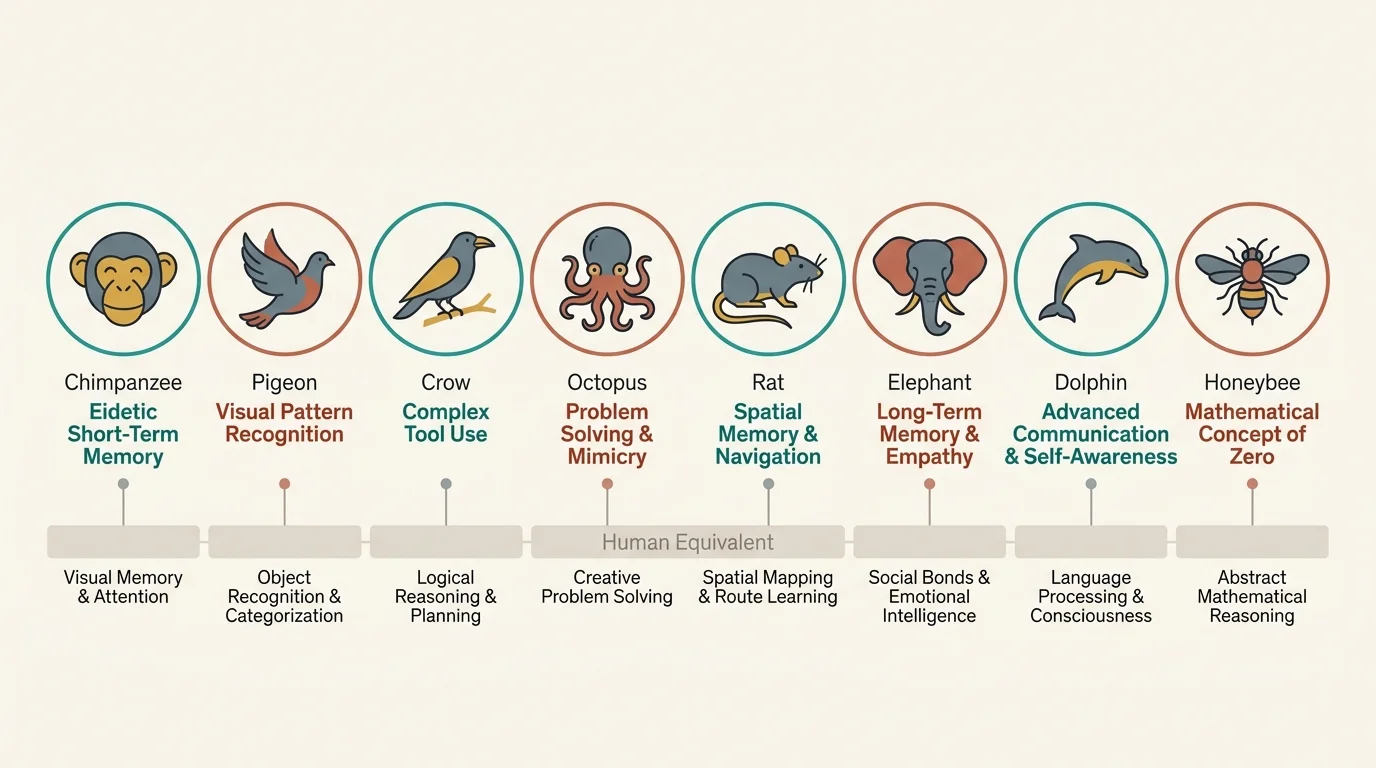
At a Glance: How Animal Intelligence Compares
Before diving into the specific studies, it helps to see exactly where human and animal brains diverge. Different species have evolved hyper-specialized cognitive skills tailored to their environments; in many of these specialized areas, human brains simply cannot compete.
| Animal | Unique Cognitive Strength | Human Equivalent |
|---|---|---|
| Chimpanzee | Eidetic (photographic) short-term working memory. | Outperforms human adults in rapid visual recall. |
| Pigeon | Complex visual pattern recognition. | Matches trained pathologists in diagnosing biopsy slides. |
| Crow | Long-term facial recognition and social learning. | Operates like a neighborhood watch sharing threat profiles. |
| Octopus | Spatial mapping and multi-step problem-solving. | Rivals escape artists deciphering physical puzzles. |
| Rat | Empathy-driven, pro-social delayed gratification. | Demonstrates altruism by sharing high-value resources. |
| Elephant | Linguistic and acoustic threat discrimination. | Acts like a linguist identifying dialects and demographics. |
| Dolphin | Cultural transmission of environmental tool use. | Mirrors human vocational training passed down generations. |
| Honeybee | Abstract mathematical reasoning. | Grasps the concept of zero, a milestone in early human math. |
1. Chimpanzees Can Out-Memorize College Students
Chimpanzees share roughly 99 percent of our DNA, yet their brains process certain types of information at speeds we cannot comprehend. If you think your short-term memory is sharp, you have never competed against a young chimpanzee in a rapid-recall test.
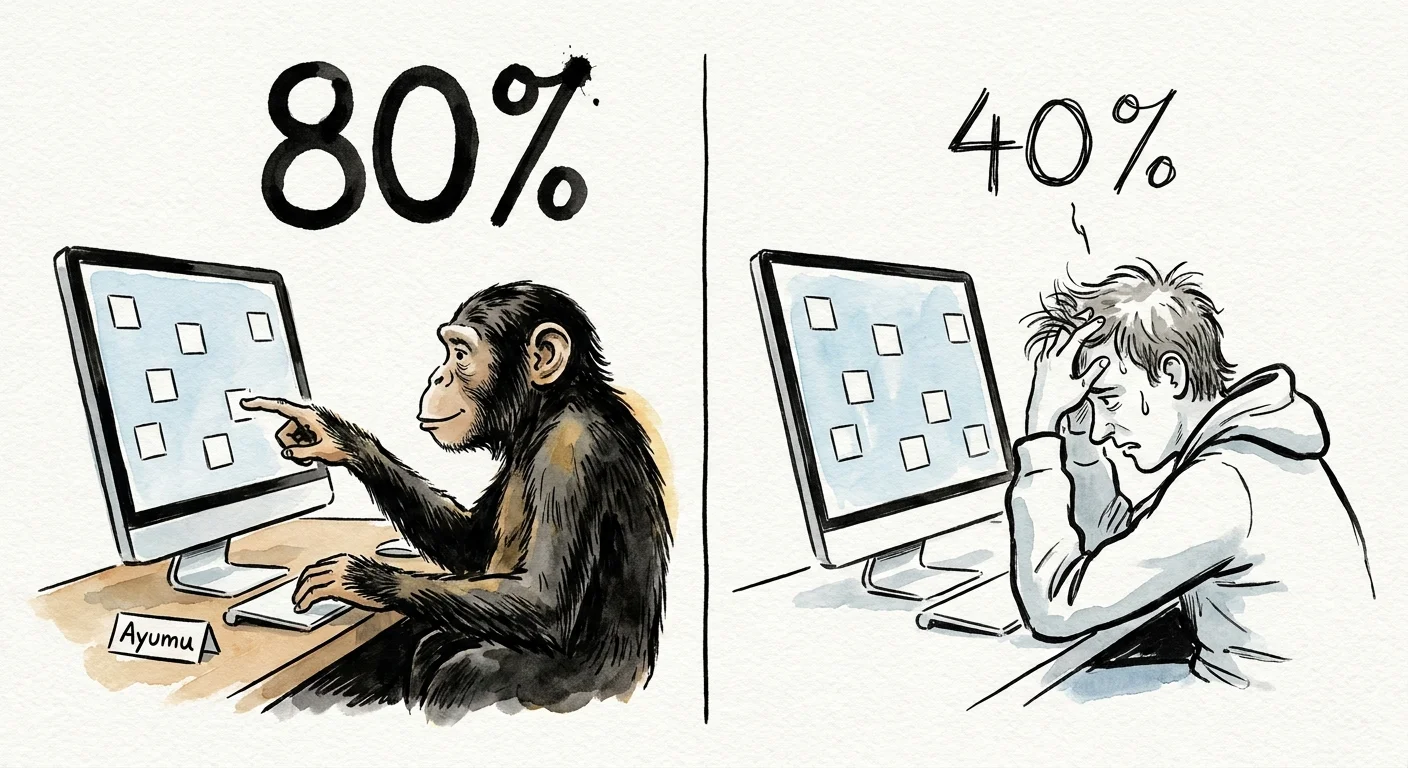
In a groundbreaking 2007 study led by Tetsuro Matsuzawa at Kyoto University’s Primate Research Institute, researchers tested the working memory of a young chimpanzee named Ayumu against human university students. The task involved tapping a sequence of numbers from one to nine on a touchscreen. Once the subject tapped the first number, the remaining digits were immediately masked by solid white squares. The user then had to tap the masked squares in the correct numerical order.
When the numbers appeared on the screen for just 210 milliseconds—barely the blink of an eye—Ayumu recalled the sequence and tapped the squares with 80 percent accuracy. The human participants, even after months of intensive practice, hovered around a 40 percent success rate. Young chimpanzees possess a cognitive trait akin to eidetic imagery, or photographic memory, which allows them to capture complex visual scenes instantly. This evolutionary skill likely helps wild chimps make split-second decisions while navigating dense forest canopies or assessing threats within rival troops.
Actionable insight: Do not assume complex language is the only hallmark of a highly developed brain. When you interact with or observe primates at a sanctuary, recognize that they are analyzing their environment—and you—with visual processing speeds that far exceed your own. Keep your movements predictable and respectful, as they notice every subtle detail.

2. Pigeons Match Trained Pathologists in Visual Diagnostics
City dwellers often dismiss pigeons as simple street scavengers, but these birds possess visual pattern recognition skills that rival highly trained medical professionals. Because pigeons evolved to spot tiny, inconspicuous seeds among complex visual backgrounds like gravel, dirt, and grass, their visual processing centers are incredibly advanced.
In 2015, researchers from the University of California, Davis, and the University of Iowa set out to test the limits of this visual processing. They trained pigeons to examine digitized slides of human breast tissue. By using food rewards, the scientists taught the birds to distinguish between benign and malignant tissue samples. Within just 15 days of training, individual pigeons achieved 85 percent accuracy in diagnosing the pathology slides.
Even more remarkably, when the researchers combined the diagnoses of four pigeons into a “flock-sourced” majority vote, the birds’ accuracy skyrocketed to 99 percent. This rate perfectly matches the accuracy of trained human pathologists viewing the exact same slides. The pigeons generalized what they learned, successfully identifying cancer-relevant microcalcifications in novel images they had never seen before, regardless of the magnification level or image compression.
Actionable insight: The next time you see pigeons foraging in a park, rethink your perception of them as simple pests. If you keep domestic birds as pets, provide them with complex visual puzzles and foraging toys; their brains actively crave the stimulation of sorting, categorizing, and identifying patterns.
3. Crows Remember Faces and Hold Multi-Generational Grudges
If you ever feel like a crow is watching you, it probably is—and it will remember your face for years to come. Corvids, the family of birds that includes crows and ravens, possess an uncanny ability to recognize individual humans and hold long-term grudges based on single interactions.
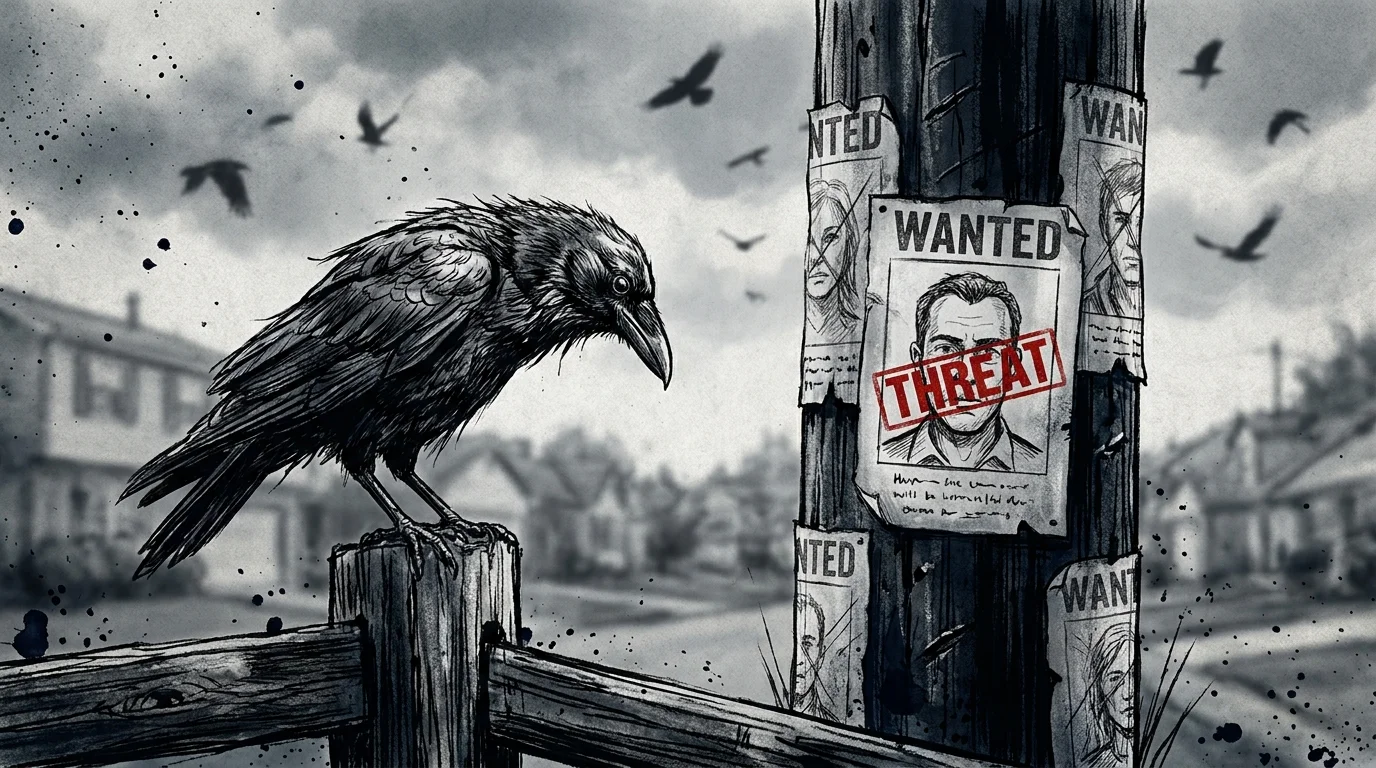
Wildlife biologist John Marzluff and his research team at the University of Washington tested this phenomenon by wearing a specific “caveman” mask while trapping and banding wild American crows on campus. Later, researchers walked through the same areas wearing the dangerous caveman mask, alongside control subjects wearing neutral masks—including one modeled after former Vice President Dick Cheney.
“As soon as we started paying close attention to them—either catching them or going to their nests—you could tell they were acting differently when we were around. If you got within several hundred meters, the birds were alert, they stopped whatever they were doing, and they were watching you.” — John Marzluff, wildlife biologist at the University of Washington.
The crows completely ignored the neutral masks but aggressively scolded and mobbed anyone wearing the caveman face. Astoundingly, this behavior persisted for years. Crows that had never even been trapped joined the scolding, proving that the birds actively communicate specific visual threats to their flock and pass this knowledge down to new generations. Brain imaging scans later revealed that seeing the dangerous mask activated the crows’ amygdala—the exact same region of the brain responsible for processing fear and memory in humans.
Actionable insight: If you interact with corvids in your neighborhood, remember that your actions leave a permanent impression. Treat them with respect. Tossing a few unsalted peanuts to local crows can build a positive, lasting relationship, while harassing them ensures you will be recognized and scolded by an entire flock every time you step outside your front door.
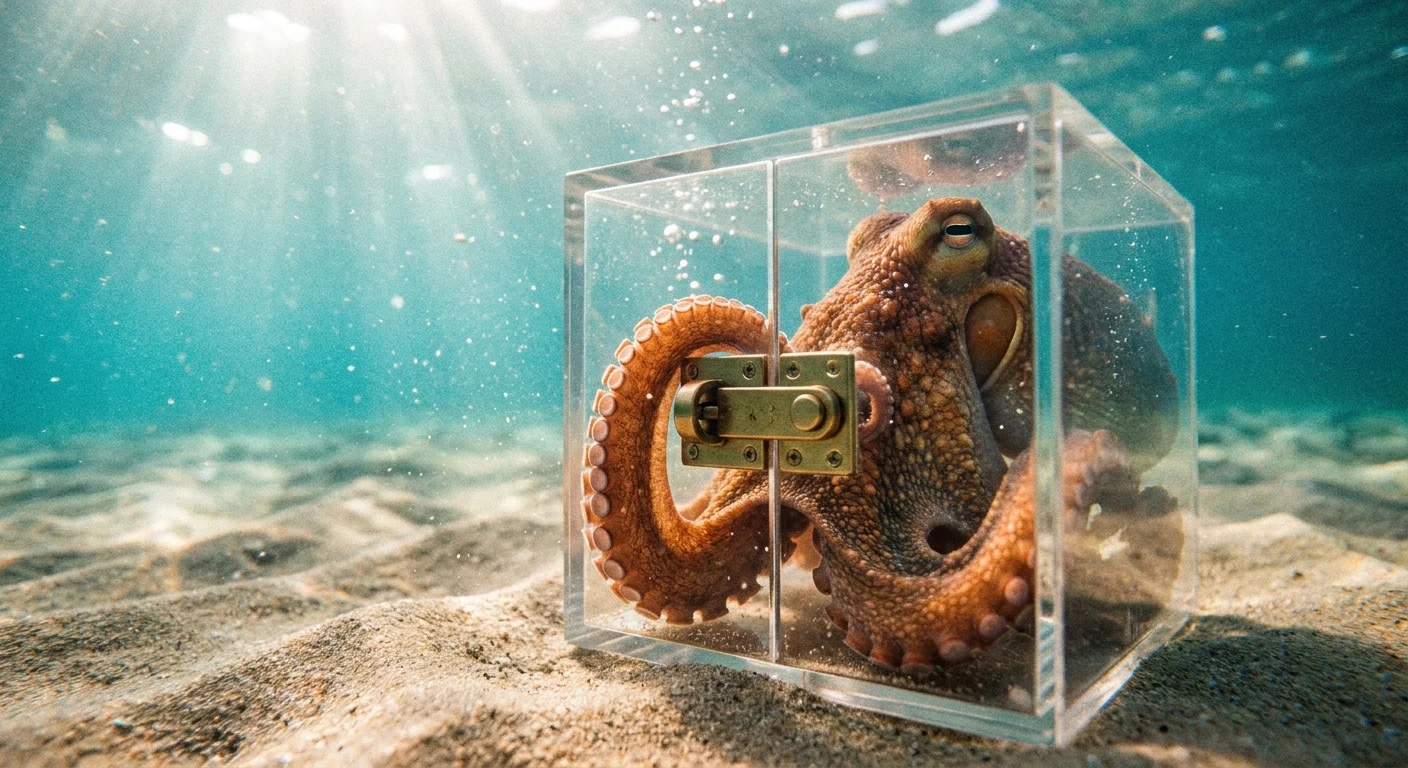
4. Octopuses Solve Complex Spatial Puzzles to Escape Captivity
Aquarium experts know that keeping an octopus safely contained is one of the hardest logistical jobs in marine biology. These cephalopods lack bones, allowing them to squeeze through any opening larger than their hard beak. Combine this physical flexibility with immense curiosity and advanced spatial problem-solving skills, and you get an animal highly capable of executing sophisticated escapes.
The most famous modern example occurred in 2016 at the National Aquarium of New Zealand in Napier. A common New Zealand octopus named Inky decided he had seen enough of his enclosure. During the night, after a maintenance worker inadvertently left the lid of his tank slightly ajar, Inky climbed out. He navigated his way across the dry aquarium floor, leaving a wet trail behind him. He then located a 50-meter drainpipe—measuring roughly six inches in diameter—and squeezed his entire body into it. The pipe led directly out to the waters of Hawke’s Bay, granting Inky his permanent freedom.
Octopuses constantly map their surroundings. Inky had likely observed the layout of the room, noted the location of the drain, and calculated his multi-step escape route long before making his move. They do not just react to their environment; they study it.
Actionable insight: If you maintain a home aquarium with highly intelligent marine life, standard lids are rarely enough. You must secure enclosures meticulously with weighted or locking covers. Furthermore, remember that intelligent aquatic animals require constant mental enrichment; a bored octopus will inevitably dismantle its environment just to see how it works.
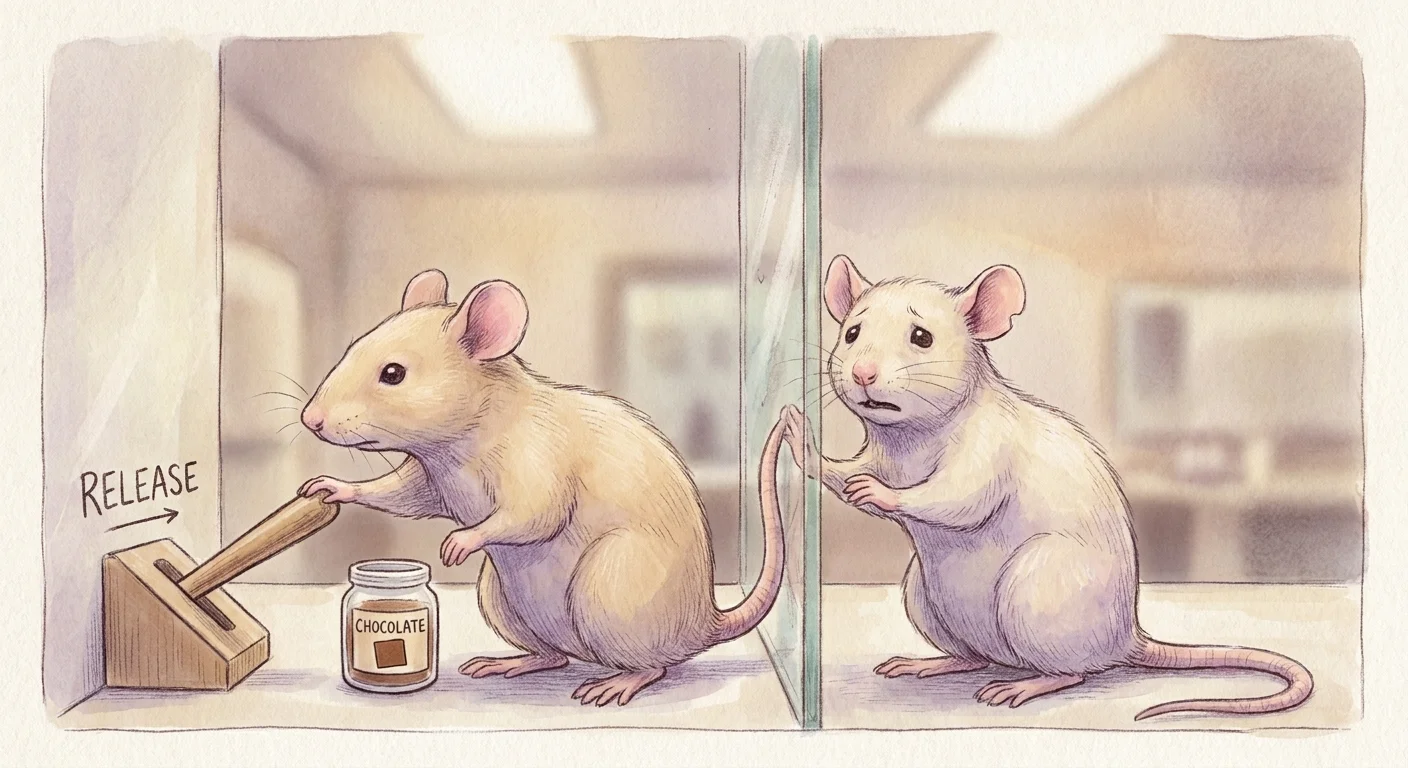
5. Rats Prioritize Empathy Over Their Favorite Treats
People often use the word “rat” as a casual insult to describe someone selfish, sneaky, or disloyal. In reality, rats demonstrate profound emotional empathy and frequently prioritize the well-being of their peers over their own desires—a trait that humans themselves often struggle to maintain.
A fascinating 2011 study conducted by neurobiologists at the University of Chicago placed pairs of rats in cages. One rat roamed free while the other was confined in a restrictive, clear plastic tube. The free rats quickly learned how to unlatch the door from the outside to liberate their distressed cagemates. To ensure the rats were not just acting out of sheer curiosity or a desire to play, researchers introduced a new variable: they gave the free rats a choice between opening a tube containing their trapped companion, or opening a separate tube filled with high-value chocolate chips.
The free rats did not hoard the chocolate. Instead, they consistently chose to free their companions first, and then shared the treats, leaving an average of one and a half chips for their newly freed friend.
According to researchers supported by the National Institutes of Health, this behavior proves that rodents possess a deep biological drive to assist others in distress. They experience emotional resonance and actively choose to alleviate a companion’s suffering rather than indulge selfishly.
Actionable insight: Never house a domestic rat alone. If you choose to keep fancy rats as pets, you must adopt them in pairs or small groups. Isolating an animal with such a high capacity for empathy and social connection deprives them of the complex emotional interactions they are built to experience, leading to severe psychological distress.
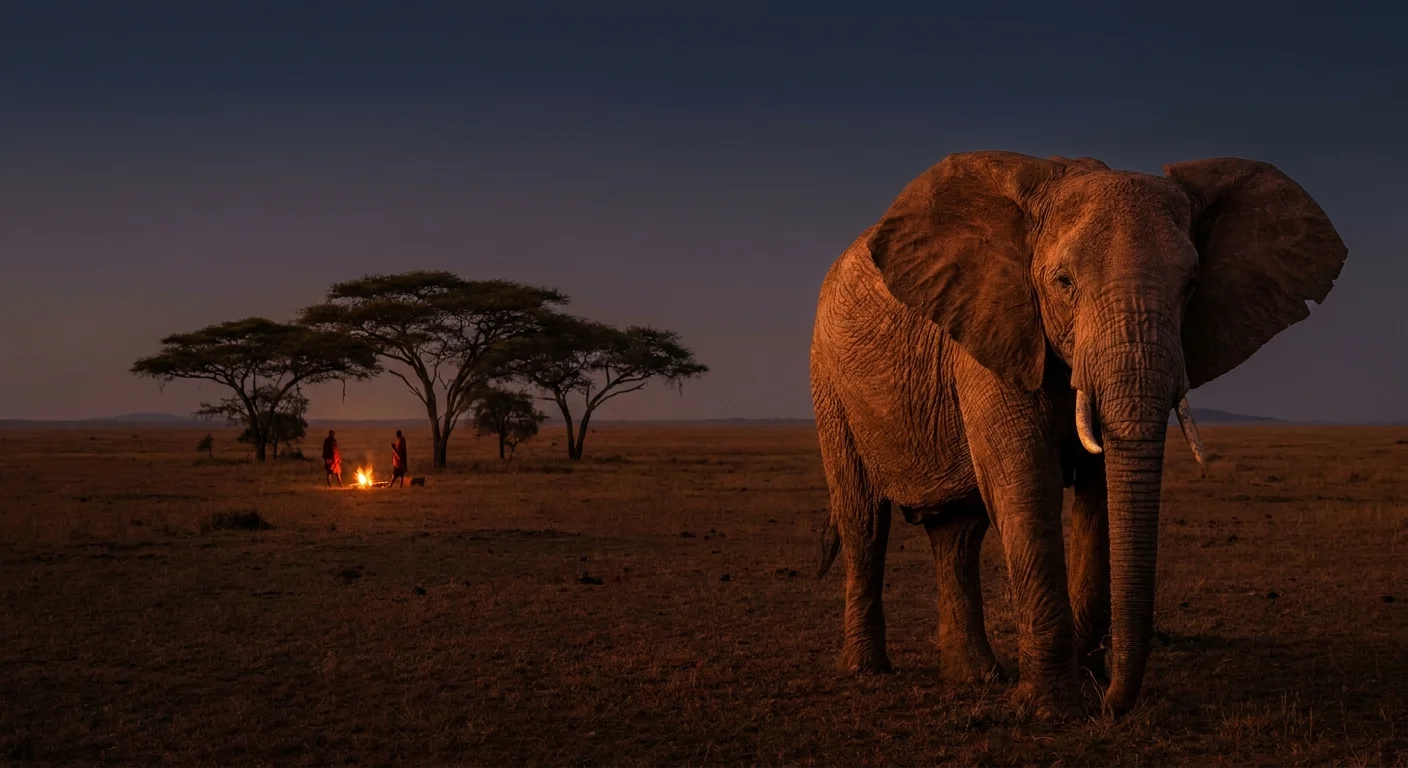
6. Elephants Distinguish Human Languages and Threat Levels
Elephants possess the largest brains of any land mammal, and they use that neural power to process highly complex acoustic information. Their survival depends on correctly identifying predators, and they have learned to distinguish between different types of humans based on language, gender, and age.
In Kenya’s Amboseli National Park, elephants frequently interact with two distinct human groups: the Maasai, who herd cattle and occasionally spear elephants during conflicts over water, and the Kamba, who are primarily sedentary farmers and pose little threat to the herds.
A 2014 study led by researchers from the University of Sussex played concealed voice recordings of Maasai and Kamba men saying the exact same phrase—”Look, look over there, a group of elephants is coming”—in their respective languages. When the elephants heard the Maasai language, they immediately bunched together in a defensive fortress formation to protect their calves and smelled the air for danger. When they heard the Kamba language, they remained relatively calm. Furthermore, the elephants did not react defensively to the voices of Maasai women or young boys, recognizing that only adult Maasai men posed a genuine historical threat.
This level of linguistic discrimination means elephants listen to us incredibly closely, decoding the acoustic cues of our speech to assess our intentions.
Actionable insight: When participating in wildlife tourism or visiting sanctuaries, adhere strictly to your guide’s rules regarding noise. Elephants are deeply attuned to human acoustic footprints. Keeping your voice low and calm minimizes the stress you impose on these highly observant herds.
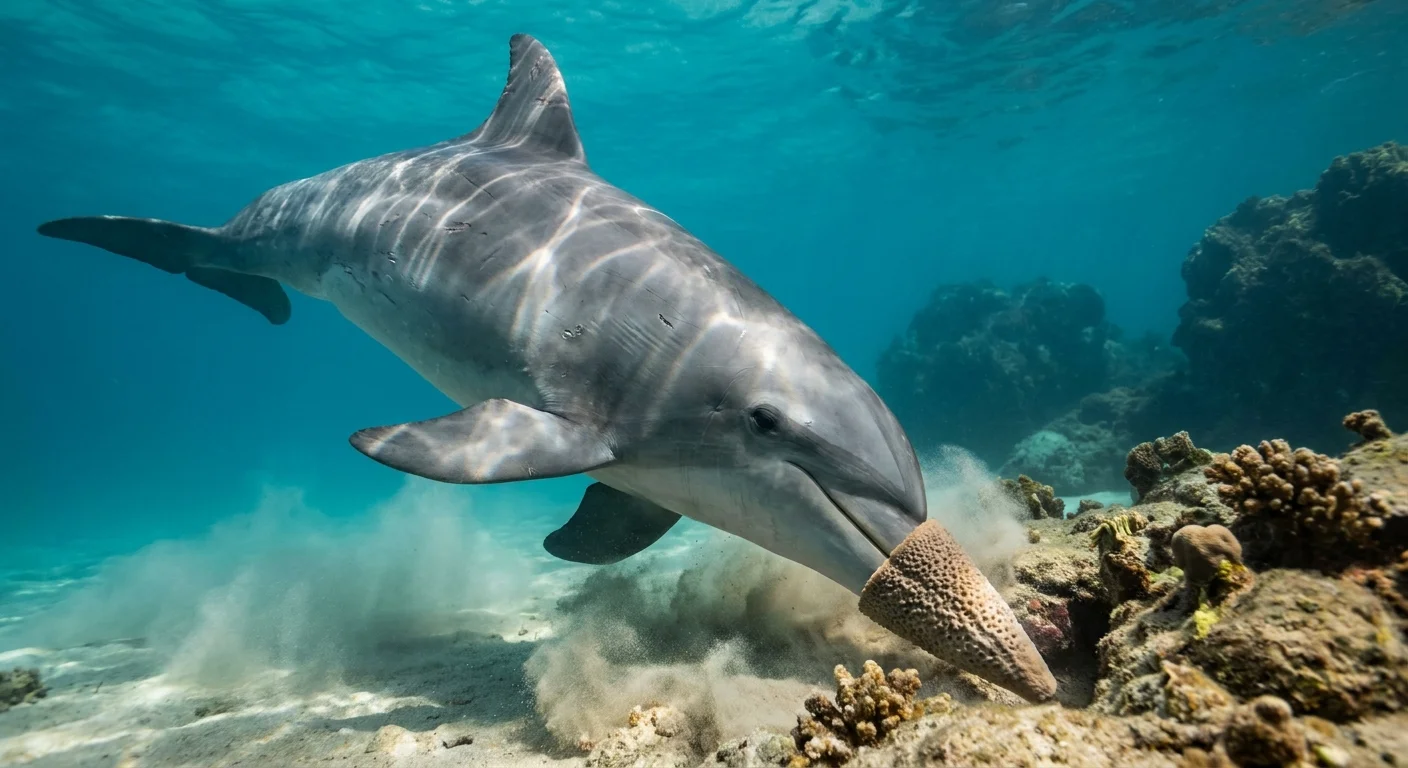
7. Dolphins Use Marine Sponges as Foraging Tools
Tool use was once considered the defining characteristic of human intelligence. Today, we know that several marine mammals also manufacture and use tools to manipulate their environment. In Shark Bay, Western Australia, a specific population of Indo-Pacific bottlenose dolphins has developed a specialized foraging technique known as “sponging.”
Hunting directly on the seafloor is inherently dangerous; the sand hides sharp rocks, abrasive coral rubble, and stinging creatures. To protect themselves, these dolphins intentionally break off cone-shaped marine sponges and wear them like protective gloves over their snouts. This allows them to safely root through the rubble and flush out nutritious, bottom-dwelling fish that lack swim bladders—making those fish impossible to detect via standard echolocation alone.
According to researchers at Georgetown University, the physical presence of the sponge actually distorts the dolphin’s acoustic sonar signals, making this an incredibly complex cognitive task. Because sponging requires such intense concentration and sensory compensation, it is not a widespread biological instinct. Instead, it is a cultural tradition passed down almost exclusively from mothers to their calves over thousands of hours of observation.
Actionable insight: Understand that animal populations have distinct, regional cultures just like humans do. Conservation efforts cannot just focus on raw species numbers; we must protect specific communities of animals. If a cultural group like the Shark Bay spongers disappears, their unique generational knowledge vanishes with them forever.
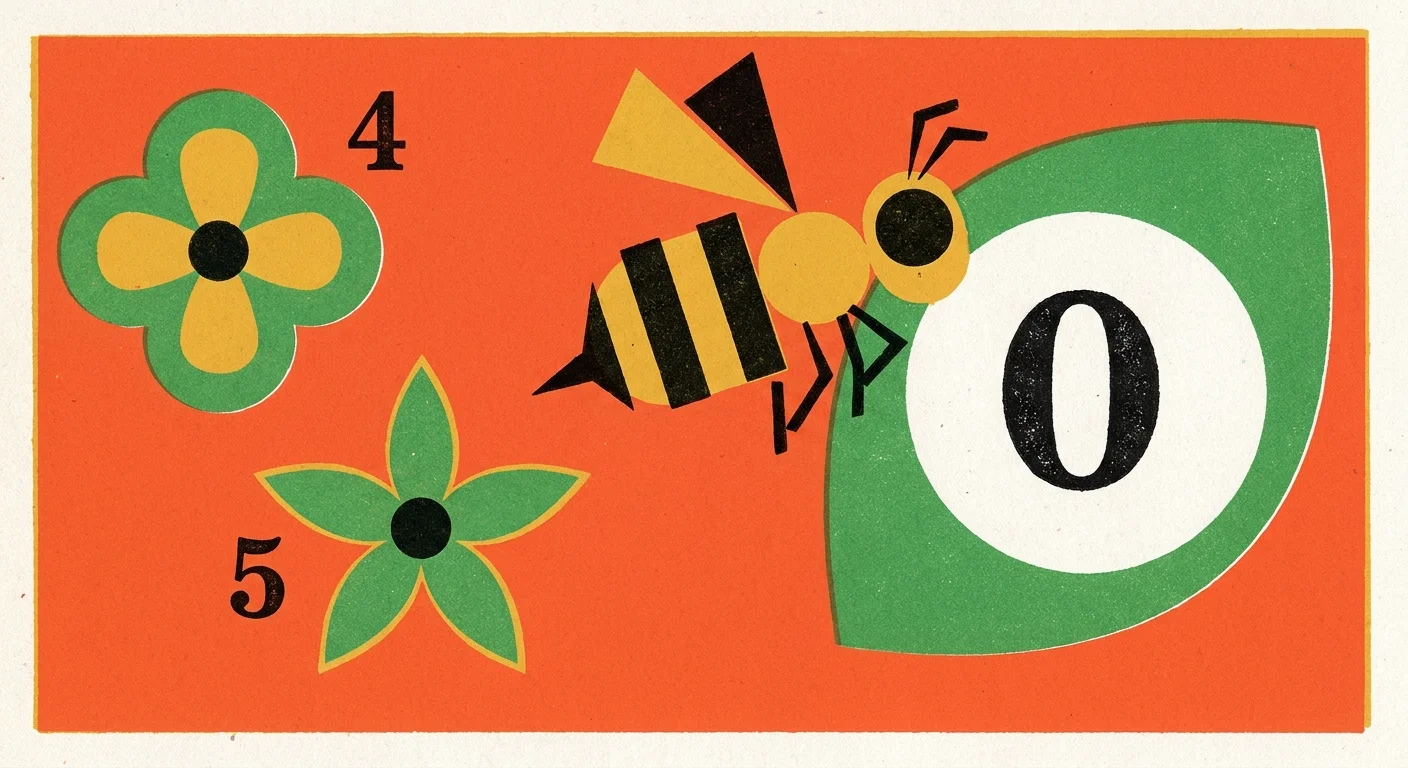
8. Honeybees Understand the Advanced Mathematical Concept of Zero
You might not expect a creature with a brain the size of a sesame seed to grasp advanced mathematics. Yet, the honeybee continually shatters our assumptions about insect intelligence. Not only can bees count, add, and subtract, but they also understand the highly abstract concept of zero.
Historically, human civilizations took centuries to develop the mathematical concept of zero—representing the absence of a value as a quantifiable number on a spectrum. In 2018, researchers at RMIT University in Melbourne trained honeybees to fly into a Y-shaped maze where they had to choose panels with the lowest number of shapes to receive a sweet sugar reward.
Once the bees firmly understood the rule of choosing “less,” the researchers introduced a completely blank panel alongside panels containing one or more shapes. Even though the bees had never been explicitly trained on an empty set, they consistently chose the blank panel. They recognized that “nothing” is a concrete value that sits at the absolute bottom of the numerical continuum.
Actionable insight: Support local pollinator populations by planting diverse, native flowers and strictly avoiding harsh pesticides in your garden. When you protect honeybees, you are preserving tiny, incredibly efficient brains that currently hold vital clues to the future development of advanced artificial intelligence and rapid machine learning.
Frequently Asked Questions About Animal Intelligence
Can animals really understand human languages?
While animals do not understand grammar or syntax the way humans do, species like elephants and dogs can differentiate between human languages, specific tones, and regional dialects to assess their safety or follow complex commands.
Are octopuses the smartest invertebrates?
Octopuses are widely considered the most intelligent invertebrates due to their large nervous systems, complex spatial problem-solving abilities, and proven capacity to use tools and escape secure enclosures.
Do smaller brains mean an animal is less intelligent?
Not necessarily. Brain efficiency and the structural density of neurons matter much more than raw size. For example, honeybees possess fewer than one million neurons but can perform basic arithmetic and understand abstract mathematical concepts like zero.
Observing the brilliant minds of animals enriches your relationship with the natural world. Whether you are watching a crow navigate your backyard or admiring a bee in your garden, remember that you are witnessing complex, problem-solving intelligence at work. Treat wildlife with respect, and continue to challenge your assumptions about what animals are truly capable of achieving. This article provides general information only. Every reader’s situation is different—what works for others may not be the right fit for you. For personalized guidance on health, legal, or financial matters, consult a qualified professional.
Last updated: May 2026. Rules, prices, and details change—verify current information with official sources before acting on it.