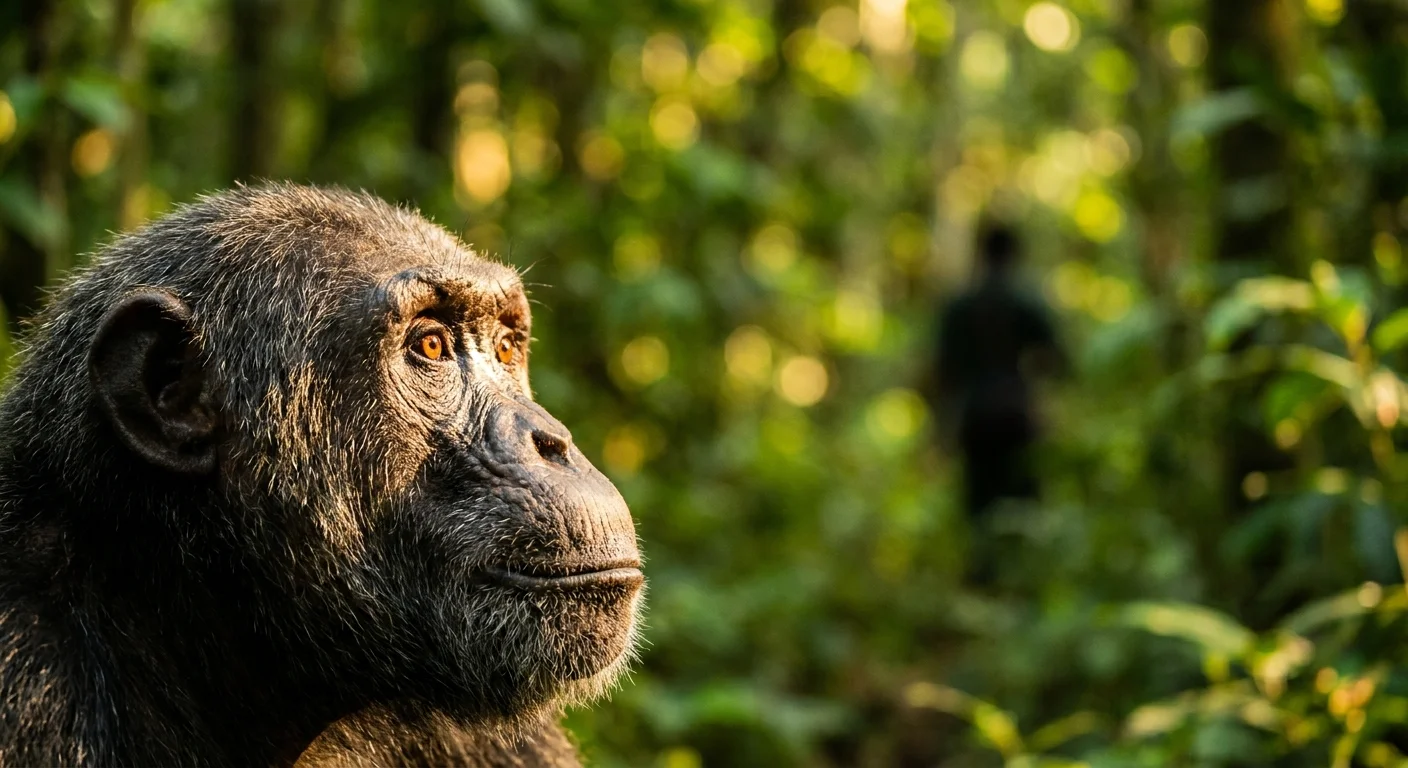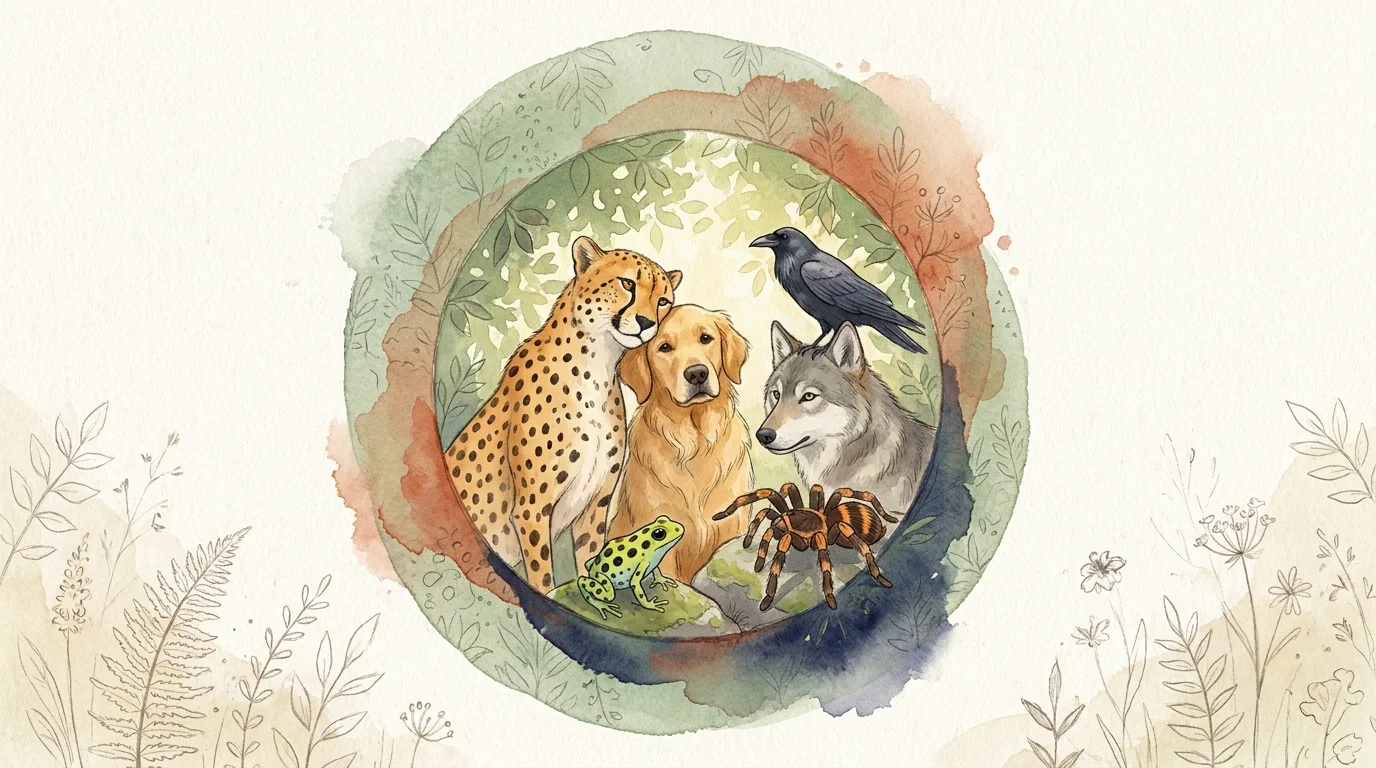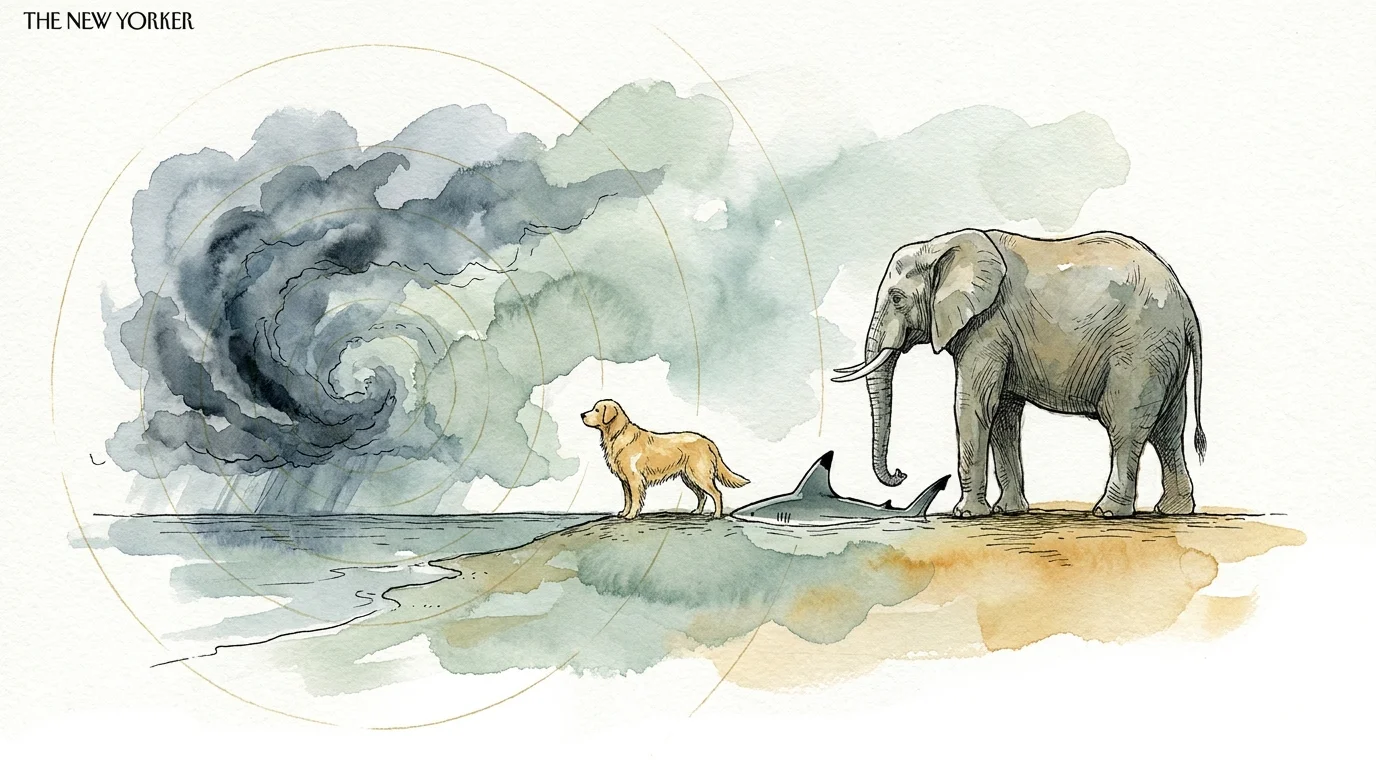
Animals possess built-in early warning systems that allow them to detect natural disasters hours or even days before human technology sounds the alarm. From elephants hearing the deep infrasound of an approaching tsunami to sharks sensing the barometric drops of a hurricane, these creatures read the invisible signals of our planet. Their survival depends on deciphering subtle changes in atmospheric pressure, ground vibrations, and chemical shifts that our human senses simply cannot perceive. By paying closer attention to this natural intuition, researchers are unlocking new ways to understand environmental threats. You can learn a lot by observing how wildlife and even your own pets behave when the weather turns or the ground prepares to shift.
Earth’s Living Seismographs
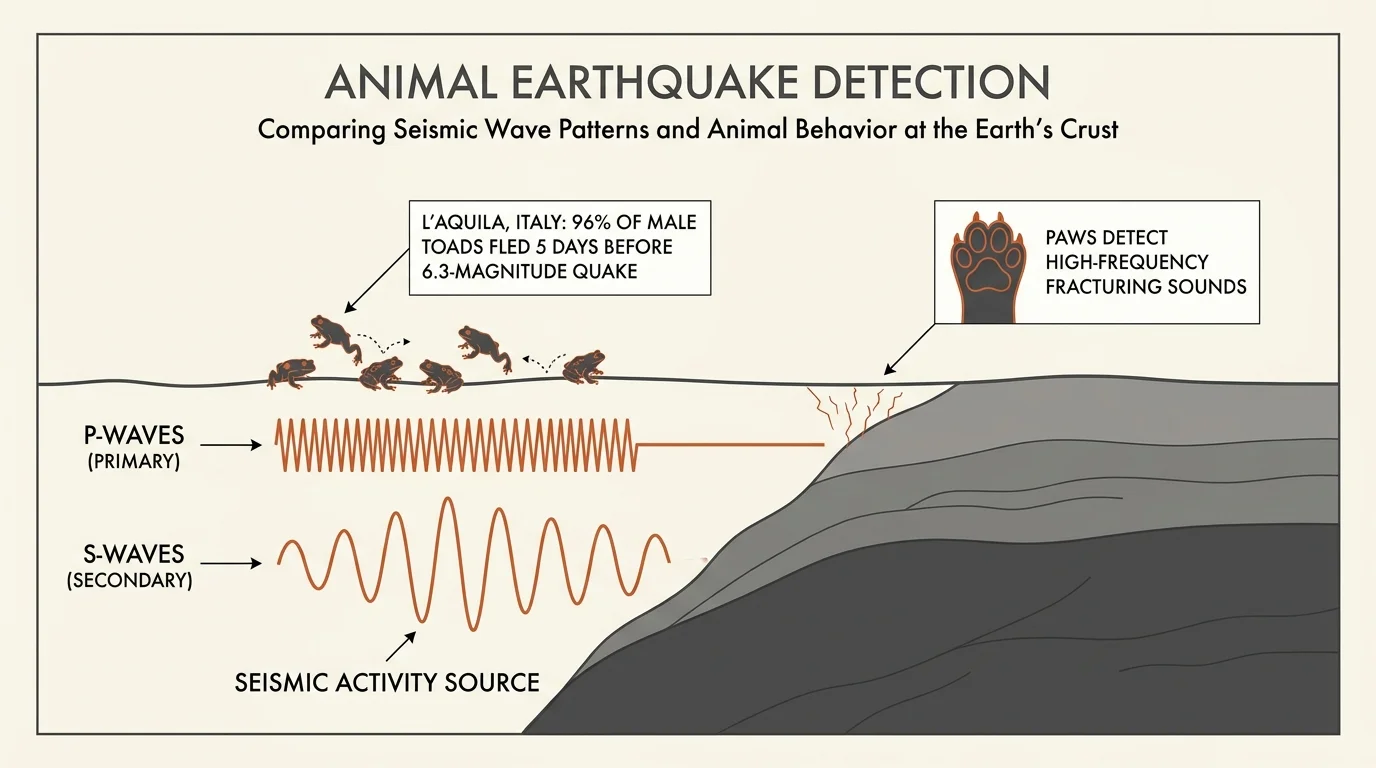
When tectonic plates shift beneath the Earth’s crust, they release energy in waves. While humans only feel the violent, destructive shaking of the secondary waves (S-waves), some animals act as natural seismographs. They detect the initial, much faster primary waves (P-waves) or notice subtle chemical and magnetic changes in their environment long before the ground begins to violently shake.
- Dogs: You might notice your dog barking, whining, or pacing anxiously seconds or even minutes before an earthquake hits. Thanks to their acute hearing, dogs can detect the high-frequency sounds of rocks fracturing deep underground. Furthermore, they physically feel the rapid, non-destructive P-waves vibrating through their sensitive paw pads, alerting them that a larger tremor is imminent.
- Cats: Felines possess highly sensitive inner ears and specialized nerve endings in their paws. Just like dogs, cats can feel P-waves moving through the floorboards. If your cat suddenly bolts for a hiding place or acts uncharacteristically erratic with no obvious trigger, they might be sensing the very first whispers of an earthquake.
- Common Toads: Amphibians are intimately tied to the chemistry of their environments. According to Live Science, scientists were observing a breeding colony of common toads (Bufo bufo) in a lakebed 46 miles from L’Aquila, Italy. Five days before a devastating 6.3-magnitude earthquake struck in April 2009, 96 percent of the male toads suddenly abandoned the breeding pool. They fled to higher ground and did not return until days after the final aftershocks subsided. Researchers suspect the toads sensed pre-seismic changes, such as the release of radon gas from the Earth’s crust or electromagnetic disruptions in the ionosphere.
- Snakes: Snakes lack external ears, but their jawbones rest directly on the ground, allowing them to feel incredibly subtle vibrations traveling through the earth. During the famous 1975 Haicheng earthquake in China, snakes were observed leaving their winter hibernation burrows days before the quake. Their instinct to escape the seismic vibrations completely overrode their natural drive to stay warm, causing them to emerge into the freezing winter air.
Masters of Barometric Pressure
A sudden drop in barometric (air) pressure is nature’s loudest alarm bell for an approaching storm. Many animals rely on specialized physical adaptations to detect this invisible shift and take immediate cover.
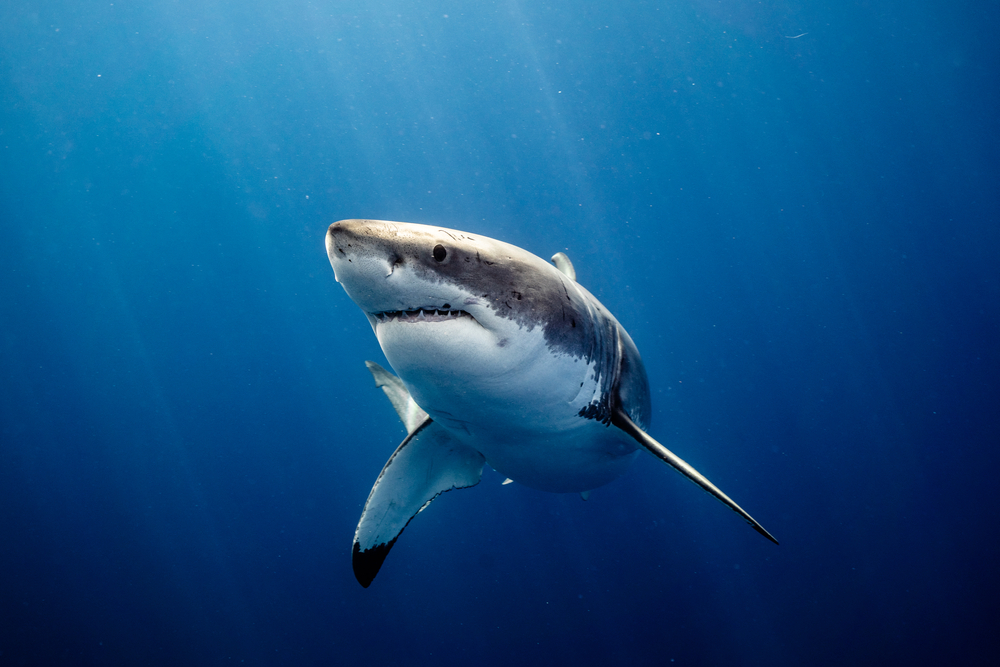
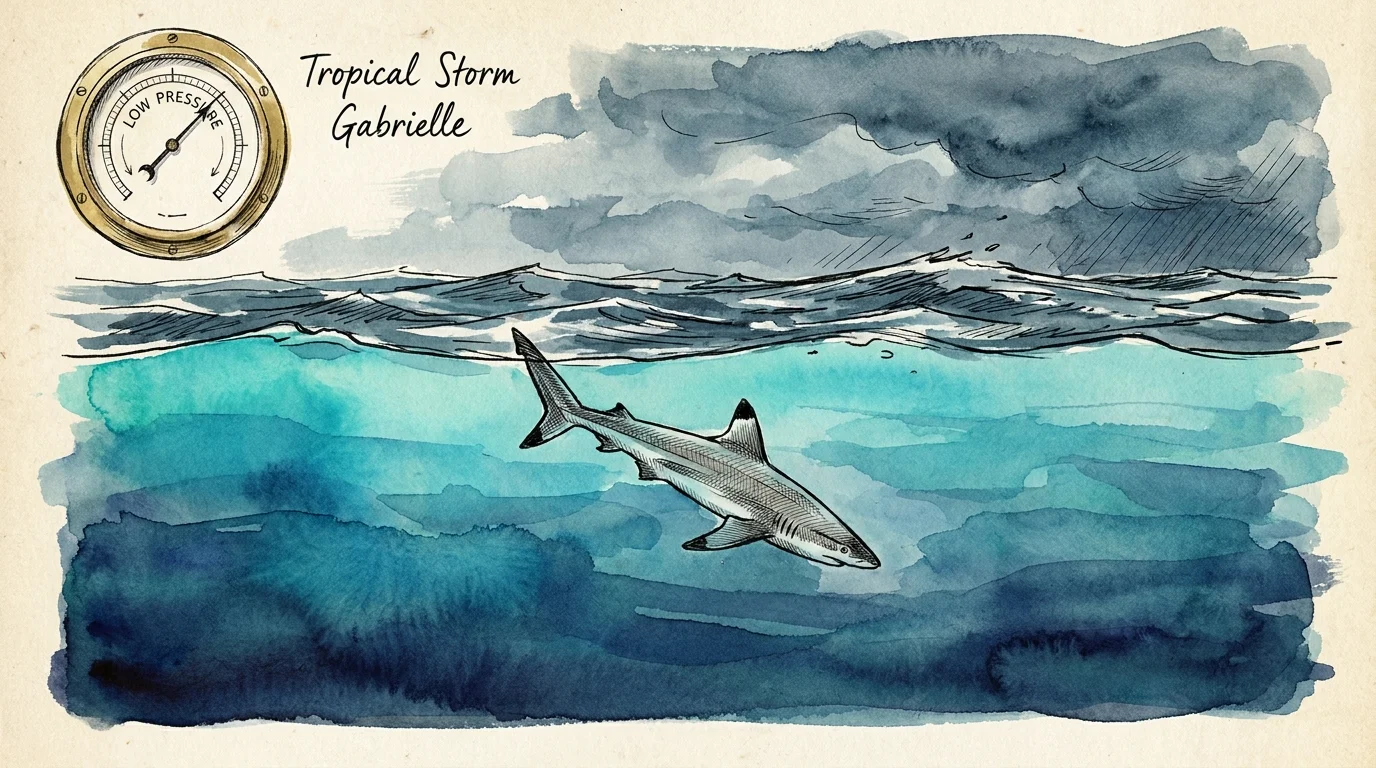
- Sharks: Marine biologists have discovered that sharks—specifically blacktip and lemon sharks—can sense the steep atmospheric pressure drops associated with approaching hurricanes. A notable study tracked juvenile blacktip sharks in a shallow Florida nursery just before Tropical Storm Gabrielle hit. The data showed the sharks suddenly leaving the safety of their shallow-water habitat and diving into the deeper, calmer ocean hours before the storm arrived. Using their highly sensitive inner ears and a lateral line system—a long row of fluid-filled pores running along their bodies—sharks detect the rapid pressure changes that dictate extreme weather.
- Bees: Have you ever noticed a sudden lack of buzzing right before a severe thunderstorm? Bees sense changes in atmospheric pressure and rising humidity. When a storm system moves in, they cut their foraging trips short and rush back to the hive. Once inside, they often seal the entrance to protect their colony from incoming floods and high winds. The sudden quiet of a normally busy garden is a strong indicator that rain is on the way.
- Cows: As The Farmers’ Almanac notes, the old farmer’s tale says that cows lie down when it’s about to rain. While they do not actually do this to keep a patch of grass dry, modern research confirms the lore has a basis in fact. Cows become restless and eventually lie down as barometric pressure drops and temperatures cool ahead of a storm system. Furthermore, dropping pressure often causes biting flies to swarm closer to the ground, prompting cows to huddle together and lie down to protect their vulnerable undersides.
- Ants: Ants are highly sensitive to the humidity and air pressure changes that precede a heavy downpour. To protect their subterranean colonies from drowning, they will often build higher protective mounds around their tunnel entrances. In some cases, they will seal the entrances completely or physically move their larvae to higher, drier chambers before the first drop of rain even falls.
The Infrasound Experts
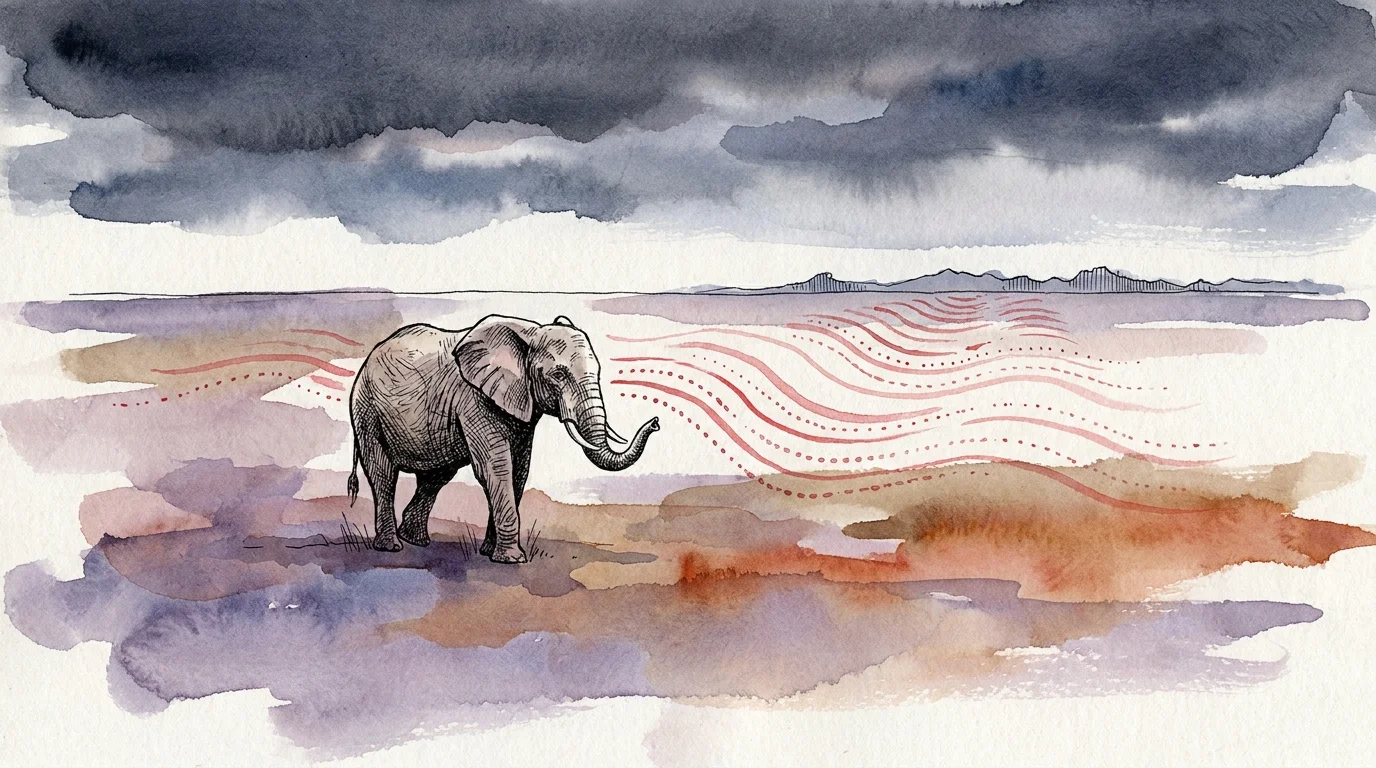
Infrasound consists of deep, low-frequency sound waves that travel for hundreds or even thousands of miles. While human ears cannot register these low frequencies, certain animals use them as an early warning system for extreme weather and geological disasters.
- Golden-Winged Warblers: Research from UC Berkeley captured one of the most astonishing examples of weather avoidance in 2014. Scientists had attached tiny tracking geolocators to a flock of golden-winged warblers in the Cumberland Mountains of Tennessee. The data revealed that the birds abruptly left their newly established breeding grounds and flew hundreds of miles south to the Gulf of Mexico. One to two days after the birds evacuated, a massive supercell swept through the area, spawning 84 confirmed tornadoes. The birds heard the tornadic infrasound from over 250 miles away. By the time the skies cleared, the warblers turned around and flew right back home.
- Elephants: Elephants can detect infrasound both through the air and through vibrations in the ground using specialized sensory receptors in their massive footpads. During the 2004 Indian Ocean tsunami, eyewitnesses in Sri Lanka and Thailand reported elephants screaming, breaking their chains, and running for higher ground long before the devastating waves arrived. They felt and heard the low-frequency rumble of the underwater earthquake miles away.
- White-Crowned Sparrows: Birds have hollow bones and internal air sacs that make flight incredibly difficult when barometric pressure plummets. Sparrows, swallows, and other small songbirds detect these pressure drops alongside the low-frequency rumble of incoming storms. To conserve energy and avoid being caught in turbulent winds, they immediately descend to lower altitudes to seek shelter in dense brush.
- Flamingos: Often found in coastal habitats or hypersaline lakes, flamingos are deeply attuned to the seismic and acoustic shifts in their environment. Similar to elephants, large flocks of flamingos were observed fleeing the shoreline and retreating into nearby forests right before the 2004 Indian Ocean tsunami. Their ability to sense the deep infrasonic frequencies of the shifting ocean floor gave them a crucial head start against the incoming surge.
Summary of Animal Warning Systems
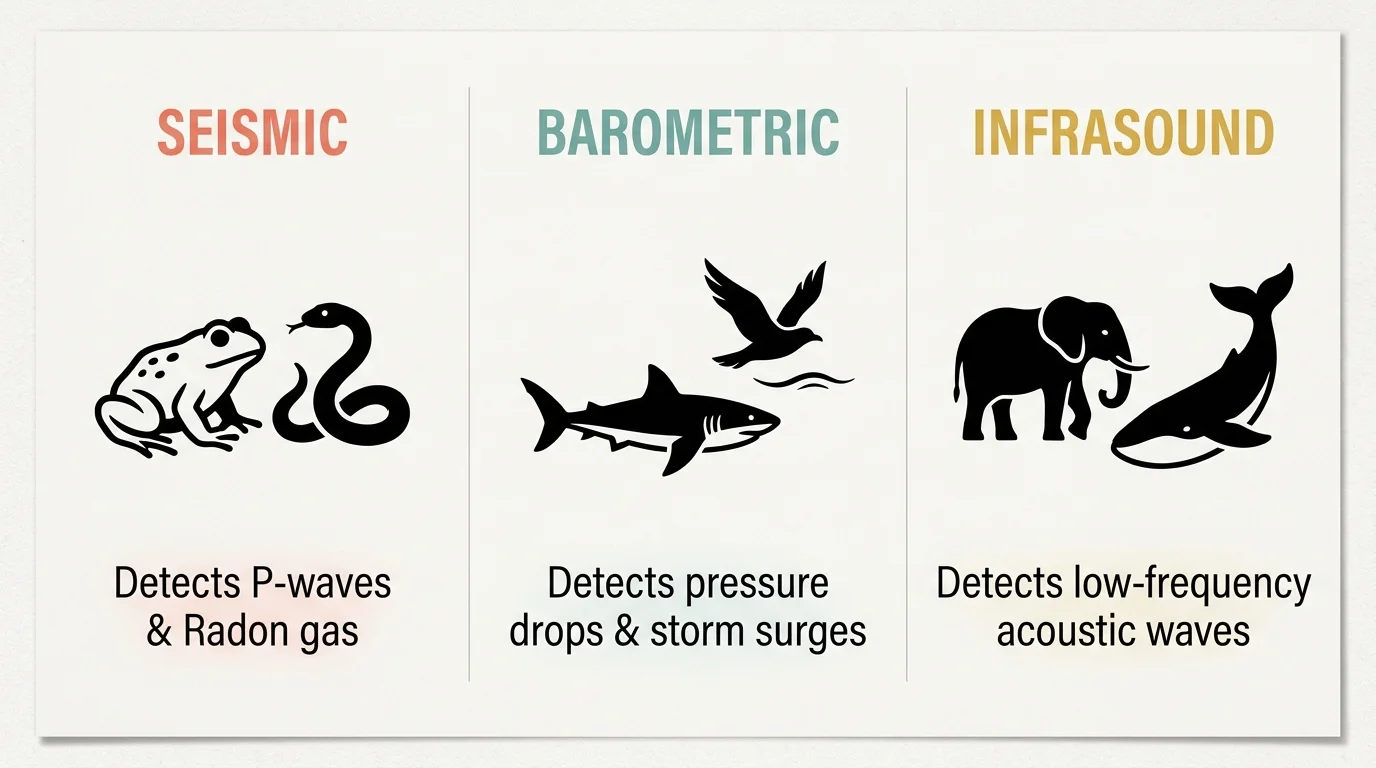
If you want a quick guide to how different animals decode the planet’s signals, the table below breaks down the primary triggers for these survival experts.
| Animal | Danger Sensed | Primary Sense or Trigger |
|---|---|---|
| Dogs and Cats | Earthquakes | Hearing high-frequency fractures; feeling P-waves through paws. |
| Golden-Winged Warblers | Tornadoes / Supercells | Hearing low-frequency infrasound from hundreds of miles away. |
| Sharks | Hurricanes | Detecting rapid barometric pressure drops via the lateral line. |
| Elephants and Flamingos | Tsunamis / Earthquakes | Sensing ground vibrations and infrasound through specialized physiology. |
| Bees and Ants | Heavy Rain / Storms | Detecting subtle shifts in atmospheric humidity and air pressure. |
| Common Toads | Earthquakes | Sensing groundwater chemistry changes, radon gas, or ionosphere shifts. |
What This Means for You
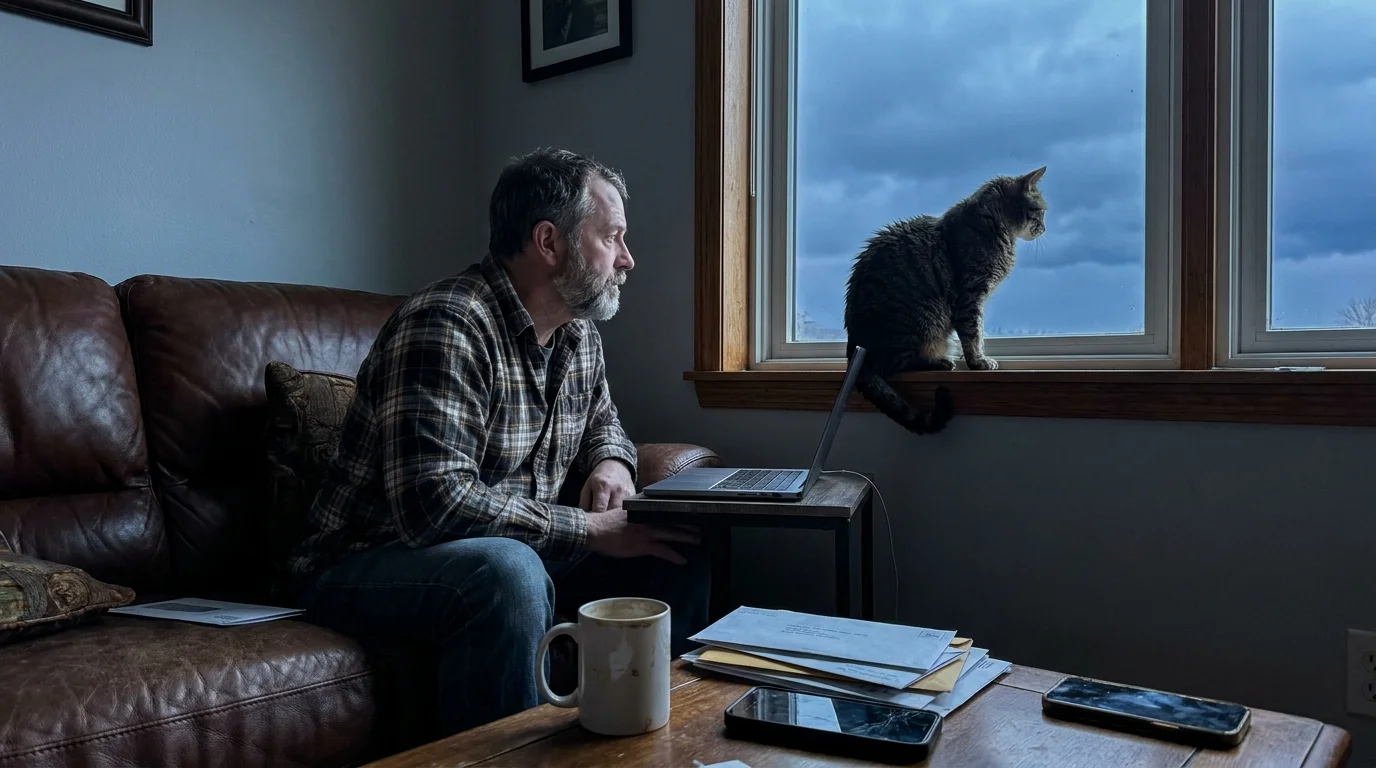
While you shouldn’t throw away your smartphone’s weather app or ignore official government warnings, observing animal behavior offers a highly practical layer of environmental awareness. Animals react to physical realities—pressure, vibration, and sound—long before those elements escalate into human-perceptible danger.
If you live in an earthquake-prone area and your pets suddenly become frantic, pace endlessly, or seek shelter under heavy furniture, it pays to assess your surroundings and review your emergency plan. Likewise, if you are hiking and notice a sudden absence of birds, or you see insects aggressively seeking cover, a severe storm is likely fast approaching. Pairing nature’s ancient instincts with modern technology gives you the best possible chance of staying safe.
Frequently Asked Questions
Can my dog predict an earthquake?
Dogs cannot predict earthquakes days in advance, but they can feel the initial, faster P-waves seconds or minutes before the destructive S-waves arrive. Their acute hearing also picks up the sound of grinding rocks deep underground before humans feel the shake.
Why do birds fly low before a storm?
Birds fly lower before a storm because dropping barometric pressure makes the air less dense. Thinner air provides less aerodynamic lift, requiring birds to expend far more energy to fly at higher altitudes. Flying low allows them to conserve energy and find shelter quickly.
Is it true that cows lie down before it rains?
Yes, but they do not do it to save a dry spot of grass. Cows lie down as a physiological response to the cooling temperatures and dropping air pressure that occur right before a rainstorm. The shifting pressure also brings biting flies lower to the ground, prompting cows to huddle and lie down for protection.
How do sharks know a hurricane is coming?
Sharks have a lateral line system—a network of fluid-filled pores—and highly sensitive inner ears that detect rapid drops in barometric and hydrostatic pressure. When they sense a severe pressure drop, their instincts drive them to swim out of shallow nurseries and into deeper, safer waters to avoid the storm surge.
The Final Word
The natural world is constantly communicating; we just have to know how to listen. From tiny warblers fleeing tornadoes to elephants seeking higher ground ahead of a tsunami, these twelve creatures prove that survival is often about sensing what cannot be seen. Next time the sky darkens or the air grows completely still, take a moment to look at the animals around you—they usually know exactly what to do.
The information here is meant for educational purposes. Specific circumstances—including health conditions, finances, location, and goals—may require different approaches. When in doubt, consult a licensed professional or check official sources directly.
Last updated: May 2026. Rules, prices, and details change—verify current information with official sources before acting on it.