Humans consider a century an incredibly long life, but for some animals, 100 years barely marks the beginning of adulthood. The natural world is full of astonishing creatures that have outlasted empires, survived shifting climates, and decoded the biological secrets of extreme longevity. From a deep-sea clam that witnessed the Renaissance to a cold-water shark swimming since the 1600s, these resilient animals challenge everything we know about aging. Deep within the ocean and tucked away on remote islands, evolutionary tricks like slow metabolisms, flawless DNA repair, and cellular regeneration keep these species thriving generation after generation. To understand how life stretches across hundreds or even thousands of years, look to these seven extraordinary survivors.
1. Greenland Shark: The Cold-Water Cruiser
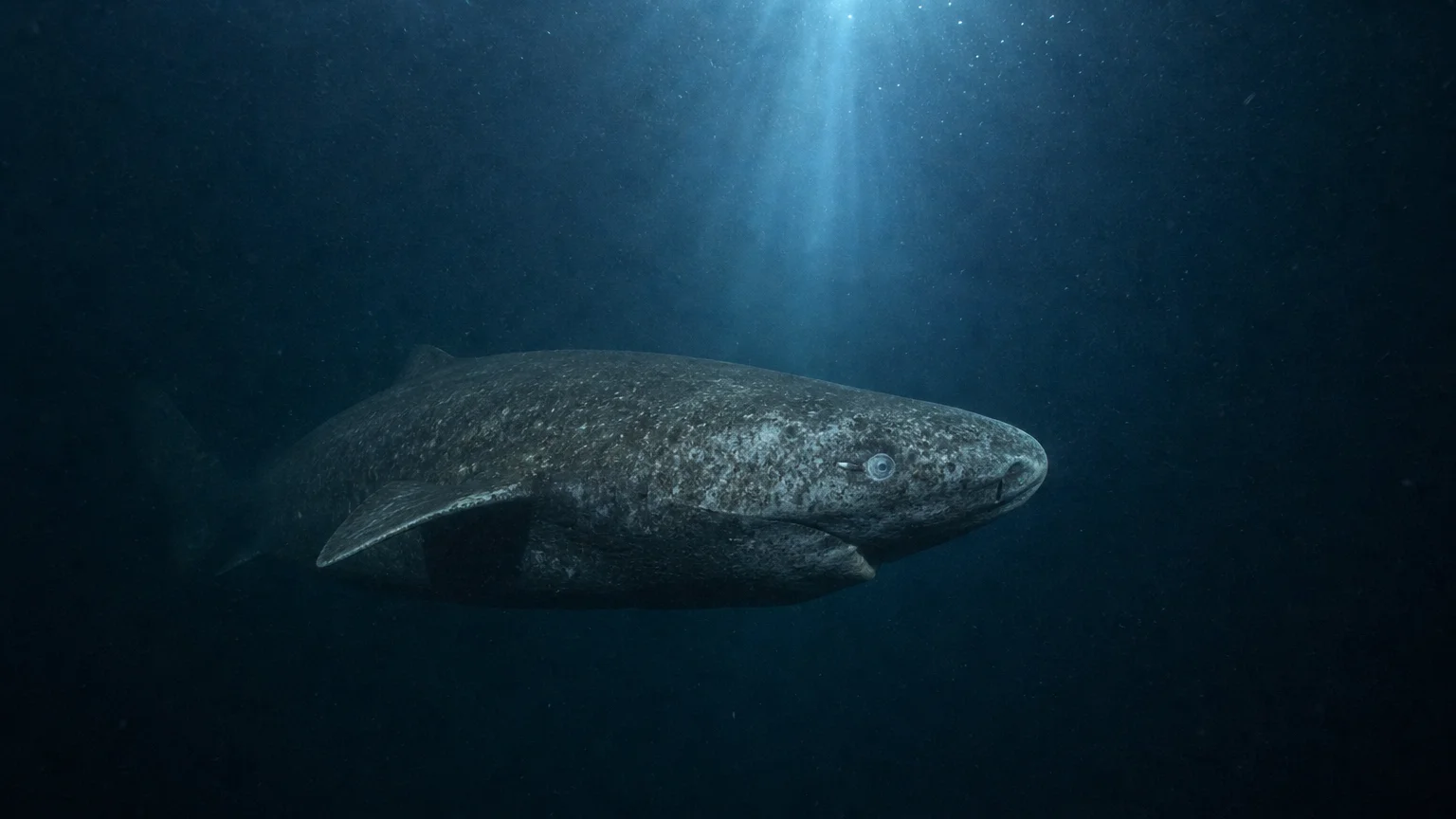
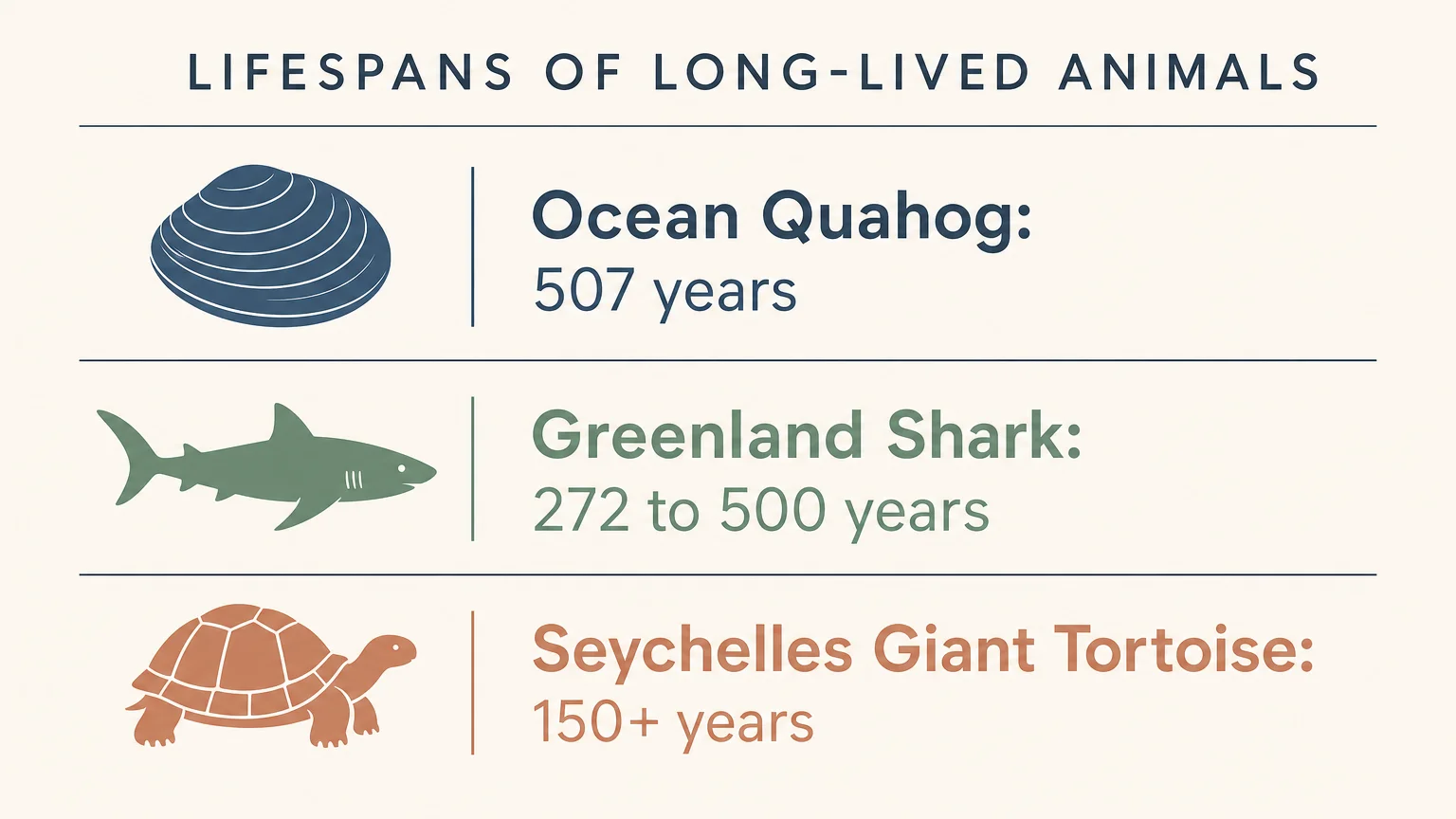
The Greenland shark (Somniosus microcephalus) roams the freezing, pitch-black waters of the Arctic and North Atlantic oceans. If you ever come face-to-face with one of these sluggish giants, you might be looking at an animal that was swimming during the 17th century. Research published by NOAA’s National Ocean Service estimates their lifespan ranges between 272 and 500 years, making them the longest-living vertebrates on Earth.
Finding out the age of a shark is usually a straightforward process. Marine biologists count the growth bands on their vertebrae or fin spines, much like counting the rings on a tree trunk. However, Greenland sharks lack fin spines, and their vertebrae are too soft to form these distinct bands. Instead, scientists turn to radiocarbon dating of proteins found inside the sharks’ eye lenses. When a Greenland shark is just an embryo in the womb, special proteins crystallize in the center of its eye lenses. Because these proteins remain metabolically inactive and never replenish throughout the shark’s life, they act like a biological time capsule. Researchers extract the lens core and apply radiocarbon dating to calculate when the shark was born.
The secret to their astonishing lifespan boils down to a sluggish pace of life. A Greenland shark swims at a top speed of less than one mile per hour and grows less than a centimeter per year. The freezing water temperatures keep their metabolism incredibly slow, delaying sexual maturity until they reach roughly 150 years of age. By operating in low gear, the Greenland shark drastically reduces the cellular wear and tear that drives aging.
2. Ocean Quahog: A Clam That Lived Through the Renaissance
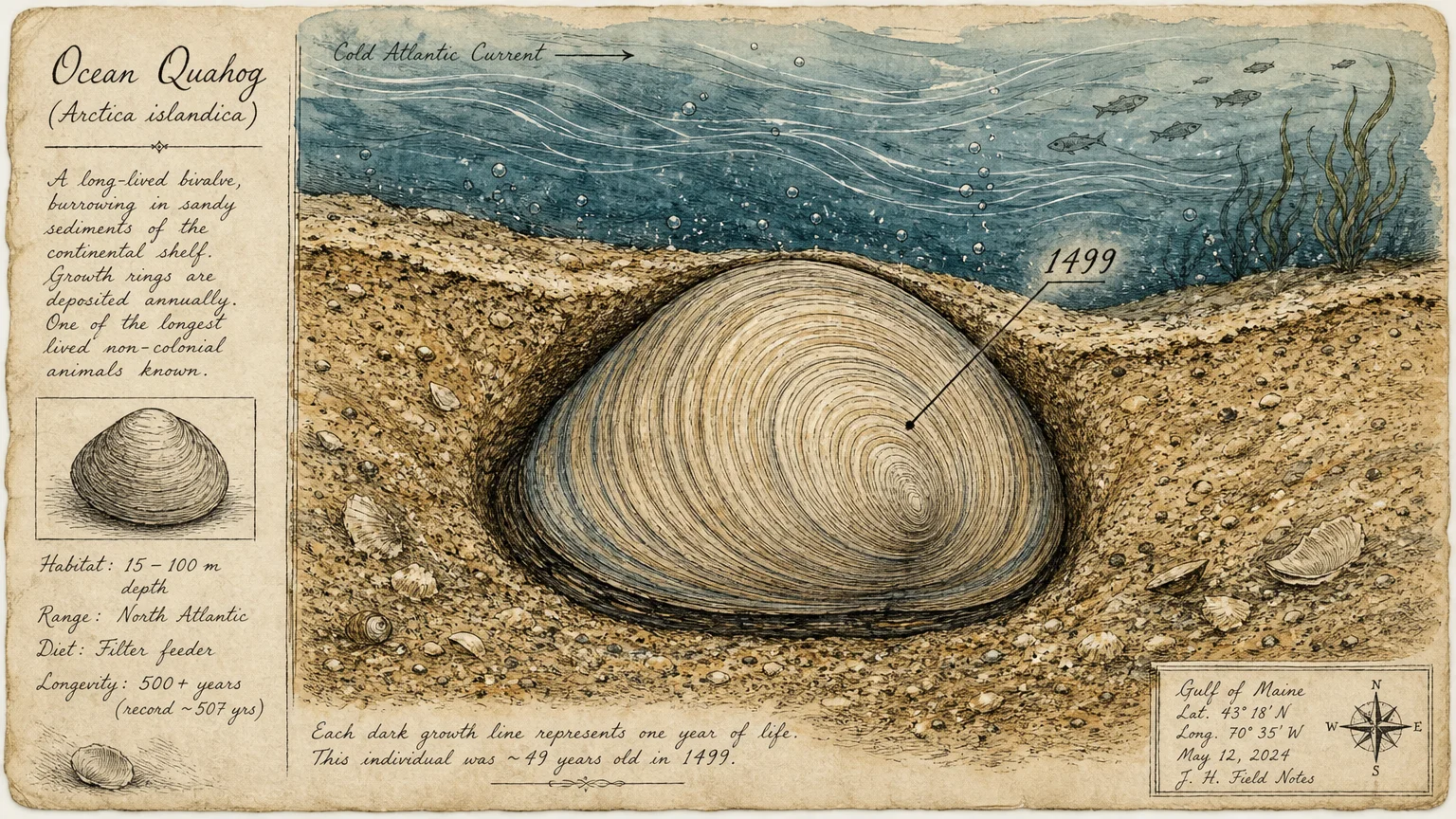
Imagine spending half a millennium buried in the seabed of the North Atlantic. That is the reality for the ocean quahog (Arctica islandica), a fist-sized marine bivalve mollusk. In 2006, scientists dredged up a particular ocean quahog off the coast of Iceland during a routine climate study. Nicknamed “Ming” after the Chinese dynasty during which it was born, this humble mollusk clocked in at an astonishing 507 years old—securing the title of the oldest non-colonial animal ever discovered.
Researchers determine a quahog’s age through sclerochronology, the marine equivalent of studying tree rings. The clam adds a new, visible growth band to its shell every year. By carefully counting these bands under a microscope, scientists pinpointed Ming’s birth year to around 1499. Tragically, the process of opening the shell to count these bands ended Ming’s life, a common caveat when studying bivalve age.
What allows a simple clam to outlive generations of humans? The answer lies in negligible senescence—a biological phenomenon where an organism shows little to no sign of physical or functional decline as it ages. The ocean quahog maintains exceptionally stable internal conditions and experiences very low rates of nucleic acid oxidation. In simpler terms, its DNA stays pristine over centuries, successfully avoiding the genetic breakdown that triggers the aging process in most other creatures.
3. Bowhead Whale: Mammalian Masters of Longevity
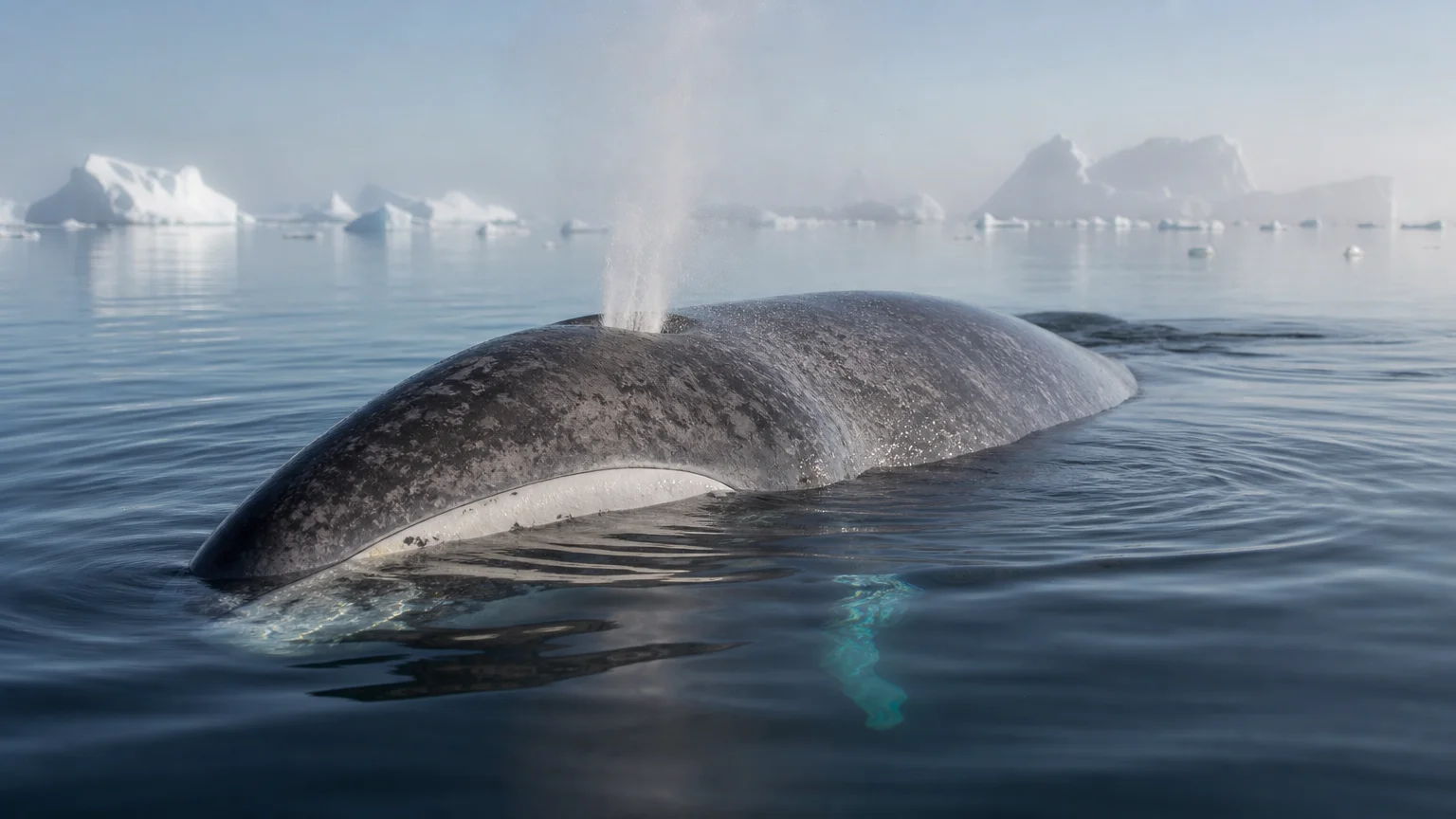
Among mammals, the bowhead whale (Balaena mysticetus) stands entirely unmatched. Reaching weights of over 80,000 kilograms and breaking through Arctic ice with their massive skulls, these whales routinely live past the 200-year mark. We know this not just through modern biology, but through incredible historical artifacts. In the early 2000s, Alaskan researchers discovered traditional stone and ivory harpoon points embedded deep within the blubber of freshly caught whales. These tools matched those used by whalers in the late 1800s, proving the animals had survived a hunt a century earlier and kept swimming.
Living a long time as a massive creature presents a unique biological hazard: cancer. Animals with millions of times more cells than a human should theoretically have a higher chance of a cell mutating into a tumor. Yet, bowhead whales almost never develop cancer. This contradiction is known in biology as Peto’s Paradox.
Recent genetic sequencing at institutions like the University of Rochester has uncovered the whale’s defensive strategy. Bowhead whales produce uniquely high levels of a protein called CIRBP, which actively repairs double-strand breaks in DNA. They also possess extra copies of genes linked to cancer suppression. Rather than succumbing to cellular damage, their bodies actively hunt down and fix the genetic errors that lead to disease and aging.
4. Turritopsis dohrnii: The “Immortal” Jellyfish
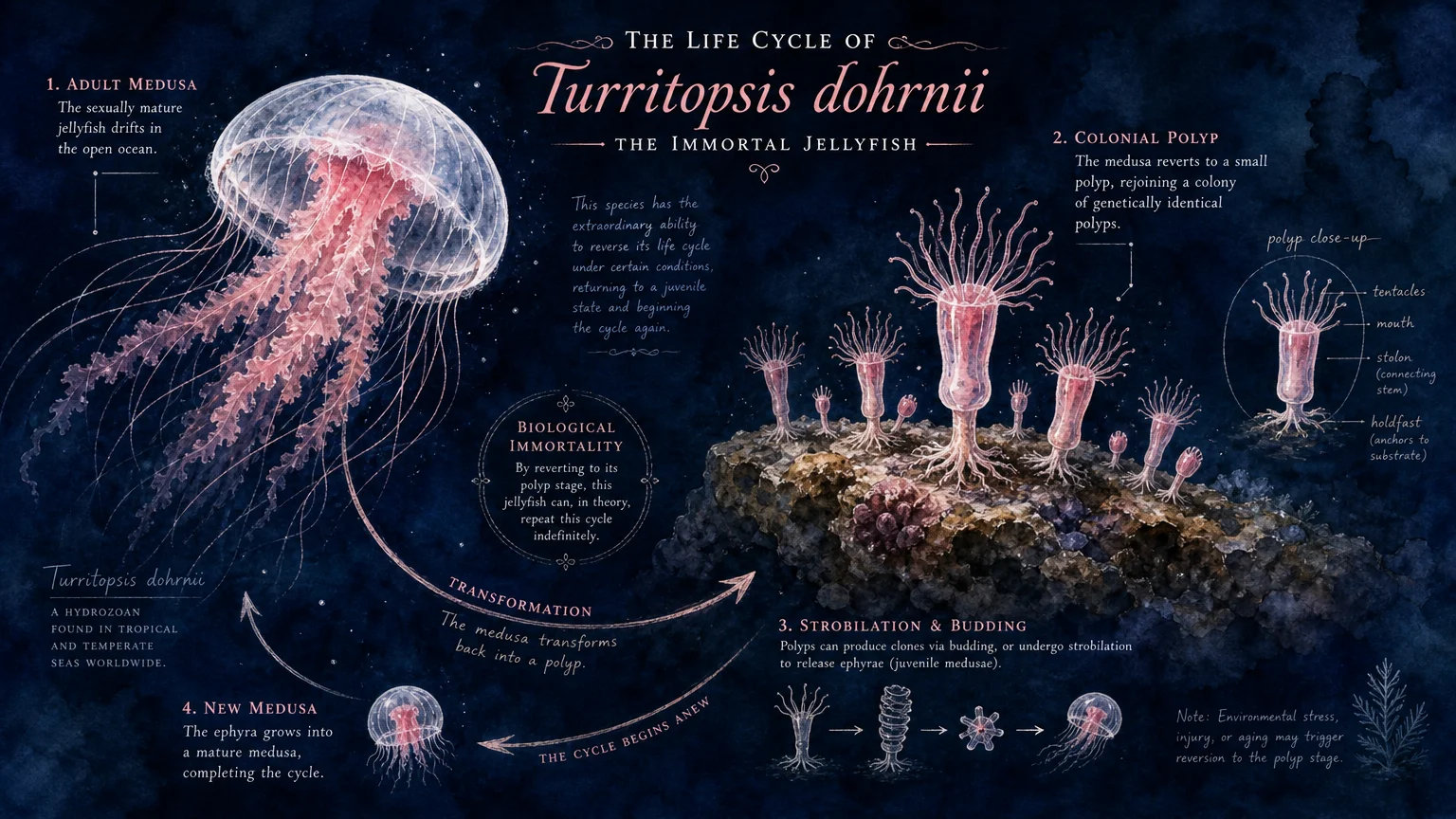
If there is a holy grail of animal longevity, it belongs to Turritopsis dohrnii. Found in temperate and tropical waters around the world, this tiny creature measures less than a quarter of an inch across. Yet, it possesses an ability that borders on science fiction: biological immortality.
Most jellyfish follow a standard lifecycle. They begin as a larva, attach to the seafloor as a stationary polyp, and eventually bud off into the free-swimming medusa you picture when you think of a jellyfish. When the medusa grows old or reproduces, it dies. Turritopsis dohrnii, however, refuses to follow this one-way street. When faced with environmental stress, physical injury, starvation, or old age, it effectively hits a biological reset button.
Through a highly specialized process called cellular transdifferentiation, the adult jellyfish alters the differentiated state of its cells. It sinks to the ocean floor, transforms into a protective cyst, and eventually regrows into a new polyp colony. That colony then produces brand-new medusae. Because the new jellyfish share the exact same genetic code as the original, the organism essentially clones itself indefinitely. While they can still be eaten by predators or succumb to infections, they never actually die of old age.
5. Seychelles Giant Tortoise: The Oldest Living Land Animal
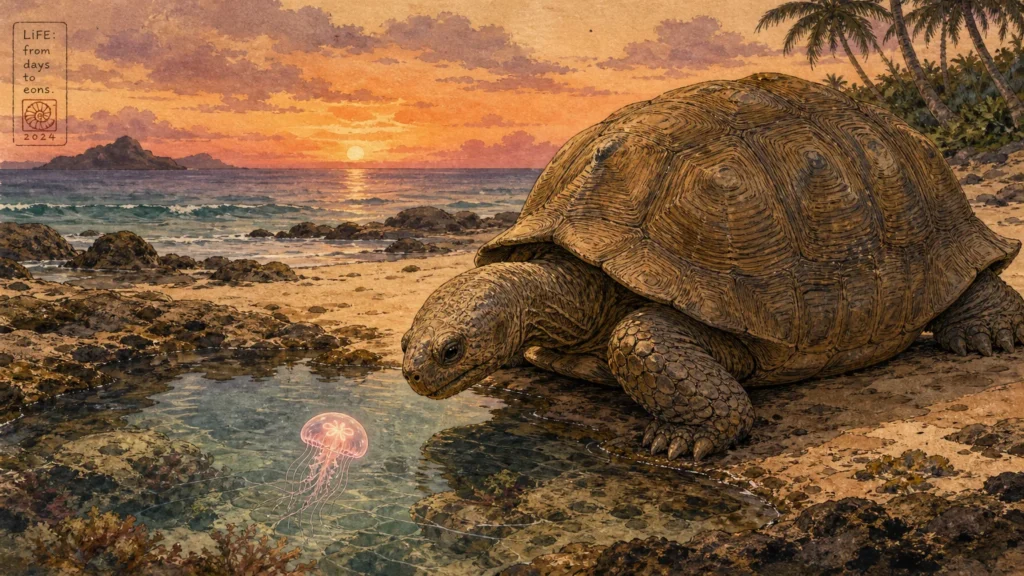
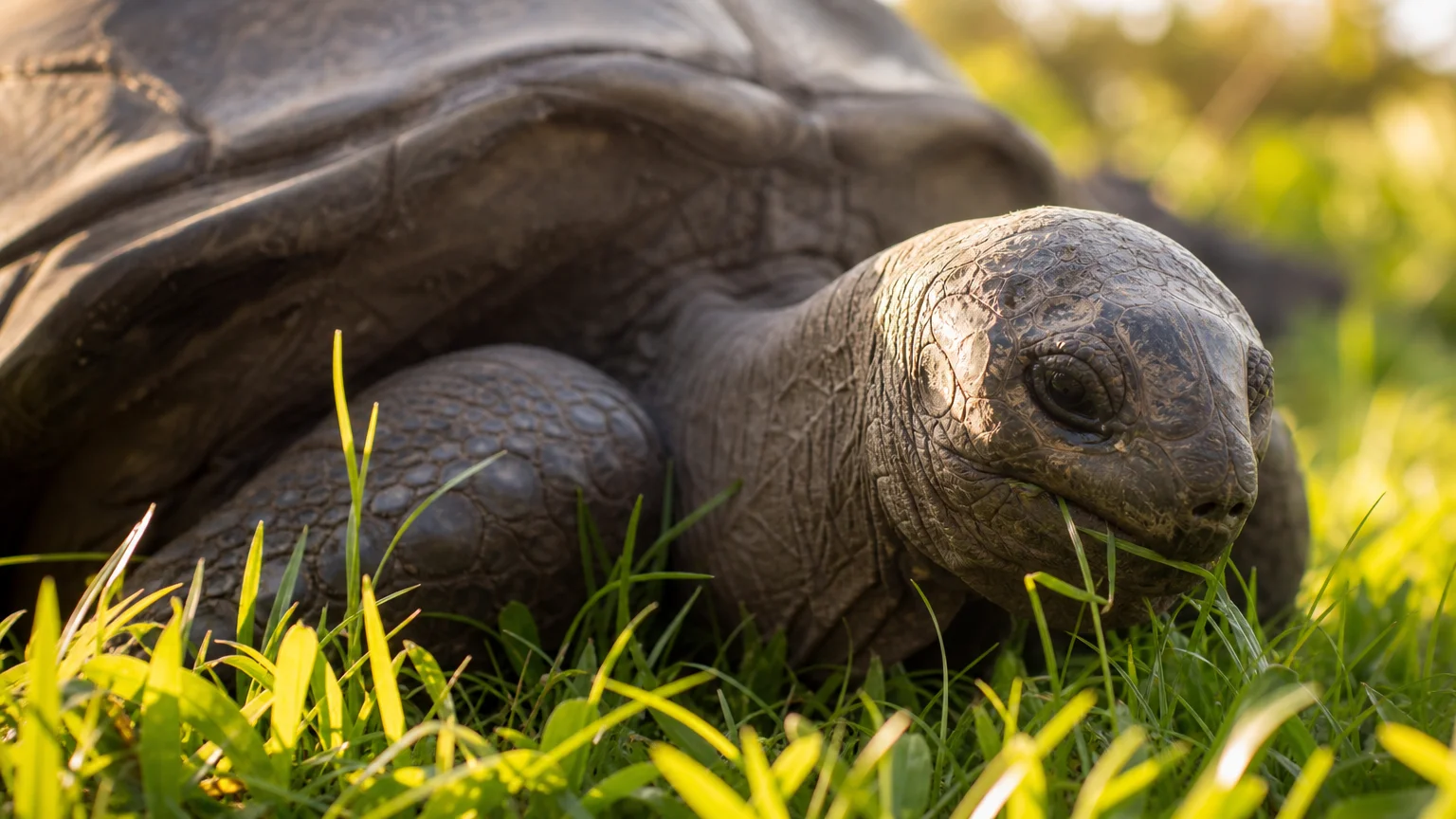
If you visit the remote South Atlantic island of St. Helena, you can walk the grounds of the Plantation House and meet Jonathan. Born around 1832, Jonathan is a Seychelles giant tortoise (Aldabrachelys gigantea hololissa) and currently holds the Guinness World Record as the oldest known living land animal. At 194 years old, he has lived through the terms of dozens of local governors, the invention of the telephone, and the reigns of multiple British monarchs.
We know his approximate age because photographic evidence from his arrival on the island in 1882 shows him fully mature. Since giant tortoises take at least 50 years to reach full maturity, doing the math places his birth year no later than 1832. His age is likely a conservative estimate; he could be even older.
Giant tortoises evolved on isolated island chains completely devoid of natural predators. Without the constant threat of being eaten, they did not need to invest biological energy into growing quickly or reproducing rapidly. Instead, their evolutionary path favored a slow, steady lifestyle. Their massive shells provide ultimate protection, while a slow metabolism allows them to endure droughts and food shortages. Even though Jonathan is now virtually blind from cataracts and has lost his sense of smell, his sharp hearing and healthy appetite keep him thriving. A dedicated team hand-feeds him a fortified diet of apples, carrots, cucumbers, and bananas to ensure he gets the necessary vitamins.
6. Black Coral: Thousands of Years in the Deep
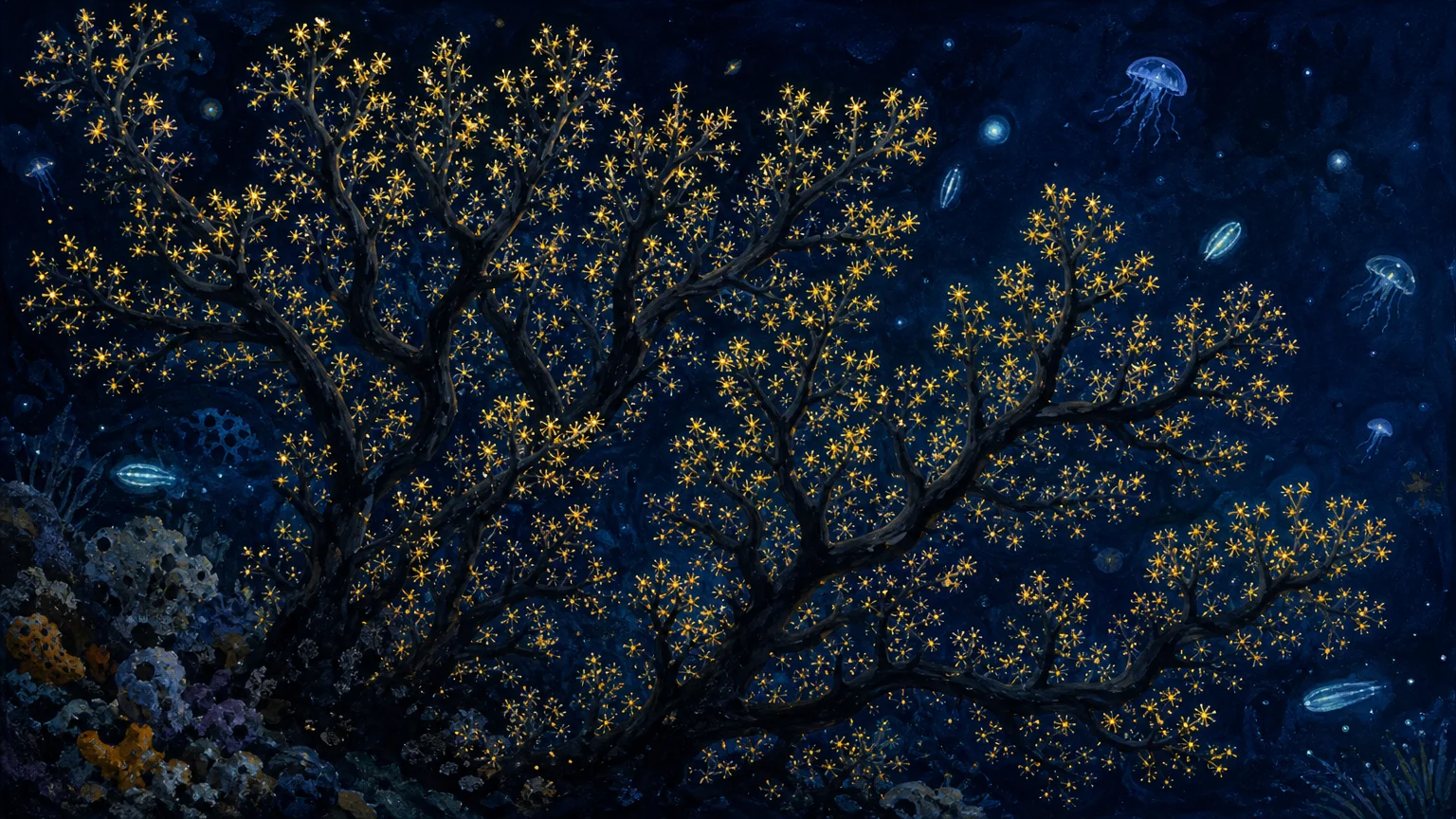
When you think of wildlife, coral might not be the first animal that comes to mind. But corals are indeed living animals, constructed from thousands of tiny, soft-bodied organisms called polyps. Deep in the ocean, particularly in the dark, cold waters off the coast of Hawaii, black corals in the genus Leiopathes take longevity to the extreme.
Using radiocarbon dating techniques on the skeletal structures, marine biologists have estimated that some black coral colonies are over 4,200 years old. This means that these exact living structures began growing while the Great Pyramid of Giza was still under construction in Ancient Egypt.
Because they reside in the deep sea, black corals avoid the fluctuating temperatures, fierce storms, and human disturbances that plague shallow-water reefs. They grow continuously and incredibly slowly—sometimes adding just fractions of a millimeter to their skeletons each year. The colony structure ensures survival; even if individual polyps die off, new polyps build on the calcium carbonate framework, keeping the collective organism alive across millennia.
7. Red Sea Urchin: 200 Years of Spiky Survival
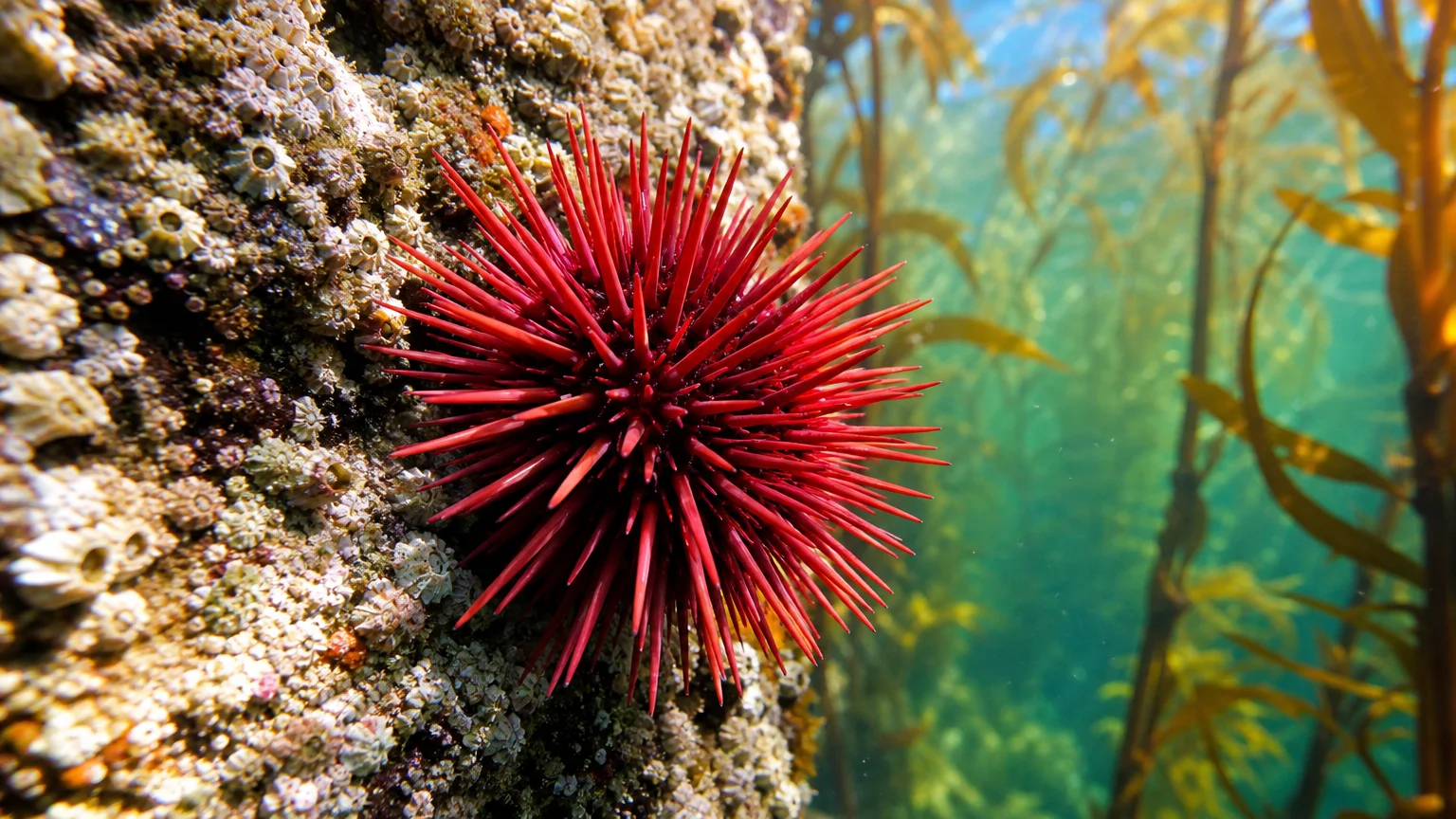
The red sea urchin (Mesocentrotus franciscanus) inhabits the coastal waters of the Pacific Ocean, stretching from Alaska down to Baja California. Armed with sharp, protective spines, they graze on kelp and navigate the seafloor. For decades, scientists assumed these echinoderms lived a maximum of ten to fifteen years.
That assumption shattered when researchers measured carbon-14 levels in the urchins’ tissues. In the mid-20th century, global nuclear weapons testing released massive amounts of carbon-14 into the atmosphere, which eventually settled into the oceans. Marine organisms incorporated this isotope into their shells and tissues. By tracking this radioactive fallout—the “bomb curve” method—scientists proved that the largest urchins were easily surpassing the 100-year mark, with some reaching over 200 years old.
The most shocking revelation is not just how long they live, but how well they age.
“No animal lives forever, but these red sea urchins appear to be practically immortal. They can die from attacks by predators, specific diseases or being harvested by fishermen. But even then they show very few signs of age. The evidence suggests that a 100-year-old red sea urchin is just as apt to live another year, or reproduce, as a 10-year-old sea urchin.”
Red sea urchins do not experience menopause or age-related functional decline. A two-century-old urchin is just as healthy, active, and fertile as a juvenile.
Lifespans at a Glance
To put these incredible lifespans into perspective, here is a breakdown of how these seven species compare.
| Animal | Estimated Maximum Lifespan | Primary Habitat | The Secret to Their Longevity |
|---|---|---|---|
| Turritopsis dohrnii (Immortal Jellyfish) | Biologically Immortal | Temperate and tropical waters | Cellular transdifferentiation |
| Black Coral | 4,000+ years | Deep ocean reefs | Stable environment, slow growth |
| Ocean Quahog | 500+ years | North Atlantic | Negligible senescence, pristine DNA |
| Greenland Shark | 272 to 500+ years | Arctic Ocean | Freezing temperatures, slow metabolism |
| Bowhead Whale | 200+ years | Arctic & sub-Arctic waters | Advanced DNA repair (CIRBP protein) |
| Red Sea Urchin | 200+ years | Pacific Coast | No age-related functional decline |
| Seychelles Giant Tortoise | 190+ years | Isolated islands (St. Helena) | Low metabolic rate, lack of predators |
Why Extreme Animal Longevity Matters Now
Studying the longest living animals provides more than just interesting trivia; it holds the blueprint for human health breakthroughs. By analyzing the bowhead whale’s unique DNA-repair proteins and the Greenland shark’s stable chromatin, researchers are identifying the genetic mechanics that suppress cancer and delay cellular breakdown. When you understand how a sea urchin prevents physical deterioration over 200 years, you unlock potential pathways for treating human age-related diseases. The medical field is currently testing whether the cellular reprogramming seen in the immortal jellyfish can be safely applied to human tissues to treat degenerative conditions. Protecting these ancient species in the wild ensures we do not lose the biological maps that could one day extend your own healthspan.
Common Questions About Animal Lifespans
- What does negligible senescence mean?
Negligible senescence is a biological phenomenon where an organism shows little to no sign of physical or functional decline as it ages. Animals like the red sea urchin and ocean quahog do not lose reproductive capacity or become more vulnerable to disease as they get older. - How do scientists determine the exact age of a wild animal?
It depends on the species. For clams and trees, scientists count physical growth rings. For sharks, they use radiocarbon dating on eye lens proteins. For red sea urchins, they measure carbon-14 levels left over from historical nuclear testing. - Could humans ever replicate the lifespan of an immortal jellyfish?
While humans cannot literally transform back into babies, researchers are actively studying the jellyfish’s transdifferentiation process. The goal is to figure out how to safely reprogram human cells to repair damaged organs or combat degenerative diseases. - Are immortal jellyfish truly impossible to kill?
No. Biological immortality simply means they do not die from old age. They can still be eaten by predators, killed by changes in water temperature, or wiped out by disease.

A Note on the Future of Long-Lived Wildlife
These seven species prove that the aging process is not a strict biological rule, but rather a flexible set of instructions shaped by evolution. As we continue to uncover the mysteries of transdifferentiation, DNA repair, and negligible senescence, we gain a deeper appreciation for the ancient creatures that share our planet. By supporting marine conservation and protecting vulnerable island habitats, you help ensure these remarkable animals can continue living their impossibly long lives for centuries to come.
This article provides general information only. Every reader’s situation is different—what works for others may not be the right fit for you. For personalized guidance on health, legal, or financial matters, consult a qualified professional.
Last updated: June 2026. Rules, prices, and details change—verify current information with official sources before acting on it.