On the Road: Managing the Journey Day-by-Day
The day of departure has arrived! Your preparation will now pay off. The key to a successful travel day is maintaining a sense of calm and routine, even amidst the excitement of the journey. Pets thrive on predictability, and the more you can stick to their normal schedule, the more comfortable they will be.
The Morning Of: A Calm Start
Your pet will pick up on your energy, so try to keep the morning calm and organized. Rushing around and showing stress can make your pet anxious before you even leave. Start the day with a long walk, a vigorous game of fetch, or a fun play session. A tired pet is a good traveler. This helps them burn off excess energy so they are more likely to rest calmly in the car.
To help prevent motion sickness, feed your pet a light meal a few hours before you plan to depart, rather than a large meal right before getting in the car. Make sure they have a final potty break just before you load them up.
Planning for Frequent Stops
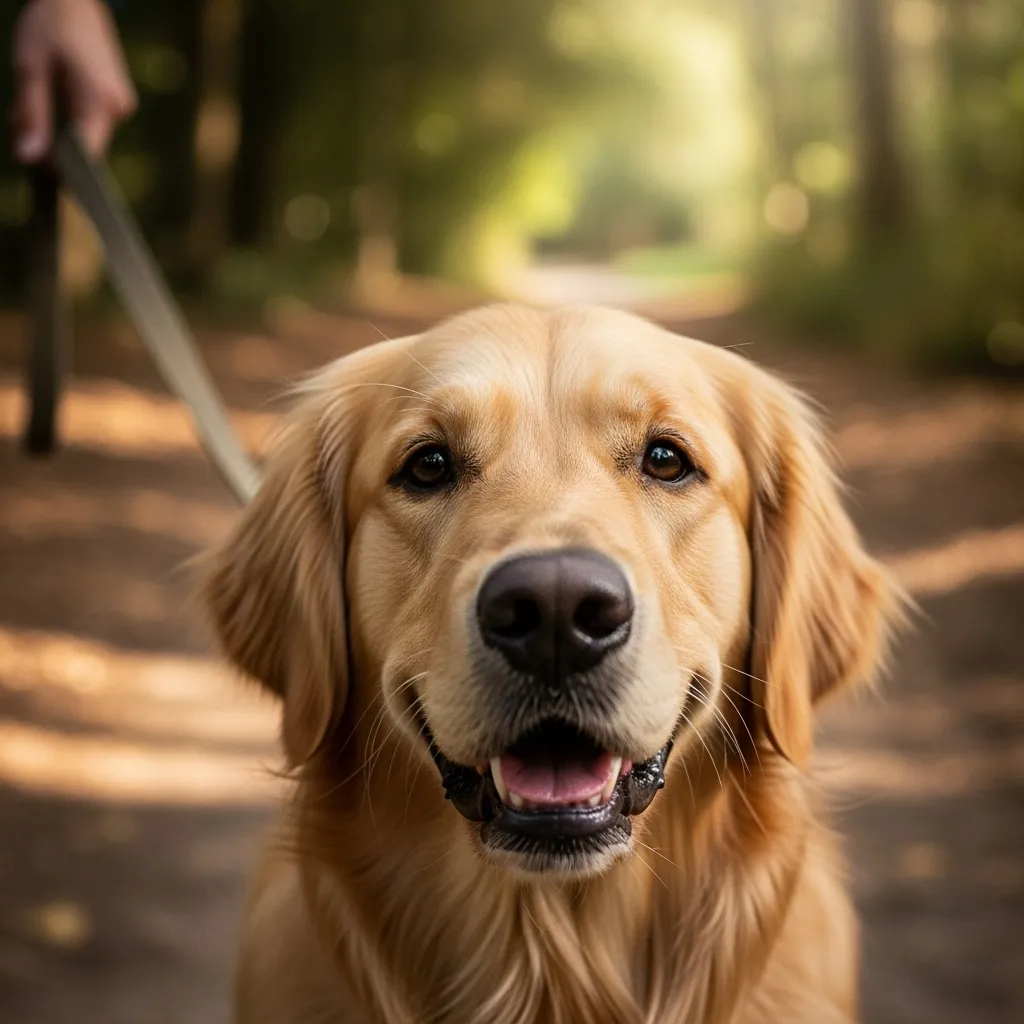
Long stretches in the car can be tough on a pet. A good rule of thumb for dog-friendly travel is to plan a stop every two to three hours. These breaks are not just for potty needs; they are crucial for your pet’s mental and physical well-being. Use these stops as an opportunity for a short, leashed walk to stretch their legs, a chance to sniff new smells (which is great mental stimulation), and to offer them some water. Choose rest stops with designated pet areas or find a quiet, grassy spot away from heavy traffic.
Hydration and Feeding on the Go
Dehydration can be a risk during travel. Offer your pet fresh water at every stop, even if they don’t seem thirsty. For meals, try to stick as closely as possible to their regular feeding schedule. If you normally feed them at 5 PM, find a safe place to pull over around that time for their dinner. Eating in a parked car is much safer and more comfortable than trying to manage food in a moving vehicle. Avoid giving them large amounts of treats or human food, which can lead to an upset stomach.
Here’s a sample travel day routine to give you an idea of how to structure your time:
7:00 AM: Wake up. Take the dog for a 30-minute walk and play session.
7:30 AM: Feed a small breakfast.
8:30 AM: Load luggage into the car while the dog has some quiet time with a chew toy.
9:00 AM: Final potty break. Secure the dog in their travel harness or crate. Depart.
11:30 AM: First travel break at a rest stop. 15-minute leashed walk, offer water.
11:45 AM: Back on the road.
2:15 PM: Second travel break. Another short walk, water, and a few training cues with treats to engage their mind.
2:30 PM: Back on the road.
5:00 PM: Arrive at the pet-friendly hotel for the night. Settle in before feeding dinner.